Author: Ibraheem Sohail

  • Potential fuel price hike: Economic challenges ahead for Pakistan

    Potential fuel price hike: Economic challenges ahead for Pakistan

    Estimates for the fuel prices for the next fortnight are in, and both business owners and consumers may be disappointed by the announcement once again. The prices of petrol, kerosene, and High-Speed Diesel (HSD) are all estimated to increase by approximately five to six rupees per litre, according to Dawn.

    Sources reveal that the ex-depot price of petrol is expected to rise by five to six rupees. HSD and kerosene might see more conservative rises in prices of just two and three rupees per litre, respectively.

    These are estimations, and the actual revision of prices will be carried out on January 15.

    Expectations surrounding the surge in fuel prices can safely be attributed to the higher prices of fuel in the international market. The reasoning behind the rise in fuel prices is that United States President-elect Donald Trump threatened to slap sanctions on Russian oil and energy exports.

    According to Statista, Russia is the third largest producer of oil worldwide. The Russian oil industry alone accounts for over 12 percent of global crude oil production. With Donald Trump seemingly on course to strangle Russia’s oil exports, net importers of petroleum, such as Pakistan, are projected to face large financial losses.

    Historically, the economy has witnessed a large balance of trade deficits because of the large volume of petroleum products on the import bill. Experts predict that the rise in international crude oil prices will negatively impact Pakistan’s trade balance.

    Since Donald Trump’s threat, the market summary revealed that Brent prices had gone up by one to two dollars per barrel. The only silver lining is that import premiums have not been changed, and the exchange rate remains stable.

    If Islamabad had decided to tack on to the already extortionately high 76 rupees per litre petroleum levy, consumers would suffer even more. Furthermore, had the rupee faced depreciation, it would have been financially challenging for consumers to afford the new petrol prices.

    However, experts predict that the expected price hike will significantly hurt businesses, and a prime example is the transport sector. HSD is a primary input in business operations, and with HSD prices rising, profit margins are expected to grow slimmer.

    The hike in petrol prices is also expected to erode the purchasing power of regular consumers as an overwhelming majority of the population consumes petrol. The worst part is that Brent prices have gone up by approximately six percent in the past five days, with experts predicting that the upward trend will continue.
  • Pakistan-Azerbaijan trade could spell great news for the agricultural sector

    Pakistan-Azerbaijan trade could spell great news for the agricultural sector

    Azerbaijan’s Ambassador to Pakistan, Khazar Farhadov, announced in his speech at the Lahore Chamber of Commerce and Industry (LCCI) Azerbaijan’s intentions to establish a trade centre in Lahore. In 2023-24, bilateral trade stood at an abysmally low six million dollars, according to Business Recorder.

    However, the LCCI President expressed the need to strengthen joint efforts to boost the ‘trade volume between both countries to at least one billion dollars’ in the next few years. Currently, Pakistan exports rice, fabrics, fruits, and water pumps to Central Asian countries, but there is great potential to increase the assortment of goods that Pakistan exports to Azerbaijan.

    The establishment of the trade centre spells great news for businesses, especially in agriculture. Tobacco farmers are especially projected to benefit from increased trade with Azerbaijan because the country happens to be a net importer of tobacco.

    According to the Observatory of Economic Complexity, the central Asian country imports $37.4 million in raw tobacco, making it the 49th largest importer in the world. Azerbaijan’s tobacco import bill alone is 523 percent larger than the existing value of the trade volume that currently flows between the two countries.

    Pakistani farmers are in luck, as they have a surplus of tobacco. The excess tobacco in the market was a consequence of tobacco purchasing companies reducing their demand by 2.5 million kg. This left many plantation owners to find independent buyers themselves, which seemed impossible until now.

    Tobacco farmers could export their surpluses to Azerbaijan, as the landlocked country currently imports tobacco from far-flung areas such as Brazil. According to Cargo Router, the time it takes for cargo to travel from Brazil to Azerbaijan is a staggering 48 days, whereas, from Pakistan, the time is cut down to just 7.5 days.

    The reduction in transit times also translates into a drop in freight charges as the freight rate index is significantly lower for Azerbaijan from Pakistan, as opposed to Brazil.

    Another sector expected to benefit immensely is sugar cane farmers and millers. This possibility stems from a whopping $159 million in sugar per annum imports by Azerbaijan. With Minister of Commerce Jam Kemal Khan ramping up efforts to boost sugar exports, experts are speculating that it is only a matter of time before Pakistani sugar is being consumed in Baku’s cafés.

    Aside from the trade centre potentially boosting Pakistan’s exports, analysts are suggesting that the agricultural sector might also benefit from the import of Azerbaijan’s fertilisers since it is a net exporter of the commodity.

    While the establishment of the trade centre will certainly create an environment conducive to trade activities, many doubt the LCCI’s claim that it can boost trade with Azerbaijan to one billion dollars in the next few years.

  • Discos adding Rs600bn to Pakistan’s circular debt annually: report

    Discos adding Rs600bn to Pakistan’s circular debt annually: report

    Islamabad is struggling to stop losses arising from the national grid as low recovery rates and electricity theft run rampant. According to Profit, inefficiencies in power distribution companies (Discos) are tacking up a staggering 600 billion rupees in debt, worsening the circular debt problem.

    This spells bad news for Pakistan as circular debt has now surged to a whopping 2.467 trillion rupees. The worst part is that most of the Discos are government owned which means that the national exchequer suffers as a result of inefficiencies in power distribution.

    Though Discos claim that they have a respectable recovery rate hovering around 92.5 percent, the ugly truth is that they still add approximately 50 billion rupees to the circular debt every month.

    The rising debt levels come at a terrible time for Pakistan which is struggling to meet the tough fiscal conditions set by the International Monetary Fund (IMF). The federal government is ultimately responsible for the financial losses incurred by the discos.

    This is because they fall under the administrative umbrella of Pakistan Electric Power Company (PEPCO) which the Ministry of Energy is responsible for. Lawmakers in Islamabad are perhaps growing uneasy as outstanding dues from both private and public sector consumers have risen by over 69 percent to a staggering two trillion rupees in FY 2025.

    Outstanding dues stood at under 1.2 trillion rupees in 2021 and since then, an upward trend has been witnessed when it comes to national grid users not paying their dues. According to the data, receivables have grown by 16.79 percent which have strained the system even further.

    The biggest culprits in the growth of outstanding dues are large industrial unit owners and notable political figures. Put together, they owe a combined value of over one trillion rupees as of FY 2024. With such a small segment of the population being responsible for approximately 50 percent of outstanding dues, some analysts are squarely placing the blame on this privileged segment of society.

    An official working closely with Disco operations revealed that the distributors have resorted to underhanded methods to improve recovery rates. According to Profit, the estimated 15 percent recovery show per year is a direct result of overbilling. This has significantly eroded the trust of everyone using the national power grid.

    If Discos are left to their own devices and are not subjected to significant structural reforms, they could effectively strangle the economy. This is because the current situation entails an explosion in circular debt growth and unfair business practices.

  • Transforming logistics: Pakistan’s new freight corridor with DP World

    Transforming logistics: Pakistan’s new freight corridor with DP World

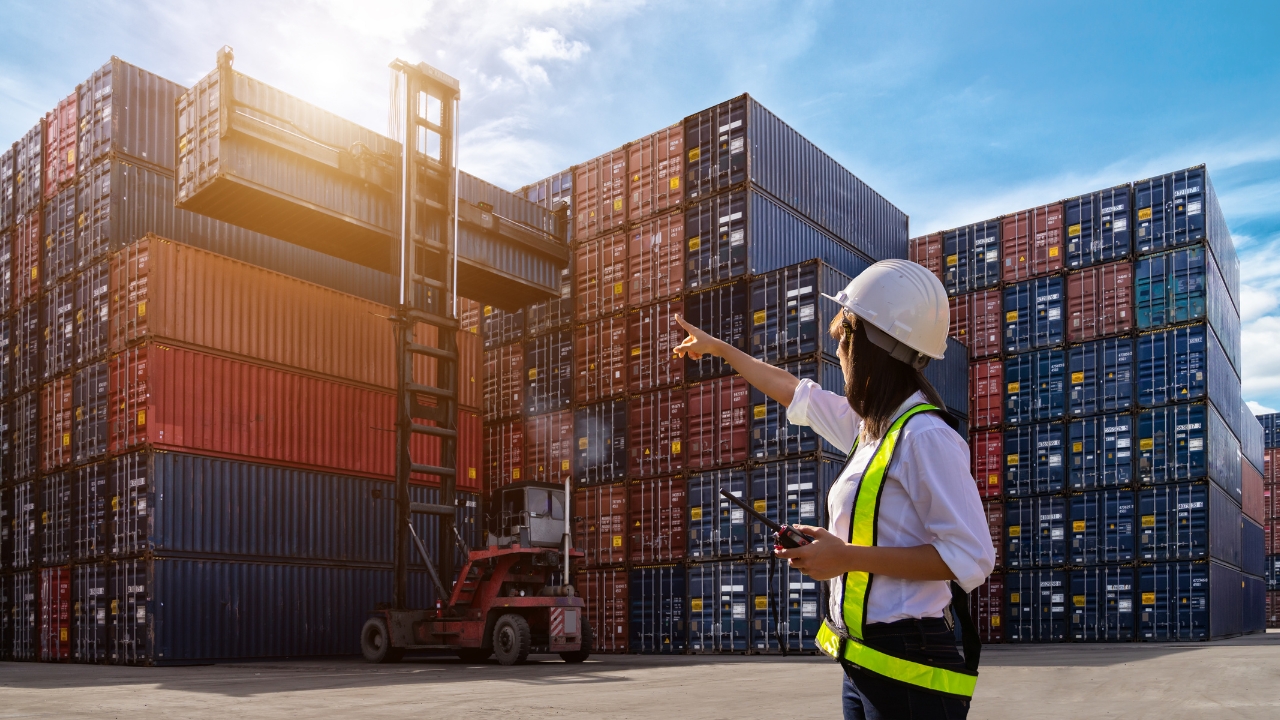
    In a bid to reduce congestion at the Karachi port, lawmakers in Islamabad have teamed up with DP World, a UAE-based logistics company. According to Arab news, officials from both countries have finalised terms for a freight corridor project from Pipri Marshalling yard to Karachi port.

    The entire project deal with DP World is expected to bring in three billion dollars in investments and is expected to spur employment levels in Pakistan. According to data from the International Monetary Fund (IMF), unemployment rates currently rest at an uneasy 7.5 percent. However, this figure is expected to decline once billions of greenbacks fuel Pakistan’s new freight corridor.

    Pakistani businesses and independent contractors could also get a share in this investment if they are able to secure contracts that enable them to work on the project. Businesses specialising in the production of steel, cast and wrought iron could witness a boom as the project will require a sizable amount of these materials.

    News about the construction of the corridor comes at a great time, as earlier in the month, Custom News reported that thousands of containers remained stuck, with importers having to bear sizable financial losses because of demurrage charges.

    A feasibility study of the corridor project by Think Transportation revealed that city roads remain congested around the port region because of the significant amount of cargo passing through it. Since cargo remains stuck, traffic levels remain high inside the port, which detrimentally affects port logistics.

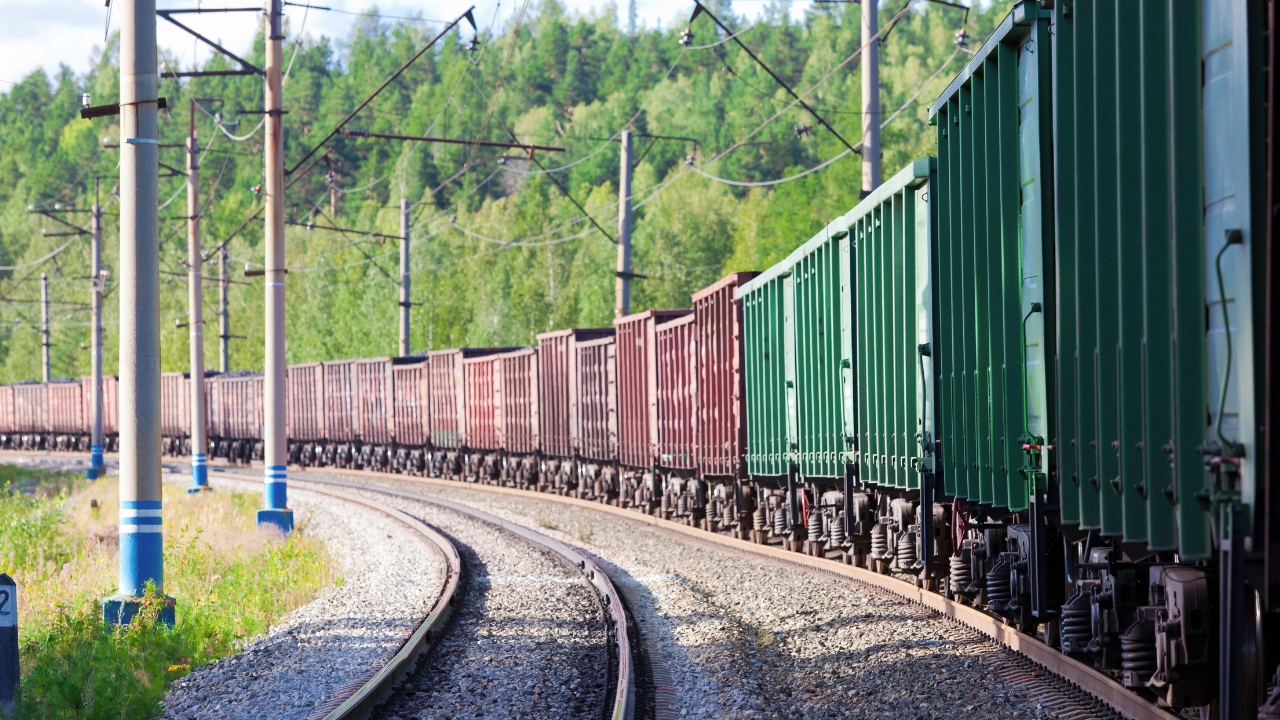
    However, officials from Pakistan Railways and the National Logistics Cell (NLC) will now oversee decongestion efforts. The extension of the railway network by connecting the Port is a wise move as it will significantly cut back on travel times and the frequent delays which plague both importers and exporters alike.

    The Pipri marshalling yard, where freight wagons will be organised into trains, and its surrounding regions are also expected to reap the rewards of the corridor project. Businesses in the region could leverage the newly gained significance of their geography as they can access the port with ease.

    An example could be Bin Qasim Packages Private Limited, which could benefit immensely as exporters from across Pakistan could send their goods to Pipri for packaging purposes right before being sent to the port for shipping.

    Importers are also expected to benefit as the frequency of their having to pay demurrage charges will decline significantly. This will improve the profit levels of major and minor importers alike as their costs are expected to decrease.

    Analysts speculate that the construction of the corridor is a major step in making Pakistan ‘a gateway to Asia’. The project could prove instrumental in the promotion of regional trade.

  • ‘Drop in inflation, rise in growth’: UN body foresees Pakistan’s economic revival

    ‘Drop in inflation, rise in growth’: UN body foresees Pakistan’s economic revival

    Amid government’s claims of the economy being on the right track, World Economic Situation – an economic survey conducted by the Department of Economic and Social Affairs (DESA) at the United Nations (UN) – has projected Pakistan’s Gross Domestic Product (GDP) to grow by a modest 3.4 percent in 2025.

    While seemingly low, the projected growth rate is impressive as the country continues to recover after the economic slowdown it underwent in 2022-23.

    According to reports, the International Monetary Fund’s (IMF) $7 billion Extended Fund Facility (EFF) builds on the progress that was made under 2023’s EFF. Islamabad, in collaboration with IMF officials, is attempting to introduce structural reforms to help Pakistan escape the economic quagmire it finds itself bogged down in.

    The government has managed to stabilise the economy and pull it out of the downward spiral it found itself in at the end of 2023 when, according to Trading Economics, the economy shrank by approximately 0.2 percent.

    It is pertinent to note that Islamabad has managed to support the economy’s growth despite austerity measures proposed by the IMF. The global lender’s recent loan package requires that Pakistan create an environment that addresses chronic structural issues while supporting economic revival.

    The UN’s survey highlighted that Pakistan’s work towards reforming state-owned enterprises, rebuilding policy credibility and attempts to boost competitiveness is in line with the IMF’s conditions and reflects the recent efforts of the federal government as well.

    Islamabad has also made the decision to suspend subsidies and end support pricing for crops in a move to bolster competitiveness in the economy.

    The federal government has actively been trying to privatise loss making publicly owned companies such as the Pakistan International Airlines (PIA). However, it has been unable to find success in its efforts as investors are not interested in purchasing publicly-owned companies due to structural issues plaguing them.

    The survey also revealed that Pakistan will still considerably lag behind its counterparts in South Asia in the coming years as South Asia’s regional GDP is expected to rise by approximately 5.7 percent and 6 percent in 2025 and 2026, respectively.

    The reason behind the high regional growth rate can be attributed to India, Nepal and Bhutan, all of which have displayed robust growth rates in recent years. The survey also reported that consumer price inflation in South Asia could fall from 9.9 percent in 2024 to just 8.3 percent in 2025.

    Aside from Bangladesh, inflation rates have dropped in all South Asian countries, the survey said.

    It merits a mention that the drop in inflation rates in Pakistan were made possible through the State Bank of Pakistan’s (SBP) contractionary monetary policy. With inflation in control and the SBP slashing interest rates, the economy is on track to recover as businesses utilize cheaper loans to fuel expansion plans.

  • RLNG price hike straining households, industries

    RLNG price hike straining households, industries

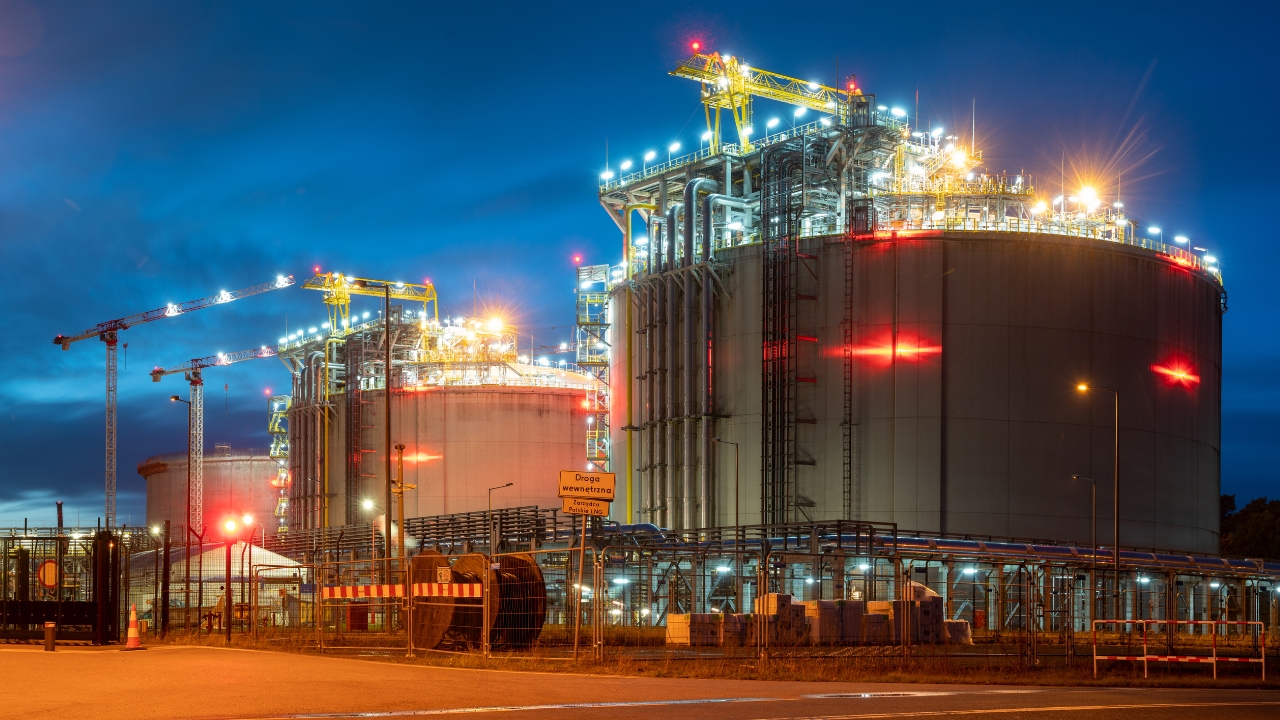
    The Oil and Gas Regulatory Authority (OGRA) announced an upward revision in the prices of Regasified Liquefied Natural Gas (RLNG) as system losses touched a record high of 16.16 percent. According to Dawn, the price hike is only for areas that Sui Southern Gas Company (SSGCL) serves – Sindh and Balochistan.

    The sale price of SSGCL has risen by almost half a percent per unit to $10.59. While this may seem minor at first glance, one must consider the volume of consumption. The magnitude of Pakistan’s volume of gas consumption can be analyzed once data from the International Energy Agency (IEA) is considered.

    As per the IEA, Pakistan produced 854,568 tera joules of natural gas. However, this was still not enough for domestic consumption as gas imports skyrocketed by 1527 percent from 2014-2022. The tragedy here is that experts are predicting that the increase on RLNG prices will not even significantly benefit SSGCL as system losses continue to worsen.

    System losses stood at 13 percent a couple of months ago but grew to over 16 percent in the last month prompting an increase in price for the upcoming months. Analysts predict that the SSGCL might not benefit significantly despite the price increase however, the rest of the economy is projected to fare even worse.

    Natural gas is used in residential areas for the purpose of heating and cooking. The industrial sector in Pakistan also heavily relies on natural gas for the production of key chemicals that are used to produce fertilizers and manufacture plastics.

    According to data from the IEA, Pakistan’s residences share in 36 percent of total final consumption whereas this number stands even higher at 37 percent for industries.  The effect of an increase in RLNG prices will serve to erode the purchasing power of an average citizen. This is because natural gas is an essential utility that is categorized as a necessity by most analysts.

    Higher costs of RLNG will translate into consumers having fewer funds available to allocate to other items in their basket of goods. For businesses, this spells bad news as they will remain unable to capture the same level of consumer spending as before.

    The gas price hike spells bad news for industrialists too as gas is used extensively in the fertilizer and plastic manufacturing sectors. Fertilizer companies have industrial bases in Sindh where gas prices have risen. A prime example can be Fauji Fertilizer’s plant in Mirpur Mathelo, Distt. Ghotki Sindh. This will hurt fertilizer companies such as Fauji Fert, Engro Fertertilizers and Fatima Fert.

    Pakistan is a net importer of fertilizers and the increase in prices could cause a loss in the competitiveness of locally produced fertilizers. The agricultural sector could consider substituting away from local fertilizers in favor of cheaper imported fertilizer.

    Moreover, the plastic manufacturing sector will get hurt as well. As per Zaraye, there are 11000 units of plastic manufactures that could struggle once gas prices rise. Many are speculating that the ones hit hardest will be the small to medium sized plants operating in either Sindh or Balochistan.

  • South Korea proposes industrial shift to Pakistan to strengthen bilateral trade

    South Korea proposes industrial shift to Pakistan to strengthen bilateral trade

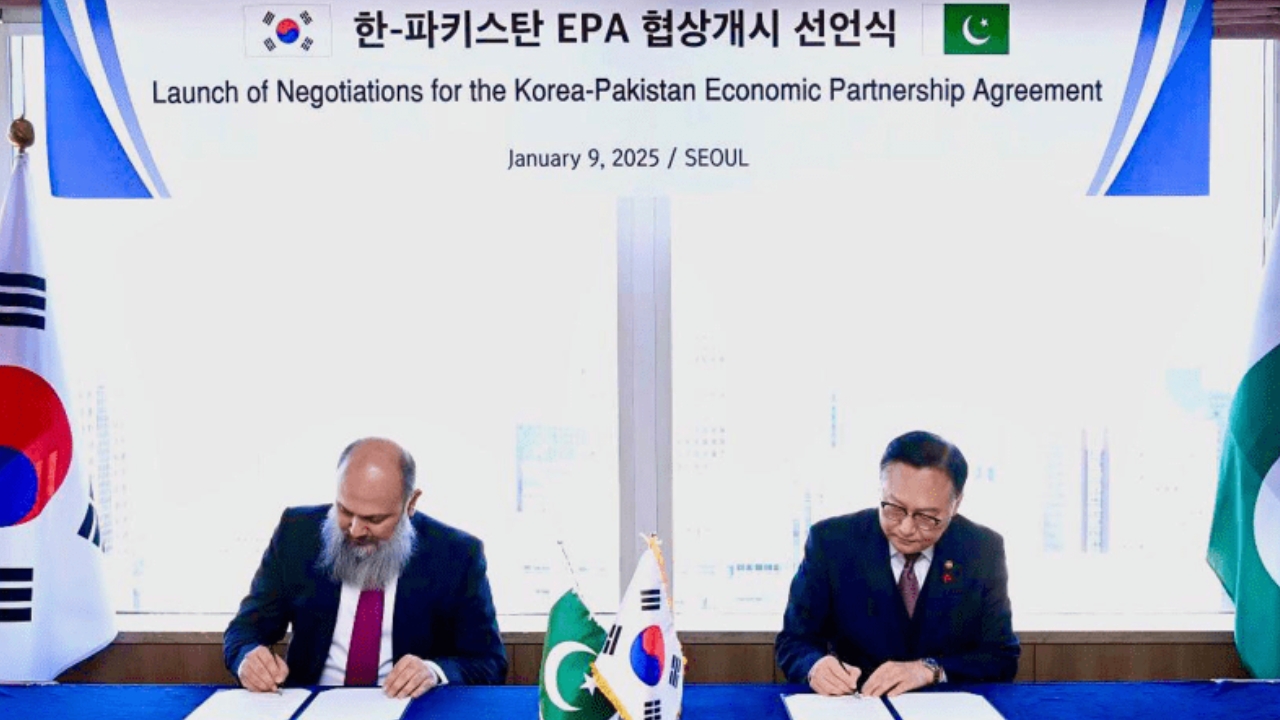
    Commerce Minister Jam Kamal Khan attended a high-profile meeting in Seoul, where South Korean Trade Minister Inkyo Cheong proposed an avenue for collaboration to strengthen bilateral economic ties.

    Mr. Cheong’s plan effectively serves to shift Korea’s industrial base located in foreign countries to Pakistan. The proposed plan was implemented after dignitaries from both countries had signed the Economic Partnership Agreement (EPA).

    Ministers from both countries signed a joint declaration, which would allow for EPA negotiations to begin. Analysts are commenting on how the joint declaration shows that both countries are committed to increasing investment flows, expanding trade and working collaboratively in economic matters.

    In an official announcement, the Commerce Ministry claimed that the EPA could promote mutually beneficial trade in goods and services, foster greater ties, and boost economic cooperation. He also stated that bilateral trade stands at $1.3 billion, which could be greatly boosted by the signing of the EPA.

    The value of the trade flow is heavily in South Korea’s favour, as Pakistan is not exporting enough to South Korea to equalise the trade deficit between the two countries.

    The reason behind this is that South Korea’s primary imports constitute goods such as Mineral fuels as well as electrical and industrial machinery, according to Pangea Logistics Network. These are all goods that Pakistan imports, resulting in Pakistan having little to offer pertaining to trade.

    While it may seem that Pakistan has nothing valuable to offer South Korea, the truth is far from that. Mr. Cheong stated that the availability of ‘cost-effective labour’ in Pakistan can benefit both countries.

    Essentially, South Korea wants to relocate its industrial base to Pakistan to exploit the fact that wages in Pakistan lag far behind the world average. Moreover, Pakistan is geographically close to ‘high-growth regions’ where South Korea could export its goods after manufacturing them in Pakistan.

    After the initial investment, a vast majority of profits generated from industrial activity will be repatriated back to South Korea. While this may seem exploitative as workers will be utilised for being ‘cost-effective’, there are immense benefits to be reaped for Pakistan as well, nonetheless.

    According to statistics from the International Monetary Fund (IMF), Pakistan’s current unemployment rate stands at a staggering 7.5 percent. However, with South Korea poised to set up an industrial base in Pakistan, experts predict that the unemployment rate will drop slightly. This is because South Korea’s interest will also positively signal to other countries that Pakistan is a safe destination for their investments.

  • PIA resumes flights to Paris after 4.5 years: A gateway to revival

    PIA resumes flights to Paris after 4.5 years: A gateway to revival

    Islamabad International Airport (IIAP) saw the departure of the first flight of the national carrier to Europe after four and half years. Pakistan International Airlines’ (PIA) flight PK-749 took off on Friday Afternoon carrying 330 passengers and 14 crew members, as per Express Tribune.

    The moratorium in PIA’s services to Europe came about as a direct consequence of a post-crash speech by then-minister Ghulam Sarwar, who had claimed without any evidence that 40 percent of PIA’s pilots were flying with fraudulent licenses. Mr. Sarwar’s speech detrimentally impacted the airlines credibility and the airline lost its goodwill with customers which it had earned over the years.

    Nevertheless, after PIA flight 8303 crashed in Karachi, the company lost the rights to fly to various high traffic destinations such as the United States, Canada and the European Union (EU). Aviation Minister Khawaja Muhammad Asif conceded that the national carrier had lost ‘hundreds of billions’ of rupees over the four and a half years when profitable routes remained closed off to Pakistani airlines.

    The inaugural flight ceremony was attended by a multitude of high profile senior officials such as the PIA CEO Air Vice Marshal Amir Hayat, Khawaja Asif, director generals of both the Civil Aviation and Pakistan Airport Authority.

    Mr. Asif commended the hard work PIA officials have displayed for Europe to reopen its airports to Pakistan. He also expressed great dissatisfaction with his predecessor, the former aviation minister, whose statements Mr. Asif believes negatively impacted the aviation sector.

    Mr. Asif also lamented the national carrier’s huge debt burden which stands at a staggering 800 billion rupees which the airline accrued while lucrative routes remained closed.

    With the first flight to Paris today serving as the gateway to future operations in the European Union and neighboring countries, PIA is on track to regain some of its former glory. Mr. Asif even announced that PIA will begin flights to the United Kingdom very soon.

    The Minister’s aspirations for additional routes aside, PIA intends to operate two flights between Islamabad and Paris a week. The first two flights are already fully booked and PIA is indicating that demand is not expected to slow down.

    This is because passengers having to fly to and from Pakistan and France faced excessive costs in the absence of PIA’s flights. However, with an increase in the supply of airlines offering to fly between the two destinations, airfares are expected to drop further.

    With PIA in control of lucrative routes and more routes to potentially open up, such as the United Kingdom, the airline could seem more attractive to investors. Speculators are expecting that PIA’s privatization could pick up pace with the company set to generate healthy cash flows in the upcoming periods.

  • IMF refuses relaxation on tax cut, fueling Pakistan’s energy woes

    IMF refuses relaxation on tax cut, fueling Pakistan’s energy woes

    In an attempt to provide relief to businesses and consumers from the burden of high electricity bills, Pakistan’s Ministry of Energy submitted a formal request to reduce sales tax on electricity bills to the International Monetary Fund (IMF). The Fund, however, has rejected the request, citing commitments stemming from the current seven-billion-dollar loan program.

    Austerity measures are proving to be back breaking for certain segments of the population, particularly low income households and small businesses. A Bloomberg report released in 2024 revealed that the electricity bill of some households has exceeded the rent that they have to pay for their house. This phenomenon can be attributed to the 155 percent rise in electricity tariffs over the past three years.

    Islamabad recently announced a 75 paisa drop in tariffs and wanted to further ease the strain of high electricity bills on businesses and the general public. According to Profit, officials from the ministry of Energy sought the IMF’s approval for a reduction in the sales tax rates which stand at a staggering 18 percent by arguing that this would provide much-needed relief to consumers.

    The IMF however, wants to set Pakistan on the path of self-sustainability and believes that a reduction in taxes will only serve to derail Pakistan in its journey to meet tax collection targets. Perhaps the IMF is unaware of the ground realities as the despair of facing inflated electricity bills has led many people to commit suicide.

    According to The Nation, hikes in monthly bills have led to a spike in suicide rates. The extortionately high electricity bills can be attributed to the 18 percent General Sales Tax (GST) being applied twice on electricity bills.

    The reason behind being taxed twice is that consumers face taxes on both the fuel cost adjustments and then again on the total bill amount. Despite many being pushed into poverty due to the high bills, the IMF has insisted that Islamabad not tinker with the tax rates in order for Pakistan to meet fiscal targets.

    While consumers feel the full weight of the austerity measures, industrialists grow worried as the federal government is cracking down on Captive Power Plants (CPP) as well. In order to meet another one of IMF’s conditions related to electricity production, distribution and pricing, Islamabad has agreed to raise the levy on gas supplied to CPP’s.

    It is interesting to note that the industrialists expected to be hurt most by this move will be those from the textile sector which is responsible for bringing in 60 percent of Pakistan’s export revenues. Experts are predicting that the IMF’s measures to shut down captive power plants might reduce the textile sector’s competitiveness, causing harm to businesses and the economy in the long run.

  • Revitalising Gwadar: Islamabad pushes to unlock CPEC’s flagship project’s potential

    Revitalising Gwadar: Islamabad pushes to unlock CPEC’s flagship project’s potential

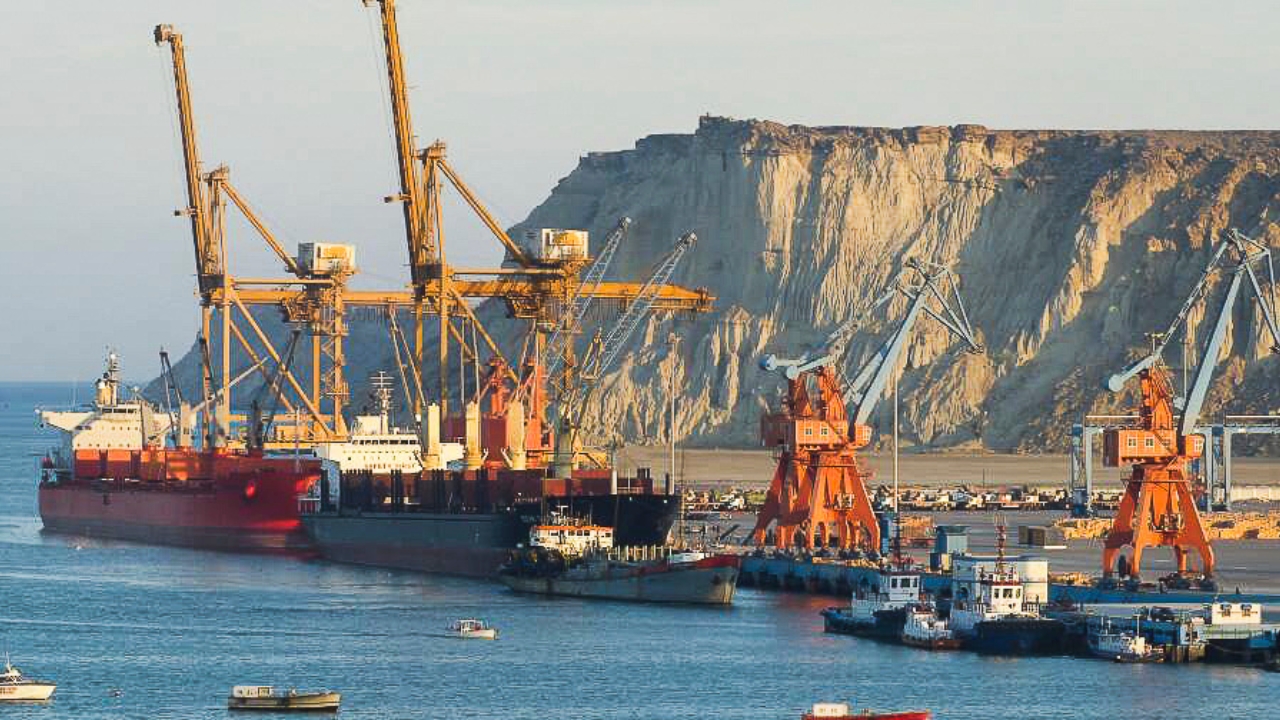
    Gwadar Port, having been built over a decade ago, remains largely dormant. Islamabad has finally decided to increase traffic through the port, which remains the flagship project of the China-Pakistan Economic Corridor (CPEC).

    The reason Gwadar Port remains underutilised is because of a lack of sufficient marketing efforts and expensive freight rates. As per Dawn, ‘highly informed sources’ claimed that Islamabad was dissatisfied with the pace of Gwadar port’s growth with respect to other ports in the region.

    This has resulted in a stagnation in the employment opportunities that locals had anticipated as trade through the region remained at suboptimal levels. According to the most recent labour force survey conducted in 2021, Balochistan’s unemployment rate stood at a staggering 9.13 percent – the highest among provinces.

    While the labour force survey for 2024-25 is underway, experts believe that the unemployment rate will not improve considerably. Aside from the lack of jobs created by Gwadar port, the region has not realised its full development potential. Basic utilities such as electricity and water face frequent shortages, which has resulted in protests from citizens who believe they are being neglected.

    However, Islamabad is trying to tackle the issue of low freight traffic through the port by deciding to route 60 percent of all public sector cargoes through Gwadar. Moreover, in a high-profile meeting regarding the utilisation of the port, Planning and Development Minister Ahsan Iqbal directed authorities to attract Central Asian Republics (CAR) to transport their goods through the dormant port.

    This arrangement is great news for both CARs and businesses located close to Gwadar. It will be mutually beneficial. The CARs, which are landlocked, will get another access point to transport their goods to International waters. At the same time, local businesses will witness higher traffic through the region, which could translate into more sales.

    Owing to the high rates charged by Gwadar port, businesses in the region do not consider it as their primary port and resort to using other ports instead. Mr. Iqbal has already advised the National Logistics Cell to consider a lower rate for entities willing to transport cargo in bulk.

    If businesses switch to Gwadar port, the transit time of goods could fall by up to 8 hours, as businesses will use Gwadar’s port instead of transporting their goods to Karachi first. This could also help alleviate some of the pressure of the heavy congestion that Karachi port faces. CustomNews reported a traffic backlog created at key terminals at Karachi port, where around 1000 containers were ‘stuck’ earlier this month.