Category: Business

  • Russia to supply crude oil to Pakistan as Strait of Hormuz crisis escalates

    Russia to supply crude oil to Pakistan as Strait of Hormuz crisis escalates

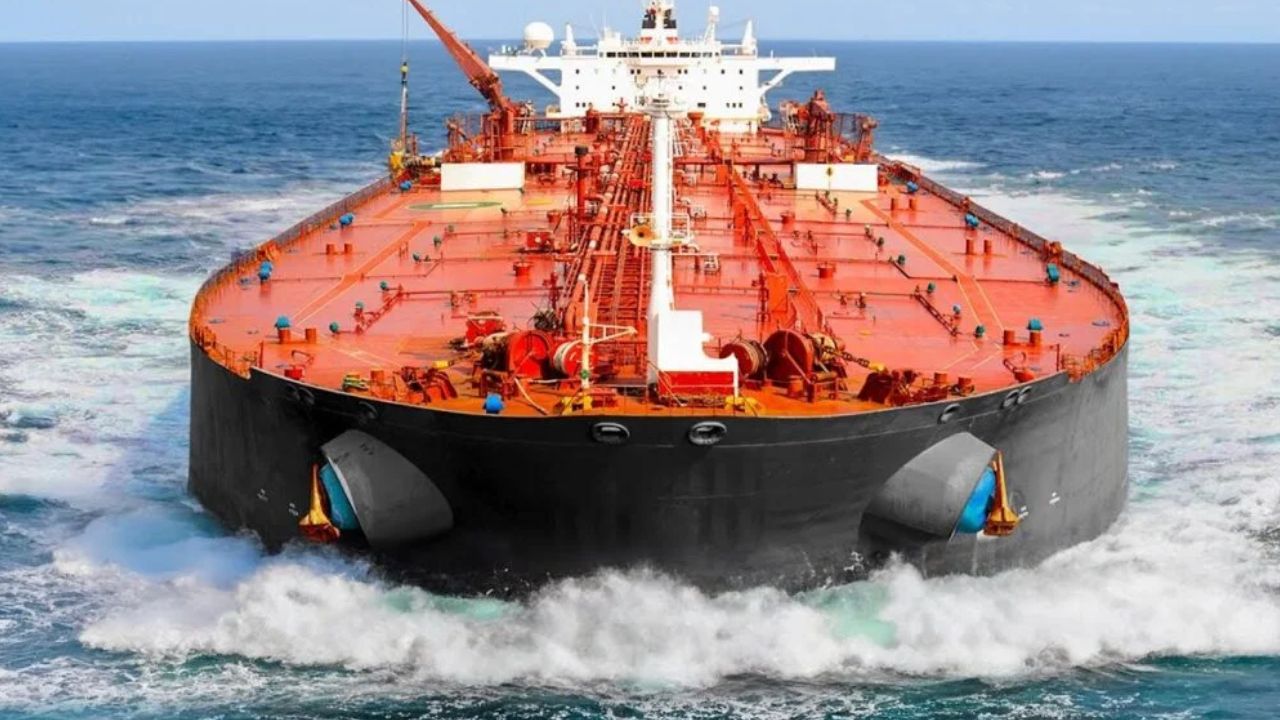
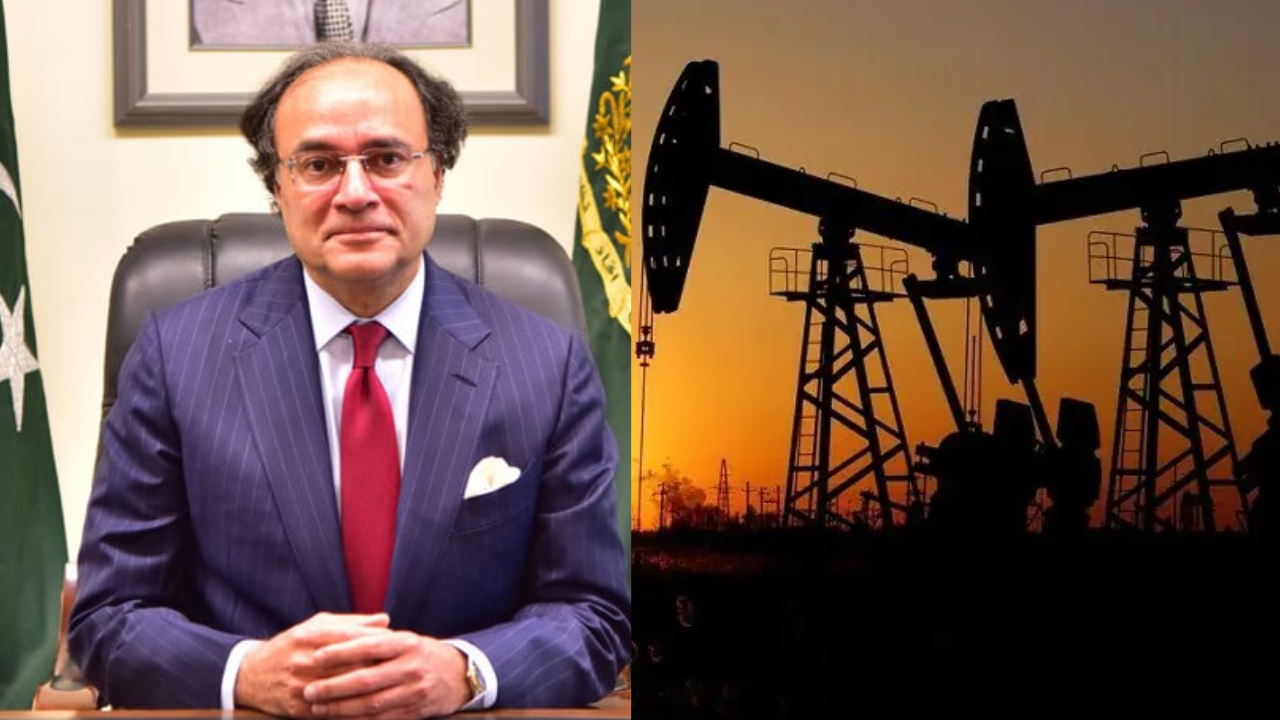
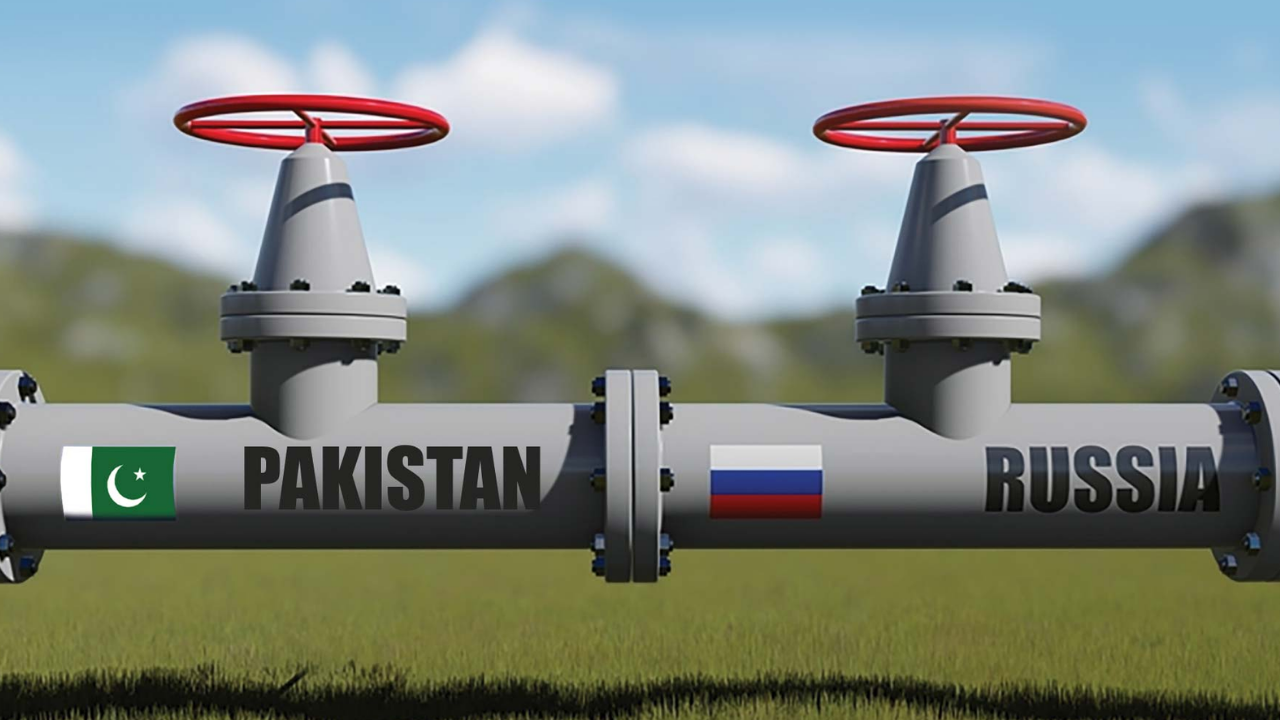
    Amid the ongoing tensions in the Strait of Hormuz, foreign media has reported that Russia will supply crude oil to Pakistan.

    According to Russian media reports citing global energy expert Dr Mamooda Salameh, approximately 733,000 barrels of Russian crude are expected to arrive at Port Qasim in the coming days.

    The report highlighted that Pakistan has traditionally relied on Saudi Arabia and the United Arab Emirates for oil imports, though it has also previously purchased Russian crude. Experts note that the supply is part of measures to mitigate disruptions caused by the current crisis affecting international energy flows.

    The Pakistan Business Council warned that surging global oil prices could have significant economic consequences for the country. The council stated that a 10 percent increase in international oil prices could raise Pakistan’s current account deficit by $1.5 to $2 billion.

    The report further added that if prices reach $100 per barrel, the annual deficit could rise to $5–7 billion.

    In response to global market pressures, the federal government announced an increase in domestic fuel prices.

    Petroleum Minister Ali Pervaiz Malik, speaking at a press conference alongside Finance Minister Muhammad Aurangzeb and Deputy Prime Minister Ishaq Dar, on Friday night said the petrol and diesel rates would rise by Rs55 per litre.

    Under the new rates, petrol will cost Rs321.17 per litre, up from Rs266.17, while diesel will be priced at Rs335.86 per litre, compared to Rs280.86 previously.

    Malik noted that this adjustment comes amid heightened Middle East tensions following the US-Israel conflict with Iran, which has affected energy costs worldwide.

    “We will review these prices on a weekly basis,” he said and assured that the government would reduce prices promptly once the international situation stabilises.

  • BlackRock limits withdrawals from $26 billion private credit fund

    BlackRock limits withdrawals from $26 billion private credit fund

    American multinational investment company BlackRock has curbed withdrawals from one of its biggest private credit funds after client requests for redemptions spiked in the latest sign of retail anxiety about the US$1.8 trillion private credit industry. 

    The firm’s $26 billion HPS Corporate Lending Fund (HLEND), one of the industry’s largest non-traded business development companies (BDC), said shareholders requested 9.3 percent of their shares. 

    Management decided to limit repurchases at 5 percent, the company said in a statement on Friday.

    Bloomberg calculations showed the requested shares would have amounted to around US$1.2 billion.

    BlackRock said the step is consistent with its existing liquidity management approach and is a “foundational” feature of the fund.

    “Without it, there would be a structural mismatch between investor capital and the expected duration of the private credit loans in which HLEND invests,” the statement said.

    The non-traded BDC, offered last month to tender up to 5 percent of its shares, as is typical for such companies. In the previous period, withdrawals were about 4.1 percent.

    Private credit funds are preparing for a wave of redemption requests amid growing concerns over lending practices and exposure to businesses that could be affected by artificial intelligence.

    HPS Investment Partners, one of the largest alternative credit managers, was acquired by BlackRock last year.

  • Bank of Khyber Posts Record Profit After Tax of PKR 5.8 Billion in FY2025, Earnings Per Share Rise 61% to Rs. 5.02

    Bank of Khyber Posts Record Profit After Tax of PKR 5.8 Billion in FY2025, Earnings Per Share Rise 61% to Rs. 5.02

    The board has recommended a final cash dividend of Rs. 1.70 per share, bringing total FY2025 payout to Rs. 3.20 per share (32%)

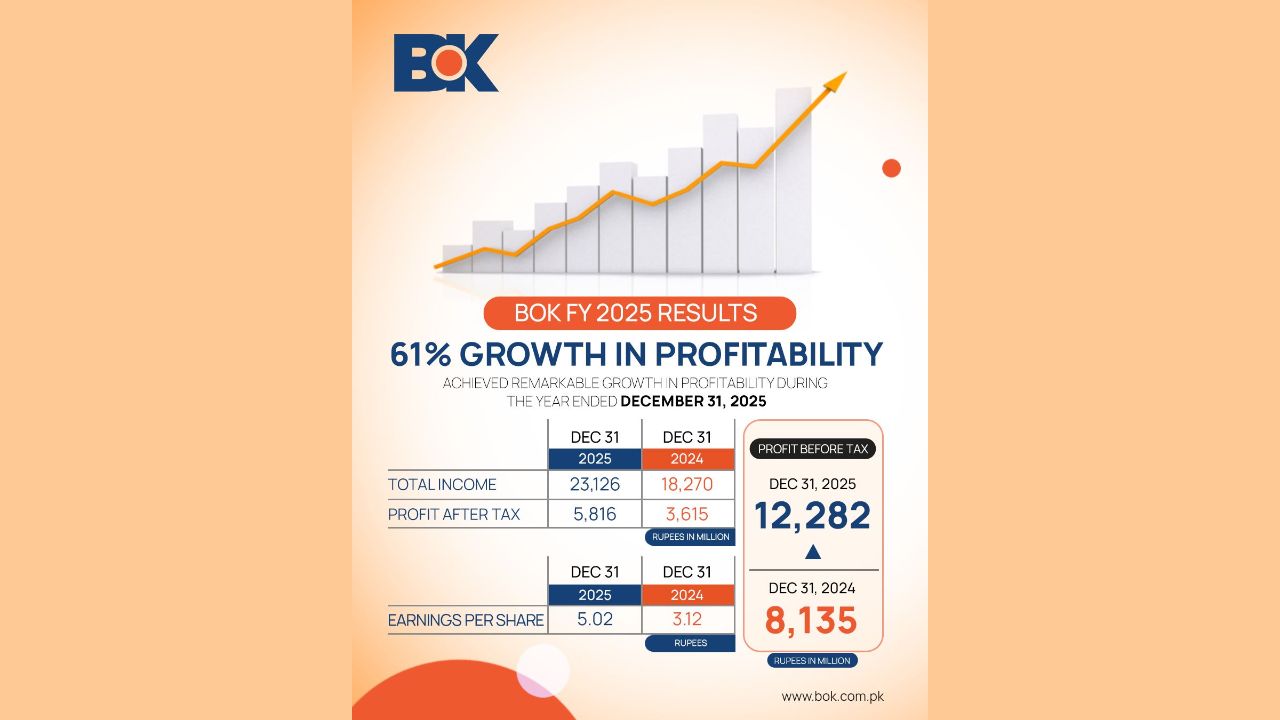
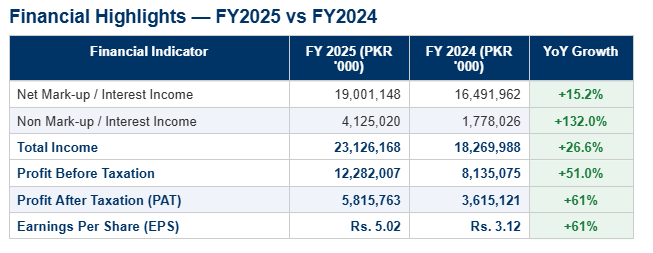
    The Bank of Khyber (BOK), in its 203rd Board of Directors meeting held today at Peshawar, announced its audited financial results for the year ended December 31, 2025. The Bank delivered an outstanding performance, posting a Profit After Tax (PAT) of PKR 5.82 billion, a robust 61% increase over PKR 3.62 billion in FY2024, the highest profit in the Bank’s history. Earnings per share grew from Rs. 3.12 to Rs. 5.02, reflecting strong earnings momentum, disciplined cost management, and continued execution of the Bank’s transformation strategy.


    Performance Overview

    Total income for the year reached PKR 23.1 billion, a 26.6% increase from PKR 18.3 billion in FY2024. Net mark-up income grew by 15.2% to PKR 19.0 billion, underpinned by prudent asset-liability management and an improved earning asset mix. Non-markup income more than doubled to PKR 4.1 billion (FY2024: PKR 1.8 billion), driven by strong fee and commission income of PKR 1.07 billion and significant gain on securities of PKR 2.3 billion, reflecting active treasury management.

    Operating expenses were contained at PKR 11.7 billion, growing at only 11.3% — materially below the income growth rate of 26.6% — resulting in significant positive operating leverage and a markedly improved cost-to-income ratio. Profit Before Taxation surged 51% to PKR 12.3 billion (FY2024: PKR 8.1 billion).

    The Bank’s balance sheet remained sound with total assets of PKR 453.3 billion as at December 31, 2025. Advances stood at PKR 126.7 billion while the investment portfolio reached PKR 275.0 billion. Net assets (equity) grew to PKR 23.7 billion from PKR 21.9 billion in FY2024, reinforcing the Bank’s capital adequacy position.

    Leadership Recognition

    The Bank of Khyber’s record FY2025 performance is the culmination of a sustained leadership legacy and a confident new chapter. The Bank owes a deep debt of gratitude to former Chairman Mr. Ikramullah Khan, whose tenure laid the strategic and governance foundations upon which these results have been built. 

    As the Bank enters a new and exciting phase, incoming Chairman Mr. Islam Zeb brings with him a fresh strategic vision and a forward-looking mandate that is already energizing the institution. His appointment signals the Board’s intent to build on past achievements while charting an ambitious course for BOK’s next era. In tandem, Managing Director Mr. Hassan Raza, whose dynamic stewardship has been central to this year’s landmark results, continues to spearhead the Bank’s transformation agenda with exceptional drive and clarity of purpose.  

    The Bank of Khyber also extends its sincere gratitude and acknowledgement to Chief Secretary KP Mr. Shahab Ali Shah and Finance Advisor to CM, Mr. Muzzammil Aslam for their continued patronage, institutional support, and confidence. Their commitment to strengthening KP’s financial ecosystem and their active encouragement of BOK’s role as the province’s premier development-oriented commercial bank have been a source of strength and motivation for the entire organisation. The Bank remains deeply committed to fulfilling its mandate as a trusted financial partner to the Government and people of Khyber Pakhtunkhwa.  

    Statement from the Managing Director

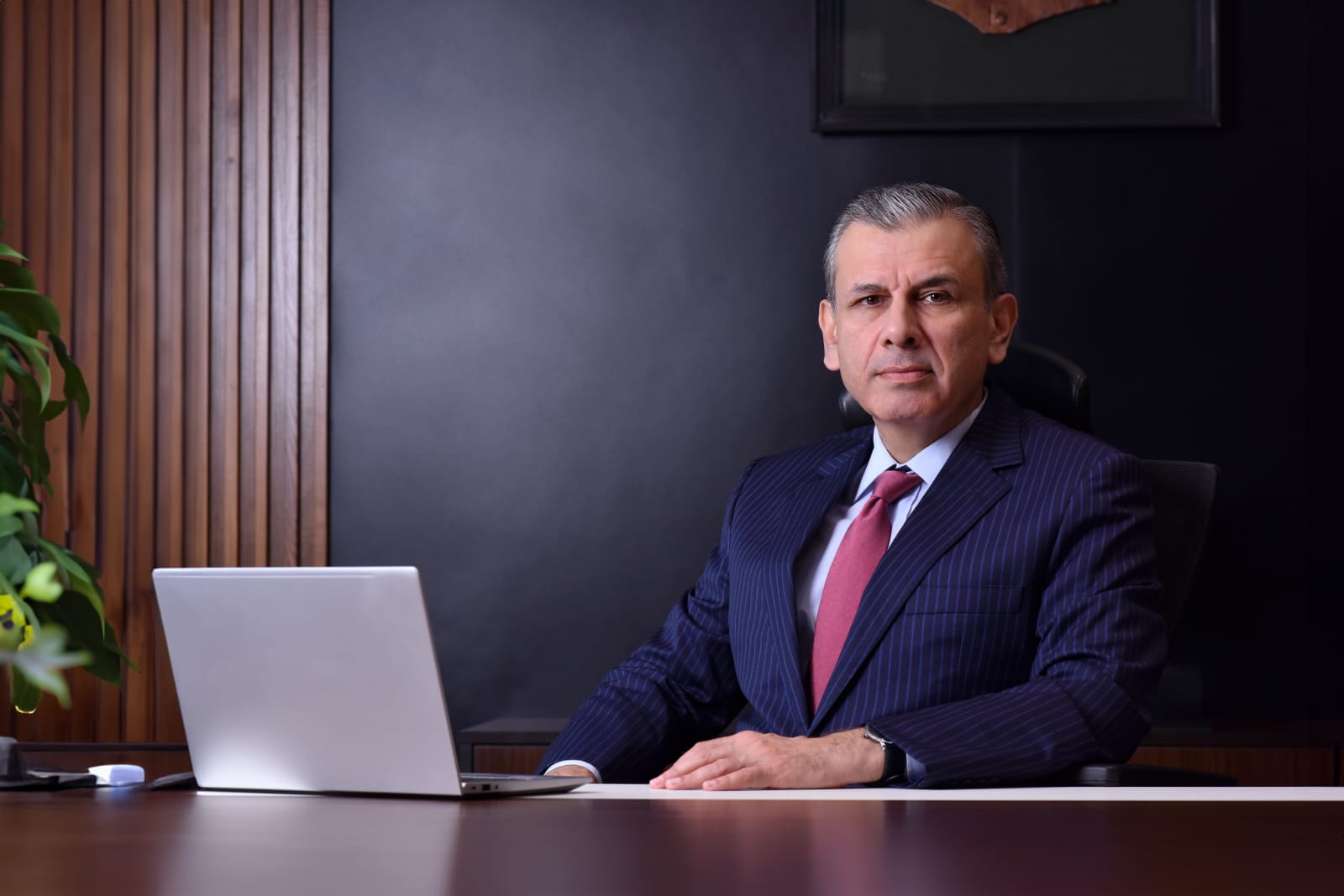
    “These results represent a watershed moment for Bank of Khyber. A 61% growth in profit after tax reflects, not only our strengthened core banking but also the accelerating returns from our transformation strategy. Our total dividend payout of Rs. 3.20 per share for FY2025 is a testament to the Board’s confidence in the Bank’s sustainable earnings capacity and our commitment to delivering value to our shareholders. We enter 2026 with strong fundamentals and a clear strategic direction.”

    — Mr. Hassan Raza, Managing Director, The Bank of Khyber


    For Media & Investor Relations Enquiries:

    Corporate Communications Division | The Bank of Khyber

    UAN: (091) 111 95 95 95  |  www.bok.com.pk  |  BOK Tower, 24-The Mall, Peshawar Cantt.

  • Rs55 petrol hike triggers backlash as govt cites war-driven oil surge

    Rs55 petrol hike triggers backlash as govt cites war-driven oil surge

    Pakistan raised petrol and high-speed diesel prices by an unprecedented Rs55 per litre on Friday, citing pressure on global oil markets following the war involving Iran, the United States (US) and Israel. The increase came hours after Prime Minister Shehbaz Sharif and Finance Minister Muhammad Aurangzeb said that petroleum reserves were sufficient and the situation remained under control.


    Petroleum Minister Ali Pervaiz Malik announced the increase at a press conference alongside Deputy Prime Minister and Foreign Minister Ishaq Dar and Finance Minister Muhammad Aurangzeb. Dar said that the revised prices would take effect from Saturday.

    Under the revision, the ex-depot price of petrol has been increased to Rs321.17 per litre from Rs266.17, while high-speed diesel has been set at Rs335.86 per litre, up from Rs280.86.

    The government also adjusted the petroleum development levy. The levy on petrol was increased by Rs20 to about Rs105 per litre, while the levy on high-speed diesel was reduced from Rs77 to Rs57 per litre.

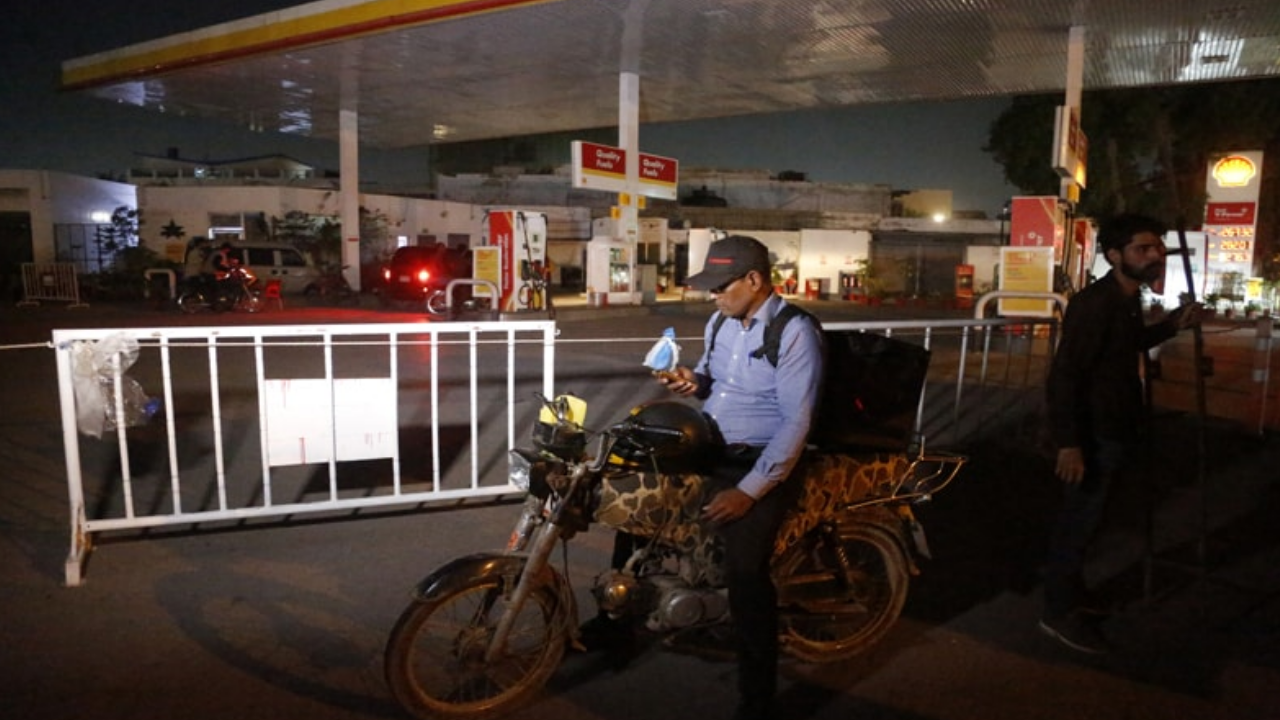
    Before the new prices took effect, long queues formed at petrol pumps across several cities as motorists rushed to buy fuel at the previous rates. According to the reports from different parts of the country, some fuel stations stopped sales before midnight.

    The announcement triggered heated reactions online, with users questioning the decision.

    “When there was a stockpile for 28 days, they would give it to the poor public at the old rate; perhaps Allah Almighty would have improved the situation,” one user wrote. Another user said that the government had added pressure on citizens. “Instead of reducing taxes, they’ve placed even more burden on the public.”

    At the press conference, Malik said that the regional conflict had created uncertainty in energy markets.

    “The fire that started in a neighbouring country has spread across the entire region. We do not know how long this crisis will continue, and there is no clear timeline for its end,” he said.

    He said that Pakistan depended on oil shipments passing through the Strait of Hormuz, which had been affected by the conflict. Malik said two vessels of the Pakistan National Shipping Corporation were travelling through Yanbu and Fujairah to maintain supplies.

    According to the reports, US crude oil futures climbed more than 12 percent on Friday to above $90 per barrel, while Brent crude rose about eight percent to $92 per barrel.

    Malik said that the government would review petroleum prices on a weekly basis as changes in the international market turn volatile. 

    “As soon as the situation improves internationally, we will reduce prices at the same speed,” he promised. 

    Dar said that global oil prices had increased by 50 to 70 percent during the crisis.

    “In many countries, prices increase automatically, but we tried to pass on the minimum possible impact to consumers and find a balanced solution,” he said.


    Despite the explanation from officials, criticism continued online.

    “Remember that time? When petrol at 150 rupees crashed down on the country like ‘Doomsday’? Today petrol is 321 rupees, but there is silence,” one user wrote. 

    Another reaction said: “Instead of increasing petroleum products by 55 rupees, if the government were to add 2 rupees to its own dignity, it would have been better.”

    One user wrote: “Shame on all those who are oppressing the poor masses while the entire elite band together to take all the free petrol.” 

    Another reaction questioned the policy response, saying: “If fuel prices increased in Pakistan due to war, then why didn’t they increase in India? If India buys from Russia, why can’t Pakistan?”


    Earlier in the day, the government decided to defer a national action plan that included work-from-home arrangements and distance learning to conserve fuel.

    A meeting on petroleum product reserves chaired by Prime Minister Shehbaz Sharif decided the measures would not be implemented for at least a week as current petroleum reserves were sufficient to meet demand.

    Separately, the Punjab government directed deputy commissioners across the province to launch a crackdown against the hoarding of petroleum products following instructions from the federal government.
  • Govt mulls reviving work-from-home, online classes to conserve fuel amid global shortage fears

    Govt mulls reviving work-from-home, online classes to conserve fuel amid global shortage fears

    The federal government has decided in principle to introduce weekly petroleum pricing starting March 8 to reflect additional costs, including insurance, freight and war premiums, while reviving measures from the COVID-19 period to reduce fuel consumption. 

    These measures, which include work-from-home arrangements, online classes and car-pooling, are aimed at minimising financial and foreign exchange pressures. 

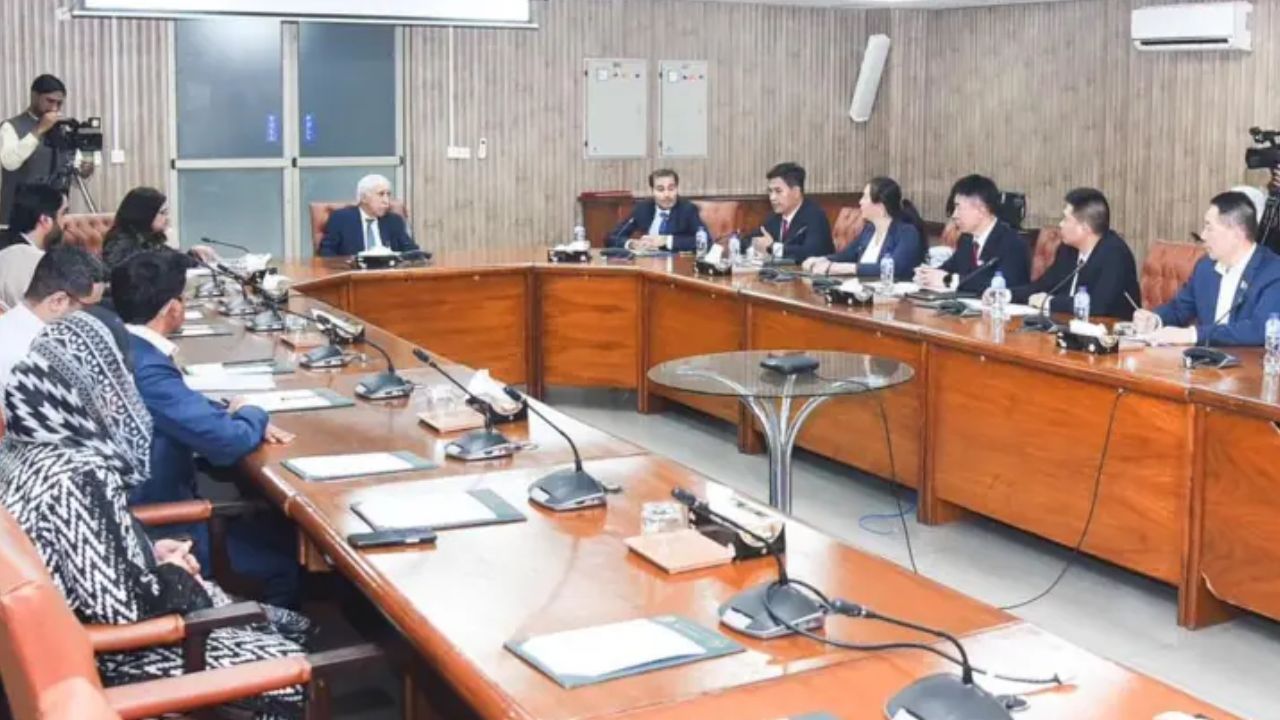
    The plan was finalised at a meeting of the cabinet committee to monitor petrol prices in the wake of the emerging situation in the region, convened by Prime Minister (PM) Shehbaz Sharif. 

    The meeting included provincial and regional governments and was held amid ongoing conflict involving the United States (US), Israel and Iran, which has disrupted supply chains, including shipping through the Strait of Hormuz.

    The committee’s recommendations will be submitted to the premier on Friday for review, and once cleared, will be forwarded to the Economic Coordination Committee (ECC) for formal approval. 

    Reports quoted sources as saying that meetings of the committee, the premier and the ECC have been scheduled consecutively due to the urgency of the situation. Officials also confirmed that the International Monetary Fund (IMF) has been briefed on contingency measures.

    Earlier, at the meeting presided over by Finance Minister Muhammad Aurangzeb, officials noted that Pakistan had faced a comparable situation during the COVID-19 crisis when the country dealt with significant financial and foreign exchange challenges.

    “Barring health-related precautions, most of the austerity measures adopted at that time would be revived from next week to save fuel, energy and foreign exchange, while prioritising key sectors,” a statement said.

    The committee also reviewed energy sector developments, national preparedness and petroleum product stock levels.

    Officials said that national reserves were at a comfortable level with sufficient cover for key products, but noted that global supply chains remain under pressure.

    The meeting also included an assessment of international oil market conditions, including freight, insurance and potential congestion at key maritime chokepoints. 

    Efforts to strengthen supply assurance were reviewed, including diversification of sourcing and logistics. Diplomatic and commercial engagements with friendly countries and suppliers were highlighted as part of securing additional crude and refined products through alternative routes and ports.

    Measures to prevent hoarding and illegal storage were also discussed, with coordination between provincial administrations and the Oil and Gas Regulatory Authority (OGRA).

    Separately, provincial governments were instructed to conduct physical inspections of retail petrol stations through deputy commissioners to prevent hoarding and profiteering.

  • Chinese aerospace group plans $10bn investment in Pakistan

    Chinese aerospace group plans $10bn investment in Pakistan

    The Chinese Aerospace Development Industry Investment Group has expressed interest in investing up to $10 billion in Pakistan across mining, advanced technology and industrial development sectors.

    As per the details, a high-level delegation from the group, led by party secretary and chairman of the board, Lu Jinhai, met Minister for Board of Investment (BOI) Qaiser Ahmed Sheikh on Thursday.

    The delegation said that it aims to collaborate with Pakistan on skill development and long-term economic and technological projects.

    The delegation added that it is willing to support Pakistan in the One Belt One Road (OBOR) initiative and strengthen regional connectivity and economic cooperation.

    Sheikh said that Pakistan offers extensive investment opportunities due to its strategic location connecting South Asia, Central Asia and the Middle East.  He said that the country’s large population and young workforce provide significant potential for investors, and that attractive incentives are available.

    The delegation briefed the minister on the company’s operations and global profile, saying that Aerospace Development Industry Investment Group is an international investment firm with an AAA corporate credit rating. 

    The firm is involved in strategic industrial investments including aerospace, artificial intelligence, electric vehicles, drone technologies and energy projects.

  • ParkView City Homebuyers Can Now Avail UBL Home Financing

    ParkView City Homebuyers Can Now Avail UBL Home Financing

    ParkView City has signed a Memorandum of Understanding (MoU) with United Bank Limited (UBL) to introduce structured mortgage financing for buyers of plots and apartments within the project.

    Under the agreement, customers can avail bank financing by paying approximately 20–25% as a down payment, while the remaining amount will be financed by UBL through a leasing structure with manageable monthly instalments.

    The initiative is being termed a breakthrough for Pakistan’s middle class, enabling aspiring homeowners to purchase property through formal banking channels instead of paying the full amount upfront. The model also provides apartment buyers an opportunity to generate rental income and utilize it toward servicing their bank instalments.

    The mortgage financing facility will be available for buyers of both ParkView City Islamabad and ParkView City Lahore, expanding accessibility for homebuyers across major cities.

    Speaking at the ceremony, Vice Chairman ParkView City Abdur Rehman Khan said: “This partnership marks a transformative step for our clients. Through structured mortgage solutions, we are making homeownership more accessible and practical for families across Pakistan.”

    Country Head ParkView City, Naeem Warraich, also highlighted the broader impact of the collaboration that, “This initiative is a game-changer for the real estate sector. It strengthens buyer’s confidence and opens doors for middle-income families who previously found property ownership financially challenging.”

    Senior officials from UBL attended the signing ceremony and reaffirmed the bank’s commitment to providing transparent and reliable mortgage solutions.

    Industry observers view the collaboration as a positive move toward organized, bank-supported real estate transactions in Pakistan.

  • Pakistan halts imported gas supply to fertiliser plants after Hormuz disruption

    Pakistan halts imported gas supply to fertiliser plants after Hormuz disruption

    Gas supply to fertiliser manufacturers in Pakistan has been suspended as pressure mounts on liquefied natural gas (LNG) supplies. According to a report by Bloomberg, the disruption is linked to the war extending to the Strait of Hormuz, which is now, according to Iran, under their control.

    Sui Northern Gas Pipelines Limited (SNGPL), the country’s largest gas distributor, informed customers that it would stop providing regasified LNG to fertiliser plants from midnight on Wednesday. 

    The company said it had been notified of supply disruptions by Pakistan State Oil (PSO) five days after confrontations began in the Gulf.

    Authorities are also reviewing gas allocations for other industrial consumers.

    The disruption follows escalation after Israel and the United States carried out strikes on Iran, with Tehran responding through retaliatory attacks on regional bases. 

    Shipping through the Strait of Hormuz has been affected. The strait is a waterway and a key route for global energy trade, including LNG exports from Qatar’s Ras Laffan facility.

    During the previous energy crisis in 2022, triggered by Russia’s invasion of Ukraine, Pakistan faced difficulties securing LNG cargoes amid high spot prices and payment constraints.

    According to an energy expert, Masanori Odaka, the situation “could be serious” if five or more LNG shipments are affected. Odaka added that current spot prices were beyond what Pakistan was likely willing to pay and that alternatives to sourcing LNG cargoes were limited. He also said a history of deferment and payment difficulties would put Pakistan at a disadvantage.

    An LNG analyst at ICIS (Independent commodity intelligence services), Evan Tan, said Pakistan received two cargoes in March, making it possible to manage any immediate gap through domestic production and coal imports. He said the shortfall in April and May could rise to two or three shipments, which would be difficult to offset through local alternatives.

    The matter was discussed at a meeting of the Petrol Monitoring Committee chaired by Finance Minister Muhammad Aurangzeb. 

    Officials, at fhe meeting, stated that petrol and diesel reserves were at satisfactory levels.

    Aurangzeb said the government was monitoring developments related to the Strait of Hormuz.

    Officials also briefed the committee that contacts were underway with friendly countries to secure additional crude oil supplies.

    Separately, the petroleum ministry said Pakistan had requested Saudi Arabia to route oil supplies through the Red Sea port of Yanbu to ensure steady supply during the war.

    Petroleum Minister Ali Pervaiz Malik raised the issue during a meeting with Saudi Arabia’s ambassador to Pakistan, Nawaf bin Said Al-Malki, according to a ministry statement.

    The minister said most of Pakistan’s energy imports transit through the Strait of Hormuz and that the government was monitoring the situation to maintain supply continuity.

  • Pakistan to import oil via Red Sea amid Gulf tensions; shifts to weekly price review

    Pakistan to import oil via Red Sea amid Gulf tensions; shifts to weekly price review

    The federal government of Pakistan plans to bring oil supplies from Saudi Arabia and the United Arab Emirates (UAE) to the country through the Red Sea due to the closure of the Strait of Hormuz. Officials also said the oil price review will shift from a fortnightly to a weekly system.

    Sources told a private media outlet that the government is working on various measures to ensure uninterrupted oil supply amid Israel and US’ attacks on Iran. 

    Pakistan imports around one million barrels of oil per month, with Saudi Arabia as a key exporter. UAE-based firm ADNOC and Saudi Aramco will supply oil by bypassing the Strait of Hormuz.


    Reports quoted sources as confirming that one refinery has already received shipments through the Red Sea, while a couple of oil vessels have reached Pakistan, and others are en route.

    The weekly oil price review is intended to discourage hoarding of petroleum products by dealers. Reports quoted sources that the government projected a possible increase of Rs50 per litre in oil prices following the recent Gulf conflict.

    Officials said oil cargo vessels of the Pakistan National Shipping Corporation were placed on standby to lift supplies from Saudi Arabia and the UAE. The Oil and Gas Regulatory Authority (OGRA) ensured sufficient oil stocks to meet the country’s 28-day requirement following pre-emptive imports of surplus fuel.

    Reports quoted sources that two crude oil cargoes were stranded due to the closure of the Strait of Hormuz, a 21-mile (33-kilometre) shipping lane that handles nearly one-fifth of the world’s daily oil consumption. 

    Last year, over 20 million barrels of crude oil, condensate and fuel were transported daily through the strait. OPEC (Organization of the Petroleum Exporting Countries) members including Saudi Arabia, Iran, the UAE, Kuwait and Iraq use the route to export most of their crude, primarily to Asia.

    Reports quoted sources said that Pakistan currently holds 28 days’ stock of petrol and diesel. Officials said OGRA had forecast possible escalation in the Middle East as early as January and ensured oil stocks for over 25 days in January and 28 days in February through surplus imports.

    Experts, however, warned of a potential global oil crisis if the war continues. A source said two crude oil cargoes remain stuck due to the Strait of Hormuz closure, with remaining imports scheduled for later.

    The Petroleum Division had directed OGRA to maintain adequate stocks of crude and petroleum products, including MS, HSD and LPG, to avoid supply disruption. Imports are being monitored for timely delivery due to the emerging security situation in the Gulf.

  • No immediate risk of fuel shortage, says finance minister

    No immediate risk of fuel shortage, says finance minister

    Finance Minister Muhammad Aurangzeb has assured that Pakistan’s energy supplies remain stable despite disruptions in key international shipping routes. Speaking at the meeting of the Cabinet Committee on Petrol Prices, constituted by the Prime Minister, he said national petroleum reserves are at comfortable levels and there is no immediate risk of shortages.

    The committee reviewed global and regional supply conditions, including the closure of the Strait of Hormuz and tensions around the Strait of Bab al-Mandeb. “These developments pose major challenges for global energy security and could affect Pakistan’s fuel supply chain if they continue,” the Finance Minister said.

    During the session, members analyzed trends in forward and futures prices of petroleum products, assessed the resilience of domestic and international supply chains, and considered potential short- and medium-term impacts on foreign exchange due to market volatility. 

    Officials also examined measures to prevent disruptions while maintaining uninterrupted domestic availability of petroleum products. The possible fiscal consequences of a prolonged regional conflict were also discussed.

    Aurangzeb emphasized that the committee will function as a strategic governance forum, conducting daily monitoring and structured scenario planning. Ensuring availability of energy supplies across the country is the Government’s primary objective and will remain the central driver of all decisions, he added.

    Ministries and regulatory bodies have been directed to validate stock positions, track shipments and storage, and remain prepared for any emergency situation.

    The committee also reviewed LNG and LPG supply positions, shipment schedules, terminal operations, and line-pack management. Officials were instructed to refine scenario analyses and evaluate economic and fiscal trade-offs associated with alternative fuel utilization and demand management options. 

    Any necessary adjustments to domestic fuel prices resulting from international market movements will be implemented through established mechanisms in a transparent and predictable manner.

    To maintain real-time oversight, the committee will convene daily, consolidating data on global price movements, domestic stock levels, foreign exchange exposure, and overall energy supply chain developments.

    The meeting was attended by Federal Minister for Petroleum Ali Pervaiz Malik, Federal Minister for Power Sardar Awais Ahmad Leghari, Minister of State for Finance Bilal Azhar Kayani, along with federal secretaries and senior officials from the relevant ministries, divisions, and regulatory bodies.