Category: Business

  • $307bn outflow risk for Gulf banks if conflict escalates

    $307bn outflow risk for Gulf banks if conflict escalates

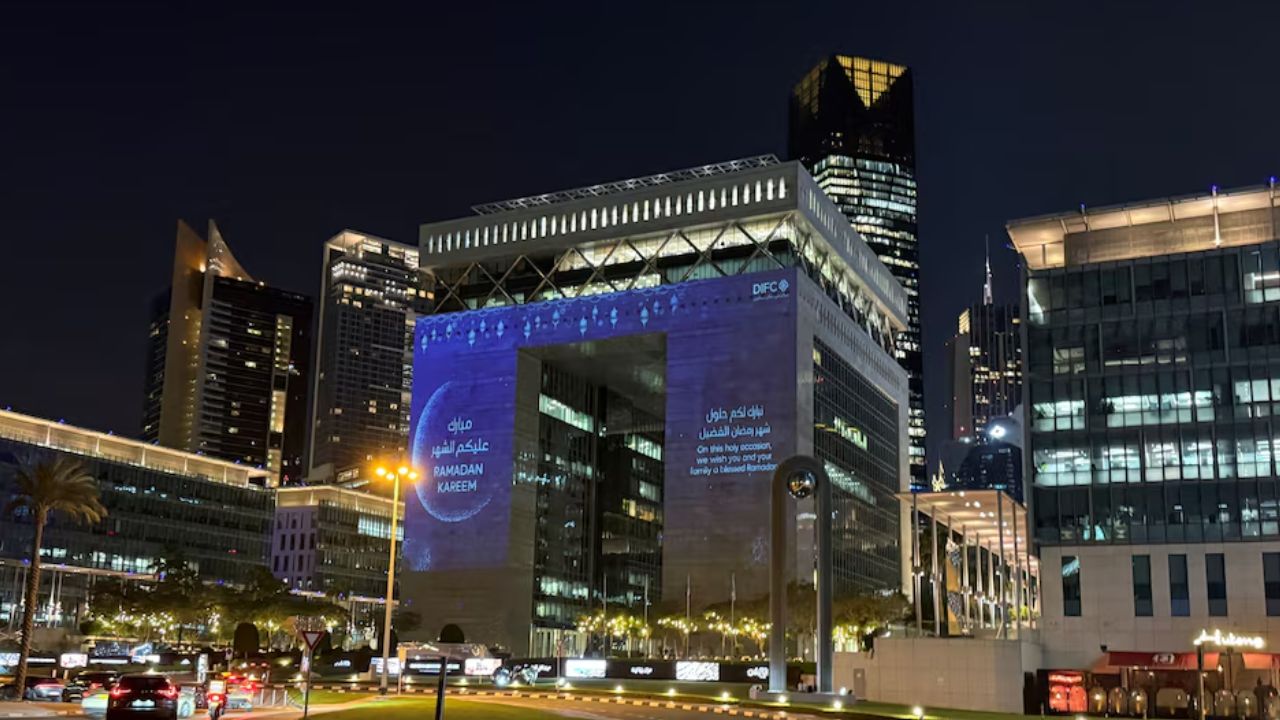
    Gulf banks could face domestic deposit outflows of $307 billion if the Middle East conflict deepens, S&P Global Ratings stated in a report.

    The agency noted that there has been no evidence of major outflows of foreign or local funding so far, adding that banking systems in the Gulf have remained stable since the conflict began last month. 

    However, it cautioned that a prolonged conflict could trigger a shift of funds between banks within the same systems as well as external and domestic funding exits.

    S&P’s base case assumes the most intense phase of the US-Israeli war on Iran will last between two to four weeks. In a report dated March 16, it added that spillovers and intermittent security incidents could extend beyond that period.

    The war, now in its third week, has disrupted energy markets and transport as it spread across the region, with multiple attacks reported in Dubai and other Gulf states.

    The situation has affected banking operations, with some international lenders shutting most UAE client-facing services after Iran’s IRGC threatened attacks on economic centres and banks linked to the US and Israel.

    Banks have said they continue to serve clients through digital channels, although disruptions to digital infrastructure have been reported.

    Amazon Web Services reported on March 2 that drones struck three of its facilities in the UAE and Bahrain, disrupting cloud and IT services, with some banking customers briefly losing access to online accounts.


    S&P noted that some banks have set up data centres and backup facilities outside the region, where permitted by regulators, which helped limit the impact of the strikes.

    Under a stress scenario, S&P estimated domestic deposit outflows across the six Gulf Cooperation Council (GCC) banking systems could reach $307 billion based on year-end 2025 figures.

    Banks currently hold around $312 billion in cash or at central banks to absorb such outflows, with an additional buffer of about $630 billion available after liquidating investment portfolios at a 20 percent haircut, the agency added.

    “Overall, the risk appears manageable,” S&P said, adding that four of the six GCC countries are considered highly supportive of their banking systems and that regulators have increased supervision since the conflict began.

    It noted that Bahraini retail banks appear more exposed due to a recent rise in external debt.

    The UAE central bank has sought to reassure markets, with Governor Khaled Mohamed Balama stating earlier this month that the banking sector has continued to operate normally.

    UAE banks have seen growth in credit demand as governments increased spending on sectors including tourism and infrastructure.

    The central bank said total assets rose 17.1 percent to 5.34 trillion dirhams ($1.45 trillion) in 2025 from a year earlier, while the loan portfolio expanded nearly 18 percent and deposits increased around 16 percent over the same period.

    S&P stated that the full impact on loan books will take time to materialise, identifying logistics, transportation, tourism, real estate, retail and hospitality as among the most exposed sectors.

    Under a high-stress scenario, assuming either a 50 percent increase in non-performing loans (NPL) or an NPL ratio of seven percent of total loans, cumulative losses across the region’s top 45 banks could reach around $37 billion, it added.

    The agency stated that GCC banks are entering the stress period from a position of strength, drawing comparisons with the 2020 COVID-19 shock when regulators introduced measures to absorb loan impairments, and added that a similar response is expected if conditions worsen.

    UAE bank shares have recorded double-digit declines across major lenders since the conflict began.
  • ADB grants final one-month extension for $360m Carec Tranche-III loan

    ADB grants final one-month extension for $360m Carec Tranche-III loan

    The Asian Development Bank (ADB) has granted a final one-month extension for the disbursement of a $360 million loan for the Central Asia Regional Economic Corridor (Carec) Tranche-III project, which has already been delayed by nearly a year due to issues with the National Highway Authority (NHA).

    In a recent letter, the ADB stated: “The ADB approves an extension of bid validity from March 6, 2026, to April 5, 2026 (for a period of 30 days). This shall be the last and final extension of bid validity. The NHA is requested to ensure that the contract award is completed within this extended period, as no further extension is envisaged by the ADB.”

    The bank added: “Within the same period, the NHA is also requested to provide any new and material information justifying the delay for ADB’s review. In the absence of such information, or if the contract is not awarded within the extended bid validity period, the matter may need to be assessed as a potential non-compliance case, which could affect the financing of the contract and any subsequent procurement actions related to this package.”

    Meanwhile, the Supreme Court (SC) dismissed a petition by the Public Procurement Regulatory Authority (PPRA) challenging the bidding process under which a joint venture of NXCC (Ningxia Communications Construction Group), Dynamic Constructor, and Rustam Associates was declared the successful bidder. The court endorsed the Islamabad High Court’s (IHC) findings regarding the procurement conducted by the NHA for the N-55 project.

    The SC held that the verification of bids submitted by the three-firm joint venture and its credentials had been properly undertaken by the NHA and that no further verification was required. 

    Earlier, the IHC had rejected PPRA’s petition against the Rs172 billion Carec Tranche-III award and warned that the regulator’s actions “may also lead to the refusal of the finance facility agreed by the ADB.”

    Some five parliamentary standing committees had raised objections over the bidding process. The NHA maintained that all shortcomings had been addressed and the evaluation conducted according to prescribed criteria. 

    Officials said average construction turnover, tax returns, and bank statements were adequately verified during the evaluation and no additional verification was required.

    In earlier communications, the ADB had expressed concern that the $360 million (Rs108 billion) loan allocated for the Carec Development Investment Programme’s Tranche-III could lapse next year without project completion. 

    A government source said there was growing recognition within official circles that amid the global oil and economic crisis, Pakistan should not miss the loan. The source added that a lapse could undermine the bank’s trust and confidence in Pakistan’s institutions.

    The delay in utilising the loan has been attributed largely to the failure to start the Tranche-III road project, which was stalled due to disputes over the bidding process. Although bids were opened in February 2025 and approved by the ADB soon afterward, the process faced scrutiny from parliamentary panels and the PPRA.

    The total project cost is estimated at Rs170 billion, including land acquisition, consultancy, and taxes, while the lowest bid by the joint venture stood at Rs147 billion. ECNEC (Executive Committee of the National Economic Council) has already approved the bids submitted by the joint venture. The ADB has confirmed it has no objection to awarding the contracts to the lowest bidder across the four lots.

  • Govt plans to freeze domestic fuel prices despite global spike

    Govt plans to freeze domestic fuel prices despite global spike

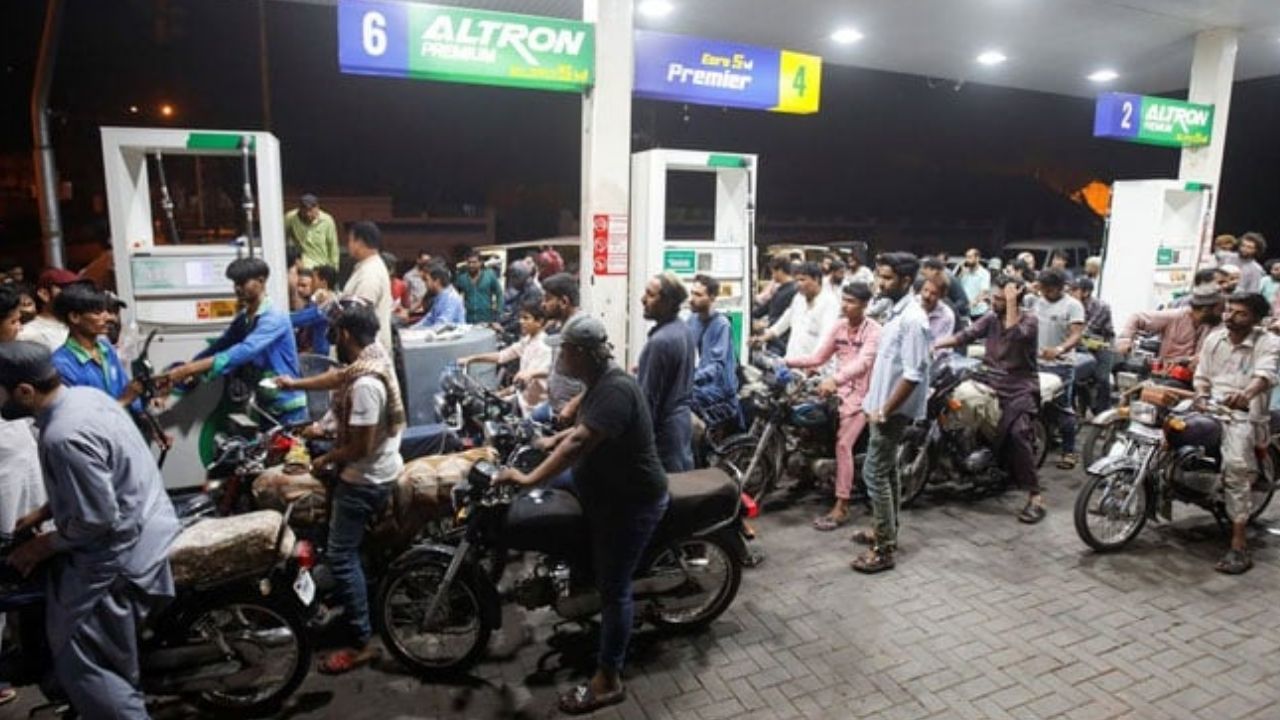
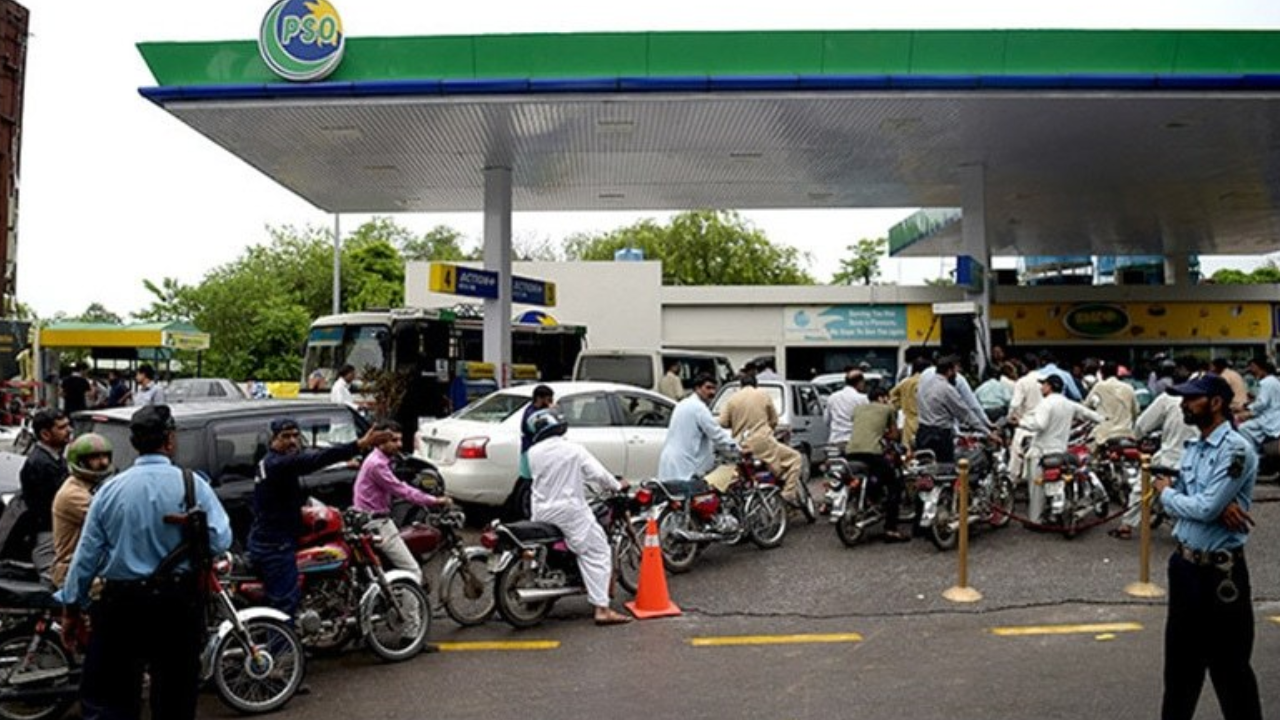
    The federal government has placed a ban on the export of all petroleum products and is exploring the possibility of holding back any immediate increase in domestic fuel prices despite continued upward trends in the global market. Authorities plan to use a Rs389 billion emergency fund to absorb potential price shocks.

    Recent calculations based on existing taxation and pricing formulas indicate that High-Speed Diesel (HSD) could increase by Rs56 per litre and petrol by Rs41. Retail prices currently stand at around Rs337 per litre for HSD and Rs322 per litre for petrol. Kerosene and light diesel oil are projected to rise by Rs7 and Rs53 per litre, respectively.

    While the next scheduled price review is March 15, ministers have suggested that adjustments could be considered as early as March 13. Sources told a private media outlet that Prime Minister Shehbaz Sharif conveyed during a consultative session, attended by federal and provincial officials as well as Field Marshal Asim Munir, that no further price hikes would be implemented in the near future regardless of Middle East market movements.

    During the session, it was reported that the government will utilise block allocations intended for emergencies to offset additional increases. The prime minister noted that the current fuel supply disruptions represented the most pressing emergency for the nation.

    The report quoted sources as saying that cabinet members remained divided over the prime minister’s stance. Technocrats, particularly those involved with the International Monetary Fund, expressed reservations about tapping into existing pricing buffers.

    In a meeting of the Senate Standing Committee on Finance, Petroleum Minister Ali Pervez Malik stated that efforts were underway to manage petroleum prices under the prime minister’s directives and that a final decision would follow a review of global rates on Friday.

    Minister of State for Finance and Railways Bilal Azhar Kiyani confirmed that while prices will be reassessed, the government aimed to avoid imposing additional burdens on the public. He added, “The prime minister has also directed that the burden should not be passed on to the people.”

    Both ministers defended the March 7 price increase of Rs55 per litre, citing supply risks similar to disruptions experienced in Bangladesh and India.

  • Chinese companies to invest $2.6 billion in Balochistan

    Chinese companies to invest $2.6 billion in Balochistan

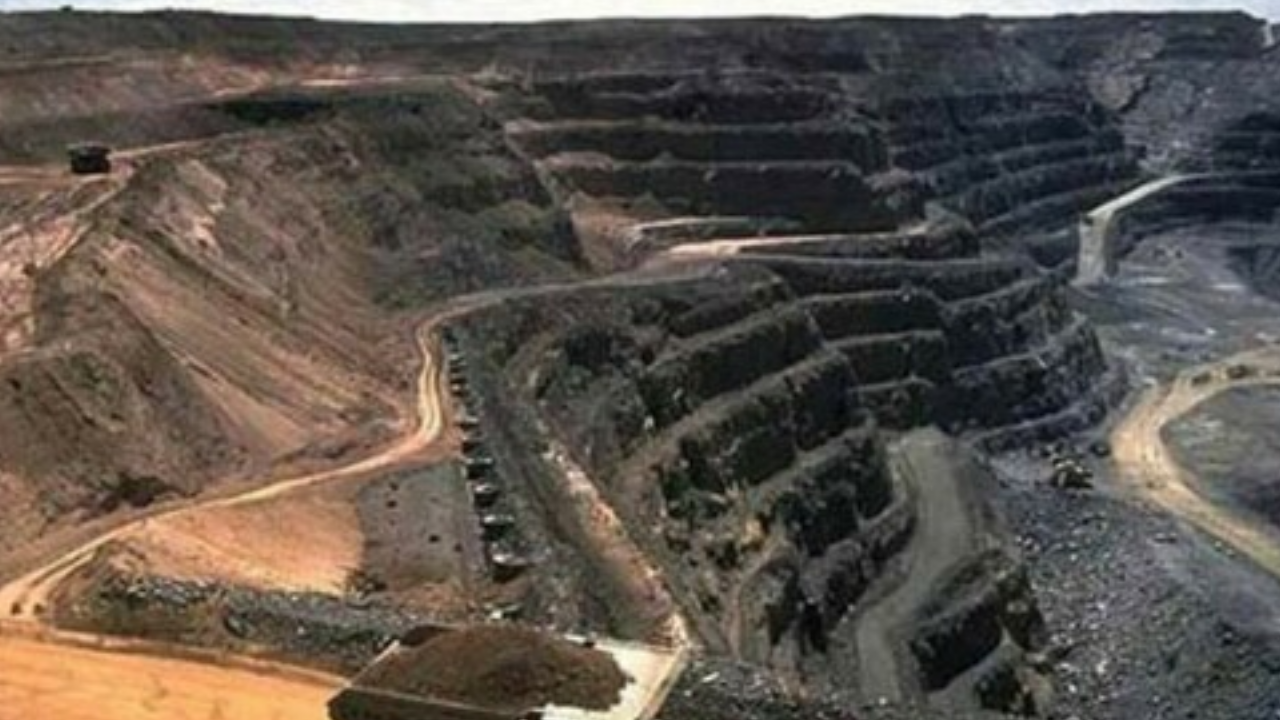
    Chinese firms have announced plans to invest approximately $2.6 billion in the manufacturing sector of Balochistan, along with around $14 million in the province’s mineral sector. The investments aim to boost industrial activity and create employment opportunities for the local population.

    The proposed investment plan was discussed during a meeting between a Chinese delegation and Senate Deputy Chairman Syedal Khan on Tuesday. The delegation was accompanied by former Balochistan Finance Minister Amjad Rasheed.

    The delegation included Zhang Yang, Chairman of Chang Jiang Industries (SMC-Private) Limited.

    During the meeting, the Chinese delegation informed the Senate deputy chairman that investors are interested in sectors including minerals, agriculture, transport, tourism, and others over the next five years.

    Both sides explored investment opportunities in Balochistan and discussed avenues for strengthening economic cooperation between Pakistan and China.

    Welcoming the Chinese investors, Mr. Syedal Khan said, “Balochistan offers immense potential for investment in mining, agriculture, tourism, energy and other sectors.”

  • Pakistan’s arms imports jump 66 percent as China supplies bulk of weapons

    Pakistan’s arms imports jump 66 percent as China supplies bulk of weapons

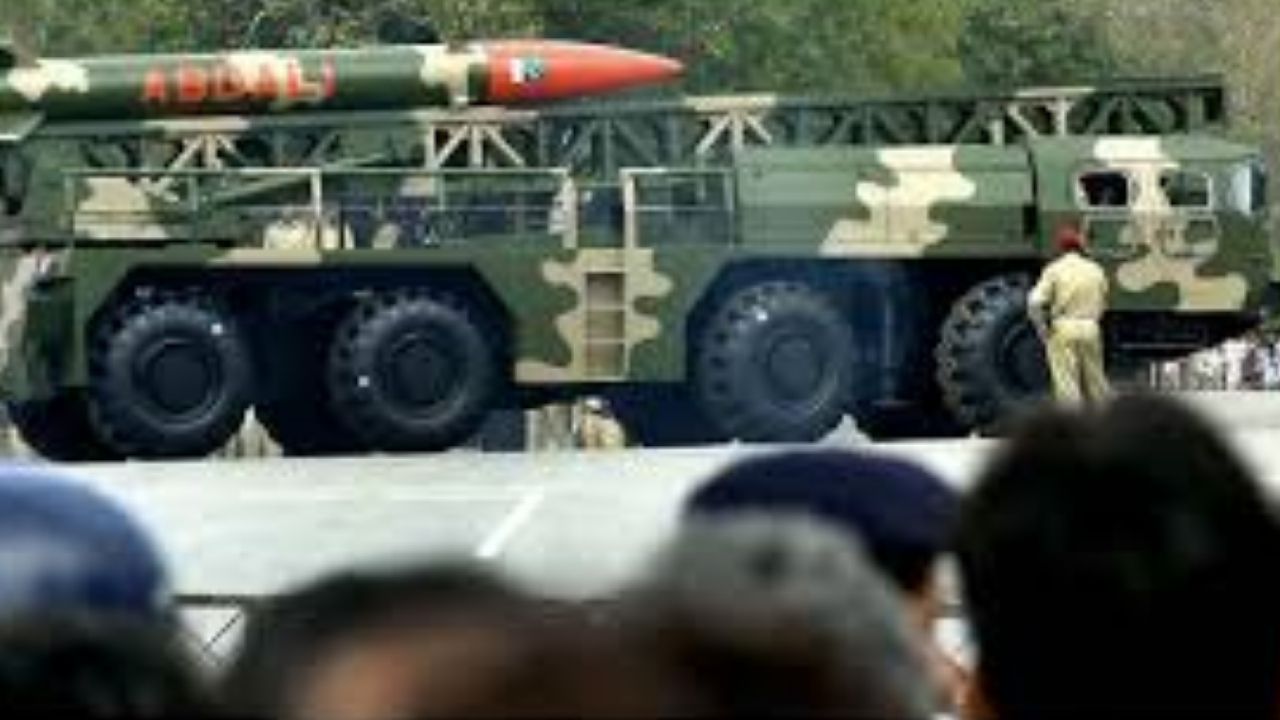
    Pakistan’s arms imports rose by 66 percent between 2021 and 2025 compared with 2016–20, with China supplying 80 percent of its weapons, according to a new report by the Stockholm International Peace Research Institute (SIPRI). The report noted that China’s share as Pakistan’s main arms provider increased from 73 percent in the previous five-year period.

    In South Asia, India continued to import large quantities of weapons, driven by concerns over China and ongoing tensions with Pakistan, a major recipient of Chinese arms. SIPRI senior researcher Siemon Wezeman said the imported weapons were used in a 2025 clash between the two nuclear-armed neighbours.

    While Pakistan’s imports jumped, India remained the world’s second-largest arms importer, despite a four percent drop. The report highlighted India’s diversification of suppliers, increasingly turning to Western countries. Russia’s share in India’s imports fell to 40 percent in 2021–25, down from 51 percent in 2016–20 and nearly half its 70 percent share in 2011–15.

    Across Asia and Oceania, states accounted for 31 percent of global arms imports, although the region saw a 20 percent drop compared with 2016–20. Declines were driven by reduced imports from China (-72 percent), South Korea (-54 percent), and Australia (-39 percent). Still, four countries in the region—India, Pakistan, Japan, and Australia ranked among the top 10 global importers.

    “While tensions and conflicts in Asia and Oceania and the Middle East continue to drive large-scale arms imports, the sharp increase in arms flows to European states pushed global arms transfers up almost 10 percent,” said Mathew George, director of the SIPRI Arms Transfers Programme.

    Globally, major arms transfers rose by 9.2 percent between 2016–20 and 2021–25, largely due to higher shipments to Europe and the Middle East. Arms imports by Middle Eastern countries fell by 13 percent but the region still hosted three of the top 10 importers: Saudi Arabia (6.8 percent of global imports), Qatar (6.4 percent), and Kuwait (2.8 percent). The United States (US) supplied over half of the region’s weapons.

    Israel ranked as the 14th largest arms importer, with its imports up 12 percent. The US supplied 68 percent of Israeli arms, followed by Germany at 31percent. SIPRI noted that Israel continued to receive major weapons, including combat aircraft and guided bombs, throughout the Gaza conflict.

    Europe emerged as the largest regional recipient of arms, accounting for 33 percent of global imports. The report attributed a 210 percent increase between the two five-year periods to the war in Ukraine and concerns over Russia. Ukraine alone received 9.7 percent of all major arms transfers in 2021–25.

    The US remained the top global arms supplier, increasing exports by 27percent. Its share of international arms transfers grew to 42percent in 2021–25, up from 36 percent in 2016–20. For the first time in two decades, Europe received more US arms (38 percent) than the Middle East (33 percent). Saudi Arabia remained the largest single recipient, accounting for 12 percent of US exports.


    France held its position as the world’s second-largest supplier, increasing exports by 21 percent to 63 countries. Its largest clients were India (24 percent), Egypt (11 percent), and Greece (10 percent).


    In contrast, Russia’s exports fell by 64 percent, cutting its global share from 21 percent to 6.8 percent between the two periods. 

    Russia supplied arms to 30 countries, with nearly three-quarters going to India (48 percent), China (13 percent), and Belarus (13 percent). Germany overtook China as the fourth-largest exporter, accounting for 5.7 percent of global exports, while Italy’s shipments grew by 157percent, making it the sixth-largest supplier.

  • Oil prices to rise further in coming days: PM Shehbaz

    Oil prices to rise further in coming days: PM Shehbaz

    Prime Minister (PM) Shehbaz Sharif has warned that oil prices may rise further in the coming days as the war in the Middle East rages on, prompting the government to take measures to stabilise Pakistan’s economy. 

    Addressing the nation, the prime minister said that the government was making efforts to keep the economy stable despite the evolving situation.

    He also announced that funds saved through recently introduced austerity measures will be used to provide relief to the public.

    Meanwhile, the provincial governments of Punjab, Khyber Pakhtunkhwa (KP) and Balochistan have also announced key decisions aimed at tackling the energy crisis and managing the potential impact of rising fuel prices.

    On the other hand, a meeting of the Sindh cabinet is scheduled to take place today, where important decisions are expected to be taken regarding the situation.

    The premier had earlier unveiled a series of austerity measures during a national address in response to the current regional developments and their possible economic consequences for Pakistan.

  • Pakistan receives first petrol shipment since Strait of Hormuz closure

    Pakistan receives first petrol shipment since Strait of Hormuz closure

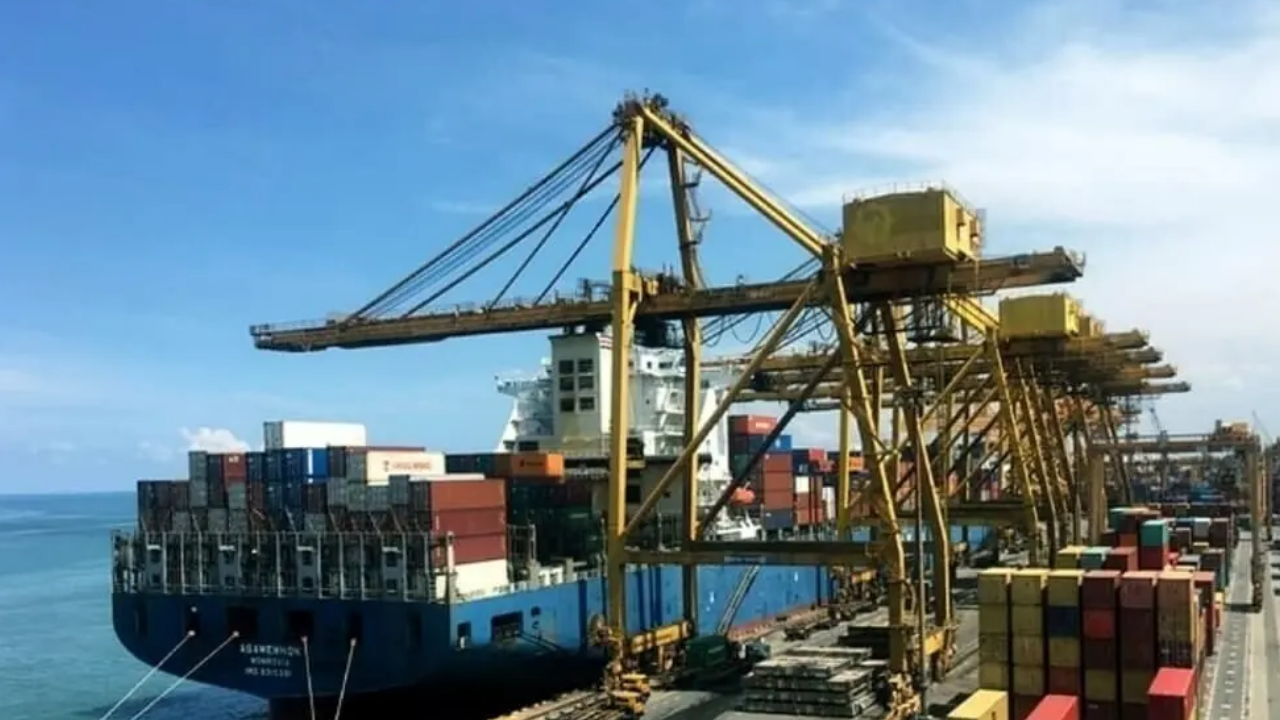
    Pakistan has received a shipment of 50,000 metric tonnes of petrol at Karachi’s Port Qasim as fuel supplies begin arriving after the closure of the Strait of Hormuz following the United States (US)-Israel and Iran conflict.

    According to port authorities, a gasoline-laden vessel, MT Nave Atropos, docked at the Fauji Oil Terminal & Distribution Company Ltd (FOTCO) Terminal carrying the consignment. The arrival marks the first fuel shipment reaching Pakistan since maritime traffic in the region was affected by the conflict.

    Officials said the arrival of the cargo has eased concerns about an immediate petrol shortage as imports resume through Karachi.

    Two additional fuel tankers are scheduled to reach the port in the coming hours and days.

    The vessel MT Spross Two is expected to arrive at 8:30 pm on Tuesday with a cargo of 55,000 tonnes of petrol. Another tanker, MT Sea Clipper, is scheduled to dock on March 11 at noon carrying 34,000 tonnes of petrol.

    Port officials said a vessel arriving from Fujairah is already anchored at Port Qasim. Another ship carrying fuel has departed from Oman and is heading towards Pakistan.

    Authorities said further fuel shipments are expected to arrive in the coming days as part of efforts to maintain petrol availability across the country.

    Earlier, the government stated that national petrol supplies remain stable despite developments in global energy markets.

    The Committee to Monitor Petrol Prices in the Wake of the Emerging Situation in the Region is reviewing developments related to the energy sector and assessing preparedness measures.

    The committee was constituted by the prime minister and is chaired by Federal Minister for Finance and Revenue Senator Muhammad Aurangzeb.

    Officials said the body is conducting daily reviews of the evolving regional situation and monitoring its potential impact on Pakistan’s fuel supply chain.

  • Pakistan seeks conversion of $5bn Saudi deposits into 10-year facility, expansion of oil support to $5bn

    Pakistan seeks conversion of $5bn Saudi deposits into 10-year facility, expansion of oil support to $5bn

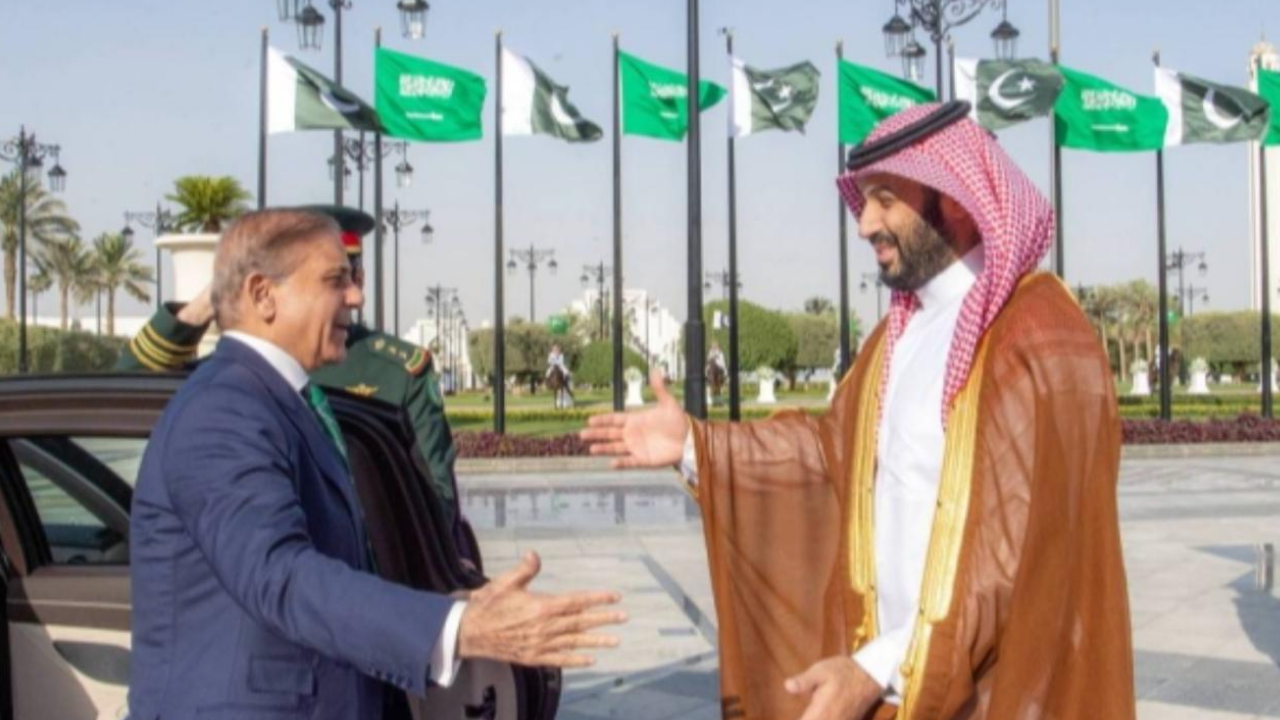
    Pakistan has sought several financial arrangements from Saudi Arabia, including converting the existing $5 billion deposits into a 10-year facility and expanding the oil supply arrangement on deferred payment terms, news reports have said. 

    The proposals were shared with Riyadh as part of discussions on long-term economic cooperation while Pakistan faces external financing needs and holds talks with the International Monetary Fund over the third review of the $7 billion Extended Fund Facility programme.

    One of the proposals involves converting the $5 billion deposits currently held with the State Bank of Pakistan into a long-term facility with a tenure of 10 years. Officials said the proposal also includes favourable pricing for the arrangement.

    Pakistan has also asked Saudi authorities to expand the existing oil supply facility on deferred payment terms from $1.2 billion to $5 billion. Under the proposal, the repayment period for each tranche could be extended from one year to three years.

    Another proposal submitted by Pakistan involves securitising up to $10 billion in remittances sent by overseas Pakistanis. Officials said the arrangement could help increase foreign exchange reserves and reduce reliance on external borrowing.

    Pakistan has also requested Riyadh to consider providing a guarantee for future international Sukuk issuances. Officials said such a guarantee could allow the country to access global capital markets at lower borrowing costs.

    In addition, Pakistan has asked Saudi Arabia to provide a concessional credit line for the Export-Import Bank of Pakistan, which was established to support exports and facilitate trade financing.

    Another proposal calls for Saudi authorities to waive bank guarantee requirements for import-related transactions between the two countries to facilitate trade operations.

    Pakistan has also invited Saudi investment through the Kingdom’s Public Investment Fund to explore investment opportunities in different sectors of the economy.

    Officials also said Pakistan sought Saudi support in facilitating adjustments to Pakistan’s primary surplus targets under the IMF programme to accommodate tax rationalisation measures while managing fiscal pressures.

  • Trading suspended at PSX after KSE-100 records massive drop at open

    Trading suspended at PSX after KSE-100 records massive drop at open

    Trading at the Pakistan Stock Exchange (PSX) was suspended shortly after the opening bell on Monday after the benchmark KSE-100 Index dropped more than six percent within minutes of the session, triggering a market halt under exchange regulations.

    The benchmark index was recorded at 147,715.95 in the morning, showing a decline of 9,780.15 points, or 6.21 percent. 

    The fall occurred during the opening phase of trading as selling pressure spread across sectors.

    Under PSX regulations, a decline of six percent in the benchmark index activates a market-wide halt in equity trading. Following the trigger, the exchange suspended all equity-based markets and cancelled all outstanding orders in the trading system.

    The halt was triggered at 9:22:15am, according to a notification issued to Trading Right Entitlement (TRE) Certificate Holders by the exchange.

    After trading resumed, losses in the benchmark index deepened. The KSE-100 Index was down 13,050.63 points, or 8.29 percent, from the previous close.

    Selling pressure was recorded across multiple sectors during the early session. These included automobile assemblers, cement, commercial banks, oil and gas exploration companies, oil marketing companies, power generation firms and refineries.

    Several index-heavy stocks also traded in negative territory during the session. These included MCB Bank, Meezan Bank, National Bank of Pakistan, Mari Energies, Oil and Gas Development Company, Pakistan Petroleum Limited, Pakistan State Oil, Sui Northern Gas Pipelines Limited, Sui Southern Gas Company and Hub Power Company.

    The benchmark KSE-30 Index also fell more than five percent from its previous close during the session, which activated the exchange’s automatic market halt mechanism alongside the drop in the KSE-100.

    The selloff came as investors reacted to a surge in global crude oil prices. The increase in oil prices has raised concerns about fuel costs, production expenses and inflation in the economy.

  • Etihad Town Phase – I Launches Overseas Block with 5 & 10 Marla residential and Commercial plots on Main Raiwind Road

    Etihad Town Phase – I Launches Overseas Block with 5 & 10 Marla residential and Commercial plots on Main Raiwind Road

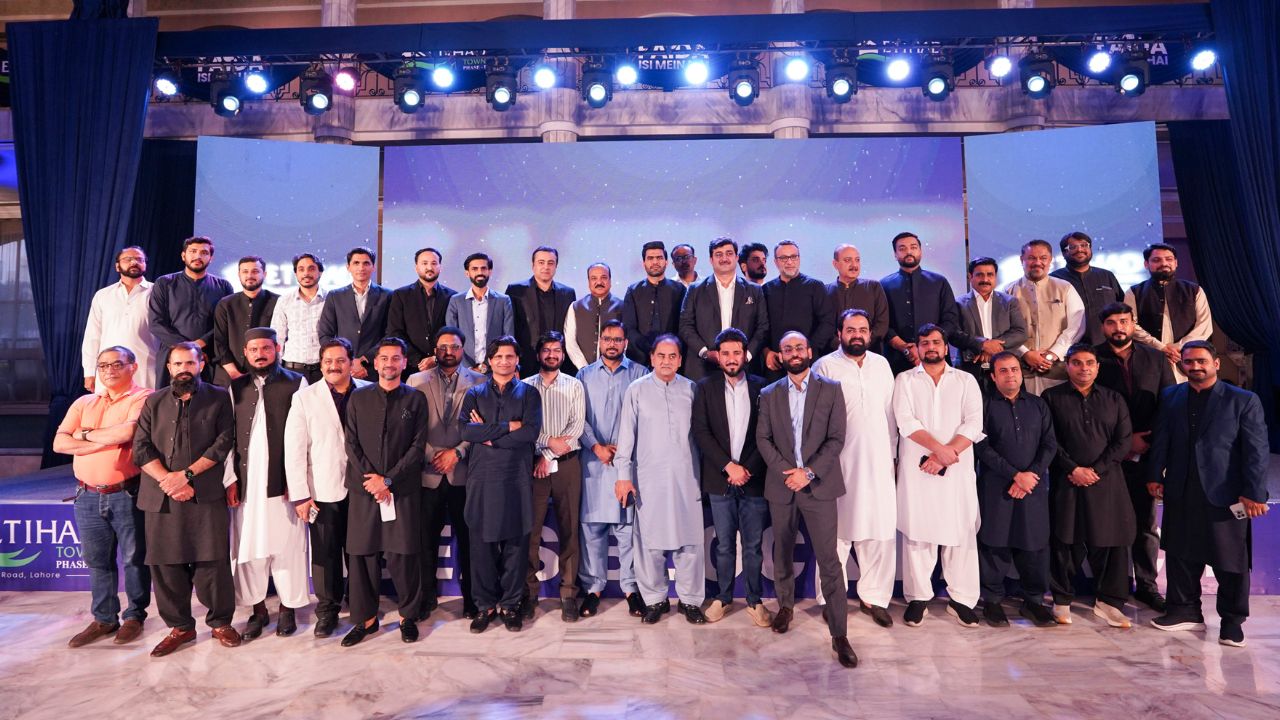
    Recognized as Pakistan’s most trustworthy real estate brand, Etihad Town hosted a grand launch event announcing limited inventory of 5 & 10 Marla residential, commercial, and apartment plot opportunities in Phase – I Overseas Block on Main Raiwind Road, Lahore.

    The well-attended event took place at The Palace, Etihad Town Phase – I, and was hosted by GM Marketing Etihad Town, Mehroz Tariq. Sales partners, investors, end customers, and stakeholders participated in large numbers, reflecting strong market confidence in the project.

    Etihad Town Phase – I stands as a fully developed and delivered community, home to over 25+ national and international brands including McDonald’s, Al-Fatah, Gloria Jean’s, and all the leading banks, providing residents with convenient access to quality retail and dining experiences within the society.

    Strategically located, the project is approximately one-minute drive from the Motorway and is connected with Ring Road, Canal Road, Thokar Niaz Baig, and other major arteries of Lahore, ensuring seamless accessibility across the city. 

    This central connectivity places Phase – I at the heart of the city’s expanding urban landscape.

    The newly launched block offers 5 and 10 Marla residential plots on a two-year easy instalment plan, and the price includes both development and possession charges with no hidden extra charges, making it a highly viable and affordable opportunity for buyers.

    Highlighting the achievement, the management credited the strategic vision of Chairman Chaudhary Munir and Executive Directors Ch Raheel Munir, Ch Faisal Munir, and Ch Sohail Munir for consistently driving quality development and timely delivery.

    Speaking on the occasion, CEO Sheikh Shujaullah Khan said, “Phase – I reflects our commitment to quality, transparency, and delivery before time. The Overseas Block provides a valuable opportunity to invest in a fully developed society located on a prime main road.”

    The launch ceremony concluded on a celebratory note, reinforcing Etihad Town’s standing as one of Pakistan’s most trusted real estate brands.