Category: Business

  • Gold rates in Pakistan edge closer to historic high

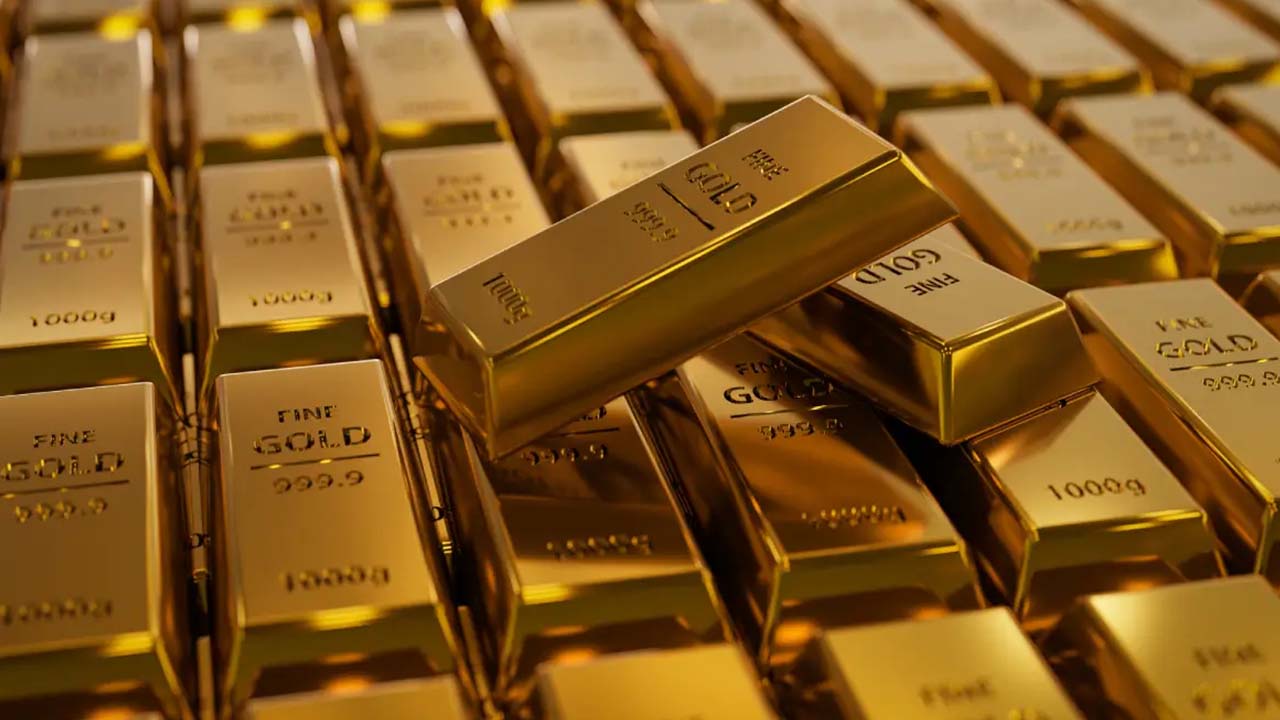
    Gold rates in Pakistan edge closer to historic high

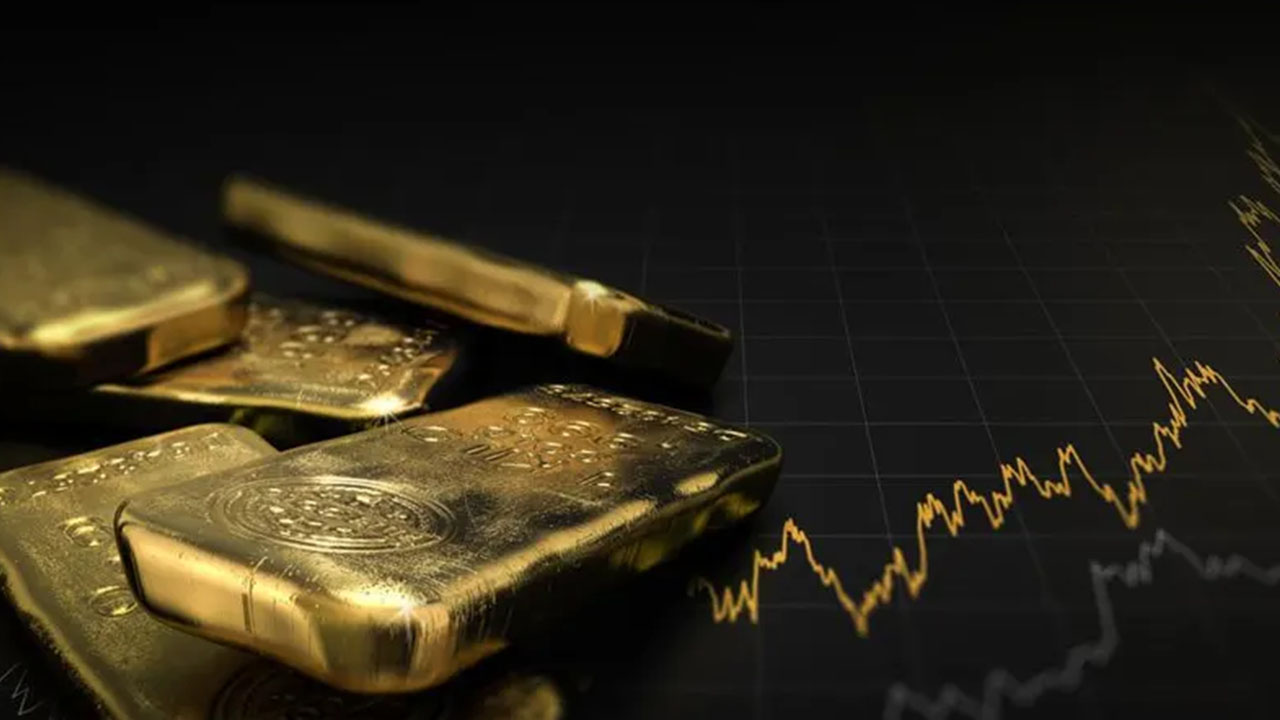
    The price of domestic gold is swiftly climbing, inching closer to its historic peak, with 24-karat gold now standing at Rs238,900 per tola, marking an increase of Rs1,800 in a single day.

    Back in June 2023, the pinnacle of gold prices saw 24-karat gold reaching Rs240,000, making the current rate just Rs1,100 short of that milestone.

    March witnessed a notable surge in the price of gold, with the precious metal gaining a significant Rs19,100, mirroring the upward trend in international gold rates.

    According to the Karachi Sarafa Association, the price of 24-karat gold stands at Rs204,818 per 10 grams, marking an increase of Rs1,543 from the previous session. Meanwhile, 22-karat gold is quoted at Rs187,750 per 10 grams.

    International gold rates are on the rise, fueled by escalating tensions in the Middle East and growing expectations for an imminent rate cut by the US Federal Reserve.

    In yesterday’s trading session, spot gold closed at an unprecedented high of $2,280.82. Daniel Ghali, commodity strategist at TD Securities, attributed this surge to the inflow of safe-haven demand triggered by Israeli strikes on Iran’s embassy in Syria, as reported by Reuters.

    Ghali further noted that the recent spike in gold prices may also be influenced by short covering activities among family offices and proprietary trading shops.

  • PSX hits new high amid optimistic economic trends

    PSX hits new high amid optimistic economic trends

    The Pakistan Stock Exchange (PSX) soared to yet another record high on Wednesday, buoyed by positive economic indicators.

    A decrease in inflation sparked expectations of monetary easing, seen as a significant boost to commercial activity and, consequently, corporate earnings.

    Closing at 67,756.03 points, the benchmark KSE-100 index surged by a substantial 869.77 points or 1.30 per cent.

    Investors were particularly drawn to the cyclical sector, with significant investments flowing into cement and steel companies.

    This interest was largely fueled by reports indicating a rise in both local and international cement dispatches for March.

    However, sectors such as transport, technology, communication, and commercial banking also garnered attention from investors.

    Additionally, the government’s privatisation initiatives, particularly the proposed sale of State-Owned Enterprises (SOEs), injected optimism into the market.

    There’s a prevailing belief that these companies could experience improved profitability and efficiency under private ownership.

    Notably, on Tuesday, the Privatisation Commission initiated the process of selling off Pakistan International Airlines (PIA), inviting expressions of interest (EOIs) from potential buyers.

  • Gold price drops by Rs500 to Rs237,100 per tola

    Gold price drops by Rs500 to Rs237,100 per tola

    The local bullion market saw a downturn in its rally on Tuesday, with the price of 24-karat gold dropping by Rs500 per tola to Rs237,100.

    This decline comes after a significant increase of Rs19,100 in March, aligning with the upward trend in international gold prices.

    According to the Karachi Sarafa Association, the price of 24-karat gold stood at Rs203,275 per 10-gramme, marking a decrease of Rs429 compared to the previous session. Similarly, the price of 22-karat gold was quoted lower at Rs186,335 per 10-gramme.

    Meanwhile, silver prices remained steady, with 24-karat silver being sold at Rs2,600 per tola and Rs2,211.93 per 10-gramme.

    In the global market, international spot gold continued its upward trajectory, reaching a new peak amid moderated US inflation data.

    Gold prices surged to $2,261.03 an ounce on Tuesday, reflecting a 0.42 per cent increase from the previous day’s close.

    The US core personal consumption expenditures (PCE) index showed a cooling trend in February, with a month-on-month increase of 0.3 per cent and a year-on-year increase of 2.8 per cent.

    Federal Reserve Chair Jerome Powell, addressing concerns about inflation, stated that the recent data did not alter the central bank’s fundamental outlook.

    However, he stressed that with the economy showing strength, there was no rush to adjust monetary policy.

    Looking ahead, traders are keeping a close watch on Friday’s release of the US nonfarm payrolls report. Another robust jobs report could potentially trigger a pullback in gold prices, as highlighted by Waterer.

  • Pakistan’s exports surge by 8.93% to Rs22.91 billion

    Pakistan’s exports surge by 8.93% to Rs22.91 billion

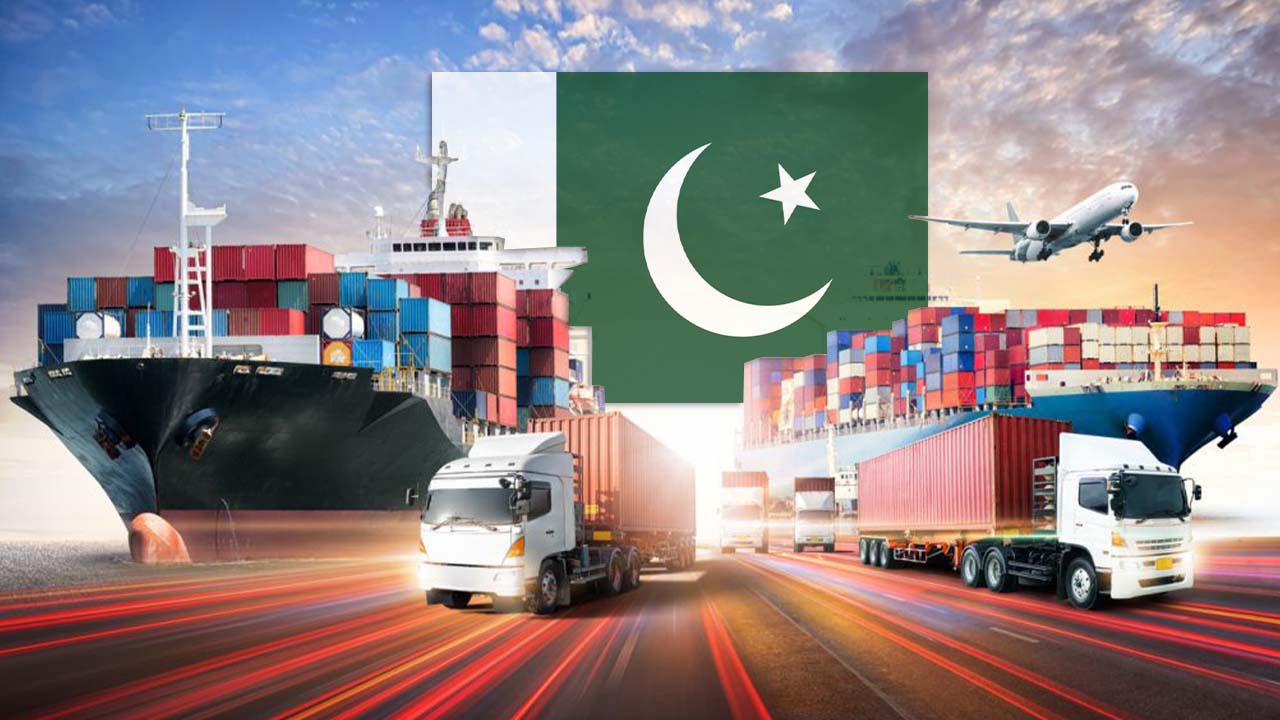
    Pakistan’s export sector has shown a notable surge, with an 8.93 per cent increase recorded in the initial nine months of the current fiscal year (2023–24) compared to the corresponding period in the previous year.

    Data released by the Pakistan Bureau of Statistics (PBS) indicates that exports soared to $22.914 billion from July to March (2023–24), marking a significant rise from the $21.036 billion recorded during the same timeframe in 2022–2023.

    Conversely, imports experienced a decline of 8.65 per cent, dropping to $39.944 billion from $43.724 billion in the previous year.

    This resulted in a notable improvement in the trade deficit, which amounted to $17.030 billion for the first nine months of the current fiscal year, showcasing a substantial decrease of 24.94 per cent from the $22.688 billion recorded during the corresponding period last year.

    Analyzing the performance for March 2024 against March 2023, exports registered a notable uptick of 7.99 per cent on an annual basis, climbing from $2.366 billion to $2.555 billion.

    Conversely, imports surged by 25.86 per cent, reaching $4.726 billion compared to $3.755 billion in March 2023.

    In terms of month-to-month performance, while exports in March 2024 experienced a marginal decline of 1.08 per cent from February 2024’s $2.583 billion, imports demonstrated a noteworthy increase of 9.25 per cent from the $4.326 billion recorded in February 2024, as per PBS data.

    Pakistan, exports, trade deficit, fiscal year 2023–24, economic growth, Pakistan Bureau of Statistics, imports, March 2024, global trade, commerce, trade statistics,

  • Pakistan’s poverty rates may remain elevated: World Bank report

    Pakistan’s poverty rates may remain elevated: World Bank report

    The World Bank’s latest Pakistan Development Update has shed light on the country’s ongoing battle with poverty.

    Despite efforts, the poverty headcount rate, measured at the lower-middle-income country poverty line of $3.65/day in 2017 purchasing power parity (PPP), is anticipated to hover around 40 per cent from FY24 to FY26.

    The report highlights several key factors contributing to this stagnation in poverty reduction. Weak economic growth, stagnant real labor incomes, and persistently high inflation are cited as primary culprits.

    Importantly, the continuation of import management measures and potential cuts in public spending on social sectors are expected to exacerbate the situation.

    This could disproportionately affect poorer households, already struggling with depleted savings and reduced incomes.

    The combination of chronic inflation and policy uncertainty poses additional challenges, potentially leading to social unrest and negative welfare impacts.

    To mitigate these risks, increased targeted transfers are identified as crucial to safeguarding the most vulnerable segments of society.

    Moreover, the report warns of potential consequences on education and healthcare. The escalating cost of living, coupled with rising transportation expenses, may result in an increase in out-of-school children and delayed medical treatments, particularly among disadvantaged families.

    Food security remains a pressing issue, particularly in rural areas affected by natural disasters such as the 2022 floods.

    In 43 rural districts across Khyber Pakhtunkhwa, Sindh, and Balochistan, acute food insecurity is projected to rise from 29 per cent to 32 per cent in the second and third quarters of FY24.

    Lastly, the report underscores the persistent challenge of poor air quality and smog during autumn and winter months.

    With 71 per cent of the population affected nationwide, these environmental hazards continue to pose significant public health risks.

  • Diverse Brazilian cattle breeds arriving in Pakistan under new agreement

    Diverse Brazilian cattle breeds arriving in Pakistan under new agreement

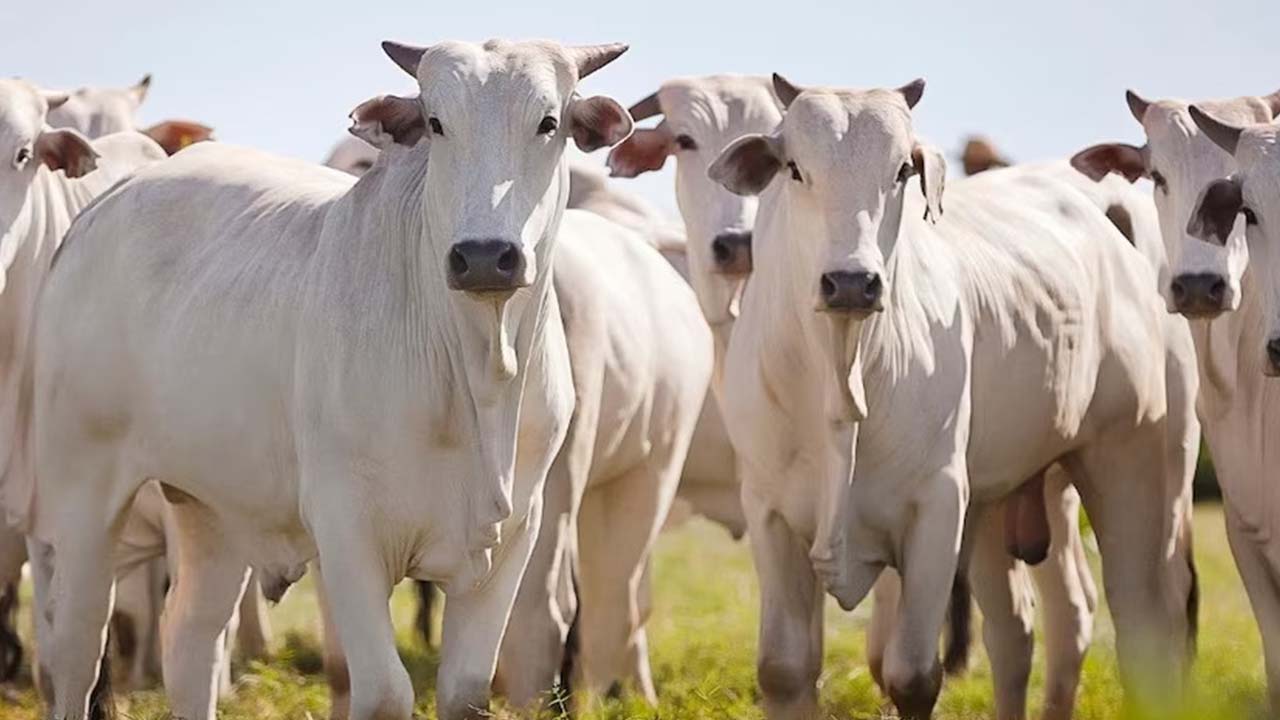
    The Special Investment Facilitation Council (SIFC) has inked a deal with a Brazilian company for the import of high-breed cattle from Brazil as part of the Green Pakistan Initiative.

    Under the agreement, Fongrow, a company established under the Green Pakistan Initiative, will import nine breeds of cattle from Brazil, encompassing both local and Brazilian breeds.

    The consignment of cattle from Brazil is slated to arrive at Sialkot International Airport today via air cargo and will subsequently be transported to Peruwal Model Farm in Punjab.

    During an interview, Brazilian Ambassador Olyntho Vieira stressed the significant potential for bilateral trade between Brazil and Pakistan across various sectors.

    He highlighted that investment and technology could enhance livestock productivity, mentioning that red Sindhi cattle were initially transported from Pakistan to Brazil in the 1950s and have been preserved since then.

    The imported cattle comprise breeds such as Nylori, Redus Sindhi, Guzeera, Brahman, Angus, and others.

  • Gold prices continue to surge, per tola rate hits Rs237,600

    Gold prices continue to surge, per tola rate hits Rs237,600

    Gold prices in Pakistan saw a sustained uptrend on the first trading day of the month, following a surge in the global market.

    The precious metal achieved a fresh record high internationally, reflecting its continued allure among investors.

    In Pakistan, the price per tola of gold reached Rs237,600, marking an increase of Rs2,800 throughout the day.

    According to data provided by the All Pakistan Gems and Jewellers Sarafa Association (APGJSA), the price for 10 grammes of gold stood at Rs203,704, showing a rise of Rs2,401 compared to previous figures.

    Notably, gold prices had remained relatively stable at Rs234,800 per tola just two days prior, underscoring the recent market volatility.

    In contrast, silver rates remained steady at Rs2,600 per tola during the same period.

    Over the past seven sessions, gold has witnessed a notable increase of Rs9,400 per tola in the local market, reflecting strong investor sentiment and demand.

    Meanwhile, in the international arena, gold commanded a premium of $20, reaching an unprecedented high of $2,278 per ounce on Friday.

    This marked a $24 increase from previous levels, as highlighted by APGJSA. The surge in global prices further underscores the precious metal’s status as a safe-haven asset amidst economic uncertainties.

  • Inflation in Pakistan dips to 20.7% in March

    Inflation in Pakistan dips to 20.7% in March

    Pakistan witnessed a significant downturn in headline inflation as it dipped to 20.7 per cent year-on-year in March, according to the latest data released by the Pakistan Bureau of Statistics (PBS) on Monday.

    This marks a notable decline from February’s figure of 23.1 per cent. Additionally, on a month-on-month basis, inflation rose by 1.7 per cent.

    Notably, this is the lowest inflation reading since May 2022, when it stood at 13.8 per cent, as reported by JS Global.

    It also signifies a remarkable milestone, being the first time in over three years that the Consumer Price Index (CPI)-based inflation figure has fallen below the crucial policy rate, which presently sits at 22 per cent.

    The July-March average inflation now stands at 27.22 per cent, slightly higher than the same period last year at 27.19 per cent.

    The inflation figure, coming in lower than the government’s projections, adds weight to the anticipation of a reduction in the key interest rate.

    In its ‘Monthly Economic Update and Outlook’ report released on Friday, the Ministry of Finance forecasted CPI-based inflation to range between 22.5-23.5 per cent for March 2024.

    Despite the recent upward revision of petrol prices and the onset of Ramadan, inflation in March has been perceived at a moderate level, according to the ministry.

    The government’s announcement of a relief package for Ramadan, with an increased allocation from Rs7.5 billion to Rs12.5 billion, is expected to mitigate the impact of heightened demand during the religious festival.

    Moreover, the moderation of inflationary pressures is attributed partially to the phenomenon of the high base effect, as highlighted in the outlook report.

    Global factors have also played a role in shaping inflation dynamics, as noted by brokerage house Arif Habib Limited (AHL). AHL’s report predicts a further decline in inflation, estimating a year-on-year headline inflation rate of 20.2 per cent for March 2024.

    Similarly, IGI Securities projects the national CPI to grow at a year-on-year rate of 20.3 per cent, with a monthly growth of +1.4 per cent compared to February 2024.

    Despite the government’s recent increase in gasoline prices, experts anticipate inflation to remain below 20 per cent in the upcoming months, primarily due to the high base effect.

    This development fuels speculation regarding potential monetary policy adjustments in the near future.

  • Petrol price increased by Rs9.66 to Rs289.41 per litre for next fortnight

    Petrol price increased by Rs9.66 to Rs289.41 per litre for next fortnight

    The already strained Pakistani populace, grappling with soaring inflation and costly transportation, faces yet another blow as the price of petrol in Pakistan has been increased by Rs9.66 per litre for the upcoming fortnight, driven by an uptick in international crude rates.

    In contrast, the price of high-speed diesel (HSD) has witnessed a reduction of Rs3.32 per litre.

    Following these adjustments, petrol now stands at Rs289.41 per litre, while diesel is priced at Rs282.24 per litre.

    These fluctuations adhere to the government’s strategy of reflecting international market price variations in the domestic market.

    This move also marks another decrease in the consumer price of HSD, following a prior reduction in mid-March 2024.

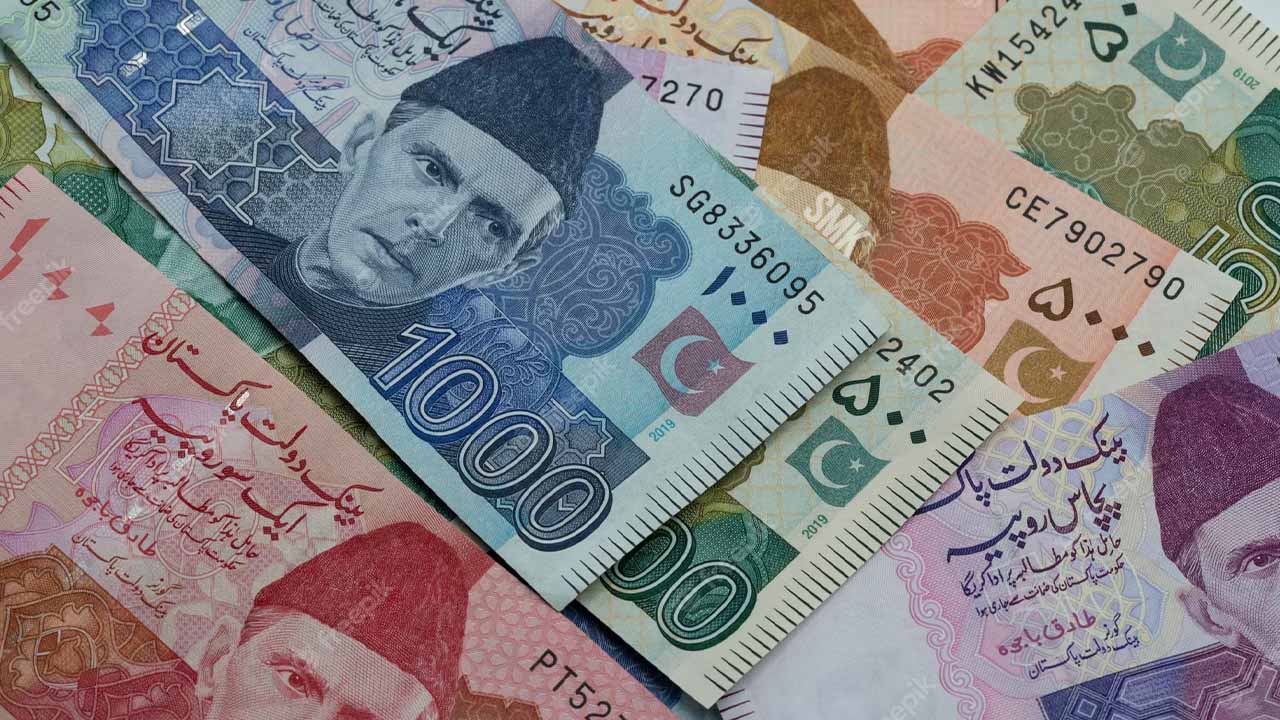
  • Pakistani rupee gains only Rs1.16 against US dollar throughout March

    Pakistani rupee gains only Rs1.16 against US dollar throughout March

    In March, the Pakistani rupee (PKR) demonstrated resilience, maintaining stability against the US dollar (USD) while marking slight gains.

    Throughout the month, the PKR experienced marginal fluctuations, witnessing minor increments and decrements in value.

    Despite this, the overall trajectory showcased a modest uptick, with the local currency gaining 1.16 rupees against the USD, concluding the month at Rs277.95 per USD.

    In Friday’s trading session alone, the PKR exhibited a noteworthy appreciation, strengthening by 8.61 paisa against the greenback.

    During today’s trading activities, the currency displayed a range, reaching an intraday high bid of 278.45 and a low ask of 280.41.

    Notably, throughout the current financial year, the PKR has displayed resilience, appreciating by 8.04 rupees against the Dollar, reflecting a 2.89 per cent increase. Similarly, within the scope of the current calendar year, the PKR has witnessed a gain of 3.91 rupees, equating to a 1.41 per cent appreciation.

    In parallel, the State Bank of Pakistan (SBP) undertook strategic financial operations, including a reverse repo and Shariah Compliant Modarabah-based Open Market Operation (OMO) today.

    Through these interventions, the SBP injected a cumulative total of Rs2.71 trillion into the market, underscoring efforts to maintain liquidity and stability within the financial landscape.