Category: Business

  • Weekly inflation inches down, yearly SPI surges

    Weekly inflation inches down, yearly SPI surges

    The Weekly Sensitive Price Indicator (SPI) for the Combined Group saw a slight dip of 0.09 per cent week over week (WoW) for the week ending March 28, 2024.

    However, compared to the same period last year, the SPI surged by 29.41 per cent, as revealed by data released by the Pakistan Bureau of Statistics (PBS).

    The Combined Index stood at 323.20, a slight decrease from 323.50 the previous week, while it was considerably higher at 249.75 a year ago.

    Among the 51 items monitored, prices of 04 (7.84 per cent) items increased, 18 (35.30 per cent) items decreased, and 29 (56.86 per cent) items remained stable during the week.

    Notable decreases were observed in the prices of Tomatoes (12.04 per cent), Wheat Flour (3.80 per cent), Garlic (2.59 per cent), LPG (2.42 per cent), and Wheat (2.09 per cent).

    Conversely, significant increases were noted in the prices of Chicken (4.92 per cent), Eggs (1.61 per cent), Shirting (0.56 per cent), and Rice Irri 6/9 (0.15 per cent).

    The weekly SPI percentage change across all income groups indicated a decrease, ranging between -0.03 per cent and -0.27 per cent.

    The lowest income group experienced the most significant weekly fall of 0.27 per cent, while the highest income group saw a decrease of 0.03 per cent.

    On a yearly basis, SPI increased across all income segments, ranging between 22.15 per cent and 33.5 per cent.

    The Lowest Income Group recorded a 22.15 per cent increase, while the highest income group saw a rise of 26.58 per cent.

    In terms of specific commodities, the average price of Sona urea stood at Rs4,828 per 50 kg bag, marking a marginal decrease of 0.02 per cent compared to last week, yet reflecting a significant increase of 69.56 per cent compared to last year.

    Meanwhile, the average Cement price was recorded at Rs1,220 per 50 kg bag, showing a slight decrease of 0.06 per cent compared to the previous week but an increase of 8.47 per cent compared to prices last year.

  • Gold price increases by Rs3,800 per tola

    Gold price increases by Rs3,800 per tola

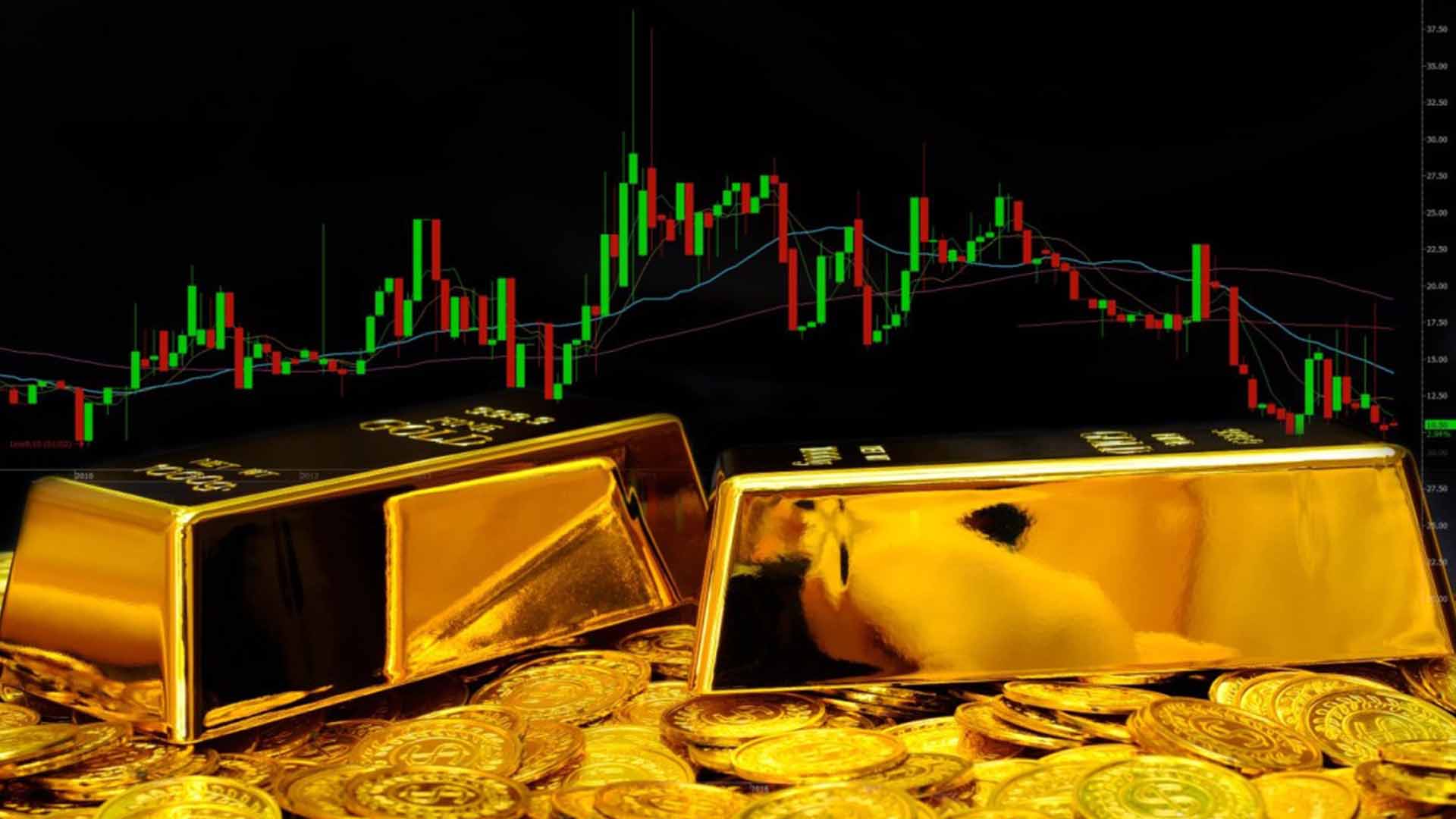
    Gold prices in Pakistan surged further on Friday, propelled by a remarkable surge in the global market.

    The price of gold per tola soared to an unprecedented level, hitting Rs234,800 in local markets after witnessing a substantial gain of Rs3,800 within the span of a single day.

    According to data provided by the All Pakistan Gems and Jewellers Sarafa Association (APGJSA), the price for 10 grammes of gold stood at Rs201,303, marking a notable increase of Rs3,258 from the previous day’s rates.

    Thursday had already seen a significant uptick in gold prices in Pakistan, with an increase of Rs1,500 per tola.

    Meanwhile, the international gold market witnessed a similar trend, with gold rates surging to a historic high of $2,254 per ounce.

    This marked a substantial gain of $40, accompanied by a $20 premium. APGJSA reported these figures, underscoring the remarkable momentum in the global gold market.

    In parallel, silver prices also experienced an upward trajectory, rising by Rs20 to reach Rs2,600 per tola, further highlighting the general bullish sentiment in precious metal markets.

  • PSX hits historic high: KSE-100 closes at record-breaking 67,142

    PSX hits historic high: KSE-100 closes at record-breaking 67,142

    Pakistan Stock Exchange’s (PSX) KSE-100 index surged to unprecedented heights in Thursday’s trading, culminating at a historic peak of 67,142.12, marking a substantial uptick of 594.34 points or 0.89 per cent.

    Throughout the trading day, the index demonstrated unwavering positivity, cresting at an intraday zenith of 67,246.03 (+698.24) and a nadir of 66,690.94 (+143.15) points, reflecting robust investor sentiment and confidence in the market’s trajectory.

    Trading activity was buoyant, with the KSE-100 index witnessing a total turnover of 231.314 million shares, underlining robust investor participation and liquidity in the market.

    The stellar performance of the KSE-100 index was underpinned by the commendable contributions of various sectors, notably Commercial Banks, which bolstered the index with 184.39 points, followed by Fertiliser (89.9 points), Cement (85.95 points), Oil & Gas Exploration Companies (49.32 points), and Oil & Gas Marketing Companies (27.36 points).

    Conversely, certain sectors experienced marginal declines, with Leather & Tanneries leading the downturn with 6.69 points, trailed by Transport (2.26 points), Real Estate Investment Trust (0.69 points), Miscellaneous (0.35 points), and Modarabas (0.31 points), albeit their impact remained subdued in the broader market context.

    In parallel, the Pakistani rupee (PKR) demonstrated resilience against the US dollar in the interbank market, appreciating marginally by approximately 1 paisa.

    The currency closed the trading session at PKR 278.03 per USD, exhibiting strength compared to the preceding session’s closure at PKR 278.04 per USD.

    During intraday trading, the rupee reached a peak bid of 278.1 and a trough ask of 278, reflecting stability and confidence in the domestic currency’s valuation.

    In the open market, exchange companies quoted the dollar at PKR 278.04 for buying and PKR 280.41 for selling, indicative of prevailing market dynamics and demand-supply dynamics.

  • Pakistan’s CPI-based inflation predicted to decline to 20%

    Pakistan’s CPI-based inflation predicted to decline to 20%

    Consumer Price Index (CPI)-based inflation in Pakistan is forecasted to witness a further decline, potentially settling at approximately 20 per cent on a year-on-year (YoY) basis for March.

    This projection marks a decrease from the 23.1 per cent recorded in February, as indicated by a report from Arif Habib Limited (AHL) released on Thursday.

    The anticipated headline inflation rate for March 2024 is projected to stand at 20.2 per cent YoY, reflecting a notable downturn from the preceding month’s figure of 23.1 per cent YoY.

    AHL’s report also highlights a substantial drop compared to the same period in the previous year, March 2023, when the YoY inflation rate was registered at 35.4 per cent.

    Consequently, it is envisaged that the average CPI for the first nine months of the fiscal year 2023-24 will hover around a 27.2 per cent YoY level, consistent with the figures observed during the same period last year (SPLY), according to the brokerage house.

    On a monthly basis, AHL’s projections for March 2024 suggest a modest increase of 1.3 per cent, contrasting with the average month-on-month (MoM) rise of 1.7 per cent recorded over the first eight months of the fiscal year.

    This upturn in monthly inflation is primarily attributed to rises in key indices, notably the food index (+1.3 per cent MoM), transport index (+1.5 per cent MoM), and housing index (+2.9 per cent MoM), the report stated.

    The brokerage house attributed the increase in the food index to the impending Ramadan season, foreseeing a month-on-month surge in prices of fresh fruits, potatoes, onions, and tomatoes.

    Meanwhile, the housing index is expected to see an uptick primarily due to increases in gas tariffs and LPG prices.

    Additionally, the transport index is anticipated to remain elevated owing to a month-on-month rise in petroleum product prices, according to AHL.

  • Gold price surges to Rs229,500 per tola

    Gold price surges to Rs229,500 per tola

    The local bullion market saw a modest rise on Wednesday, with 24-karat gold fetching Rs229,500 per tola, marking a Rs100 increase from the previous session.

    Last week, gold prices had surged by Rs700 per tola. According to the Karachi Sarafa Association, the price of 24-karat gold rose to Rs196,760 per 10 grammes, up by Rs86.

    Additionally, 22-karat gold was priced at Rs180,363 per 10 grammes.

    Silver prices, however, remained steady, with 24-karat silver maintaining its price at Rs2,580 per tola and Rs2,211.93 per 10 grammes.

    Internationally, spot gold approached its all-time high, trading at $2,181.6 an ounce, marking a 0.13 per cent increase for the day.

    Investors are closely observing the Personal Consumption Expenditures (PCE) index data, which serves as the Federal Reserve’s preferred measure of inflation.

    This data could offer insights into when the Federal Reserve might begin reducing interest rates. Lower interest rates typically benefit precious metals like gold, which do not yield interest.

  • Petrol prices expected to see notable increase next week

    Petrol prices expected to see notable increase next week

    Consumers already grappling with the burdens of inflation may soon face another blow as reports indicate an imminent hike in petroleum prices within the country.

    Recent assessments suggest a potential increase in petrol prices by over Rs9 per liter commencing April 1. This surge could propel the new price range for petrol from Rs279.75 to Rs289.25.

    Furthermore, there are indications that the government is contemplating raising the petroleum levy from Rs60 to Rs100.

    The petroleum development levy has undergone various adjustments in recent fiscal years, witnessing a notable escalation during FY-2023.

    Sources reveal that the federal government is deliberating a proposal to either subject petroleum to General Sales Tax (GST) or elevate the existing levy rate to fulfill IMF requisites for reinstating an 18 per cent GST on petrol.

    The proposed budget for the upcoming financial year outlines plans to increase the petroleum levy from Rs60 to Rs100 per liter.

    Presently, a levy of Rs60 per liter is imposed on both petrol and diesel, yielding an estimated annual revenue of Rs950 billion. Since March 2022, GST on petroleum products has been maintained at zero levels.

    In the initial budget drafts, GST was slated to be set at 18 per cent, in alignment with International Monetary Fund stipulations calling for the restoration of the standard GST rate.

    On March 15, the government opted to maintain the price of petrol while reducing the cost of high-speed diesel by Rs1.77 per litre.

    Petrol prices, fuel prices, government policy, petroleum levy, inflation, consumer concerns,

  • IMF engagement should not hinder Pakistan’s economic progress: PM Shehbaz

    IMF engagement should not hinder Pakistan’s economic progress: PM Shehbaz

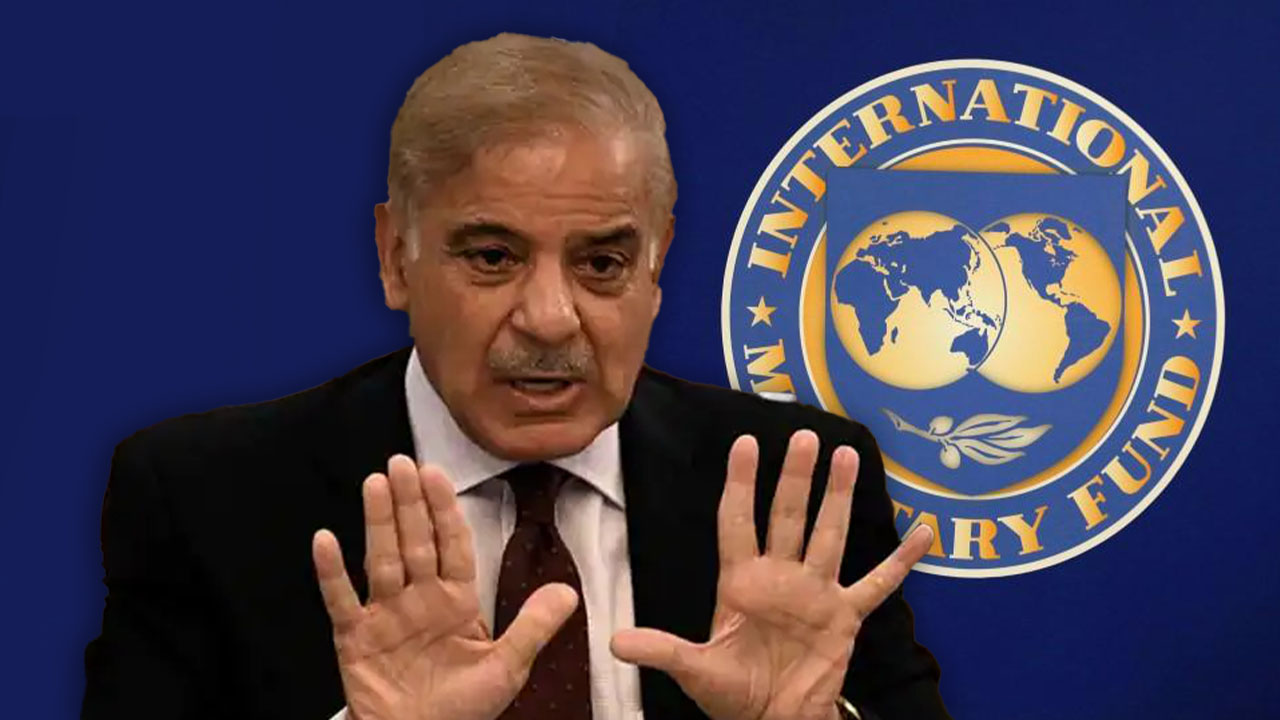
    Prime Minister (PM) Shehbaz Sharif asserted on Tuesday that any forthcoming engagement with the International Monetary Fund (IMF) must not impede Pakistan’s economic progress.

    His remarks come in the wake of discussions regarding a potential Extended Fund Facility (EFF) with the IMF, scheduled for deliberation in Washington next month, as the nation grapples with mitigating a looming economic crisis.

    With the expiration of the standby $3 billion arrangement with the IMF looming on April 11, recent negotiations have culminated in a staff-level agreement, paving the way for the disbursal of the final tranche of $1.1 billion.

    PM Shehbaz, following his re-inauguration, promptly directed his financial team to initiate efforts towards securing an EFF from the IMF.

    Speaking at a ceremony in Islamabad, the Prime Minister underscored the indispensability of another IMF programme while highlighting the imperative of simultaneously pursuing economic expansion.

    He highlighted key areas such as agriculture, IT exports, and both traditional and non-traditional exports as avenues for growth, questioning any limitations posed by an IMF programme on such initiatives.

    “If there is an IMF programme, who has stopped you from doubling agriculture output? from increasing IT exports? from increasing traditional and non-traditional exports?” PM Shehbaz posited, stressing the compatibility of economic growth initiatives with an IMF programme.

    He cautioned against using the IMF as an excuse for stagnation, urging prioritisation of domestically controllable economic avenues.

    In reiterating his stance, Prime Minister Shehbaz Sharif conveys a dual commitment to engaging with the IMF while ensuring a steadfast focus on bolstering Pakistan’s economic trajectory, fostering employment, and curbing inflation.

    As the nation navigates through economic challenges, the Prime Minister’s emphasis on proactive economic strategies resonates as a call to action for sustainable growth and resilience.

  • SIFC approves construction of largest IT park in federal capital

    SIFC approves construction of largest IT park in federal capital

    The Special Investment Facilitation Council (SIFC) has approved the establishment of Pakistan’s largest IT park in the G-10 sector of the federal capital, covering an expansive area of 3.3 acres.

    This development follows the decision by the Capital Development Authority Board earlier this month to undertake the construction of the IT park in Islamabad.

    According to APP, negotiations are currently underway with key stakeholders, such as the Pakistan Software Export Board and the Ministry of Information Technology and Telecommunication, to ensure the successful execution of the IT Park project.

    Operating under a public-private partnership framework, the project aims to become a hub of technological advancement, offering a wide range of facilities aimed at nurturing creativity and entrepreneurship.

    The IT Park will feature a state-of-the-art research centre, a well-stocked library, software houses, conference rooms, dedicated workspaces for freelancers and startups, and an exhibition area for showcasing cutting-edge IT products.

    Approximately 6,000 freelancers are expected to benefit from access to these top-notch facilities, empowering them to make significant contributions to Pakistan’s economic landscape through the provision of e-services.

    The construction of this IT hub will be financed through collaboration with private IT companies, which will also lease office spaces within the premises.

  • Gold price in Pakistan remains unchanged on first trading day of the week

    Gold price in Pakistan remains unchanged on first trading day of the week

    On the first trading day of the week, gold prices in Pakistan maintained stability while witnessing a slight uptick in the global market.

    According to data provided by the All Pakistan Gems and Jewellers Sarafa Association (APGJSA), the local market reported no change in the price of gold per tola, standing firm at Rs228,200.

    Similarly, the rate for 10 grammes of gold remained unchanged at Rs195,645.

    This follows a notable decline in gold prices observed in the previous session, where rates plummeted by Rs4,200 per tola.

    However, on Monday, the international market witnessed a modest increase in gold prices. With a premium of $20, the global rate of gold rose by $2, settling at $2,187 per ounce, as reported by APGJSA.

    Meanwhile, silver rates in the domestic market remained stable at Rs2,580 per tola, showing no significant fluctuations.

    The consistent performance of precious metals in Pakistan reflects a steadiness in the market amid global economic dynamics.

    The stability in gold prices locally, coupled with the marginal gain in the international market, underscores the cautious sentiment prevailing among investors amidst evolving geopolitical and economic factors.

  • PM Shehbaz transfers ECC chairmanship to Finance Minister Aurangzeb

    PM Shehbaz transfers ECC chairmanship to Finance Minister Aurangzeb

    Prime Minister (PM) Shehbaz Sharif, in a reversal of his earlier decision, has transferred the chairmanship of the Economic Coordination Committee (ECC) to Finance Minister Muhammad Aurangzeb.

    According to a notification, the ECC will now be led by the finance minister, with ministers of economic affairs, planning, commerce, power, and petroleum being integral members of the committee.

    Previously, PM Shehbaz had announced himself as the chair of the ECC when unveiling the composition of seven major committees. This move had drawn criticism for potentially limiting the authority of the new finance minister. 

    Furthermore, the premier had initially chosen to preside over the Cabinet Committee on Energy (CCoE).

    Similarly, the Cabinet Committee on State-Owned Enterprises (CCoSOEs) was formed earlier under the chairmanship of the finance minister. Accordinng to Aaj News, the Minister for Finance will head the CCoSOEs, with ministers of Maritime Affairs, Economic Affairs Division, Science and Technology, and Housing and Works serving as its members.

    In a report by APP, PM Shehbaz emphasised the government’s commitment to implementing tough economic measures to navigate the country out of crisis while ensuring the protection of the underprivileged segments of society. 

    He stressed that the brunt of these measures would primarily be borne by the affluent, with mechanisms in place to safeguard the interests of the poor and vulnerable.

    Speaking at the meeting of the Apex Committee of the Special Investment Facilitation Council (SIFC), the prime minister disclosed that the International Monetary Fund (IMF) had completed the review for the disbursement of the last tranche of US$1.1 billion, expected to be received next month.