Category: Business

  • Shayad abh gas aajaye gi? Sindh to draft policy to produce gas from Thar coal

    Shayad abh gas aajaye gi? Sindh to draft policy to produce gas from Thar coal

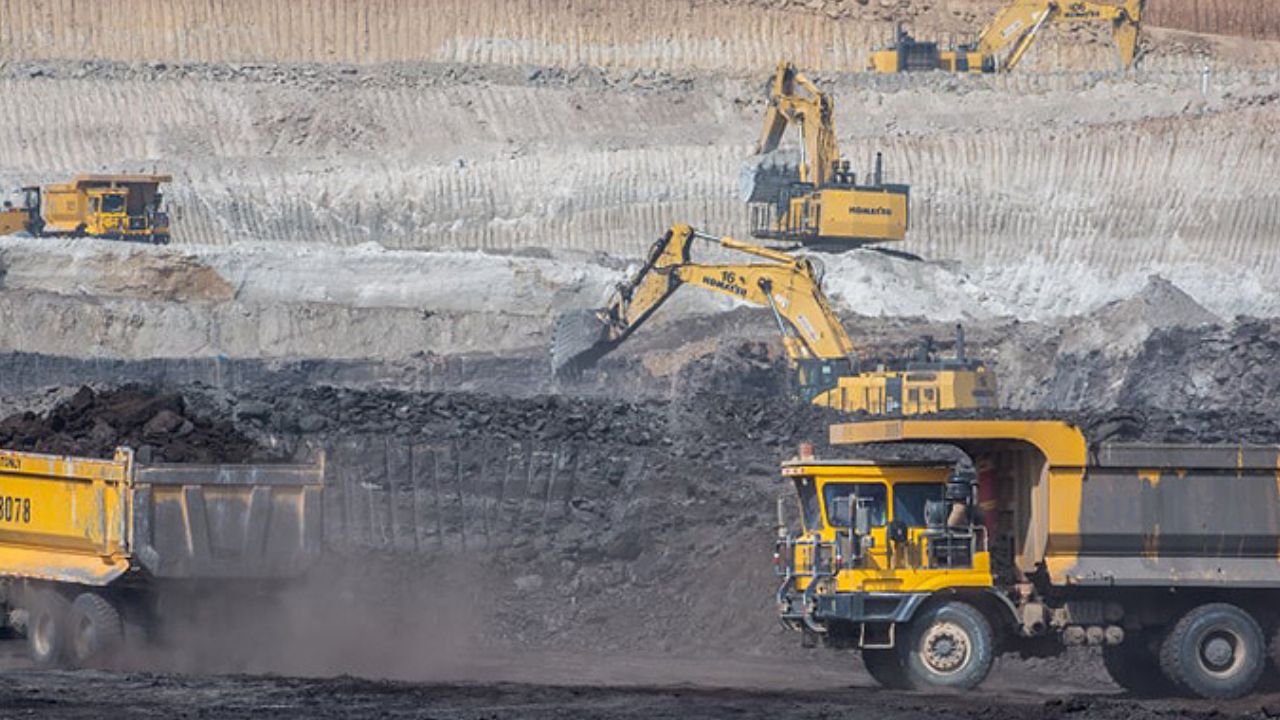
    The Energy Department of the Sindh government is planning to draft a policy for the production of liquid gas from coal, stated the Deputy Director Sindh Coal Authority (SCA) Asif Mangi in an interview with WealkthPK.

    SCA consultant Dr Farid A Malik has also said that Thar coal was declared a subject for gasification in the international laboratory of South Africa and could save up to 500 million dollars in foreign exchange annually.

    As of now, Pakistan is highly dependent on imported energy resources. In terms of gas import, an energy system from Thar’s 175 billion tons of coal reserves could reduce the energy import bill by 50 percent.

    Coal gasification is a process that converts solid coal into a combustible gas, composed primarily of carbon monoxide and hydrogen, by adding an oxidizing agent (air, oxygen, water vapor).

    The SCA conducted a study to evaluate the probability of Thar coal for conversion to liquid and gas by sending samples of the indigenous coal to the South African Laboratory.

    The study revealed that Thar coal has high tar yields of 20 percent (air dried basis) and high CO2 reactivity, which were typical of lignite coal and suitable for gasification.

  • Overseas workers’ remittances surge to $3 billion in March

    Overseas workers’ remittances surge to $3 billion in March

    In March 2024, Pakistan witnessed a significant surge in the influx of overseas workers’ remittances, reaching a notable milestone of $3 billion.

    This remarkable figure reflects a remarkable 31.3 per cent increase on a month-on-month basis compared to February 2024, when the remittances stood at $2.25 billion.

    The latest data released by the State Bank of Pakistan (SBP) unveiled this positive trend, highlighting the pivotal role remittances play in Pakistan’s economic landscape.

    Year-on-year comparisons also underscored the upward trajectory, with a 16.4 per cent increase noted in March 2024 compared to the same month in the previous year, when remittances amounted to $2.54 billion.

    Such consistent growth in remittances holds significance beyond mere monetary figures, as these funds contribute substantially to bolstering the country’s external account and fueling economic activity.

    Moreover, they serve as a crucial supplement to the disposable incomes of remittance-dependent households, enhancing their financial resilience.

    In a broader fiscal context, the first nine months of Fiscal Year 2024 witnessed a steady rise in workers’ remittances, totaling $21.0 billion.

    This marks a modest 0.9 per cent increase compared to the corresponding period in the previous fiscal year, where remittances amounted to $20.8 billion.

    Such stability and growth in remittances underscore the resilience of Pakistan’s overseas workforce and their commitment to supporting their families and homeland.

    Breaking down the sources of these remittances, Overseas Pakistanis in Saudi Arabia emerged as leading contributors, with remittances totaling $703.1 million in March 2024.

    This represents a substantial 30 per cent increase compared to the previous month and a noteworthy 24 per cent increase year-on-year.

    Similarly, remittances from the United Arab Emirates (UAE) witnessed a remarkable surge, jumping by 43 per cent on a monthly basis to reach $548 million in March, reflecting a 34 per cent increase compared to the same period last year.

    The United Kingdom also played a significant role in this surge, with remittances soaring to $462 million in March 2024, marking a notable 33 per cent increase compared to February 2024.

    Meanwhile, remittances from the European Union exhibited a robust 19 per cent monthly growth and a 6 per cent year-on-year improvement, amounting to $315 million in March 2024.

    Overseas Pakistanis in the United States also contributed significantly, send`ing $373 million in March 2024, reflecting an 18 per cent increase compared to the previous year and a substantial 30 per cent increase month-on-month.
  • Tesla cancels affordable electric car, shifts focus to Robotaxis

    Tesla cancels affordable electric car, shifts focus to Robotaxis

    Tesla has made a significant shift in its strategy, announcing the cancellation of its long-awaited affordable electric car, a move that has left investors and consumers stunned.

    The decision, revealed by three reliable sources familiar with the matter and corroborated by company messages obtained by Reuters, marks a departure from Tesla’s earlier mission of bringing affordable electric vehicles to the masses.

    The automaker, instead, will pivot its resources towards the development of self-driving robotaxis, utilizing the same small-vehicle platform, according to insiders. This strategic redirection signifies a significant deviation from Tesla CEO Elon Musk’s previous commitments and vision outlined in the company’s initial “master plan” in 2006.

    Musk, who has often emphasized the goal of making electric cars accessible to a broader audience, had initially promised investors and consumers an affordable vehicle following the success of luxury models. However, despite repeated assurances from Musk, including as recent as January, wherein he outlined plans for production at Tesla’s Texas factory by the second half of 2025, those aspirations have been dashed.

    Tesla’s cheapest model currently available, the Model 3 sedan, comes with a price tag of approximately $39,000 in the United States. The now-scrapped entry-level vehicle, often referred to as the Model 2, was anticipated to be priced around $25,000.

    In response to inquiries, Tesla remained silent, offering no official comment on the matter. However, Musk took to social media platform X to dispute the Reuters report, without specifying any inaccuracies, leading to a momentary fluctuation in Tesla’s stock prices.

    Following Musk’s online intervention, where he hinted at an upcoming Tesla Robotaxi unveiling, the company’s shares experienced a rebound in after-hours trading. This abrupt change in direction comes amidst mounting competition in the global electric vehicle market, particularly from Chinese manufacturers offering vehicles at significantly lower price points.

    The decision to prioritize the development of self-driving robotaxis, though potentially lucrative, poses considerable engineering challenges and regulatory hurdles, as highlighted by industry experts.

    Leaks reveal that the decision to scrap the Model 2 was communicated to employees in a meeting held in late February, further underscoring Tesla’s strategic pivot in the face of evolving market dynamics.

  • Crackdown intensifies against illegal constructions in Karachi

    Crackdown intensifies against illegal constructions in Karachi

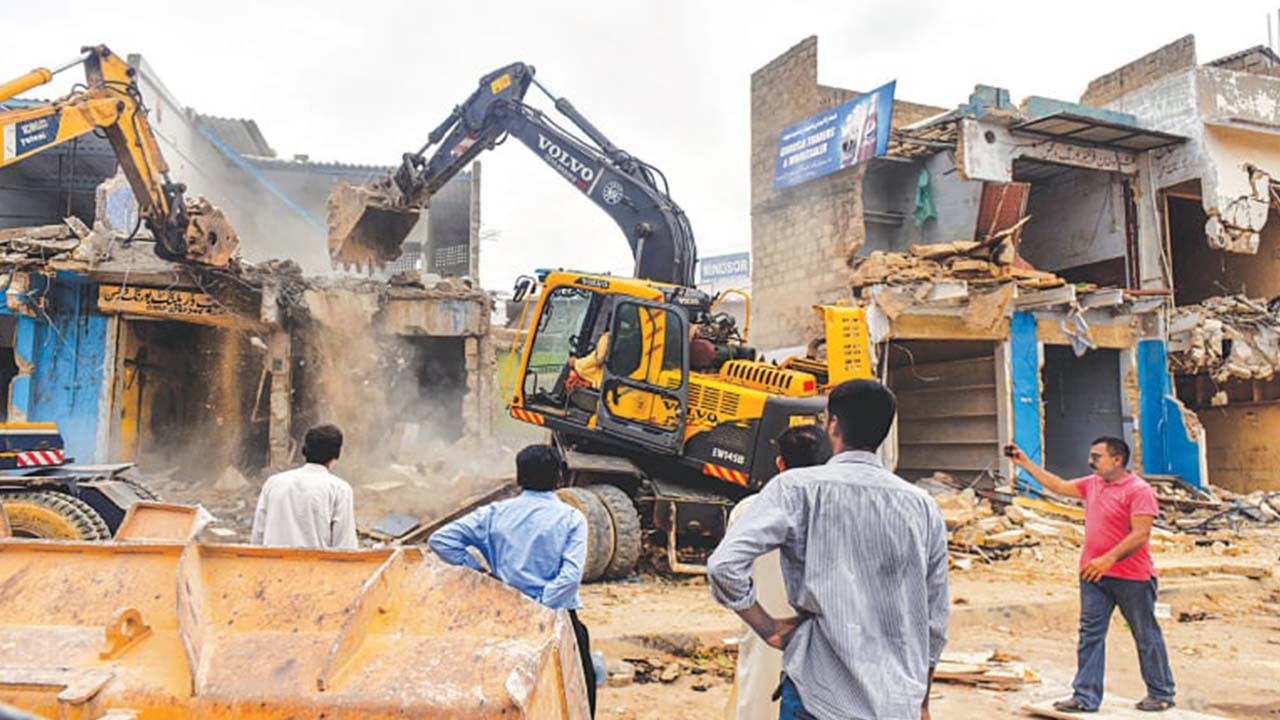
    The Sindh Building Control Authority (SBCA) has intensified efforts to combat unauthorised constructions across Karachi, leading to the demolition of several structures, including wedding halls.

    In a recent operation targeting illegal construction in District Central Karachi, SBCA personnel faced gunfire from unidentified individuals. Despite the danger, SBCA officials pressed on, successfully demolishing the fourth floor of a targeted building.

    The Director General of SBCA, Abdul Rasheed Solangi, swiftly directed the Senior Superintendent of Police (SSP) Central to apprehend the culprits and initiate legal action against those responsible for the shooting.

    Solangi stressed the crucial need for resolute enforcement against illegal construction, commending the dedication and integrity of the SBCA staff. He assured them of unwavering support to ensure their safety and effectiveness in carrying out their duties amidst challenges.

    The crackdown on illegal construction continues across various parts of the city. Abdul Rasheed Solangi, along with the Demolition Squad, oversaw the demolition of multiple buildings in areas such as Essa Nagri, Paposh Nagar, and Gulberg.

    Additionally, over 13 illegal structures have been dismantled in localities including Saddar Town, Jamshed Town, Gulberg, and Gulshan-e-Iqbal.

    Director General Abdul Rasheed Solangi personally supervises the ongoing crackdown on illegal construction, underscoring the authority’s commitment to uphold building regulations and ensure public safety.

    Meanwhile, Minister for Local Government Saeed Ghani has issued directives to eradicate all forms of unauthorised construction in the city. He emphasised the importance of taking stringent action against any SBCA officials found complicit in facilitating illegal construction.

  • Travellers suffer as transporters jack up prices before Eid

    Travellers suffer as transporters jack up prices before Eid

    The recent spike in petroleum prices has triggered a transportation crisis as transporters exploit passengers by hiking fares.

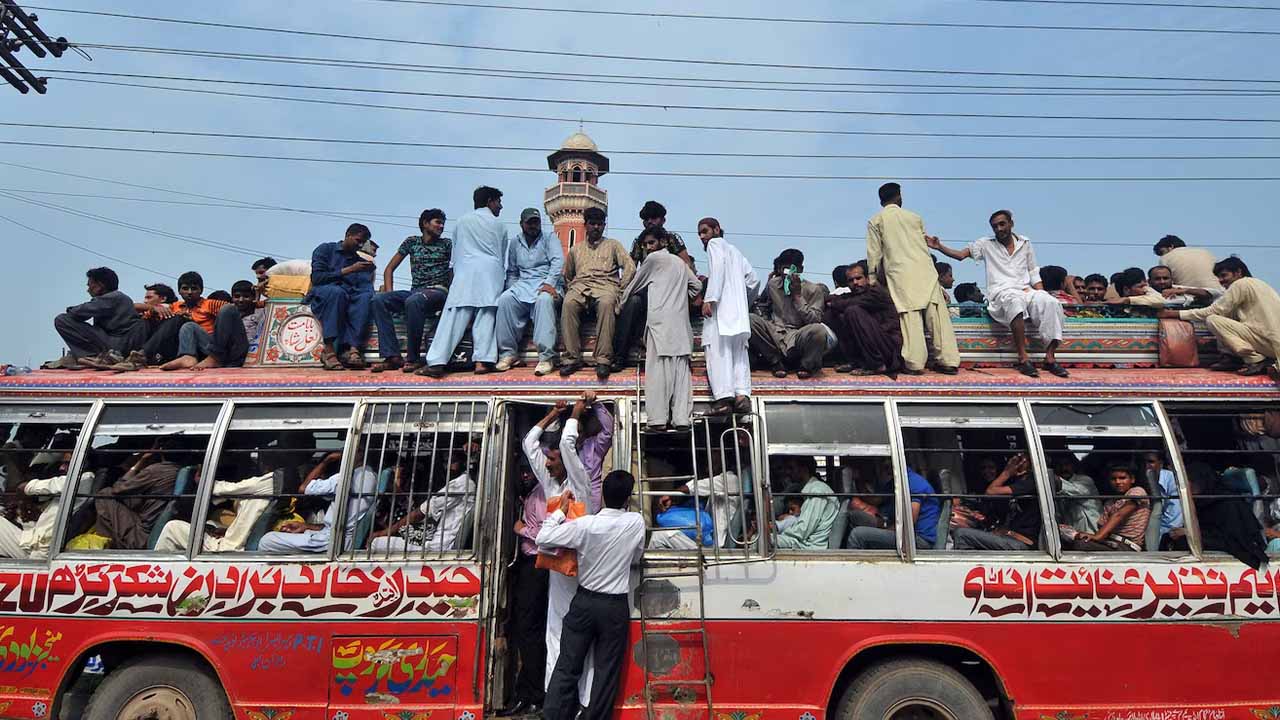
    With Eidul Fitr set for April 10, families are flocking to their hometowns, crowding terminals and the Rawalpindi Railway Station.

    The government’s decision to raise petroleum prices has made long-distance travel challenging for the public.

    Transporters, citing increased fuel costs, have raised fares by 30 to 40 per cent, with some even doubling the usual rates. Despite this, authorities appear indifferent to commuters’ plight.

    Secretary of the District Regional Transport Authority (DRTA), Muhammad Rashid, promises action to curb overcharging during Eid. He pledges strict measures, including fines and vehicle confiscation, and personally oversees terminals to enforce regulations.

    Many families express frustration with the timing of the official Eid holidays, urging for an earlier start to aid travel plans.

    Consequently, a significant number of non-local residents have already left, with more planning to depart by ‘Chand Raat.’ Concerns about overcrowded transportation hubs persist, especially at Rawalpindi Railway Station.

    To avoid anticipated congestion, many office-goers have sent their families ahead. Rashid Mehmood, bound for Lahore, recounts past experiences of exploitation by private transporters during festivals.

    Crowds gather at various terminals, eager to secure tickets for their journeys. However, irregularities in ticket sales emerge, with allegations of seat hoarding and ticket reselling at inflated prices.

    Further complaints arise about the lack of available vehicles despite valid tickets, highlighting systemic failures in managing overcharging and overloading concerns.

    As Eid approaches, addressing these issues becomes urgent, emphasising the need for swift regulatory measures to protect travellers’ rights and ensure fair access to transportation services.

  • Gold rates close week at all-time high of Rs245,100 per tola

    Gold rates close week at all-time high of Rs245,100 per tola

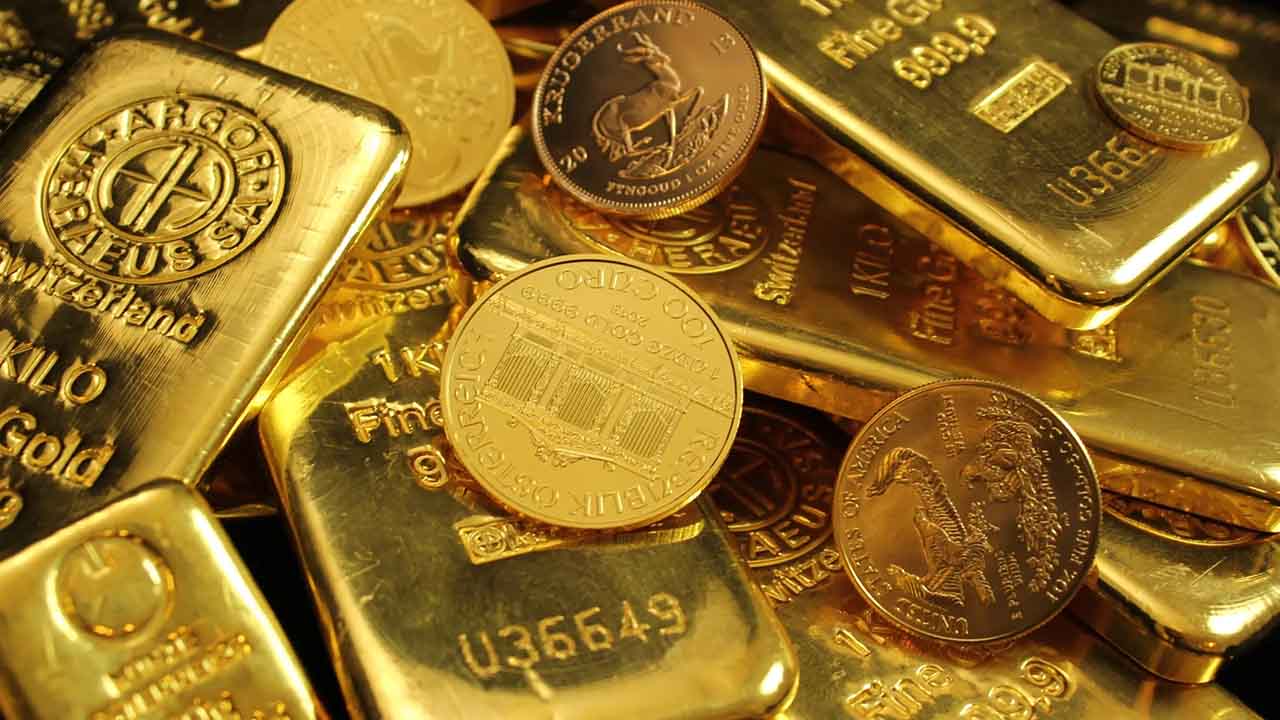
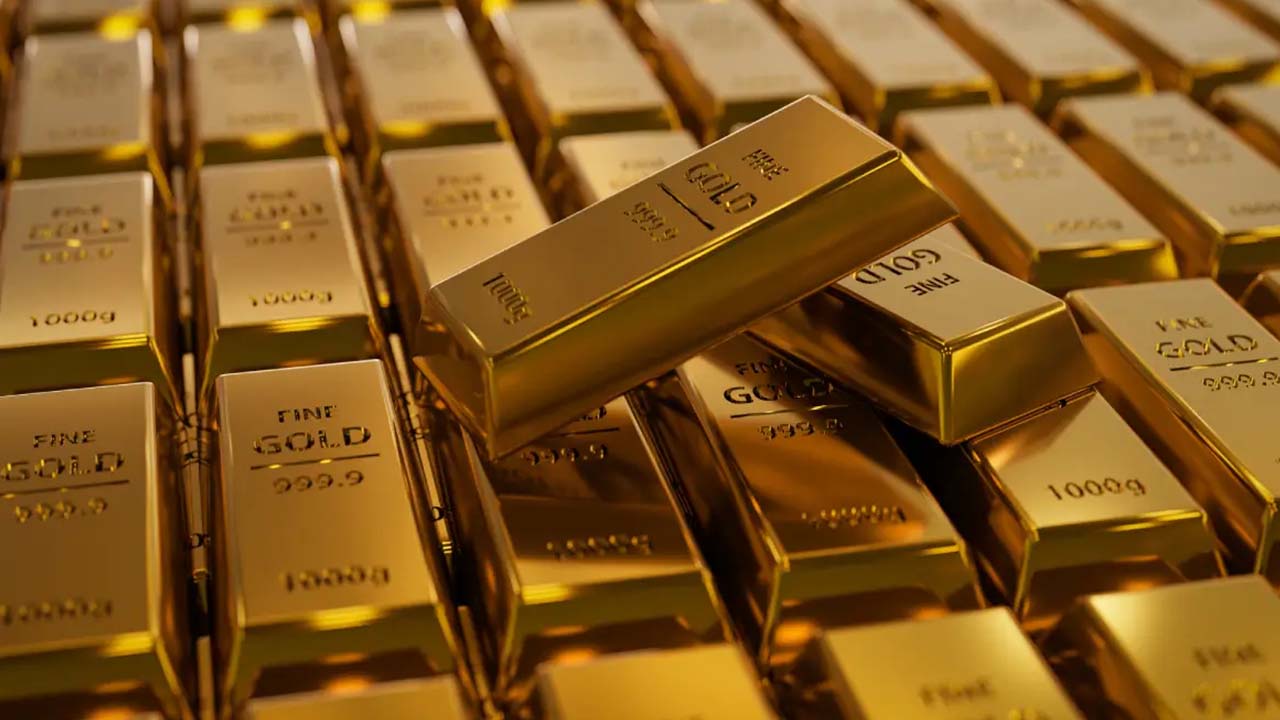
    Gold prices in Pakistan soared to unprecedented levels this week, surpassing previous records and reaching an all-time high, fueled by a significant surge in international rates.

    The prominent benchmark of the local gold market concluded the week at an extraordinary Rs245,100 per tola, marking a notable increase of Rs10,300 compared to the previous week’s closing figures.

    The ongoing rally in the domestic bullion market has been evident since March, during which the precious metal witnessed a substantial surge of Rs19,100, closely mirroring the upward trajectory of international gold prices.

    Notably, the preceding peak for 24-karat gold was recorded earlier in the week at Rs240,000, as documented on May 10, 2023.

    According to the Karachi Sarafa Association, the price of 24-karat gold surged to Rs210,134 per 10 grammes, registering an impressive increase of Rs8,831 week-on-week.

    Similarly, the price of 22-karat gold also experienced an upward trend, being quoted at Rs192,62 per 10 grammes.

    The remarkable ascent in gold prices underscores the dynamic nature of global economic factors impacting the precious metals market, highlighting the heightened demand and investor sentiment towards gold as a safe-haven asset amidst economic uncertainties.

  • UN survey forecasts modest growth for Pakistan’s GDP amid inflation projections

    UN survey forecasts modest growth for Pakistan’s GDP amid inflation projections

    Pakistan is projected to experience a real GDP growth rate of 2 per cent in 2024, with a slight increase to 2.3 per cent expected in 2025, according to a United Nations economic survey.

    The survey, titled ‘Economic and Social Survey of Asia and the Pacific 2024: Boosting Affordable and Longer-term Financing for Governments,’ released on Thursday, also forecasts a decrease in the inflation rate from 26 per cent to 12.2 per cent in the same period.

    The report highlights the challenges faced by Pakistan’s economy in 2023, citing political unrest and a significant flood that disrupted agricultural production.

    To address fiscal pressures, Pakistan, along with Sri Lanka, sought external assistance from the International Monetary Fund (IMF), with additional support from bilateral partners such as China, Saudi Arabia, and the United Arab Emirates.

    Both countries are implementing fiscal adjustments, including debt restructuring in Sri Lanka and subsidy removal in Pakistan’s power sector.

    Despite moderate tax gaps in Bangladesh, Pakistan, and Sri Lanka, the report suggests that improving tax policies and administration alone may not suffice to bridge development financing gaps, emphasising the need for broader improvements in socioeconomic development and public governance.

    The macroeconomic conditions in the developing Asia-Pacific region remain challenging, with a disparity in economic growth among different economies.

    While some larger economies experienced a rebound in economic growth, others saw only moderate growth in 2023. Pakistan’s GDP growth rate for the second quarter of fiscal year 2023–24 stood at a modest 1 per cent, below earlier projections ranging from 2–3 per cent.

  • Pakistan anticipates final IMF tranche approval in late April

    Pakistan anticipates final IMF tranche approval in late April

    The International Monetary Fund (IMF) announced that its Executive Board meeting, anticipated for late April, is crucial for approving Pakistan’s final tranche of approximately $1.1 billion (SDR 828 million). 

    This sum represents the last portion of the $3-billion Stand-By Arrangement (SBA) initiated in June of the previous year.

    Julie Kozack, IMF Communication Director, revealed this information during a media briefing, highlighting the significance of the staff-level agreement reached on March 19 between IMF staff and Pakistani authorities. 

    This agreement, subject to approval by the IMF’s Executive Board, acknowledges Pakistan’s strong program implementation by the State Bank of Pakistan (SBP) and the interim government, as well as the new government’s commitment to ongoing policy and reform endeavors aimed at transitioning Pakistan from stabilisation to robust, sustainable recovery.

    Kozack emphasised the improvement in Pakistan’s economic and financial position since the completion of the first review, with growth and confidence steadily rebounding. 

    Looking ahead, she mentioned the possibility of a successor IMF-supported program to address Pakistan’s fiscal and external stability challenges and foster inclusive growth, indicating the IMF’s readiness to engage in discussions with Pakistani authorities.

    Meanwhile, Pakistan’s foreign exchange reserves witnessed a modest increase, reaching $8.04 billion as of March 29, although still considered low for an import-dependent economy, raising concerns about potential future pressure. 

    Finance Minister Muhammad Aurganzeb has acknowledged the need for another IMF bailout, with discussions slated for the upcoming Spring meetings of the Board of Governors of the World Bank Group and IMF scheduled for April 15-20, 2024, in Washington DC, where Aurangzeb is expected to lead Pakistan’s delegation.

  • SBP’s foreign exchange reserves rise by $18.5 million

    SBP’s foreign exchange reserves rise by $18.5 million

    The State Bank of Pakistan (SBP) saw an increase in its foreign exchange reserves, rising by $18.5 million or 0.23 per cent week over week (WoW), reaching $8.04 billion by the week ending March 29, 2024, according to the latest data released by the central bank on Thursday.

    However, the country’s overall reserves took a dip, decreasing by $48.7 million, or 0.36 per cent of WoW, and settling at $13.38 billion. 

    This decline is attributed to a drop in reserves held by commercial banks, which fell by $67.2 million, or 1.24 per cent of WoW, reaching $5.34 billion.

    It’s important to note that in the current fiscal year, total liquid foreign reserves have increased by $4.22 billion, or 46.06 per cent. 

    Additionally, the ongoing calendar year has seen an increase of $0.71 billion, or 5.57 per cent.

  • Gold price reaches all-time high of Rs241,100 per tola

    Gold price reaches all-time high of Rs241,100 per tola

    Gold prices in Pakistan have hit a fresh record high, with the 24-karat gold reaching Rs241,100 per tola in today’s trading session. 

    This marks an increase of Rs2,200 per tola compared to the previous session’s close.

    It’s important to highlight that the previous peak for 24-K gold stood at Rs240,000, noted on May 10, 2023. 

    However, the all-time intraday high for gold has not been surpassed yet. According to the Karachi Sarafa Association, the highest intraday price recorded stands at Rs242,700.

    The current surge in domestic gold prices has been ongoing since March, with the precious metal seeing a significant increase of Rs19,100 in line with the rise in international gold prices.

    The association also reported that the price of 24-karat gold reached Rs206,704 per 10 grammes, marking an increase of Rs1,886 compared to the previous session. 

    Similarly, the price of 22-karat gold saw an uptick, reaching Rs189,480 per 10 gramme.