Category: Business

  • Gold loses shine: Jewellers report Rs300 per tola decline in gold rates

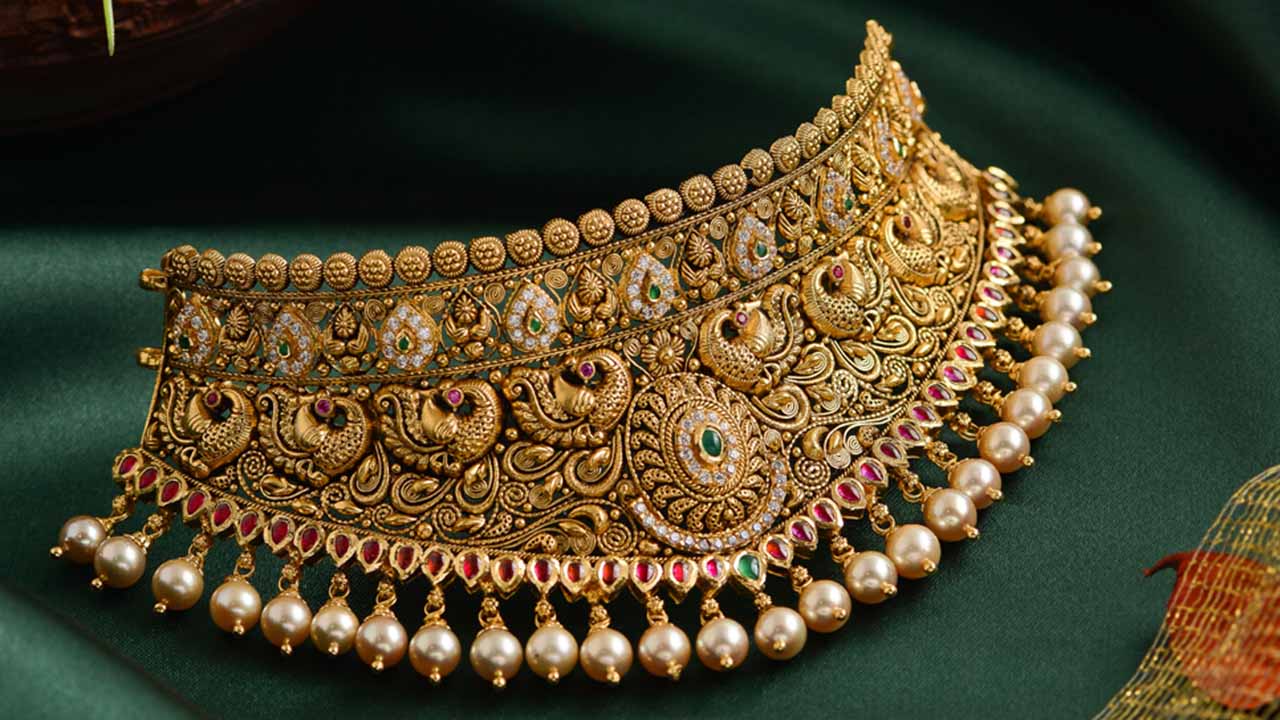
    Gold loses shine: Jewellers report Rs300 per tola decline in gold rates

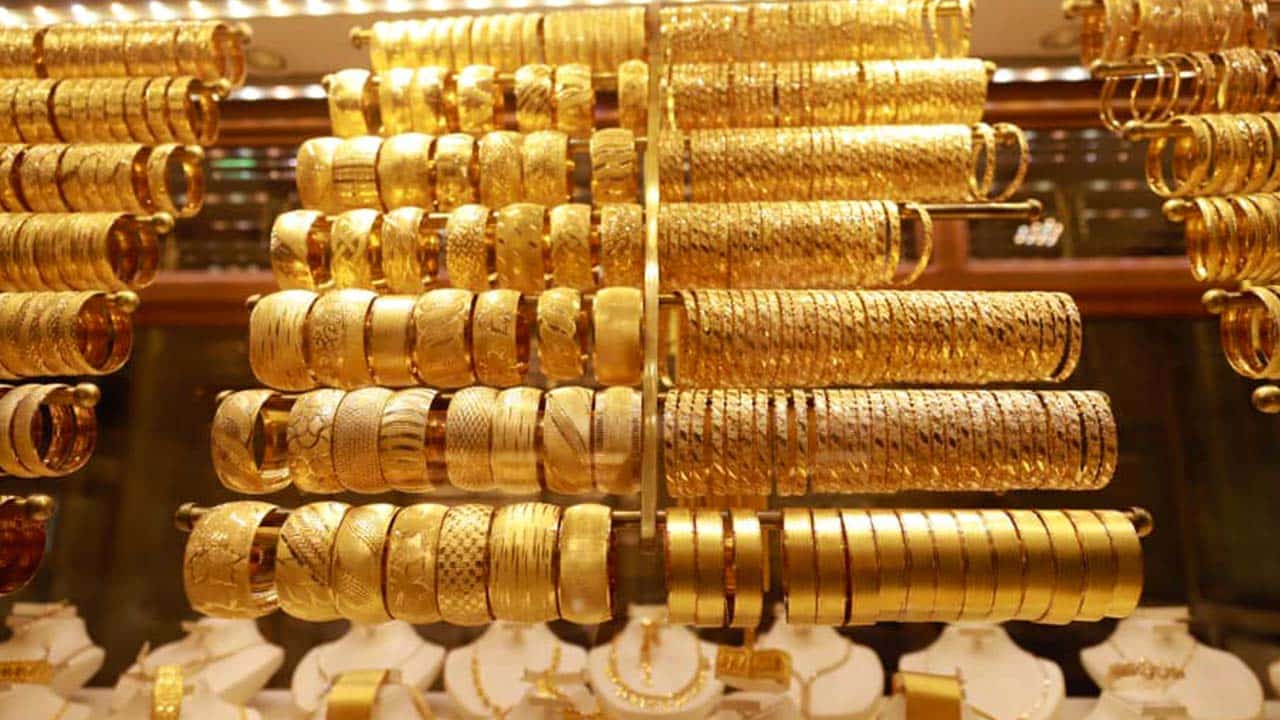
    In a significant market shift, the per tola price of 24 karat gold witnessed a decline of Rs300, settling at Rs213,900 on Saturday, as opposed to its previous rate of Rs214,200 on the last trading day.

    The decrease in gold prices extended to 10 grams of 24 karat gold, experiencing a Rs257 drop to Rs183,385 from Rs183,642.

    Similarly, the prices for 10 grams of 22 karat gold also dipped, reaching Rs168,103 from Rs168,338, as reported by the All Sindh Sarafa Jewellers Association.

    Contrastingly, both per tola and ten grams of silver remained unchanged at Rs2,600 and Rs2,229.08, respectively.

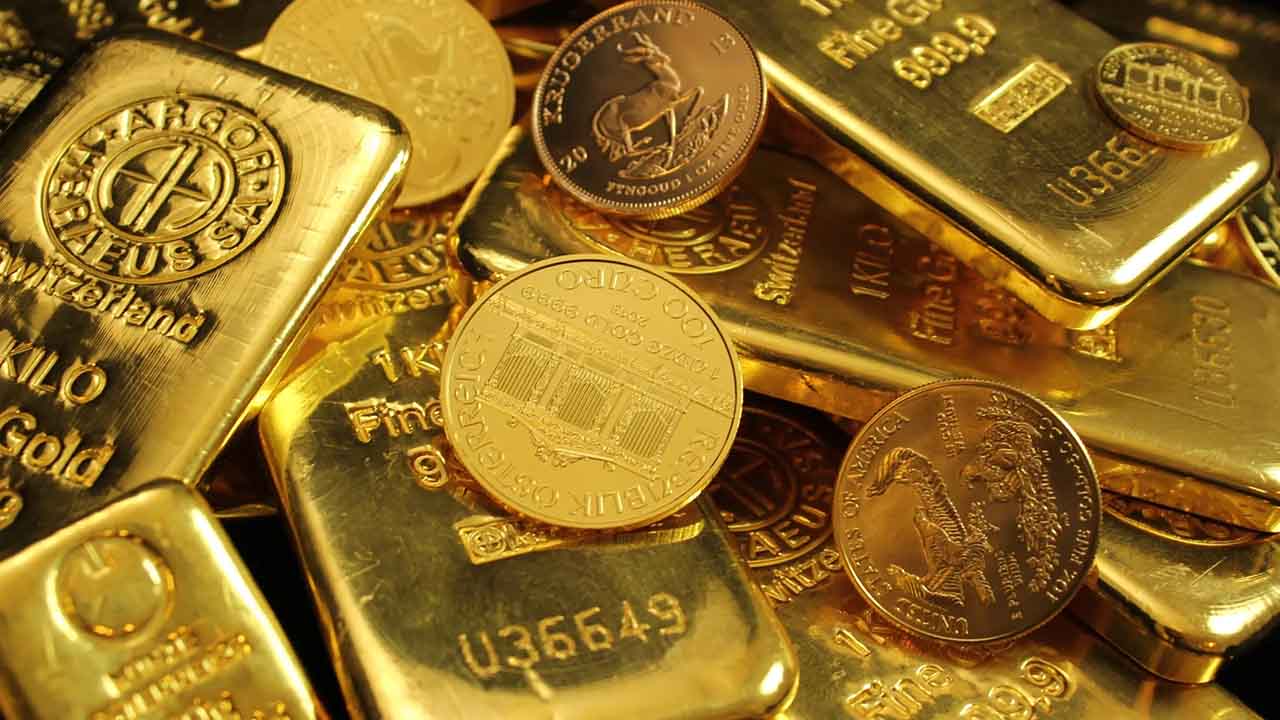
    The international market also observed a decline in gold prices, with a $2 drop to $2,038 from $2,040, according to the Association’s report.

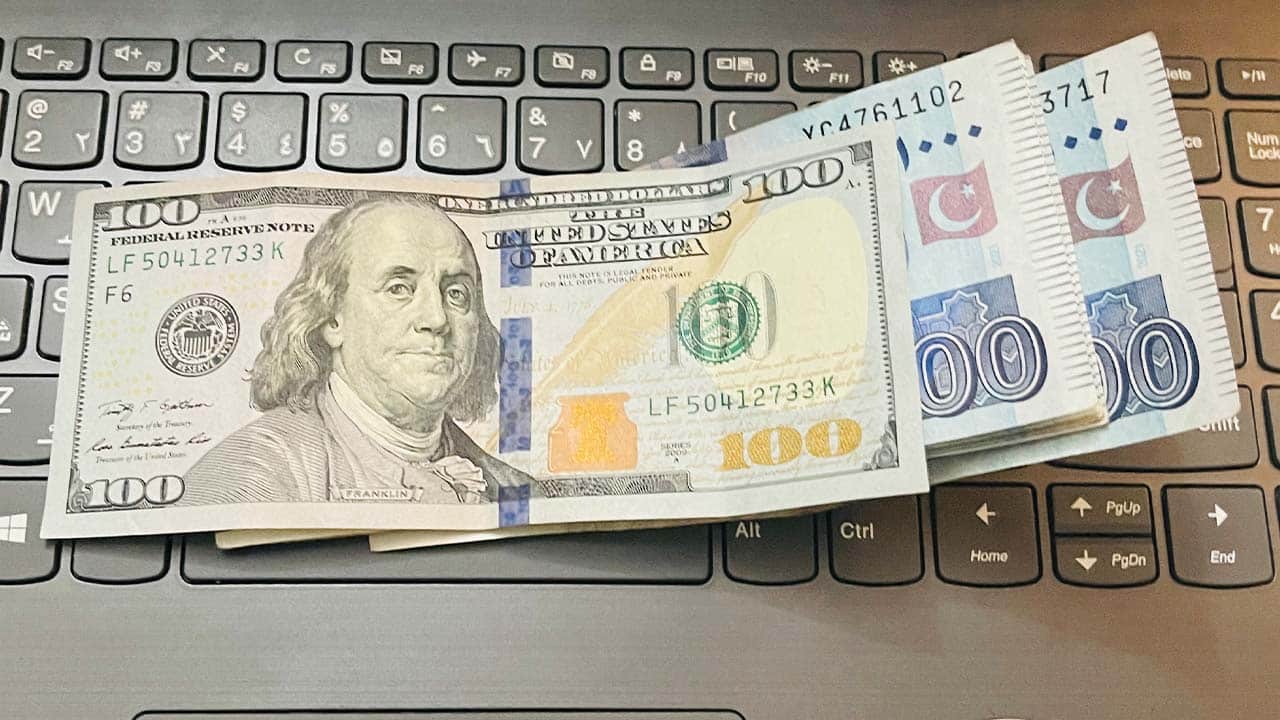
    Meanwhile, the US dollar experienced a fall, following data indicating a modest increase in December’s inflation, with a downward trend.

    This development is expected to keep the Federal Reserve on course to reduce interest rates by the middle of the year.

    Despite this, the dollar is poised to mark gains for the fourth consecutive week, with the dollar index down 0.3 per cent at 103.25.

    Data revealed that the Personal Consumption Expenditures (PCE) price index rose by 0.2 per cent last month, following a previously unaltered 0.1 per cent drop in November.

    Over the 12 months through December, the PCE price index recorded a 2.6 per cent increase, aligning with November’s unrevised gain and meeting consensus expectations.

    For the third consecutive month, the annual inflation rate remained below 3 per cent, a key indicator monitored by the Fed for its 2 per cent inflation target.

    This stable inflation rate suggests a cautious approach towards future monetary policy decisions.
  • New profit rates unveiled for National Savings Schemes

    New profit rates unveiled for National Savings Schemes

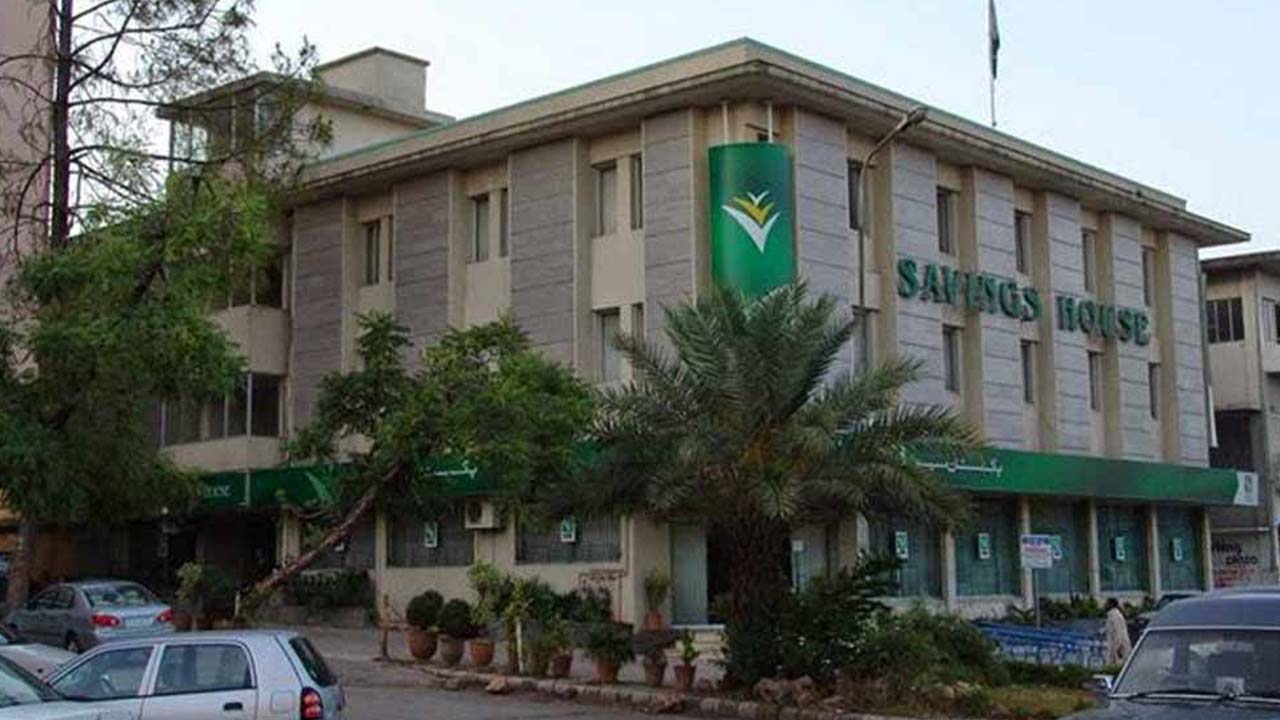
    The Central Directorate of National Savings (CDNS) has recently adjusted the rates of return on several National Savings Schemes.

    Special Savings Certificates (SSC) will now offer a 16 per cent return, down by 40 basis points (bps) from the previous 16.4 per cent.

    Similarly, Defence Saving Certificates (DSC) will yield 14.22 per cent, a decrease of 19 bps from the earlier 14.41 per cent.

    Short Term Savings Certificates (STSC) will see a decline to 20.34 per cent from the previous 20.8 per cent, reflecting a 46 bps decrease.

    Moreover, Regular Income Certificates (RIC) now offer a 15 per cent return, down by 12 bps from the previous 15.12 per cent.

    Notably, Bahbood Savings Certificates (BSC), Savings Account (SA), and Pensioners Benefit Account (PBA) rates remain unchanged.

    These adjustments will take effect from January 26. The revision precedes the upcoming Monetary Policy Committee (MPC) meeting of the State Bank of Pakistan (SBP) on Monday, January 29, 2023.

    In the last MPC meeting, the SBP maintained the key interest rate at 22 per cent, anticipating a significant decline in headline inflation during the second half of FY24.

    The December Consumer Price Index (CPI)-based inflation registered at 29.7 per cent year-on-year, slightly higher than November, with a 0.8 per cent month-on-month increase.

  • Gold price in Pakistan increases by Rs400, reaching Rs214,200 per tola

    Gold price in Pakistan increases by Rs400, reaching Rs214,200 per tola

    In a noteworthy market development, gold prices in Pakistan witnessed a modest recovery this Friday.

    The per-tola price of 24-karat gold surged by Rs400, reaching Rs214,200, according to the latest data from the Karachi Sarafa Association.

    The 10-gramme 24-karat gold also reflected this upward trend, standing at Rs183,642, indicating an increase of Rs342 compared to the previous day. Additionally, the 10-gramme 22-karat gold was reported at Rs168,338.

    Contrastingly, silver prices remained steady in the domestic market. The per-tola price of 24-karat silver held at Rs2,600, while the 10-gramme price stood at  Rs2,229.08.

    On the global stage, the international spot gold market exhibited stability, with the current trading price at $2,025.9 [12:49 pm PST].

    This value remains unchanged in comparison to the closing figure from the preceding session. 

    Market analysts continue to monitor these fluctuations, as economic factors and global dynamics contribute to the ever-evolving landscape of precious metal prices.

    Gold prices, Karachi Sarafa Association, 24-karat gold, 22-karat gold, Rs168,338, silver prices, stable market, 10-gram, global spot gold, market analysis, precious metals, economic trends, gold price in Pakistan, 

  • State Bank of Pakistan’s reserves soar to $8.27 billion, highest level since July 2023

    State Bank of Pakistan’s reserves soar to $8.27 billion, highest level since July 2023

    In the latest report, the State Bank of Pakistan (SBP) announced a significant rise of $243.1 million, or 3.03 per cent week-on-week, in foreign exchange reserves, reaching $8.27 billion as of January 19, 2024. 

    This boost is credited to the reception of the second installment of SDR 528 million, equivalent to $705.6 million, from the International Monetary Fund (IMF). 

    After settling government external debt repayments, the net increase for the week stands at $243.1 million, marking the highest level for SBP’s reserves since July 14, 2023.

    Furthermore, the total reserves of the country witnessed an increase of $196.3 million, or 1.49 per cent, totaling $13.34 billion during the same week. 

    In contrast, commercial banks experienced a decline in reserves, dropping by $46.8 million, or 0.91 per cent, to $5.07 billion week-on-week.

    It is noteworthy that in the current fiscal year, total liquid foreign reserves have shown a substantial growth of $4.18 billion, reflecting a 45.65 per cent increase. 

    Similarly, the ongoing calendar year has seen a rise of $0.12 billion, marking a 0.91 per cent increase in the nation’s reserves.

  • Gold rate in local market declines by Rs1,400 to Rs213,800 per tola

    Gold rate in local market declines by Rs1,400 to Rs213,800 per tola

    In a noteworthy development, gold prices in Pakistan experienced a decline on Thursday, with the tola rate of 24 karat gold decreasing by Rs1,400.

    The current per-tola gold price in Pakistan now stands at Rs213,800 in local bullion market.

    According to market insiders, the price for 10 grammes of 24 karat gold witnessed a reduction of Rs1,200, reaching Rs183,300 in the domestic market, as reported by the All Sindh Sarafa Jewellers Association.

    Simultaneously, the prices of both per tola and 10-gramme silver saw a reduction, falling by Rs1200 to Rs183,300.

    Meanwhile, in the international market, the price of gold exhibited a rise of $12, reaching $2035. Gold prices, on the whole, experienced a 0.2 per cent increase to $2,018 per ounce, hitting a session low of $2,013.

    This came after a 0.75 per cent decrease on Wednesday, marking a one-week trough at $2,011, spurred by robust US economic data. The market dynamics are being closely observed for further insights into these fluctuations.

  • Pakistani rupee remains stable at Rs279.67 against US dollar

    Pakistani rupee remains stable at Rs279.67 against US dollar

    In the inter-bank market on Thursday, the Pakistani rupee maintained its stability against the US dollar, closing at Rs279.67, according to the State Bank of Pakistan (SBP).

    This follows a positive trend observed on Wednesday when the rupee gained ground, settling at the same rate of Rs279.67 against the US dollar, as reported by the SBP.

    Caretaker Prime Minister Anwaar-ul-Haq Kakar has taken a significant step by directing the Ministry of Energy to collaborate with the Finance Ministry. 

    The goal is to formulate and present a comprehensive and sustainable plan aimed at reducing the circular debt plaguing the power and gas sectors.

    On the global front, the US dollar exhibited stability, maintaining a six-week high on Thursday. Investors are keenly awaiting key data releases, including GDP figures, to gain insights into the direction of US interest rates. 

    Concurrently, the euro softened in anticipation of the European Central Bank’s policy meeting later in the day.

    Recent data revealed an uptick in US business activity for January, coupled with a noticeable easing of inflation. 

    The measure of prices charged by companies for their products recorded a decline to the lowest level in over 3-1/2 years.

    The dollar index, gauging the US currency against six major rivals, experienced a marginal rise of 0.06 per cent, reaching 103.33. 

    This follows a 0.2 per cent drop on Tuesday as traders consolidated positions ahead of the upcoming Federal Reserve policy meeting next week.

  • Pakistan’s debt burden increases by Rs86.28 billion within seven days

    Pakistan’s debt burden increases by Rs86.28 billion within seven days

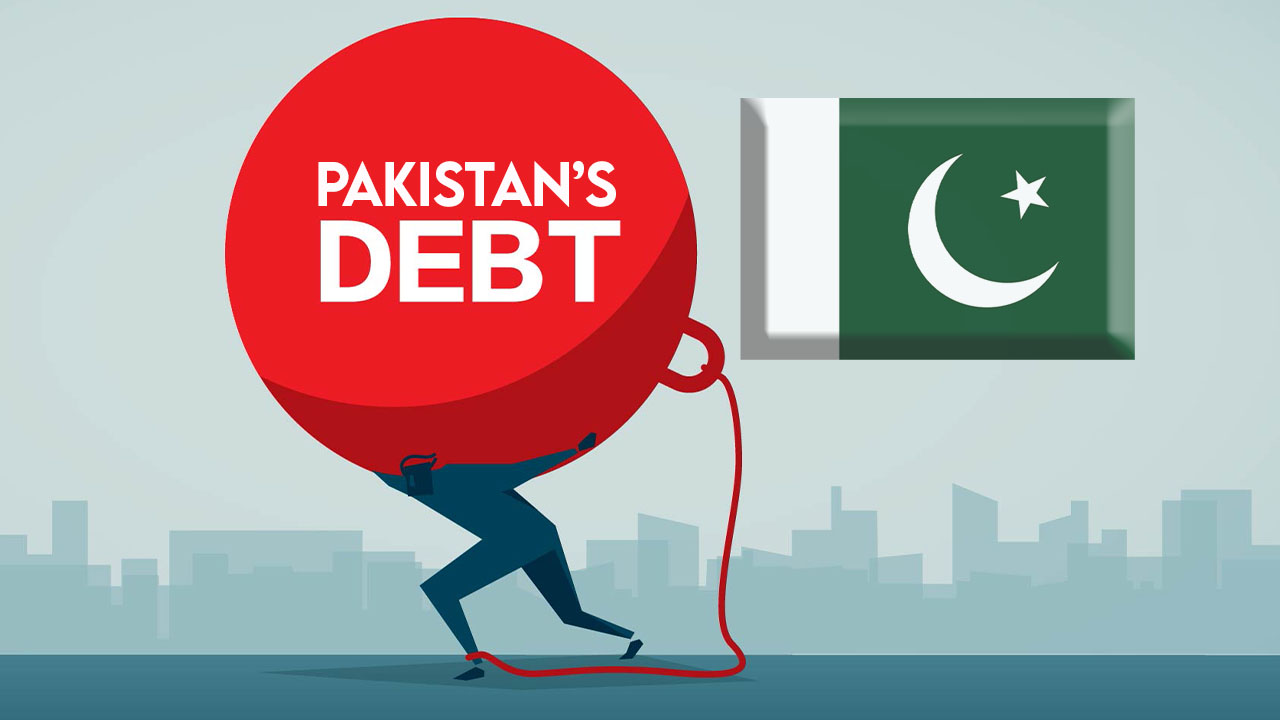
    In the week ending January 12, the government of Pakistan increased its debt burden by Rs86.28 billion, bringing the total net borrowing for the ongoing fiscal year 2024 to Rs2.57 trillion, as per the latest estimates from the State Bank of Pakistan (SBP).

    The government’s borrowings fall into three main categories: budgetary support, commodity operations, and others.

    The breakdown of the weekly net borrowing reveals that Rs87.7 billion was allocated for budgetary support, while Rs1.37 billion went towards retiring commodity operations.

    Additionally, Rs48.4 million was used for other purposes during the week.

    Cumulatively, this brings the borrowing figures for the fiscal year 2024 to Rs2.77 trillion for budgetary support, Rs193.72 billion for retiring commodity operations, and Rs1.1 billion for other purposes.

    The primary sources of financing for budgetary support are the State Bank of Pakistan and the Scheduled Banks. In the ongoing fiscal year, the government has repaid a net sum of Rs1.05 trillion to the central bank.

    The Federal Government accounted for Rs954.56 billion of this repayment, while the Provincial Government, AJK Government, and GB Government contributed Rs77.73 billion, Rs11.17 billion, and Rs2.05 billion, respectively.

    On the other hand, scheduled banks have extended a net total of Rs3.81 trillion in loans. The Federal Government borrowed Rs3.9 trillion, while the Provincial Government repaid Rs90.41 billion during this period.

  • Saudi Arabia to open first liquor store in Riyadh

    Saudi Arabia to open first liquor store in Riyadh

    Saudi Arabia is gearing up to inaugurate its maiden alcohol store in the capital city of Riyadh, exclusively catering to non-Muslim diplomats, according to a reliable source and an official document disclosed on Wednesday.

    Prospective customers will be required to register through a designated mobile app, obtain a clearance code from the foreign ministry, and adhere to monthly purchase quotas, as outlined in the document.

    This development marks a significant milestone in Saudi Arabia’s initiatives, spearheaded by Crown Prince Mohammed bin Salman, to transform the ultra-conservative Muslim nation into a hub for tourism and business. Notably, the consumption of alcohol is strictly forbidden in Islam.

    Situated in Riyadh’s Diplomatic Quarter, a locale housing embassies and diplomats, the new store will be “strictly restricted” to non-Muslims, according to the document. 

    It remains unclear whether other non-Muslim expatriates will be granted access to the establishment, given that the majority of expatriates in Saudi Arabia are Muslim workers from Asia and Egypt.

    Insiders familiar with the plans have indicated that the store is anticipated to open its doors in the coming weeks.

    Saudi Arabia has long maintained stringent laws against alcohol consumption, with penalties ranging from lashes, fines, and imprisonment to deportation. 

    As part of ongoing reforms, the practice of whipping has largely been replaced by jail sentences. Until now, alcohol has only been available through diplomatic mail or on the black market.

    According to Reuters, the Saudi government has not responded to requests for comments on the matter.

    Recent reports from state-controlled media suggest that the government is imposing new restrictions on alcohol imports within diplomatic consignments. This move is expected to bolster demand for the forthcoming alcohol store. 

    The new regulations aim to control imports and prevent the improper exchange of special goods and alcoholic beverages received by non-Muslim embassies in Saudi Arabia, as reported by the Arab News daily on Sunday.

    In recent years, Saudi Arabia, traditionally closed off to the world, has relaxed strict social codes. These changes include ending the segregation of men and women in public places, lifting the requirement for women to wear all-covering black robes (abayas), and allowing women to drive. 

    These transformations, part of Vision 2030, align with the broader goal of developing local industries, logistics hubs, and generating hundreds of thousands of jobs for Saudi nationals.

  • Gold price rebounds in Pakistan, registers Rs500 gain

    Gold price rebounds in Pakistan, registers Rs500 gain

    In a notable recovery, the gold price in Pakistan rebounded from yesterday’s losses, marking an upward trend in the market. 

    The latest figures from the Karachi Sarafa Association indicate that 24-karat gold is now fetching Rs215,200 per tola, showcasing a gain of Rs500. 

    Additionally, the 10-gramme 24-karat gold stands at Rs184,500, reflecting a significant increase of Rs429 day-on-day. 

    Meanwhile, the price of 10-gramme 22-karat gold is reported at Rs169,124.

    Contrastingly, silver maintains stability in the domestic market, with 24-karat silver priced at Rs2,600 per tola and Rs2,229.08 per 10-gramme. 

    On the global front, the international spot gold market is currently trading at $2,026.87 [03:24 p.m. PST], marking a gain of $6.29 or 0.31 per cent for the day.

    It’s worth noting that the domestic gold market experienced a substantial setback last week, witnessing a drop of Rs2,150 per tola. 

    Analysts attribute this decline to the overall downturn in international gold prices and the continuous strengthening of the home currency. 

  • Pakistani rupee gains 6 paisa against US dollar, closes at Rs279.79

    Pakistani rupee gains 6 paisa against US dollar, closes at Rs279.79

    The Pakistani rupee (PKR) continued its upward trend against the US dollar (USD) for the fifth consecutive session, appreciating by 0.02 per cent in the interbank market on Tuesday.

    Closing at Rs279.79, the local unit gained Re0.06 against the greenback.

    This follows Monday’s positive performance, where the rupee settled at 279.85 against the US dollar.

    A notable development on the economic front is the government’s active pursuit of a government-to-government (G2G) agreement with Saudi Arabia and the United Arab Emirates (UAE) for upfront foreign currency repatriation against future workers’ remittances. 

    Both Saudi Arabia and the UAE hold significant importance as countries contributing to foreign exchange through remittances from Pakistani workers. 

    Meanwhile, on the global stage, the US dollar experienced a slight easing, resulting in a 0.07 per cent increase in sterling, reaching $1.2720.

    Compared to major currencies, the Pakistani currency depreciated by 18.84 paisa against the Euro, closing at Rs305.03, as opposed to the previous value of Rs304.84.

    The British Pound strengthened, increasing by 1.02 rupees and closing at Rs356.34, compared to Rs355.33 from the previous day.

    The Swiss Franc exhibited gains of 54.58 paisa, concluding at Rs322.62, in contrast to the previous session’s value of Rs322.08.

    Against the Japanese Yen, PKR experienced a decrease of 0.98 paisa, closing at Rs1.8993 compared to Rs1.8895 a day ago.

    Conversely, the Chinese Yuan appreciated by 13.91 paisa, closing at Rs39.03 against the previous session’s Rs38.89.