Category: Business

  • IMF greenlights $700 million for Pakistan’s economic stabilisation programme

    IMF greenlights $700 million for Pakistan’s economic stabilisation programme

    In a significant development, the International Monetary Fund (IMF) successfully concluded its first review of Pakistan’s economic reform programme on Thursday.

    This programme, backed by a $3 billion and-by a arrangement (SBA), has now received a boost with the immediate approval and disbursement of $700 million, as confirmed by the finance ministry.

    According to an official statement from the ministry, the completion of the first review by the IMF’s Executive Board, coupled with the payment of $528 million in special drawing rights, has elevated the total disbursements under the SBA to $1.9 billion.

    The infusion of funds from the IMF, combined with recent inflows from multilateral lenders, is anticipated to contribute to the stability of the Pakistani rupee, which has demonstrated relative steadiness over the past few months.

    The finance ministry highlighted that this fresh tranche would play a crucial role in facilitating rollovers from allied countries, including the United Arab Emirates, China, and Saudi Arabia.

    Additionally, it is expected to alleviate external debt repayment pressures faced by Pakistan.

    This positive development traces back to June 2023, when the IMF Executive Board granted approval for a much-needed nine-month arrangement with Pakistan to support its economic stabilisation program.

    The initial disbursement of $1.2 billion was promptly released in July, with the remainder subject to two quarterly reviews over the programme’s duration.

    The current IMF programme is slated to conclude in the second week of April, with the recent disbursement marking a significant step towards its successful execution.

    Notably, a staff-level agreement was reached in November 2023 between the IMF staff and Pakistani authorities, paving the way for the first review under Pakistan’s SBA.

    This agreement was contingent upon subsequent approval by the IMF’s Executive Board.

    Looking ahead, Pakistan is poised to receive the remaining amount in March under the $3 billion SBA.

    Despite facing challenging conditions, particularly persistently high inflation, which rose to 29.7 per cent in December from 29.2 per cent in the preceding month, Pakistan remains committed to navigating through these economic challenges with the assistance of international financial institutions.
  • Gold price in Pakistan witnesses marginal increase of Rs200 per tola

    Gold price in Pakistan witnesses marginal increase of Rs200 per tola

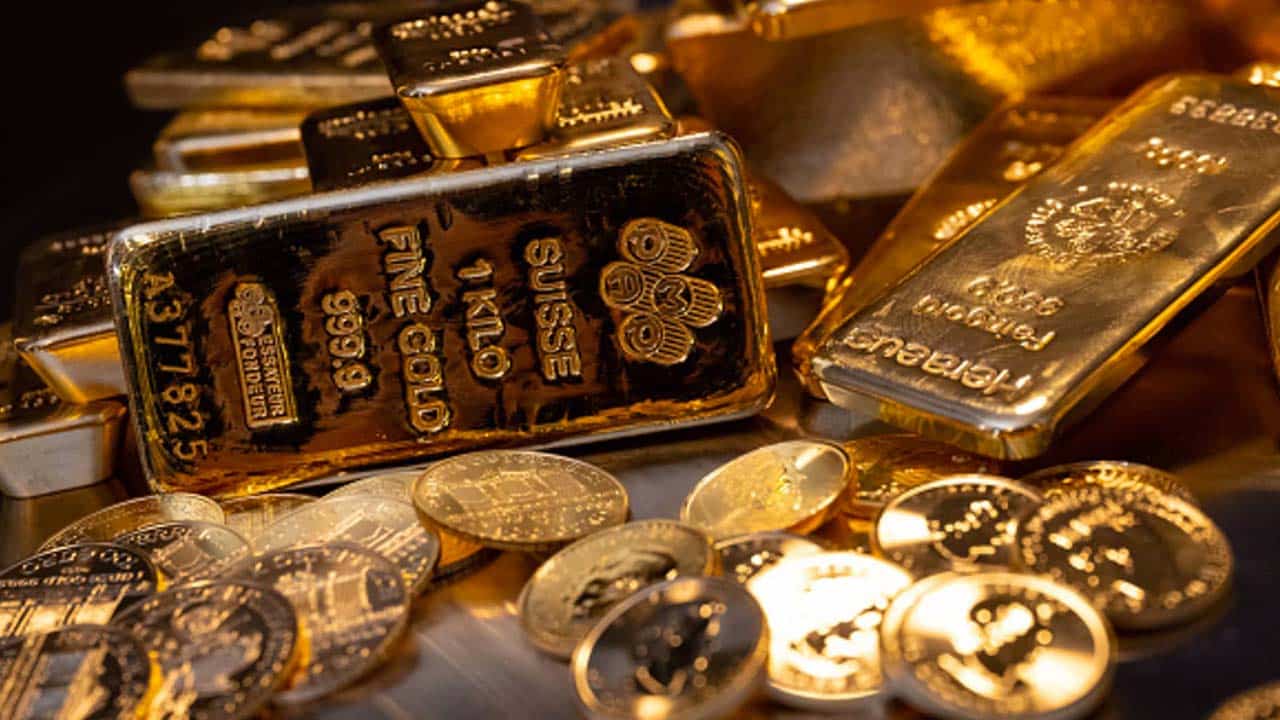
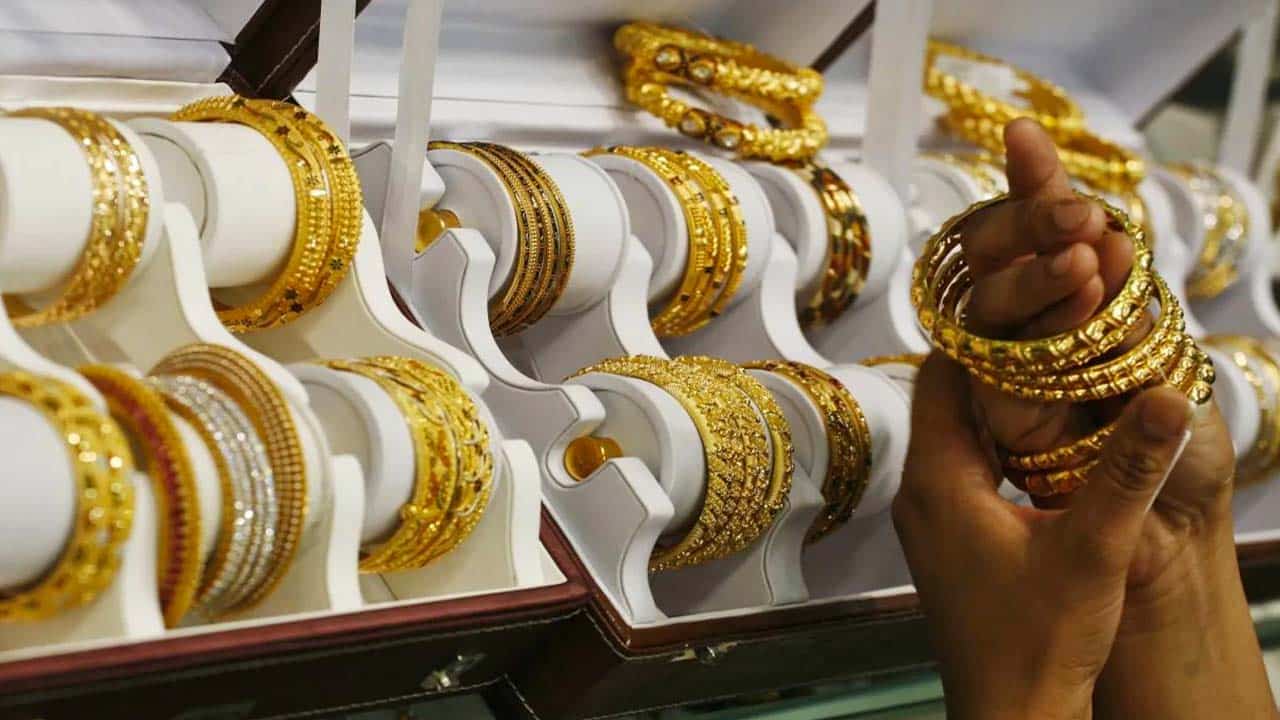
    On Thursday, the domestic market witnessed a rise in the per tola rate of 24 karat gold, with an increment of Rs200. 

    According to the All Sindh Sarafa Jewellers Association, the price for 10 grammes of 24 karat gold also surged by Rs200, reaching Rs216,300.

    Additionally, both the per tola and 10-gramme silver prices experienced an increase of Rs171, reaching Rs185,442.

    Internationally, the cost of gold rose by $5, reaching $2052. At 0942 GMT, spot gold exhibited a 0.4 per cent increase, reaching $2,031.83 per ounce.

    Simultaneously, US gold futures demonstrated a 0.4 per cent rise, reaching $2,036.60.

    In other markets, silver saw a 0.6 per cent increase, reaching $23.01 per ounce, palladium gained 0.9 per cent, reaching $1,007.80, and platinum exhibited a 0.2 per cent rise, reaching $920.58.

  • PKR gains 2 paisa to close at Rs281.11 against US dollar

    PKR gains 2 paisa to close at Rs281.11 against US dollar

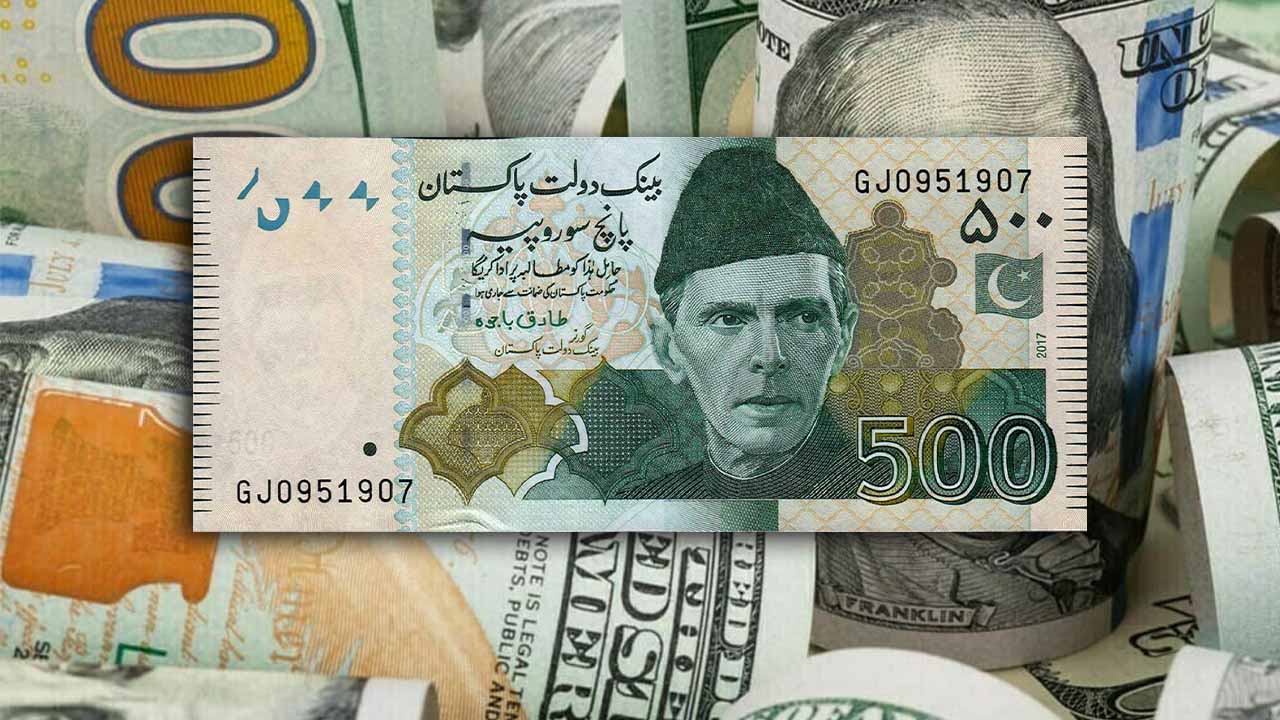
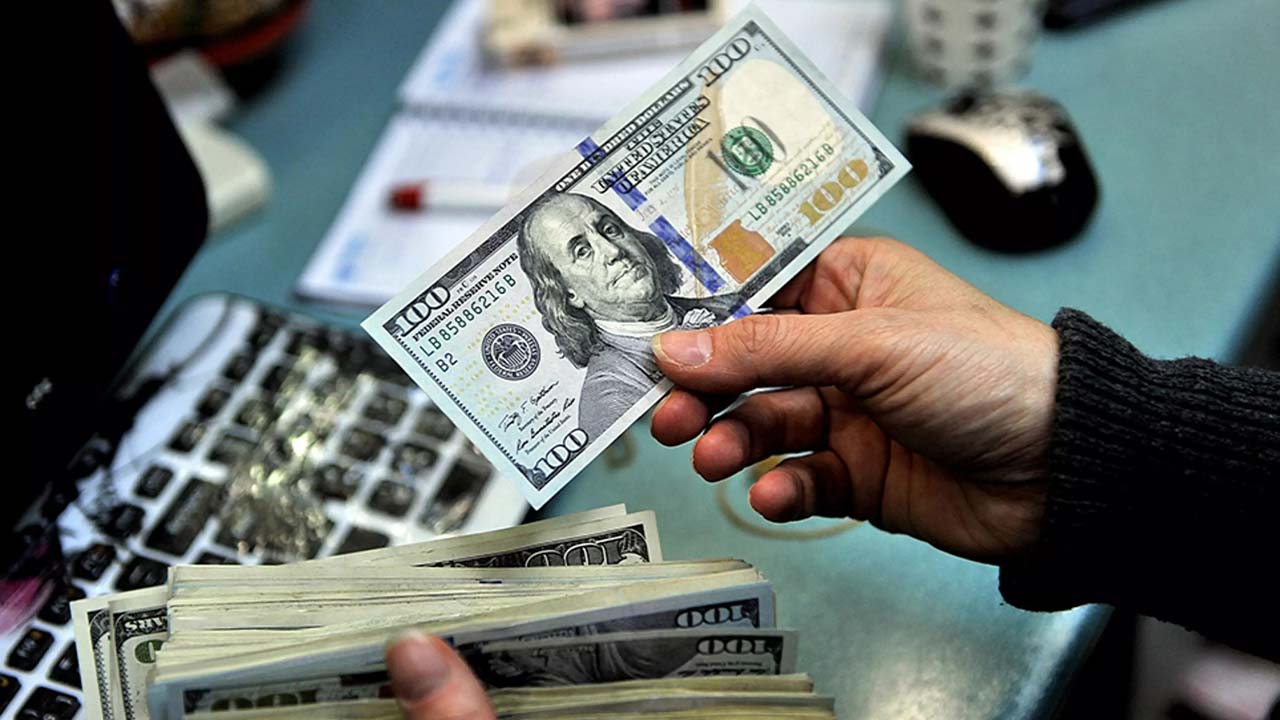
    The Pakistani rupee sustained its upward trend against the US dollar for the seventh consecutive session, exhibiting a slight 0.01 per cent appreciation in the interbank market on Thursday. 

    According to the State Bank of Pakistan (SBP), the Pakistani rupee concluded at Rs281.11, marking an increase of Rs0.02. 

    In the preceding session, the rupee recorded a marginal gain, settling at Rs281.13 against the US dollar.

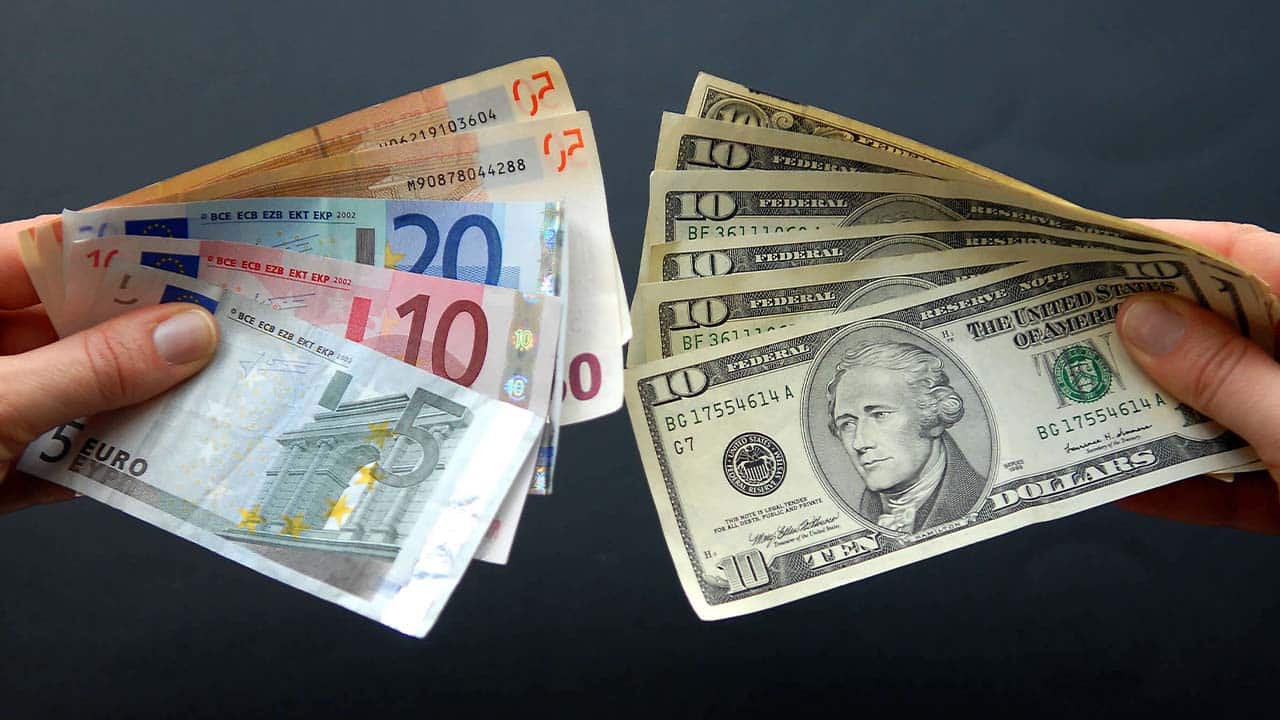
    Comparatively, the PKR experienced a decline of Rs1.47 against the Euro, closing at Rs308.63 compared to the previous value of Rs307.16. 

    The British Pound strengthened by Rs1.79, concluding at Rs358.77 in contrast to the previous day’s Rs356.98. 

    The Swiss franc witnessed an increase of 63.72 paisa, closing at Rs330.49 versus Rs329.85 from the prior session.

    Against the Japanese yen, the PKR gained 0.63 paisa, concluding at Rs1.9333 compared to Rs1.9396 a day ago. 

    On a global scale, the US dollar remained stable as traders awaited US inflation data to assess the validity of rate-cut predictions. 

    The dollar, which had experienced a decline in the latter months of 2023 following signals from the Federal Reserve indicating an end to rate hikes, has since stabilised in early 2024 as traders factored in substantial cuts.

  • 6th straight gain: Pakistani rupee closes at Rs281.13 against dollar

    6th straight gain: Pakistani rupee closes at Rs281.13 against dollar

    In a continued trend, the Pakistani rupee exhibited resilience against the US dollar, marking its sixth consecutive session of appreciation with a marginal uptick of 0.03 per cent in the inter-bank market on Wednesday. 

    The State Bank of Pakistan (SBP) reported a settlement at Rs281.13, reflecting an increase of Re0.09.

    This positive momentum follows Tuesday’s marginal gain when the rupee settled at Rs281.22 against the US dollar. 

    Against major currencies, the Pakistani rupee demonstrated notable strength, gaining 94.44 paisa against the Euro, closing at Rs307.16 compared to the previous value of Rs308.11.

    The British Pound observed a decrease of Rs1.38, closing at Rs356.98 in contrast to the previous day’s rate of Rs358.36. 

    Similarly, the Swiss franc experienced losses of Rs1.86, closing at Rs329.85 compared to Rs331.71 from the preceding session.

  • Reversal trend: Gold price settles at Rs216,100 per tola, erasing recent upsurge

    Reversal trend: Gold price settles at Rs216,100 per tola, erasing recent upsurge

    In Wednesday’s trading session, the domestic gold market witnessed a reversal, wiping out gains from the previous day. 

    The price of 24-karat gold in Pakistan experienced a notable decline, dropping by Rs300 per tola to reach Rs216,100. 

    The Karachi Sarafa Association reported that the price of 10-gramme 24-karat gold also reflected this downturn, standing at Rs185,271 with a decline of Rs257. 

    Similarly, the price of 10-gramme 22-karat gold experienced a decrease, reaching Rs169,832, down by Rs235.

    Silver prices followed suit, with 24-karat silver selling at Rs 2,650 per tola and Rs 2,271.94 per 10-gram. 

    The decline in the domestic market is attributed to a slight dip in international prices and the persistent strengthening of the home currency.

    The international spot gold market observed a $3 drop when the Karachi Sarafa Association released the local gold rates. 

    This decrease is attributed to a stronger US dollar and elevated Treasury yields. Market participants are eagerly awaiting the US inflation report scheduled for Thursday, anticipating insights into the US Federal Reserve’s stance on a potential policy shift.

    Furthermore, the ongoing appreciation of the Pakistani rupee (PKR) against the greenback continues to exert additional pressure on the domestic gold market. 

    In the preceding session, the PKR secured its fifth consecutive victory against the US dollar, breaking a 13-day upside streak. 

    The dynamics of international and domestic factors are shaping the trajectory of the gold market, making it a focal point for investors and analysts alike.

  • Overseas remittances to Pakistan soar to $2.4 billion

    Overseas remittances to Pakistan soar to $2.4 billion

    The State Bank of Pakistan (SBP) revealed that the inflow of overseas workers’ remittances reached $2.4 billion in December 2023, marking a notable 5.4 per cent increase from the previous month’s $2.25 billion, according to data released on Wednesday.

    On a yearly basis, December’s remittances exhibited a robust growth of 13.4 per cent, totaling $2.1 billion compared to the same period in the previous year.

    These remittances continue to play a pivotal role in sustaining Pakistan’s external account, fostering economic activity, and supporting the disposable incomes of remittance-dependent households.

    Despite the December upswing, the cumulative workers’ remittances for July-December FY24 recorded a decline of 6.8 per cent Year-on-Year (YoY), amounting to $13.43 billion.

    This decrease amounted to $982.8 million compared to the $14.42 billion reported in the corresponding period of FY23.

    Saudi Arabia

    Overseas Pakistanis in Saudi Arabia led the remittance surge in December, contributing $577.6 million. This figure marked a 6 per cent increase from the previous month and over 9 per cent higher than the same month in the previous year.

    United Arab Emirates (UAE)

    Remittances from the UAE witnessed a marginal monthly increase of nearly 2 per cent, rising from $411.8 million in November to $419.2 million in December. Year-on-year, these remittances surged by almost 27 per cent.

    United Kingdom (UK)

    December saw an uptick in remittances from the United Kingdom, totaling $368 million—a 7.5 per cent increase compared to November 2023.

    European Union (EU)

    Remittances from the European Union demonstrated substantial growth, rising by 19 per cent YoY and 6 per cent on a monthly basis, reaching $284.9 million in December 2023.

    United States (US)

    Overseas Pakistanis in the United States sent $263.9 million in December 2023, reflecting an 8.5 per cent YoY increase.

    This breakdown underscores the significance of remittances from various regions, contributing to Pakistan’s economic resilience amid global challenges. 

    The upward trajectory in December bodes well for the nation’s economic prospects as it navigates through the fiscal year.

  • Interbank closing: PKR continues winning streak, settles at Rs281.22

    Interbank closing: PKR continues winning streak, settles at Rs281.22

    The Pakistani rupee (PKR) extended its upward trend against the US dollar for the fifth consecutive session, gaining 0.02 per cent in the inter-bank market on Tuesday.

    The State Bank of Pakistan (SBP) reported that the rupee concluded at Rs281.22 after a rise of Re0.06. In the preceding session on Monday, the rupee had experienced a slight increase, settling at Rs281.28 against the US dollar.

    On a global scale, the US dollar took a pause in its rally on Tuesday, with traders expressing confidence in multiple Federal Reserve rate cuts this year.

    This optimism is based on the belief that the slowdown in US inflation is significant.

    Meanwhile, in the cryptocurrency realm, bitcoin maintained its position near the highest level since April 2022, driven by growing expectations of the imminent approval of spot bitcoin exchange-traded funds (ETF).

    These market movements were influenced, in part, by the New York Fed’s recent Survey of Consumer Expectations, revealing that US consumers’ short-term inflation expectations in December reached the lowest level in almost three years.

    A key reading on US inflation is scheduled later in the week, offering additional insights into the Federal Reserve’s potential room for interest rate adjustments this year.

    Futures currently indicate the pricing in of nearly 140 basis points worth of easing by the Fed in the coming year.

    Against a basket of currencies, the US dollar experienced a slight decline of 0.08 per cent, settling at 102.22, following a 1 per cent increase in the previous week.

  • Gold price increases Rs300 per tola to Rs216,400

    Gold price increases Rs300 per tola to Rs216,400

    Gold rates in Pakistan witnessed a notable upswing on Tuesday, aligning with the international market trend.

    The precious metal was quoted at Rs216,400 per tola in the local market, marking a substantial increase of Rs300 within the day.

    According to data released by the All Pakistan Gems and Jewellers Sarafa Association (APGJSA), the 10-gramme gold price reached Rs185,528 after experiencing a rise of Rs257 on the same day.

    This surge in gold prices follows a recent decline on Tuesday, where the yellow metal in Pakistan had seen a decrease of Rs1,900 per tola.

    The international gold rate, with a $20 premium, stood at $2,050 per ounce on Tuesday, marking an increase of $3 in the global market, as reported by the APGJSA.

    Meanwhile, silver rates maintained stability in the local market at Rs2,660 per tola on the same day, indicating a lack of significant fluctuations in silver prices.

    Market analysts are attributing the rise in gold rates in Pakistan to the positive movement in the global market, emphasising the impact of international factors on the local precious metals landscape.

    Investors and traders are closely monitoring these fluctuations as they evaluate their investment strategies in the backdrop of the dynamic economic environment.

  • Govt’s bank borrowings jump 3.15x in six months

    Govt’s bank borrowings jump 3.15x in six months

    The government’s reliance on bank borrowings has displayed a concerning upward trajectory, intensifying the nation’s debt burden and raising doubts about its optimistic economic outlook. 

    Recent data for the six months ending December 2023 reveals a substantial increase in borrowing through banks, soaring to Rs3.214 trillion compared to Rs1.019 trillion during the same period last year—an alarming surge of 3.15 times.

    Notably, this surge occurs amid a caretaker government’s administration, signalling that within six months, the government has amassed a level of debt equivalent to the entire fiscal year 2023. 

    While governments commonly borrow from banks to address financial gaps, refinance debts, and fund public projects, the scale of the borrowing indicates a matter of heightened concern.

    Despite the Federal Board of Revenue’s commendable performance in tax collections, with historic achievements of over Rs1 trillion in December and Rs4.468 trillion in 6MFY24, these impressive figures clash with the substantial reliance on bank borrowings.

     Economic apprehensions grow as these borrowing patterns contradict the government’s objective of optimising the allocation and expenditure of public funds.

    The caretaker government’s limited authorisation of Rs300.904 billion for development funds, out of a total allocation of Rs950 billion for ongoing and new social sector uplift projects, contrasts starkly with the escalating borrowing figures, hinting at the possibility of an expanding Public Sector Development Programme (PSDP).

    Furthermore, this escalating trend in government borrowings raises concerns among economists and financial experts who emphasise the importance of fiscal discipline. 

    The growing debt levels may not only impact the country’s creditworthiness but also strain future budgetary allocations, potentially limiting the government’s capacity to respond to unforeseen economic challenges. 

    As stakeholders closely monitor these developments, there is a pressing need for transparent fiscal policies and strategic measures to ensure a sustainable and resilient economic future for the nation.

  • Winning streak: Pakistani rupee appreciates 0.04% in fourth consecutive session

    Winning streak: Pakistani rupee appreciates 0.04% in fourth consecutive session

    In a resilient display, the Pakistani rupee continued its upward trajectory against the US dollar, marking gains for the fourth consecutive session in the interbank market on Monday. 

    The State Bank of Pakistan (SBP) reported a noteworthy appreciation of 0.04 per cent, with the rupee settling at Rs281.28 after a rise of Re0.12.

    This positive trend extends the rupee’s recent performance, as it achieved a 0.16 per cent appreciation during the preceding week, settling at Rs281.40 against the US dollar in the inter-bank market. 

    Impressively, this marks the eighth consecutive week of the local currency advancing against the greenback.

    The momentum driving the rupee’s strength can be attributed to the recent announcement of a staff-level agreement (SLA) between Pakistan and the International Monetary Fund (IMF). 

    This agreement pertains to the first review of the $3 billion standby arrangement (SBA), reinforcing investor confidence in Pakistan’s economic stability.

    A significant development contributing to this positive outlook is the notable increase in foreign exchange reserves held by the State Bank of Pakistan. 

    According to SBP data from the previous week, the central bank’s reserves surged by $464 million on a weekly basis, reaching $8.2 billion as of December 29.

    Internationally, the US dollar maintained stability on Monday, with investors eagerly awaiting a crucial US inflation report later in the week. This report is expected to provide clarity on the Federal Reserve’s monetary policy outlook. 

    The greenback’s recent rally was supported by a rebound in US Treasury yields as traders adjusted their expectations regarding the pace and scale of potential Fed cuts this year. 

    This cautious optimism globally has complemented Pakistan’s positive economic indicators, contributing to the sustained strength of the Pakistani rupee against the US dollar.