Category: Business

  • Govt reduces petrol price by Rs8 to Rs259.34 per litre for next fortnight

    Govt reduces petrol price by Rs8 to Rs259.34 per litre for next fortnight

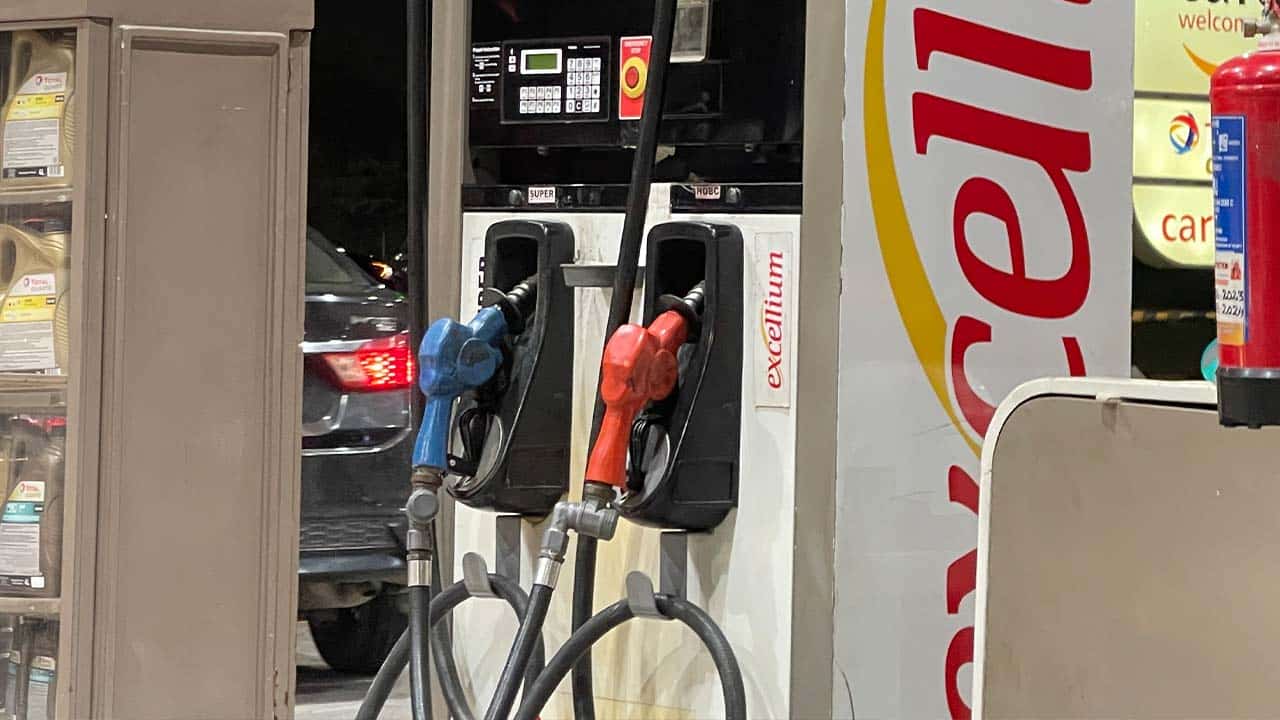
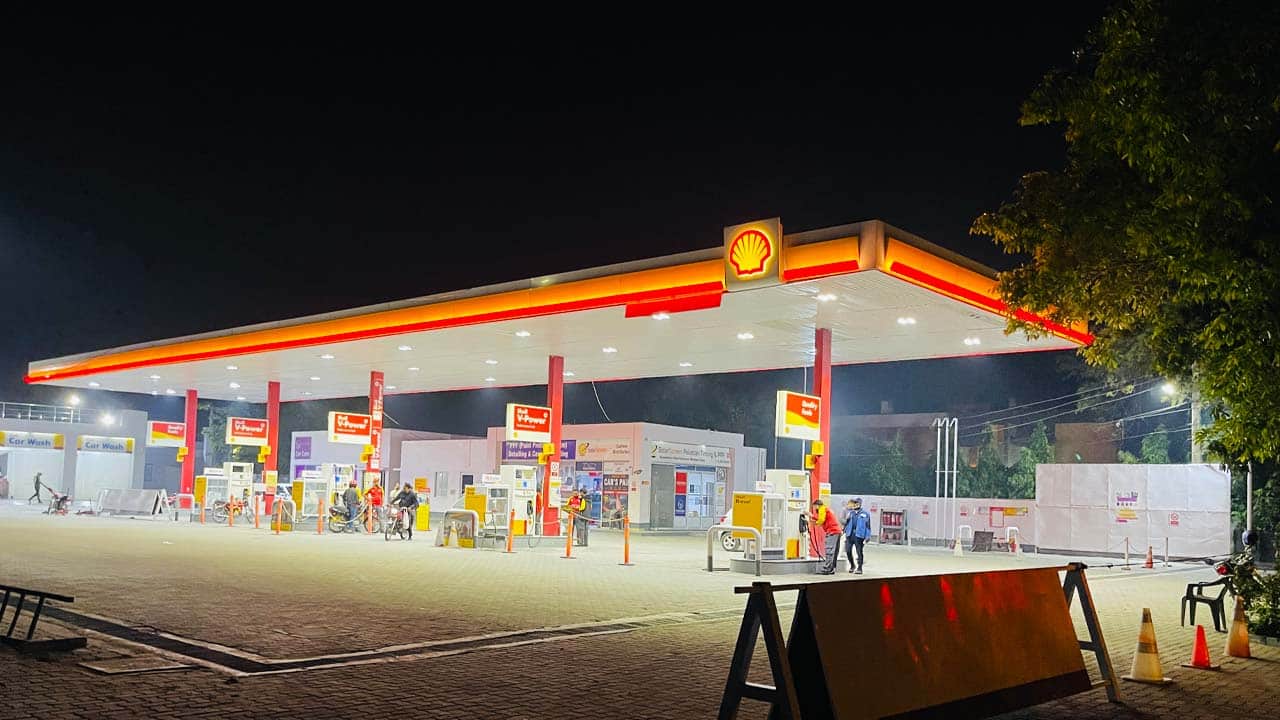
    In a significant move, the caretaker government announced a substantial reduction in the price of petrol by Rs8 per litre for the upcoming fortnight, effective January 16.

    This decision, as conveyed in a notification issued today by the Finance Division, aligns with the recommendations put forth by the Oil and Gas Regulatory Authority (OGRA).

    The adjusted ex-depot price of petrol now stands at Rs259.34 per litre, reflecting a notable decrease from the previous rate of Rs267.34 per litre.

    However, it is important to note that there have been no alterations in the prices of high-speed diesel, light-diesel oil, or kerosene oil.

    The government has already reached the maximum permissible limit under the law, with a Rs60 per litre petroleum levy imposed on both petrol and high-speed diesel (HSD).

    This levy is in line with the commitments made to the International Monetary Fund (IMF), aiming to collect Rs869 billion during the current fiscal year.

    Optimistically, the government anticipates surpassing this target, with the collection expected to exceed Rs950 billion by the end of June.

    Petroleum and electricity prices have been identified as key contributors to inflation, which surged to 29.7 per cent in December, as indicated by the Consumer Price Index.

    Presently, the government imposes a tax of approximately Rs82 per litre on both petrol and HSD.

    This adjustment in petrol prices not only provides relief to consumers but also marks a strategic step by the caretaker government to manage fiscal targets while considering the economic impact on the general population.

    The move is anticipated to have ripple effects on inflation rates, offering a temporary respite from the cost of living for the common citizen.

  • Pakistan’s key industries report 3.63% output increase

    Pakistan’s key industries report 3.63% output increase

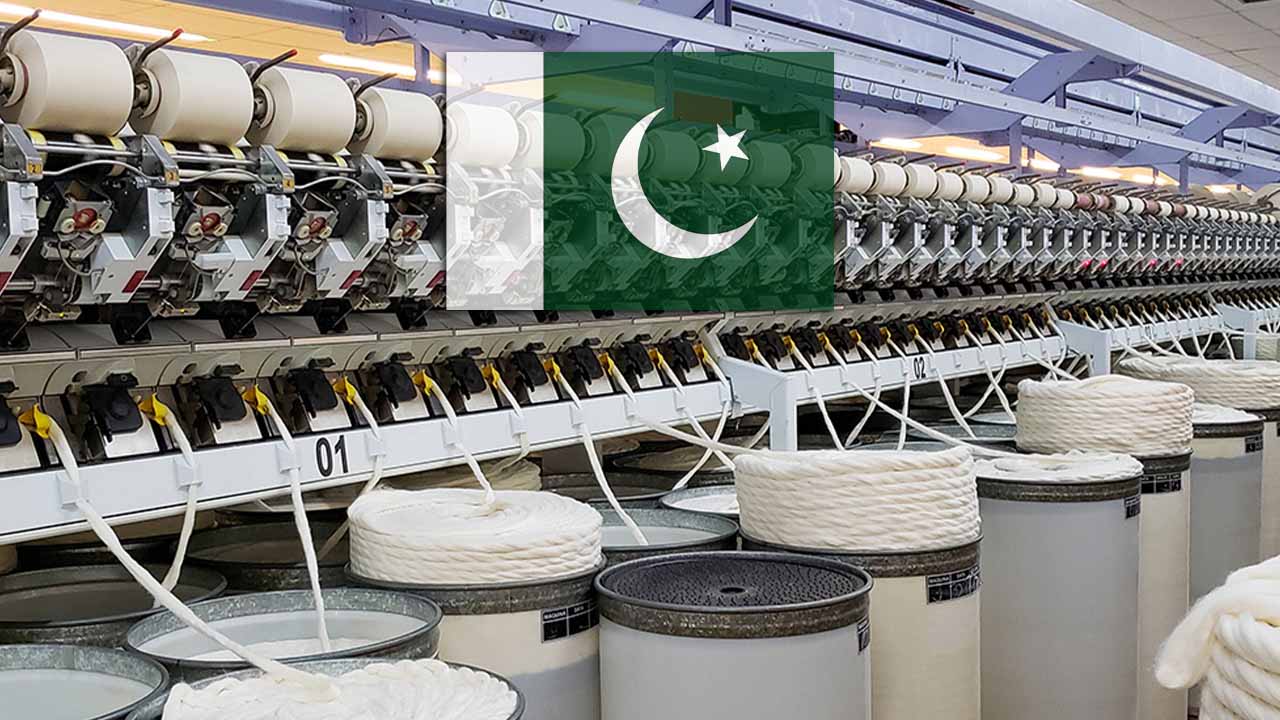
    In November 2023, Pakistan’s Large Scale Manufacturing Industries (LSMI) experienced a notable monthly growth of 3.63 per cent, reaching a production index of 114.85, as reported by the Pakistan Bureau of Statistics (PBS).  

    This marks an increase from the October 2023 figure of 110.83. 

    On an annual basis, LSMI output demonstrated a year-on-year rise of 1.59 per cent, contrasting with the November 2022 recorded index of 113.05. 

    However, when considering the cumulative data for the first five months of Fiscal Year 2024 (5MFY24), LSMI exhibited a marginal decline of 0.8 per cent when compared to the corresponding period in the previous year. 

    Various sectors played a significant role in contributing to this overall decline of -0.80 per cent. Notable contributors to the growth include food (0.53), garments (3.18), petroleum products (0.43), chemicals (0.32), pharmaceuticals (1.56), and cement (0.17).  

    Conversely, sectors such as tobacco (-0.80), textiles (-2.48), paper and board (-0.11), iron and steel products (-0.09), electrical equipment (-0.45), automobiles (-1.70), and furniture (-1.65) experienced contractions. 

    The provisional quantum indices of LSMI for November 2023, based on the 2015-16 reference year, have been formulated using the latest data provided by the relevant source agencies. 

  • Local gold market sees surge: Prices hit Rs217,900 per tola

    Local gold market sees surge: Prices hit Rs217,900 per tola

    On Monday, gold rates in Pakistan experienced a notable surge, mirroring an upward trend in the global market.

    The price of the precious metal reached Rs217,900 per tola in the local market, marking a gain of Rs450 within the day.

    According to data provided by the All Pakistan Gems and Jewellers Sarafa Association (APGJSA), the 10-gramme gold was traded at Rs186,814, reflecting an increase of Rs386.

    This upward trajectory follows a noteworthy rise of Rs950 per tola in gold prices on the preceding Saturday.

    The international gold rate exhibited a similar positive movement, reaching $2,075 per ounce on Monday with a $20 premium.

    This uptick of $7 in the global market was reported by APGJSA. Meanwhile, silver rates remained unchanged at Rs2,650 per tola.

    These fluctuations in precious metal prices highlight the dynamic nature of the market, influenced by both domestic and international factors.

    Investors and stakeholders continue to monitor these developments for their implications on the broader economic landscape.

  • PKR sustains positive momentum, gains 0.04% against US dollar in ninth consecutive session

    PKR sustains positive momentum, gains 0.04% against US dollar in ninth consecutive session

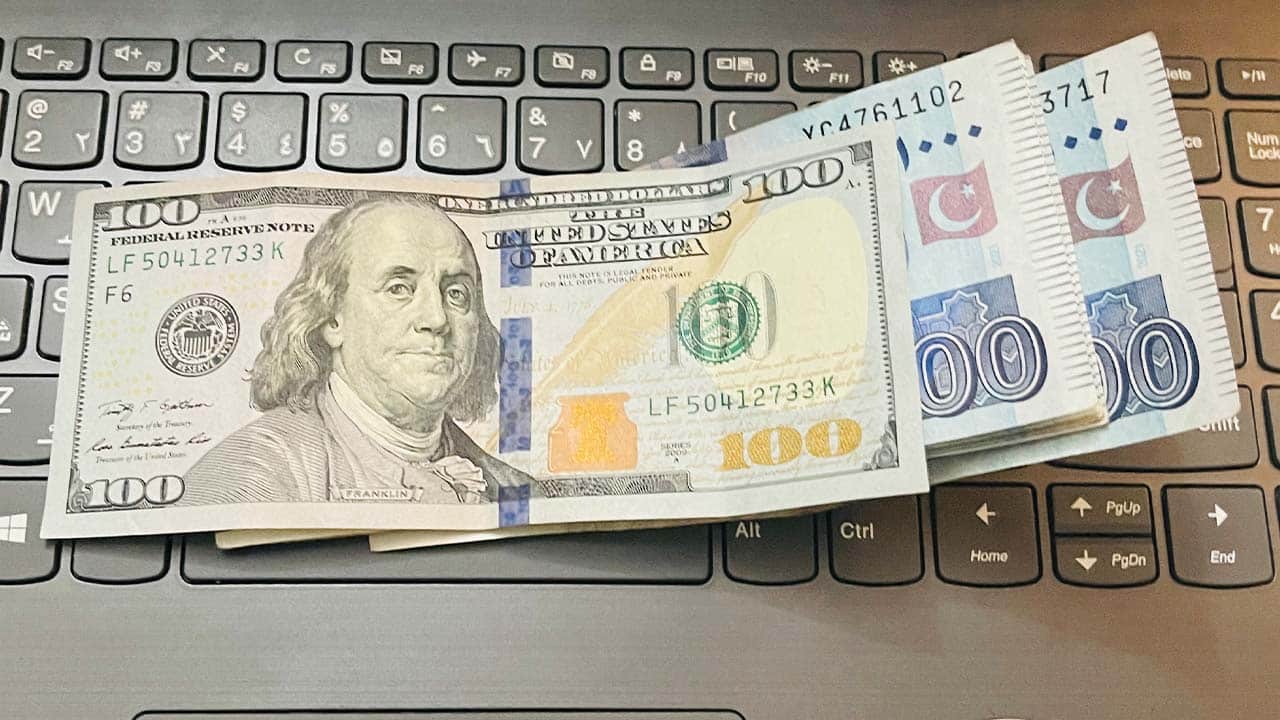
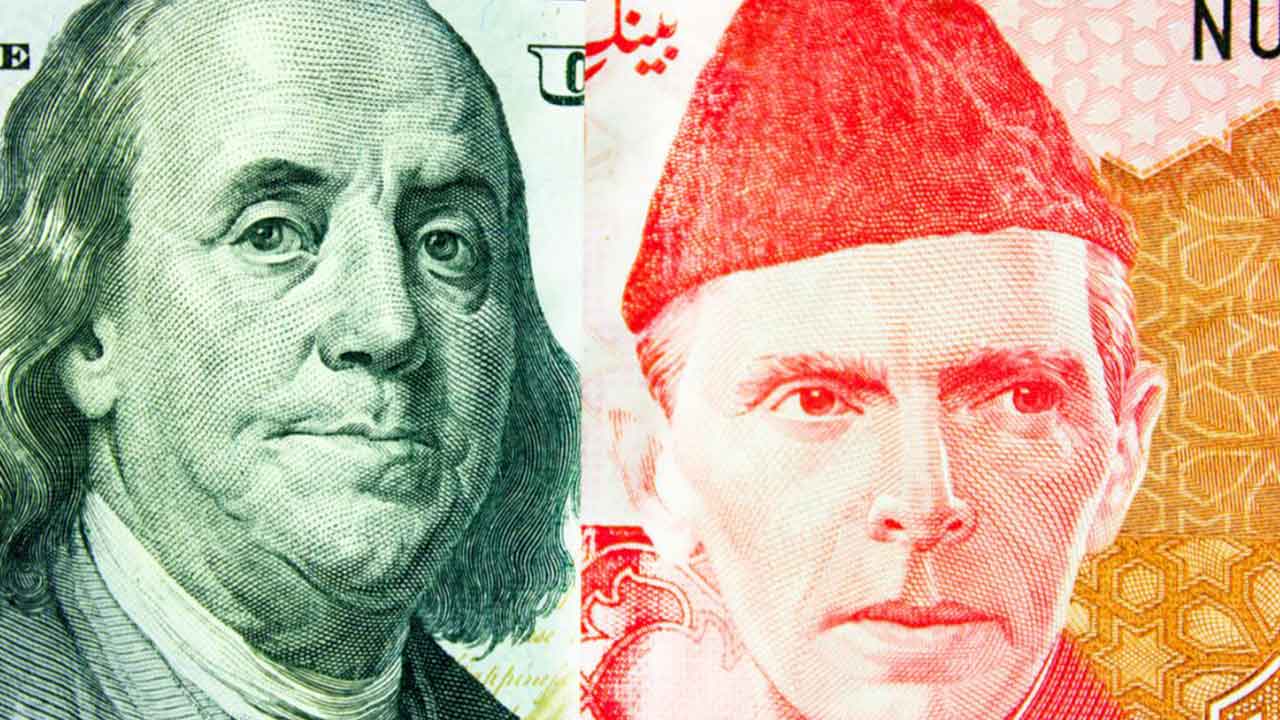
    In the inter-bank market, the Pakistani rupee continued its positive trend against the US dollar for the ninth consecutive session on Monday, appreciating by 0.04 per cent to settle at Rs280.24, reflecting a gain of Re0.12, according to the State Bank of Pakistan (SBP).

    During the preceding week, the Pakistani rupee sustained its upward movement, appreciating by Rs1.04 or 0.37 per cent against the US dollar, settling at 280.36 in the inter-bank market.

    This surge in value is attributed to the recent announcement of a staff-level agreement (SLA) between Pakistan and the International Monetary Fund (IMF) on the first review of the $3 billion Stand-by Arrangement (SBA). Consequently, the approval of the second tranche of the package ensued.

    The IMF Executive Board completed the first review of the SBA last week, facilitating an immediate disbursement of $700 million.

    As of January 5, the foreign exchange reserves held by the State Bank of Pakistan amount to $8.15 billion, with expectations of further augmentation through IMF inflows.

    On the global front, the US dollar experienced a decline on Monday amid renewed anticipations of a Federal Reserve rate cut in March.

    Simultaneously, the Chinese yuan faced challenges, hovering near a one-month low ahead of forthcoming economic data releases.

    The likelihood of a Fed cut in March gained traction following unexpected December data indicating a decline in US producer prices, prompting a slide in US Treasury yields. The US dollar index remained stable at 102.50, exhibiting minimal fluctuations in recent sessions.

    In the realm of oil prices, a significant indicator of currency parity, a slight uptick was observed on Monday. This movement was influenced by concerns over potential supply disruptions in the Middle East, following strikes by US and British forces aimed at preventing Houthi militia in Yemen from attacking ships in the Red Sea.

  • Pakistan’s gold prices slide amidst strengthened rupee and international rate hike

    Pakistan’s gold prices slide amidst strengthened rupee and international rate hike

    In Pakistan, the domestic gold price continued its decline for the second consecutive week, with the cost of 24-karat gold dropping by Rs550 per tola to Rs217,450. 

    The Karachi Sarafa Association noted that 24-karat gold concluded the week’s last trading session with a gain of Rs950 per tola. 

    The 10-gramme 24-karat gold settled at Rs186,428, reflecting a gain of Rs814, while the 10-gramme 22-karat gold closed at Rs170,146.

    The international spot rate, used for calculating local rates, closed at $2,068, marking a $3 increase compared to last week. 

    Escalating concerns over the Middle East conflict led to a rise in the safe-haven asset, but gains were limited due to hawkish remarks from Federal Reserve officials.

    Despite the international rate showing an uptick, domestic bullion faced a downside this week due to the strengthened value of the Pakistani rupee against the US dollar. 

    The PKR marked its ninth consecutive weekly gain against the USD, driven by positive developments as the Executive Board of the IMF concluded the first review of Pakistan’s economic reform programme under the Stand-by Arrangement. 

    This successful review further boosted investor confidence, contributing significantly to the PKR’s upward trend against the dollar.

    The interplay between the domestic gold price and the local rupee is evident, as gold, denominated in US dollars, tends to decrease in value when the home currency appreciates against the greenback.

  • Govt expected to slash petrol prices for second half of January

    Govt expected to slash petrol prices for second half of January

    In a move aimed at providing relief to consumers, the government is expected to reduce petrol prices by more than Rs5 per litre for the second half of January.

    This decision comes as a response to the recent dip in global oil prices, ensuring that the benefits are passed on to the end-users.

    According to the latest pricing estimates until January 12, international petroleum prices have experienced a decline of 1 per cent over the last fortnight. This decrease in global prices may serve as a key factor in the government’s decision to revise the domestic petrol rates.

    On a different note, the price of High-Speed Diesel (HSD) is anticipated to see a slight uptick, with an expected increase of Rs2 per litre. This adjustment is attributed to a modest rise in international diesel prices during the relevant period.

    It’s crucial to highlight that one more session remains before the next pricing update, and the future trajectory of these prices will be contingent on global market movements and exchange rate fluctuations.

    Recalling the decisions from the previous fortnight, the government maintained petrol and diesel prices at Rs267.34 and Rs276.21 per litre, respectively.

    Additionally, there has been a marginal appreciation of the local currency against the USD since the previous fortnight’s pricing decision. The weighted average exchange rate now stands at approximately PKR 281.31 per USD. This development is expected to contribute to the adjustment of petrol prices in the domestic market.

    The official announcement of the revised prices is scheduled for midnight on January 15. The new prices will come into effect immediately and will be applicable for the rest of the month.

  • Pakistan imposes minimum export price on onions to tackle soaring local prices

    Pakistan imposes minimum export price on onions to tackle soaring local prices

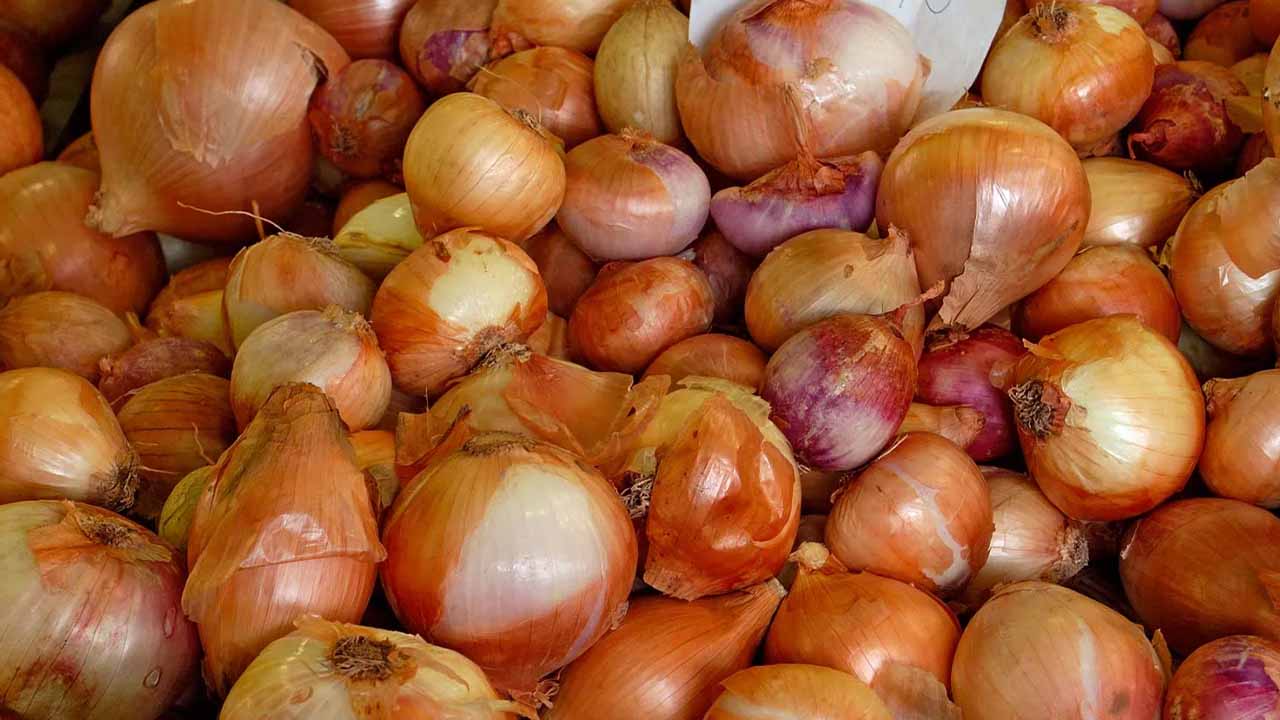
    In a move aimed at stabilising local prices, the government announced on Friday the establishment of a minimum export price for onions and shallots at $1,200 per metric ton.

    The notification detailing this decision was issued by the Ministry of Commerce.

    This decision comes in response to the escalating local prices of onions and shallots, driven by a surge in demand in international markets.

    Exporters operating in the domestic market have been capitalising on India’s ban on the export of these items, resulting in a shortage for local consumers.

    The latest weekly inflation figures, ending on January 11, 2024, revealed a 1.36 per cent week-over-week increase in the Sensitive Price Indicator (SPI) for the Combined Group. Notably, the second-highest surge among all 51 items was witnessed in onion prices, which rose by 8.94 per cent.

    This move by the government is strategically designed to curb the impact of export-related activities on local availability and pricing, with a focus on maintaining stability in the market.

    The Ministry of Commerce’s notification underscores its commitment to addressing the challenges posed by increased international demand and its repercussions on the domestic front.

    As authorities strive to strike a balance between facilitating exports and ensuring the availability of essential commodities for local consumers, the implementation of the minimum export price serves as a significant step in mitigating the adverse effects of market dynamics on the pricing of onions and shallots within the country.

  • Pakistan’s weekly inflation soars beyond 44%

    Pakistan’s weekly inflation soars beyond 44%

    In the latest economic developments, Pakistan has witnessed a surge in weekly inflation for the third consecutive week, marked by a notable increase in the Sensitive Price Indicator (SPI) for the Combined Group.

    The SPI for the said group witnessed a significant rise of 1.36 per cent week over week (WoW) during the week concluded on January 11, 2024.

    Adding to the economic landscape, the SPI showcased a remarkable year-over-year (YoY) increase of 44.16 per cent, comparing the current statistics with the corresponding period from the previous year.

    Last week’s SPI for the Combined Group demonstrated a WoW increase of 0.81 per cent.

    Data released by the Pakistan Bureau of Statistics (PBS) reveals that the combined index stood at 317.92 in comparison to 313.66 on January 4, 2024.

    Notably, this index was recorded at 220.53 a year ago, specifically on January 12, 2023.

    Among the 51 items analysed, 21 experienced an increase in average prices, while prices for 8 items decreased, and 22 items remained stable.

    The noteworthy price hikes during the week were observed in tomatoes (15.63 per cent), onions (8.94 per cent), chicken (6.42 per cent), electricity charges for Q1 (5.11 per cent), and eggs (4.31 per cent).

    Conversely, significant decreases were noted in the prices of potatoes (5.92 per cent), vegetable ghee (1 KG) (0.84 per cent), sugar (0.43 per cent), vegetable ghee (2.5 KG) (0.29 per cent), and mustard oil (0.26 per cent).

    The weekly SPI percentage change, when categorised by income groups, indicated a uniform increase ranging between 1.2 per cent and 1.34 per cent across all quantiles. The lowest-income group experienced a 1.2 per cent rise, while the highest-income group recorded a 1.34 per cent increase.

    On a yearly basis, the analysis of SPI change across various income segments revealed an overall increase ranging from 36.06 per cent to 47.48 per cent.

    The lowest-income group witnessed a yearly rise of 36.06 per cent, whereas the highest-income group recorded a significant increase of 42.71 per cent.

  • Gold prices surge in Pakistani market, 24-karat hits Rs216,500 per tola

    Gold prices surge in Pakistani market, 24-karat hits Rs216,500 per tola

    On Friday, the domestic bullion market saw a modest increase, with the price of 24-karat gold in Pakistan rising by Rs200 per tola to reach Rs216,500.

    The Karachi Sarafa Association noted that the price of 10-gramme 24-karat gold reached Rs185,614, indicating a gain of Rs172, while the 10-gramme 22-karat gold stood at Rs170,146.

    In contrast, silver remained steady in the local market, with 24-karat silver being sold at Rs2,650 per tola and Rs2,271.94 per 10-gramme.

    On the global scale, international spot gold is currently trading at 2,036.75, marking an increase of $8.55 or 0.4% for the day.

    Notably, when the Karachi Sarafa Association reported local rates, the spot rate in the international market had seen a slight uptick of $4.

  • Pakistani rupee records 9th consecutive surge, gains Rs1.04 against US dollar

    Pakistani rupee records 9th consecutive surge, gains Rs1.04 against US dollar

    In the currency markets, the Pakistani rupee (PKR) maintained its winning streak for the 9th consecutive week, appreciating by 1.04 rupees against the US dollar.

    The local unit closed at PKR 280.36 per USD, showcasing resilience in the face of economic fluctuations. During today’s trading session, the PKR experienced fluctuations, reaching an intraday high bid of 279 and a low ask of 281.5.

    Exchange companies in the open market quoted the dollar at 279.15 for buying and 281.50 for selling, reflecting the ongoing strength of the PKR against the greenback.

    Notably, the PKR also demonstrated gains against major currencies, gaining 78.58 paisa against the Euro, closing at 307.85.

    The British Pound saw a decrease of 58.38 paisa, settling at 358.18, while the Swiss Franc experienced losses of 1.41 rupees, closing at 329.08.

    However, the Japanese yen posed a slight challenge, as the PKR lost 0.09 paisa, closing at 1.934 against 1.933 from the previous session.

    Overall, the PKR’s robust performance against the US dollar and several major currencies underscores the resilience and stability of Pakistan’s currency in the global financial landscape.