Category: Business

  • Local gold prices drop by Rs1,900 per tola

    Local gold prices drop by Rs1,900 per tola

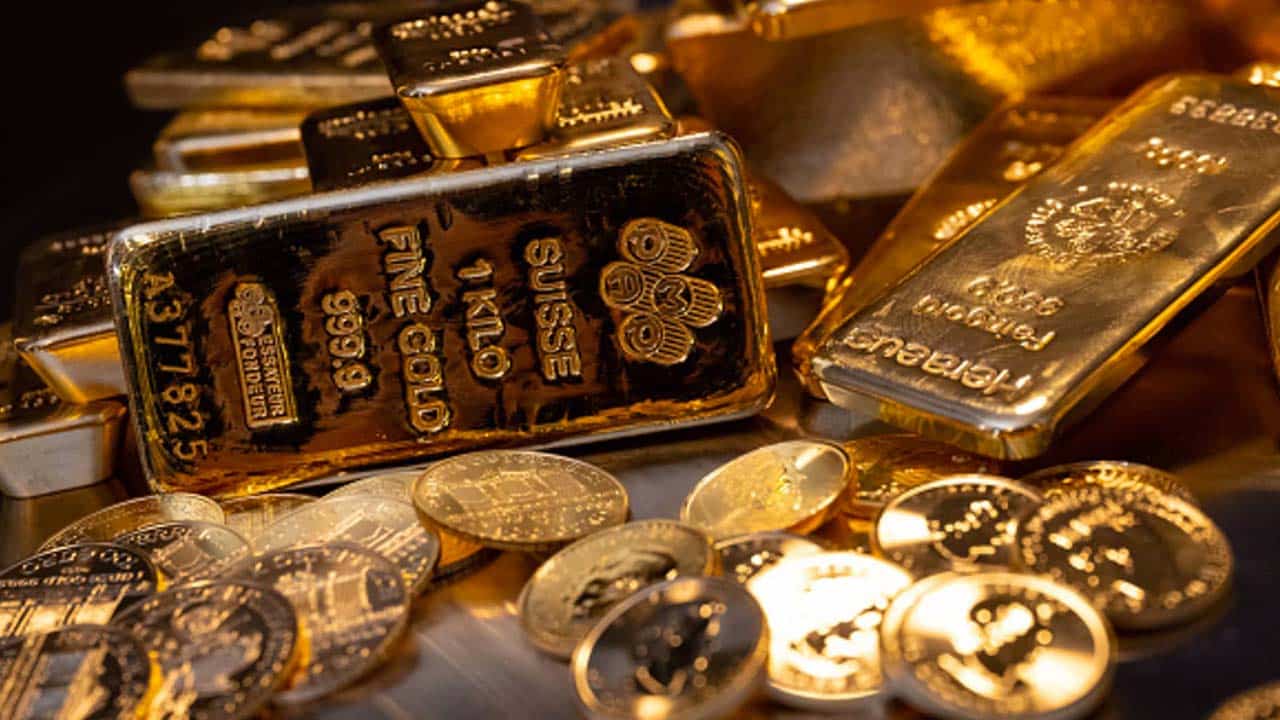
    On Monday, gold prices in Pakistan experienced a decline in alignment with the global market trend. 

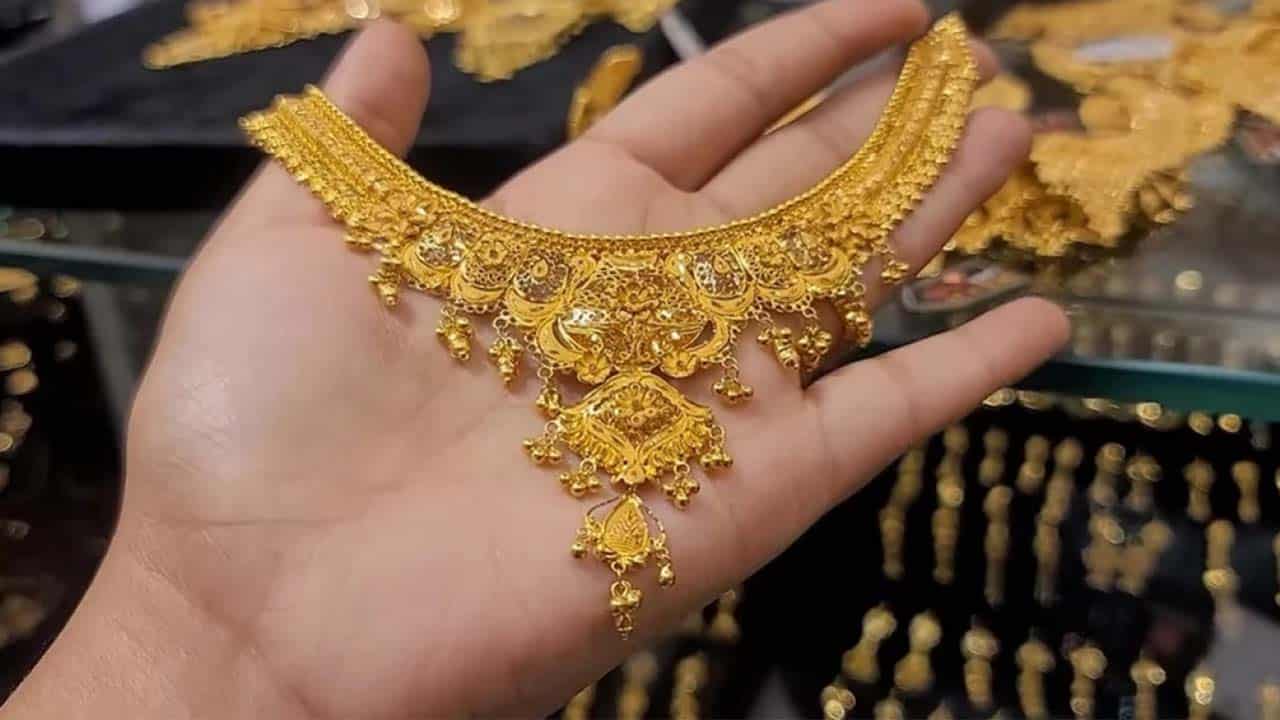
    The local market recorded the yellow metal at Rs216,100 per tola, marking a decrease of Rs1,900 throughout the day.

    The 10-gram gold was traded at Rs185,271, reflecting a reduction of Rs1,629, as reported by the All Pakistan Gems and Jewellers Sarafa Association (APGJSA).

    Contrastingly, on the preceding Saturday, gold prices had surged by Rs1,000 per tola in Pakistan.

    The international gold rate exhibited a $20 premium, reaching $2,047 per ounce on Monday, following an $18 dip in the global market, according to APGJSA.

    In parallel, silver rates remained steadfast at Rs 2,660 per tola during this period.

  • Pakistan welcomes PayPal through strategic alliance

    Pakistan welcomes PayPal through strategic alliance

    In a groundbreaking move for Pakistan’s burgeoning freelance community, PayPal is set to establish its presence in the country through a strategic partnership with an existing international payment gateway.

    The joint venture announcement is anticipated for next week, marking a significant milestone for the approximately 1.5 million freelancers and IT professionals in Pakistan, making it the fourth-largest community globally.

    Caretaker Minister for IT and Telecom, Dr Umar Saif, confirmed that PayPal would operate indirectly in Pakistan through this collaboration. This development follows persistent efforts by previous governments to convince PayPal to operate within the country, which initially faced resistance citing security concerns.

    Dr Saif emphasised the positive impact of this move on IT exports and freelancer remittances, underscoring recent measures supporting a more liberal financial regime. He revealed that IT exports have already experienced a notable surge, with a 13 per cent increase in November alone, and expressed confidence that this growth trajectory will continue.

    The IT Ministry, under Dr Saif’s leadership, has implemented various initiatives to bolster the IT sector. These include providing smartphones through installment plans, standardising quality tests for IT graduates, and approving the National Space Policy. Dr Saif expressed optimism about launching 5G services in Pakistan by July 2024, with a spectrum auction offering 300 MHz.

    The government aims to boost IT exports from the current $2.6 billion to approximately $5 billion by facilitating a more liberal financial regime. As part of this effort, IT companies can now retain 50 per cent of their export revenue in dollars in a local account, simplifying international payments.

    In addition to these measures, the government plans to launch 10,000 e-Rozgar centres across the country, providing facilities for freelancers and start-ups. The recently approved National Space Policy allows companies to utilise low-orbit satellites for communication services, further enhancing the technological landscape in Pakistan.

    The upcoming joint venture between PayPal and an international payment gateway is expected to usher in a new era of financial opportunities for Pakistan’s freelancers and IT professionals, contributing significantly to the country’s economic growth and global standing in the IT sector.

  • Gold prices in Pakistan wrap up first week of 2024 on a decline

    Gold prices in Pakistan wrap up first week of 2024 on a decline

    The gold prices in Pakistan concluded the initial week of 2024 on a downward trajectory, witnessing a notable drop in the value of 24-karat gold.

    According to reports from the Karachi Sarafa Association, the price of 24-karat gold plummeted by Rs2,000 per tola, settling at Rs218,000.

    Contrary to this trend, the association noted that 24-karat gold experienced a gain of Rs1,000 per tola in today’s trading session, offering a glimmer of positivity in an otherwise challenging week.

    The closing figures for the last trading session revealed that 10-gramme 24-karat gold reached Rs186,900, showcasing an increase of Rs857.

    Similarly, the price of 10-gramme 22-karat gold stood at Rs171,325, marking a rise of Rs786.

    Investors in the domestic bullion market enjoyed substantial returns in 2023, with the yellow metal delivering an impressive 19.63% yield for the year.

    The concluding price of 24-karat gold in 2023 stood at Rs220,000 per tola, a notable surge compared to Rs183,900 per tola in the same period last year (SPLY).

    Adding to the dynamics of the market, the Pakistani Rupee (PKR) extended its winning streak, appreciating by an additional 46 paisa against the US dollar.

     This marks the eighth consecutive appreciation for the Pakistani rupee, driven by positive market sentiments.

    Analysts attribute this positive trend to the anticipation of the approval of the second loan tranche worth $700 million by the International Monetary Fund (IMF).

    Pakistan’s inclusion in the IMF’s meeting agenda for January 11, 2024, has heightened expectations of economic support.

    It’s essential to recognise the intricate relationship between domestic gold prices and the local currency.

    As gold is denominated in US dollars, any appreciation of the Pakistani rupee against the greenback tends to result in a decline in the value of gold.

    In conclusion, the first week of 2024 has been a mixed bag for the gold market in Pakistan, with fluctuating prices and external factors influencing the dynamics.

    Investors are likely to keep a close eye on both international economic developments and local market conditions as they navigate the complexities of the gold trade.

  • Pakistan grapples with massive Rs63.4 trillion debt

    Pakistan grapples with massive Rs63.4 trillion debt

    In November 2023, Pakistan’s total debt soared to an alarming Rs63.399 trillion, marking a significant increase from Rs50.959 trillion in the same month of the previous year. 

    According to details, this surge comprises Rs40.956 trillion in domestic loans and Rs22.434 trillion in international loans.

    The recent development follows Pakistan’s commitment to the International Monetary Fund (IMF) for a new loan programme. 

    As outlined in the Memorandum of Economic and Financial Table, Pakistan has pledged to boost foreign reserves to $13.6 billion in FY2024–25, facilitating access to the IMF’s financial assistance.

    To support its financial strategy, Pakistan is planning to roll over a $6.34 billion loan in the upcoming fiscal year, coupled with a targeted increase of $1.31 billion in foreign investments, as highlighted by the MEFPT. 

    These measures aim to navigate the country through its evolving economic landscape.

  • Federal cabinet to approve FBR restructuring in upcoming meeting

    Federal cabinet to approve FBR restructuring in upcoming meeting

    In a significant development, the caretaker government has concluded the comprehensive restructuring plan for the Federal Board of Revenue (FBR).

    The approval for this pivotal reform comes from the Apex Committee of the Special Investment Facilitation Council (SIFC), highlighting a crucial step towards enhancing efficiency and transparency in Pakistan’s tax administration.

    According to reliable sources, the Apex Committee granted its approval for the FBR’s reforms and restructuring plan during its recent meeting. The caretaker government is now poised to move a summary for the approval of the FBR’s restructuring plan in the upcoming federal cabinet meeting.

    The decision to move the summary will follow the meticulous review of the minutes of the last SIFC committee meeting, ensuring a thorough examination of the proposed reforms. The anticipated summary aims at facilitating the implementation of a robust action plan geared towards restructuring Pakistan’s tax administration, thereby fortifying the internal governance mechanisms of the FBR.

    As part of the ongoing reform initiative, the caretaker government is contemplating the establishment of a dedicated Customs Board to oversee the operations of Pakistan Customs. This strategic move aims to streamline and enhance the efficiency of customs affairs while ensuring a clear demarcation from the revenue collection mechanism.

    It is expected that the revenue collection mandate will continue to be under the purview of the FBR. In line with this reform trajectory, the creation of a separate Inland Revenue Board is also under consideration, which will operate under the vigilant supervision of the Revenue Division.

    This bifurcation is designed to address concerns related to smuggling and other illicit activities, providing a specialised focus on each aspect of tax administration.

    Furthermore, as part of the tax reform programme, five federal secretaries, namely Finance, Industries and Production, National Food Security, Commerce, and Interior, are slated to become ex-officio members of the proposed Customs Board. This inclusion is envisioned to bring multidimensional expertise to the board, fostering collaboration among various sectors crucial for effective customs management.

    The restructuring plan marks a pivotal moment in Pakistan’s efforts to modernise and fortify its tax administration system. The caretaker government’s commitment to transparency and efficiency is evident in these strategic reforms, setting the stage for a more resilient and responsive revenue collection framework.

    The anticipated approval of the summary at the federal cabinet meeting will further propel the implementation of these transformative changes.

  • The reason why your bank’s SMS alerts no longer include account balance

    The reason why your bank’s SMS alerts no longer include account balance

    In a bid to fortify the safety and security of digital banking experiences, banks in Pakistan have recently implemented a crucial update, removing customers’ account balance information from SMS alerts.

    This proactive move aims to safeguard users’ privacy and protect their sensitive financial details.

    Previously, users would receive SMS alerts from their banks, displaying their account balance whenever they made transactions or received funds from other accounts. However, this service has now been discontinued, prompting mixed reactions from the public.

    While some Pakistanis express reservations about this security update, it is essential to understand that the decision was made to enhance user privacy. To access their account balance conveniently, customers can now log into their respective bank’s mobile application.

    The update aligns with the recommendations of the State Bank of Pakistan (SBP), as outlined in the central bank’s BPRD Circular No. 04 of 2023. This security enhancement has been uniformly implemented across the entire banking industry in Pakistan.

    The move comes in response to the rising trend of fraud and mobile banking scams, necessitating measures to protect account privacy, especially in public spaces.

    With SMS notifications often visible on lock screens, the removal of account balances adds an extra layer of security, ensuring sensitive financial information remains confidential.

    The State Bank of Pakistan (SBP) has consistently advised banks and microfinance banks (MFBs) to implement appropriate controls and remedial measures to enhance the security of digital banking products and services. As the digital landscape continues to evolve rapidly, these measures become crucial in mitigating the risk of fraudulent activities.

    The adoption of digitization has significantly transformed the financial landscape, allowing banks and MFBs to cater to the growing needs of customers.

    However, the State Bank of Pakistan emphasises the importance of supplementing digitization with necessary controls to effectively counter the risk of fraudulent activities and maintain the integrity of digital banking products and services.

  • Cost of living rises in Pakistan: Weekly inflation jumps by 0.81%

    Cost of living rises in Pakistan: Weekly inflation jumps by 0.81%

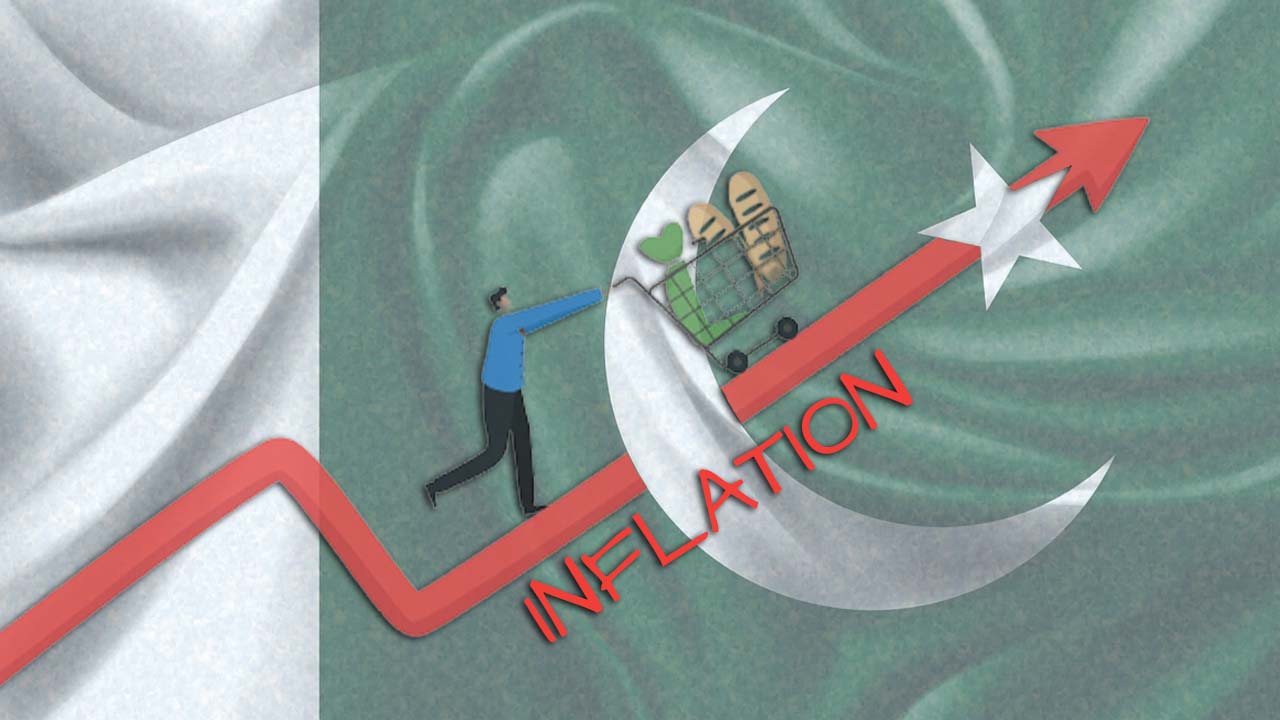
    In a recent report by the Pakistan Bureau of Statistics (PBS), the Weekly Sensitive Price Indicator (SPI) for the Combined Group witnessed a marginal increase of 0.81 per cent Week on Week (WoW), concluding on January 04, 2024.

    The SPI also exhibited a substantial 42.86 per cent Year on Year (YoY) surge when compared to the corresponding period from the previous year.

    The Combined Index, reflecting the overall price movement, stood at 313.66 as of January 04, 2024, compared to 311.14 on December 28, 2023. In contrast, a year ago on January 05, 2023, the index was reported at 219.56.

    Out of the 51 items considered, the average prices of 19 items experienced an increase, 09 items observed a decrease, and 23 items remained stable throughout the week.

    During this period, notable price hikes were observed in tomatoes (16.04 per cent), chicken (13.98 per cent), eggs (3.20 per cent), onions (3.04 per cent), and bananas (2.13 per cent).

    Moreover, significant decreases were noted in the prices of potatoes (8.68 per cent), tea Lipton (1.29 per cent), garlic (0.68 per cent), and cooking oil 5 litre & vegetable ghee 2.5 kg (0.54 per cent) each.

    Analysing the weekly SPI percentage change across income groups revealed a universal increase ranging from 0.79 per cent to 0.84 per cent. The Lowest Income Group experienced a rise of 0.81 per cent, while the highest income group recorded a slightly lower increase of 0.8 per cent.

    On a yearly basis, the SPI change across different income segments exhibited a general increase ranging from 35.33 per cent to 46.38 per cent. The Lowest Income Group saw a yearly rise of 35.33 per cent, while the highest income group recorded an increase of 41.35 per cent.

    Noteworthy price points in the market included Sona urea, with an average price of Rs4,618 per 50 kg bag, marking a 0.02 per cent increase from the previous week and a substantial 72.45 per cent surge compared to the previous year.

    In contrast, the average Cement price recorded at Rs1,226 per 50 kg bag showed a 0.47 per cent decrease from the previous week but stood 17.43 per cent higher than prices observed last year.

    These fluctuations in the SPI underscore the dynamic nature of the market, reflecting both short-term variations and longer-term economic trends.

    As consumers and businesses navigate these changes, analysts are closely monitoring the SPI for insights into broader economic patterns.

  • PKR ends week in green, settles at Rs281.4 vs USD

    PKR ends week in green, settles at Rs281.4 vs USD

    The Pakistani rupee demonstrated resilience, marking its third consecutive session of gains against the US dollar with a 0.1 per cent appreciation in the inter-bank market on Friday. 

    According to the State Bank of Pakistan (SBP), the rupee concluded at Rs281.4, reflecting an increase of Re0.27.

    In a noteworthy development, the SBP’s foreign exchange reserves experienced a significant boost of $1.3 billion over a two-week period, attributed to official inflows from international financial institutions facilitated by the government of Pakistan. 

    The upward trajectory in the SBP’s foreign exchange reserves was evident in the final weeks of December. Inflows totaling $852 million were reported for the week ending December 22, 2023, followed by an additional $464 million by December 29, 2023. 

    Cumulatively, an impressive $1.316 billion contributed to the SBP’s reserves during this fortnight.

  • Pakistani rupee strengthens by 5 paisa, closes at PKR 281.67 against US dollar

    Pakistani rupee strengthens by 5 paisa, closes at PKR 281.67 against US dollar

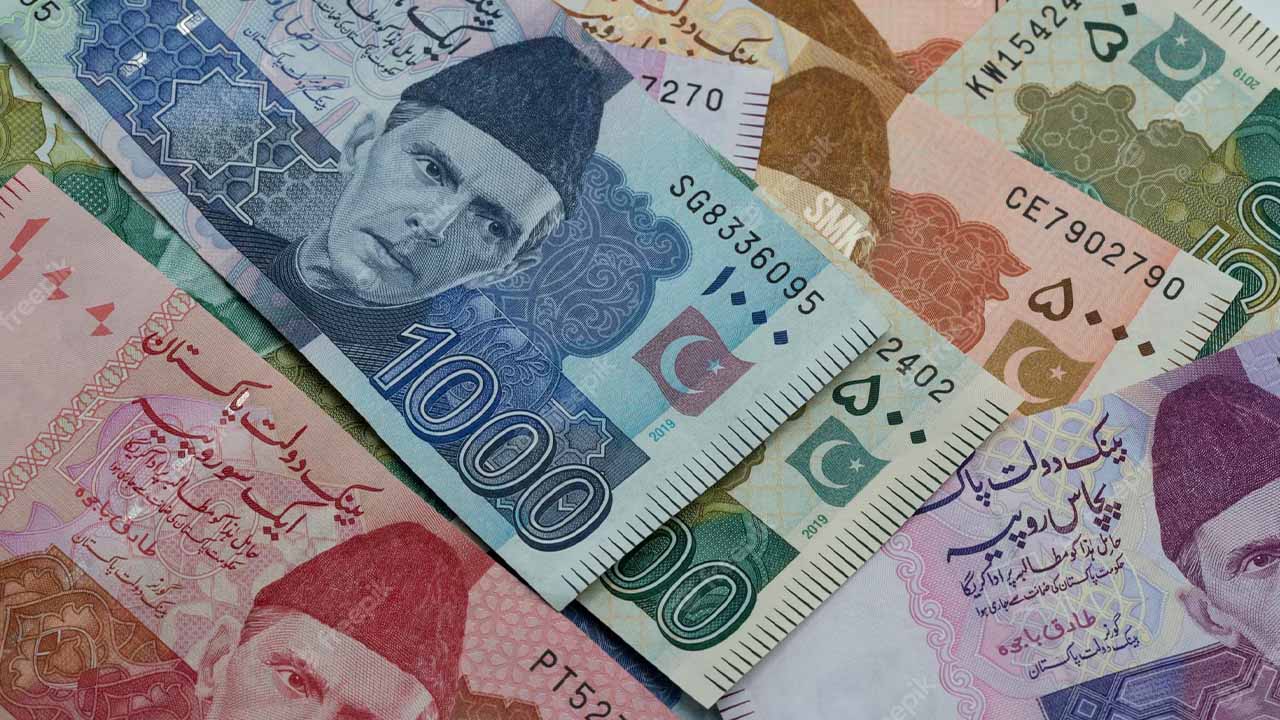
    The Pakistani rupee (PKR) demonstrated a 5.08 paisa appreciation against the US dollar during Thursday’s interbank session, concluding at PKR 281.67 per USD, compared to the previous closing at PKR 281.72 per US dollar (USD).

    Throughout the day, the currency reached an intraday high (bid) of Rs281.84 and a low (ask) of Ra281.8. In the open market, Exchange Companies quoted the dollar at Rs281 for buying and Rs283 for selling.

    It’s noteworthy that the local unit concluded its 13-day historic winning streak against the greenback in the first trading session of 2024, experiencing a modest depreciation of 3.37 paisa against the US dollar.

    In contrast to major currencies, PKR gained 56.27 paisa against the Euro, closing at Rs308.07 compared to the previous value of Rs308.63. 

    The British Pound saw an increase of Rs1.25, concluding at Rs357.49 compared to Rs356.24 from the previous day.

    The Swiss franc recorded gains of 75.99 paisa, closing at Ra332.01 compared to Rs331.25 from the previous session. 

    Against the Japanese Yen, PKR gained 1.18 paisa, closing at 1.964 versus 1.9758 a day ago. The Chinese Yuan lost 4.96 paisa, closing at 39.38 against 39.43 from the previous session. 

    The Saudi Riyal closed at 75.1 with a loss of 1.75 paisa from its values of 75.12 a day ago, and the U.A.E Dirham decreased by 1.28 paisa from 76.69 to 76.71.

    In the current financial year, PKR has appreciated against the Dollar by 4.32 rupees or 1.53 per cent, while the current calendar year has seen PKR appreciate by 18.73 paisa or 0.07 per cent. 

    In the money market, the benchmark 6 Month Karachi Interbank Bid and Offer rates decreased by 6 bps to 21.16 and 21.41 per cent.

  • Gold sees Rs1,800 per tola dip in local market

    Gold sees Rs1,800 per tola dip in local market

    Gold continued its decline for the second consecutive session on Thursday, mirroring the international downtrend.

    In the local market, the price of gold reached Rs218,200 per tola, registering a loss of Rs1,800 during the day.

    According to data from the All Pakistan Gems and Jewellers Sarafa Association (APGJSA), 10-gramme gold was traded at Rs187,071, reflecting a decrease of Rs1,543.

    Notably, Wednesday witnessed a Rs1,300 decrease in gold prices per tola in Pakistan.

    The international gold rate, accompanied by a $15 decline in the global market, stood at $2,067 per ounce on Thursday, with a $20 premium, as reported by APGJSA.

    In a parallel development, silver experienced a modest decline of Rs20, settling at Rs2,660 per tola.