Category: Business

  • BYD, global electric vehicle leader, explores investment in Pakistan’s EV sector

    BYD, global electric vehicle leader, explores investment in Pakistan’s EV sector

    BYD, the prominent Chinese automotive conglomerate renowned as the world’s foremost electric vehicle (EV) manufacturer, engaged in discussions regarding the potential of Pakistan’s EV sector.

    This revelation surfaced through a modified series of posts released by the Board of Investment (BoI) on Thursday. Initial posts hinted at BYD’s enthusiastic interest in investing in Pakistan’s EV sector, but these posts have since been removed.

    The development follows a meeting between a delegation from BYD Company China, featuring Cai Xiao Xu, Head of the Dealer Division (South Asia), Lei Jian, Country Head (Pakistan), and Sohail Rajput, Secretary at BoI.

    In a statement shared on X, formerly Twitter, the Fortune 500 company and global EV manufacturing leader BYD Company highlighted its substantial presence in key industries, including automobiles, rail transit, new energy, and electronics.

    The ongoing exploratory visit to Pakistan by the BYD delegation, facilitated by BoI, includes pivotal discussions with potential local partners.

    Secretary BOI, during the meeting, warmly welcomed the company’s interest, underscoring the significance of EVs in Pakistan.

    He reassured the BYD delegation of the Government of Pakistan’s steadfast commitment to facilitating foreign investors.

    BYD, recognised as the world’s largest EV manufacturer, produces a diverse range of vehicles, including battery-electric and hybrid cars, buses, and trucks, as well as battery-powered bicycles, forklifts, solar panels, and rechargeable batteries.

    In the previous month, Dr Gohar Ejaz, the Caretaker Minister for Commerce and Industries, disclosed that BYD is actively considering investment opportunities in Pakistan.

    During this period, the caretaker minister briefed the BYD delegation on government policies and the Special Investment Facilitation Council (SIFC), offering unequivocal support for their new ventures.

    This move aligns with Pakistan’s strategic goal to expand its presence in the renewable energy sector, curtail its energy import expenditure, and fulfil climate change objectives.

    Caretaker Prime Minister Anwaar-ul-Haq Kakar has separately extended an invitation to Chinese businesses to invest in Pakistan’s solar parks.
  • SBP reports second consecutive weekly decline in forex reserves

    SBP reports second consecutive weekly decline in forex reserves

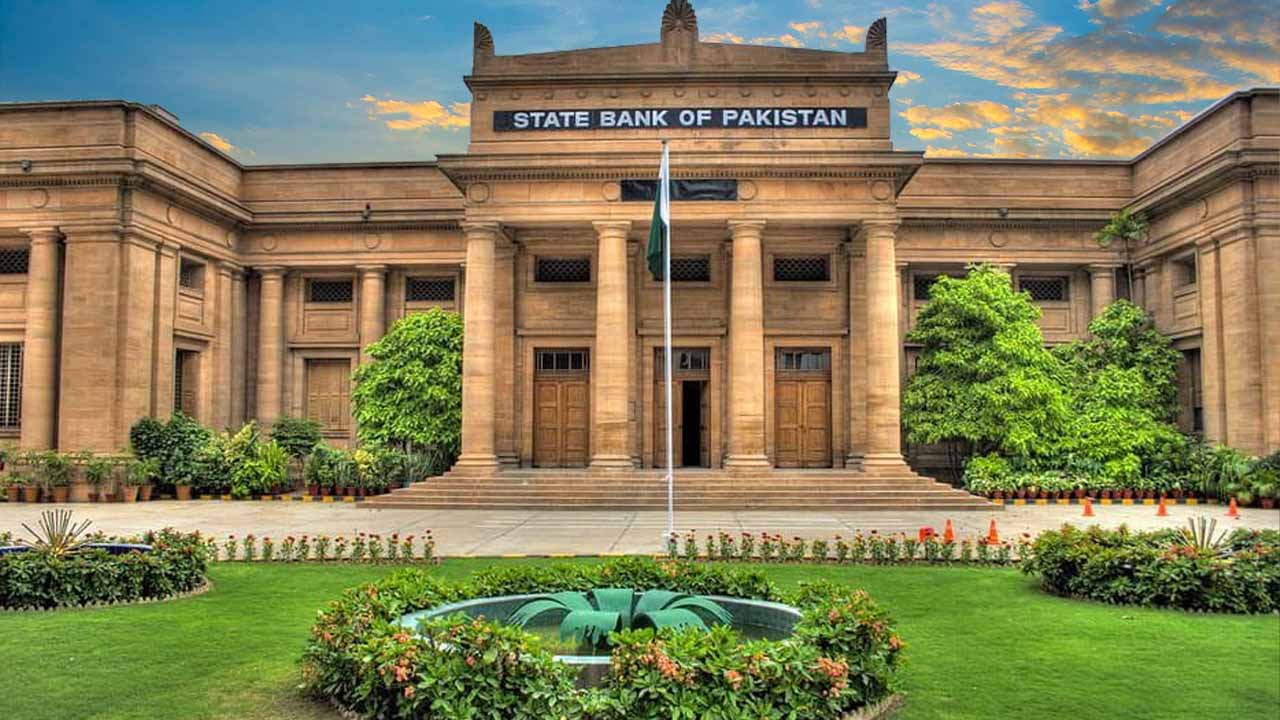
    During the week ending on November 17, 2023, the State Bank of Pakistan (SBP) experienced a decline of $217 million in its foreign exchange reserves, settling at $7,180.0 million, as revealed by data released on Thursday.

    The total liquid foreign reserves for the country amounted to $12.3 billion, with commercial banks holding net foreign reserves of $5.1 billion.

    The central bank attributed this reduction in reserves to debt repayments. In a statement, the SBP explained, “During the week ended on November 17, 2023, the SBP’s reserves decreased by US$ 217 million to US$ 7,180.0 million due to debt repayments.”

    This marks the second consecutive week of a decline in the dollar stockpile, following a $115 million decrease in the previous week.

    It’s noteworthy that in July of this year, the central bank’s reserves received a significant boost as Pakistan received the initial tranche of approximately $1.2 billion from the International Monetary Fund (IMF).

    This followed the approval of a new $3 billion stand-by arrangement (SBA). Additional inflows were received from Saudi Arabia and the UAE.

    However, the SBP’s reserves have been facing pressures due to ongoing debt repayments, increased import payments following the relaxation of restrictions, and a lack of fresh inflows.

    In a positive development, the IMF announced last week that its staff and Pakistani authorities had reached an agreement on the first review of the SBA.
    The staff-level agreement is pending approval by the IMF Executive Board.

    The IMF stated, “The IMF team has reached a staff-level agreement (SLA) with the Pakistani authorities on the first review of their stabilisation programme supported by the IMF’s US$3 billion (SDR2,250 million) SBA.”

    Upon approval, approximately US$700 million (SDR 528 million) will become available, bringing the total disbursements under the programme to nearly US$1.9 billion.

    Caretaker Finance Minister Dr Shamshad Akhtar, speaking to the media after the SLA with the IMF, expressed confidence that external financing would not be an issue, anticipating increased inflows in December 2023, which would contribute to boosting the foreign exchange reserves.

  • IMF recommends gas price hike, subsidy cuts for Pakistan

    IMF recommends gas price hike, subsidy cuts for Pakistan

    The International Monetary Fund (IMF) has reportedly urged Pakistan to address the growing concerns surrounding the power sector’s circular debt, which now stands at 4 per cent of the gross domestic product (GDP).

    Despite initial targets for debt reduction not being met, the IMF has not yet made a final decision on its recommendations.

    Sources suggest that the IMF is advocating for an additional hike in gas prices and a reduction in energy sector subsidies, aligning with its persistent calls for such measures.

    It’s noteworthy that no official decision has been reached on these proposals. Simultaneously, Pakistan and the IMF have collaborated on a comprehensive privatisation plan, focusing on state-owned entities (SOEs) that have incurred significant losses.

    This strategic move aims to address the financial challenges faced by these institutions. The Central Monitoring Unit will meticulously evaluate the extent of losses, with findings submitted to the IMF.

    A crucial aspect of the privatization plan involves transferring control of power distribution companies to the private sector. This shift is expected to mitigate losses and improve efficiency in the power sector, aligning with the IMF’s overarching demand for comprehensive reforms in the energy sector.

  • NEPRA greenlights Rs1.52 per unit hike in power tariff for Karachi residents

    The National Electric Power Regulatory Authority (NEPRA) has granted approval for an increase in the electricity tariff by Rs1.52 per unit for consumers of K-Electric.

    In accordance with the directive from the Economic Coordination Committee (ECC) in June 2023, NEPRA has issued a notification officially declaring a rise of Rs1.52 per unit in electricity charges, according to a press release.

    These adjustments will be reflected in the monthly electricity bills spanning from December 2023 to November 2024.

    A spokesperson for K-Electric clarified that NEPRA’s notification aligns with a previous ECC decision related to charges from the preceding tenure.

    In a statement, the spokesperson mentioned, “The prolonged duration in finalising KE’s tariff has contributed to the current circumstances, resulting in lower charges from Karachi compared to other regions in the country. Operating within the regulated framework of Pakistan’s power sector, KE, like other DISCOS, adheres to decisions made by the government of Pakistan and NEPRA concerning power tariffs.”

    It is noteworthy that lifeline consumers are exempted from the recent increase in charges, providing relief to this specific consumer group, the statement added.

    In a previous development this month, the Economic Coordination Committee (ECC) made a decision regarding the uniform quarterly tariff adjustments for K-Electric consumers, approving a hike of Rs1.72 per unit.

    The decision entails that the tariff rationalization guidelines previously issued to the National Electric Power Regulatory Authority (NEPRA) shall be applicable to the consumption of July, August, and September 2023, to be recovered from K-Electric consumers in December 2023, January 2024, and February 2024, respectively.

    Subsequent to this decision, the electricity tariff for K-Electric consumers will experience an increase of Rs1.72 per unit.

    Sources indicate that there will be a hike of Rs1.25 per unit in terms of quarterly adjustment from January to March 2023, while Rs0.47 per unit will be increased in terms of quarterly adjustment from October to December 2023.

    These measures are taken to ensure uniform electricity tariffs across the country, as per sources familiar with the matter.

  • Pakistan imposes hefty exit fees on Afghan refugees

    Pakistan is being widely criticised for instituting exit fees amounting to hundreds of dollars for Afghan refugees awaiting relocation to the United Kingdom and other Western nations.

    The imposition of exit fees, totalling around $830 (PKR 236,387), for Afghan refugees seeking resettlement in Western countries has drawn strong condemnation from Western diplomats and the United Nations.

    Mumtaz Zahra Baloch, the spokesperson for Pakistan’s foreign ministry, stated that there are no current plans to modify the existing policy.

    Five senior Western diplomats in Pakistan while talking to The Guardian termed the hefty fee imposed by Pakistan as ‘unprecedented’.

    “I know it is very tough economically for Pakistan but really, to try to make money off refugees is unattractive,” said one diplomat.


    He continued by adding, “The issue has also been raised by the two UN agencies in the lead on this mess, the [UN refugee agency] UNHCR and [International Organization of Migration] IOM,” the diplomat added. “It has also been raised in capitals and headquarters. I suspect everyone has also passed the message to their [Pakistani contacts].”


    Another diplomat said that when concerns were raised regarding the imposed fee, the Pakistani officials explained that the initial proposal was to charge $10,000 per person, but it had been subsequently reduced to $830.

    A different diplomat noted that the exit permit must be paid through a credit card, which poses an added difficulty for many Afghan refugees who lack access to such payment methods. This complicates the situation further, as the fee is mandated for payment by the refugees, a considerable portion of whom do not possess credit cards.

    “I think we need a cooperative approach of working together to help the refugees and we expect Pakistan would help,” he added.

    The United States government intends to relocate nearly 25,000 Afghans within the country, while the United Kingdom has announced plans to resettle 20,000 individuals.

    Separately, the United Nations Refugee Agency has expressed apprehension regarding Pakistan’s directive for undocumented foreigners to leave, citing its adverse impact on Afghan nationals. This includes registered refugees and individuals possessing valid documents, raising concerns about the potential humanitarian consequences of the orders.

  • Emirates suspends flights to Israel for an indefinite period

    Emirates suspends flights to Israel for an indefinite period

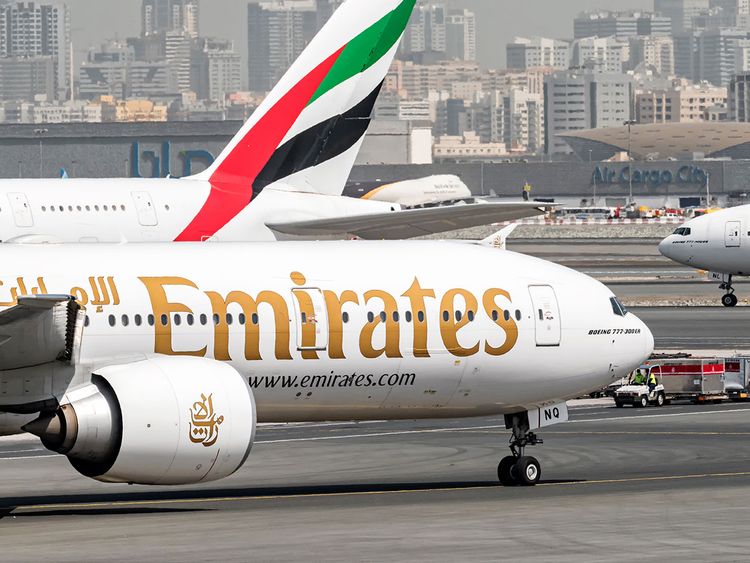
    Emirates announced the suspension of flights to and from Tel Aviv until further notice on Wednesday, citing concerns related to the ongoing Israel-Hamas conflict. This marks the first instance of Emirates indefinitely halting operations to Tel Aviv.


    An Emirates spokesperson while talking to Gulf News stated, “We are closely monitoring the situation in Israel and are in close contact with the relevant authorities. Customers with onward connections to Tel Aviv on Emirates flights will not be accepted for travel at their point of origin until further notice.”


    The airline initially cancelled its Tel Aviv flights on October 12 due to safety concerns amidst the conflict, subsequently extending the suspension multiple times, with the latest extension lasting until November 30.


    In June 2022, the inaugural Emirates flight departed from Dubai International Airport to Tel Aviv, carrying 335 passengers. This milestone marked the initiation of a daily service connecting the two cities, a development spurred by the signing of the Abraham Accords.


    Separately, in a welcoming development, Israel and Hamas have brokered a four-day truce through the mediation of Qatar. As part of this agreement, 50 women and children held in Gaza will be released in exchange for 150 Palestinian women and children currently detained in Israeli jails.

  • Pakistan Stock Exchange achieves record high, crossing 58,000 points

    Pakistan Stock Exchange achieves record high, crossing 58,000 points

    A positive shift in market sentiment fueled the Pakistan Stock Exchange’s (PSX) upward trajectory as the benchmark KSE-100 Index surpassed the historic 58,000 level for the first time in Wednesday’s trading session.

    At 12:45 pm, the benchmark index reached 58,203.85, marking a noteworthy increase of 832.27 points, or 1.45 per cent. 

    Widespread buying, particularly in index-heavy sectors such as automobile assemblers, cement, chemicals, commercial banks, fertiliser, and oil and gas exploration companies, contributed to this surge, with OMCs also registering gains.

    The benchmark index climbed by 294 points, or 0.51%, the previous day, settling at 57,371.59.

    This sustained bullish trend reflects improved economic indicators in the country and the interim government’s successful negotiations with the International Monetary Fund (IMF) for the first review, unlocking $700 million in funding.

    Analysts expect that, following the review, Pakistan will attract additional inflows from both multilateral and bilateral partners.

    Commenting on this rapid yet anticipated recovery at PSX, Mohammed Sohail, CEO of Topline Securities, stated, “PSX is experiencing one of the fastest but not unexpected recoveries.”

  • Senators propose discontinuation of Rs5,000 currency note to fight corruption

    Senators propose discontinuation of Rs5,000 currency note to fight corruption

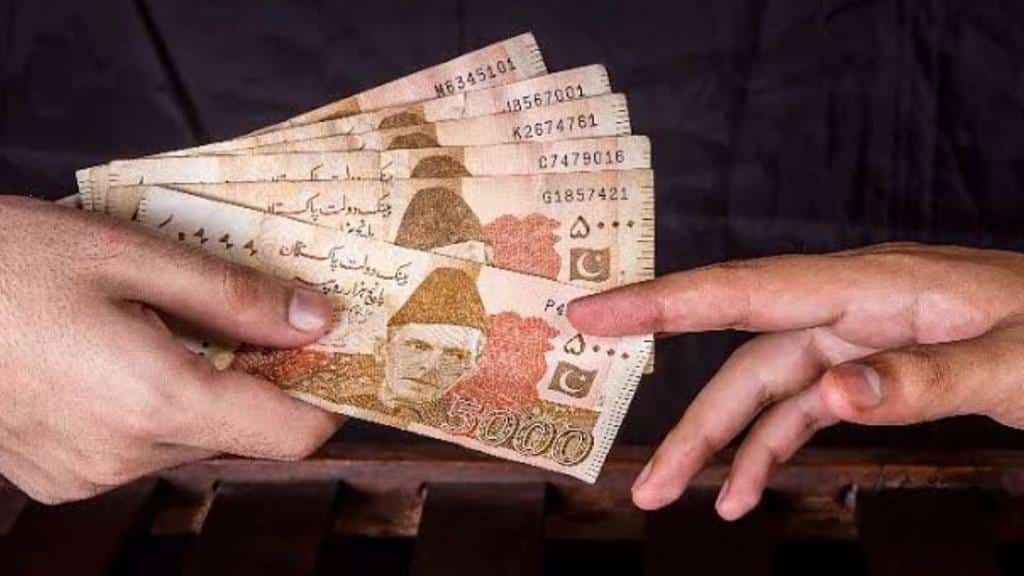
    Pakistan Tehreek-e-Insaf (PTI) senators are advocating for the discontinuation of the Rs5,000 currency note as a strategic move to combat corruption and inflation.

    On Monday, Senator Mohsin Aziz presented a resolution in the Upper House of Parliament urging the prohibition of the highest-denomination currency.

    According to Senator Aziz, the Rs5,000 note is frequently associated with corruption, terrorism, and smuggling.

    Providing details, Senator Aziz revealed that Rs5,000 currency notes totaling Rs3.5 trillion have been issued to date.

    Notably, he emphasised that Rs2 trillion worth of Rs5,000 notes are not currently in circulation but are securely stored in “safe deposit,” which he alleges is linked to money laundering, tax evasion, and smuggling.

    Senator Aziz called for a specific timeframe during which individuals should surrender the highest denomination notes.

    Supporting this initiative, another PTI Senator, Waleed Iqbal, echoed Senator Aziz’s call to discontinue the Rs5,000 currency note.
    He suggested that promoting digital payments would be instrumental in reducing reliance on physical currency.

    Responding to these claims, Caretaker Information Minister Murtaza Solangi stated that Rs5,000 currency notes totaling 905 million have been issued thus far, with Rs4.5 trillion currently in circulation.

    Solangi attributed the autonomy granted to the State Bank of Pakistan (SBP) by the previous government as a contributing factor to the situation. He asserted that the SBP operates within the confines of its laws.

    This isn’t the first time that officials have targeted the highest denomination note for its alleged role in fostering corruption.

    In September of this year, former Federal Board of Revenue (FBR) chief Shabbar Zaidi emphasised the importance of discontinuing Rs5,000 notes and imposing restrictions on the physical movement of dollars as crucial steps in curbing the cash economy in the country.

  • General elections 2024: Candidates allowed to spend up to Rs10 million on campaigns

    General elections 2024: Candidates allowed to spend up to Rs10 million on campaigns

    The Election Commission of Pakistan (ECP) has recently finalised the Code of Conduct for political parties in preparation for the upcoming general elections in 2024.

    In a collaborative effort with political parties, the Election Commission of Pakistan has meticulously drafted the code of conduct, incorporating valuable suggestions from various political entities.

    According to reliable sources, the code includes provisions preventing political parties from undermining the sovereignty of Pakistan during the election campaign.
    Additionally, parties are expected to refrain from disparaging the ECP in the course of their campaigns.

    The code of conduct emphasises ethical practices, urging political parties and candidates to abstain from offering gifts, inducements, or bribes to encourage the withdrawal of other candidates.

    Ensuring the safety of election staff and polling agents is paramount, as outlined in the draft.
    A noteworthy feature of the code is the commitment to implementing a 5 per cent women’s quota in the upcoming general elections in 2024. This underscores the importance of gender inclusivity in the political landscape.

    The code unequivocally discourages violence on polling day, strictly prohibiting the display of weapons during election campaigns.
    Aerial shootings and the use of firecrackers in public gatherings are also prohibited, promoting a peaceful electoral environment.

    Addressing the eligibility of election agents, the code stipulates that the appointed agent must be a registered voter in the relevant constituency.

    Furthermore, financial regulations have been established, allowing National Assembly candidates a spending limit of up to Rs10 million for their election campaigns, while Provincial Assembly candidates are capped at a maximum of Rs4 million.

    In adherence to transparency, successful candidates are required to submit detailed reports of their election expenses to returning Officers, fostering accountability in the electoral process.


    The comprehensive nature of the Code of Conduct reflects the Election Commission’s commitment to conducting fair, transparent, and violence-free elections in 2024.

  • Price of 10kg flour bag reaches nearly Rs1,500 

    Price of 10kg flour bag reaches nearly Rs1,500 

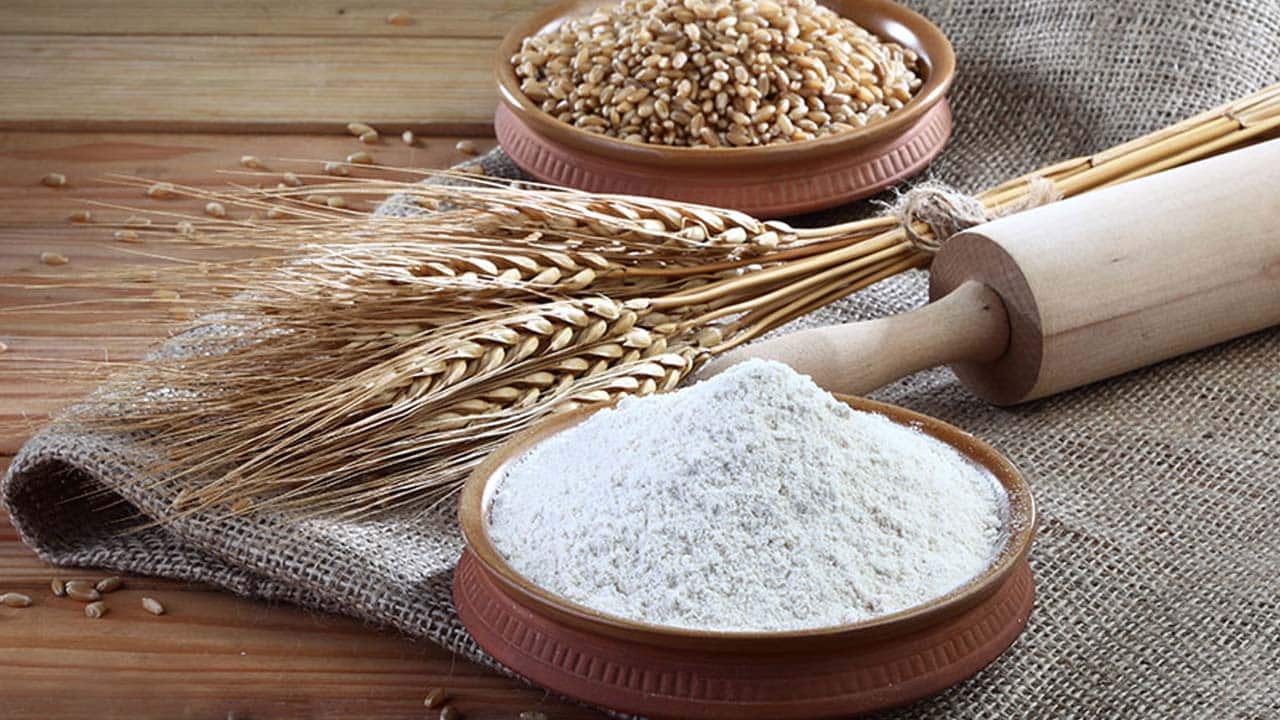
    The price of ‘chakki’ flour has recently experienced an increase of Rs10 to Rs12 per kilogramme in Hyderabad, the second-largest city in the province of Sindh.  

    Consequently, the price of a 10-kg sack of flour has risen from Rs1,350 to Rs1,470.  

    In an official statement, ‘chakki’ owners explained that the surge in prices is attributed to the increased cost of wheat. They clarified that the price of a 100-kg sack of wheat has escalated by Rs3,000, elevating it from Rs8,500 to Rs11,500.  

    According to their assertions, the prevailing market rate for a 100-kg sack of wheat is Rs12,000.  

    Earlier this month in Karachi, the retail price of flour was established at Rs127 per kilogramme following successful negotiations between Karachi Commissioner Salim Rajput and the flour mills association.  

    During the discussions, the association agreed to retail the flour at Rs127 and wholesale it at Rs120 per kilogramme in the city.  

    Furthermore, the wholesale market prices were set at Rs130 per kilogramme for fine flour and Rs134 per kilogramme for retail.  

    Meanwhile, there has been a noticeable increase in prices for sugar, flour, and other essential commodities at utility stores nationwide.   

    The reported prices reveal that sugar is priced at Rs155 in utility stores, compared to Rs142.54 in the open market, representing a Rs12.46 disparity.  

    Similarly, a 20-kg bag of flour is priced at Rs2,840 in utility stores, with an open market price of Rs2,706.32, reflecting a Rs133.68 difference.