Category: Business

  • Federal secretaries to play key role in Customs Board as part of tax reform drive 

    The interim government is poised to establish a dedicated Customs Board as part of the ongoing reform initiative to oversee the operations of Pakistan Customs. 

    Within the framework of the tax reform programme, five federal secretaries, namely those from Finance, Industries and Production, National Food Security, Commerce, and Interior, are slated to serve as ex-officio members of the Customs Board. 

    Insiders reveal that FBR Chairman Amjad Zubair Tiwana recently apprised Caretaker Prime Minister Anwaar ul Haq Kakar of the FBR’s reform agenda. 

    Additionally, reports suggest that the government has decided to institute a novel position, “Member Appraisal,” within the Customs Department with the aim of segregating appraisal from operational and enforcement functions. 

    Sources further indicate that the government intends to expand the scope of the Track and Trace System to encompass additional sectors as part of the new reform framework. 

    Furthermore, as part of the reform measures, tax authorities are set to implement an electronic invoicing system in designated sectors with the objective of overseeing the entire supply chain and mitigating the risk of smuggling. 

  • Pakistan International Airlines announces special discount for students

    Pakistan International Airlines announces special discount for students

    In an effort to promote goodwill and support the academic pursuits of students, Pakistan International Airlines (PIA) has introduced an enticing offer in celebration of International Students Day. 

    The national flag carrier is now offering an exclusive 20 per cent discount, along with an impressive 80 kg luggage allowance, for students traveling on its flights to China. 

    This special promotion is part of PIA’s ongoing initiatives to attract passengers and rejuvenate its operations following significant financial challenges caused by fuel shortages.  

    It is noteworthy that the airline resumed its weekly flights to China in August, re-establishing the Islamabad-Beijing-Islamabad route. 

    Students, being a crucial demographic for air travel, can now enjoy substantial cost savings as they embark on their educational journeys or return home for holidays. 

    This offer is particularly advantageous for those traveling the Islamabad-Beijing route, with the weekly flight taking place every Sunday.  

    PIA is also considering extending students’ baggage allowance when traveling between Pakistan and China, providing an additional benefit to those taking advantage of this limited-time offer. 

    This announcement follows PIA’s recent initiatives to attract passengers, such as a 15 per cent discount on tickets for flights from Toronto to Pakistan.  

    Additionally, the airline recently reduced ticket prices for Umrah by up to Rs6,000, showcasing a concerted effort to meet diverse passenger needs and preferences. 

  • FBR restructuring: 145 offices set up to add 2 million new taxpayers

    FBR restructuring: 145 offices set up to add 2 million new taxpayers

    In a bid to streamline operations, the Federal Board of Revenue (FBR) has set up 145 district tax offices, aiming to bring in 1.5 to 2 million new taxpayers by June 2024. 

    Highlighting the significance of revenue and the need to increase the number of tax filers, the Prime Minister also stressed these goals in recent meetings.  

    The initiative is geared towards expanding the tax base, ultimately achieving the desired tax-to-GDP ratio. 

    Heading these offices are district tax officers responsible for compelling income tax returns from non-filers and preventing lapses from existing filers.  

    This marks a pivotal step in bridging the critical tax gap and incorporating all potential taxpayers into the system. 

    The newly established offices, led by dedicated Inland Revenue Officers in BS-17/18, will leverage third-party data obtained from various departments to track information on asset investments and significant expenditures by potential taxpayers.   

    This approach aims to curtail avenues for individuals evading taxation, particularly in terms of registration and filing returns. 

    The department will invoke the recently introduced Section 114B in the Income Tax Ordinance, 2001, to enforce compliance, enabling it to disconnect utility connections (such as electricity and gas) and block mobile SIMs if returns are not filed in response to issued notices. 

    A new documentation law is also in the works to mandate agencies and departments to provide data to the FBR through an automated common transmission system. 

    The Federal Board of Revenue has sought collaboration with the National Database and Registration Authority (NADRA), and the Chairman of NADRA is ensuring assistance for the expansion of the tax base through data integration. 

    This comprehensive initiative not only strengthens the FBR’s capacity to enforce tax laws but also facilitates taxpayers by establishing dedicated offices, ultimately fostering a more efficient and effective taxation system. 

  • Gold price in Pakistan surge with global trend, reach Rs216,500 per tola

    Gold price in Pakistan surge with global trend, reach Rs216,500 per tola

    On Friday, gold prices in Pakistan experienced a notable uptick, mirroring the global surge in rates. 

    The precious metal attained a value of Rs216,500 per tola, marking a substantial single-day increase of Rs2,200. 

    As reported by the All Pakistan Gems and Jewellers Sarafa Association (APGJSA), the 10-gramme gold reached Rs185,614, reflecting a rise of  Rs1,886. 

    This shift follows a decline of Rs500 in gold prices on Thursday, settling at Rs214,300 per tola. 

    According to APGJSA, the international gold rate exhibited a $20 increment on Friday, reaching $2,006 with a $20 premium. In comparison, the previous day witnessed a closing rate of $1,986. 

    In contrast, silver prices remained steady at Rs2,550 per tola on the same day, exhibiting resilience in the face of fluctuations observed in the gold market. 

  • ADB approves $250 million loan to upgrade Pakistan’s power transmission system 

    ADB approves $250 million loan to upgrade Pakistan’s power transmission system 

    The Asian Development Bank (ADB) has granted a $250 million loan to Pakistan to enhance the country’s power transmission system, addressing persistent electricity shortages. 

    The approved aid aims to ensure a reliable electricity supply by expanding and enhancing the power transmission network in Punjab and Khyber Pakhtunkhwa provinces, as outlined in an official ADB statement. 

    The initiative, known as the Power Transmission Strengthening Project, focuses on fortifying the national grid’s stability by increasing transmission capacity. 

    The project includes the expansion of high-voltage transmission networks, specifically 500 kilovolt (kV) and 220 kV transmission line loops, with the goal of reducing transmission losses in Lahore, Punjab, through the replacement of outdated transmission lines. 

    ADB Director General for Central and West Asia, Yevgeniy Zhukov, emphasised the significance of a reliable power supply for inclusive and sustainable economic growth. 

    He expressed satisfaction in continuing ADB’s support for Pakistan’s pursuit of energy security and improved energy efficiency. 

    In addition to reinforcing power transmission, the project aims to complement ADB’s existing assistance to the National Transmission & Despatch Company Limited (NTDC). 

    This support targets energy security, climate resilience, and increased transmission capacity for the deployment of sufficient, reliable, clean, and cost-effective energy. 

    The project’s key objectives extend to enhancing the management of the national transmission system. 

    Beyond strengthening power transmission, ADB’s initiative will improve the project and financial management of NTDC, incorporating climate resilience in planning and operations. 

    To promote gender equality and women’s involvement in the energy sector, ADB plans to develop mentorship guidelines, conduct awareness campaigns, establish childcare centres, and provide technical training for female staff within NTDC. 

    The project also includes livelihood skills development for women in the designated areas, aiming to enhance their economic opportunities. 

    Additionally, local communities will receive training to enable them to respond effectively to climate-induced natural hazards. 

  • Govt plans to increase gas and electricity prices in January

    Govt plans to increase gas and electricity prices in January

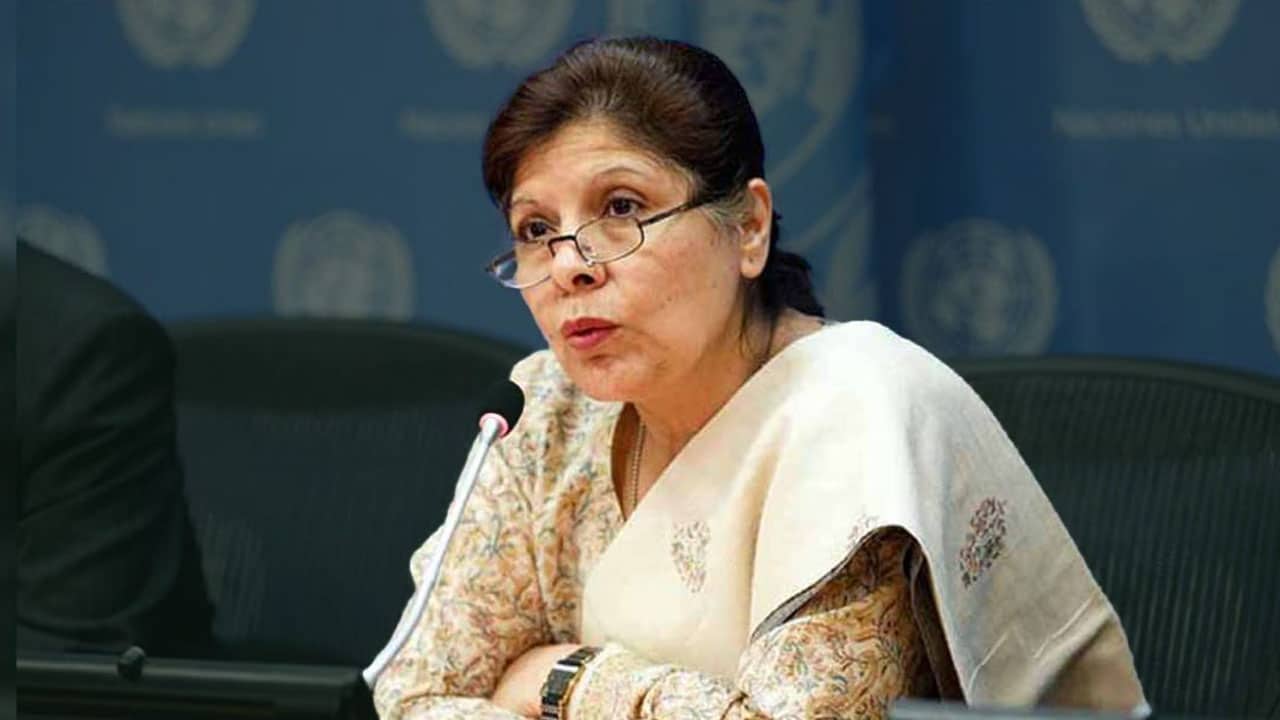
    The interim Finance Minister, Dr Shamshad Akhtar, announced during a press conference that the caretaker government is planning to increase electricity and gas tariffs in January to address the circular debt issue, in line with the International Monetary Fund’s (IMF) Stand-By Arrangement (SBA). 

    The circular debt in the power and gas sectors, currently exceeding 4 per cent of the Gross Domestic Product, requires urgent action for reduction. 

    Dr Akhtar also discussed tariff revisions with the IMF and the potential imposition of additional taxes on sectors like real estate and retail, emphasizing that final decisions are pending. 

    She highlighted the necessity for a new short-term IMF program and anticipated a medium-term program under the Extended Fund Facility (EFF) after the SBA concludes. 

    Regarding the external financing gap, Finance Secretary Imdad Bosal expressed optimism that a successful IMF review would unlock programme and project loans from multilateral lenders. 

    He anticipated approvals in December for loans from the World Bank, Asian Development Bank, Asian Infrastructure Investment Bank, and Islamic Development Bank. 

    Bosal assured that there is no external financing gap, and the improved ratings post-review would attract foreign loans. 

    Dr Akhtar stated that the World Bank is expected to disburse $2 billion during the current fiscal year, contributing to foreign exchange reserves along with the $700 million tranche approval from the IMF, bringing the total disbursement under the SBA to $1.9 billion out of $3 billion. 

    The approval for the second tranche from the IMF’s Executive Board is anticipated within a month.

  • Pakistan’s forex reserves dip by $79 million amidst external debt repayments

    Pakistan’s forex reserves dip by $79 million amidst external debt repayments

    Pakistan’s total liquid foreign exchange reserves declined by $79 million in the past week, primarily due to external debt repayments. 

    According to the State Bank of Pakistan (SBP), as of November 10, 2023, the country’s total reserves amounted to $12.535 billion, down from $12.614 billion on November 3, 2023.

    During the reviewed week, SBP’s reserves decreased by $115 million to $7.397 billion due to debt servicing. Conversely, commercial banks’ net foreign reserves increased by $36 million, reaching $5.139 billion by the end of the week.

    In a significant development, the International Monetary Fund (IMF) announced on Wednesday that a staff-level agreement (SLA) has been reached on the first review of a nine-month stand-by arrangement (SBA) totaling $3 billion with Pakistani authorities.

    Pending approval by the IMF Executive Board, the SLA signifies a milestone, and upon approval, an amount of SDR 528 million, approximately a $700 million loan tranche, will be disbursed to Pakistan. 

    This disbursement will bring the total funds received under the IMF SBA to $1.9 billion.

    These incoming funds are expected to contribute to replenishing the country’s diminishing foreign exchange reserves. 

    The IMF team, led by Nathan Porter, conducted discussions in Pakistan from November 2–15, 2023, culminating in the announcement of the SLA upon the completion of the economic review.

  • FBR restructuring: Govt plans to separate Customs and revenue collection system

    FBR restructuring: Govt plans to separate Customs and revenue collection system

    Caretaker Finance Minister Dr Shamshad Akhtar has announced that the government is implementing significant restructuring measures within the Federal Board of Revenue (FBR) to eliminate apparent conflicts of interest in tax collection and enhance overall performance. 

    Speaking at the Future Summit organised by the Nutshell Group, she outlined the action plan for restructuring Pakistan’s tax administration, emphasising the crucial aspect of strengthening the internal governance of the FBR. 

    One notable decision involves separating customs from the revenue collection mechanism. Customs will focus on tracking smuggling and related activities, while revenue collection will remain the exclusive mandate of the FBR. 

    Akhtar noted that a formal notification for this change will be issued next week, with additional notifications expected for further FBR restructuring initiatives. 

    Discussing FBR reforms, Akhtar highlighted the adoption of innovative digital technologies to broaden the tax base, minimise the tax policy and compliance gap, and increase tax collection. 

    The government aims to reduce the share of the shadow economy by more effectively identifying non-filers and those under-reporting incomes or business activities. 

    Furthermore, Akhtar revealed plans to separate the tax policy and revenue division, making it an independent entity reporting directly to the Minister of Finance. 

    According to Brecorder, this move aims to eliminate perceived conflicts of interest in tax collection, emphasising the need for fair, equitable, and productive tax policy design. 

    Collaboration with the National Database and Registration Authority (NADRA) is also underway to upgrade data systems, with a technical committee chaired by NADRA and FBR chairpersons established for this purpose. 

    The overall objective is comprehensive tax administrative reforms and increased efficiency in revenue collection. 

  • Finance Minister envisions Pakistan’s economy soaring to $2 trillion by 2047 

    Finance Minister envisions Pakistan’s economy soaring to $2 trillion by 2047 

    Dr Shamshad Akhtar, the Caretaker Finance Minister, emphasised Pakistan’s significant economic potential, stating that the country could achieve a $2 trillion economy by 2047, as per a World Bank report.  

    Addressing the Future Summit in Karachi, she underscored the importance of adopting robust economic and sector-specific policies, coupled with a resolute commitment to implementing challenging structural reforms. 

    Dr Akhtar highlighted the need for increased innovation and diversification within the economic framework to ensure sustainable growth.  

    Emphasising the role of Development Finance Institutions (DFIs), she noted that institutions with expertise, efficiency, and flexibility could serve as crucial drivers for the growth and development of the capital market. 

    In a recent meeting with the Chairman of the Securities and Exchange Commission of Pakistan (SECP) and heads of DFIs, Dr Akhtar discussed the progress of establishing a private equity and venture capital (PE and VC) fund.  

    While the DFIs reaffirmed their commitment, they also provided insights into the progress made and challenges encountered in the process. 

    Notably, Pakistan, currently under a caretaker government, successfully reached a staff-level agreement with the International Monetary Fund on the first review of a short-term bailout program.  

    This agreement clears the path for unlocking $700 million, a crucial step in mitigating the looming economic crisis.  

    The caretaker government has implemented various fiscal measures, including an increase in the petrol levy, additional taxes, and significant reforms in the power sector, to address the economic challenges effectively. 

  • SNGPL commits uninterrupted winter gas supply to boost textile exports

    SNGPL commits uninterrupted winter gas supply to boost textile exports

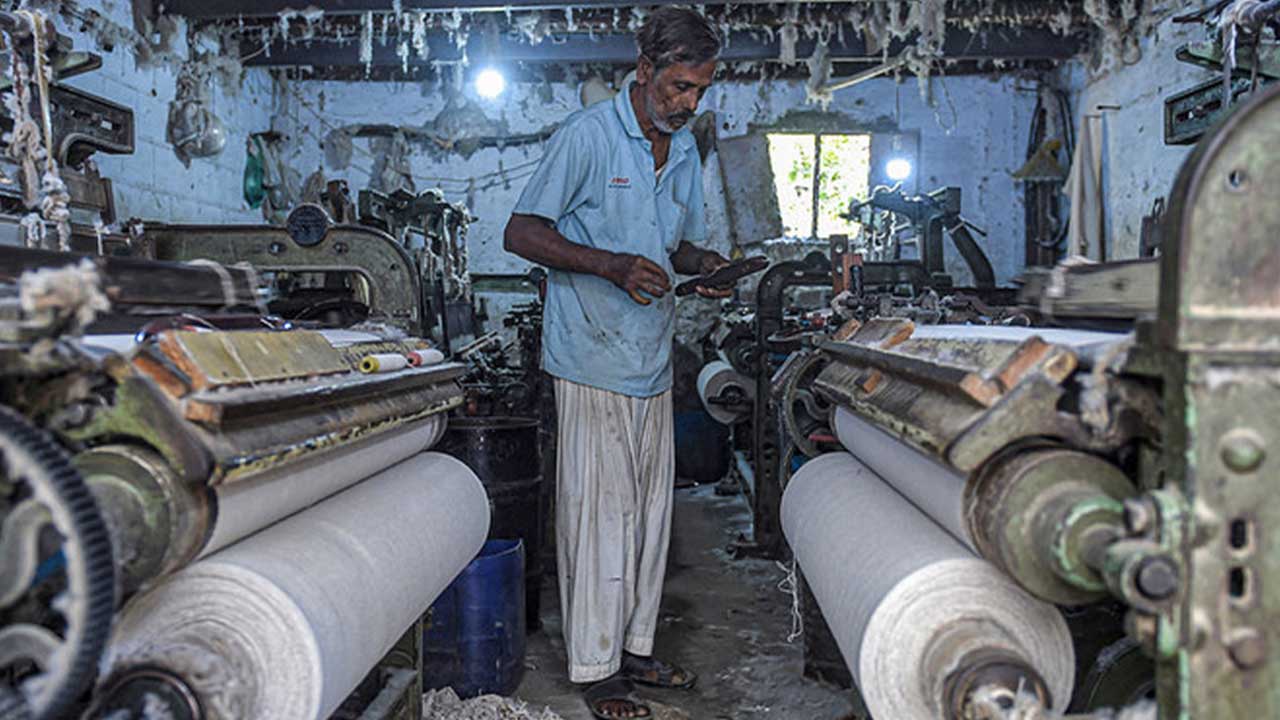
    Sui Northern Gas Pipelines Limited (SNGPL) has provided a commitment to the All Pakistan Textile Mills Association (APTMA) regarding the seamless supply of gas to textile mills during the winter season.

    SNGPL, under the leadership of Managing Director Amer Tufail, assured an APTMA delegation led by Chairman Kamran Arshad that uninterrupted gas supply with optimal pressure would be maintained for the export industry.

    This measure aims to facilitate smooth production and enhance textile goods’ exports to maximise foreign exchange for the nation.

    During the meeting, MD Amer Tufail emphasised that the export industry, utilising a system integrated with RLNG (Regasified Liquefied Natural Gas), would be subject to a shared tariff of 50:50 for November.

    He highlighted the historical priority given to the export industry in gas supply and urged APTMA member mills without existing gas connections to apply promptly.

    Regarding new connections and load enhancements, Tufail mentioned that clarity on tariff applications would be sought from the Ministry of Petroleum in the near future.

    In anticipation of the non-availability of natural gas during the winter months from December to March, MD Tufail clarified that the industry would be charged at the RLNG rate set by OGRA on a monthly basis.

    Chairman Kamran Arshad raised concerns about industry confusion regarding gas tariffs for the upcoming winter months after the federal government’s tariff rationalisation.

    Discussions delved into issues such as gas tariff specifics for connections predating June 2022, post-June 2022 connections with or without zero-rated FBR certificates, and the utilisation of APTMA certificates for gas supply to zero-rated industrial units.

    MD Tufail acknowledged SNGPL’s limitations in determining eligibility for new connections, emphasising the need for the Commerce and Energy Ministries’ intervention to establish an eligibility framework.

    The meeting also addressed concerns related to new gas connections, faulty metre replacements, erroneous charging due to slow or faulty metres, and low gas pressure. MD Amer Tufail underscored the commitment to uninterrupted gas supply, particularly to export-oriented sectors, recognising the vital role of the textile industry in job creation, attracting investment, and boosting the country’s exports.

    He pledged a thorough examination of issues raised by APTMA and assured a proactive approach to ensure a smooth gas supply, with nominated focal persons from both SNGPL and APTMA tasked with holding periodic meetings to promptly resolve any gas-related challenges in the textile industry.