Category: Business

  • Pakistani rupee claims top spot as best-performing currency worldwide 

    Pakistani rupee claims top spot as best-performing currency worldwide 

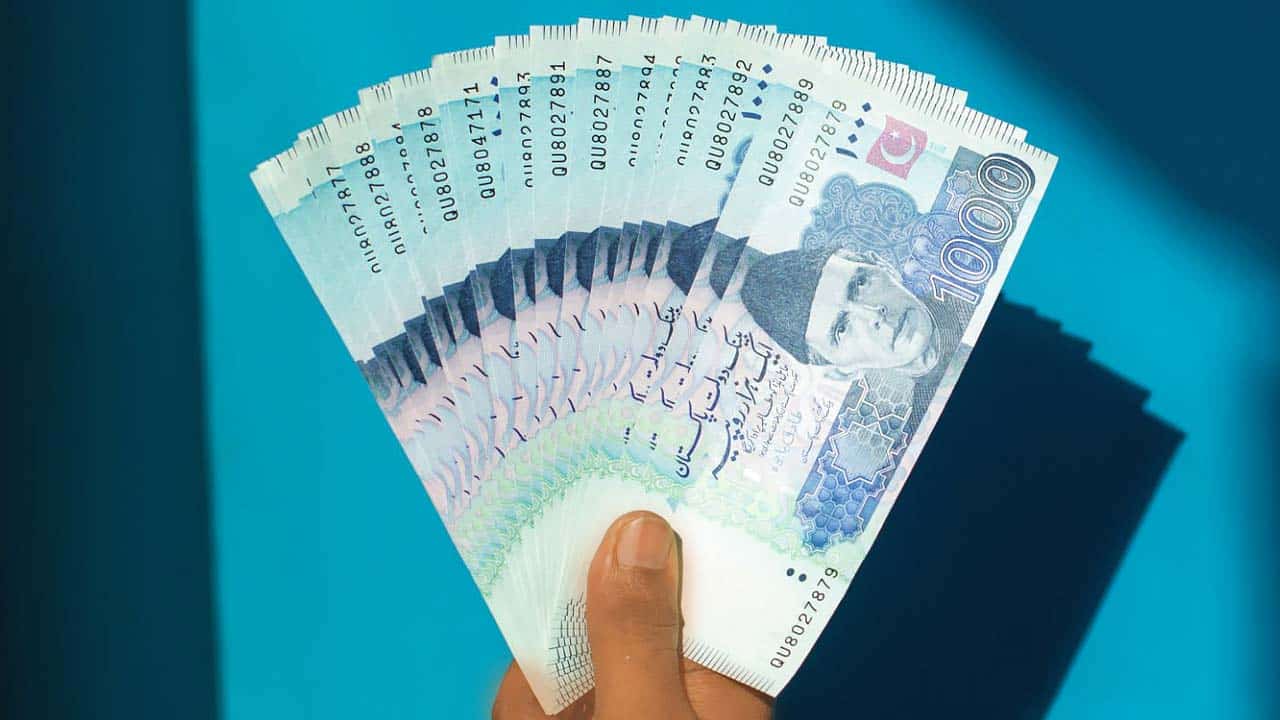
    Amidst a determined crackdown on smuggling and illegal financial activities, the Pakistani rupee has emerged as the world’s top-performing currency for September. During this remarkable month, the rupee’s value surged from Rs305.54 against the US dollar on August 31st to Rs287.74 on September 28th, a notable increase of Rs17.8 or 6.2 per cent.

    Impressively, this positive trend persisted for 17 consecutive trading sessions, resulting in an overall gain of nearly 7 per cent since hitting its lowest point at 307.1 on September 5th. 

    It’s essential to note that the currency market was closed on Friday, September 29th. In terms of global currency performance, the Mauritian rupee secured the second position with a modest appreciation of 0.7 per cent, while the Hong Kong dollar claimed third place, showing a slight improvement of 0.2 per cent throughout September. These figures are based on data from the brokerage house Arif Habib Limited (AHL), reported on a recent Friday. 

    Financial experts attribute this remarkable rupee surge to a series of government measures aimed at curbing dollar smuggling and currency hoarding. Additionally, during the same month, the State Bank of Pakistan (SBP) introduced structural reforms targeting the Exchange Companies (ECs) sector. These reforms included a directive for commercial banks to establish their own ECs as wholly-owned subsidiaries and an increase in the minimum capital requirement for ECs from Rs200 million to Rs500 million. 

    Notably, the Pakistani rupee recorded substantial gains in the inter-bank market, appreciating by 6-9 per cent against three major currencies – the US dollar, UK Pound, and Euro – over the past few weeks. Even in the open market, the rupee showed a significant upswing of 11-13 per cent, effectively eliminating the premium associated with the open-market rate. This is particularly impressive given that the US Dollar index reached a 10-month high. 

    This strengthening of the rupee aligns with the commitment made by Pakistani authorities in July when they entered into a vital $3 billion Stand-By Arrangement (SBA) with the International Monetary Fund (IMF). This agreement was pivotal in averting a potential sovereign default and required the adoption of a market-based exchange rate, which has now proven to be a pivotal factor in the rupee’s impressive resurgence. 
  • Petroleum prices expected to decline as rupee gains ground against US dollar 

    Petroleum prices expected to decline as rupee gains ground against US dollar 

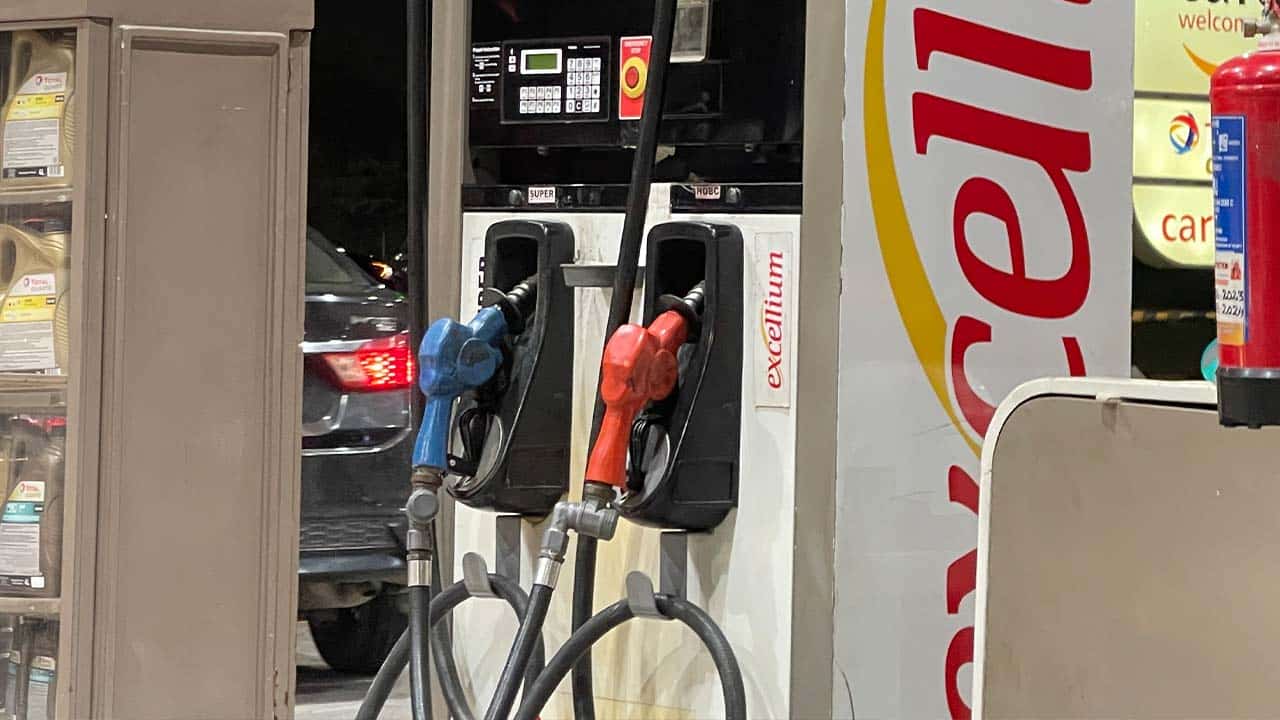
    As reported by Geo News on Saturday, there’s an expectation that starting on October 1st, petroleum prices will see a decrease due to the stability of the Pakistani rupee (PKR) against the US dollar (USD). This shift is also attributed to a decline in international market prices. 

    The final decision on these petroleum prices will be made by the Ministry of Finance following consultations with interim Prime Minister Anwaar-ul-Haq Kakar. 

    In recent news, the Oil and Gas Regulatory Authority (OGRA) cautioned against prematurely speculating about petroleum product pricing. This comes after federal ministers suggested that rates for petroleum, oil, and lubricants (POL) might decrease in the next fortnightly review. 

    Earlier statements by Caretaker Federal Commerce and Industries Minister Gohar Ejaz and Interim Federal Minister for Information and Broadcasting Murtaza Solangi hinted at a potential drop in POL prices, thanks to the recent strengthening of the Pakistani rupee against the US dollar. 

    Over the past two weeks, the Pakistani rupee has gained about Rs19 against the US dollar. This is significant because Pakistan, as a net importer of POL products, conducts transactions in US dollars. 

    In the previous fortnightly review, the caretaker government had raised petrol prices by more than Rs26 per litre and diesel prices by over Rs17 per litre, reaching record highs at Rs331.38 and Rs329.18 per litre, respectively. 

    OGRA emphasised that the pricing of petroleum products in Pakistan depends on international market trends and the exchange rate between the US dollar and the Pakistani rupee. While international petroleum prices have risen recently, the exchange rate between the US dollar and the Pakistani rupee has improved. 

    However, OGRA pointed out that there’s still one week left before the official announcement of new prices. So, any speculations about price changes during this period are speculative and could disrupt the smooth operation of the oil supply chain. 

  • Govt hints at major taxation system overhaul in economic revival drive

    Govt hints at major taxation system overhaul in economic revival drive

    The federal government is contemplating significant changes to the tax structure in its economic revitalisation plan, with a particular focus on sectors like retail, agriculture, and real estate. Additionally, the plan includes the introduction of a wealth tax on movable assets. These proposed revisions were outlined in the Ministry of Finance’s September 2023 Economic Update and Outlook report. 

    Underpinning the economic recovery efforts are strategies aimed at enhancing revenue, which include not only tax adjustments but also the restriction of tax exemptions to essential sectors such as food and medicine. To streamline government expenses, the plan also incorporates austerity measures and a review of subsidies and grants. 

    Furthermore, the government is set to scrutinise the development plan and promote public-private partnership (PPP) initiatives. Compliance with quarterly budget targets and agreements with the International Monetary Fund (IMF), encompassing aspects like tax collection and debt management, will be a priority. 

    The plan adopts a 5Es framework—exports, equity, empowerment, environment, and energy—to address socio-economic challenges and stimulate export growth and business facilitation. The digitization of the economy and an expanded tax base through information technology are also on the agenda. 

    According to Business Recorder, state-owned enterprise (SOE) reforms, including the enactment of an SOE policy, are part of the plan. It involves the establishment of a Central Monitoring Unit (CMU) and the preparation of SOE performance reports. The implementation of a Treasury single account (TSA), remittance incentives, energy conservation, and price controls are among the planned actions. 

    Additionally, the Privatisation Commission aims to privatise select public sector enterprises through various methods, including assessing privatisation options for distribution companies (DISCOs) and restructuring options for PIA-CL while conducting unbundling studies for SNGPL and SNGPL. 

    To bolster non-bank finance and promote the capital market, corporate taxes will be reduced. Short-term measures for export enhancement include the implementation of the Weighted Average Cost of Gas (WACOG), the operationalization of the EXIM bank, and expedited sales tax refund processes. 

    Business facilitation and investment promotion will be addressed by the Board of Investment, with initiatives like the Asaan Karobar plan, which involves the establishment of a central e-registry and the development of the Pakistan Business Portal. 

    The plan also outlines measures to boost IT exports, stimulate telecommunications growth with a focus on 5G technology, and revitalise the maritime, railway, and highway sectors. Price reforms, attracting foreign investment, and combating theft are key objectives in the energy sector. 

    Recent administrative actions have already begun to yield positive results in curbing illegal activities in the foreign exchange market and improving the availability of essential food items. The outlook for inflation has improved, albeit with ongoing concerns related to international oil prices and energy costs. 

    On the fiscal front, the fiscal deficit has remained stable, while the primary balance surplus has improved. Notably, federal revenues have seen significant growth, driven by higher non-tax collections and import-related taxes. Reductions in non-markup spending have contributed to this positive fiscal development. 

    The current account deficit has narrowed, primarily due to improvements in the trade balance. Overall, the government’s strategic measures, coupled with prudent economic policies, are expected to attract new investments and stimulate economic growth for fiscal year 2024 and beyond, following the initial steps towards recovery at the beginning of FY2024. 

  • Pakistan and Gulf Cooperation Council sign historic free trade agreement 

    Pakistan and Gulf Cooperation Council sign historic free trade agreement 

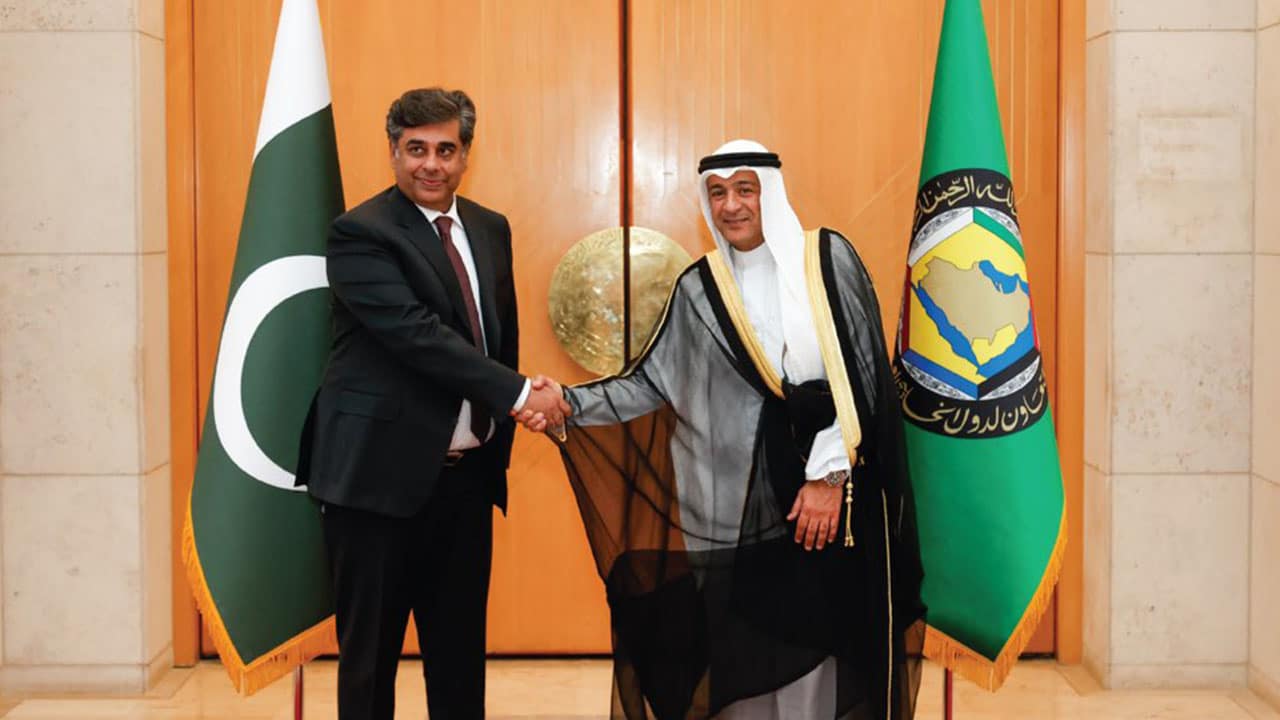
    Pakistan and the Gulf Cooperation Council (GCC) have officially initiated a comprehensive free trade agreement, as announced by the GCC through its communication platform, X. 

    The formal signing ceremony was conducted with the participation of GCC Secretary-General Jasem al-Budaiwi and Pakistan’s Minister of Trade, Gohar Ejaz. 

    In his remarks, Secretary-General Al-Budaiwi underscored the historic significance of this economic accord, characterising it as a pivotal moment in bilateral cooperation. He emphasised that this agreement would play a vital role in fostering mutual growth and prosperity, aligning with the shared interests of both parties, as conveyed in the GCC’s official statement. 

    Additionally, Al-Budaiwi highlighted the GCC’s commitment to advancing the cause of free trade by actively pursuing similar agreements with other nations, as indicated in the statement. 

    Both leaders expressed optimism about the agreement’s potential to significantly enhance trade relations between Pakistan and the Arab nations. 

    It’s worth noting that Pakistan and the GCC initially laid the groundwork for discussions on a free trade agreement back in August 2004. However, progress had been limited to only a few rounds of talks. The negotiations were reignited in 2021, leading to the formalisation of this momentous trade pact. 

  • PIA’s Boeing 777 planes encounter more technical issues due to lack of maintenance 

    PIA’s Boeing 777 planes encounter more technical issues due to lack of maintenance 

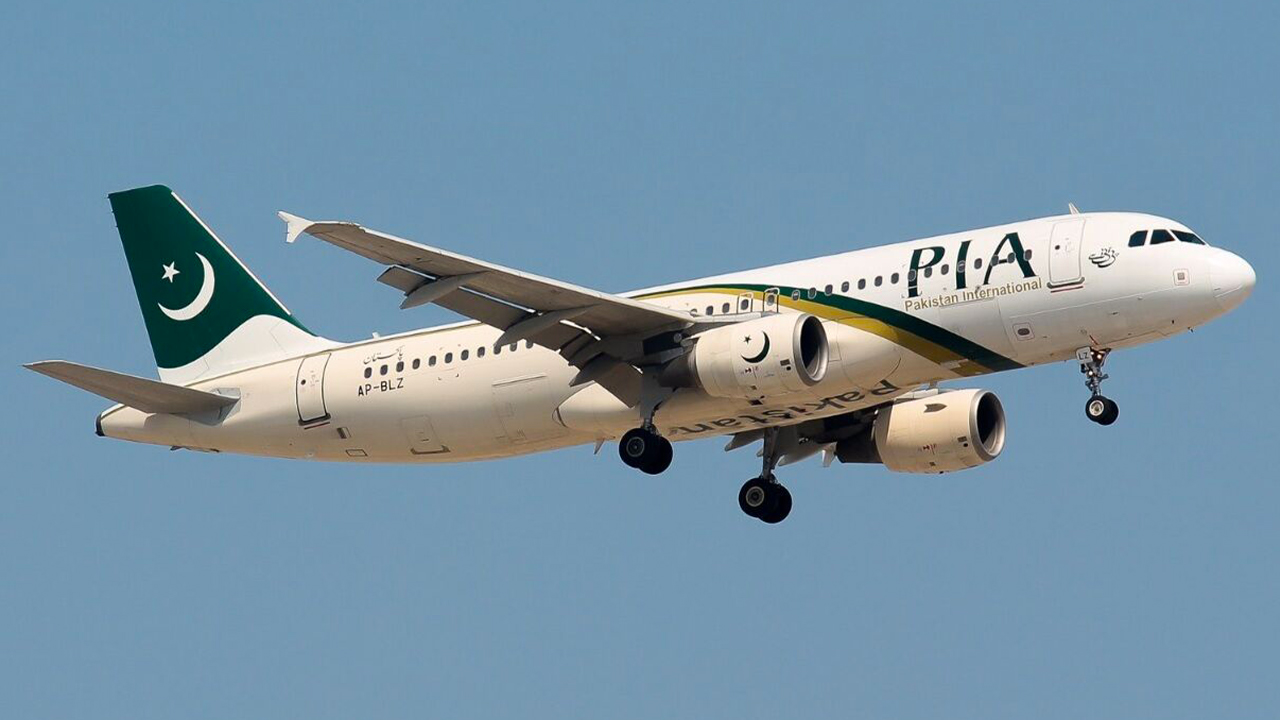
    Due to a serious lack of maintenance and repair work, numerous Boeing 777 aircraft operated by Pakistan International Airlines (PIA), the country’s national flag carrier, have experienced technical problems during international flights, according to reliable sources. 

    These technical issues within PIA’s aircraft have been steadily increasing due to the neglect of essential maintenance and repair tasks by the airline’s engineering department, as disclosed by insiders interviewed by ARY News. This unfortunate trend not only puts the safety of PIA flights at risk but also causes significant inconveniences for passengers and financial difficulties for the airline. 

    Sources have revealed that several Boeing 777 aircraft faced technical problems during flights to Saudi Arabia, resulting in substantial expenses for their repair and upkeep. In a recent incident, during the boarding process for Jeddah-Lahore flight PK-760, the auxiliary power unit (APU) exhaust malfunctioned, requiring the pilot to activate an emergency brake and initiate a fire control procedure. 

    The consequences of this incident were significant, leading to a delay of over a day for the affected flight as the aircraft had to be grounded due to the fault. Interestingly, this was the second such incident reported in a single day. Prior to this incident, another PIA plane flying from Sialkot to Jeddah experienced smog warnings within the cockpit. 

    In response to these events, the PIA spokesperson issued a statement reassuring passengers aboard the grounded plane that arrangements were being made for their prompt departure from Lahore to Jeddah. 

  • Pak Suzuki CEO reveals plan to export upgraded cars meeting WP-29 standards 

    Pak Suzuki CEO reveals plan to export upgraded cars meeting WP-29 standards 

    Hiroshi Kawamura, the Chief Executive of Pak Suzuki Motor Company Ltd. (PSMCL), recently shared insights into the company’s endeavours to enhance the export capabilities of their cars, aligning them with numerous WP-29 standards. This significant development was reported by The News on Friday. 

    During the second round of interactive meetings with key decision-makers, conducted under the Suzuki Motors banner, Kawamura underscored the transient nature of economic challenges. He reaffirmed the company’s unwavering commitment to delivering cost-effective vehicles to the ordinary citizens of Pakistan. Furthermore, he disclosed that the company was actively engaged in the development of hybrid vehicle variants. 

    In attendance at the meeting were prominent part manufacturers, and they unanimously advocated for the promotion of localization within the automotive industry while simultaneously pursuing global market expansion. In a call for collaborative efforts, Kawamura emphasised the vital need for collective action in addressing the mounting crises faced by the automotive sector, stating, “It is imperative to take stock of the escalating crisis collectively for the automotive industry. Nothing can be achieved without local partners.” 

    During the meeting, Usman Aslam Malik, Senior Vice Chairman of the Pakistan Association of Automotive Parts and Accessories Manufacturers (PAAPAM), expressed unwavering support for original equipment manufacturers (OEMs) in their endeavours to export auto components. 

    It is important to note that WP-29 standards represent a distinctive global regulatory forum operating under the auspices of the UNECE Inland Transport Committee. Three UN Agreements, adopted in 1958, 1997, and 1998, provide the legal foundation enabling contracting parties (member countries) participating in WP-29 sessions to establish regulatory frameworks governing motor vehicles and their equipment.

    These encompass UN Regulations, appended to the 1958 Agreement; United Nations Global Technical Regulations (UN GTRs), linked to the 1998 Agreement; and UN Rules, annexed to the 1997 Agreement. 

  • IMF spokesperson urges fair taxation and protection for vulnerable in Pakistan

    IMF spokesperson urges fair taxation and protection for vulnerable in Pakistan

    The International Monetary Fund (IMF) has emphasised that its $3 billion Standby Arrangement (SBA) programme with Pakistan serves as a critical policy framework. This framework addresses both domestic and international economic imbalances while also facilitating financial support from various donors, including the refinancing of outstanding debts.

    According to Geo, during a recent press conference held at the IMF headquarters in Washington, DC, Julie Kozack, the spokesperson for the global lender, fielded questions regarding the IMF’s engagement with Pakistan. These inquiries encompassed Pakistan’s request for relief and permissions within the existing agreement, specifically in relation to rising energy costs, notably electricity bills.

    In response to concerns about potential human rights implications, particularly for minority populations and the vast number of people living below the poverty line (an estimated 92 to 95 million), the IMF spokesperson emphasised that the programme received approval on July 12. It is a nine-month standby arrangement amounting to $3 billion, designed to support the economic stabilisation programme of the Pakistani government.

    The core objectives of this programme revolve around providing a policy framework to address both domestic and external economic imbalances, along with establishing a structure to secure financial support from various donors, both multilateral and bilateral. This includes securing fresh financing and addressing upcoming debt obligations.

    The IMF outlined that policy efforts are focused on implementing the fiscal year 2024 budget, formulating appropriate monetary policies to combat inflation, and continuing reforms to enhance the sustainability of the energy sector.

    These reforms are ultimately geared towards fostering higher, more inclusive, and more resilient economic growth. They also aim to bolster social development and climate resilience by strengthening public financial management, improving tax administration, and enhancing the prioritisation of public investments.

    Furthermore, these efforts are conducted in collaboration with partner institutions, not only the IMF but also the World Bank and the Asian Development Bank, underscoring a collective commitment to Pakistan’s economic stability and development.

    Kozack also highlighted IMF Managing Director Kristalina Georgieva’s strong stance on poverty and inequality. She emphasised the importance of wealthier segments of society bearing a fair tax burden, particularly in a context where Pakistan’s tax-to-GDP ratio is notably low.

    The IMF’s commitment extends to safeguarding the interests of the poor and vulnerable members of society within the programme’s framework, aligning with the goal of achieving a more equitable and inclusive society.

  • Temporary pause on 100-page passports in Pakistan, e-passports introduced

    Temporary pause on 100-page passports in Pakistan, e-passports introduced

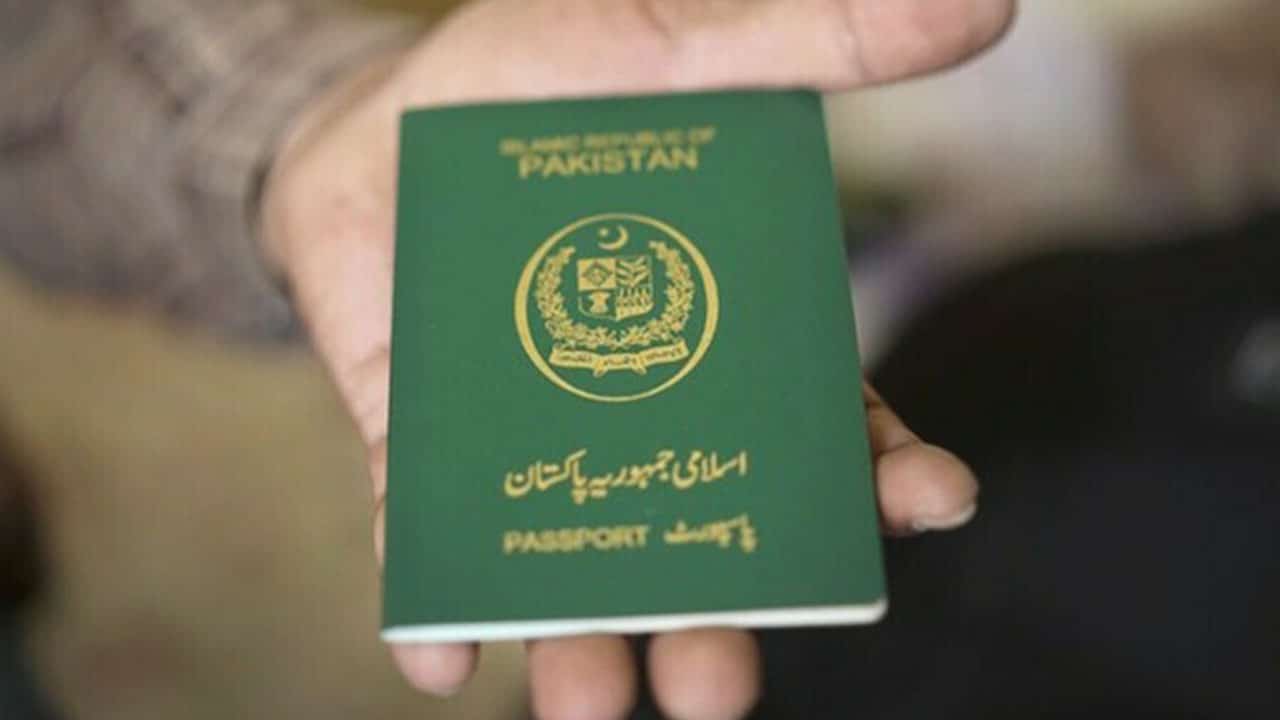
    The government of Pakistan has ceased the issuance of 100-page passports, a decision confirmed by the passport office. This change, while causing temporary inconvenience, was announced in a statement by the passport office, which expressed its regret for any disruption.

    Previously, the Directorate General of Immigration and Passports, operating under the Ministry of Interior, initiated the issuance of e-passports from passport offices nationwide, following Islamabad’s lead. In June, the federal government introduced these electronic passports.

    As outlined by the Directorate General of Immigration and Passports, the fee for a 36-page passport, valid for 5 years, is set at Rs9,000, with an urgent e-passport available for Rs15,000.

    For a 72-page e-passport, the standard fee is Rs16,500, and the urgent fee is Rs27,000. A 36-page passport, valid for 10 years, will cost Rs13,500 under normal processing, while the urgent fee is Rs22,500.

    For a 72-page passport valid for 10 years, the regular fee is Rs24,750, and the urgent fee is Rs40,500. These new fee structures went into effect on August 16, while the fees for standard passports remain unchanged.

  • No extension for tax return deadline, only commissioner-requested extensions accepted

    The Federal Board of Revenue (FBR) has officially announced that the deadline for income tax return submissions remains unchanged, concluding on September 30.

    However, individuals may request an extension of up to 15 days by submitting an application to their respective commissioner.

    FBR officials report that over 1.7 million tax returns have already been filed, with expectations of the total reaching over Rs2 million by the September 30 deadline.

    More to follow..

  • Pakistan’s forex reserves decline by $59 million to $7.64 billion due to debt payments

    Pakistan’s forex reserves decline by $59 million to $7.64 billion due to debt payments

    The State Bank of Pakistan (SBP) reported a weekly decrease in foreign exchange reserves, with a decline of $59 million, bringing the total to $7.64 billion as of September 22, according to data released on Thursday.

    The overall liquid foreign reserves of the country amounted to $13.16 billion, with commercial banks holding net foreign reserves of $5.52 billion.

    The central bank attributed this reduction in reserves to debt repayments, stating, “During the week ending on September 22, 2023, SBP’s reserves decreased by $59 million to $7,636.7 million due to debt repayments.”

    Notably, Pakistan’s central bank reserves had increased by $56 million the previous week, following four consecutive weeks of decline, during which SBP reserves had dwindled by a cumulative total of $416 million.

    In July, SBP’s reserves received a boost when Pakistan received approximately $1.2 billion as the first tranche from the International Monetary Fund (IMF), following approval of a new $3-billion stand-by arrangement. Additionally, inflows from Saudi Arabia and the UAE contributed to the increase.

    Despite these positive developments, the central bank’s reserves have come under pressure due to ongoing debt repayments, increased import payments following the easing of restrictions, and a lack of fresh inflows.