Category: Business

  • We’re not shocked: Salaried class pays 200% more tax than exporters, retailers

    We’re not shocked: Salaried class pays 200% more tax than exporters, retailers

    In the fiscal year 2022-23, Pakistan’s salaried class emerged as the leading contributor to the nation’s income tax, making a substantial contribution of Rs264.3 billion. Astonishingly, this amount was nearly 200 per cent higher than the combined income tax paid by the country’s exporters and largely undertaxed retailers.

    Data collected and released by the Federal Board of Revenue (FBR) unveiled that salaried individuals paid a total of Rs264.3 billion in taxes during the fiscal year, marking an impressive increase of over Rs75 billion or 40 per cent compared to the previous year. This rise was attributed to the imposition of up to a 35 per cent tax rate on their earnings.

    Ranked as the fourth-largest contributor to withholding taxes, following contractors, bank depositors, and importers, the salaried class has faced increased taxation in the latest budget. Despite grappling with this added burden alongside historically high inflation rates, the government once again raised taxes on salaried individuals earning more than Rs200,000 per month in the recent budget. In a surprising move, around 5,000 retailers were relieved from stricter registration conditions.

    It is noteworthy that during the preceding fiscal year, the FBR managed to collect over Rs2 trillion through withholding taxes, accounting for 61 per cent of the total income tax generated in the same period. However, concerns were raised over the ease of collecting withholding taxes, especially from non-filers at double rates, which has become a reliable revenue source for the FBR.

    The Salaried Class Alliance expressed apprehension over the prioritisation of additional taxation on existing taxpayers while allowing the informal sector to thrive. The highest income tax collections came from contractors, savings account holders, importers, salaried individuals, non-filers’ electricity bills, telephone & mobile phone users, and dividend income. According to Express Tribune, other significant contributors included taxes on property transactions, exports, foreign income fees, brokerage commissions, and car registrations.

    Comparatively, provisional figures revealed that exporters and retailers combined paid Rs175 billion less in taxes compared to the salaried class. Despite earning $27.7 billion during the last fiscal year, exporters contributed only Rs74 billion in taxes. Although their tax contribution increased by 17.4 per cent from the previous year, it did not match the rise in their income in rupee terms. Retailers, subject to a 0.5 per cent advance tax on sales, contributed a mere Rs15.6 billion, reflecting the lowest contribution among income groups. Surprisingly, despite accounting for approximately 19 per cent of the economy, retailers and wholesalers only contributed 0.4 per cent to the total income tax collection.

    The approach of the International Monetary Fund (IMF) came under criticism for disproportionately burdening the salaried class, which lacks representation in the corridors of power, unlike exporters and retailers.

    Lastly, tax collection from contractors and service providers reached an impressive Rs391 billion in the last fiscal year, marking the largest single-income tax collection head over which the FBR has no control. Additionally, profits on debt witnessed a remarkable 106 per cent increase, amounting to Rs320 billion, reflecting higher interest rates and increased savings. Importers also contributed significantly, paying Rs290 billion in income tax on various types of imports, ranking as the third-largest contributor to withholding taxes.

  • FBR freezes PIA’s bank accounts for not paying Rs2.8 billion in taxes

    FBR freezes PIA’s bank accounts for not paying Rs2.8 billion in taxes

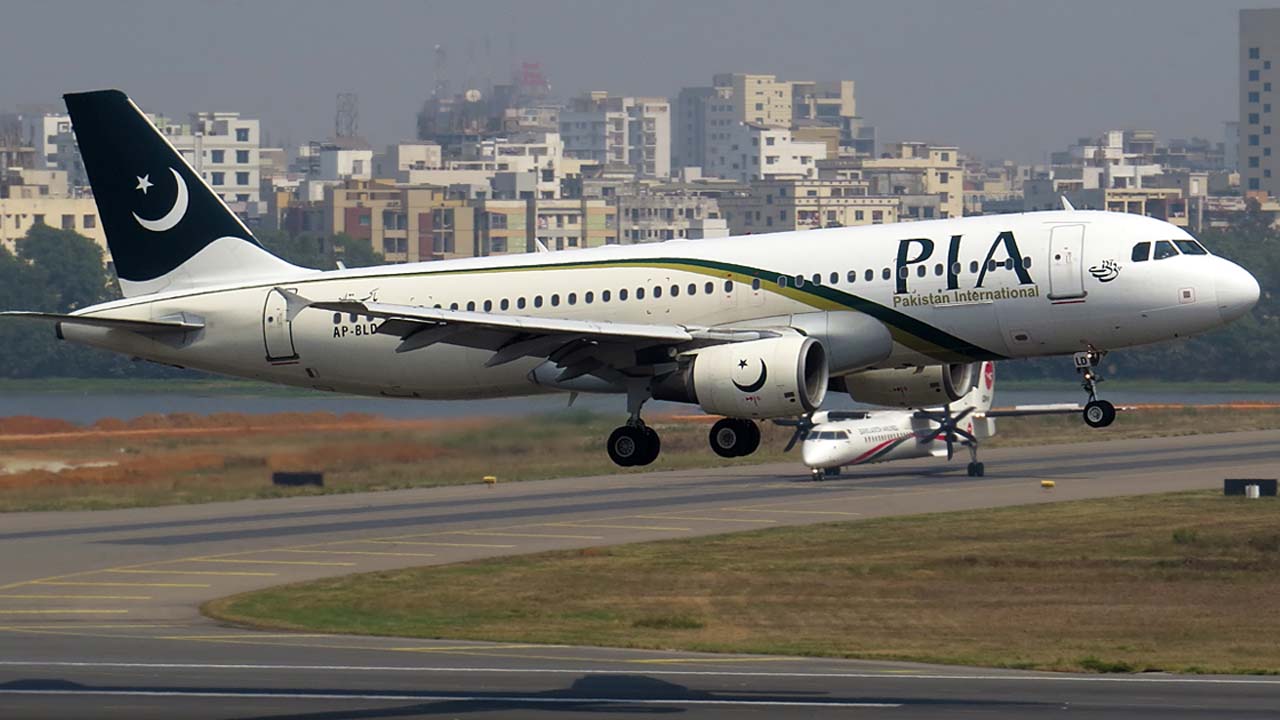
    Pakistan International Airlines (PIA), the national flag carrier, has found itself embroiled in a tax dispute as the Federal Board of Revenue (FBR) took the drastic step of freezing the airline’s bank accounts. This move comes at a critical time when the government has shifted the burden of revenue generation onto the general public, leading to growing concerns about the fairness of the taxation system.

    According to the FBR, PIA owes approximately Rs2.8 billion in taxes. However, the airline disputes this figure, claiming that the amount owed stands around Rs1.3 billion. A PIA spokesperson confirmed the ongoing communication between the airline’s management and the FBR, expressing hope that the bank accounts would be unblocked in the near future.

    Despite the harsh measure taken by the FBR, the PIA spokesperson reassured the public that the airline’s flight operations and other activities were continuing to function smoothly.

    The situation with PIA not paying taxes raises questions about the government’s tax collection policies. A recent report from the Finance Division revealed that government expenditure was on the rise in FY23, largely due to increased revenue collection through non-tax measures and indirect taxes. This indicates a failure to effectively broaden the tax base and implement direct taxation for various sectors.

    Critics argue that the government’s approach seems to focus on imposing indirect taxes on the masses, while offering some protection to the wealthier classes, even amid the current financial crunch. The freezing of PIA’s bank accounts further reinforces this perception, leaving the public questioning the fairness of the taxation system.

    Meanwhile, the report also highlighted that the government’s interest rate hikes policy is facing opposition, particularly from the business community. The State Bank of Pakistan has been unwilling to reverse the rate hikes, despite continuous protests and grave consequences faced by the public.

    As the PIA tax dispute continues, the government is under pressure to address the broader issues surrounding taxation and revenue generation to create a more equitable and sustainable financial framework.

  • FBR hikes motor vehicle tax by 200% for non-filers

    FBR hikes motor vehicle tax by 200% for non-filers

    The Federal Board of Revenue (FBR) has implemented significant changes to the tax structure for motor vehicles in an effort to boost government revenue and encourage tax compliance. The new regulations apply to both Active Taxpayers List (ATL) filers and non-filers.

    For individuals not on the ATL, the tax rates on motor vehicles have been increased by a substantial 200 per cent. This means that non-filers will now be subject to fixed tax rates of 18 per cent, 24 per cent, and 30 per cent, based on the engine capacity of their vehicles, specifically 2001cc to 2500cc, 2501cc to 3000cc, and above 3000cc, respectively.

    On the other hand, ATL filers will experience a different taxation structure. Instead of fixed tax amounts, they will be required to pay tax at a rate of 6 per cent, 8 per cent, and 10 per cent, depending on the engine capacity of their motor vehicles, namely 2001cc to 2500cc, 2501cc to 3000cc, and above 3000cc, respectively.

    In cases where the engine capacity is not applicable, and the value of the vehicle exceeds Rs5,000,000, the tax rate will be 3 per cent of the import value (including customs duty, sales tax, and federal excise duty for imported vehicles, and invoice value for locally manufactured or assembled vehicles).

    It is worth noting that certain exemptions have been made. Pakistan’s government agencies and foreign diplomats will not be subject to these revised tax rates.

    Furthermore, the circular introduced tax implications for bank withdrawals based on the withdrawn amount. Non-ATL filers will be taxed Rs303 for withdrawals of Rs50,500 and taxed Rs450 for withdrawals ranging from Rs55,000 to Rs75,000.

    Additionally, to curb unnecessary foreign exchange outflows via credit/debit card transactions, the withholding tax rates for ATL persons have been increased from 1 per cent to 5 per cent, while non-ATL persons will face a higher rate of 10 per cent, up from the previous 2 per cent.

    These adjustments in the tax policy aim to strengthen the country’s revenue generation while encouraging citizens to become active taxpayers.

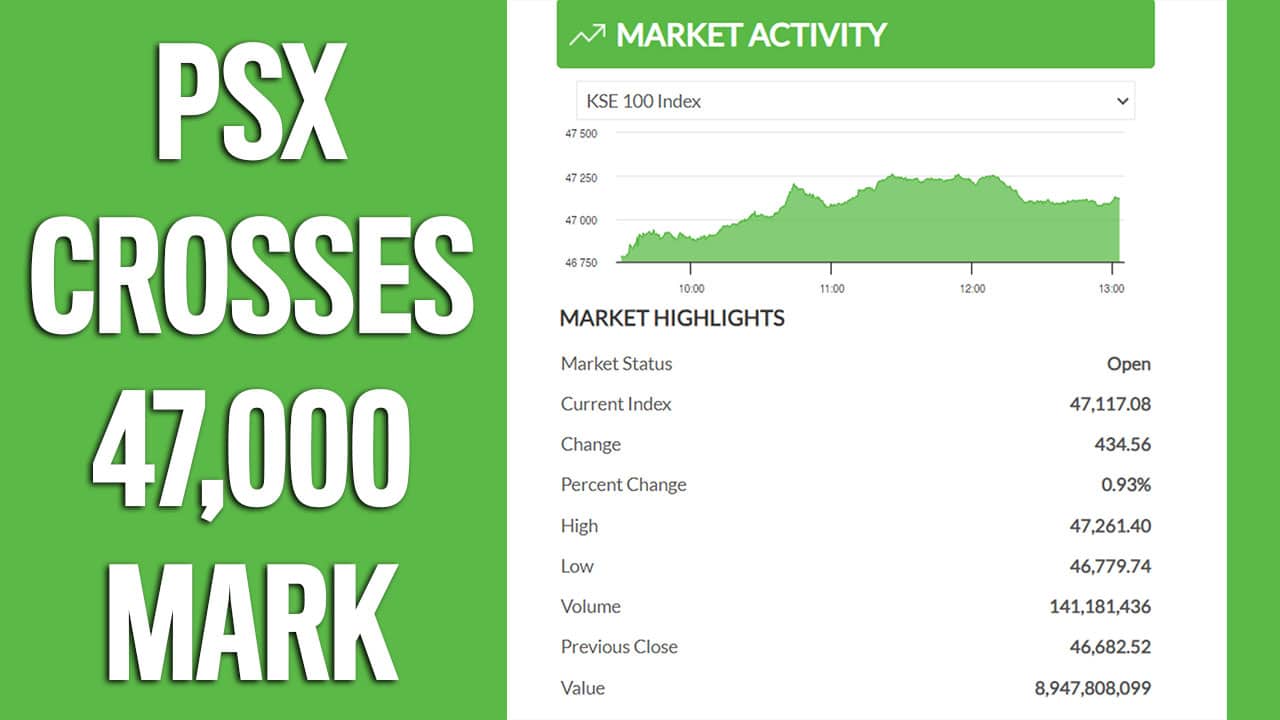
  • Pakistan Stock Exchange surges to 21-month high as KSE-100 index crosses 47,000 mark

    Pakistan Stock Exchange surges to 21-month high as KSE-100 index crosses 47,000 mark

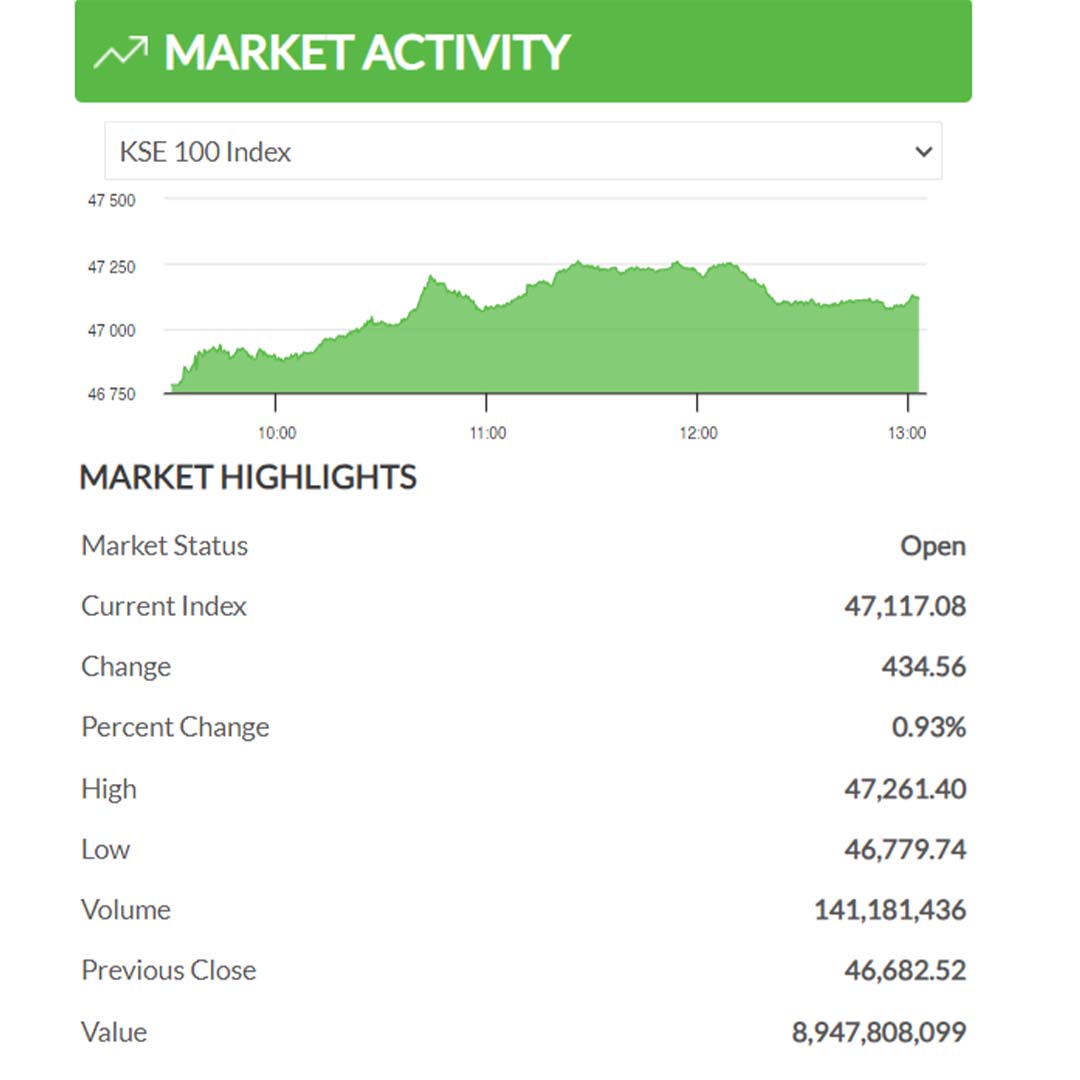
    The Pakistan Stock Exchange witnessed a significant surge as the benchmark KSE-100 index surpassed the 47,000 milestone on Thursday, reaching its highest point in 21 months. This remarkable upswing was fueled by positive market sentiment following the recent International Monetary Fund (IMF) deal.

    Notably, the bullish position was further fortified by impressive corporate performance, particularly within the index-heavy sectors. At 12:10 pm, the benchmark index surged by 560 points, settling at 47,242.9 points, marking its peak since November 8, 2021, as reported by Arif Habib Limited (AHL), a prominent brokerage firm.

    AHL emphasized that the market had recorded a noteworthy gain of 5,751 points (13.9 per cent) since the staff-level agreement with the IMF for the $3 billion Standby Agreement (SBA).

    This positive momentum was attributed to increased valuations after securing the IMF SBA facility, as explained by Tahir Abbas, AHL’s Head of Research, in an interview with Geo.tv. He highlighted that the current Price-Earnings Ratio (PER) of the KSE-100 stands at 3.7x, which is relatively lower compared to the lowest recorded during the previous financial crisis in 2008 (3.9x).

    Abbas asserted that the market remains attractive, and as a result, the positive momentum is expected to continue. Analyst Saad Ali, an expert in the capital market, attributed the market’s favorable performance to the combination of IMF optimism and the outlook for enhanced macro stability, which has been complemented by strong corporate results during the present result season. Despite facing challenging macroeconomic conditions, several banks and companies have managed to surpass expectations in terms of earnings and payouts.

    Last month, Pakistan signed a short-term deal with the IMF, a crucial step that helped the country avert a potential default and bolster its foreign exchange reserves. This move has played a pivotal role in supporting the current bullish trend in the stock market.

    In conclusion, with the positive impact of the IMF deal and encouraging corporate results, the Pakistan Stock Exchange’s benchmark KSE-100 index has achieved substantial growth, positioning itself at a 21-month high. The market outlook remains promising, and experts predict further gains ahead.

  • Gold price drops by Rs2,000 per tola as Pakistani rupee gains ground against US dollar

    Gold price drops by Rs2,000 per tola as Pakistani rupee gains ground against US dollar

    The gold price in Pakistan experienced a significant decline of more than Rs2,000 per tola following the appreciation of the local currency against the US dollar in the interbank market.

    According to the data released by the All-Pakistan Sarafa Gems and Jewellers Association (APSGJA) on Wednesday, the price of 24-carat gold witnessed a decrease of Rs2,400 per tola and Rs2,058 per 10 grammes, settling at Rs222,100 and Rs190,415, respectively.

    Conversely, the international market recorded a $12 increase in the price of gold, bringing it to $1,972.

    The fluctuating gold rate in Pakistan can be attributed to ongoing political and economic uncertainties and high inflation, prompting individuals to seek gold as a safe investment and hedge during such times.

    As per the data provided by the association, the price of silver remained constant at Rs2,750 per tola and Rs2,357.68 per 10 grammes.

    In parallel, the local currency demonstrated a positive trend against the US dollar in the interbank market today, appreciating by Rs1.48 or 0.52 per cent. The State Bank of Pakistan (SBP) reported that the rupee closed at Rs287.04 against the dollar.

  • Pakistan’s inflation forecasted to remain between 25-27% for July, says Finance Ministry

    Pakistan’s inflation forecasted to remain between 25-27% for July, says Finance Ministry

    The Ministry of Finance anticipates a decline in inflation for the month of July compared to the previous month, with expectations of it remaining within the range of 25-27 per cent. The ministry’s ‘Monthly Economic Update & Outlook’ for July attributes this anticipated decrease to the recent reduction in administered prices of petrol and diesel, which is expected to lower domestic prices of essential goods by impacting transportation costs.

    The headline inflation in Pakistan slowed to 29.4 per cent in June, marking the lowest reading since January. The report explains that the recent decline in international commodity prices is likely to counteract the inflationary pressures caused by domestic supply shocks. Notably, the benchmark index of international food commodity prices experienced a downturn in June 2023, primarily driven by price decreases in major cereals and various vegetable oils.

    The government’s timely efforts to boost the agriculture sector through the Kisan Package are expected to result in a better crop outlook and smoother domestic supplies. Additionally, anticipated political stability and a stable exchange rate are deemed as factors that would contribute to achieving price stability.

    Regarding the fiscal outlook, the Ministry of Finance expects both exports and imports to gradually increase in the upcoming months of FY2024. Despite other factors, the report projects that the current account deficit will remain sustainable during this period.

    To enhance revenue collection in FY2024, the government has unveiled a comprehensive strategy for all sectors of the economy, aiming to revive economic growth and foster a higher inclusive and sustainable growth trajectory. Various administrative and policy measures have been introduced to increase tax collection, while the State Bank of Pakistan’s withdrawal of import restrictions is expected to stimulate demand and support revenue improvement.

    The report acknowledges the success of the government in ensuring the sustainability of the external and fiscal sectors during FY2023, achieved through the implementation of tough decisions and stabilisation measures. Looking ahead to FY2024, the government aims to achieve higher economic growth of 3.5 per cent through measures such as the Kisan package, industrial support, export promotion, encouragement of the IT sector, and resource mobilisation.

    In conclusion, the Ministry of Finance emphasises that prudent and effective economic decisions, political and economic certainty, and the continuation of friendly economic policies, along with sufficient foreign exchange financing, will be crucial to attaining higher and sustainable economic growth. The recent approval of the Stand-By Arrangement by the International Monetary Fund and other bilateral and multilateral inflows are expected to further improve the macroeconomic environment and enhance the confidence of economic agents.

  • Oil and Gas Regulatory Authority implements Rs10 per kg hike in LPG prices

    Oil and Gas Regulatory Authority implements Rs10 per kg hike in LPG prices

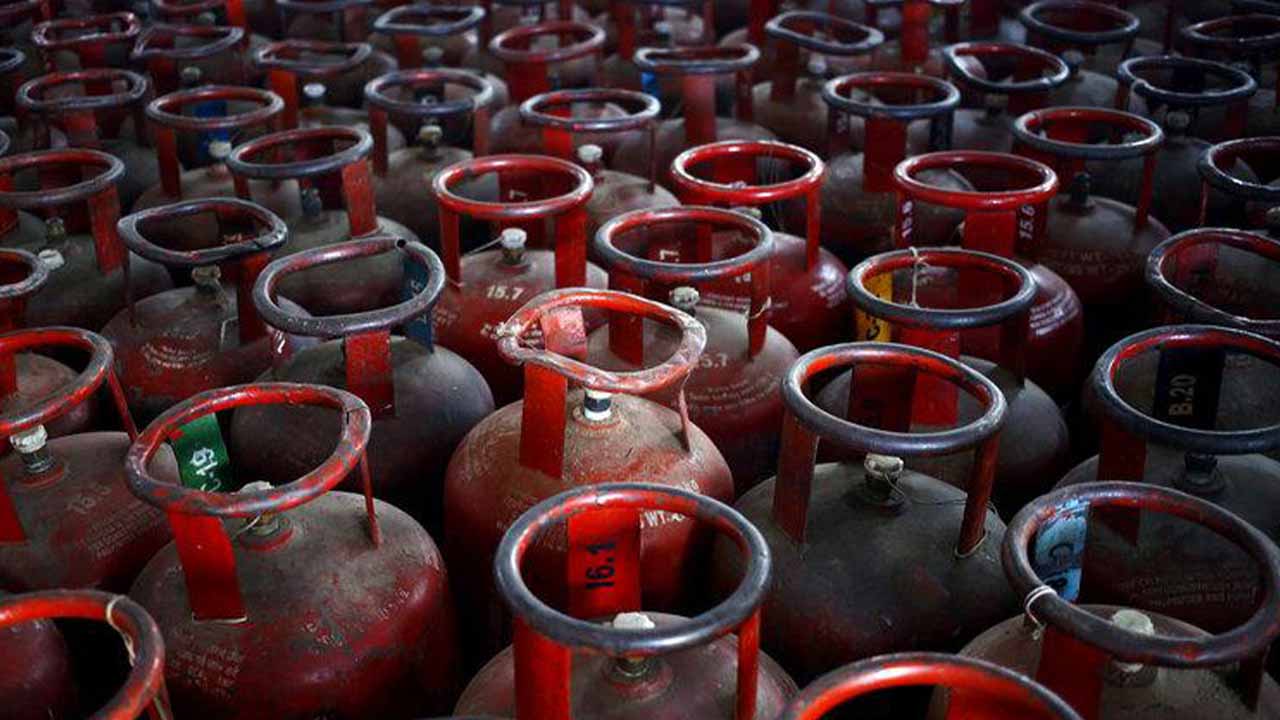
    The Oil and Gas Regulatory Authority (OGRA) has announced a revision in the prices of liquefied petroleum gas (LPG), raising it by Rs10 per kilogramme. As per the notification, the new price for LPG will be Rs240 per kilogramme.

    Additionally, the domestic cylinder rate will be increased to Rs2,830, while the commercial cylinder prices will soar to Rs10,900.

    In remote and mountainous regions, the LPG price will be set at Rs370 per kg, with the home LPG cylinder costing Rs4,130.

    The Chairman of the LPG Association, Irfan Khokar, expressed his concern over the government and OGRA’s lack of action against the illegal sale of LPG across the country.

    Furthermore, LPG sellers have called for a countrywide strike to protest against the high prices of the commodity.

    According to reports, LPG is not being sold anywhere in the country at the fixed official price due to black marketeering.

  • PKR to USD: Pakistani rupee drops to Rs288.52 against US dollar

    PKR to USD: Pakistani rupee drops to Rs288.52 against US dollar

    The Pakistani rupee continued its downward trend for the eighth consecutive session, experiencing a depreciation of 0.21 per cent against the US dollar on Tuesday. According to the State Bank of Pakistan (SBP), the rupee closed at Rs288.52, marking a decrease of Re0.6.

    Over the past eight trading sessions, the currency has lost nearly 4.2 per cent or Rs12.02 against the US dollar. On the previous day, Monday, the rupee also suffered losses against the US dollar for the seventh successive session, depreciating 0.39 per cent and settling at 287.92 in the inter-bank market.

    In a significant development, the National Electric Power Regulatory Authority (NEPRA) approved an increase in the basic electricity tariff by Rs7.5 per unit from July 1, 2023, across the country. The chairman’s remarks indicated that this decision was influenced by the election year, and political choices were being made to alleviate the burden on 68 per cent protected consumers.

    On the international front, the US dollar gained strength ahead of three major central bank meetings scheduled for the week. Meanwhile, the euro faced challenges, hitting a two-week low on Tuesday due to a deteriorating economic situation in the eurozone, which complicated the bloc’s interest rate outlook despite the European Central Bank’s (ECB) hawkish stance.

  • Cabinet Committee grants approval for UAE to build cargo terminal at Karachi Port

    Cabinet Committee grants approval for UAE to build cargo terminal at Karachi Port

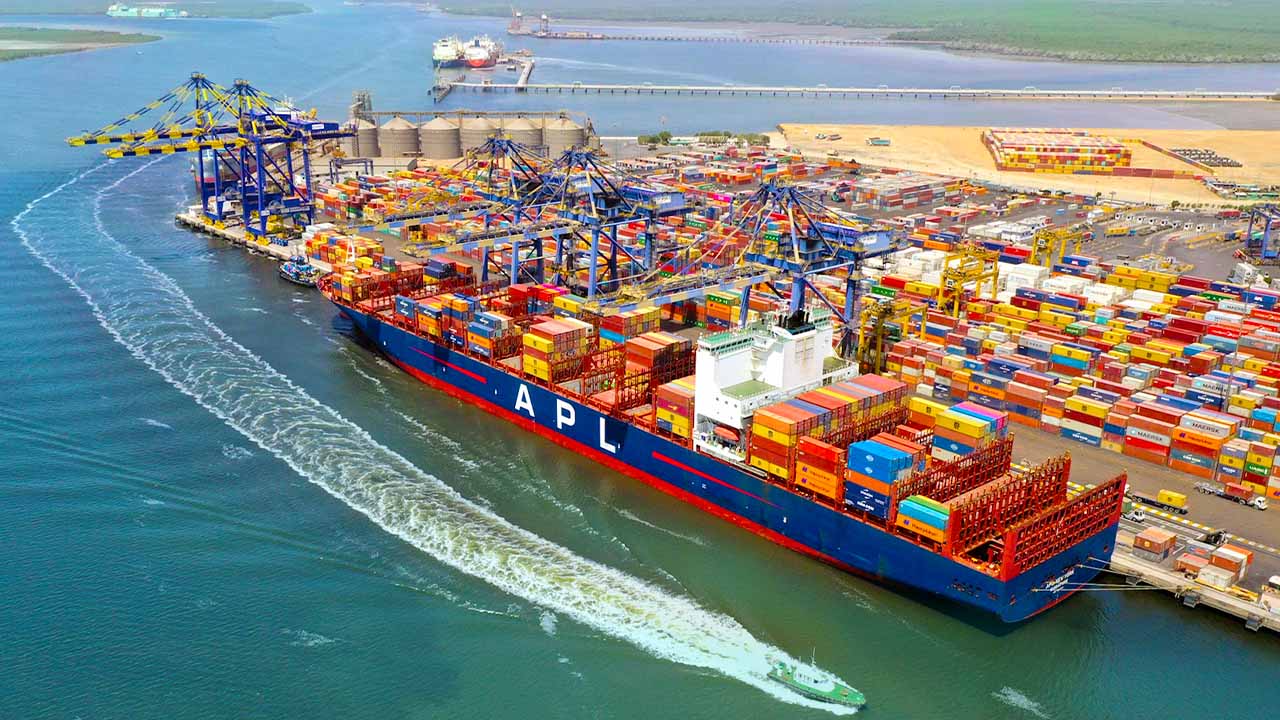
    The Cabinet Committee on Inter-Governmental Commercial Transactions has granted approval for the proposed collaboration between Pakistan and the United Arab Emirates (UAE) aimed at establishing a bulk and general cargo terminal at East Wharf, Karachi Port.

    Before the agreement is finalised, it will undergo ratification by the federal cabinet, following which the governments of Pakistan and UAE will officially sign it. The draft agreement, which has been endorsed by the cabinet committee, encompasses various essential aspects.

    These include the terms and conditions of the agreement, the cost estimation for the terminal’s reconstruction, the terminal’s expected lifespan, its maximum cargo handling capacity, the dimensions of the quality wall, royalty details, land rent per square meter in the bonded areas, storage charges, dock labour charges, upfront payment arrangements (adjustable and non-adjustable), as well as the quantum and type of investment involved.

    The Cabinet Committee on Inter-Governmental Commercial Transactions meeting, where the draft agreement received approval, was chaired by Finance Minister Senator Mohammad Ishaq Dar on Monday.

    The committee’s decision was based on a summary presented by the Ministry of Maritime Affairs, which outlined the proposed government-to-government agreement between UAE and Pakistan for fostering cooperation in the development of the bulk and general cargo terminal at Karachi Port’s East Wharf. The agreement operates under the framework of the Inter-Governmental Commercial Transaction Act 2022, as indicated by the Ministry of Finance.

  • US dollar surges against Pakistani rupee for eighth consecutive day in interbank market

    US dollar surges against Pakistani rupee for eighth consecutive day in interbank market

    The US dollar has been steadily appreciating against the Pakistani rupee for eight consecutive days, showing a continued upward trend in its value. On Tuesday, the currency further strengthened in the interbank market.

    At the start of the daily trading session in the interbank market, the American currency gained Rs1.8, reaching a value of Rs289 against the local currency. Over the course of the last eight days, the US dollar has gained Rs12.50 against the rupee in the interbank market.

    Interestingly, on Monday, despite receiving financial support from the International Monetary Fund (IMF) and other friendly countries, the Pakistani rupee depreciated even further against the US dollar.

    According to the State Bank of Pakistan (SBP), the dollar’s rate increased by Rs1.1 on Monday, with a closing rate of Rs287.92. In comparison, it had closed at Rs286.81 on Friday, showing a 0.39 per cent decline in the value of the rupee against the US dollar.