Category: Business

  • Petroleum dealers’ strike averted: Govt approves Rs1.64 per litre profit margin increase

    Petroleum dealers’ strike averted: Govt approves Rs1.64 per litre profit margin increase

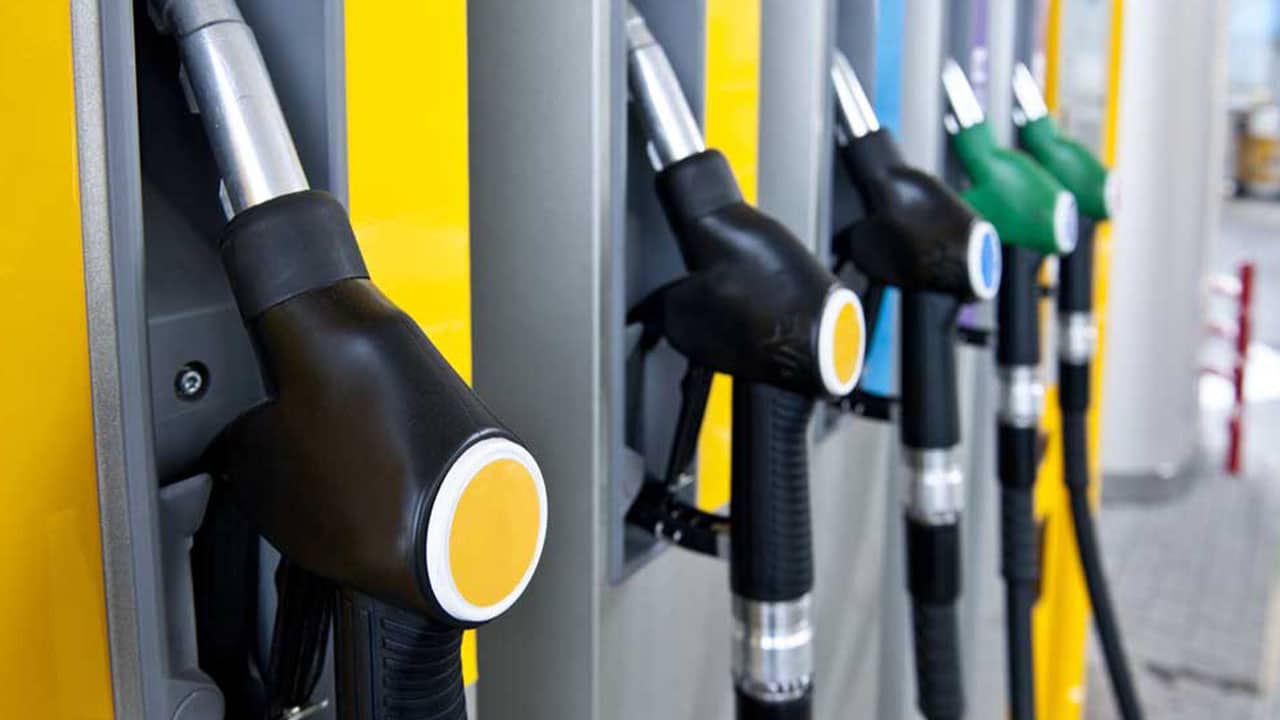
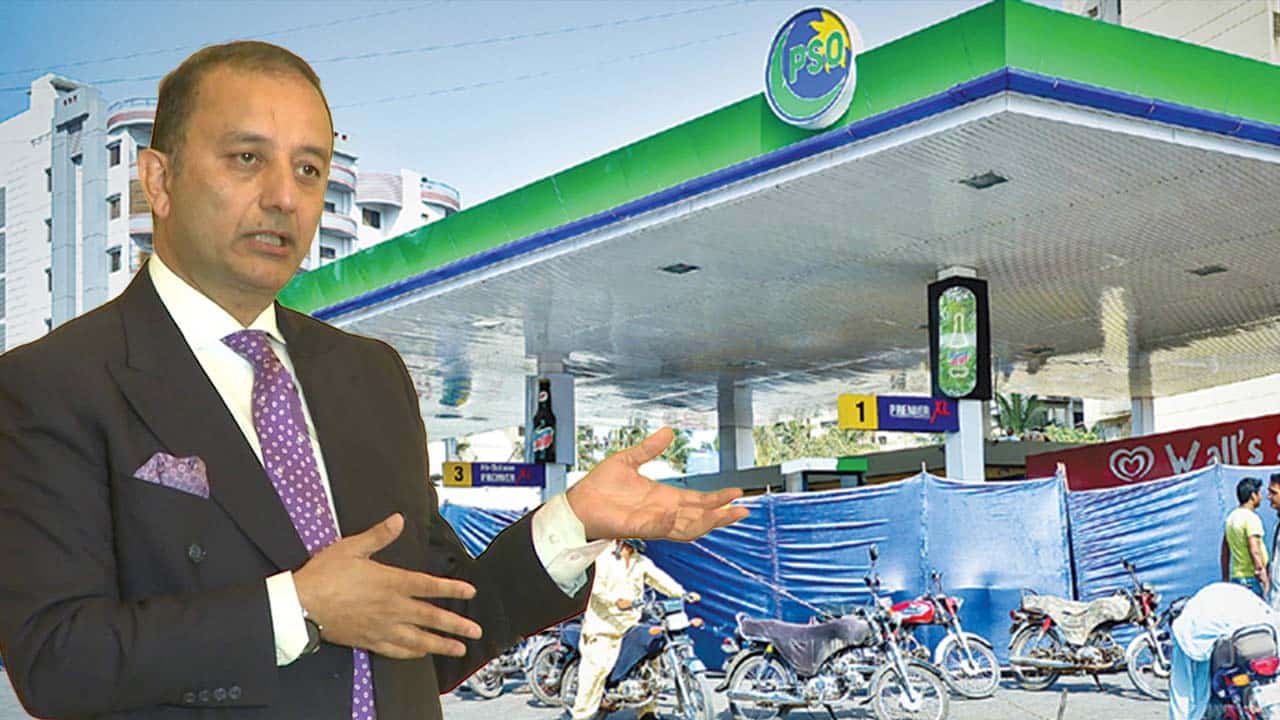
    The government has successfully reached an agreement with the Pakistan Petroleum Dealers Association (PPDA) to avert the strike they had threatened last week. After extensive negotiations, the government agreed to increase the profit margin on petroleum products for dealers by Rs1.64 per litre.

    Chairman of the PPDA, Abdul Sami Khan, made the announcement regarding the deal. Initially, the government had proposed a lower increase of Rs1.64 per litre, but the dealers, who had originally sought a higher increase of Rs5 per litre, resisted, deeming it insufficient to cover their rising business costs. Eventually, they accepted the government’s offer.

    The new profit margin for dealers will be implemented in four phases. Every fortnight, it will be raised by Rs0.41 per litre, culminating in a full raise of Rs1.6 per litre within two months. This will bring the dealers’ margin to Rs7.6 per litre, up from the current Rs6 per litre.

    The decision to strike was initially announced by the PPDA in response to the ongoing inflation crisis. The association stated that increasing interest rates and inflation had severely impacted their businesses and demanded a raise in the dealership margin to cope with the challenges they were facing. They also pointed out a decline in sales by 30%, partly due to the smuggling of Iranian fuel into the country.

    Read more: Petroleum dealers and Minister set to meet today to resolve profit margin dispute

    However, the strike was deferred for two days after the PPDA members engaged in discussions with the State Minister for Petroleum, Musadik Malik. The minister’s visit to Karachi was aimed at convincing the PPDA to call off the nationwide strike.

    In summary, following negotiations with the government, the Pakistan Petroleum Dealers Association has agreed to suspend their planned strike, and the government will increase their profit margin on petroleum products in a phased manner over the next two months.
  • Steel prices surge to record high in Pakistan, posing a major challenge for construction sector

    Steel prices surge to record high in Pakistan, posing a major challenge for construction sector

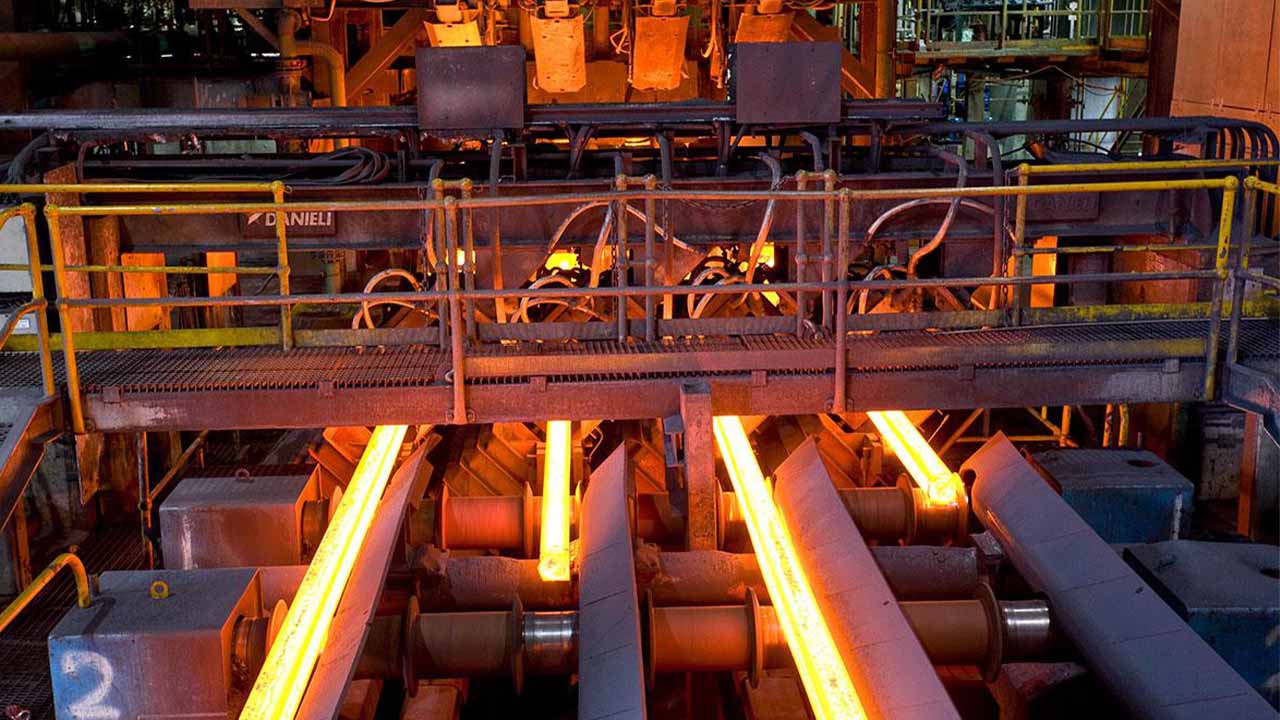
    The construction industry in Pakistan is currently grappling with a formidable challenge as the price of steel, its primary raw material, reaches an unprecedented high. On Monday, leading steel rebars producers announced a substantial increase of Rs5,000 per metric ton, attributing it to a scarcity of raw materials and a significant surge in the basic power tariff.

    According to Samaa, this decision to raise steel prices has sparked concern throughout the construction sector, as the cost of steel now stands at a staggering Rs260,000 per metric ton. Such a sharp escalation in costs has understandably raised eyebrows and placed industry players under mounting pressure to navigate these burgeoning challenges.

    Adding to the predicament is the recent increase in electricity tariffs, further exacerbating the situation and intensifying the strain on steel manufacturers as they grapple with soaring production costs.

    As a result, the construction industry finds itself confronting a multifaceted burden due to the surge in steel prices, impacting various aspects of their operations.

  • Petroleum dealers and Minister set to meet today to resolve profit margin dispute

    Petroleum dealers and Minister set to meet today to resolve profit margin dispute

    According to media reports, the Petroleum dealers are scheduled to hold a meeting today with Minister of State for Petroleum, Musadik Malik, in an effort to reach an agreement on increasing profit margins.

    In response to their demands, the Petroleum dealers have been engaged in protests and have issued threats of a countrywide shutdown of stations if their requests are not met.

    However, following a meeting between officials of the Pakistan Petroleum Dealers Association (PPDA) and the Minister on Friday, the strike has been temporarily postponed, pending a resolution regarding the increment of the dealers’ profit margin.

    A spokesperson from the PPDA clarified that no petrol stations will be closed until after the meeting, and any further course of action will be determined based on the outcome of the meeting.

    Currently, the profit margin for dealers stands at 2.4 per cent or Rs6 per liter, and they are seeking a revision to 5 per cent, which amounts to nearly double the current margin.

    According to Mettis Global, the PPDA Chairman, Abdul Sami Khan, pointed out that the consumer price index has escalated by 38 per cent, while electricity and other utility rates have also spiked, primarily due to the increase in the Kibor rate.

    He further highlighted that a decision was made in 1999, stating that dealers would receive a 5 per cent margin on oil products. However, the government fixed the margin at Rs6 per liter, resulting in a mere 2.4 per cent profit for dealers, which has left them dissatisfied.

  • Osaka: Powering Pakistan’s Future as the Leading Battery Brand

    Osaka: Powering Pakistan’s Future as the Leading Battery Brand

    In the world of batteries, Osaka stands tall as the largest battery manufacturer in Pakistan, boasting a sprawling manufacturing plant spread over 35 acres of land. This distinction alone speaks volumes about the brand’s dominance in the market. But what sets Osaka apart and positions it as the leading battery brand in Pakistan?

    Let’s explore the superiority points that make Osaka shine.

    Osaka manufactures batteries for both industrial and residential usage, catering to a wide range of customer needs. Whether it’s powering heavy machinery in factories or providing reliable energy storage for homes, Osaka has established itself as a trusted provider of high-quality batteries.

    Not only does Osaka excel in the domestic market, but it has also earned the reputation of being Pakistan’s leading battery exporter. With a presence in over 20 countries across South East Asia, the Far East, Middle East, and Africa, Osaka has successfully captured international markets, showcasing its commitment to global excellence.

    To ensure the highest quality and reliability, Osaka adheres to international product standards such as the Japanese Industrial Standards (JIS), Deutsches Institute Fur Normung (DIN), and the International Electro-technical Commission (IEC).

    This compliance not only demonstrates Osaka’s dedication to delivering top-notch products but also assures customers of their superior quality and performance. Additionally, Osaka proudly meets the standards set by the Pakistan Standard Quality Control Authority (PSQCA), further solidifying its commitment to excellence within the domestic market.

    The accolades garnered by Osaka speak volumes about its commitment to industrial standards and marketing excellence. The brand has been honored with numerous prestigious awards, further cementing its position as an industry leader in Pakistan.

    One of Osaka’s significant strengths lies in its extensive dealer network, which is the largest in Pakistan. With nine regional offices and customer care centers spanning the nation, as well as over 600 mega clients and countless sub-dealers, Osaka ensures easy access to its products and efficient customer support services. This expansive network showcases the brand’s dedication to serving customers nationwide, solidifying its position as a market leader.

    In addition to their battery manufacturing prowess, Osaka also pioneers cost-effective and sustainable solar energy solutions. Their recently launched #SoorajBabaReturns campaign highlights the transformative impact of their solar batteries on small businesses and communities. Real-life success stories of entrepreneurs, including fruit sellers, salon owners, tailors, and farmers, demonstrate how Osaka’s solar energy solutions have propelled their businesses to new heights of growth and profitability. The campaign also emphasizes how middle-class families have escaped the burden of high electricity bills, embracing luxuries like air conditioners with newfound freedom.

    As the battery industry experiences rapid growth driven by increasing demands, Osaka aims to meet this demand head-on. The brand is committed to setting new industry standards, playing a prominent role in the economic growth of Pakistan, and ensuring a sustainable and prosperous future for the nation.

    With its expansive manufacturing capabilities, adherence to international standards, industry accolades, nationwide dealer network, and commitment to sustainable energy solutions, Osaka continues to power Pakistan’s future as the leading battery brand.

  • Major corruption exposed: Helicopter parts worth Rs7 billion illegally cleared under investigation

    Major corruption exposed: Helicopter parts worth Rs7 billion illegally cleared under investigation

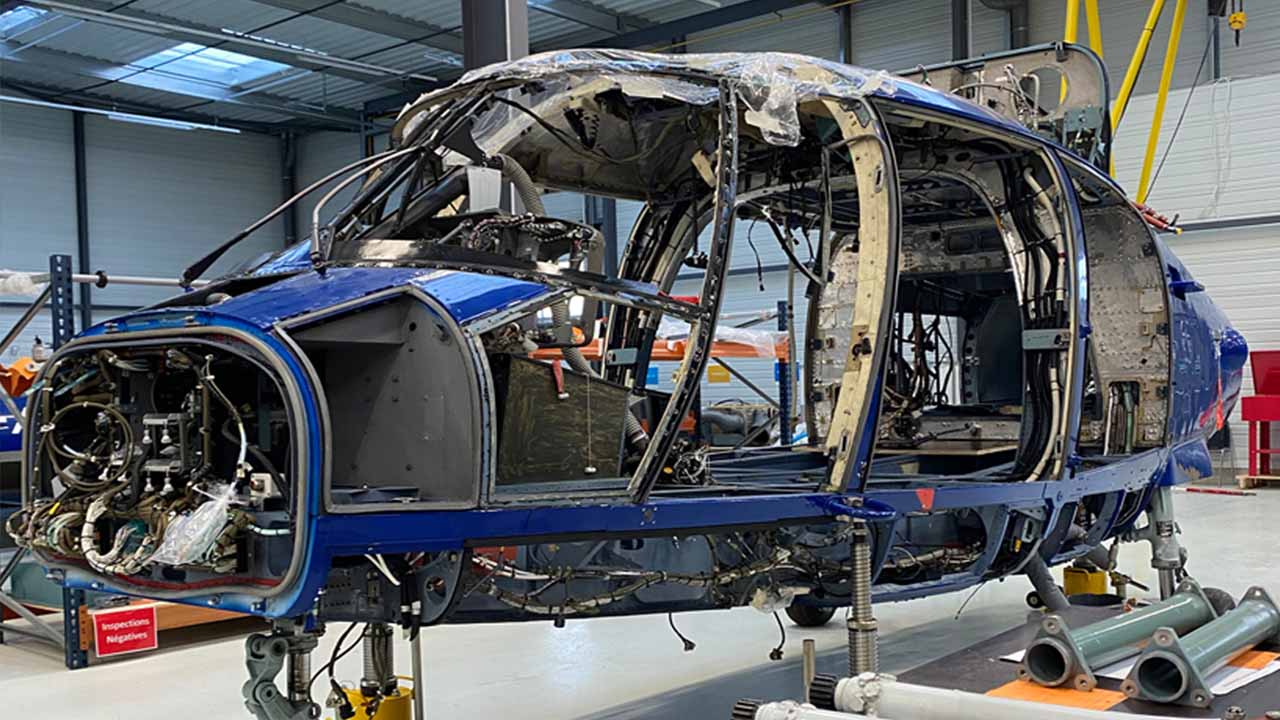
    In a significant corruption case, helicopter spare parts worth Rs7 billion were illegally cleared from the air freight units (AFUs) through a nexus involving Customs officials and clearing agents.

    The Customs Collector Islamabad has responded to the exposure of the nexus by forming a new two-member committee to investigate the illegal clearance of the helicopter spare parts. The committee includes an additional collector headquarters and a deputy controller preventive, who will initiate a thorough investigation into the matter.

    Prior to this, a previous probe committee had already exonerated the Customs officials, including a superintendent who had admitted to being on duty at the Royal Shade during the time of the alleged illegal clearance. However, with the emergence of new evidence, a fresh inquiry has become necessary to ensure transparency and accountability.

    Separately, a Customs officer named Imran was suspended after a video of him demanding a bribe from a passenger at the Lahore airport went viral. In the video, the officer can be seen soliciting $100 from a Canada-bound passenger who was carrying $9,500, and he threatened to seize all the money if the passenger did not comply. According to Customs law, passengers are not allowed to carry $9,500 in currency abroad to prevent illicit transactions and money laundering.

    Following the circulation of the video, the deputy collector customs took swift action by suspending the officer and directing him to report to headquarters, demonstrating the commitment to address misconduct and uphold integrity within the Customs department.

    The exposure of the helicopter spare parts corruption case and the subsequent investigation by the newly-formed committee signify a strong stance against corruption and malpractices within the Customs department. As the inquiry progresses, it is expected that appropriate measures will be taken to hold those involved in the illegal clearance of the helicopter spare parts accountable.

    The disciplinary actions taken against the Customs officer involved in bribery further emphasise the department’s dedication to ethical conduct in its operations.

  • Punjab govt set to spend Rs2.3 billion on new cars for officials

    Punjab govt set to spend Rs2.3 billion on new cars for officials

    In a recent development, the caretaker government of Punjab has taken a decision to acquire 200 new vehicles at a total cost of Rs2.3 billion, raising concerns about the use of taxpayer money on luxury vehicles for bureaucrats.

    According to reliable sources, the financing for this purchase will be drawn from the tax revenue contributed by the public, prompting scrutiny over the allocation of such a substantial amount for the benefit of government officials.

    A letter has been issued requesting the release of advance funds from the finance ministry to facilitate the acquisition process. The Assistant Commissioners throughout Punjab are slated to get Toyota Corolla Altis 1600cc vehicles, while Deputy Commissioners in each district will be given Toyota Yaris. At the Tehsil level, Assistant Commissioners will be provided with Double Cabin vehicles, as per an official notification.

    However, amidst this decision, a concerned citizen has taken legal action by filing a petition in the Lahore High Court (LHC), seeking the removal of Punjab’s caretaker Chief Minister, Mohsin Naqvi, and his cabinet members from office. The petitioner argues that the caretaker government’s term has exceeded its constitutional mandate.

    The petitioner contends that although the Supreme Court has extended the election date in the province, it has not extended the tenure of the caretaker government. Consequently, the continued occupation of office by Caretaker CM Mohsin Naqvi and his cabinet is perceived as a breach of the constitution and raises questions about its constitutional legitimacy.

    As the situation unfolds, public attention remains focused on the utilisation of public funds for bureaucratic privileges, while the legal challenge adds further complexity to the already contentious political landscape in Punjab.

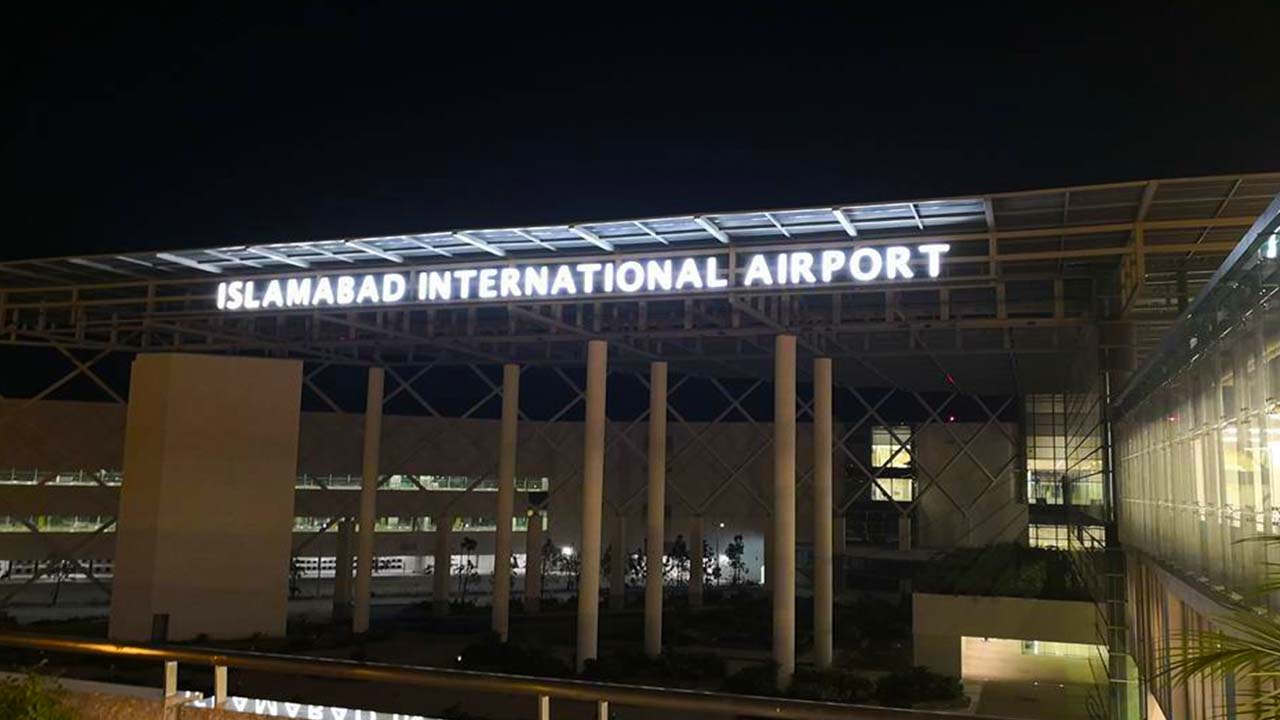
  • Govt set to outsource Islamabad International Airport operations for 15-20 years

    Govt set to outsource Islamabad International Airport operations for 15-20 years

    The government has taken the decision to outsource the operations of Islamabad International Airport before the conclusion of its current tenure. The decision comes as part of the government’s strategy to enhance efficiency and service quality at the airport.

    According to details, the concerned authorities are set to issue a tender for the outsourcing of Islamabad International Airport for a duration of 15 years, with the possibility of extending the contract to 20 years to accommodate the interests of interested companies.

    As per the outlined plan for airport outsourcing, the responsibility for passengers’ facilitation services will be transferred from the Civil Aviation Authority (CAA) to the selected private company. This company will be entrusted with the management of the airport, with a primary focus on improving passenger facilities. Furthermore, the company will be responsible for the renovation and management of the duty-free shops within the airport premises.

    A noteworthy aspect of this outsourcing plan is that the current CAA employees associated with Islamabad International Airport will be reassigned to other departments within the airport network. Additionally, several other essential services, including airport terminal services, parking, storage, cargo, and handling, will also be included in the outsourcing process.

    It is crucial to mention that the Civil Aviation Authority (CAA) will retain control over critical functions such as airport security and air traffic control departments. This measure is taken to ensure that crucial aspects of airport operations remain under the direct supervision of the government.

    To safeguard the interests of passengers and ensure accountability, the agreement with the selected company will include provisions that allow the federal government to terminate the contract in case of failure to provide satisfactory facilities and services to travelers.

    Following the initiative at Islamabad International Airport, the federal government also plans to undertake similar outsourcing measures for the airports in Lahore, Karachi, and Skardu, aiming to streamline operations and enhance overall service delivery standards.

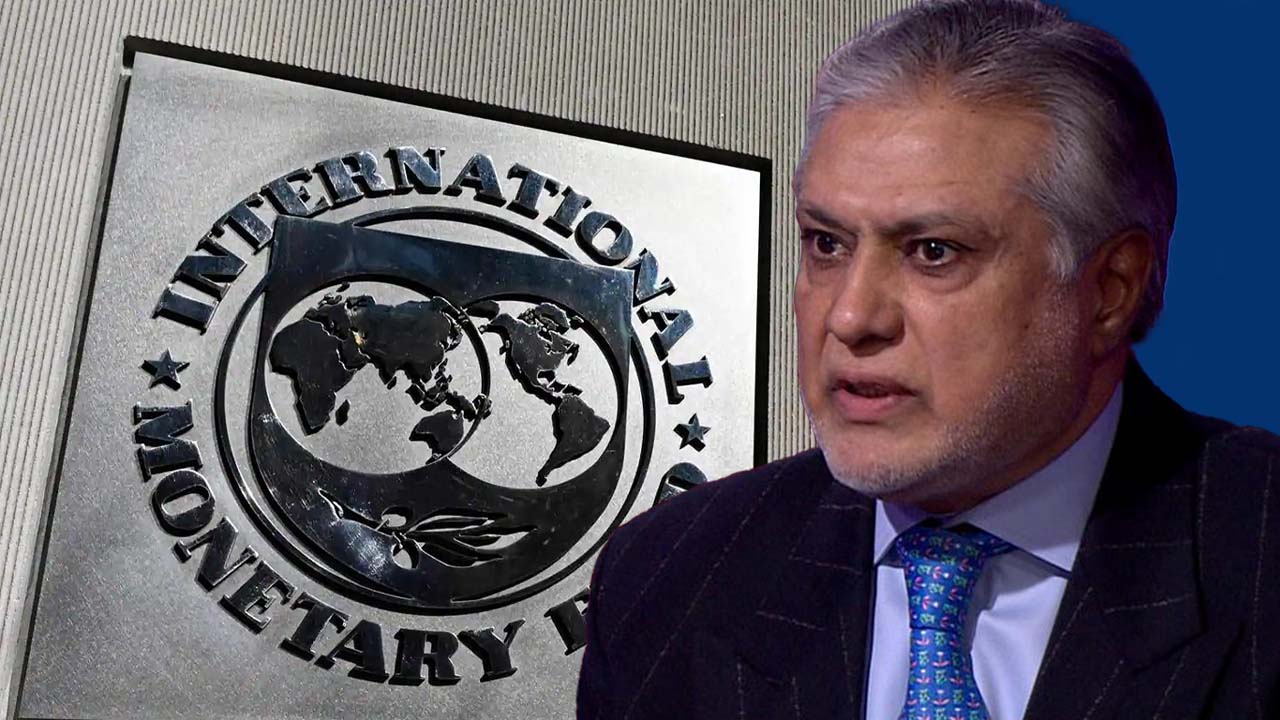
    In a related development, Finance Minister Ishaq Dar presided over a meeting of the Steering Committee in Islamabad yesterday, where the progress of work pertaining to the outsourcing of airport operations was thoroughly reviewed. The committee unanimously granted approval to the Ministry of Aviation to proceed with the tendering process for outsourcing Islamabad International Airport. The move is intended to align airport services with the best industry practices and improve the overall travel experience for passengers.

    According to ARY, this strategic decision by the federal government reflects a proactive approach to leverage private sector expertise in managing critical aspects of airport operations, with the ultimate goal of providing enhanced services and facilities to travelers using Islamabad International Airport.

  • Pakistan Stock Exchange surpasses 46,000 mark for the first time in 15 months

    Pakistan Stock Exchange surpasses 46,000 mark for the first time in 15 months

    The Pakistan Stock Exchange’s (PSX) benchmark KSE-100 index experienced significant gains on Friday, rising by over 500 points and closing just below the 46,000 mark.

    The index reached 46,073.61 points at 3:47 pm, showing a notable increase of 675.30 points from the previous day’s closing of 45,398.31. However, by the end of the day, it closed at 45,920.73, up by 522.42 points or 1.15 per cent.

    According to Dawn, Ahsan Mehanti, the Director of Arif Habib Corporation, mentioned that foreign capital was actively buying shares in the energy sector. He attributed the stock market rally to favorable financial results, the Islamabad High Court’s ruling declaring the imposition of a super tax on various companies unlawful, and reports indicating the policy rate would remain unchanged.

    As a result of these factors, the index reached the 46,000 mark after a gap of 15 months, signaling an overall improvement in all sectors. Mehanti also pointed out the positive impact of the recently announced standby agreement with the International Monetary Fund (IMF).

    Looking ahead, if the market continues to close above 46,000, it is expected to see further growth. Amir Shehzad, Director of First National Equities Limited, referred to the recent market fluctuations as a “technical correction” and expressed optimism that the market could surpass the 47,000 point barrier in the coming week. He believed that maintaining an unchanged monetary policy by the central bank would likely have a positive effect on the market, possibly leading to new record levels.

  • Govt gives nod to massive power tariff hike to meet IMF demands

    Govt gives nod to massive power tariff hike to meet IMF demands

    In a recent late-night development, the federal cabinet of Pakistan has given its approval for a significant increase in the electricity base tariff. This decision comes as part of the country’s efforts to meet the conditions set by the International Monetary Fund (IMF).

    According to the information provided by insiders, the federal government has decided to raise the basic power tariff for various consumer categories, with the increase ranging from Rs3 to Rs7.5 per unit.

    The National Electric Power Regulatory Authority (Nepra) played a pivotal role in this decision, as the cabinet approved the tariff hike based on Nepra’s recommendation.

    For non-protected residential consumers who use 1 to 100 units, the proposed increase is Rs3 per unit, which will elevate the current cost from Rs13.48 per unit to Rs16.48 per unit.

    Similarly, residential consumers using above 700 units might see a significant increase of Rs7.5 per unit, raising the existing rate from Rs35.22 per unit to Rs42.72 per unit.

    The government has now referred the matter to Nepra, which will conduct a public hearing to gather input and make a final decision before releasing an official notification. If approved, the new tariff will take effect from July 1.

    It is noteworthy that Nepra had already granted the federal government an increase of Rs4.96 per unit in the base electricity tariff on July 14.

    This move aligns with Prime Minister Shehbaz Sharif’s commitment to IMF Managing Director Kristalina Georgieva, assuring full adherence to the agreement made with the global lender, leaving no room for any violation.

  • Painful IMF compliance, but no new taxes on agriculture and real estate, clarifies Dar

    Painful IMF compliance, but no new taxes on agriculture and real estate, clarifies Dar

    Finance Minister Ishaq Dar made a resolute declaration on Thursday, assuring the public that the coalition government, despite having taken stern measures that burdened the masses, has no intentions of imposing additional taxes on the agriculture and real estate sectors.

    Speaking passionately on the floor of the National Assembly, Dar firmly stated, “I want to state categorically […] that no new tax will be imposed on agriculture or real estate. We have endured much pain in meeting the IMF’s conditions.”

    This assurance comes in the wake of the International Monetary Fund (IMF) approving a $3 billion bailout program for Pakistan, with $1.2 billion already disbursed to help stabilise the nation’s struggling economy.

    Media reports had indicated that the IMF requested a plan from the government to impose taxes on the real estate and agricultural sectors as a condition to release the remaining funds. The news caused concern among those associated with the agriculture sector, especially since the government had expanded the loan volume to support it in the budget.

    Dar emphasised that all prior actions demanded by the lender had been successfully completed, and the agreement with the IMF was carried out in a transparent manner. He reassured the public, “No further burden will be passed on to the people. All the commitments made with the IMF are available on the finance ministry’s website.”

    The positive effects of the deal are already evident, with investors in the country experiencing relief in the stocks, exchange rate, and bonds markets. Additionally, longstanding allies Saudi Arabia and the United Arab Emirates have recently deposited $3 billion in Pakistan’s central bank, while China rolled over $5 billion in loans over the past three months to prevent the country from defaulting.

    In light of the IMF’s observation that both agriculture and construction sectors are under-taxed in Pakistan, economist Khaqan Hassan Najeeb stressed their significance in broadening the tax base and promoting progressivism.

    Regarding the real estate sector, Najeeb advocated for a genuine capital gains tax, levied at the marginal income tax rate of the individual making the capital gains over the years, to encourage investment from unproductive real estate to more productive sectors like manufacturing.

    Read more: Pakistan’s petroleum dealers temporarily postpone nationwide petrol pump shutdown

    However, Najeeb acknowledged that such reforms would be better suited for implementation by a long-term new government after the upcoming elections. Moreover, he highlighted that provincial governments hold authority over agriculture income tax, which presently contributes only insignificantly. He urged provinces to contemplate a progressive income tax on agriculture, considering the size of farm holdings.

    With Minister Dar’s assurance and the IMF’s support, Pakistan’s economic prospects seem brighter, but the road ahead calls for careful consideration and judicious decision-making to ensure a sustainable and progressive financial future.