Category: Business

  • Pakistan’s petroleum dealers temporarily postpone nationwide petrol pump shutdown

    Pakistan’s petroleum dealers temporarily postpone nationwide petrol pump shutdown

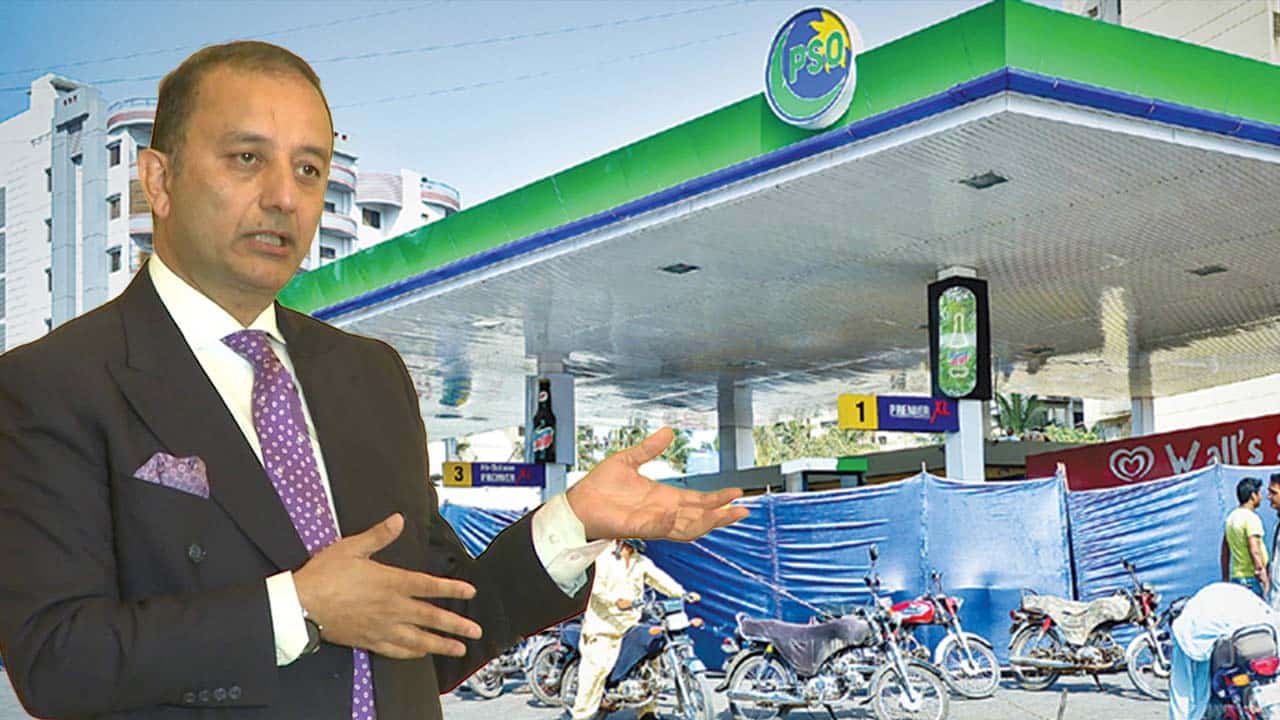
    Pakistan Petroleum Dealers Association (PPDA) has postponed its planned nationwide strike to shut down fuel pumps for two days following successful negotiations with State Minister for Petroleum, Musadik Malik, who arrived in Karachi today (Friday) to address their concerns.

    In their statement, PPDA conveyed the possibility of holding further discussions with the government after the two-day period. Initially, the association had announced the shutdown of all petrol pumps across Pakistan on July 22 at 6 pm, demanding an increase in profit margins amid the ongoing inflation crisis.

    The PPDA’s concerns primarily revolve around the impact of high interest rates and inflation on their businesses, leading them to call for an increase in the dealership margin. They also raised the issue of declining sales due to the smuggling of Iranian fuel into the country.

    Abdul Sami Khan, chairman of the association, informed Reuters that approximately 8,000-9,000 operators, represented by the PPDA, were prepared to shut down operations on July 22.

    The supply of petrol will remain suspended until the demands put forth by the PPDA are met by the government. This decision comes at a time when Pakistan is grappling with a weakening currency and soaring inflation, with the national rate reaching 29.4% in June, down from the record high of 38% in May.

    In May of the previous year, Pakistan’s oil industry had requested a Rs12/litre margin on high-speed diesel (HSD) and Mogas (petrol) for oil marketing companies (OMCs) due to the high cost of conducting business, leading to financial hardships.

    The PPDA highlighted various challenges faced by the oil industry, including increased fuel prices in the international market, exchange rate fluctuations, higher interest rates resulting in inventory holding costs, credit letter confirmation charges leading to higher demurrages, and a high turnover tax of 0.5 per cent.

    Although the Economic Coordination Committee (ECC) had revised the margin for HSD and Mogas to Rs6/litre during the current year based on a decision taken on October 31, 2022, the PPDA insists that this revision is insufficient and requires urgent review.

  • Toyota Indus Motor Company suspends car production until August 3

    Toyota Indus Motor Company suspends car production until August 3

    Indus Motor Company Limited has recently made the difficult decision to close its production plant temporarily. The interruption is set to last for two weeks, as the company faces significant challenges in importing essential raw materials, leading to disruptions in its supply chain.

    The root of the problem lies in the difficulties the company and its vendors are encountering in importing raw materials and clearing consignments. These issues are primarily attributed to the struggles with opening letters of credit (LCs) and supply chain problems from certain foreign vendors. Unfortunately, this has left the company with insufficient inventory levels to maintain its production activities.

    The company’s secretary addressed these concerns in a statement released to the Pakistan Stock Exchange, outlining the seriousness of the situation. Indus Motor’s production plant experienced a brief shutdown the previous month due to similar issues with raw material imports. However, the current circumstances have exacerbated the problem, forcing the company to take this temporary production halt.

    Commencing from July 21, 2023, and extending until August 3, 2023, the plant’s complete shutdown is expected to have implications beyond Indus Motors itself. Other major players in the automotive sector, such as Pak Suzuki Motors and Honda Cars, have also faced similar challenges and implemented several shutdown days in recent months.

    The automotive industry, along with other sectors dependent on imported raw materials, has been struggling due to a shortage of foreign exchange reserves in Pakistan. The complications surrounding LCs have severely impacted the supply chain’s seamless functioning, leading to significant disruptions in production activities.

    Indus Motors holds a significant position in Pakistan’s automobile industry and has notably invested $100 million in local production of hybrid electric vehicles (HEVs). Furthermore, the company plays a crucial role in the local automotive ecosystem, with over 50 part manufacturers contributing to the value chain by producing parts worth over Rs250 million every working day.

    Additionally, the company has established 53 independently owned authorised dealerships that provide aftersales service, generating substantial employment opportunities for over 450,000 people directly and indirectly across the country.

    The temporary closure of the production plant presents various challenges for Indus Motors, its employees, and the overall automobile industry. The company’s management is likely to be exploring potential solutions to address the scarcity of raw materials and resume operations as soon as the situation allows.

    As analysts point out, finding lasting solutions may require collaboration between the government and relevant stakeholders to ensure a stable supply of raw materials for the automotive industry and other affected sectors. Swift action and strategic measures will be vital to mitigate the economic impact of these closures and preserve the growth trajectory of Pakistan’s automotive sector.

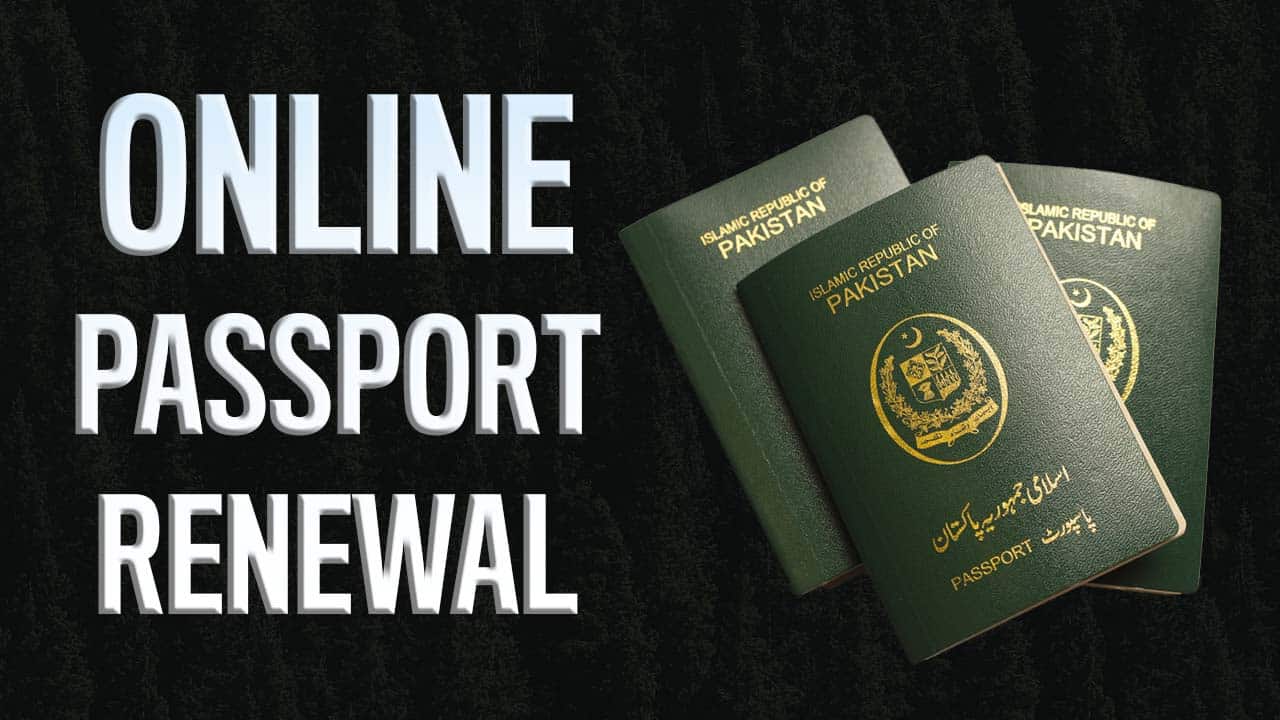
  • You can now renew your passport online, no office visit needed

    You can now renew your passport online, no office visit needed

    Federal Interior Minister Rana Sanaullah has officially announced the introduction of an online passport renewal service. This new initiative is set to revolutionise the passport renewal process and address the longstanding grievances of citizens who previously faced challenges due to long queues and extensive waiting times at government offices.

    The announcement was communicated through the official Twitter account of Federal Interior Minister Rana Sanaullah, indicating the government’s commitment to streamlining administrative processes for the public. With the implementation of this hassle-free e-passport facility, citizens can now conveniently renew their passports from anywhere without the need to physically visit a government office.

    By embracing the online platform for passport renewal, the government aims to eliminate the tedious and time-consuming process of visiting passport offices, which has been a point of frustration for many applicants in the past. The introduction of the e-passport renewal facility marks a significant step towards enhancing public service efficiency and ensuring a smoother experience for citizens.

    Prior to this digital transformation, obtaining a renewed passport was a daunting task for citizens, as long lines stretching outside passport offices were a common sight. The inefficiencies inherent in the previous system often resulted in unnecessary delays and inconveniences for applicants. With the implementation of the new online renewal system, such challenges are poised to become a thing of the past.

    In conclusion, the introduction of the online passport renewal service represents a commendable effort by the government to embrace technological advancements and cater to the evolving needs of the public. By offering citizens the convenience of renewing their passports from the comfort of their homes, this initiative is a testament to the government’s commitment to enhancing citizen-centric services and streamlining bureaucratic processes.

  • FBR increases ‘green channel’ clearance to 66% for imports and exports

    In a significant advancement in trade facilitation, the Federal Board of Revenue (FBR) has decided to increase the clearance of imports and exports through the “green channel” facility from 35 per cent to 66 per cent.

    A meeting was convened at the FBR Headquarters on Thursday to assess the progress of the Pakistan Raises Revenue Program during the previous financial year.

    The meeting recognised the significant achievements made in the past four years under the Pakistan Raises Revenue Program, particularly in the areas of sustainable revenue mobilisation, taxpayer facilitation, and cost reduction for businesses. A major milestone was achieved through the harmonisation of Sales Tax laws and procedures among provinces and the federal government, benefiting taxpayers and all revenue authorities.

    Other notable achievements included reducing the cost of doing business by streamlining withholding lines from 58 to 33, elevating the share of imports and exports processed through the green channel from 35 per cent to 66 per cent, and expanding the tax base.

    Emphasising the importance of the next objective, the meeting highlighted the need to launch a Single Portal to facilitate Sales Tax Return filing. It was acknowledged that FBR’s commitment to transparency had led to the publication of detailed tax expenditure reports.

    Both parties agreed to sustain their focus on upgrading the IT infrastructure and automating FBR processes to ensure timely completion of project targets. Mr Asim Ahmad commended the dedication and contributions of both teams involved in the initiative.

    The meeting was attended by Najy Benhassine, Country Director of the World Bank, and Mr Asim Ahmad, Chairman of the Federal Board of Revenue. Also present were members of the World Bank team, including Gailius Draugelis, Operations Manager; Tobias Haque, Lead Country Economist; Lucy Pan, Senior Economist; Irum Touqeer, Public Sector Specialist; and Shabih Ali Mohib, Manager. Additionally, Member Reforms of FBR, Ardesher Tariq, and other project team members participated in the discussion.

    The Country Director of the World Bank expressed appreciation for the progress made and regarded the harmonisation of the Goods and Services Tax (GST) as a flagship achievement of FBR. A mutual commitment to continued cooperation in pursuing the reform agenda under the project was reaffirmed by the FBR and World Bank.

  • Govt adds new radio fee and increases TV charges in electricity bills

    Govt adds new radio fee and increases TV charges in electricity bills

    The government has recently made a decision to introduce additional charges for the public in their electricity bills. These charges will include a fee for both television and radio services. This resolution was reached during a meeting of the Senate Standing Committee on Finance, with Salim Mandviwala as the chair.

    Finance Ministry officials presented a briefing, outlining that the electricity bills will now include a fee of Rs50 for television and radio services combined. Specifically, Rs35 will be allocated for the Pakistan Television (PTV) fee, while Rs15 will be directed towards the radio fee. The Ministry of Information has prepared a summary in support of this initiative, and the funds collected from users will be utilised to cover the salaries of radio employees.

    The motivation behind this decision stems from the federal government’s efforts to address the financial crisis faced by Radio Pakistan. To support the struggling Pakistan Broadcasting Corporation (PBC), commonly known as Radio Pakistan, additional charges will be imposed on electricity consumers. The Ministry of Information has proposed an extra Rs15 levy on consumers’ electricity bills, with Rs35 allocated to the state TV fee and the remaining Rs15 to assist Radio Pakistan.

    The Senate Standing Committee’s recommendation for this course of action was based on the urgent need to alleviate the financial difficulties experienced by current and retired PBC employees.

    This issue has been a longstanding challenge for over a decade. In fact, an earlier proposal in February sought a separate “radio fee” of Rs500 for all vehicles (excluding motorcycles) during their registration, with the intention of generating an annual additional revenue of Rs15 billion to support Radio Pakistan financially. The proposal was discussed during a sub-committee meeting led by Irfan Siddiqui from the ruling PML-N.

  • Islamabad High Court deems super-tax on high-income businesses unconstitutional

    Islamabad High Court deems super-tax on high-income businesses unconstitutional

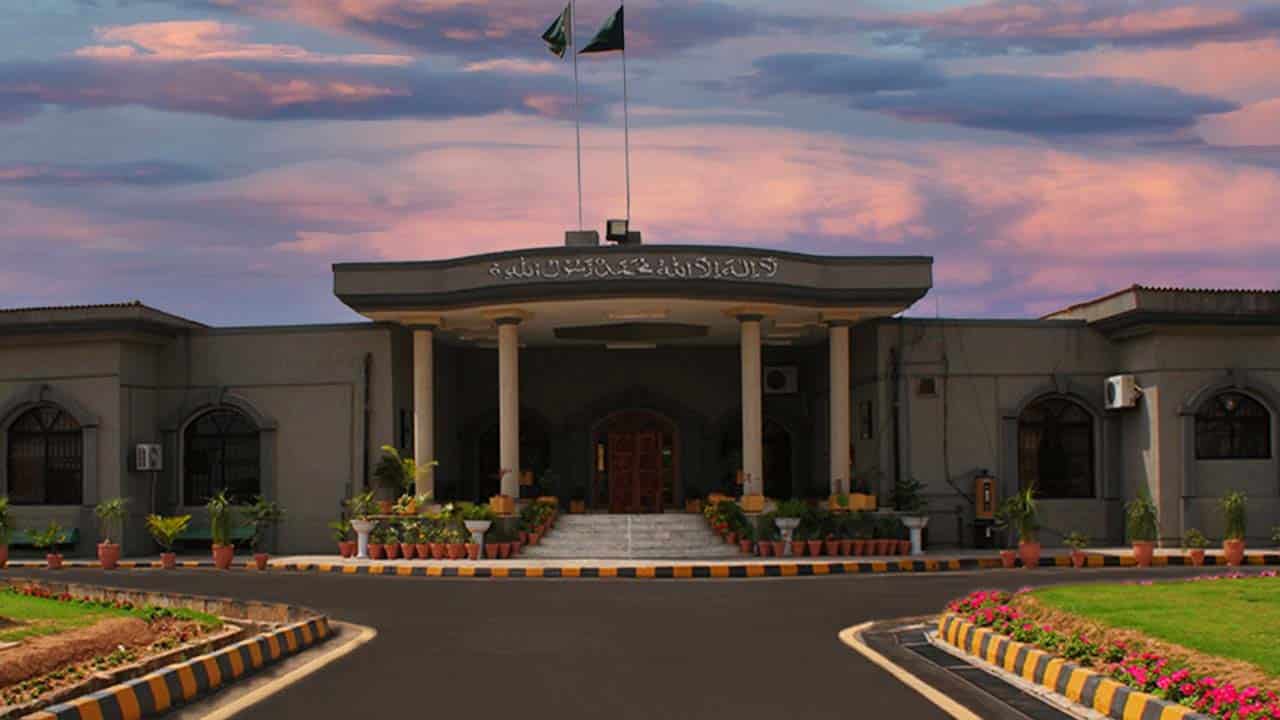
    The Islamabad High Court (IHC) has invalidated the imposition of a super-tax on high-income businesses, ruling it as unconstitutional. Justice Sardar Ejaz Ishaq Khan delivered the verdict on Thursday after a reserved decision. The court declared all notices of demand and recovery associated with the controversial tax null and void, providing relief to the affected businesses.

    Furthermore, the court struck down Section 4C of the Income Tax Ordinance, effectively negating the legal basis for the super-tax. The petitioners, who challenged the validity of this tax, were represented by prominent legal counsel, including Salman Akram Raja and Adnan Haider Randhawa, among others. They argued that the imposition of such a tax was unjust and detrimental to the growth of high-income businesses.

    The origin of this tax can be traced back to the budget speech of Finance Minister Ishaq Dar, wherein he announced the implementation of the super tax last month. Initially, the tax was proposed to be levied on individuals earning Rs500 million annually or more, but the conditions were later relaxed from the original proposal, which targeted those earning Rs300 million per annum.

    It is worth noting that the Supreme Court had previously approved the imposition of the super-tax, setting it at 4 per cent for all industries in February. The government had initially imposed a 10 per cent rate for some industries and 4 per cent for others.

    While the Lahore High Court also approved the tax, it added a caveat that the rules did not allow a tax rate higher than 4 per cent. However, the recent ruling by the Islamabad High Court has effectively struck down the super-tax altogether, providing significant relief to high-income businesses affected by the proposed tax.

  • Here’s the list of illegal loan apps banned in Pakistan

    Here’s the list of illegal loan apps banned in Pakistan

    The Ministry of IT and Telecom of the government responded to numerous reports and took decisive action against illegal loan apps, resulting in the banning of over 40 such applications. The severity of the issue prompted the ministry to intervene and curb the proliferation of these apps.

    In a statement released on Monday, Federal Minister Aminul Haque directed the Pakistan Telecommunication Authority (PTA), led by Chairman Major General Hafeez-ur Rehman, to promptly address the situation. As a result, 43 applications were immediately blocked in accordance with the ministry’s instructions.

    Additionally, the PTA is collaborating with the Securities and Exchange Commission (SECP) to seek consultation and support in tackling this concerning matter.

    Here’s the list of loan apps recently banned:

    • Superb Loans
    • Fair Loans
    • Plati Loans
    • UrCash
    • MyCash
    • Debit Campsite
    • Loan Credit Cash
    • Easy Mobile Loans
    • Fori Qarz Online Personal Loan
    • Easy Loans Credit Fast Pay
    • Little Cash- Mobile Loans
    • FinMore- Online Credit Loans
    • ZetaLoan- Easy Credit Wallet
    • Qarza Pocket -Personal Funds
    • Asaan Qarza- credit loans
    • Fast Loan
    • Harsha Tube – Quick Money
    • Loanclub
    • Tazza Centre – Get Money Soon
    • Aasan Lab – Easy Apply Money
    • CashCredit-Online Loan money bee
    • Galaxy Loan
    • TiCash
    • CashPro-Immediate Approval
    • Rose Cash – Loan Cash
    • HamdardLoan
    • Bee Cash
    • Yocash
    • Sallam Loan – Online Loan App
    • Whale
    • Zenn Park -Easy Instant Help
    • Get Welfare
    • LendHome
    • QuickCash
    • Mrloan
    • 567 Speed Loan
    • Rico Box – Easy Apply Online
    • Fori Instant Loans
    • 99 Fast Cash Loan
    • Apple Qist Qarz
    • BG Loan
    • Swift Loans
  • Slow economic growth and inflation challenges persist in Pakistan: ADB Outlook Report

    Slow economic growth and inflation challenges persist in Pakistan: ADB Outlook Report

    During the last fiscal year, Pakistan faced the twin challenges of low economic growth and high inflation, in contrast to other South Asian countries.

    According to the Asian Development Bank (ADB), to foster economic improvement, Pakistan must continue implementing reforms under the new IMF programme.

    However, the ADB’s Outlook Report predicts that the economic growth rate in the upcoming financial year is expected to remain sluggish, similar to the performance observed in the previous fiscal period.

    The primary reasons for the slow economic growth were last year’s floods and the implementation of strict monetary and fiscal policies.

    The ADB’s report also highlights that inflation in Pakistan exceeded expectations during the past year. This inflationary pressure was further exacerbated by increased demand for commodities.

    In comparison, India is projected to experience a growth rate of 6.7 per cent, Sri Lanka 1.3 per cent, and Bangladesh at a rate of 6.5 per cent.

  • PTA introduces 120-day tax-free mobile registration for overseas Pakistanis

    PTA introduces 120-day tax-free mobile registration for overseas Pakistanis

    Prime Minister (PM) Shahbaz Sharif inaugurated the Online Temporary Mobile Phone Registration System on Tuesday, aimed at facilitating overseas Pakistanis and foreign nationals during their visits to the country.

    Under this system, individuals will be able to register and utilise their personal mobile phones for a duration of up to 120 days from the date of their arrival, exempt from any duties and taxes. This facility is available to overseas Pakistanis, including students and employees, as well as foreign nationals visiting Pakistan for tourism or business purposes.

    During the inaugural ceremony in Islamabad, PM Shehbaz acknowledged the significant progress made by Pakistani youth in the field of information technology and emphasised the need to seize the abundant opportunities in this sector. He further stated that the current government has allocated ample funds in the budget to support various youth-oriented programmes.

     To attract foreign investment and revive the economy, a Special Investment Facilitation Council (SIFC) has been established, with the IT Ministry playing a pivotal role in achieving the set objectives.

    Additionally, the PM highlighted the importance of promoting IT parks in the country to boost IT exports. He mentioned the distribution of free laptops among deserving students based on merit and assured that a non-financial package will be announced soon to further enhance facilitation for overseas Pakistanis.

    In December 2018, the government introduced the ‘Mobile Phone Tax Policy,’ allowing overseas Pakistanis to bring one phone without paying customs duty, subject to registration upon arrival at the airport. Failure to register resulted in the phone being non-operational. Initially, the registered phone could be used with one SIM for 60 days, after which it required payment of due taxes to regularise its usage.

    In 2022, authorities upgraded and introduced new features in the Identification Registration and Blocking System, enabling overseas Pakistanis to use their imported mobile phones for a period of 120 days.

    The system facilitated data exchange among the Federal Investigation Agency (FIA), the Federal Board of Revenue (FBR), and the Pakistan Telecommunication Authority (PTA). It was also integrated with the FIA’s record of passengers’ entry and exit.

  • Pakistan’s current account surplus soars to $334 million in June

    Pakistan’s current account surplus soars to $334 million in June

    The State Bank of Pakistan (SBP) has reported that Pakistan’s current account has achieved a surplus for the fourth consecutive month, reaching $334 million in June 2023.

    This marks a significant improvement compared to the previous year when the current account recorded a deficit of $2.32 billion during the same period. The sustained monthly surplus trend began in March 2023.

    The primary factors contributing to this surplus, as highlighted by Arif Habib Limited (AHL), a reputable brokerage house, are a notable 55 per cent year-on-year decline in total imports and a 29 per cent year-on-year decrease in exports. Furthermore, remittances experienced a 22 per cent year-on-year decrease.

    Data from the central bank reveals that Pakistan’s exports in June 2023 increased to $2.698 billion, in contrast to the total goods and services export value of $3.794 billion in June 2022.

    Conversely, total imports amounted to $3.847 billion in June 2023, down from $8.533 billion in the corresponding period of the previous year.