Category: Business

  • Gold price in Pakistan increases by Rs4,000 to Rs208,000 per tola ahead of Muharram

    Gold price in Pakistan increases by Rs4,000 to Rs208,000 per tola ahead of Muharram

    In anticipation of the upcoming month of Muharram, which signifies the start of the new Islamic year, gold prices in Pakistan experienced significant gains on Thursday.

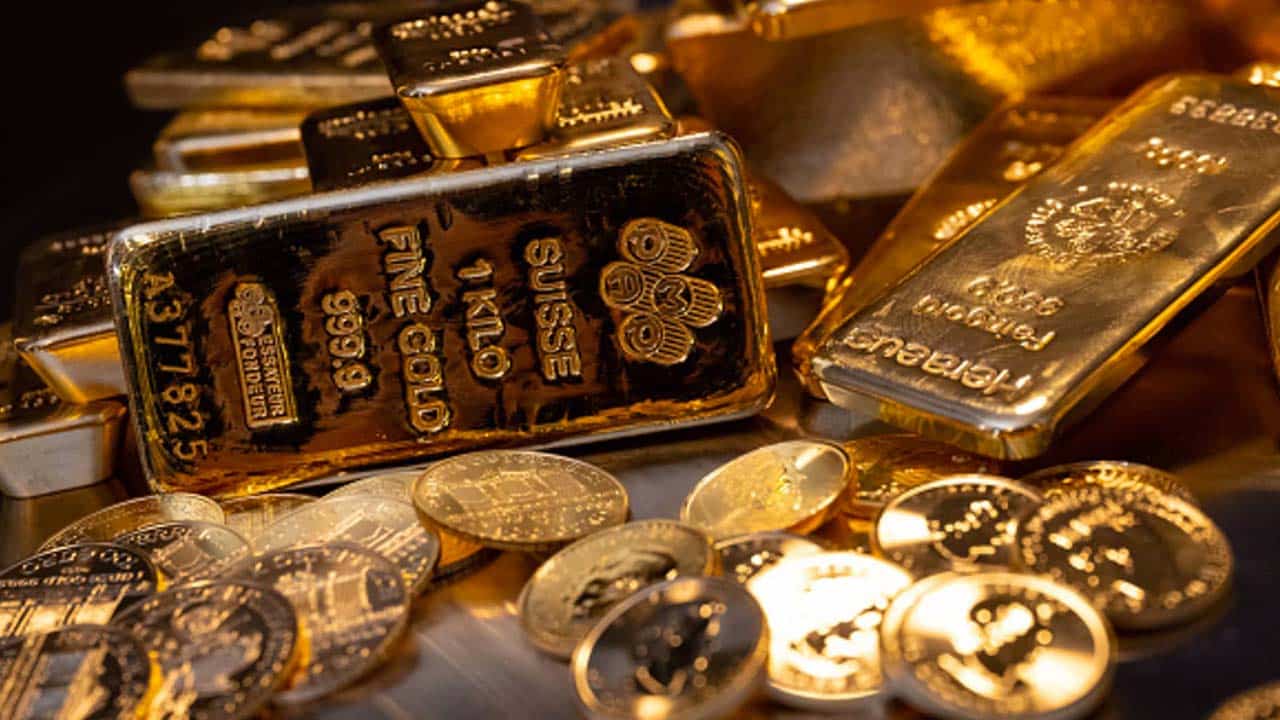
    Data provided by the All-Pakistan Sarafa Gems and Jewellers Association (APSGJA) reveals that the price of 24-carat gold rose by Rs4,000 per tola and Rs3,429 per 10 grammes, settling at Rs208,000 and Rs178,326, respectively.

    Simultaneously, the international market witnessed a surge in the price of gold, with a $13 increase, reaching $1,959 per ounce. This rise in gold rates can be attributed to prevailing political and economic uncertainties, as well as high inflation in Pakistan. During such periods, individuals often turn to gold as a safe investment and hedge against market volatility.

    As the month of Muharram approaches, there is typically an upswing in the buying and selling of this precious commodity, leading to increased demand. Supporting this trend, APSGJA data reveals that the price of silver rose by Rs50 per tola and Rs42.87 per 10 grammes, settling at Rs2,600 and Rs2,229.08, respectively. Notably, the previous day witnessed a decline in the bullion price by Rs500 per tola and Rs429 per 10 grammes.

    Furthermore, the local currency demonstrated minimal gains of 0.37 per cent against the US dollar in the interbank market today, as reported by the State Bank of Pakistan (SBP). The rupee closed at Rs276.46 against the dollar.

  • Pakistan’s foreign exchange reserves rise to $8.4 billion

    Pakistan’s foreign exchange reserves rise to $8.4 billion

    Foreign exchange reserves held by the State Bank of Pakistan (SBP) have surged by over $4 billion following a deposit of $1.2 billion from the International Monetary Fund (IMF).

    As per data shared by the central bank, Pakistan has also received $1 billion from the UAE and $2 billion from Saudi Arabia, resulting in a significant increase in the SBP’s foreign exchange reserves, which now stand at $8.4 billion.

    During a televised address earlier today, Finance Minister Ishaq Dar stated that Pakistan’s foreign exchange reserves are projected to reach approximately $13-$14 billion by July 14.

    He emphasised that Pakistan is experiencing a resurgence in development and prosperity. Minister Dar acknowledged the instrumental role played by Prime Minister Shehbaz Sharif in reaching an agreement with the IMF, highlighting the unwavering support provided by the economic team throughout the intricate process.

    It is noteworthy that the International Monetary Fund granted approval for a $3 billion loan to Pakistan, subsequent to the signing of a staff-level agreement last month.

  • Pakistan to spend Rs40 crore to display 500-foot flag in Lahore

    Pakistan to spend Rs40 crore to display 500-foot flag in Lahore

    Pakistan has an ambitious plan to raise a 500-foot flag in Lahore, with the goal of claiming the title of the country’s tallest flag. The project, which comes with a significant cost of Rs40 crore, will be showcased during a grand flag-raising ceremony on Pakistan’s Independence Day, August 14, 2023.

    This endeavor is part of an ongoing competition between Pakistan and India to erect the tallest flag. The rivalry began in 2017 when India proudly hoisted a 360-foot flag at the Attari-Wagah border in March of that year. In response, Pakistan swiftly raised a 400-foot flag at the same border on its Independence Day in August 2017. India then surpassed this height by unveiling a 418-foot flag at the Indo-Pak border in Amritsar later that October. Now, Pakistan seeks to take the lead by installing a 500-foot flag in Lahore.

    Opinions on social media platforms such as Twitter and Facebook regarding this competition are varied. Some view it as a patriotic display of national pride, while others criticise it as a misuse of taxpayer money and valuable resources. Concerns have also been raised about potential environmental and security implications associated with such colossal flags, as they could pose threats to birds and aircraft.

    According to reports, the remarkable project is being funded by the Punjab government. The flag itself will be made of polyester fabric, weighing a staggering 800 kg. The flagpole, constructed with steel and concrete, will have a base diameter of 12 feet, tapering to 4 feet at the top. Equipped with LED lights and a sound system, the flag will be visible from a distance of 15 km.

    The flag-raising ceremony is scheduled for August 14, 2023, marking the 76th anniversary of Pakistan’s independence.

  • Pakistan receives $1.2 billion deposit from IMF

    Pakistan receives $1.2 billion deposit from IMF

    The State Bank of Pakistan (SBP) has received a substantial deposit of $1.2 billion from the International Monetary Fund (IMF), offering a glimmer of hope to the economically strained nation that has been on the verge of default for an extended period.

    This deposit follows the approval by the IMF’s executive board, during a late-night session, of a nine-month programme under a $3 billion Stand-By Agreement (SBA). The agreement, reached after arduous negotiations over fiscal discipline lasting eight months, marks a significant milestone for Pakistan.

    Last month, Pakistan successfully reached a staff-level agreement with the IMF, securing a short-term pact that exceeded expectations in terms of funding for the country, which is home to 230 million people. This achievement is of particular importance given the acute balance of payments crisis that Pakistan faced, with its central bank reserves barely sufficient to cover a month’s worth of controlled imports.

    During a televised address from Islamabad, Finance Minister Ishaq Dar expressed that Pakistan will receive the remaining balance of the agreed amount following two reviews. The first review is scheduled for November, while the second review will take place in February.

    These reviews are crucial milestones that need to be met to ensure the disbursement of the funds by the IMF, thus supporting Pakistan’s pursuit of economic stability.

  • Historic Pakistan embassy building in the US capital sold for $7.1 million

    Historic Pakistan embassy building in the US capital sold for $7.1 million

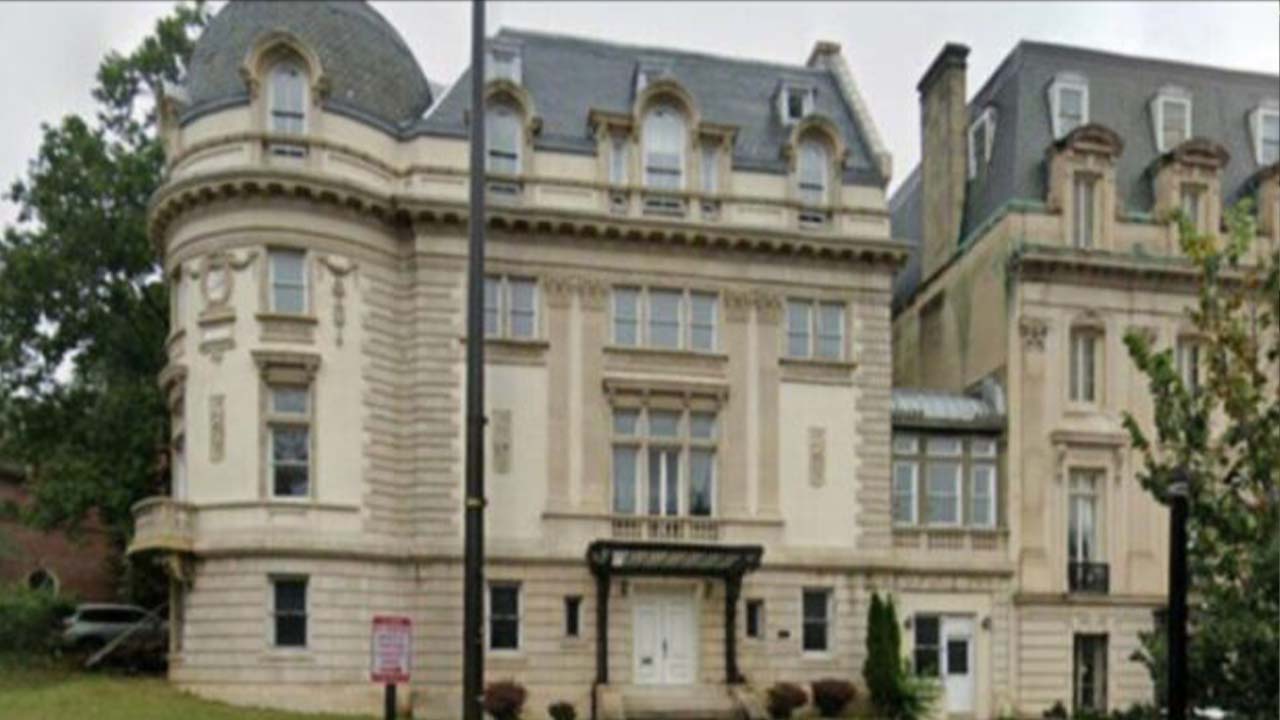
    After several months of persistent efforts, Pakistan has successfully sold a historic building in the United States capital for $7.1 million. The vacant property, which had remained unoccupied since 2003, was recently acquired by a Pakistani entrepreneur named Hafeez Khan.

    The government of the District of Columbia had reclassified the building owned by the Pakistan Embassy, resulting in an increased tax assessment on its value. This decision was taken as the building had significantly deteriorated over time.

    Known as the R Street building, this establishment once served as a chancery. It was put up for auction in late 2022, and the Pakistani government received three bids. However, the entire bidding process was later canceled by the Pakistani authorities without providing any explanation. The highest bid received for the property was $6.8 million, and its prime location in the heart of the city added to its desirability. Prior to the auction, the building had been evaluated at $4.5 million on an “as is” basis, serving as a benchmark.

    The building has remained unoccupied for well over a decade, and its diplomatic status was revoked in 2018, subjecting it to local government taxes. Furthermore, the local authorities downgraded the property’s status earlier this year, which placed additional financial burdens on the national treasury.

    In accordance with building codes, the real estate classification system consists of four categories: Class 1 denotes improved residential real property used exclusively for non-transient residential dwelling purposes, Class 2 signifies commercial property, Class 3 represents vacant property, and Class 4 designates blighted property.

    According to The News, official documents from the District of Columbia indicate that the Pakistani government did not receive any tax relief for the property starting from 2018. Consequently, the building was initially categorised as Class 2 in 2018 and 2019 due to its commercial nature. However, it was later reclassified as Class 3 between 2020 and 2022 due to its vacancy. In April 2023, the property’s classification was further downgraded, designating it as Class 4 due to its deteriorated condition.

    The Department of Buildings of the local government determines a building as blighted if it poses a threat to the community’s health, safety, or general welfare, such as being unsafe, unsanitary, or otherwise hazardous. This determination is based on several factors, including whether the building is boarded up, if its doors, windows, and other openings are weather-tight and secure, if its exterior walls are free of holes, graffiti, and decay, if all exposed metal and wood surfaces are protected against deterioration, and if balconies, porches, signs, and similar features are safe and well-maintained.

    It is also worth noting that Class 3 properties are taxed at a rate of $5 per $100 of assessed value, while Class 4 properties are taxed at a rate of $10 per $100 of assessed value. Unfortunately, due to insufficient maintenance, the building experienced significant deterioration, despite the approval of repair works by former Prime Minister Yousaf Raza Gillani through a $7 million loan from the National Bank of Pakistan in 2010.
  • Pakistan successfully secures final IMF approval for $3 billion bailout

    Pakistan successfully secures final IMF approval for $3 billion bailout

    The International Monetary Fund (IMF) has officially granted approval to Pakistan for a 9-month Stand-By Arrangement (SBA) amounting to approximately $3 billion. This decision comes shortly after reaching a staff-level agreement with the country.

    In a statement, the IMF announced, “Today, the Executive Board of the International Monetary Fund (IMF) approved a 9-month Stand-By Arrangement (SBA) for Pakistan for an amount of SDR2,250 million (about $3 billion, or 111 percent of quota) to support the authorities’ economic stabilization program.”

    Earlier on the same day, Finance Minister Ishaq Dar confirmed that Pakistan had received $1 billion from the United Arab Emirates (UAE) as part of their financial commitment to assist Pakistan in securing the IMF bailout package. During a televised media address, the finance minister stated, “The UAE has deposited the amount into the State Bank account.”

    Additionally, Saudi Arabia had previously deposited $2 billion in the State Bank of Pakistan (SBP) account, fulfilling the IMF’s condition to bridge the external financing gap and bolster the country’s foreign reserves. This contribution aims to support the economic stability of Pakistan.

    Pakistan had signed a short-term IMF deal on June 30, under which the country was set to receive $3 billion over nine months, pending approval from the IMF’s board. With the Executive Board’s approval, an immediate disbursement of SDR894 million (approximately $1.2 billion) is authorised, as stated by the IMF.

    The remaining funds will be disbursed in phases throughout the duration of the programme, subject to two quarterly reviews, according to the IMF’s statement. The IMF acknowledges that Pakistan is currently facing a challenging economic situation due to external difficulties, devastating floods, and policy missteps, resulting in significant fiscal and external deficits, rising inflation, and depleted reserve buffers in the fiscal year 2023.

    The IMF sees the new SBA-supported programme as a means to address both domestic and external imbalances and provide a framework for financial support from multilateral and bilateral partners. Pakistan’s successful acquisition of the IMF bailout package was contingent upon implementing difficult economic measures, such as interest rate hikes and tax increases, to fulfill the IMF’s conditions.

  • PM Shehbaz allocates Rs14 billion for Pakistan Endowment Fund for Education, adds coding to national curriculum

    PM Shehbaz allocates Rs14 billion for Pakistan Endowment Fund for Education, adds coding to national curriculum

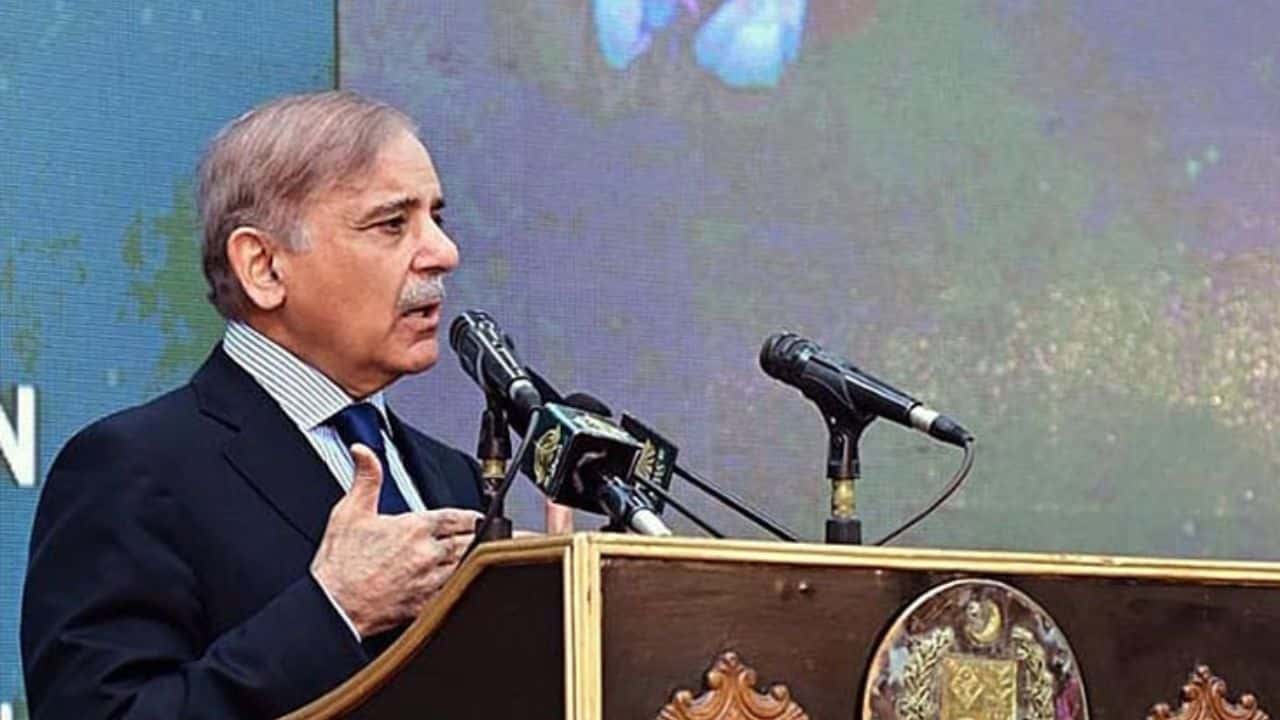
    On Wednesday, Prime Minister (PM) Shehbaz Sharif officially launched the Pakistan Endowment Fund for Education, which includes the incorporation of computer coding and constitutional studies into the National Curriculum. During the launching ceremony, he announced a budget of Rs14 billion for the program over the next four years, with Rs3 billion allocated for the current fiscal year.

    PM Shehbaz Sharif expressed his desire to sustain this project indefinitely, with increased funding, in order to provide maximum opportunities for higher education to deserving students. He emphasised the importance of prioritising the education sector in the future and recommended that the next elected government allocate up to Rs140 billion for the program over the next 10 years.

    The prime minister reflected on his past achievements as the Chief Minister of Punjab, where he initiated the Punjab Education Endowment Fund (PEEF) in 2008 with an annual allocation of Rs2 billion. He proudly mentioned that more than 400,000 students have benefited from this fund and are now serving the country in various professions.

    PM Shehbaz Sharif emphasised that the promotion of education should not be influenced by political motivations, but rather be considered a form of worship. He pledged to focus on underdeveloped areas of the country, where many young people are unable to complete their studies due to limited resources.

    Regarding the financial situation of the country, the prime minister noted that the International Monetary Fund (IMF) board meeting was scheduled for that day, with hopes of approving a $3 billion stand-by agreement with Pakistan. He acknowledged the need for self-reliance and expressed his determination to make serious efforts for the development and prosperity of the country, highlighting China as an example of regaining lost glory through a focus on education and various sectors.

    PM Shehbaz Sharif also mentioned the support received from friendly countries, including China, which had provided $5 billion in the past three months. He further mentioned that Saudi Arabia had sent $2 billion, and another $1 billion was expected from the UAE in the near future.

    During the ceremony, PM Shehbaz Sharif distributed scholarship checks to talented and deserving students as part of the newly launched project. Minister for Education and Professional Training, Rana Tanvir Hussain, explained that the program was designed based on the Punjab Education Endowment Fund (PEEF) and aimed to provide merit-based scholarships to talented students in fields such as engineering, nursing, agriculture, social sciences, and allied health sciences.

    Minister Hussain also mentioned the government’s decision to introduce computer coding and constitutional studies into the national curriculum, considering the current situation. He emphasised that the amended curriculum, agreed upon by all provinces under the leadership of Prime Minister Shehbaz Sharif, was necessary to provide students with quality education and enable them to contribute to the socio-economic development of the country.

    Federal Secretary of Education, Waseem Ajmal, informed that scholarships under the Pakistan Endowment Fund for Education would be provided to students through the Higher Education Commission (HEC) and National Endowment Scholarships for Talent (NEST).

  • Father of two takes his life after a Rs13,000 loan turns into Rs700,000 after interest

    Father of two takes his life after a Rs13,000 loan turns into Rs700,000 after interest

    The unregulated rise of online micro-lending has given way to a disturbing pattern of intimidation and harassment towards borrowers, resulting in tragic outcomes. In one such case, a 42-year-old father named Muhammad Masood took his own life due to overwhelming pressure from online loan sharks.

    Masood, a resident of Rawalpindi, initially borrowed Rs13,000 through an online application to cover his children’s school fees and house rent after losing his job. However, the loan quickly accumulated interest, skyrocketing to Rs700,000 within weeks. Unable to repay the lenders, Masood faced threats and harassment, ultimately leading to his decision to hang himself.

    According to Geo, Masood’s wife revealed that her husband’s death was directly attributed to the debt he incurred through the online lending app. The loan, initially taken for Rs13,000, quickly ballooned to Rs100,000 with interest. In a final message, Masood expressed his anguish over the loan sharks making his life unbearable.

    Representatives from the loan companies blackmailed and threatened Masood, as per his wife’s account. They even threatened to leak his personal data. Following Masood’s suicide, his brother filed a complaint with the cybercrime wing of the Federal Investigation Agency, seeking justice for the family.

    Masood’s wife recounted how her husband experienced harassment within a week of obtaining the loan, with the amount rapidly increasing to Rs50,000. Representatives from the online companies resorted to blackmail and threats, exacerbating the family’s distress.

    The devastating case of Muhammad Masood highlights the urgent need for regulations in online micro-lending. Predatory lending practices continue to wreak havoc on vulnerable borrowers, necessitating immediate action to protect individuals and prevent further tragedies.

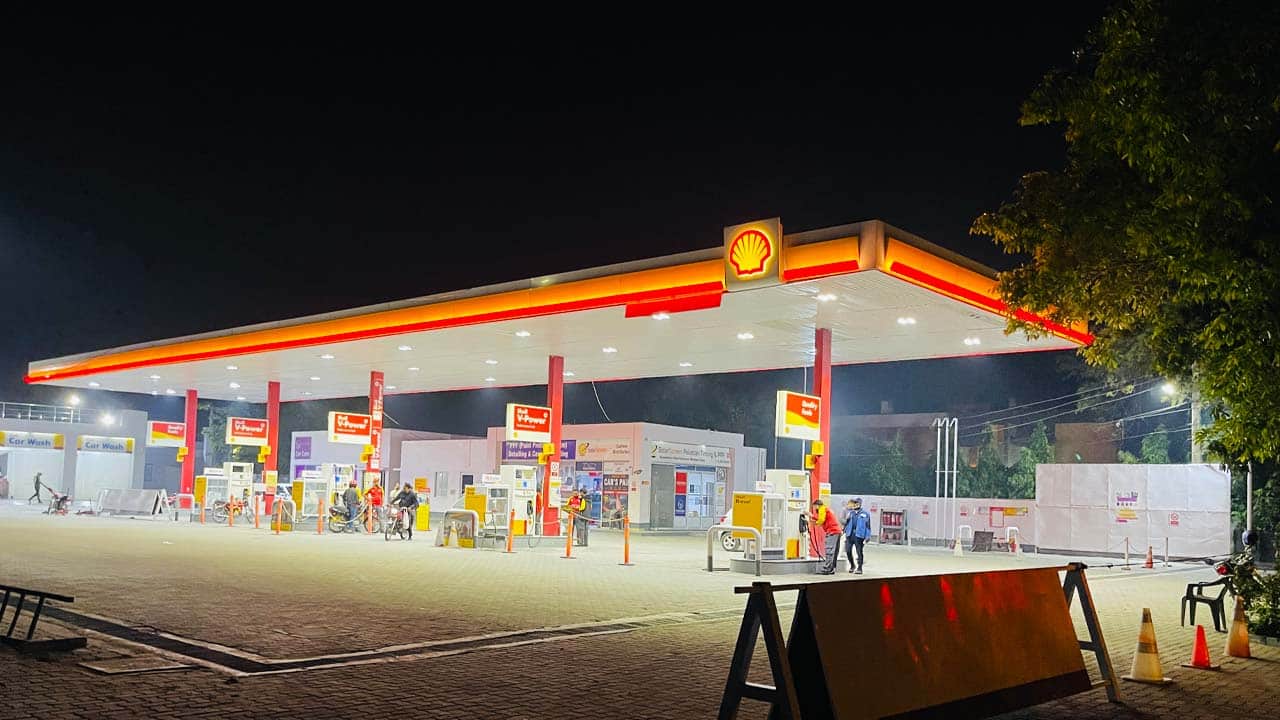
  • Petroleum dealers demand commission hike, threaten countrywide petrol pump shutdown

    Petroleum dealers demand commission hike, threaten countrywide petrol pump shutdown

    The petroleum dealers have issued a formal threat to initiate a nationwide strike in their pursuit of an increase in commission rates from the government.

    The petroleum dealers have expressed their intention to cease operations at petrol pumps throughout the entire country, while simultaneously demanding that the government reinstate a 5 per cent profit margin.

    Abdul Sami Khan, Chairman of the Pakistan Petroleum Dealers Association (PPDA), emphasised that they are unable to sustain the sale of petroleum products at the current commission rates for dealers.

    Khan further announced the urgent convening of a meeting in Lahore on July 12th, with the purpose of addressing these concerns. He asserted that the sale of petroleum products has experienced a significant decline of 40 per cent due to the prevalence of smuggled petrol and diesel in the nation.

    In the previous year, the dealers had demanded that the dealer’s margin be fixed at 6 per cent and had issued a similar nationwide strike threat.

    Earlier, the oil marketing companies (OMCs) had written a formal letter to the Oil Companies Advisory Committee (OCAC), requesting the federal government to establish OMC’s margin for petrol and high-speed diesel (HSD) at Rs12 per litre.

    It has come to light that the dealers’ commission had experienced a notable increase of over 25 per cent to Rs7 per litre in 2022. According to ARY News, this increase coincided with the adjustment of OMC’s margins from Rs3 and Rs3.68 per litre on petrol and HSD, respectively, to Rs6 per litre in November 2022.

  • High prices lead to 79% drop in new car sales in June 2023

    High prices lead to 79% drop in new car sales in June 2023

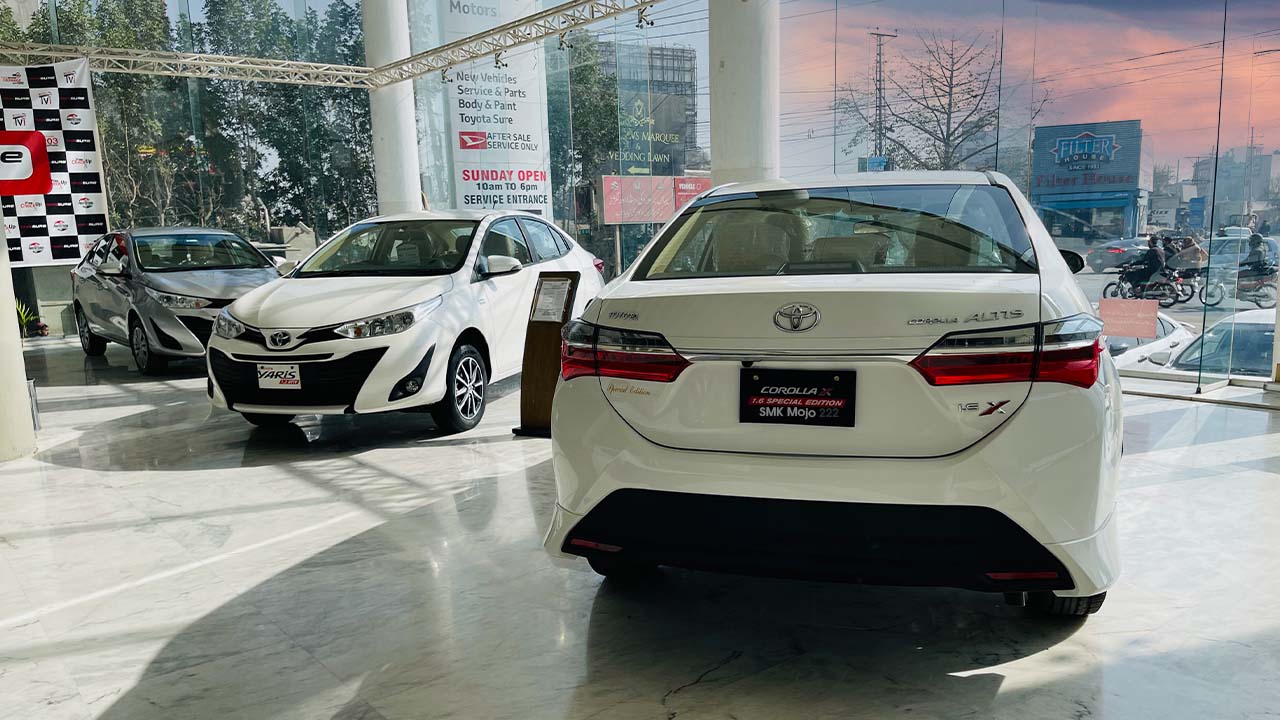
    The automobile industry of Pakistan experienced a severe blow in the fiscal year 2022-23, with car sales plummeting by 56 per cent to a mere 126,879 units, according to data shared by the Pakistan Automotive Manufacturers Association (PAMA) on Tuesday. This significant decline can be attributed to various factors, including the non-availability of completely knocked down kits (CKDs), exorbitant car prices, a surge in auto financing, and the reduced purchasing power of buyers.

    In June 2023, the monthly sales took a substantial hit, dropping by 79 per cent compared to the same period last year, reaching a meager 6,034 units. However, it is worth noting that the sales in June were 10 per cent higher when compared to the sales in May.

    Among the car manufacturers, Honda Atlas Car (HCAR) witnessed the most notable increase in sales, with a month-on-month surge of 253 per cent to 307 units in June. This growth can be attributed to the lower sales base in the previous month and the availability of necessary car parts.

    Pak Suzuki, on the other hand, experienced a modest month-on-month growth of 2 per cent in June, with sales reaching 3,009 units. The surge in Bolan sales by 67 per cent contributed to this increase. However, the company’s bookings took a significant hit, plunging by 57 per cent to 65,364 units in the fiscal year 2022-23.

    Indus Motor Company, responsible for assembling Toyota cars, observed a 7 per cent increase in bookings on a month-on-month basis, reaching 1,846 units in June. Nonetheless, the company’s total car sales for the fiscal year 2022-23 amounted to 31,104 units, reflecting a decline of 58 per cent year-on-year.

    Hyundai Nishat Motor witnessed an 11 per cent month-on-month increase in sales, with the sales of Tucson surging by 61 per cent to 313 units and Elantra sales increasing by 28 per cent to 88 units in June.

    Shifting focus to the tractor segment, Millat Tractors (MTL) experienced a 42 per cent month-on-month increase in bookings, reaching 2,136 units in June. Conversely, Al Ghazi Tractors (AGTL) recorded sales of 854 units, marking a decline of 57 per cent. Overall, the total tractor industry sales for the fiscal year 2022-23 amounted to 30,942 units, representing a decrease of 48 per cent due to factors such as floods, plant shutdowns, lower consumer buying power, and higher prices.

    Looking ahead, the high interest rates and the significant increase in auto prices resulting from the depreciation of the Pakistani rupee against the dollar are expected to continue negatively impacting auto sales in the fiscal year 2024. Furthermore, restrictions on opening letters of credit (LCs) for importing CKDs by auto assemblers may lead to lower plant capacity utilisation and, in extreme cases, plant shutdowns across the industry.