Category: Business

  • Gold price increases by Rs6,200 to Rs221,000 per tola

    Gold price increases by Rs6,200 to Rs221,000 per tola

    On Tuesday, the gold price in Pakistan experienced a significant increase, aligning with the international market trends and the depreciation of the Pakistani rupee.

    The All-Pakistan Sarafa Gems and Jewellers Association (APSGJA) reported that the price of 24-carat gold rose by Rs6,200 per tola and Rs5,316 per 10 grammes, reaching Rs221,000 and Rs189,472 respectively.

    Simultaneously, the global market witnessed a $10 rise in the price of gold, settling at $1,967 per ounce.

    In contrast, the prices of silver per tola and 10 grammes remained unchanged at Rs2,650 and Rs2,271.94 respectively. The gold rate in Pakistan has shown volatility in recent times due to ongoing political and economic uncertainty, coupled with high inflation.

    Read more: Pakistan’s current account surplus soars to $334 million in June

    Furthermore, the Pakistani rupee displayed weakness against the dollar in the interbank market on Tuesday, depreciating by Rs3.78, as per data from the State Bank of Pakistan.

  • Sindh govt’s Rs2 roti plan may trigger shortage, price inflation in the near future

    Sindh govt’s Rs2 roti plan may trigger shortage, price inflation in the near future

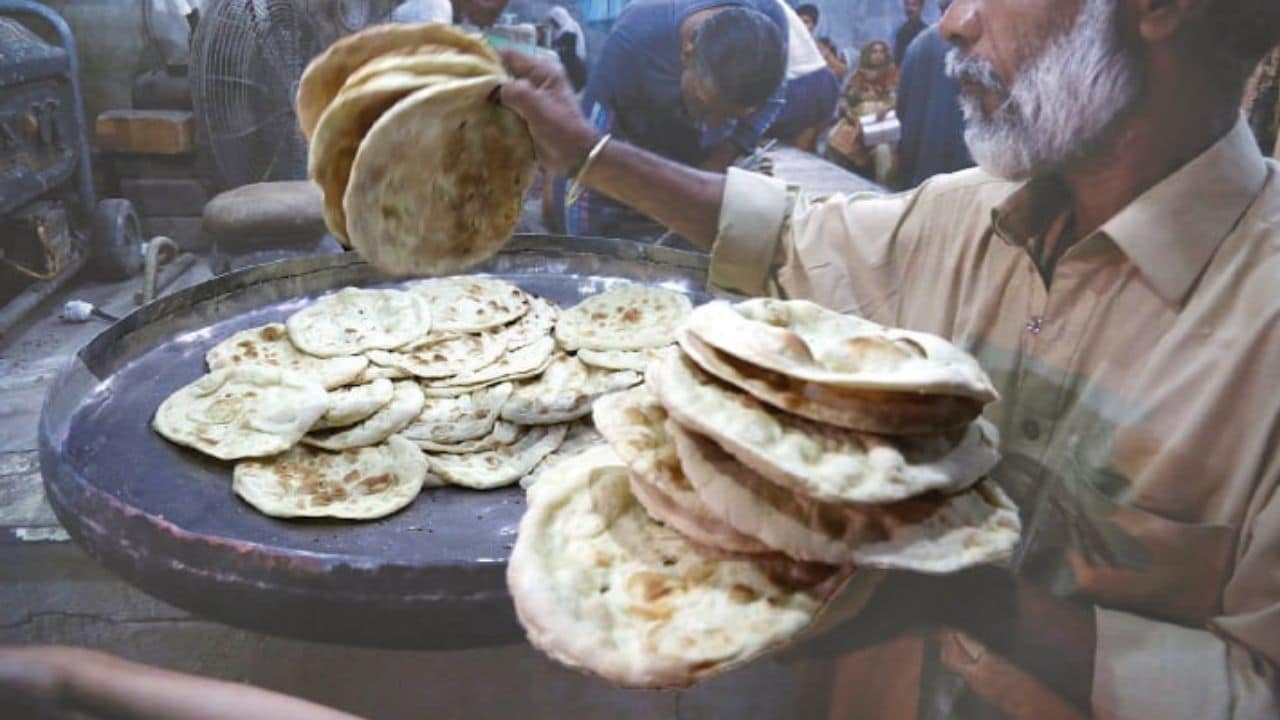
    Sindh Governor Kamran Tessori has announced a subsidised food programme for the poor. As part of this initiative, the government will provide roti (flatbread) at a price of Rs2.

    Tessori stated that the provision of roti at a reduced price is aimed at helping people affected by inflation and will be implemented in specific areas of the metropolis. He emphasised that this noble cause will be pursued as a mission.

    During a ceremony on Sunday, the governor announced the establishment of up to 300 tandoors (traditional clay ovens) across the Sindh capital, where roti will be sold for only Rs2. Additionally, he reiterated that ration bags would be distributed among one hundred thousand deserving families in the port city.

    While it may seem beneficial for the inflation-hit people of Karachi to have access to roti at a significantly lower price of Rs2 compared to the Rs20-25 market price, there could be unintended consequences.

    If the government sets up 300 temporary tandoors selling roti at Rs2, the majority of people may opt to buy from them rather than purchasing roti from tandoors selling it at a higher price. Consequently, the tandoors selling roti for Rs20 may be forced to close as they would be unable to compete with these subsidised tandoors.

    Once the government discontinues the cheap roti scheme or ceases to offer it at reduced rates, there is a potential for a shortage to arise. With only a limited number of tandoors available for citizens to purchase roti from, the scarcity could drive up the price of roti to Rs30 or even higher.

    This highlights the possibility that the government’s initiative of selling roti at a reduced rate may not be sustainable in the long run. The temporary availability of roti at Rs2 might not be as beneficial as initially perceived. Only time will tell whether this programme will provide temporary relief to the masses or worsen the situation.

  • Pakistan Army commits full support to govt’s economic revival drive

    Pakistan Army commits full support to govt’s economic revival drive

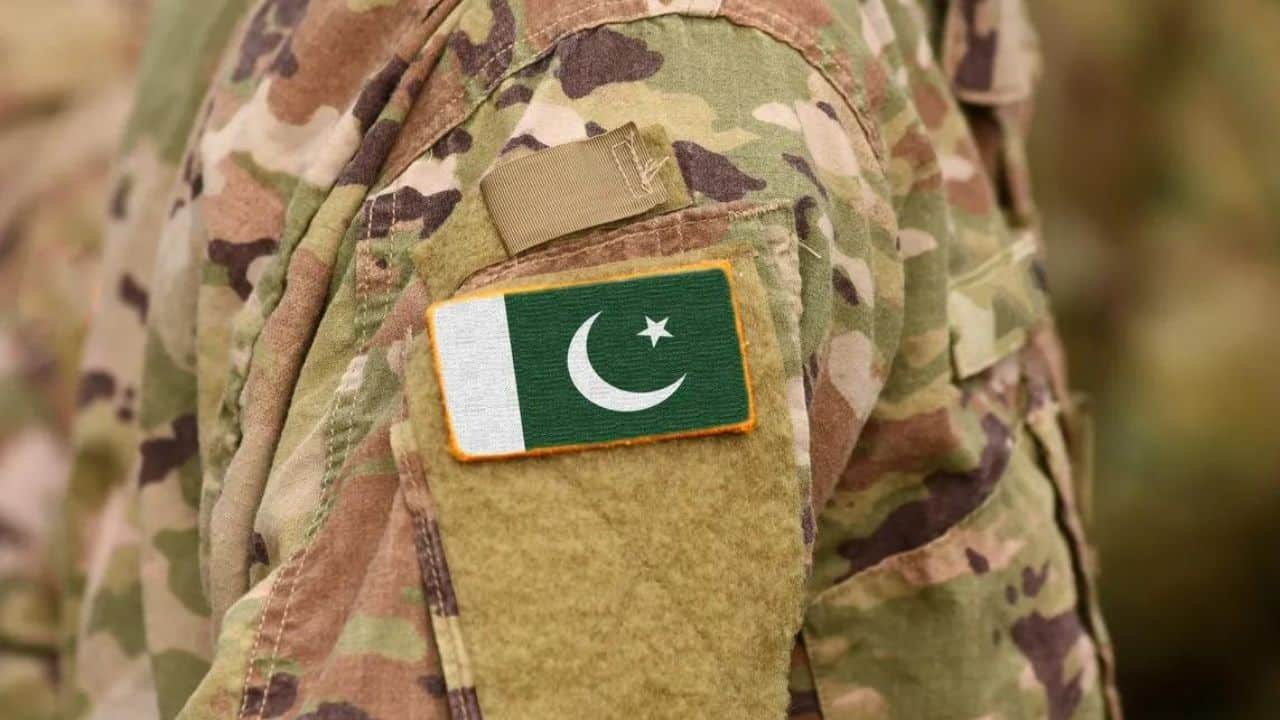
    In a strong show of solidarity, the Pakistan Army has pledged unwavering support to the government’s ambitious plans for the economic revival of the country. This commitment was reiterated by Chief of Army Staff (COAS) General Asim Munir during the 258th Corps Commanders’ Conference held at the General Headquarters (GHQ).

    The Inter-Services Public Relations (ISPR), the media wing of the Pakistan Army, reported that the conference paid tribute to the brave soldiers who have made supreme sacrifices in defending their homeland against the persistent threat of terrorism. The participants were extensively briefed on the prevailing internal security situation, with special emphasis on the sanctuaries and freedom of action enjoyed by terrorists affiliated with proscribed organisations such as the Tehrik-i-Taliban Pakistan (TTP) in a neighboring country. The availability of sophisticated weaponry to these terrorists was highlighted as a major factor impacting Pakistan’s security.

    Operational preparedness and training aspects of the army were also thoroughly discussed during the Corps Commanders’ Conference. COAS Asim Munir emphasised the significance of objective training as a cornerstone of professionalism, emphasising the need for remaining vigilant against any potential threats to national security.

    Moreover, the conference shed light on the government’s economic revival plan and the Pakistan Army’s role in uplifting various sectors, including agriculture, information technology, mining and minerals, and defense production. The plan falls under the jurisdiction of the recently established Special Investment Facilitation Council (SIFC), aimed at promoting economic growth and revitalisation.

    It is worth mentioning that the Special Investment Facilitation Council was formed following a high-level meeting chaired by Prime Minister Shehbaz Sharif. The meeting was attended by Chief of Army Staff (COAS) General Asim Munir, Chief Ministers, federal and provincial ministers, and other senior government officials. The economic revival plan was unveiled during this meeting, with the objective of bringing about socio-economic prosperity for the people of Pakistan and restoring the country’s rightful position among the international community.

    During the meeting, COAS General Asim Munir expressed the Pakistan Army’s full commitment to support the government’s Economic Revival Plan. The collaboration between the army and the government is seen as crucial in achieving sustainable economic growth and securing a prosperous future for all Pakistanis.

    With the Pakistan Army’s unwavering support and the collective efforts of the government, it is hoped that the Economic Revival Plan will pave the way for a brighter future, enabling Pakistan to reclaim its rightful stature among the comity of nations.

  • PRL and Airlink in talks to buy stake in Shell Pakistan

    PRL and Airlink in talks to buy stake in Shell Pakistan

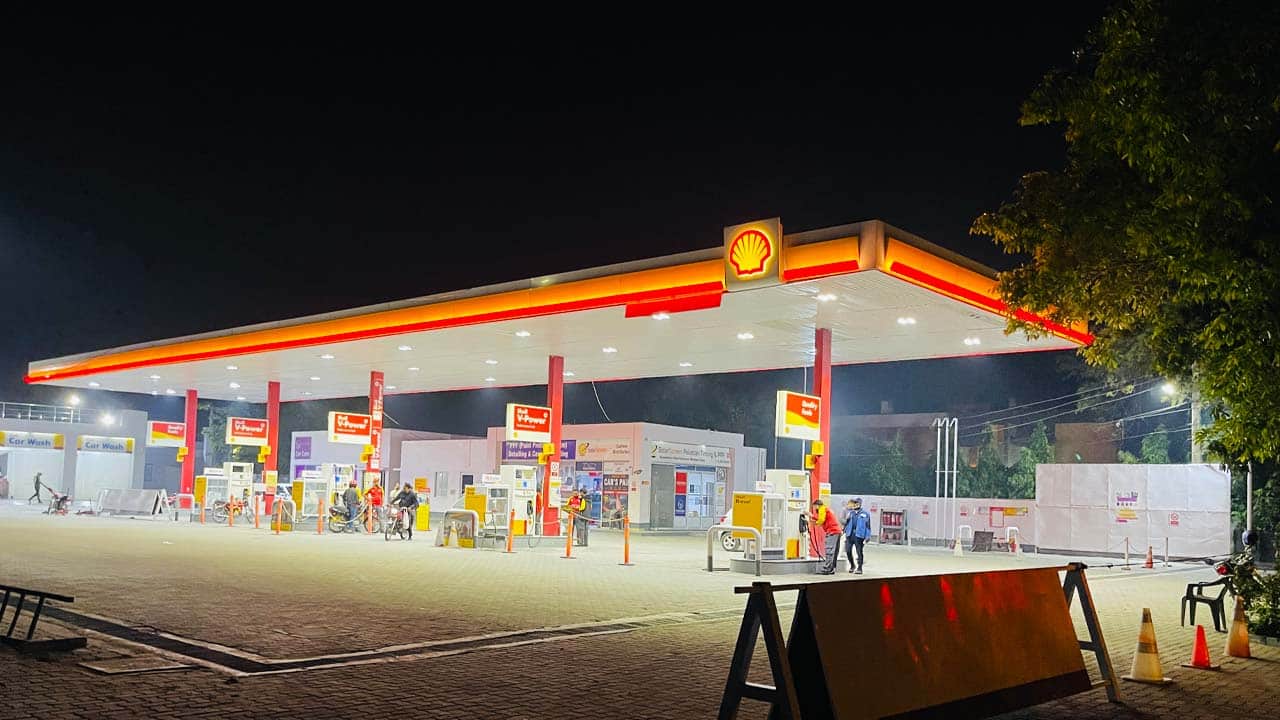
    Shell Petroleum Company has decided to exit Pakistan by selling its 77 per cent stake in the local business. This move follows Shell’s recent updates on its global operations and concerns about the economic difficulties in Pakistan.

    In a notice submitted to the Pakistan Stock Exchange (PSX), Next Capital Limited, the managing party representing the Acquirers, Pakistan Refinery Limited and Air Link Communication Limited, declared their intention to acquire a majority stake of 77.42 per cent in Shell Pakistan Limited.

    Next Capital stated, “We, Next Capital Limited, hereby submit a Public Announcement of Intention by Pakistan Refinery Limited and Air Link Communication Limited (collectively referred to as the “Acquirers”) to acquire 77.42 per cent shares and control of Shell Pakistan Limited,” reflecting their involvement in the transaction.

    Speaking to Reuters, Airlink CEO Muzzaffar Hayat Piracha confirmed that the acquisition is a joint venture between Pakistan Refinery Limited and Airlink. However, the specific details regarding the shareholding distribution between Airlink and Pakistan Refinery Limited will be disclosed at a later stage, as stated by Piracha.

    For Airlink, entering the petroleum business aligns with its strategic objective of diversification. Airlink, primarily known as a smartphone distributor, manufacturer, and retailer, views this expansion as a progressive step.

    Pakistan Refinery Limited (PRL), which operates as one of the five refineries in Pakistan and functions as a subsidiary of Pakistan State Oil Company Limited, did not provide an immediate response to the request for comment.

    Shell Pakistan faced financial setbacks in 2022 due to fluctuations in exchange rates, the devaluation of the Pakistani rupee, and unsettled receivables. These challenges were further compounded by the ongoing financial crisis and economic slowdown experienced by the country.

  • IMF wants Pakistan to implement property and agriculture tax

    IMF wants Pakistan to implement property and agriculture tax

    The International Monetary Fund (IMF) has recently granted Pakistan a $3 billion loan, subject to certain conditions that require a second review.

    According to reports, the Washington-based institution has asked the Pakistani government to devise a plan for implementing taxes on the real estate and agricultural sectors, with the aim of bolstering the country’s revenue generation.

    The IMF perceives a potential for Pakistan to enhance its revenue through taxation of these two sectors.

    Should the plan devised by the Federal Bureau of Revenue (FBR) gain approval from the IMF, it will result in the release of a mini-budget. However, the decision to impose taxes on the property and agriculture sectors ultimately rests with the new government.

    Additionally, sources indicate that assistance will be sought from the World Bank to facilitate the taxation of these sectors.

    It is worth noting that Pakistan recently received the initial disbursement of $1.2 billion from the IMF.

    IMF officials emphasise that Pakistan must fulfill the conditions outlined in the agreement to achieve economic stability.

    Prime Minister Shehbaz Sharif has also assured the IMF Managing Director of the government’s commitment to implementing the agreement in its entirety.

  • Tesla overcomes setbacks, produces first Cybertruck after two years

    Tesla overcomes setbacks, produces first Cybertruck after two years

    Tesla announced via a tweet that its inaugural Cybertruck has been successfully manufactured at the company’s Austin, Texas plant, marking the end of a two-year delay.

    Back in 2019, Tesla founder Elon Musk introduced the pickup truck during a revealing event where the vehicle’s designer unintentionally demonstrated a flaw in the supposedly indestructible “armour glass” windows.

    Since then, the production timeline has faced multiple setbacks, with Musk attributing the delays to component sourcing shortages, leading to a rescheduled Cybertruck launch in 2023.

    During a shareholder meeting in May, Musk expressed Tesla’s ambition to produce up to 250,000 Cybertrucks annually, depending on market demand.

    With the introduction of the Cybertruck, Tesla is poised to enter one of the most lucrative sectors of the U.S. market, directly competing against electric pickups from industry giants such as Ford Motor and Rivian Automotive.

    Although these competitors have already released limited numbers of their own electric truck models, Tesla’s entry into the market is highly anticipated. According to a Reuters report from last year, Tesla aims to initiate mass production of the Cybertruck by the end of 2023.

  • Here are the revised diesel and petrol prices effective July 16, 2023

    Here are the revised diesel and petrol prices effective July 16, 2023

    Finance Minister Ishaq Dar announced on Saturday that the prices of petrol and diesel will be reduced in the upcoming fortnightly review.

    During a televised address, the minister said that petrol prices will be reduced by Rs9 per litre, while diesel prices will see a decrease of Rs7 per litre. These adjustments were made due to changes in the international market over the past 15 days, with one petroleum product’s price increasing and the other decreasing.

    Following these revisions, the new price for petrol will be Rs253 per litre, and high-speed diesel (HSD) will be priced at Rs253.50 per litre. Minister Dar clarified that the petroleum development levy (PDL), which was previously raised to Rs60 per litre in response to the International Monetary Fund’s (IMF) request, will remain unchanged.

    The new prices will take effect on July 16, Sunday. Minister Dar also highlighted that the local currency has strengthened against the US dollar in the last 15 days, following Pakistan’s successful negotiation of a $3 billion Stand-By Arrangement (SBA) with the IMF.

    Here are the new diesel and petrol prices effective from tomorrow (July 16, 2023):

    Petroleum ProductPrevious PriceReductionRevised Price
    PetrolRs263 per litreRs9 per litreRs254 per litre
    DieselRs260.50 per litreRs7 per litreRs253.50 per litre
  • Bitcoin surges to 13-month high as US judge rules in favour of Ripple

    Bitcoin surges to 13-month high as US judge rules in favour of Ripple

    Bitcoin reached its highest price in almost 13 months this year on Friday, fueled by a significant legal triumph for the crypto industry. A US judge ruled that Ripple Labs did not violate federal securities law by offering its XRP token on public exchanges. Bitcoin initially surged to $31,818 before settling around $30,935 on Friday.

    The second-largest token, ether, experienced its most successful session since March on Thursday. Similarly, XRP, which the US judge declared legally tradable on public crypto exchanges, skyrocketed by 73 per cent on Thursday and maintained most of these gains on Friday.

    The favorable legal ruling and market performance have triggered optimism among industry experts. Matthew Dibb, the Chief Investment Officer at crypto asset manager Astronaut Capital, remarked that the regulatory landscape is evolving and recent developments indicate positive changes lie ahead.

    Justin d’Anethan, Head of Business Development in Asia at Keyrock, a digital assets market maker based in Hong Kong, believes that the court’s decision sets a potentially influential precedent, offering much-awaited regulatory clarity to Ripple stakeholders.

    In response to the ruling, major cryptocurrency exchanges such as Coinbase and Bitstamp resumed trading XRP on their platforms. Binance.US also announced the re-enablement of XRP trading on its exchange.

    The market reaction was particularly encouraging for Coinbase, which had been sued by the US Securities and Exchange Commission (SEC) for alleged securities law violations. Following the Ripple case ruling, Coinbase’s shares surged by almost 25 per cent on Thursday as investors hoped for a favorable outcome in their own legal battle.

    This landmark case represents the first victory for a cryptocurrency company in a lawsuit initiated by the SEC. Although the ruling pertains to this specific case, it has generated optimism among crypto investors, who believe that other cryptocurrencies may also avoid being classified as securities.

    However, the positive sentiment was somewhat tempered by reports from the Wall Street Journal indicating that Binance, the world’s largest cryptocurrency exchange, has undergone substantial layoffs in recent weeks. According to an insider, the ongoing layoff process could result in a workforce reduction of over a third for the exchange.

  • Govt implements Rs4.96 per unit power tariff hike, aims to collect Rs3.28 trillion from consumers

    Govt implements Rs4.96 per unit power tariff hike, aims to collect Rs3.28 trillion from consumers

    The National Electric Power Regulatory Authority (Nepra) announced a significant increase of Rs4.96 per unit in the electricity base tariff for the fiscal year 2024, in response to a demand from the International Monetary Fund (IMF). This adjustment will result in the government collecting Rs3.281 trillion from power consumers across all distribution companies.

    Additionally, the government is actively working on raising gas rates, as the Oil and Gas Regulatory Authority (OGRA) has already determined a 45-50 per cent increase in gas prices on June 2, 2023.

    The implementation of the power tariff hike is scheduled to commence on July 1, with the tariff rising to Rs29.78 per unit from the current rate of Rs24.82 per unit.

    Customers utilising time-of-use (ToU) meters will be charged up to Rs49.35 per unit. During peak hours from 5pm to 11pm, they will pay Rs49.35 per unit, while during non-peak hours, the charge will be Rs33.03 per unit.

    This decision has imposed an additional burden on the residents of Karachi, as Nepra has also raised the monthly fuel charges adjustment for the month of May by Rs1.44 per unit, which will be reflected in the billing for July.

    However, the increase in the base tariff will be implemented differently for various categories. Some categories will experience a lower increase, while for others, the increase may reach up to Rs6 per unit, depending on the government’s decision.

    The power regulator has determined an average increase in the base tariff of Rs4.96 per unit. Apart from the new base tariff of Rs29.78 per unit, end consumers will also be required to pay a financing cost surcharge of Rs3.23 per unit from July 1.

    This surcharge aims to generate Rs335 billion to address the power sector’s debt and liabilities, which currently amount to Rs2.6 trillion. Furthermore, consumers will continue to pay the Tariff Rationalisation Surcharge of Rs0.47 per unit.

    Within the base tariff increase of Rs4.96 per unit, the payment for capacity charges has risen to 70 per cent, equivalent to Rs3.472 per unit, while 30 per cent accounts for energy prices.

    The new base tariff increase has been calculated considering a dollar value of Rs287, an inflation rate of 17 per cent, and a 7 per cent growth in electricity generation. As a result, consumers will pay capacity charges totaling Rs1.874 trillion, compared to Rs1.251 trillion in 2022-23.

    Unfortunately, the end electricity consumer in Pakistan is being burdened with additional costs to compensate for ongoing inefficiencies in the power sector, in addition to paying for the actual cost of electricity. These costs include tariff rationalisation charges, financing cost surcharges, electricity duty, PTV license fee, GST, income tax, extra tax, further tax, and sales tax.

    In reality, consumers are paying 31 per cent above the actual cost of electricity in the form of surcharges, duties, and taxes. Electricity Duty, a provincial duty, is levied on all consumers, ranging from 1.0 per cent to 1.5 per cent of Variable Charges. General Sales Tax (GST) is charged at a rate of 17 per cent on all consumers under the Sale Tax Act 1990.

    Income Tax is applicable to non-taxpayer consumers at varying rates depending on the tariff and electricity bill amount, and commercial consumers pay 5 per cent on bills up to Rs20,000 and 7.5 per cent on bills exceeding Rs20,000. Further tax of 3 per cent is charged from all consumers without a Sales Tax Return Number (STRN), except for domestic, agriculture, bulk consumers, and street light connections.

    The increase in power tariffs was a necessary requirement imposed by the IMF to provide financial assistance to Pakistan. The IMF has consistently urged the government to raise tariffs and eliminate power subsidies as part of its efforts to reduce the country’s fiscal deficit.

    However, Nepra attributes the tariff increase to factors such as low sales growth, rupee devaluation, high inflation, exorbitant interest rates, and the addition of new capacities.

  • Pakistan’s major industrial production drops by 14.37% in May, marking ninth consecutive decline

    Pakistan’s major industrial production drops by 14.37% in May, marking ninth consecutive decline

    Pakistan’s Large-Scale Manufacturing (LSM) sector suffered a substantial year-on-year decline of 14.37 per cent in May, according to data released by the Pakistan Bureau of Statistics.

    This contraction represents the ninth consecutive month of contraction for the country’s major industries during the outgoing fiscal year FY23. The primary cause behind this downturn can be attributed to a slowdown in the production of export-oriented textile and clothing sectors.

    The consequences of this decline in large industries are evident in the form of a significant number of job losses. The reduction in production capacity has unfortunately resulted in numerous individuals becoming unemployed.

    These statistics shed light on the challenges faced by Pakistan’s manufacturing sector and raise concerns about the overall economic performance of the country in the coming months.

    In May, the growth of LSM experienced a decline compared to the same month last year. The decline in April was 21 per cent, which is lower than the decline of 25 per cent in March, 11.6 per cent in February, and 7.9 per cent in January. In December 2022, there was a slight decrease of 3.51 per cent.

    In November 2022, there was a negative growth of 5.49 per cent, while in October 2022, it declined by 7.7 per cent. In September 2022, there was a decrease of 2.27 per cent compared to the same month last year. In August, there was a slight increase of 0.30 per cent after a decline of 1.67 per cent in July, which marked the first month of the current fiscal year.

    Between July and May, LSM also recorded a negative growth of 9.87 per cent on a year-on-year basis.

    In FY22, the LSM expanded by 11.7 per cent year-on-year. The production estimate for LSM industries was based on the new base year of 2015-16.

    During May, the production of 16 sectors shrank, while only four sectors experienced a marginal increase. The textile sector’s production decreased by 25.97 per cent compared to the previous year. The major negative growth was observed in yarn (29.89 per cent) and cloth (17.49 per cent), while nominal growth was reported in the production of other textile products.

    On the positive side, the production of garments grew by 12.86 per cent in May. Its performance remained positive in the first 10 months, except for February when it experienced a decline.

    In the food group, wheat and rice production decreased by 0.36 per cent and starch and its products by 2.15 per cent. However, there was an increase of 39.99 per cent in the production of blended tea, 24.45 per cent in cooking oil, and 23.80 per cent in vegetable ghee.

    In May, petroleum products witnessed a negative growth of 21.85 per cent, primarily due to a decline in the production of petrol and high-speed diesel. Almost all other petroleum products experienced a slowdown, except for jet fuel, kerosene, jute, and batching oil. The auto sector also suffered a 68.60 per cent slump in May, as the production of almost all types of vehicles declined.

    The production of iron and steel decreased by 5.83 per cent in May, mainly due to a decline of 15.09 per cent in billets/ingots, while non-metallic mineral products saw a marginal growth of 0.53 per cent. However, chemical products experienced a negative growth of 15.44 per cent in May compared to the previous year.

    In May, the production of pharmaceutical products decreased by 38.61 per cent, rubber products by 5.81 per cent, and fertilisers by 13.31 per cent compared to the previous year.