Category: Business

  • IMF’s $3 billion stand-by arrangement expected to bolster Pakistan’s economy and restore investor confidence

    IMF’s $3 billion stand-by arrangement expected to bolster Pakistan’s economy and restore investor confidence

    Pakistan and the International Monetary Fund (IMF) have achieved a significant milestone with the announcement of a staff-level agreement (SLA) on a $3 billion stand-by arrangement (SBA).

    Nathan Porter, the IMF’s Mission Chief to Pakistan, expressed his satisfaction, stating that the IMF team has reached a staff-level agreement with the Pakistani authorities on a nine-month Stand-by Arrangement (SBA) in the amount of SDR2,250 million (about $3 billion or 111 per cent of Pakistan’s IMF quota).

    The Pakistani economy has been facing multiple challenges since the completion of the seventh and eighth reviews under the 2019 Extended Fund Facility (EFF) in August 2022. The country has experienced external shocks, including devastating floods in 2022 that affected millions of Pakistanis, as well as a surge in international commodity prices due to the conflict in Ukraine involving Russia.

    These shocks, combined with certain policy missteps such as constraints on the foreign exchange market, have resulted in a stagnant economic growth rate. Furthermore, inflation, particularly for essential items, has risen significantly.

    Despite the authorities’ efforts to reduce imports and the trade deficit, foreign reserves have declined to alarmingly low levels. The power sector is also facing liquidity issues, with mounting arrears (circular debt) and frequent load shedding.

    The newly established stand-by arrangement (SBA) will serve as a critical support mechanism for the Pakistani government in stabilising the economy and mitigating the impact of recent external shocks. It aims to maintain macroeconomic stability while providing a framework for financial assistance from both multilateral and bilateral partners.

    The $3 billion funding for a duration of nine months has exceeded expectations and will contribute to restoring investor confidence. The uncertainty surrounding the upcoming change in government after June 2023 has been alleviated to a considerable extent. The agreement also opens avenues for social and development spending by improving domestic revenue generation and ensuring careful execution of expenditures to address the needs of the Pakistani people.

    The successful implementation of steadfast policies is paramount for Pakistan to overcome its current challenges. This includes demonstrating greater fiscal discipline, adopting a market-determined exchange rate to absorb external pressures, and making further progress on reforms, particularly in the energy sector, to enhance climate resilience and improve the business climate.

    Given the formidable obstacles faced by Pakistan, the newly established stand-by arrangement (SBA) serves as both a policy anchor and a platform for financial support from multilateral and bilateral partners in the foreseeable future.
  • IMF reaches $3 billion stand-by arrangement with Pakistan, averting impending default

    IMF reaches $3 billion stand-by arrangement with Pakistan, averting impending default

    The International Monetary Fund (IMF) and Pakistan have reached a staff-level agreement on a stand-by arrangement worth $3 billion, announced the lender. This decision has been eagerly anticipated by Pakistan, a South Asian nation that is on the verge of default.

    The approval of the IMF board, expected in July, is required to finalise the deal. After an eight-month delay, this agreement brings some relief to Pakistan, which is currently grappling with a severe balance of payments crisis and dwindling foreign exchange reserves.

    The funding of $3 billion, which will be disbursed over a period of nine months, surpasses initial expectations. Pakistan had been awaiting the release of the remaining $2.5 billion from a $6.5 billion bailout package that was initially agreed upon in 2019, and which expired on Friday. As a result, the country’s stock and currency markets remained closed on that day.

    According to IMF official Nathan Porter, the new stand-by arrangement builds upon the 2019 programme. Porter acknowledged the significant challenges faced by Pakistan’s economy in recent times, including devastating floods last year and rising commodity prices following the war in Ukraine.

    He stated, “Despite the authorities’ efforts to reduce imports and the trade deficit, reserves have declined to very low levels. Liquidity conditions in the power sector also remain acute.” Porter further emphasised that the new arrangement would serve as a policy anchor and a framework for financial assistance from both multilateral and bilateral partners in the foreseeable future.
    Porter also highlighted the acute liquidity conditions in the power sector, characterised by mounting arrears and frequent power outages. Reforming the energy sector, which has accumulated a debt of nearly 3.6 trillion Pakistani rupees ($12.58 billion), has been a pivotal aspect of the discussions between Pakistan and the IMF.

  • Inflated prices, deflated demand: Few buyers afford sacrificial animals at doubled rates for Eid-ul-Azha

    Inflated prices, deflated demand: Few buyers afford sacrificial animals at doubled rates for Eid-ul-Azha

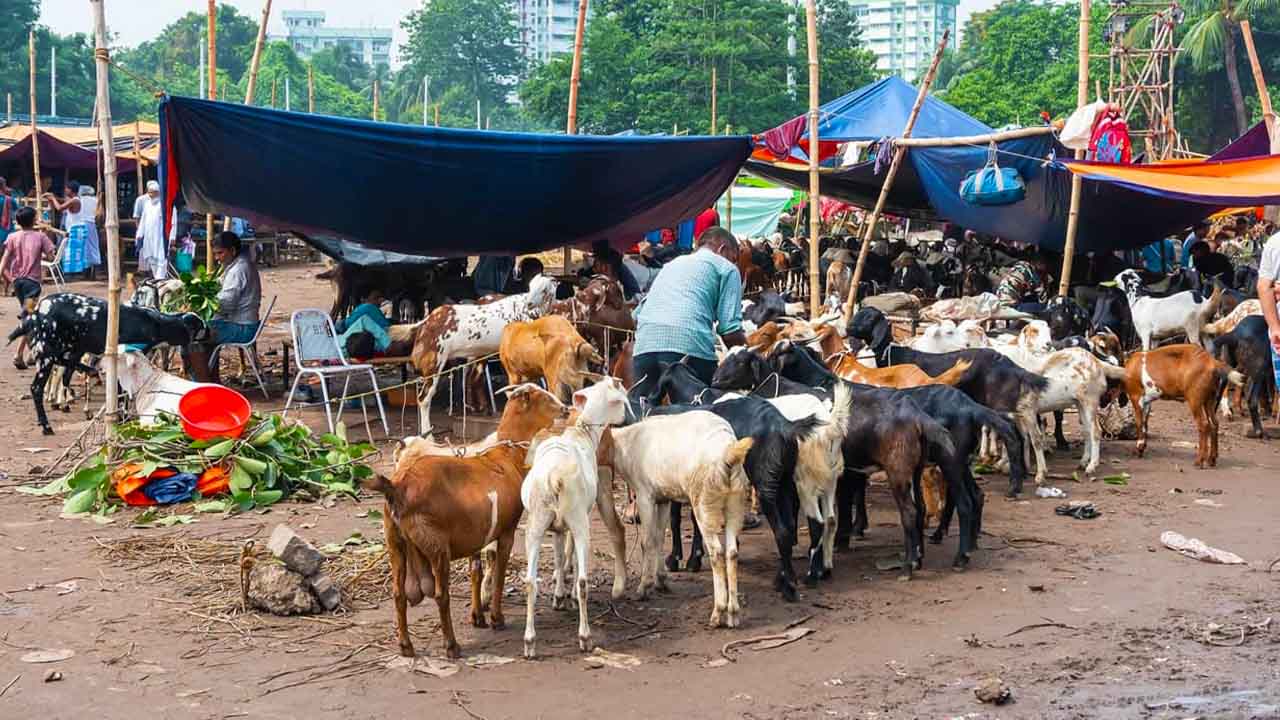
    Yesterday, Eid-ul-Azha was celebrated in Pakistan. Leading up to the occasion, thousands of sacrificial animals were made available for sale at established cattle markets in Karachi, Lahore, and Islamabad. However, a significant hurdle emerged as there were very few customers due to the prevailing issue of record inflation, which has affected millions of Pakistanis.

    Eid-ul-Azha, also known as the “Feast of Sacrifice,” is a revered observance that coincides with the final rites of the annual Hajj pilgrimage in Saudi Arabia. It is a joyous occasion where food plays a central role. Many Muslims mark the four-day festival by ritually slaughtering livestock and distributing the meat among family, friends, and the less fortunate.

    Yet, Pakistan’s annual inflation rate, reaching a record high of 37.97 per cent in May for the second consecutive month, has had a significant impact. Many buyers at Islamabad’s main cattle market expressed their inability to afford the livestock needed for the ritual sacrifice. On the other hand, sellers lamented that they had to acquire animals at exorbitant prices this year, with the cost of rearing the cattle being three times higher than before.

    Last week at Islamabad’s cattle market, the thin crowd was evidence of the prevailing desperation caused by the high cost of living, which had significantly dampened the typically thriving holiday trade in goats, cows, and sheep. One seller shared that despite bringing 20 animals, they were only able to sell five.

    Approximately 4,000 sacrificial animals had been brought from different parts of the country to the market ahead of Eid-ul-Azha. However, sellers reported a distinct lack of customers, and they expressed their concerns about the high prices of the animals, as their ability to earn income for their families depended on successful sales.

    Buyers, on the other hand, voiced their discontentment with the sellers’ pricing, noting its unfairness. Their grievances were justified, considering the substantial price disparities observed this year.

    For instance, a goat that would typically cost no more than Rs40,000 was being sold for Rs80,000, while a cow that should be priced around Rs300,000 had sellers asking for Rs700,000. These doubled rates compared to previous years reflect the challenging economic conditions in Pakistan.

    Cattle owners emphasised that looking after the animals was neither an easy nor a cheap task. The cost of animal feed, along with the overall care and maintenance, required considerable financial resources and effort.

    Sellers further elaborated on the costs associated with caring for the animals, emphasising the additional expenses incurred to ensure their well-being and appearance. They mentioned providing the animals with a diet consisting of wheat, milk, ghee, barley, nuts, and other natural ingredients to enhance their beauty, weight, and physique.

    However, the increased costs resulted in fewer customers. People’s purchasing power was significantly impacted, leading to a decline in market visitors. Even those who did come preferred to leave empty-handed due to the inflated prices of the animals.

    The prices for bulls ranged up to Rs600,000, while goats were priced between Rs50,000 and Rs150,000. The impact of inflation had a significant effect on people’s purchasing power, and as a result, there was a noticeable decrease in the number of sacrificial animals being bought compared to previous years. Many individuals who would typically purchase whole animals opted to go for “Hissa” meat instead.

  • FBR faces Rs75 billion shortfall in annual tax collection target

    FBR faces Rs75 billion shortfall in annual tax collection target

    The Federal Board of Revenue (FBR) is currently confronted with a shortfall of Rs75 billion in attaining the revised annual tax collection target of Rs7,200 billion for the fiscal year.

    Despite collecting Rs7,125 billion, which falls short of the revised target, the FBR faces a net revenue shortfall of Rs75 billion for the fiscal year 2022-2023.

    Originally, the FBR’s annual tax collection target was established at Rs7,640 billion for the outgoing fiscal year, subsequent to the unveiling of the mini-budget in February 2023.

    To generate additional revenue, the government implemented various measures, including an increase in the Goods and Services Tax (GST) rate from 17 per cent to 18 per cent, the application of a higher GST rate of 25 per cent on luxury goods, and a 154 per cent rise in the Federal Excise Duty (FED) on cigarettes.

    However, over the past four months, the FBR failed to generate the anticipated additional revenue, leading to a downward revision of the revenue collection target from Rs7,640 billion to Rs7,200 billion by the end of June 2023.

    Notably, Minister for Finance and Revenues, Ishaq Dar, took to Twitter to highlight the achievement of the highest-ever tax collection for the outgoing fiscal year.

    He stated, FBR has collected Rs7,000 billion in taxes for the first time in the country’s history as of June 26, 2023, and expressed optimism that the revenue collection would further increase by June 30, 2023.

    It is expected that the FBR will issue a formal statement regarding the revenue collection in due course.

  • WhatsApp Business will now let you create ads directly without Facebook account

    WhatsApp Business will now let you create ads directly without Facebook account

    Meta, the parent company of WhatsApp, announced a significant milestone today as WhatsApp Business, its application tailored for small businesses, surpassed 200 million monthly active users.

    This noteworthy achievement marks a substantial increase from the 50 million users recorded in 2020. As Meta remains focused on its “year of efficiency” strategy, it has introduced new features aimed at enhancing the user experience for WhatsApp Business, including simplified ad creation and a personalised messaging service.

    Recognising the need to offset the substantial investment in developing a metaverse, Meta is intensifying its efforts to generate revenue through alternate channels such as WhatsApp. In line with this objective, WhatsApp Business users will now have the ability to create “click-to-WhatsApp” ads without requiring a Facebook account.

    This new feature enables sellers to conveniently create, purchase, and publish ads for Facebook and Instagram directly within the WhatsApp Business app.

    During Meta’s Q3 earnings call last year, Mark Zuckerberg revealed that “click-to-WhatsApp” ads had surpassed an impressive annual revenue run rate of $1.5 billion, exhibiting a remarkable 80 per cent year-on-year growth.

    Building upon this success, WhatsApp Business is introducing an additional paid feature that automates the process of sending personalised messages to customers. While specific pricing details were not disclosed, WhatsApp plans to commence testing this feature in the near future.

    Demonstrated screenshots shared by the company illustrate that businesses will have the ability to send distinct messages to different customer segments. For example, a seller can transmit a unique discount code to new customers, complete with a convenient purchase button.

    In recent months, Meta has taken substantial steps towards augmenting revenue through paid messaging services. In February, the company announced adjustments to the pricing structure and messaging categories on WhatsApp. These categories encompass utility, authentication (for one-time passcodes), marketing, and user-initiated service conversations.

    These strategic initiatives reflect Meta’s ongoing commitment to enhancing the WhatsApp Business platform and driving increased monetisation opportunities.

  • Karachi residents disappointed as ATMs run out of cash ahead of Eid-ul-Azha

    Karachi residents disappointed as ATMs run out of cash ahead of Eid-ul-Azha

    As the country prepares to celebrate Eid-ul-Azha on June 29, the residents of Karachi are encountering a pressing issue with the depletion of cash in automated teller machines (ATMs).

    Consumers have expressed their grievances regarding the frequent unavailability of ATM services during the lead-up to Eid festivities.

    “We have made multiple visits to ATMs since this morning, only to find them out of order and devoid of cash,” shared concerned individuals.

    It is not uncommon for consumers to encounter difficulties with ATMs nearing the arrival of Eid. This situation arises due to the heightened demand for cash withdrawals, particularly for the purchase of sacrificial animals.

    Pakistan is set to observe Eid on June 29 (Thursday). The government has declared a four-day holiday for the public, including the Day of Arafah, which falls on June 28.

  • Pakistani rupee records slight increase against US dollar, settles at Rs285.99

    Pakistani rupee records slight increase against US dollar, settles at Rs285.99

    The State Bank of Pakistan reported that the Pakistani Rupee (PKR) maintained an upward trajectory against the US dollar in the interbank foreign exchange market on Tuesday.

    The PKR experienced a gain of Rs0.072 against the greenback, resulting in a closing rate of Rs285.99. This marks an improvement from the previous day’s closing rate of Rs286.71.

    Experts attribute the rise in the dollar’s value to the government’s successful fulfillment of all conditions set by the International Monetary Fund (IMF).

    Prime Minister Shehbaz Sharif recently engaged in his fourth communication with the IMF Managing Director, Kristalina Georgieva, within a span of six days.

    It is worth noting that Pakistan’s ninth review by the IMF under the 2019 Extended Fund Facility, which aims to secure the release of $1.2 billion in funds, is still pending. With only three days remaining until the programme’s expiry on June 30, there is a pressing need to conclude the review process promptly.

  • Will Pakistan secure IMF’s bailout? Decision expected within 48 hours

    Will Pakistan secure IMF’s bailout? Decision expected within 48 hours

    Prime Minister Shehbaz Sharif engaged in a telephonic conversation with Kristalina Georgieva, the Managing Director of the International Monetary Fund (IMF), on Tuesday.

    During the discussion, Prime Minister Shehbaz Sharif expressed his optimistic outlook, anticipating that a decision regarding the bailout programme would be reached within the next day or two.

    In an official statement issued by the Prime Minister’s Office (PMO), it was highlighted that the premier and IMF MD delved into various matters pertaining to the IMF programme. The statement further indicated that the efforts of the finance minister and his team were duly acknowledged by the IMF MD.

    The statement continued to convey the Prime Minister’s expectation that the coordination efforts on finer details would culminate in an IMF decision in the coming days. Additionally, Shehbaz reiterated his commitment to achieving the shared goal of improving the economic situation through collaborative endeavors.

    Last week, Prime Minister Shehbaz Sharif held a meeting with Georgieva during the Summit for a New Global Financial Pact in Paris, wherein he provided a comprehensive briefing on Pakistan’s economic outlook. The Prime Minister expressed hope that the critical funds would be disbursed as a result.

    Pakistan is currently engaged in a race against time to revive its halted bailout programme, which is set to conclude on June 30. Experts emphasise the significance of resuming the IMF bailout, which has been at a standstill since November of the previous year.

    The cash-strapped South Asian economy is grappling with a balance of payment crisis, making the expected funding of $1.1 billion from the international lender crucial. This funding would also pave the way for additional inflows from Pakistan’s multilateral and bilateral partners, effectively reducing the risks associated with a potential default, as per expert opinion.

  • Govt offers Islamabad International Airport for lease to foreign investors

    Govt offers Islamabad International Airport for lease to foreign investors

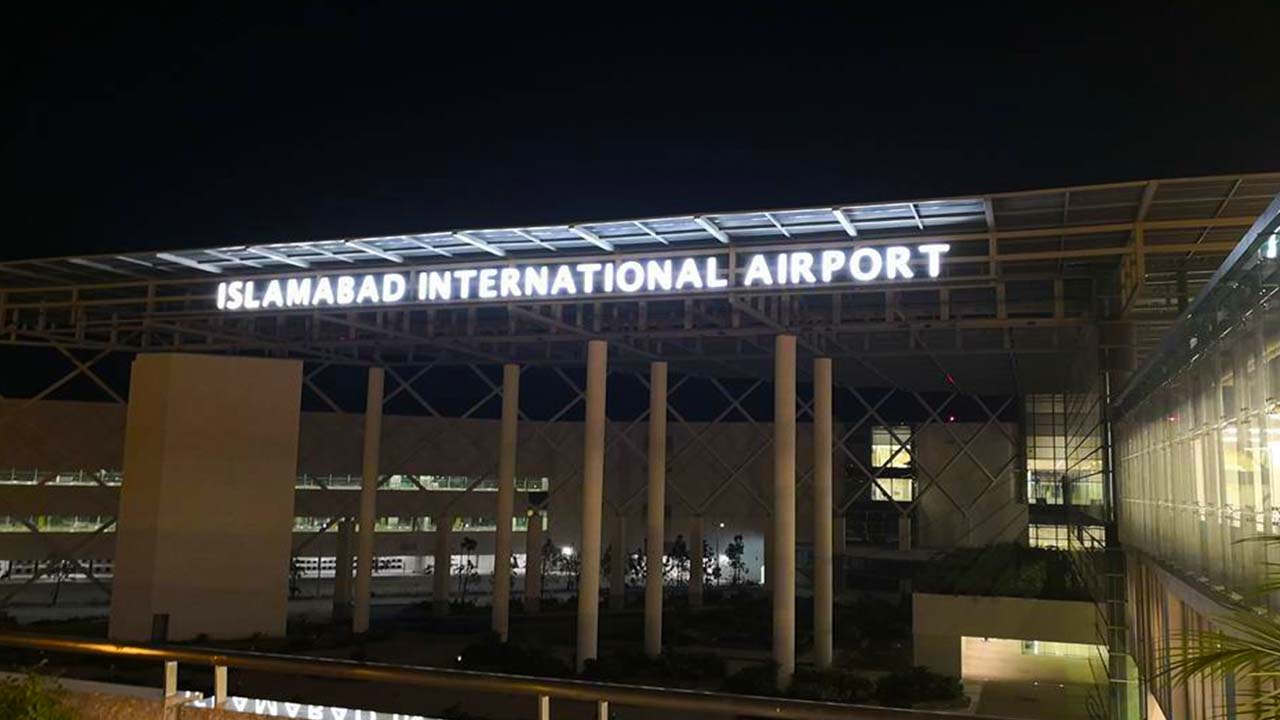
    The government has made the decision to initiate the leasing process of New Islamabad International Airport to international investors in its initial phase. This decision follows the encountered practical difficulties in outsourcing the international airports located in Karachi and Lahore.

    Compared to other airports, the New Islamabad International Airport has been deemed a clean transaction, prompting the government to explore outsourcing options as soon as possible.

    The International Finance Corporation (IFC) has also indicated that there are parties expressing interest in managing the operations of all three airports, as mentioned during a presentation to Minister for Finance Ishaq Dar in the federal capital.

    However, expediting the process will not be easy for the government since no airport outsourcing has been formally advertised thus far. Top official sources confirmed that there are practical issues that must be resolved before handing over the airport to an international party.

    One major concern revolves around the national flag carrier, Pakistan International Airlines (PIA), which has defaulted on various airport facilities. Even if the government were to assume PIA’s past liabilities, the new airport operator would face the challenge of providing free-of-cost facilities to the carrier.

    Furthermore, in Karachi and Lahore, certain sections of the airports are occupied by relevant agencies, necessitating a permanent solution to enable potential investors to utilize the entire airport for commercial purposes. The Airport Security Force (ASF) also poses an obstacle to completing the transaction smoothly.

    It remains to be seen how the government will address these challenges. Sources indicate that the government is exerting all efforts to outsource New Islamabad International Airport before the end of its tenure in the second week of August 2023. However, accomplishing this goal within the given timeframe appears to be a challenging task.

  • Pakistan receives second shipment of discounted Russian crude oil

    Pakistan receives second shipment of discounted Russian crude oil

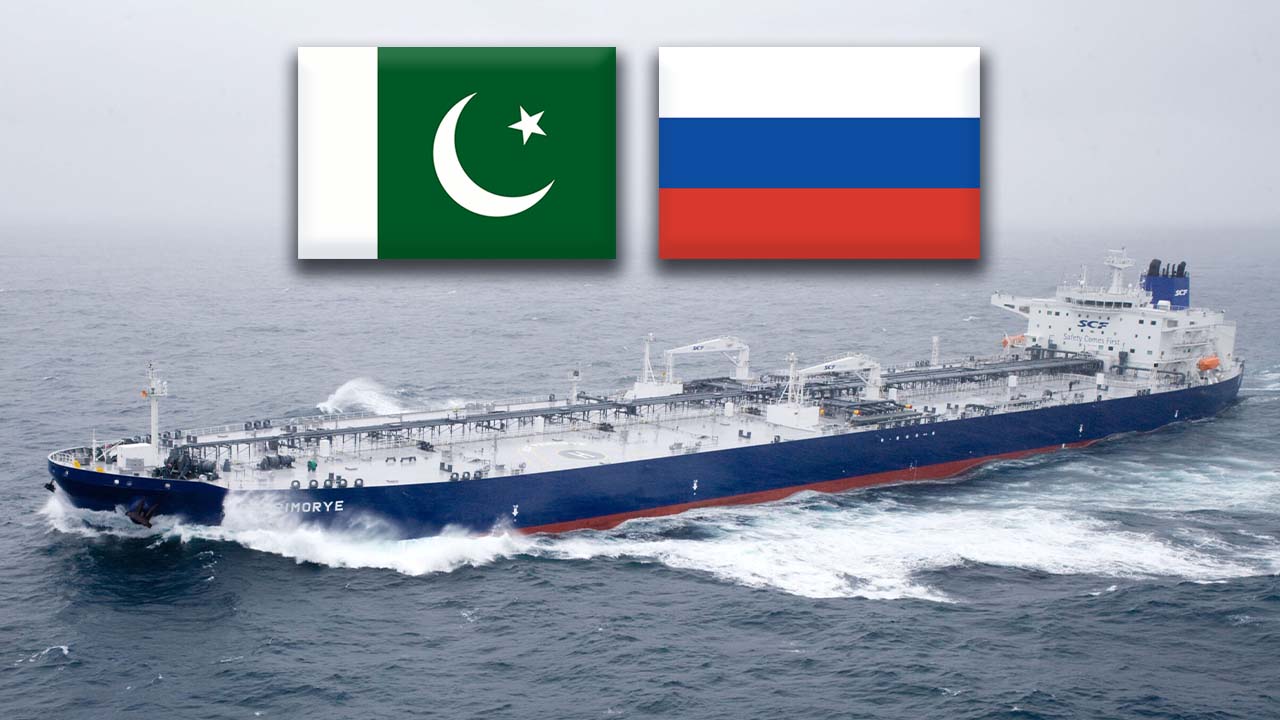
    On Tuesday, the second shipment of discounted Russian crude oil, comprising a total of 55,000 tonnes, reached the Karachi port.

    The vessel carrying Urals oil, named ‘Clyde Noble’, had been en route to the port of Karachi in the Arabian Sea, according to earlier reports from reliable sources. Once the ship’s berthing plan is finalized, it will be docked at the oil pier.

    An insider from the oil industry had previously informed The News that the vessel was expected to reach Karachi Port by Tuesday. Originally scheduled to arrive on June 20, the second cargo faced a one-week delay due to limited storage space in the tanks of Pakistan Refinery Limited (PRL).

    The PRL, being the first domestic refinery to receive crude oil from Russia under the government-led deal, encountered logistical challenges.

    Pakistan had received its initial shipment of Russian crude oil on June 12 when a tanker carrying 45,000 tonnes of crude oil docked at the Karachi port. The government had placed an order of 100,000 tonnes of Russian crude oil in April of this year after months of negotiations with Moscow to finalize the terms and conditions of the agreement.

    As per the terms of the deal, Russia dispatched the first oil tanker carrying 100,000 metric tonnes of crude, which arrived at the Omani port earlier this month.

    However, due to the Pakistani port’s limitations in handling heavy ships carrying over 50,000 tonnes of oil cargo, it was decided to transport the crude to Pakistan using smaller vessels.

    It is noteworthy that the vessel, loaded with Ural crude on April 21 at a Russian port, faced a 10-day delay due to technical issues. Subsequently, it reached Egypt’s Suez Canal on May 17, where it endured a 12-day wait in a lengthy queue before crossing the canal.

    Currently, Pakistan imports 70 per cent of its crude oil, which is refined by PRL, National Refinery Limited, Pak Arab Refinery Limited, and Byco Petroleum. The remaining 30 per cent is domestically produced and refined by Attock Refinery Limited.

    To meet the demand for petroleum products, PRL is presently in the process of refining the Russian crude oil, blending it with Arabian crude that arrived a few days ago following a PRL order.