Category: Business

  • Rural areas in Pakistan are facing up to 10 hours of load shedding due to massive power shortfall

    Rural areas in Pakistan are facing up to 10 hours of load shedding due to massive power shortfall

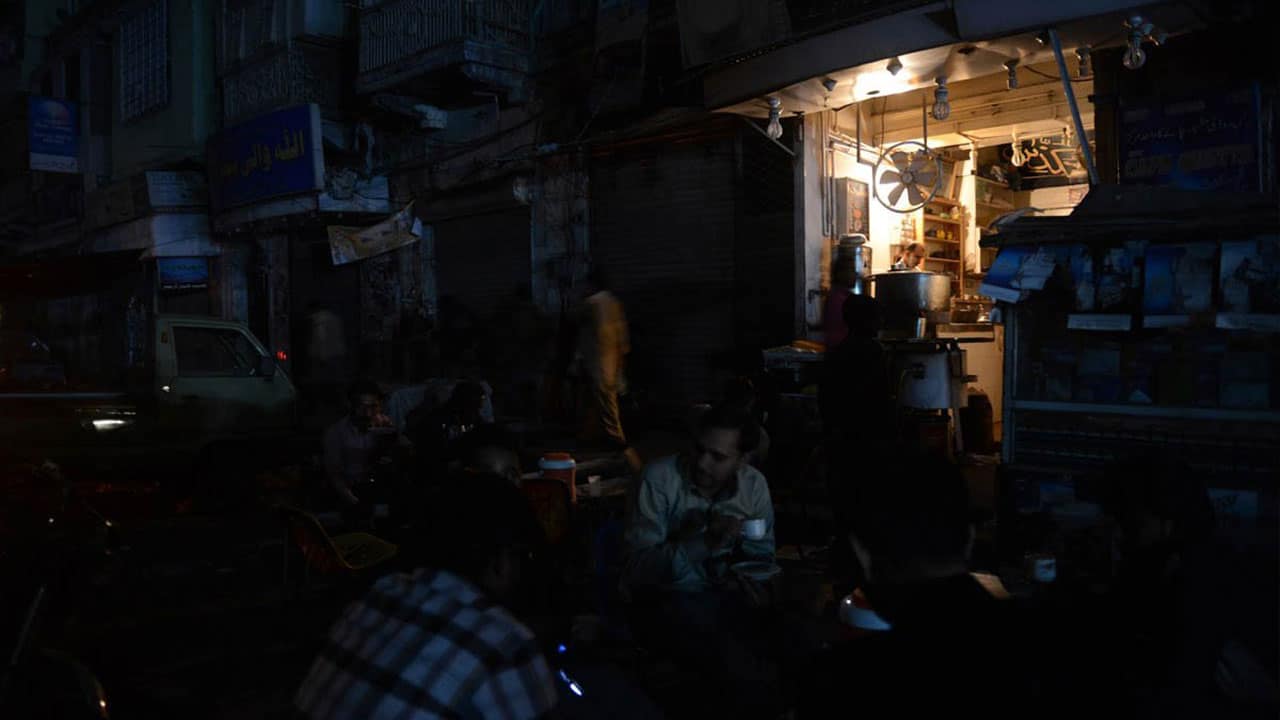
    Amidst a severe heatwave sweeping across the nation, the persistent electricity crisis shows no signs of relenting, with a power shortfall of 6,000 megawatts being recorded. The demand for electricity stands at 28,500 megawatts, while the actual production amounts to 22,500 megawatts.

    Reports indicate that cities are currently enduring load shedding periods lasting from three to five hours. In rural areas, outages are even more prolonged, stretching from eight to 10 hours, whereas urban regions experience load shedding for approximately two to four hours, according to officials from the power division.

    These officials further emphasise that the duration of load shedding is extended on feeders where there are reports of theft and outstanding recovery of line losses.

    As reported by the power division officials, the electricity production breakdown is as follows: 6,900 megawatts from hydroelectric sources, 10,800 megawatts from private power plants, 1,500 megawatts from thermal sources, and 2,300 megawatts from wind, solar, and nuclear plants.

  • PM Shehbaz urges IMF to release stalled funds, assures compliance with conditions

    PM Shehbaz urges IMF to release stalled funds, assures compliance with conditions

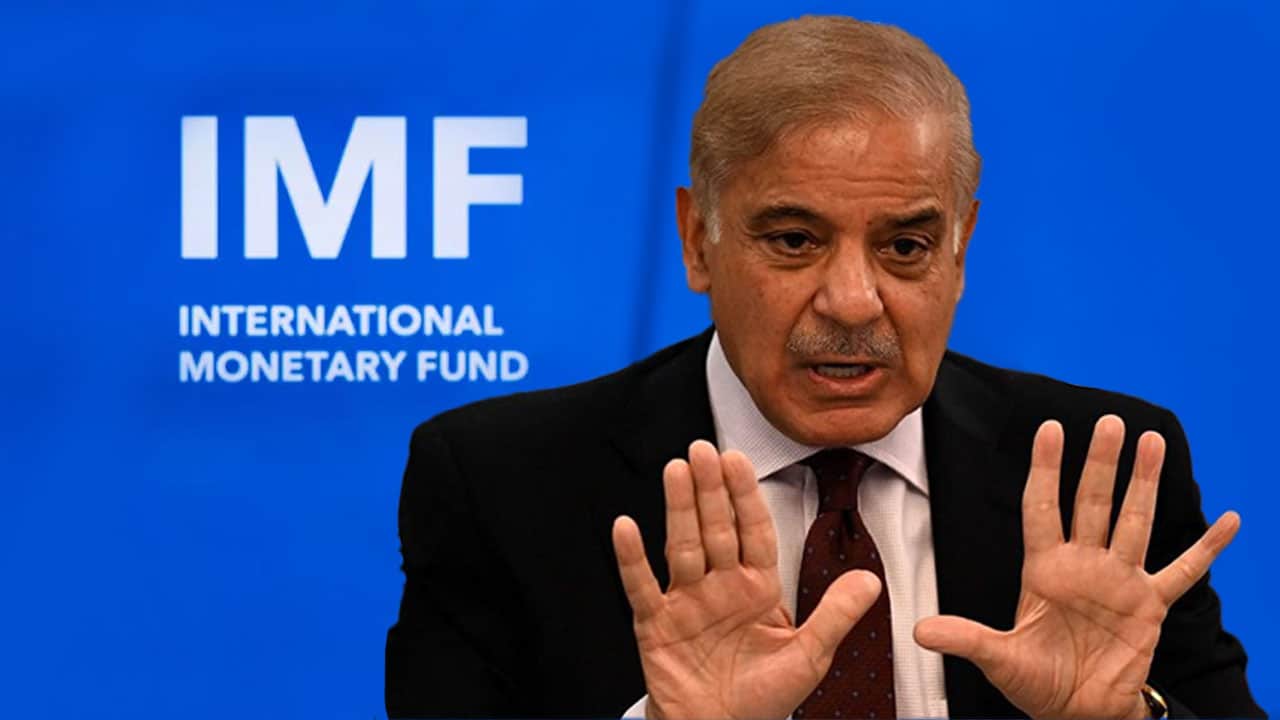
    On Thursday, Prime Minister (PM) Shehbaz Sharif had a meeting with Kristalina Georgieva, the Managing Director of the International Monetary Fund (IMF), where he urged the lender to release the stalled funds for Pakistan. He assured the IMF of Pakistan’s compliance with all the conditions set by the lender.

    The meeting took place during the Summit for a New Global Financial Pact held in Paris, emphasising Pakistan’s commitment to fulfilling its promises.

    During the meeting, the two leaders discussed the ongoing programmes and cooperation between Pakistan and the IMF. The prime minister briefed Georgieva on Pakistan’s economic outlook, highlighting the government’s efforts for economic growth and stability.

    He emphasised that all the necessary actions for the 9th review under the Extended Fund Facility (EFF) had been completed, and Pakistan was fully dedicated to meeting its obligations as agreed with the IMF.

    The prime minister expressed his hope for the timely release of the funds allocated under the EFF, as it would contribute to Pakistan’s ongoing efforts in economic stabilisation and provide relief to the people.

    Georgieva shared the IMF’s perspective on the ongoing review process and acknowledged the meeting as an opportunity to assess the progress made in that context.

    It is crucial to note that Pakistan’s currency reserves are currently sufficient to cover only one month’s worth of imports. The country had expected $1.1 billion of the funds to be released in November, but the IMF has imposed certain conditions before making further disbursements.

    With only one IMF board review remaining before the end of the $6.5 billion EFF programme, Pakistan is expected to present a budget aligned with the programme objectives, restore proper functioning of the foreign exchange market, and bridge the $6 billion gap before the board review.

  • Fourth consecutive decline: Gold price drops by Rs1,800 to Rs218,700 per tola

    In line with the reduction in international rates, the per tola gold price in Pakistan experienced a significant decline of Rs1,800 on Wednesday. This marks the fourth consecutive day of falling prices for the precious metal.

    The All-Pakistan Sarafa Gems and Jewellers Association (APSGJA) released data indicating that the price of 24-carat gold decreased by Rs1,800 per tola and Rs1,543 per 10 grammes, settling at Rs218,700 and Rs187,500, respectively.

    Internationally, the price of gold plummeted by $17, reaching $1,934 per ounce in today’s market. Pakistan’s gold rate has exhibited volatility in recent times, largely due to ongoing political and economic uncertainty, high inflation, and currency depreciation. Amid such fluctuations, individuals often turn to gold as a safe investment and a hedge against market instability.

    While gold prices experienced a notable decline, the price of silver saw only nominal losses. Data shared by the APSGJA revealed that the price of silver fell by Rs50 per tola and Rs42.87 per 10 grammes, settling at Rs2,550 and Rs2,186.21, respectively.

    In other market developments, the local currency made nominal gains against the dollar, increasing by Rs0.24 or 0.08 per cent. The interbank market witnessed the closing exchange rate of Rs286.98 on Tuesday.

    The recent downward trend in gold prices in Pakistan reflects the influence of international market conditions. Despite these fluctuations, gold remains a sought-after investment during times of economic and political uncertainty, providing individuals with a secure and reliable asset.

  • Chinese company ‘China Power’ plans to set up electric vehicle manufacturing plant in Sindh

    Chinese company ‘China Power’ plans to set up electric vehicle manufacturing plant in Sindh

    A delegation from the Chinese firm ‘China Power’ expressed keen interest in setting up an industrial plant in Sindh for the production of electric vehicles. The meeting between the company representatives and Sindh Minister for Information and Transport, Sharjeel Memon, took place in Karachi on Wednesday.

    Minister Memon warmly welcomed the company’s interest and assured them of the provincial government’s full support in facilitating investors and industrialists in the region. This move highlights the government’s commitment to promoting investment and boosting the manufacturing sector in Sindh.

    This is not the first time a Chinese company has shown interest in establishing a manufacturing plant in Karachi. Last year, another Chinese company agreed to establish Pakistan’s first intra-city bus manufacturing company in the city. This initiative aimed to make buses more affordable and accessible to the public.

    The announcement was made by Minister Memon following his meeting with the country manager of the bus company. The manufacturing plant, to be established on an 18-acre land, is expected to be operational within the next 20 months, with an annual production capacity of 500 buses.

    Minister Memon emphasised that the establishment of a public transport manufacturing plant remains a top priority for the provincial government, and efforts are being made to expedite the project. He further mentioned via his Twitter account that he had a detailed meeting with a leading Chinese bus manufacturing company, and they have agreed to initiate Pakistan’s first intra-city bus manufacturing plant in Karachi.

    The interest shown by ‘China Power’ and the previous commitment from the Chinese bus manufacturing company indicate growing confidence in the investment potential and business environment of Sindh. These ventures can not only enhance the local manufacturing sector but also contribute to the development of sustainable transportation options in Pakistan.

    Overall, the collaboration between Chinese companies and the provincial government of Sindh demonstrates a significant step towards fostering industrial growth and expanding the electric vehicle and public transportation sectors in the region.

  • Global 5G subscriptions set to surpass 1.5 billion by the end of 2023

    Global 5G subscriptions set to surpass 1.5 billion by the end of 2023

    The latest edition of the Ericsson Mobility Report, released in June 2023, reveals that despite challenges posed by geopolitics and macroeconomic slowdown in certain markets, communication service providers worldwide are persistently investing in 5G technology. The report demonstrates that the adoption of 5G subscriptions in North America has surpassed previous expectations, with the region leading in global 5G subscription penetration at 41 per cent by the end of 2022.

    The study further indicates a consistent rise in 5G subscriptions across all regions, projected to reach over 1.5 billion by the end of 2023. Concurrently, global mobile network data traffic continues to escalate, with an anticipated monthly average usage per smartphone exceeding 20 GB by the end of 2023.

    Additionally, the report highlights sustained revenue growth in prominent 5G markets. Fredrik Jejdling, the Executive Vice President and Head of Networks at Ericsson, emphasises the positive impact of 5G technology on communication service providers, stating, “The global adoption of 5G technology has exceeded one billion subscriptions, resulting in favorable revenue growth for leading 5G markets. The increase in 5G subscriptions correlates directly with enhanced service revenue. Over the past two years, the introduction of 5G services in the top twenty markets has generated a seven percent revenue boost. This trend underscores the increasing value of 5G, benefiting both users and service providers.”

    Globally, approximately 240 communication service providers (CSPs) have introduced commercial 5G services, with around 35 deploying or launching 5G standalone (SA) networks. Notably, CSPs commonly offer various bundled packages that include popular entertainment services, such as television, music streaming, or cloud gaming platforms. Presently, about 58 per cent of 5G service providers offer such bundled packages in diverse formats.

    Moreover, the report identifies 5G as a catalyst for innovation in mobile service packaging. This is exemplified by the increasing number of CSPs offering Fixed Wireless Access (FWA) services over 5G, with more than 100 providers, accounting for approximately 40 per cent of FWA service providers, currently delivering FWA over 5G. FWA is experiencing solid growth in terms of the number of mobile service providers offering it, the proportion of providers offering FWA over 5G, the proportion of CSPs implementing speed-based tariff structures, and the volume of traffic served, as both the number of connections and traffic per connection continue to increase. By 2028, it is projected that 5G will account for nearly 80 per cent of all FWA connections.

    The June 2023 Ericsson Mobility Report also includes four comprehensive articles exploring various topics, including the influence of traffic patterns on network evolution, the potential for differentiated services in 5G networks, the advancements facilitated by mobile networks in augmented reality (AR) adoption, and the readiness of mobile networks to deliver a superior quality of experience for new services.

  • UK introduces new trade plan, offering duty-free access to 94% Pakistani products

    UK introduces new trade plan, offering duty-free access to 94% Pakistani products

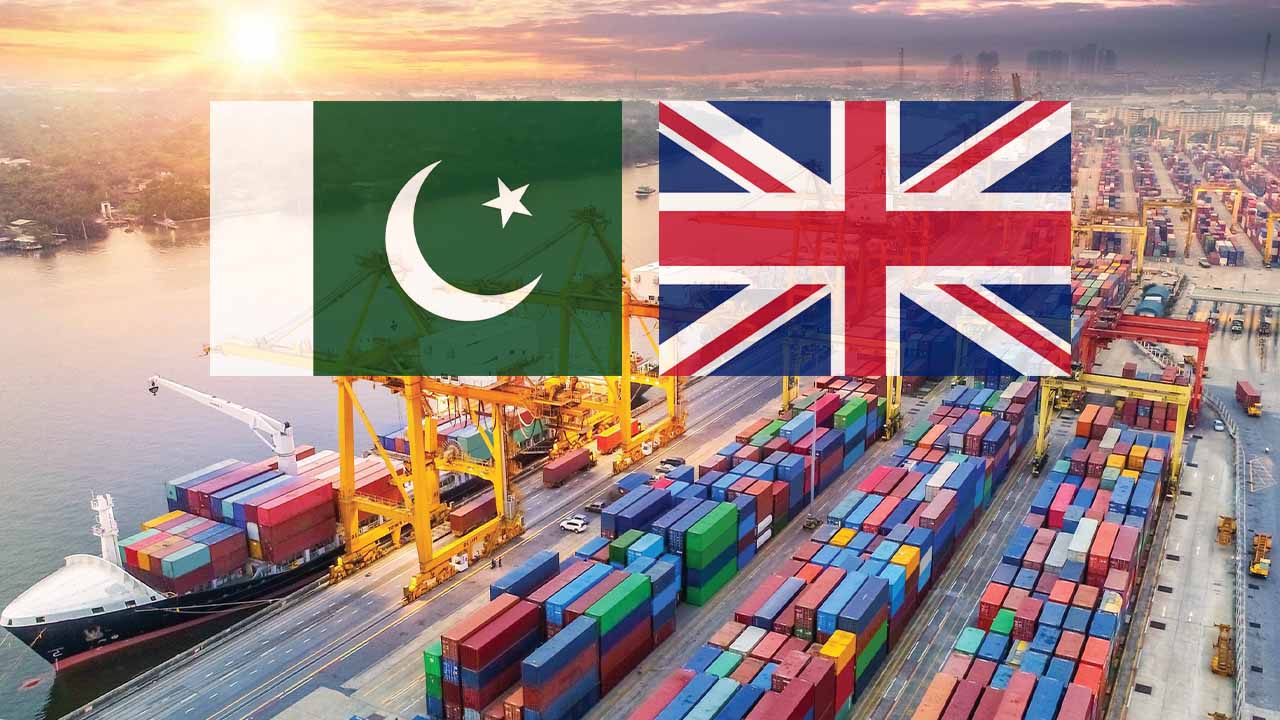
    The United Kingdom has taken a momentous step in strengthening commercial ties with 64 nations, including Pakistan, by launching a new trading plan that offers duty-free access to goods.

    This move is expected to have a significant impact on Pakistani exports, allowing a staggering 94 per cent of goods to enter the British market without any duties, resulting in substantial savings of £120 million for the country.

    With the replacement of the Generalised System of Preferences (GSP), the UK’s new trade system opens up new avenues for trade and promises further tariff reductions for an additional 156 items.

    The implementation of the new trade system marks a significant development for Pakistani exports to the United Kingdom. By providing duty-free access to a vast majority of Pakistani goods, the UK aims to foster a mutually beneficial trade relationship. This move is expected to boost the trading possibilities between the two nations and facilitate an expansion of bilateral trade.

    According to the British High Commission, the current annual trade volume between Pakistan and the UK stands at £4.4 billion, and these figures are expected to rise in the future.

    The new trading plan aims to extend opportunities for free and fair trade to 65 nations, including Pakistan. By facilitating necessary changes and improvements, the UK seeks to enhance the quality of trade and enable these countries to actively participate in the global trading system. The British Trade Centre will play a crucial role in supporting and assisting these nations in their trade endeavors.

    Notably, this new plan also benefits 26 Asian nations and 37 African nations, collectively amounting to an export volume of £21 billion to the UK.

    The new trade system also promises further tariff reductions and increased trading possibilities for participating nations. With this plan in place, the UK aims to promote free and fair trade, strengthen global trading systems, and foster economic growth for all involved parties.

  • Proton increases car prices by more than Rs2.1 million in Pakistan

    Proton increases car prices by more than Rs2.1 million in Pakistan

    In what has already been a challenging year for Pakistan’s car industry, Al-Haj Automotive, the assembler and seller of Proton cars in the country, has announced a significant price hike across its vehicle lineup. The move comes as the industry continues to grapple with production halts and a series of factors contributing to a worsening crisis.

    Throughout 2022, Al-Haj Automotive had refrained from increasing its prices, with the exception of the Saga Standard Automatic variant in February. However, the company’s recent announcement indicates a substantial shift in its pricing strategy, leaving customers in shock and further dampening the already struggling car market.

    The ongoing crisis in the Pakistani car industry has been attributed to several key factors. First and foremost, the depreciation of the Pakistani rupee against major currencies has led to increased costs for automakers who rely on imported components. Import restrictions imposed by the government have also played a role in limiting the availability of crucial parts and components.

    Furthermore, the industry has faced challenges due to the increase in taxes levied on automobile manufacturers. The rising freight charges have further added to the financial burden faced by car companies, affecting their ability to maintain reasonable pricing for consumers.

    In addition to these factors, the Pakistani car industry has been hit hard by escalating raw material prices, making it increasingly difficult for automakers to sustain production and keep prices affordable. Logistical hurdles and supply chain disruptions have only compounded the challenges faced by manufacturers, resulting in prolonged production halts and delivery delays.

    Against this backdrop, Al-Haj Automotive has released its updated price list, effective immediately. The new prices for the Proton vehicle lineup are as follows:

    Saga Standard Manual: PKR2,824,000 (old price) to PKR3,749,000 (new price), representing an increase of PKR925,000.

    Saga Standard Automatic: PKR3,299,000 (old price) to PKR3,949,000 (new price), reflecting an increase of PKR650,000.

    Saga ACE Automatic: PKR3,149,000 (old price) to PKR4,099,000 (new price), marking a significant rise of PKR950,000.

    X70 Executive AWD: PKR6,740,000 (old price) to PKR8,799,000 (new price), indicating a staggering increase of PKR2,059,000.

    X70 Premium FWD: PKR7,190,000 (old price) to PKR9,299,000 (new price), representing a substantial hike of PKR2,109,000.

    These price hikes by Al-Haj Automotive are expected to further burden potential car buyers and impact the demand in an already beleaguered market. The company, like other automakers in Pakistan, has attributed the need for such price increases to the challenging economic conditions and various hurdles faced by the industry.

    As Pakistan’s car industry continues to grapple with the ongoing crisis, consumers and stakeholders are anxiously awaiting measures from the government and industry leaders to stabilise the market and provide relief to both manufacturers and customers alike.
  • OGRA proposes Rs10 million fine for oil companies involved in illegal petroleum stocking and distribution

    OGRA proposes Rs10 million fine for oil companies involved in illegal petroleum stocking and distribution

    The Oil and Gas Regulatory Authority (OGRA) has recommended severe penalties for those involved in the illegal storage, handling, and distribution of petroleum products in Pakistan. OGRA has proposed amendments to Sections 285-B and 285-C of the Pakistan Penal Code to address this issue.

    According to OGRA’s proposal to the Cabinet Division, individuals or oil marketing companies found guilty of unauthorised storage and handling of petroleum for the purpose of sale, resale, transport, or distribution to consumers could face up to ten years in prison or a fine of up to Rs10 million. The regulatory body emphasises that such unauthorised activities have detrimental effects on society, particularly innocent individuals who may unknowingly be exposed to unsafe petroleum products.

    The proposed amendments aim to address the existing gaps in the legal framework related to the handling of explosive substances, fire or combustible materials, and machinery that can cause harm to human life and property damage. While Sections 285, 286, and 287 of the Pakistan Penal Code already deal with these issues, they do not specifically cover the illicit sale, distribution, production, storage, or handling of petroleum products.

    To rectify this, OGRA has recommended the insertion of Section-A 285-B and 285-C in the Pakistan Penal Code. These new sections would serve to safeguard human life and property by imposing strict penalties for unlicensed handling of petroleum products and explosive substances, as well as unauthorised manufacturing of machinery and equipment.

    The proposed amendments align with the constitutional provisions of Pakistan, which ensure that no person shall be deprived of life, liberty, or property except in accordance with the law. By introducing these new measures, OGRA aims to deter illegal activities in the oil and gas sector, protect public safety, and maintain a regulated and lawful environment for the industry.

    The recommendations made by OGRA are now under consideration by the Cabinet Division. If approved and implemented, the proposed amendments would serve as a strong deterrent against the illegal handling and distribution of petroleum products, ensuring the safety and well-being of the Pakistani public.

  • Suzuki Motor Corp teams up with SkyDrive to manufacture ‘flying cars’

    Suzuki Motor Corp teams up with SkyDrive to manufacture ‘flying cars’

    In an exciting development for the automotive industry, Suzuki Motor Corp, the renowned Japanese automaker, has announced its partnership with SkyDrive Inc to produce “flying cars.” The collaboration aims to utilise a Suzuki Group factory located in central Japan to manufacture electric vertical take-off and landing (eVTOL) aircraft, with production set to commence by spring next year.

    Suzuki Motor Corp released a statement detailing the agreement with SkyDrive, highlighting their shared vision for the future of transportation. The company plans to establish a wholly owned subsidiary focused on the production of these innovative aircraft. Suzuki will play a crucial role in facilitating the manufacturing process by assisting in talent acquisition and other necessary preparations.

    Headquartered in Toyota, central Japan, SkyDrive boasts an impressive list of shareholders, including trading house Itochu Corp, tech firm NEC Corp, and a subsidiary of energy company Eneos Holdings Inc. This collaboration builds upon a previous agreement signed by the two companies in March of the previous year, which outlined their commitment to jointly explore research, development, and marketing opportunities in the field of flying cars.

    The emergence of eVTOL aircraft represents a significant leap forward in the realm of urban air mobility. These vehicles are designed to take off and land vertically, enabling efficient transportation in congested urban areas and reducing travel times significantly. By harnessing electric propulsion, eVTOL aircraft offer the potential for zero-emission travel, making them environmentally friendly alternatives to traditional modes of transportation.

    Suzuki’s entry into the flying car market signifies the company’s dedication to staying at the forefront of technological advancements in the automotive sector. With a rich history of producing high-quality vehicles, Suzuki’s involvement in the manufacturing process will undoubtedly contribute to the production of reliable and efficient flying cars.

    The partnership with SkyDrive aligns with Suzuki’s commitment to sustainable practices and innovative solutions. By exploring the possibilities of aerial mobility, the company aims to revolutionise transportation and redefine the way people commute within and between cities. The combination of Suzuki’s manufacturing expertise and SkyDrive’s pioneering technology is expected to result in cutting-edge eVTOL aircraft that meet the highest safety and performance standards.

    As the collaboration progresses, it is likely that Suzuki and SkyDrive will continue to leverage their respective strengths to overcome the unique challenges associated with manufacturing flying cars. These challenges include regulatory hurdles, infrastructure requirements, and public acceptance. However, with the commitment and resources of both companies, they are well-positioned to overcome these obstacles and drive the development of this exciting new industry forward.

    The successful implementation of flying cars has the potential to revolutionise urban transportation, alleviating congestion on the ground and opening up new possibilities for efficient, eco-friendly travel. It represents a significant step towards a future where aerial mobility is a viable and sustainable mode of transportation.

    As Suzuki and SkyDrive embark on this joint venture, the automotive industry eagerly anticipates the first batch of eVTOL aircraft to roll off the production line. Their collaboration serves as a testament to the boundless potential of human ingenuity and highlights the relentless pursuit of technological advancements that continue to shape our world.

  • IMF’s disapproval of budget raises odds of default and economic fallout for Pakistan

    IMF’s disapproval of budget raises odds of default and economic fallout for Pakistan

    In a recent report, the International Monetary Fund (IMF) expressed criticism of Pakistan’s latest budget, increasing the likelihood that the lender may withhold the much-needed aid before the bailout programme concludes at the end of June.

    According to Bloomberg, this development could lead to a severe dollar shortage in the first half of the upcoming fiscal year, potentially resulting in a higher chance of default, lower growth, and increased inflation and interest rates.

    The IMF’s critique of the budget stems from its belief that it does not adequately address the need to broaden the tax base and includes a tax amnesty. The current foreign currency reserves of Pakistan stand at $4 billion. However, with approximately $900 million in debt repayment due this month, the reserves will deplete by the end of June unless the expected IMF aid materialises.

    The country faces the challenge of repaying an additional $4 billion between July and December, which cannot be rolled over. Given the projected reserves falling below $4 billion at the start of fiscal year 2024, default seems highly probable, according to the report titled “Pakistan Insight.”

    The absence of an IMF programme would significantly limit the options for obtaining fresh external funding. The report suggests that negotiations for a new bailout agreement with the IMF are unlikely to commence until after the elections in October. Furthermore, even if an agreement is reached, actual aid disbursement under a new programme would not occur until December.

    In the meantime, Pakistan must focus on conserving dollars by restricting import purchases and maintaining a surplus in its current account balance to fulfill its obligations. To avert default in the first half of fiscal year 2024, the country will also need to seek assistance from friendly nations.

    The report warns of severe consequences for Pakistan’s economy if the anticipated IMF aid is not received by the end of June. Import restrictions will need to remain in place, and the State Bank of Pakistan is expected to raise interest rates above the current level of 21 per cent to further reduce demand for imports and preserve foreign exchange reserves.

    The report’s base case assumes that the State Bank of Pakistan will maintain its current policy stance until December, but that prediction relies on the assumption of IMF aid arriving by the end of June.

    Continued import restrictions and a weaker Pakistani rupee are likely to contribute to higher inflation in fiscal year 2024 compared to current forecasts. It is projected that inflation will average around 22 per cent, while increased borrowing costs and limitations on importing raw materials will further hamper production and dampen consumption.

    In addition, if the expected IMF aid does not materialise this month, the report predicts that Pakistan’s growth in fiscal year 2024 will be much weaker than the current forecast of 2.5 per cent.

    Furthermore, the higher interest rates resulting from the aid shortfall will lead to increased debt servicing costs for the government. The report reveals that approximately half of the fiscal year 2024 budget is allocated to debt servicing, exacerbating the country’s fiscal challenges.

    With the IMF aid hanging in the balance, Pakistan faces a critical period in its economic trajectory, where strategic financial decisions, reliance on friendly nations, and stringent economic measures will be essential to avoid further complications and ensure stability in the future.