Category: Business

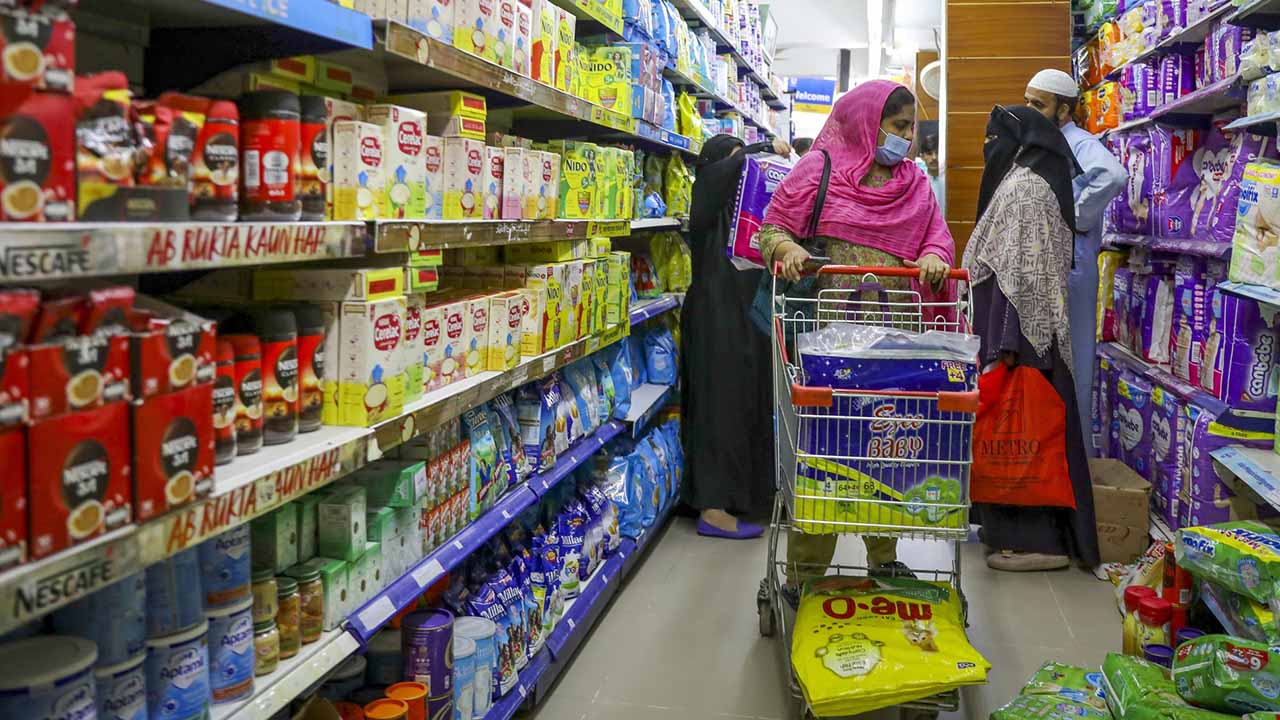
  • Markets nationwide to close at 8 pm to save energy

    Markets nationwide to close at 8 pm to save energy

    The National Economic Council has decided to close shops across the country at 8 pm.

    The meeting was held under the chairmanship of Prime Minister Shehbaz Sharif, with the participation of the Chief Ministers of Sindh, Punjab, and KP.

    The Balochistan Minister of Planning also participated in the meeting. During the meeting, it was decided to close shops across the country at 8 pm.

    In a press conference held after the meeting, Federal Minister for Planning Ahsan Iqbal stated that the decision to close shops at 8 pm was made to save energy.

    He further mentioned that commercial areas will be closed at eight o’clock, green energy will be promoted, and LED bulbs will be installed.

  • PM Shehbaz confident of positive outcome in IMF loan talks

    PM Shehbaz confident of positive outcome in IMF loan talks

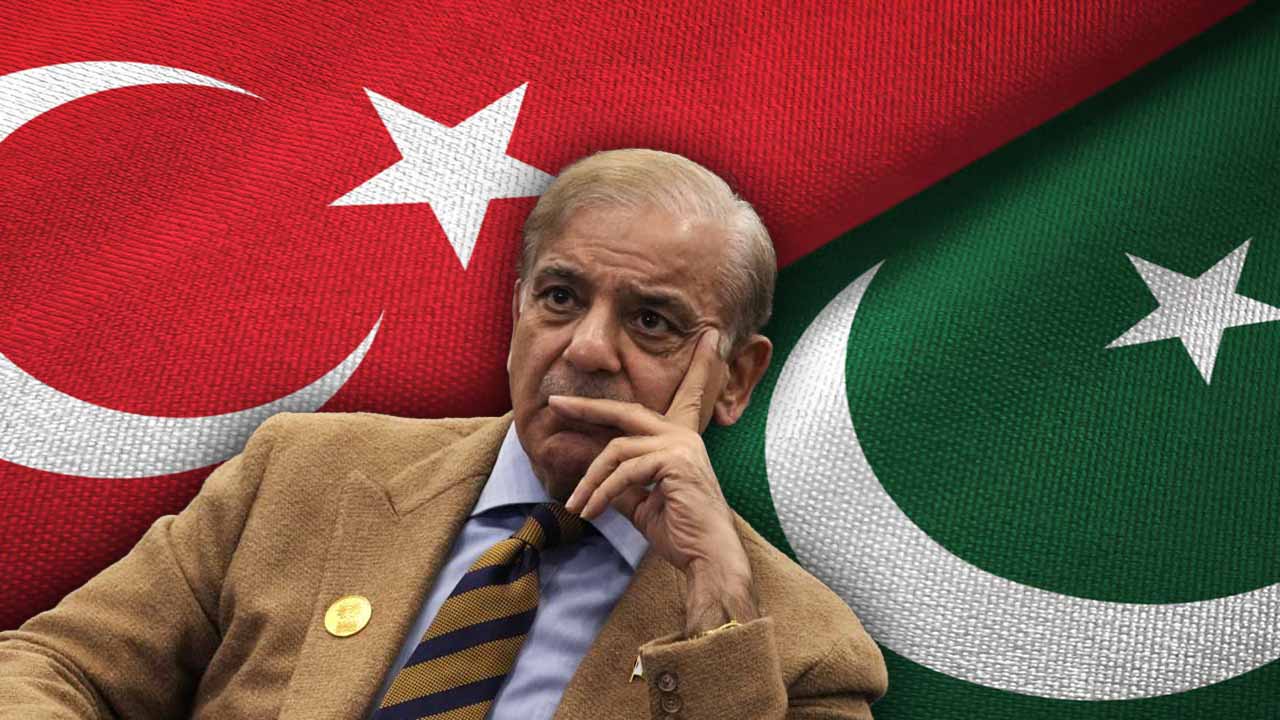
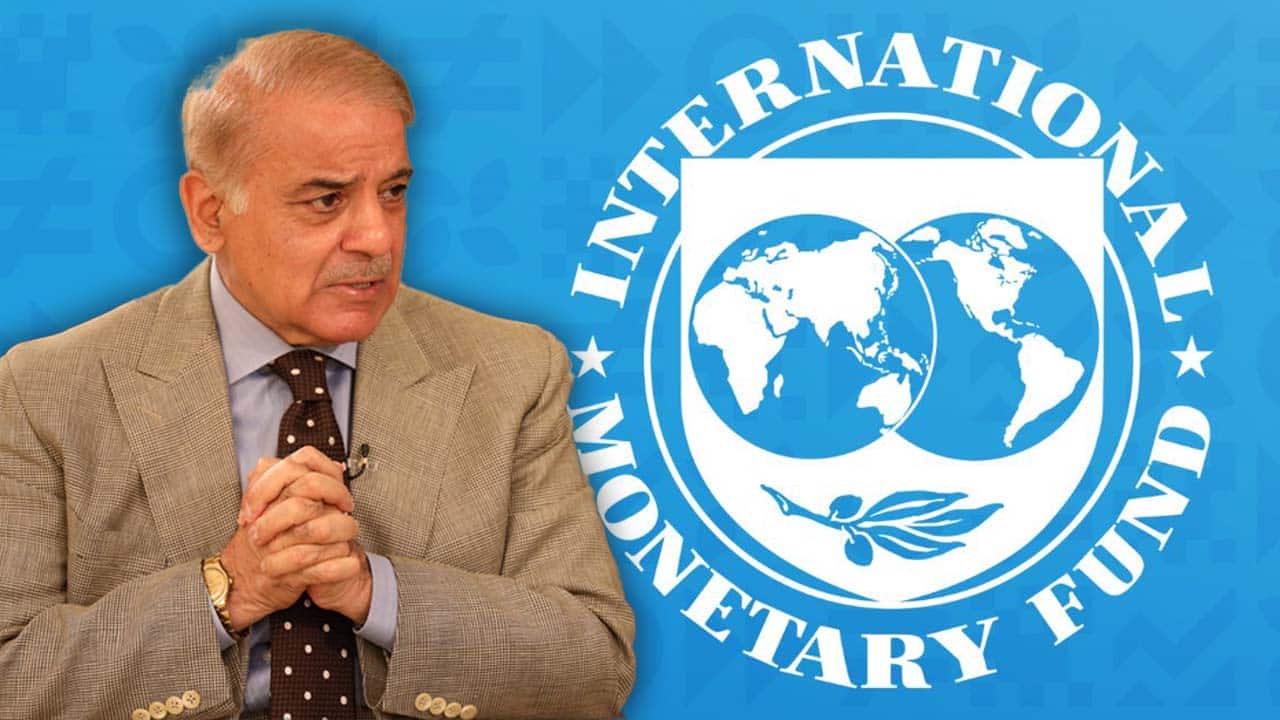
    Pakistan and the International Monetary Fund (IMF) are on the verge of finalising a long-awaited loan deal, according to Prime Minister Shehbaz Sharif. In an interview with Turkish news agency, the premier expressed hope that the ninth review by the IMF would align with all the terms and conditions, leading to positive news this month.

    Prime Minister Shehbaz Sharif said that Pakistan has diligently fulfilled each and every requirement set by the IMF as prior actions. The country’s commitment to meeting these obligations demonstrates its determination to address economic challenges head-on.

    However, in the event of the IMF talks falling through, the prime minister assured the nation that Pakistan possesses the resilience and fortitude to overcome any obstacles. He drew attention to the fact that the people of Pakistan have faced and triumphed over numerous challenges in the past. If necessary, they are prepared to tighten their belts and rise once again. Shehbaz Sharif credited the government’s ability to navigate these difficulties to the unwavering support of the Pakistani people and the assistance of brotherly and friendly nations.

    Highlighting the close bilateral relations between Pakistan and Turkiye, the prime minister described them as “one soul, two hearts that beat together.” He took the opportunity to congratulate the people of Turkiye on President Erdogan’s re-election, considering it a “wonderful development.” The deep bond between the two nations sets the stage for enhanced cooperation in the near future.

    PM Shehbaz Sharif outlined plans for Pakistan and Turkiye to strengthen their collaboration, particularly in the areas of biogas, solar energy, and hydropower. By focusing on these sectors, both countries aim to bolster trade and achieve mutual growth. The emphasis on renewable energy sources aligns with the global trend towards sustainable development and underscores the commitment of Pakistan and Turkiye to fostering a greener future.

    As Pakistan and the IMF move closer to finalising the loan deal, there is renewed hope for the country’s economic stability and growth. The government’s determination to meet the IMF’s requirements and the unwavering support of the Pakistani people serve as strong foundations for overcoming challenges and securing a brighter future. Furthermore, the prospects for increased cooperation with Turkiye in key sectors pave the way for mutually beneficial partnerships and contribute to regional progress.

    With anticipation building, all eyes are now on the impending announcement that will mark a significant milestone in Pakistan’s economic journey. The successful conclusion of the loan deal will not only provide much-needed financial assistance but also serve as a testament to Pakistan’s commitment to reform and progress.

  • Spotify announces second round of layoffs, cutting 200 jobs in podcast unit amid restructuring efforts

    Spotify announces second round of layoffs, cutting 200 jobs in podcast unit amid restructuring efforts

    On Monday, Spotify Technology announced its intention to implement a second wave of redundancies, resulting in the reduction of 200 positions within its podcast unit. This strategic restructuring follows a prolonged period of substantial investment, as the company seeks to adapt its business model accordingly.

    This decision affects approximately 2 per cent of the music-streaming giant’s workforce, bringing Spotify in line with other prominent industry players such as Meta Platforms and Roku. These companies, facing an uncertain economic landscape, have also resorted to similar measures by implementing a second round of job cuts.

    During early trading, the shares of this Sweden-based organisation exhibited a modest increase of approximately 0.5 per cent, outperforming the relatively subdued performance of the broader market.

    In recent years, Spotify has actively pursued the expansion of its podcast business, anticipating that the format’s heightened engagement levels would attract a larger number of advertisers. However, this ambitious endeavour resulted in a surge of the company’s operating expenditure, growing at twice the rate of its revenue last year. Furthermore, rising interest rates and persistent inflation have prompted businesses to curtail their advertising expenditures.

    Consequently, earlier in 2023, Spotify took the decision to reduce its workforce by 6 per cent, while also announcing the departure of Dawn Ostroff, a pivotal figure in shaping the podcast business. Ostroff adeptly navigated the company through contentious episodes, including the controversies surrounding Joe Rogan’s show and its alleged dissemination of misinformation concerning COVID-19.

    In light of these circumstances, Sahar Elhabashi, the head of Spotify’s podcast business, conveyed on Monday that the company has reluctantly but necessarily opted for a strategic realignment. This course of action aims to address the prevailing challenges and align the organisation with its evolving objectives.

    Additionally, Spotify unveiled its plan to consolidate the Parcast and Gimlet studios into a unified entity known as Spotify Studios. This amalgamation will oversee the production of Spotify originals. Elhabashi emphasised that the company intends to adopt a bespoke approach tailored to each individual show and creator, departing from the previously uniform approach.

    By undertaking these measures, Spotify aims to optimise its operations, remain agile in a dynamic market, and position itself for sustained success in the podcast industry.

  • New Canadian airline introduces direct flights from Canada to Pakistan

    New Canadian airline introduces direct flights from Canada to Pakistan

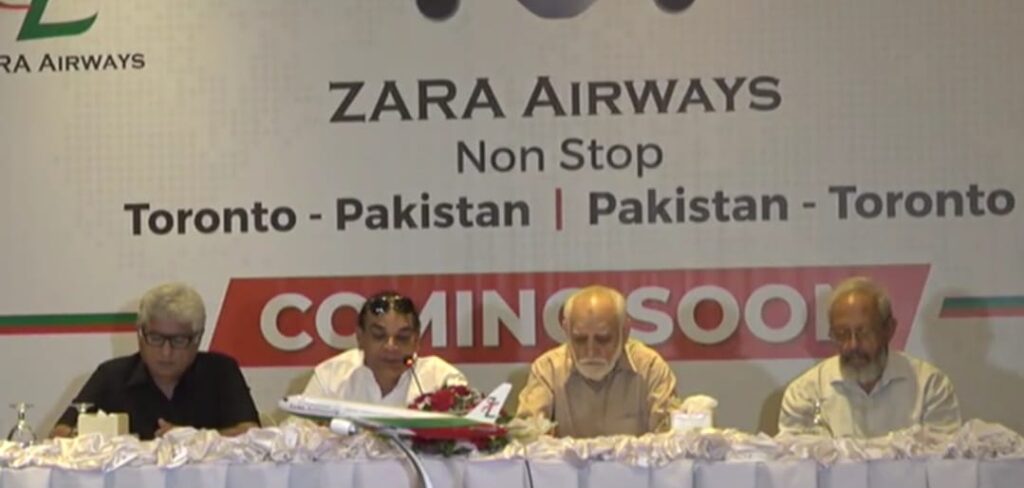
    A new Canadian airline has introduced direct flight to three major cities in Pakistan from Toronto. The flights to Islamabad, Karachi and Lahore will begin in August.

    The new airline, Zara Airways, has appointed Ejaz Haroon, former managing director of Pakistan International Airlines (PIA), as an adviser.

    The airline will operate three weekly flights from Toronto to Karachi, Islamabad, and Lahore.

    It plans to initiate operations in August, utilising two Boeing 777 aircraft initially, with the potential to expand the fleet based on demand. The partnership with Shaheen Airport for ground services, cabin crew, and other operational support will further strengthen Zara Airways’ capabilities.

    To ensure smooth commencement of operations, Zara Airways is currently in the process of securing a No Objection Certificate (NOC) from the Canadian government.

    The establishment of Zara Airways is poised to invigorate Pakistan’s aviation industry, which has recently witnessed positive developments.

    The approval of Wizz Air Abu Dhabi and SunExpress by the Civil Aviation Authority (CAA) will introduce increased competition, ultimately leading to lower fares and improved services for passengers.

    Additionally, Ethiopian Airlines has announced the resumption of direct flights between Karachi and Addis Ababa, a route that had been suspended since 2004.

  • Govt expected to present Rs13-15 trillion budget for FY23-24 amidst economic uncertainties

    Govt expected to present Rs13-15 trillion budget for FY23-24 amidst economic uncertainties

    The government is anticipated to present a budget ranging from Rs13-15 trillion for the fiscal year 2023-24, according to a budget preview report by Topline Securities. This substantial increase is attributed to the record-high markup cost caused by the soaring interest rates. The proposed budget target of Rs9-9.2 trillion marks a 21 per cent surge compared to the current fiscal year’s target of Rs7.5 trillion.

    Notably, if implemented, the tax target for the upcoming financial year would be 29 per cent higher than the projected tax collection for the outgoing FY23. However, the brokerage house highlights the challenging nature of formulating a budget amidst stagflation and uncertainties surrounding the upcoming elections and Pakistan’s ability to bridge its external account funding gap.

    The report emphasises the prevailing nervousness in currency, bond, and stock markets due to the uncertainty surrounding the financing of the US dollar funding gap. Furthermore, it states that revenue targets have historically deviated by an average of 8 per cent from the actual targets in the past five years, and a similar trend is expected in FY24 due to the economic slowdown.

    The non-tax revenue target for FY24 is estimated at Rs2.5 trillion (2.4 per cent of GDP), compared to Rs1.6 trillion (2 per cent of GDP) for FY23. The report predicts several taxation measures, including tax on undistributed reserves, continuation of the super tax, a shift from the final tax regime to the minimum tax regime, asset/wealth tax, higher tax on non-filers, tax on rental income, and taxes on banks, tobacco, and beverages.

    Regarding development spending, the Federal Public Sector Development Programme (PSDP) is projected to amount to Rs0.9 trillion for FY24. However, due to fiscal constraints, significant cuts are expected in this area. The consolidated PSDP (federal and provincial) is anticipated to reach Rs2.6 trillion (2.5 per cent of GDP) in FY24.

    With the Pakistan Tehreek-e-Insaf (PTI) party being sidelined, there is a possibility of a weak coalition government coming to power in the upcoming elections. The report highlights the importance of an aggressive and competent new setup to tackle the ongoing economic crisis.

    To create a favorable perception, the government may set unrealistic revenue targets in order to allocate more spending in the budget. The report suggests that it is unlikely for the government to complete the current International Monetary Fund (IMF) program on time and urges Pakistan to enter another, potentially larger, IMF program.

    In light of the economic slowdown and high inflation, the government may introduce expansionary policies in the budget to appease the public, such as direct cash subsidies for the underprivileged and an increase in minimum wages. However, the brokerage firm warns against excessive spending without substantial tax collection measures.

    In terms of its impact on the stock market, the upcoming budget is expected to be neutral to positive. Sectors such as oil and gas exploration, chemicals, pharmaceuticals, consumers, tobacco, technology and communication, textile, cement, fertilizers, and oil marketing companies may experience a neutral effect. Conversely, the budget might have a neutral to negative impact on banks and autos, while steel and independent power producers could experience a neutral to positive effect, according to the research.

    As the budget is unveiled, stakeholders and citizens alike will closely monitor the government’s strategies to address the economic challenges and promote stability and growth in Pakistan.

  • PM Shehbaz urges Turkish business community to boost investments in Pakistan

    PM Shehbaz urges Turkish business community to boost investments in Pakistan

    Prime Minister (PM) Shehbaz Sharif, amid increasing debt burden and declining foreign exchange reserves, has invited Turkish investors and businessmen to expand their investments in different sectors of Pakistan. The premier is currently in Ankara on a two-day official visit to attend the inauguration ceremony of President Recep Tayyip Erdogan.

    During a meeting with a delegation from the Anadolu Group, which included Coca Cola CCI CEO Karim Yahi, Chief Strategy Officer Atilla Yerlikaya, and Head of Public Policy Taylan Coban, the PM expressed his encouragement for the Anadolu Group to invest in Pakistan and provide job opportunities to the people.

    Minister for Information and Broadcasting Marriyum Aurangzeb, Special Assistant to the Prime Minister Tariq Fatimi, and Pakistan’s Ambassador in Turkey Dr Yousuf Junaid were also present at the meeting.

    Prime Minister Shehbaz Sharif’s visit to Turkey is a result of an invitation from Turkish President Erdogan, who emerged victorious in the second round of elections held on 28 May. Upon his arrival at Ankara airport last night, the Prime Minister was received by senior officers of the Turkish Foreign Ministry and Pakistan’s ambassador in Turkey, emphasising the significance of the visit.

    Pakistan, facing economic challenges, is actively seeking foreign investments to alleviate its debt burden and stabilize its foreign exchange reserves. The Prime Minister’s appeal to Turkish investors and businessmen reflects the government’s commitment to attracting international investment and fostering economic partnerships.

    By engaging with the Anadolu Group and inviting increased investment, Prime Minister Shehbaz Sharif aims to leverage Turkish expertise and capital to drive economic growth and create employment opportunities in Pakistan.

    During the ongoing visit, it is anticipated that discussions between Pakistani and Turkish officials will focus on exploring potential areas of collaboration, identifying investment opportunities, and strengthening bilateral ties. The outcome of these engagements may play a pivotal role in shaping Pakistan’s economic trajectory, leading to increased foreign investment and a revitalized economy.

    In a time of economic challenges, Prime Minister Shehbaz Sharif’s proactive approach and diplomatic outreach to Turkish investors send a clear message of Pakistan’s commitment to enhancing economic cooperation and attracting much-needed investment.

  • Pakistan’s merchandise exports dive for ninth consecutive month, drop by 16.69% in May

    Pakistan’s merchandise exports continue to decline for the ninth consecutive month, plunging by 16.69 per cent year-on-year to $2.18 billion in May, according to data released by the Pakistan Bureau of Statistics.

    The downward trend has persisted throughout the first 11 months (July to May) of the 2022-23 fiscal year, with exports experiencing a dip of 12.14 per cent to $25.36 billion compared to $28.87 billion during the same period the previous year.

    The decline in export proceeds can be attributed to a combination of internal and external factors, raising concerns about the potential closure of industrial units, particularly within the textile and clothing sector.

    In line with this, imports also experienced a significant decrease of 36.76 per cent to $4.27 billion in May compared to $6.76 billion in the corresponding month last year. From July to May, imports fell by 29.22 per cent to $51.15 billion, down from $72.28 billion during the same period last year.

    The government has implemented restrictions on luxury and non-essential goods while promoting imports of raw materials, semi-finished products, pharmaceuticals, food, and energy products. This policy shift has resulted in a substantial decline in the import bill over the past 11 months.

    As a result of these developments, the trade deficit has narrowed by over 40 per cent, reaching $25.79 billion between July and May of the fiscal year 2022-23, compared to $43.40 billion during the corresponding months of the previous year. In May, the trade deficit saw a year-on-year decline of 49.49 per cent to $2.08 billion.

    According to Dawn, the textile and clothing sector, which constitutes over 60 per cent of total exports, has been severely affected, making it challenging for the government to achieve its export target for the current fiscal year. Exporters have pointed out that the federal government lacks a clear strategy and effective prioritization, leading to a decline in textile exports.

    Exporters have also highlighted several root causes contributing to the export decline. These include shortages in working capital and liquidity, delayed refunds of taxes and levies, technology upgradation fund, and duty drawbacks.

    The promised faster refund system has not functioned as intended, resulting in refund processing times of 3-5 months instead of the expected 72 hours. The sector is also grappling with increased financial and energy costs.

    In addition, exporters are facing challenges in procuring raw materials and other inputs, both domestically and through imports. The State Bank of Pakistan’s hurdles in opening letters of credit have further contributed to the decline in exports.

    The negative growth in exports, except for a slight increase in August due to backlog clearance, poses a significant concern as it threatens the balance of the country’s external account.

    The government needs to address these issues promptly and formulate effective policies to revive the export sector and stimulate economic growth.

  • Pakistan will not default, reforms underway for economic recovery: Finance Minister

    Pakistan will not default, reforms underway for economic recovery: Finance Minister

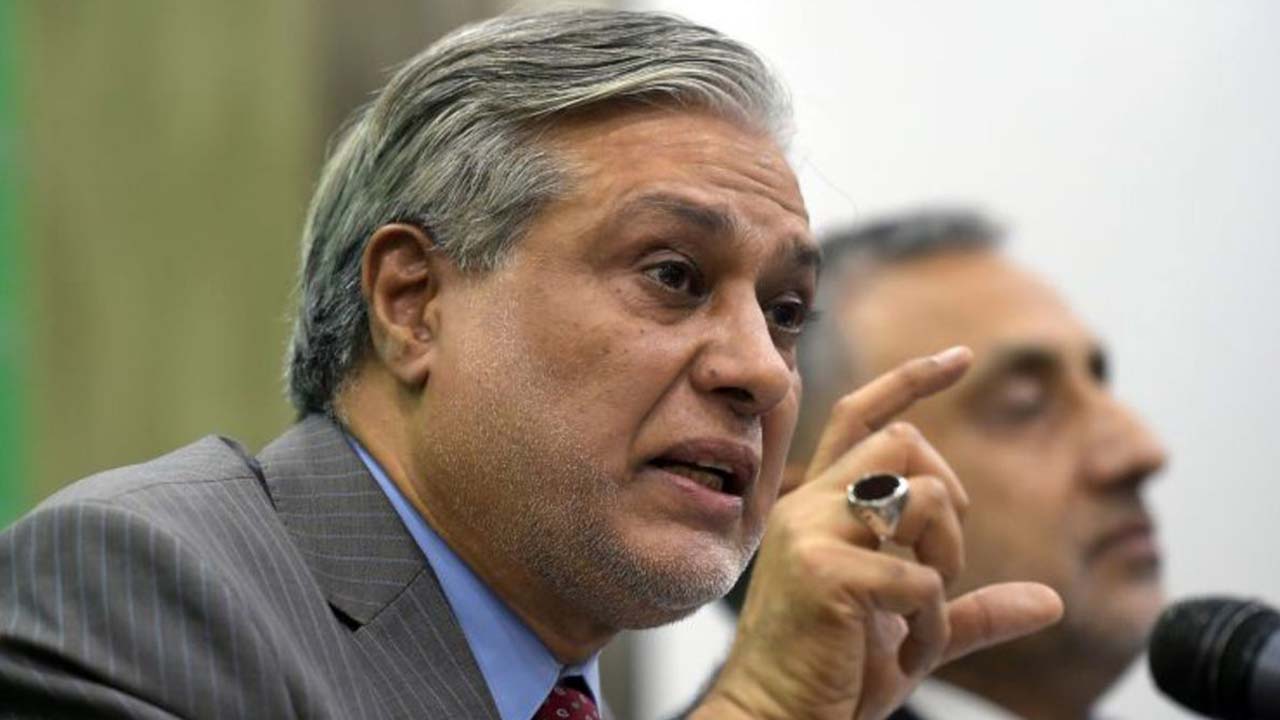
    Pakistan’s Finance Minister Ishaq Dar has assured the nation that the government is committed to implementing long-term reforms aimed at improving the country’s economic situation.

    Speaking to the Karachi Chamber of Commerce and Industry, Dar emphasised the need for collective efforts to overcome the current economic challenges. He outlined key areas of focus, including the agricultural sector, the establishment of a sovereign wealth fund, and the development of the IT industry.

    Additionally, he addressed concerns about the delay in the International Monetary Fund (IMF) program, expressing confidence in Pakistan’s assets and downplaying the possibility of default.

    Reforms for Long-Term Improvement: In his address to the Karachi Chamber of Commerce and Industry, Finance Minister Ishaq Dar reiterated the government’s commitment to implementing reforms that would pave the way for long-term improvement.

    He acknowledged the importance of the agricultural sector, emphasising the need for an agricultural revolution to enhance productivity and ensure food security.

    The establishment of a sovereign wealth fund was also highlighted as a means to generate additional revenue and support sustainable economic growth. Furthermore, Dar expressed determination to prioritise the neglected IT sector and capitalise on its potential for job creation and technological advancements.

    No technical reason behind delayed IMF program

     Addressing concerns regarding the delay in the IMF program, Dar reassured the delegation that there was no technical reason behind it. He emphasised that Pakistan, as a sovereign country, possesses valuable assets worth trillions of dollars, thereby implying that default is not a plausible scenario. While external liabilities stand at approximately $100 billion, the finance minister pointed out that Pakistan’s gas infrastructure alone is valued at around 40 to 45 billion dollars, underscoring the country’s significant assets.

    Recognising the vital role of the business community in Pakistan’s economic development, Finance Minister Ishaq Dar called upon them to present reasonable demands for the upcoming budget. He assured the delegation that the government would cooperate with the business community to address their concerns and promote a conducive environment for trade and investment. By fostering a constructive partnership, the government aims to create a business-friendly climate that supports entrepreneurship and economic growth.

    IMF loan requirement and government’s approach

    Amidst recent developments, it was revealed that the IMF rejected Pakistan’s request to lower the requirement of arranging $6 billion in new loans. Minister of State for Finance Dr Aisha Pasha highlighted that returning to the IMF was Pakistan’s only option, stressing the urgency of fulfilling the financing requirement. Pakistan had sought a reduction in the external financing requirement based on new current account deficit data. However, the IMF insisted on the full $6 billion to demonstrate Pakistan’s commitment to implementing necessary economic reforms.

    Finance Minister Ishaq Dar’s reassurances regarding the government’s commitment to long-term reforms and the denial of Pakistan’s possibility of default provide a glimmer of hope amid economic challenges.

    The focus on sectors such as agriculture and IT, the establishment of a sovereign wealth fund, and the emphasis on cooperation with the business community signal the government’s determination to foster economic growth and stability.

    While the IMF’s rejection of Pakistan’s request poses a hurdle, the government remains steadfast in its efforts to revive the deal and secure the necessary financing to support the country’s economic recovery.

  • Consumer suffering intensifies: Pakistan’s weekly inflation skyrockets to 42.67%

    Consumer suffering intensifies: Pakistan’s weekly inflation skyrockets to 42.67%

    Inflation in Pakistan continues to surge as the Sensitive Price Indicator (SPI) recorded a significant increase, jumping to 42.67 per cent on a year-on-year basis for the week ending on June 1, according to official data released by the Pakistan Bureau of Statistics (PBS). The weekly inflation showed a marginal increase of 0.03 per cent compared to the previous week.

    The short-term inflation, measured by the SPI, reached an all-time high of 48.35 per cent for the period ending on May 4, highlighting the ongoing challenges faced by the economy. The Combined Index, a comprehensive measure of inflation, stood at 254.13 compared to 254.05 on May 25, 2023, and marked a significant increase from 178.12 recorded on June 2, 2022.

    The PBS report revealed that out of the 51 monitored items, the average prices of 19 items increased, 14 items witnessed a decrease, while 18 items remained unchanged during the week under review. This data indicates the volatile nature of prices in the current market.

    Analyzing the SPI change across different income groups, the weekly percentage change showed a mixed trend, ranging between -0.1 per cent and 0.12 per cent. However, on a yearly basis, the SPI increased across all quantiles, ranging between 40.2 per cent and 43.49 per cent, suggesting the broad impact of inflation across various income segments.

    Additionally, the statistics bureau reported that Pakistan’s annual inflation rose to 37.97 per cent year-on-year in May, further confirming the country’s highest-ever inflationary period. The Consumer Price Index (CPI) recorded 36.4 per cent in April, which at the time was already the highest level according to the bureau’s historical records.

    Furthermore, the month-on-month rise in May was reported to be 1.58 per cent, with the bureau highlighting significant increases in the prices of vegetables, pulses, and chicken. These factors contribute to the overall rise in the cost of living and put additional strain on households and businesses alike.

    The continuous surge in inflation poses significant challenges to the economy, affecting consumers’ purchasing power and increasing the cost of doing business. The government and relevant authorities are urged to take immediate measures to stabilize prices, address supply chain issues, and implement effective policies to alleviate the impact of rising inflation on the population.

    As the situation unfolds, policymakers and economists will closely monitor the inflationary trends, devising strategies to bring stability and mitigate the adverse effects on the economy and the welfare of the people.

  • APCC likely to propose Rs900-1,000 billion macroeconomic framework for budget 2023-24

    APCC likely to propose Rs900-1,000 billion macroeconomic framework for budget 2023-24

    The Annual Plan Coordination Committee (APCC) is poised to recommend a substantial macroeconomic framework and the size of the federal development outlay amounting to approximately Rs900-1,000 billion for the fiscal year 2023-24. This recommendation comes ahead of the upcoming budget and is expected to shape the economic policies and priorities of the country for the next fiscal year.

    In an effort to address the Sustainable Development Goals (SDGs), the government plans to allocate Rs90 billion for the controversial Sustainable Development Goals Achievement Programme (SAP) specifically designed for parliamentarians. This proposed allocation is a significant increase from the revised estimates of Rs111 billion allocated in the outgoing financial year.

    Moreover, the government is currently working towards raising the allocation of the SDG Achievement Programme even further, aiming to reach Rs116 billion for the ongoing fiscal year. Notably, parliamentarians from Balochistan and Sindh provinces have primarily presented flood-related schemes under this program during the current fiscal year. The World Bank and Asian Development Bank (ADB) are also contributing $3 billion in loans for flood-related initiatives, highlighting the need to establish mechanisms that prevent overlap and ensure optimal utilization of funds.

    A substantial portion of the development schemes in Sindh and Balochistan, ranging from 50 to 60 per cent, focused on flood-related projects during the outgoing financial year. However, concerns have been raised about one political party, a significant ally of the ruling coalition, demanding that funds on behalf of their parliamentarians be channeled through the party’s political leader for distribution among its members.

    According to The News, the APCC, scheduled to meet today in the Ministry of Planning, will consider approving the macroeconomic framework, which includes a targeted real GDP growth rate of 3.5 per cent and a Consumer Price Index (CPI)-based inflation rate of 21 per cent for the budget of 2023-24. These figures are based on a working paper prepared by the Ministry of Planning and reflect the government’s economic outlook and goals for the upcoming fiscal year.

    The Ministry of Finance has provided an indicative budget ceiling of Rs700 billion for the Public Sector Development Programme (PSDP) in the next budget. However, the Minister for Planning, under the guidance of Prime Minister Shehbaz Sharif, aspires to increase this amount to Rs800 billion. Additionally, a proposed allocation of Rs200 billion for the Viability Gap Fund (VGF) through public-private partnerships (PPP) would bring the total PSDP size to a proposed Rs1,000 billion at the federal level for the upcoming financial year.

    In an effort to address infrastructure needs, the share of the National Highway Authority (NHA) in the proposed PSDP is expected to decrease, ranging from Rs90 billion to Rs100 billion, due to the NHA’s inability to fully utilise the allocated funds in the ongoing financial year. The government is also considering allocations for flood mitigation and reconstruction efforts, as well as the inclusion of the Diamer Basha Dam project in the upcoming budget for 2023-24.

    As the APCC finalises its recommendations and the budgetary process unfolds, the government aims to strike a balance between addressing developmental needs, achieving SDGs, and ensuring efficient utilization of funds for the benefit of the nation.