Category: Business

  • Gold price declines by Rs1,700 to Rs234,500 per tola amidst weakening rupee

    Gold price declines by Rs1,700 to Rs234,500 per tola amidst weakening rupee

    The price of gold in Pakistan continued its downward trend on Monday, having lost a cumulative sum of Rs1,100 per tola throughout the previous week. The All Pakistan Sarafa Gems and Jewellers Association (APSGJA) provided data indicating that the rate of 24-carat gold declined by Rs1,700 per tola and Rs1,457 per 10 grammes, reaching Rs234,500 and Rs201,046 respectively.

    On the international front, the price settled at $1,945 per ounce after a decrease of $1. The safe-haven bullion traded within a narrow range in the global market due to an agreement reached by US Democrats and Republicans to raise the federal debt ceiling, thereby averting a potential US default, which would have been unprecedented.

    Moreover, recent data suggested that the US Federal Reserve would raise interest rates for the 11th consecutive time in June. Consequently, the value of the US dollar surged, negatively impacting the gold price.

    These factors, coupled with ongoing political and economic uncertainty, high inflation, and currency depreciation, contributed to the volatility of the gold rate in Pakistan. As a result, individuals turned to purchasing the precious metal as a safe investment and a hedge.

    In the interbank market, the Pakistani rupee experienced a decrease of Re0.27 or 0.09 per cent against the US dollar on Monday, closing at Rs285.42, according to data from the State Bank of Pakistan.

    Furthermore, data shared by the jewellers’ association revealed a decline in the price of silver, which had remained relatively stable in the previous week. The rate of silver fell by Rs50 per tola and Rs42.87 per 10 grammes, reaching Rs2,850 and Rs2,443.41 respectively.
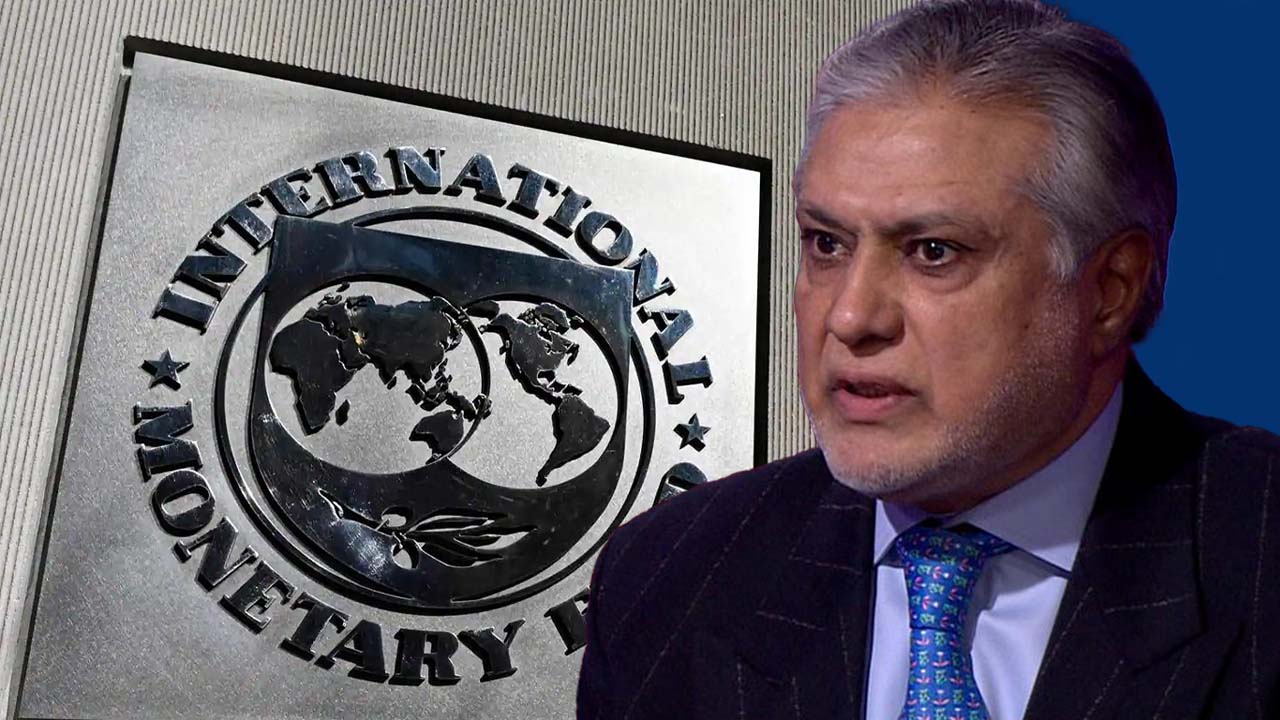

  • Pakistan set to share budget details with IMF, aiming to unlock stalled programme

    Pakistan set to share budget details with IMF, aiming to unlock stalled programme

    Finance Minister Ishaq Dar announced on Sunday that Pakistan intends to provide the International Monetary Fund (IMF) with comprehensive details of its upcoming budget, with the aim of facilitating the release of delayed funds. During an interview, Dar confirmed that the IMF has requested further information regarding the budget, and Pakistan is prepared to comply with this requirement.

    Pakistan’s receipt of $1.1 billion in funding from the IMF, as part of a $6.5 billion rescue package established in 2019, has encountered delays since November. In February, both the IMF and Pakistan engaged in two weeks of discussions in Islamabad, aiming to conclude the 9th review. However, the funds have not yet been disbursed by the IMF, which is crucial for Pakistan to access additional bilateral and multilateral financing.

    Expressing his concerns, Dar emphasised his desire for the IMF to release the funds prior to the budget’s scheduled presentation in early June. He asserted that combining the 9th and 10th reviews would be unjust, and therefore advocated for a separate assessment of the current situation.

    In summary, Pakistan’s Finance Minister Ishaq Dar has underscored the country’s commitment to fulfilling the IMF’s request for detailed budget information. This step is intended to overcome the impasse in the release of funds, which are vital for Pakistan to access other forms of financial assistance. Minister Dar has further urged the IMF to release the funds prior to the budget presentation, highlighting the unfairness of merging two distinct reviews.

  • Budget 2023-24: FBR considers decreasing duty on mobile phones

    Budget 2023-24: FBR considers decreasing duty on mobile phones

    The Federal Board of Revenue (FBR) is considering options to decrease the duty on mobile phones in the forthcoming federal budget for the fiscal year 2023-24. The budget is expected to be disclosed on June 9. The FBR is taking into account the suggestions put forward by mobile phone traders.

    Previously, the government was obligated to raise the duty on mobile phones by 100 per cent to 150 per cent, resulting in a deposit of only Rs5 billion to Rs10 billion in the national exchequer, instead of the anticipated Rs85 billion.

    According to The News, the number of mobile phone users in Pakistan has surpassed 186.9 million. To address the financial crisis of the current fiscal year, the new budget is contemplating a significant reduction in the rates of duties on cellular phones. Currently, the duties on small and big mobile phones stand at approximately 100 per cent to 150 per cent.

    The mobile industry is teetering on the verge of collapse due to the increased taxes. This not only affects traders but also poses difficulties for millions of people who rely on earning a livelihood through this sector.

    It has been reported that a delegation from the Mobile Phones Traders Association has submitted recommendations to Finance Minister Ishaq Dar and other senior officials. The delegation has assured that efforts will be made to incorporate these recommendations into the budget. The proposals and recommendations are currently under review for potential inclusion in the new budget.

    It has come to light that a 75 per cent duty is imposed on cellular phones in Pakistan, in contrast to other countries in the region such as Singapore, Bangladesh, and Turkey, where the duty is not as high. Consequently, people have been using smartphones without paying duties in collusion with the FBR.

    The additional 100 per cent to 150 per cent duty on cell phones has made them unaffordable for the poor, laborers, daily wage earners, students, professionals, the legal community, and civil society.

    Munir Beg Mirza, the General Secretary of the All Pakistan Mobile Phones Traders Association, stated that the ban on importing used mobile phones has led to an increase in smuggling to favor a few companies. Additionally, people are illegally using smartphones without paying substantial taxes, thus causing a loss to the national treasury.

    He further noted that if an appropriate duty is imposed in the new financial year, not only will every consumer pay tax, but the government will also receive Rs100 billion instead of Rs5 billion in revenue from phones.

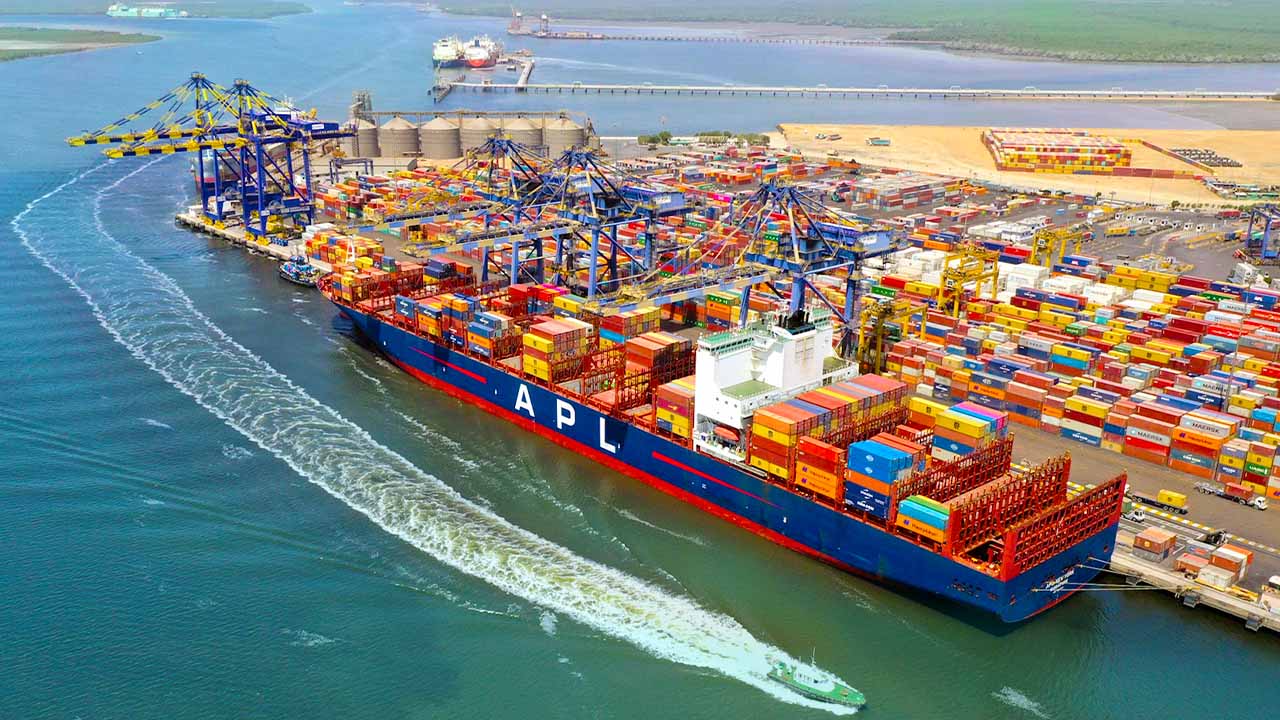
  • Major boost for Pakistan’s port infrastructure: Gulf countries to invest $500 million

    Major boost for Pakistan’s port infrastructure: Gulf countries to invest $500 million

    Maritime Affairs Minister Faisal Sabzwari revealed that a comprehensive agreement to secure a noteworthy investment of $500 million from Gulf countries is currently in the final stages of preparation. To facilitate this endeavor, an intergovernmental agreement policy will be presented to the law ministry on Monday.

    Its potential approval will lay the groundwork for direct foreign investment, in accordance with the conditions outlined by the International Monetary Fund (IMF).

    During an address to members of the Korangi Association of Trade and Industry (KATI), Minister Sabzwari informed them that Pakistan and the United Arab Emirates (UAE) are collaboratively operating under a government-to-government (G2G) agreement. This partnership is focused on three key projects, including the establishment of bulk terminals.

    As outlined in a press release by KATI, Mr Sabzwari revealed plans to develop industrial parks spanning 1,250 acres within Port Qasim. These parks will provide a range of facilities designed to attract foreign investors.

    Mr Sabzwari acknowledged that there have been no tariff increases at the port, although the implementation of digitalization is still pending. Additionally, limitations on leases have been imposed. He added that terminal charges have recently been adjusted from 60 cents to 80 cents, resulting in a modest 1.5 per cent increase in production costs for industrialists.

    Furthermore, the minister highlighted the successful consultations conducted with various stakeholders, including container operators, to mitigate demurrage charges and penalties at the port. As a result, Karachi Port has eradicated all penalties associated with these charges.

    According to Dawn, the minister also announced the acquisition of a maritime vessel for transporting edible oil, thus expanding the fleet at Karachi port. In addition to this development, approval has been granted for the construction of a beach wall at Karachi Fish Harbour, aimed at promoting tourism and recreational activities. Furthermore, plans have been set in motion to establish a laboratory dedicated to marine fisheries.

    Previously, KATI President Faraz-ur-Rehman stressed the importance of regulating shipping companies and proposed the implementation of a system for demurrage charges and penalties based on the value of containers. He suggested that this system should be made accessible online, similar to the shipping booking system WeBoC.

    Zubair Chayya, Deputy Patron-in-Chief of KATI, expressed that Pakistan, with its extensive 1,400-kilometre-long coastline and abundant marine resources, including highly sought-after fish species, should prioritize utilizing the coastal region for tourism, thereby reaping substantial economic benefits.

  • Honda Pakistan reports 90% drop in profits, reflecting struggling state of auto industry

    Honda Pakistan reports 90% drop in profits, reflecting struggling state of auto industry

    Honda Atlas Cars Pakistan Limited (HACPL), one of the leading car manufacturers in the country, reported a significant decline of 90 per cent in its annual net profit due to rising expenses, reflecting the struggling state of the auto industry and the country’s economy.

    The company’s net profit for the fiscal year ending on March 31 was reported to be Rs260.141 million, a sharp decrease from Rs2.509 billion in the previous year.

    Consequently, the company did not distribute any dividends for that period. Earnings per share also witnessed a decline, coming in at Rs1.82/share compared to Rs17.58/share in the previous year.

    Honda Atlas Cars stated that its revenue for the year dropped to Rs95.087 billion, down from Rs108.047 billion the previous year. The cost of sales remained relatively stable at Rs87.926 billion compared to Rs102.515 billion during the same period last year. On the other hand, the company’s other income increased to Rs2.321 billion, compared to Rs2.004 billion in the previous year.

    However, the company experienced a surge in other expenses, which rose to Rs4.929 billion from Rs984.045 million, adversely impacting profit margins.

    Arif Habib Ltd, a brokerage firm, attributed the significant decline in profit to lower volumetric sales and increased finance costs, which rose by 6.5 times on a year-on-year basis. The auto industry, which heavily relies on imports, has been severely affected by the country’s economic conditions.

    Honda was among the manufacturers that had announced plant closures. However, on May 16, it was reported that Honda Atlas Cars planned to resume production activities after a months-long halt. The decision was made following an improvement in the accessibility of trade finance facilities for the supply chain.

    The government of Pakistan, facing low foreign exchange reserves, implemented stringent measures, including restrictions on letters of credit (LCs) for the import of completely knocked down (CKD) units and raw materials used by the auto industry.

    According to Geo, Honda stated that with the company’s consistent efforts and the slight improvement in trade finance accessibility, they are now preparing to gradually resume production in the coming weeks.

    Since March 9, the company had suspended its production activities. The auto industry has encountered significant setbacks due to non-production days, reduced consumer affordability resulting from higher interest rates and vehicle prices, currency devaluation, and escalating petrol prices. These plant shutdowns have also led to layoffs in the industry.

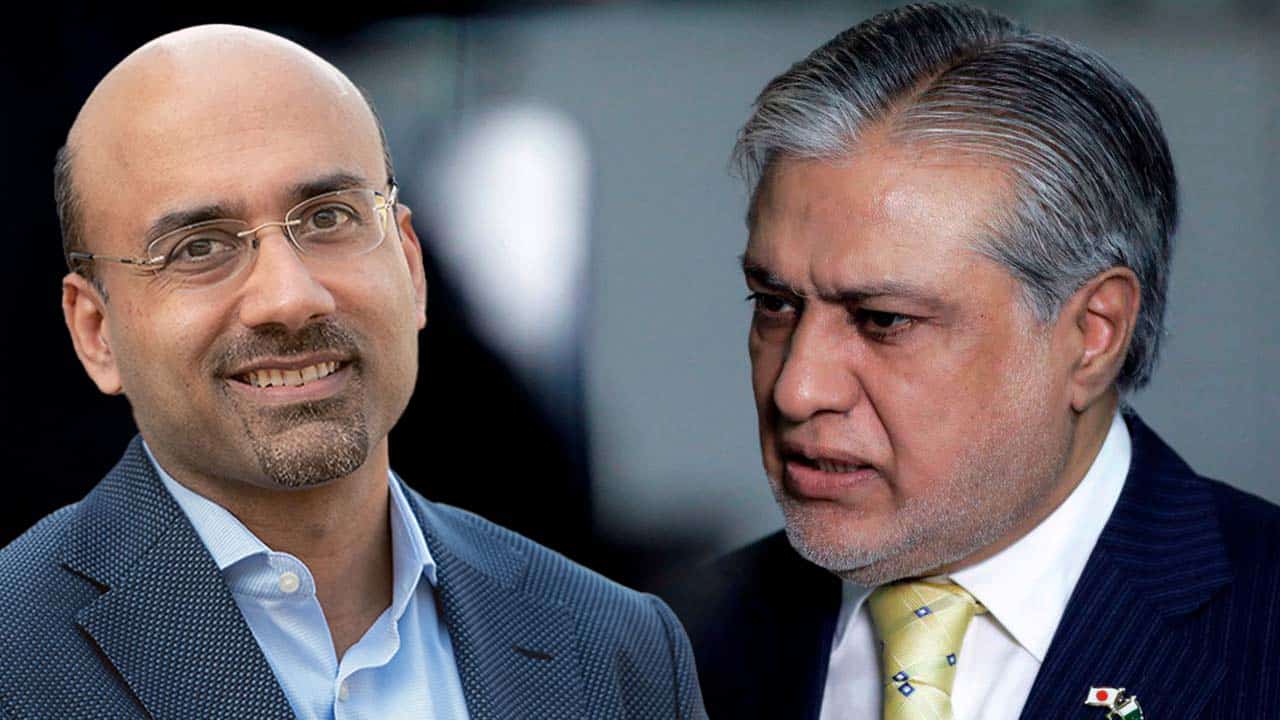
  • Finance Ministry hits out at Atif Mian’s ‘nonsensical’ label for Pakistan’s economic policies

    Finance Ministry hits out at Atif Mian’s ‘nonsensical’ label for Pakistan’s economic policies

    The Ministry of Finance strongly responded on Saturday to recent remarks made by Pakistani-American economist Atif Mian, criticising his lack of practical understanding of economics.

    Mian had labelled the government’s economic policies as ‘nonsensical’ and suggested that Pakistan should take decisive actions to restructure its economy, citing Ghana and Sri Lanka as examples. In response, the Ministry of Finance dismissed Mian’s comments as a veiled suggestion of default and argued that his critique was purely theoretical, lacking practical insight into economics.

    The ministry refuted Mian’s comparison of Ghana and Sri Lanka, pointing out that Pakistan’s economy and population are significantly larger, making the analogy misplaced.

    Regarding Pakistan’s debt structure, the ministry clarified that less than 10 per cent of the debt consists of commercial bonds/sukuks, with the next maturity due in April 2024. The majority of the debt is owed to multilateral and bilateral creditors, who have not indicated any risk of default.

    The ministry expressed disappointment that Mian overlooked the significant reforms undertaken by Pakistan in the past nine months. These reforms included market exchange rate adjustments, interest rate modifications, mid-year taxation to improve the fiscal position, levies on petroleum products, and non-monetisation of the fiscal deficit. These actions were implemented under an unprecedented IMF programme.

    Despite the delay in reaching a staff level agreement with the IMF, the ministry assured that Pakistan’s economy would continue on the path of reform towards stability and sustainable growth.

    The ministry dismissed Mian’s unwarranted comments on nominal exchange rates, stating that Pakistan’s real exchange rate is estimated to be 15 per cent undervalued, reflecting improving fundamentals.

    In terms of petroleum prices, the ministry highlighted that historically, Pakistan has sold petroleum products at significantly lower prices compared to regional countries. Imposing additional taxes on consumers, especially given the recent price hikes and rising inflation, would be unwise.

    The ministry attributed Pakistan’s current economic crisis to international shocks, including the COVID-19 pandemic, the Ukraine war, and devastating floods. It emphasised that the present government has successfully overcome the challenges inherited from an overheated economy and breached IMF conditionality. The current account deficit has been significantly reduced, indicating progress in balancing payments.

    Lastly, the ministry pointed out that Mian failed to consider the unprecedented political challenges faced by Pakistan. It concluded by expressing optimism that with the likelihood of political stability emerging soon, a major economic turnaround is expected.

    Overall, the Ministry of Finance strongly rebutted Mian’s criticism, emphasising the government’s commitment to reforms and the resilience of Pakistan’s economy.

  • Pakistani rupee maintains upward trend for fourth consecutive day, closes at Rs285.15 against dollar

    Pakistani rupee maintains upward trend for fourth consecutive day, closes at Rs285.15 against dollar

    According to the State Bank of Pakistan (SBP), the Pakistani currency has maintained its upward trend against the US dollar for the fourth consecutive working day in the interbank market.

    The local unit (PKR) has recovered Rs0.59 against the USD, closing at Rs285.15, while the US dollar closed at Rs285.74 on the previous day.

    In contrast, the open market has seen the dollar being sold at over Rs300. Last week, the rupee reached a record low of Rs298.93 against the US dollar.

     Experts attribute the fluctuation in the dollar rate to the deadlock over the IMF deal and ongoing political unrest in the country.

    Due to the delay in the revival of the $6.5 billion International Monetary Fund (IMF) bailout programme, Pakistan is now seeking additional funding from friendly nations.

    The staff-level agreement between the International Monetary Fund and Pakistan, initially scheduled for February 9, has been postponed.

  • World Bank commits $213 million for Balochistan’s flood recovery and climate resilience

    World Bank commits $213 million for Balochistan’s flood recovery and climate resilience

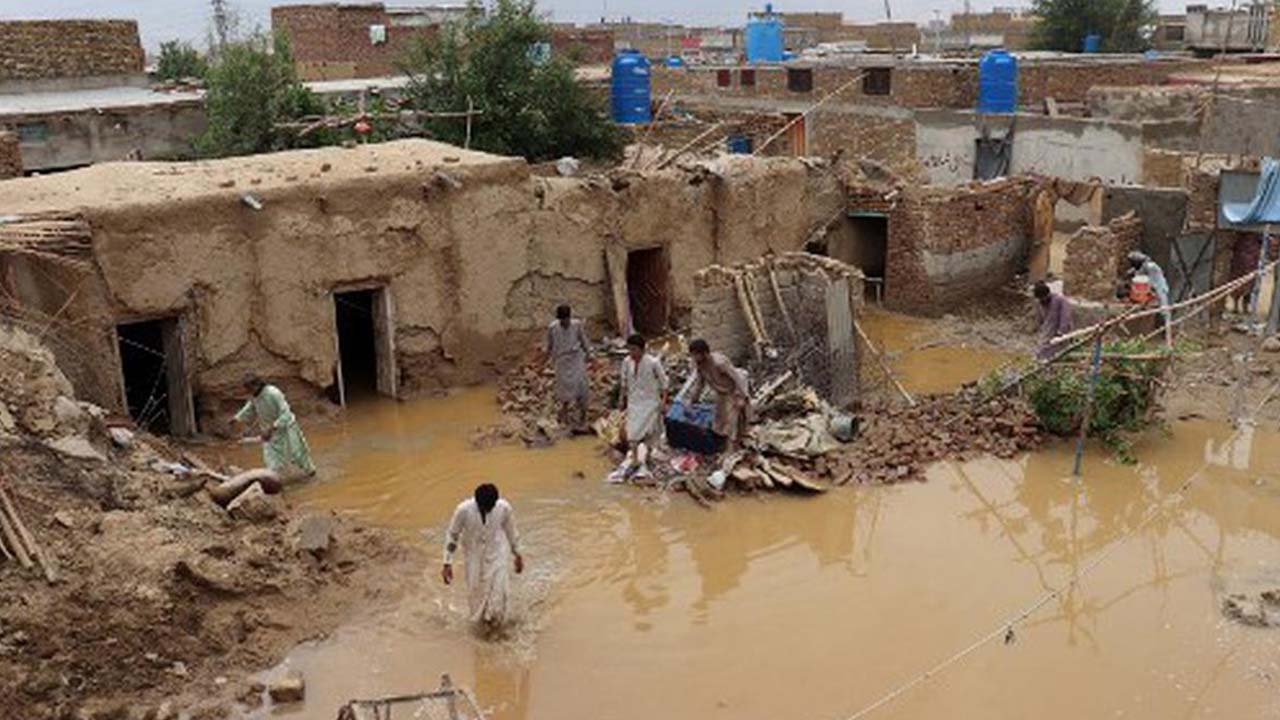
    The Board of Executive Directors of the World Bank has granted $213 million in funding to Balochistan for the purpose of improving livelihoods, essential services, and risk protection in communities that were affected by the devastating floods in 2022.

    This financial assistance is part of a larger program established in collaboration with the government to address the aftermath of the floods and build a climate-resilient Pakistan.

    Najy Benhassine, the World Bank Country Director for Pakistan, expressed the organization’s commitment to closely cooperate with the Government of Balochistan in supporting the affected communities. The World Bank aims to provide livelihood support and rehabilitate irrigation and flood protection infrastructure.

    These efforts will not only restore the livelihoods of the affected population but also enhance their resilience to potential future climate-related disasters and natural hazards. The project aligns with the comprehensive package of post-flood rehabilitation and resilient reconstruction program agreed upon with the authorities.

    The floods of the previous year were a result of record monsoon rains in the southern and southwestern regions of Pakistan, compounded by glacial melt in the northern areas. The calamity affected nearly 33 million people in the country, which has a population of 220 million. Tragically, the floods claimed over 1,700 lives and caused substantial damage to homes, crops, bridges, roads, and livestock.

    The Integrated Flood Resilience and Adaptation Project (IFRAP) outlined by the World Bank will provide housing reconstruction grants to approximately 35,100 homeowners. It will also focus on restoring essential services by rehabilitating damaged community infrastructure and facilities, such as water supply systems, irrigation networks, roads, and community facilities.

    Balochistan, with its geographical location, socioeconomic background, and vulnerability to climate change, faces significant risks from natural disasters. Yoro Sidibe, a Senior Water Specialist at the World Bank, emphasized that the project aims to provide economic opportunities to the affected communities while ensuring social inclusion and participation. Additionally, it will enhance institutional capacity for preparedness and response to future disasters.

    The World Bank expects that the Integrated Flood Resilience and Adaptation Project will benefit approximately 2.7 million people in selected communities across Balochistan’s calamity-declared districts. The project’s objectives include the restoration of degraded watersheds and the strengthening of institutional capacity at both the provincial and local levels.

  • Pakistan to receive $10 billion investment in refinery sector soon

    Pakistan to receive $10 billion investment in refinery sector soon

    Minister of State for Petroleum, Musadik Malik, announced that Pakistan will soon receive a $10 billion investment in its refinery sector. The investment, to be inaugurated by Prime Minister Shehbaz Sharif, holds significant details that cannot be disclosed at this time, according to Malik’s statement at a ceremony.

    This development follows the approval of a new refinery policy by the current government, which aims to incentivise greenfield investment.

    Malik emphasised the need for sustained GDP growth of 5 per cent in Pakistan’s growing population. To achieve this, he stated that an annual energy sector growth rate of 7.5-10 per cent is necessary. As part of this plan, the government aims to establish a comprehensive energy agreement with Central Asian countries and Russia, which will be made public by the end of the year.

    Additionally, Pakistan intends to leverage its historical ties with the Gulf Cooperation Council (GCC) countries for trade and commerce, including meeting energy needs such as LNG and petroleum products.

    The government also plans to open energy corridors with Central Asia and the GCC countries. Malik highlighted the significance of purchasing crude oil from Russia, stating that it will have a transformative impact on Pakistan, leading to industrial proliferation. The goal is to establish small industrial areas in rural regions to promote value addition.

    Malik underscored that Pakistan possesses the necessary infrastructure, labour force, and technology to present itself as an attractive investment destination. He emphasised the government’s efforts to enhance border enforcement to curb oil smuggling from Iran, expressing confidence that the flow of smuggled oil will reduce in the coming days.

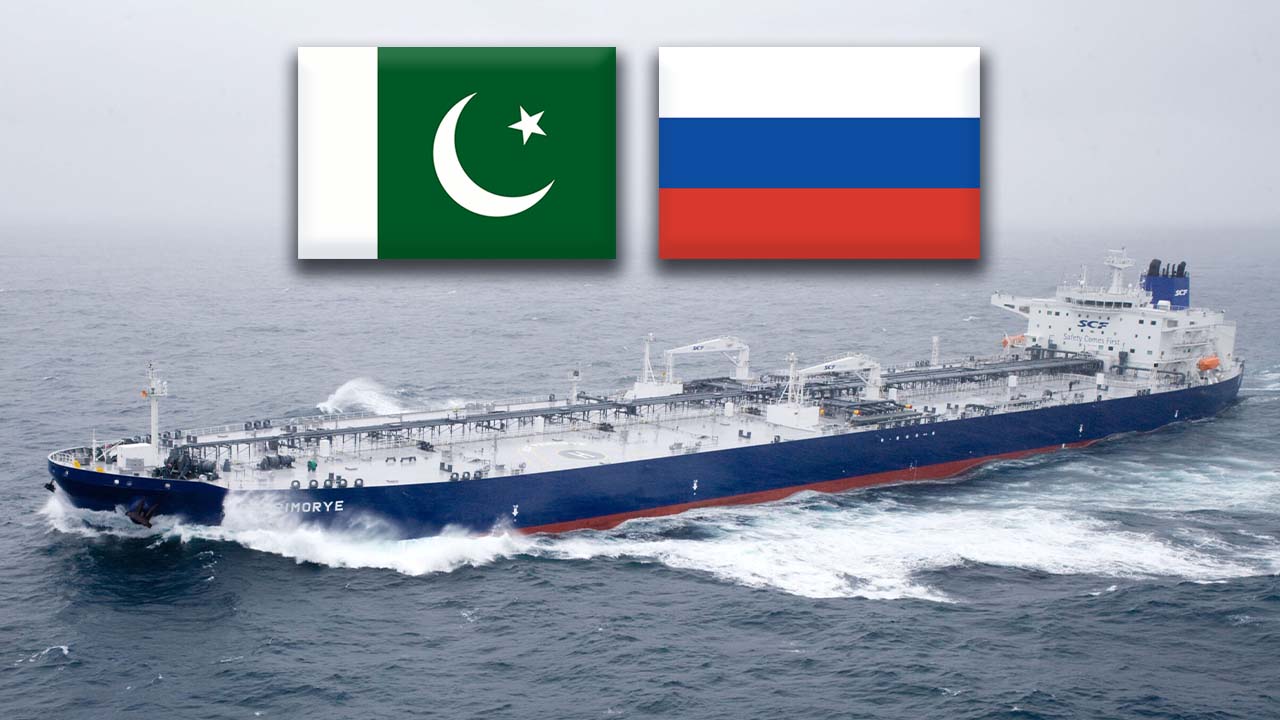
    In an off-camera meeting with media persons, the minister revealed that vessels carrying 100,000 tonnes of discounted Russian oil will arrive at Pakistan’s ports in the first week of June as part of the government’s energy security plan. The oil will be transported from Oman port to Pakistan in smaller vessels within seven to ten days. Malik assured that although transportation costs may increase slightly, the impact will be minimal.

  • Shipment of discounted Russian oil en route to Pakistan: 100,000 tons set to arrive next month

    Shipment of discounted Russian oil en route to Pakistan: 100,000 tons set to arrive next month

    The government’s energy security plan will soon see the arrival of vessels carrying 100,000 tons of discounted Russian oil at Pakistan ports in early June.

    Musadik Malik, the State Minister for Energy, made this announcement during a private meeting with members of the media, where he discussed the new refinery policy. The policy aims to encourage investments in new refineries for shallow, deep conversion, and ultra-deep conversion projects, with incentives lasting up to 20 years.

    Minister Malik revealed that the Russian cargo, consisting of 100,000 tons of Urals oil, would arrive at the Oman port on May 26-27. From there, the oil will be transported to Pakistan in smaller vessels, a journey expected to take between seven to ten days. Although the transportation cost will increase slightly, the minister assured that the impact would be minimal.

    While he did not disclose the discounted price or the payment method for the Russian oil, Minister Malik hinted that the payment was made through the banking channel. The heavy Urals oil will then undergo refining at Parco, where it will be mixed with light Arabian oil to lower the overall price.

    Highlighting the significance of the new refinery policy, Minister Malik emphasised that energy sector growth is crucial for economic development. He explained that a one per cent increase in the country’s GDP requires a corresponding growth rate of 1.5 to two per cent in the energy sector. Similarly, achieving a five per cent GDP growth necessitates a seven to ten per cent growth in the energy sector. Such growth is only possible with investments in refineries, as well as oil and gas exploration and production.

    Under the new refinery policy, refineries with a capacity of 300,000 tons or more will receive incentives for 20 years, while those below 300,000 tons will receive incentives for 10 years. However, it will be mandatory for these refineries to achieve financial closure within five years.

    Additionally, import duty on equipment used in the larger refineries will be set at 7.5 per cent for both petrol and diesel for the duration of 20 years. The same incentives will apply for 10 years to refineries below the 300,000-ton capacity. These refineries will also benefit from special economic zone (SEZ) laws.

    Minister Malik projected that by 2030, the country’s petrol and diesel consumption would increase from 20 million to 33 million. Currently, local refineries produce around 10 to 11 million, with the rest being imported. He noted that the global premium on diesel is approximately $18 due to high demand.

    The new refinery policy has garnered interest from multiple foreign countries and private companies, with a positive response received during a road show conducted in the United States to promote greenfield investment.

    The minister reiterated the government’s commitment to implementing a comprehensive plan for the country’s energy security before the end of its constitutional tenure. Negotiations for the Turkmenistan-Afghanistan-Pakistan-India (TAPI) pipeline project have resumed, while the Iran-Pakistan (IP) project has been delayed due to US sanctions. The LPG Air Mix policy and the brownfield policy are expected to be approved soon.