Category: Business

  • Pakistani rupee gains ground as State Bank eases cross-border transaction rules

    Pakistani rupee gains ground as State Bank eases cross-border transaction rules

    In a significant turn of events, the Pakistani rupee experienced a notable appreciation against the US dollar in the open-market on Thursday.

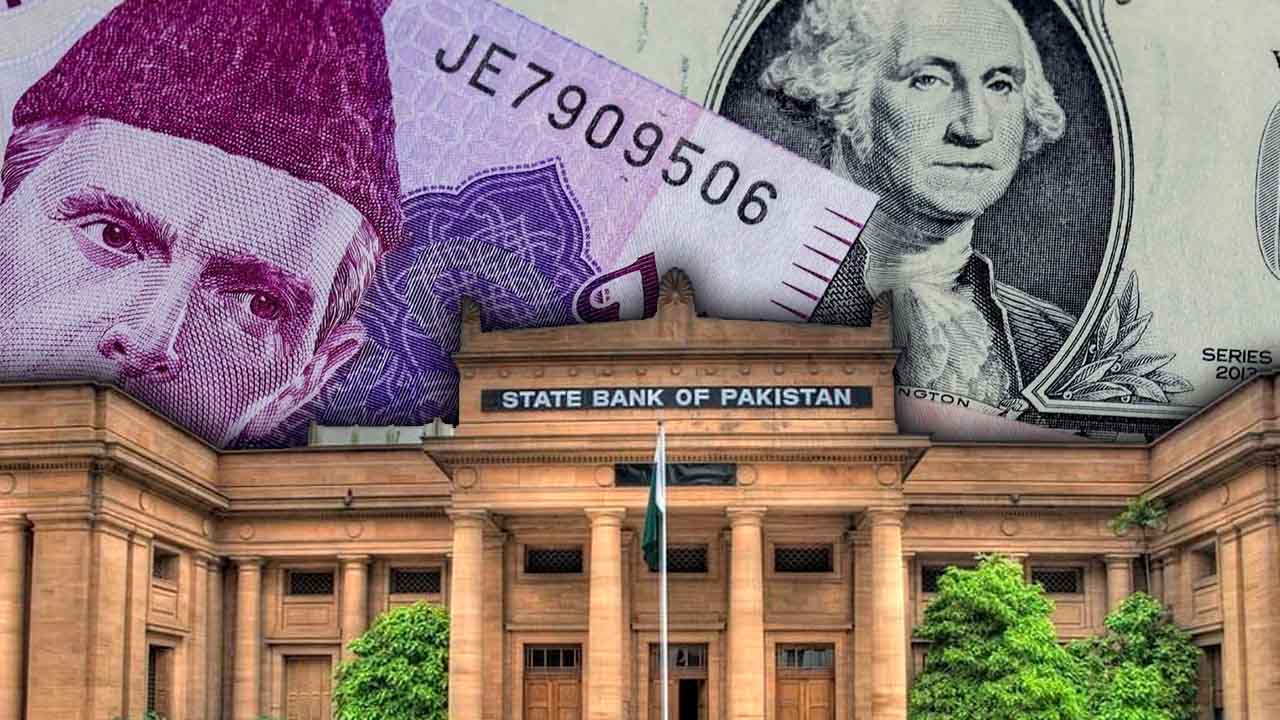
    The value of the US dollar dropped to the range of Rs295-300, compared to the previous day’s rate of Rs314. This shift can be attributed to recent changes implemented by the State Bank of Pakistan (SBP) to facilitate cross-border transactions.

    Currency dealers consulted by Business Recorder acknowledged that the supply of US dollars remains limited in the market, as customers are not actively selling their currency. This scarcity could be a contributing factor to the rupee’s recent surge in value.

    According to experts, the recent development is a direct result of the SBP’s decision to allow credit card payments through banks. The SBP, on Wednesday, permitted banks to purchase US dollars from the interbank market for settling card-based cross-border transactions with International Payment Schemes (IPSs).

    Previously, the SBP guidelines only permitted authorized dealers to purchase US dollars from exchange companies for settling card-based cross-border transactions with IPSs such as Visa and MasterCard.

    However, in response to stakeholder feedback, the SBP opted to extend this privilege to banks, allowing them to source dollars from the interbank market for such transactions.

  • China lifts ban on seafood product imports from Pakistan

    China lifts ban on seafood product imports from Pakistan

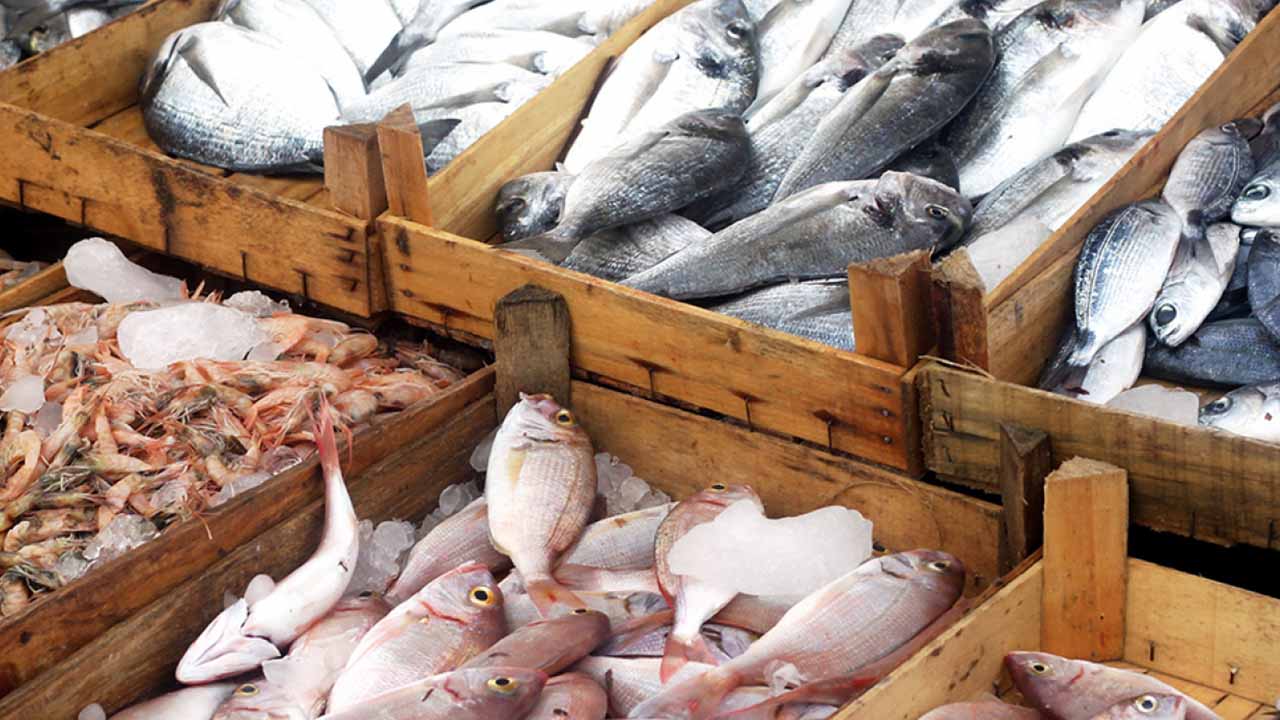
    China’s General Administration of Customs (GAC) has confirmed the resumption of aquatic product imports from Pakistan and several other countries, aiming to enrich the supply of domestic aquatic products and boost the stability of the seafood industry and supply chains. In a statement released on May 26, the GAC announced that imports from 20 overseas companies would be allowed.

    The GAC statement revealed that the 20 companies resuming exports to China are based in various countries, including Pakistan, Brazil, Malaysia, Spain, New Zealand, and Indonesia.

    This move comes after China suspended imports from eight overseas suppliers last year due to non-compliance with safety and hygiene controls, as well as inadequate adherence to COVID-19 control measures set by the United Nations Food and Agriculture Organization.

    Although industry experts told the Global Times that this recent change would not have a significant impact on overall supply in China, they acknowledged that the rise in seafood imports reflected a growing demand among Chinese consumers.

    Cui He, Director of the China Aquatic Products Processing and Marketing Alliance, stated that the increase in imports was driven by China’s expanding consumption patterns and its customers’ preference for quality aquatic products offered by some overseas companies.

    According to Geo, China’s seafood imports have been on the rise, primarily sourced from countries such as Russia, Australia, and Argentina, according to Cui. Last year, China experienced a 35 per cent surge in seafood imports, reaching a value of $19.13 billion, as reported by data from the International Trade Centre.

    The GAC emphasised its commitment to strengthening the management of imported food safety. While the resumption of imports from Pakistan and other countries is expected to contribute to the diversification of China’s aquatic product supply, the focus on ensuring the safety and quality of imported food remains a priority for Chinese authorities.

  • Petrol price slashed by Rs8 to Rs262 per litre for next fortnight

    Petrol price slashed by Rs8 to Rs262 per litre for next fortnight

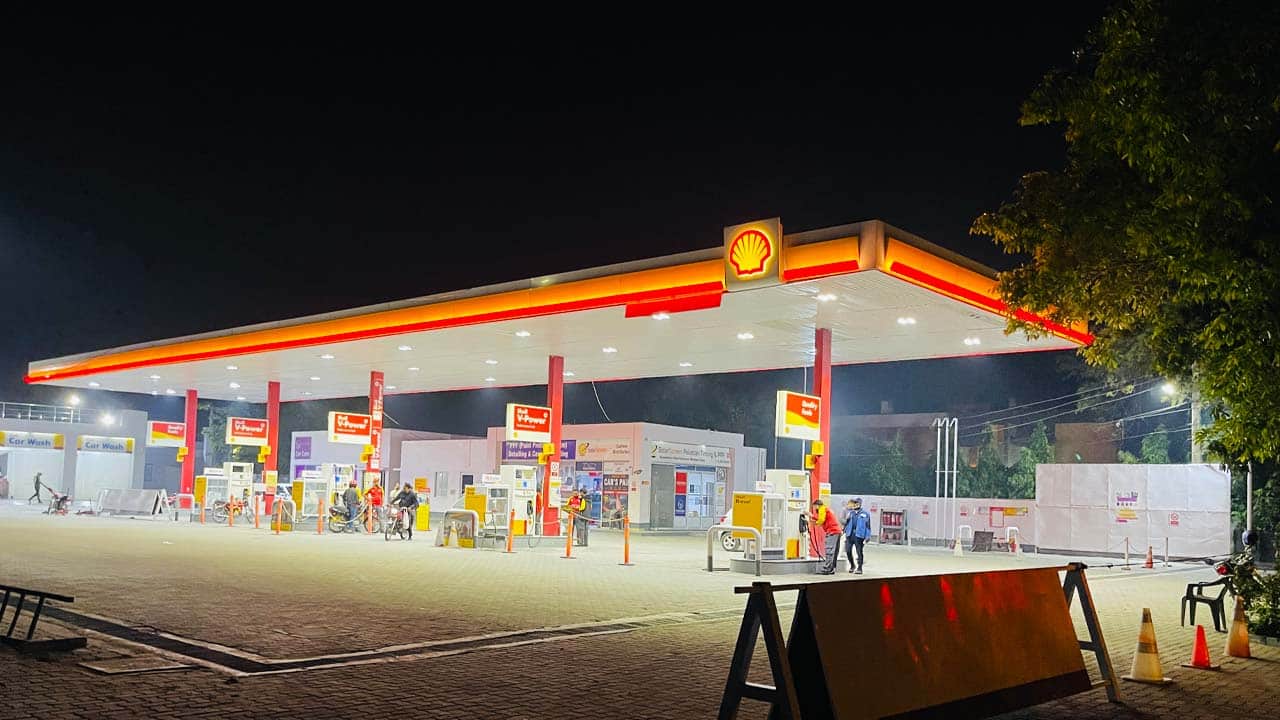
    In a televised address on Wednesday, Finance Minister Ishaq Dar announced a significant reduction in the prices of petroleum products by the federal government.

    Effective from 12 am tonight, the price of petrol will be lowered by Rs8 per litre, bringing it down to Rs262 per litre. Similarly, the price of diesel will be reduced by Rs5 per litre, making it Rs253 per litre.

    Minister Dar said that these revised prices would remain unchanged for the next fortnight, providing stability and predictability for consumers. He further stated that this reduction in prices is part of a cumulative effort, as the government has already decreased the prices of petrol and diesel by Rs20 and Rs35 per litre respectively throughout the month of May.

  • PIA’s Boeing 777 aircraft freed by Malaysian authorities, returns to Islamabad

    PIA’s Boeing 777 aircraft freed by Malaysian authorities, returns to Islamabad

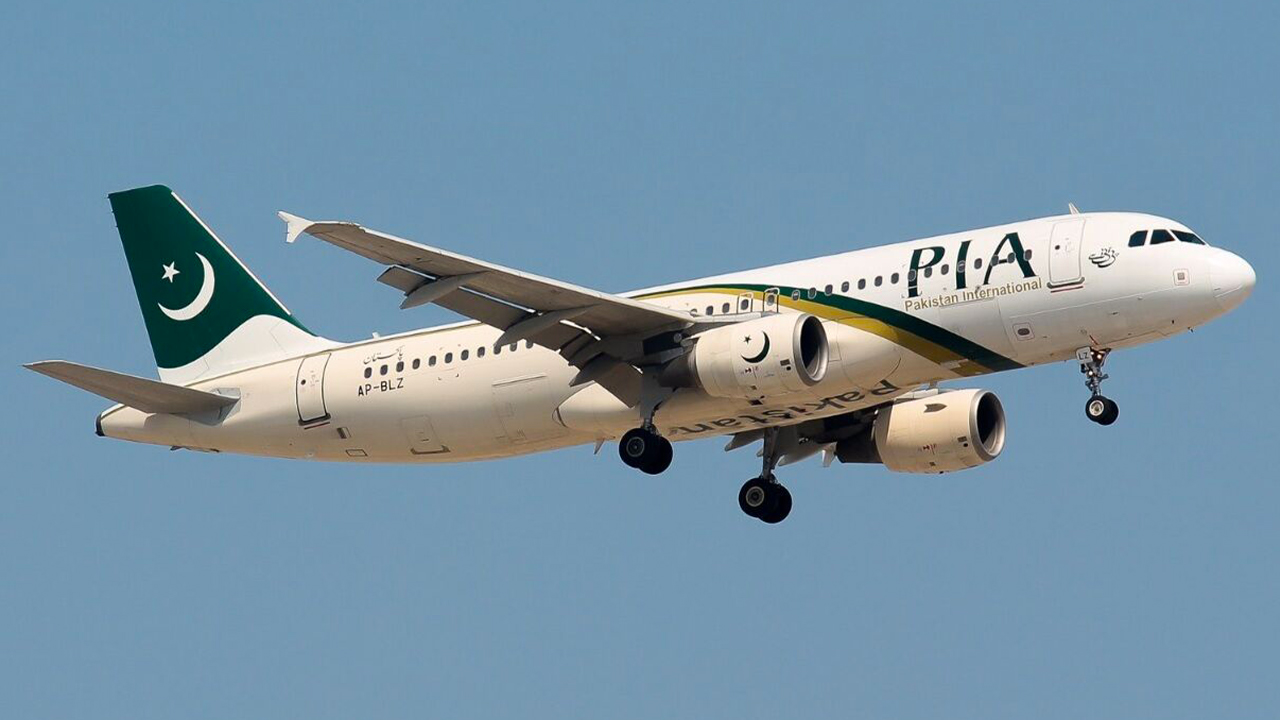
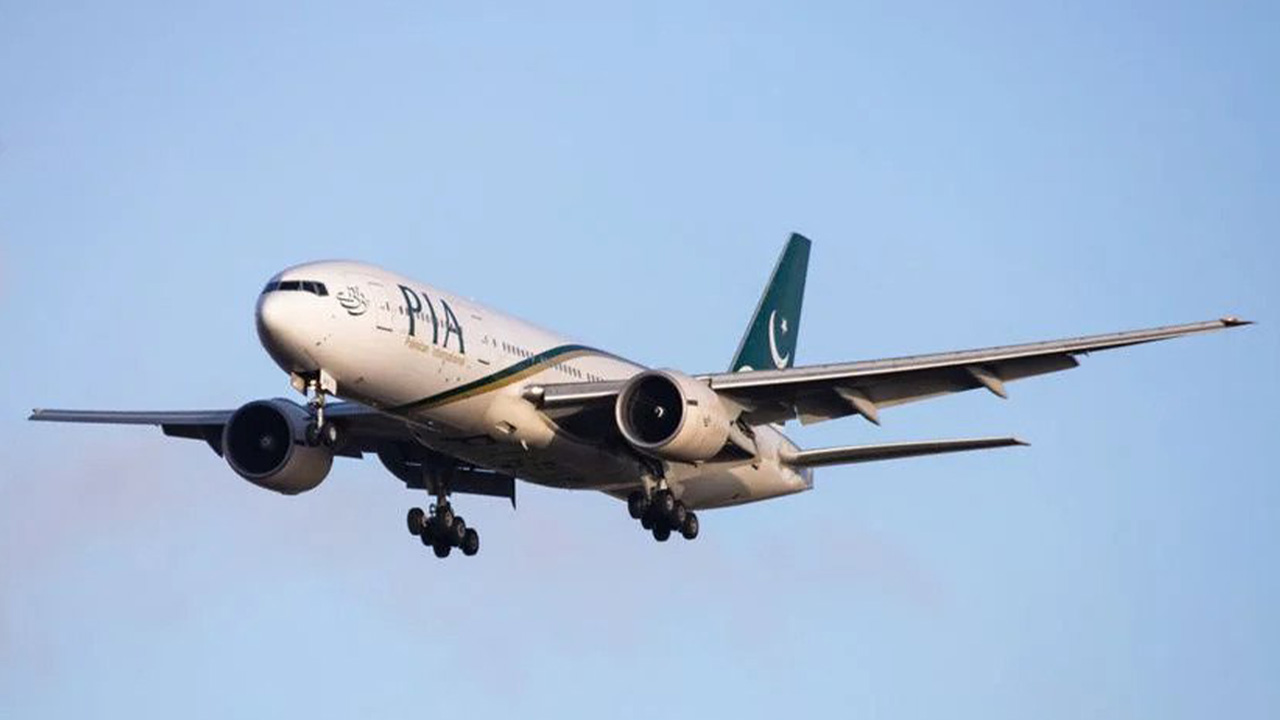
    Pakistan International Airlines (PIA) successfully resolved the issue with its Boeing 777 aircraft, which was held by Malaysian authorities in Kuala Lumpur. According to a spokesperson for PIA, the aircraft was released a few hours later and arrived in Islamabad late Monday night. The spokesperson stated that the matter was resolved through diplomatic channels.

    The incident occurred a day earlier when PIA flight PK-894 was halted upon reaching Kuala Lumpur, following court orders that issued a stay on the aircraft. The stay was related to issues concerning a lease requested by a foreign company. The PIA spokesperson clarified that the Boeing 777 aircraft is owned by PIA, and the engine leasing company had obtained the stay by submitting incorrect data to a Malaysian court.

    According to The News, the leasing company had falsely claimed $4.5 billion, whereas the actual amount owed by PIA to the leasing company was $1.8 billion, which had already been paid. The spokesperson emphasised that such cases of halting an aircraft and extorting money are unprecedented, particularly considering that both the leasing company and PIA are not local entities in Malaysia.

    Following the incident, PIA took legal action by approaching the court in Malaysia through its lawyers. The spokesperson confirmed that the matter is currently under consideration by the court.

    It is important to note that PIA had already arranged for the repatriation of the passengers from the affected flight through an alternative aircraft. The airline had previously announced that the aircraft would soon return home to resume its commercial flights.

    PIA’s prompt response and successful resolution of the issue reflect its commitment to ensuring the safety and smooth operations of its flights. The airline continues to prioritise the well-being of its passengers while upholding its professional reputation in the international aviation industry.

  • Minister of State for Finance and Revenue criticises IMF for interfering in Pakistan’s internal affairs

    Minister of State for Finance and Revenue criticises IMF for interfering in Pakistan’s internal affairs

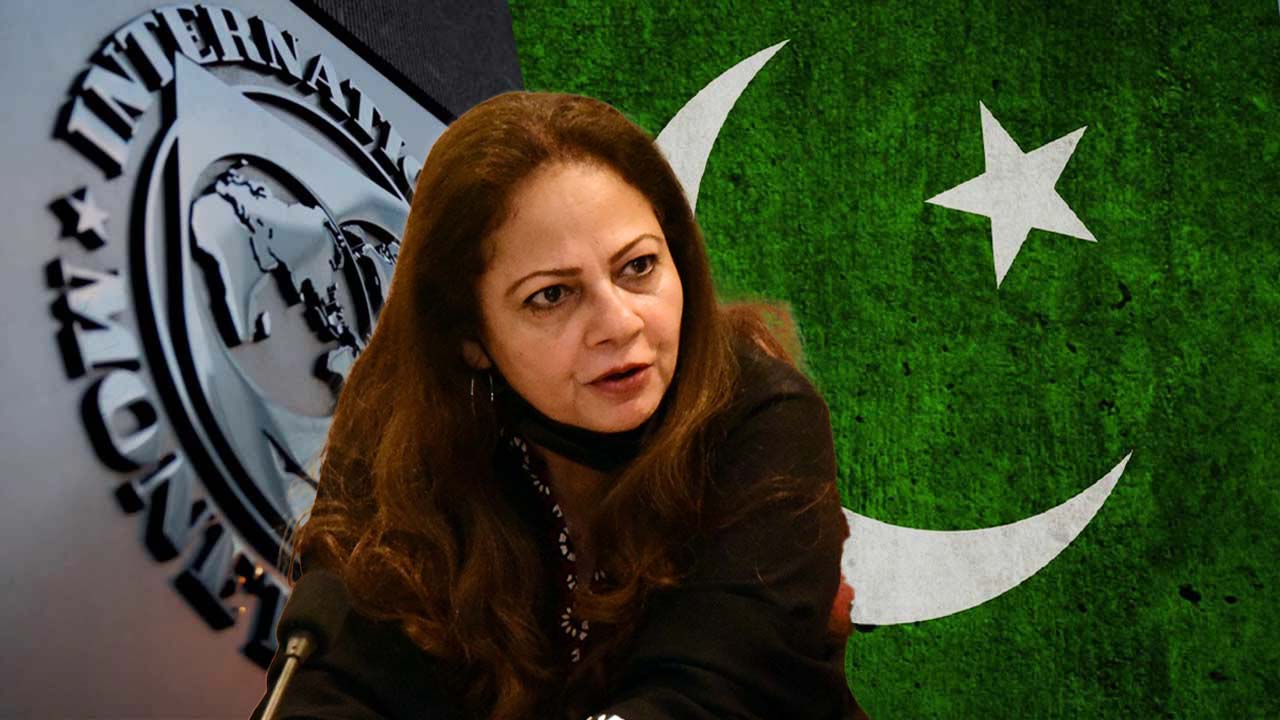
    In a strong rebuke to the International Monetary Fund (IMF), State Minister for Finance and Revenue Aisha Ghaus Pasha criticised the international lender for what she called “intervening” in Pakistan’s internal affairs.

    Speaking on Wednesday, the state minister asserted that Pakistan’s actions were within the boundaries of the law, dismissing the statement made by IMF Mission Chief for Pakistan, Nathan Porter, as “extraordinary.”

    While the IMF typically refrains from commenting on domestic politics, Porter had expressed the hope that Pakistan would find a peaceful way forward in line with the Constitution and the rule of law. The state minister expressed her dissatisfaction with the IMF’s involvement in Pakistan’s political situation, emphasising that the delay in reaching a staff-level agreement was detrimental to both Pakistan and the Fund.

    Dr Pasha confirmed reports that Prime Minister Shehbaz Sharif had reached out to IMF Managing Director Kristalina Georgieva. In their conversation, the prime minister assured the IMF chief that Pakistan would fulfill all its obligations.

    On May 27, Prime Minister Shehbaz had contacted Georgieva, requesting her assistance in revitalising the stalled $6.5 billion facility. It is believed that the prime minister urged her intervention to facilitate the completion of the pending ninth review, which would unlock $1.1 billion in financing for the cash-strapped nation.

    Negotiations between the coalition government and the IMF have been ongoing since November to revive Pakistan’s bailout program, with the financing gap being a major hurdle. Approximately $2.7 billion remains to be disbursed from the $6.5 billion program, which is set to expire next month.

    Responding to a question regarding Pakistan’s contingency plan if it fails to convince the IMF before the program’s expiry on June 30, the state minister stated that while there is always a “Plan B,” the Ministry of Finance’s priority is to revive the IMF program.

    With the federal budget announcement scheduled for June 9, both sides are hopeful of reaching a staff-level agreement before then. The successful conclusion of the agreement would provide a much-needed boost to Pakistan’s economy and help address its financial challenges.

    As the negotiations continue, the Pakistani government remains committed to meeting its obligations and finding a way forward to revive the IMF program, while asserting its sovereignty and independence in internal affairs.

  • Russian oil imports expected to reduce fuel prices slowly, says Musadik Malik

    Russian oil imports expected to reduce fuel prices slowly, says Musadik Malik

    At the Pakistan Energy Conference 2023, Minister of State for Petroleum, Musadik Malik, reassured the nation that the arrival of cheap oil from Russia would eventually lead to a decline in fuel prices. However, he cautioned that an immediate decrease should not be expected until a continuous supply of oil from Moscow is established.

    Minister Malik said that the import of Russian oil was not merely a promise or rhetoric. He confirmed that ships carrying the much-anticipated oil had already reached Oman and would commence supply to Pakistan within a week. While acknowledging that a single shipment would not significantly impact fuel costs, Malik expressed confidence that once a persistent supply was established, the price of fuel would gradually decrease.

    The government’s ambitious objective is to fulfill one-third of Pakistan’s crude oil requirements with affordable oil sources, including imports from Russia. The aim is to address the chronic energy shortages that Pakistan, the world’s fifth most populous country, has been grappling with. Currently, Pakistan imports 84 per cent of its petroleum products, primarily from Gulf Arab allies Saudi Arabia and the United Arab Emirates.

    The import of cheap Russian oil represents one of Pakistan’s strategies to alleviate its energy crisis, as global efforts are underway to restrict Russia’s oil exports due to its invasion of Ukraine. During a visit to the United States earlier this month, Minister Malik confirmed that Pakistan had placed its first order for Russian oil, which is expected to arrive within a month. Upon evaluating the impact of this initial shipment, Pakistan will decide on the extent of future imports.

    When asked about the possibility of pursuing more Russian imports, Malik responded that Pakistan would prioritise cheaper energy sources to meet its energy requirements. The minister further emphasised that the government’s objective was to ensure a sustainable and affordable supply of low-cost energy, highlighting accessibility, sustainability, and affordability as the key pillars of this vision.

    In addition to the import of Russian oil, Malik mentioned the Iran-Pakistan Gas Pipeline project as another avenue to address the country’s energy needs. The government has conveyed to Iran its intention to access energy through the pipeline while remaining responsible and avoiding potential sanctions. Talks are underway with both sanctioning countries and Iran to find a creative solution to this matter.

    With Pakistan eagerly awaiting the arrival of cheap Russian oil, the government remains committed to securing a sustainable and affordable energy supply to meet the needs of its citizens. The gradual decline in fuel prices is expected to provide much-needed relief to the nation, addressing its chronic energy shortages and boosting economic growth in the process.

  • IMF’s conditions for agreement: Pakistan must arrange foreign loans and restore foreign exchange market

    IMF’s conditions for agreement: Pakistan must arrange foreign loans and restore foreign exchange market

    In a recent development, the International Monetary Fund (IMF) has urged Pakistan to address its political disputes in accordance with the constitution. This statement came after Prime Minister Shehbaz Sharif reached out to IMF Managing Director Kristalina Georgieva in a last-ditch effort to revive the derailed $6.5 billion bailout package and avoid default.

    Following the conversation between Shehbaz and Georgieva, IMF Mission Chief to Pakistan Nathan Porter made an unusual statement, expanding the IMF’s focus to the political arena.

    While the IMF typically refrains from commenting on domestic politics, Porter emphasised the importance of finding a peaceful way forward in line with the constitution and the rule of law. This statement comes in the midst of an ongoing crackdown against PTI workers, abductions of individuals, and other political issues.

    Responding to questions from The Express Tribune, Porter outlined the conditions Pakistan must fulfill to reach an agreement with the IMF. These conditions include arranging foreign loans, approving a new budget in line with the IMF framework, and restoring proper functioning to the foreign exchange market.

    Prime Minister Shehbaz sees the IMF as the last resort to avoid default and thus decided to intervene. Following the conversation with the IMF chief, he instructed the finance ministry to share details of the next budget with the IMF.

    Meanwhile, Finance Minister Ishaq Dar criticised the IMF again, stating that it would be biased and shameful if the 9th review did not take place. However, a top finance ministry official confirmed that the prime minister had contacted the IMF managing director to break the deadlock.

    Time is running out for Pakistan, as there is only one month left before the program expires. Pakistani authorities still believe that the IMF can shorten the review completion period by calling a board meeting within two weeks of announcing the staff-level agreement.

    Porter emphasised that sustaining strong policies, obtaining sufficient financing from partners, and engaging in ongoing reforms are crucial for Pakistan to maintain macroeconomic stability. He also stressed the importance of strengthening domestic revenue mobilization, eliminating state-owned enterprise losses, reducing inefficiencies, and allowing for increased social and development spending.

    While Pakistan claims to have fulfilled all the conditions agreed upon in February, the sources indicate that Pakistan is currently not meeting all three conditions set by the IMF. The value of the rupee in the open market is significantly different from its value in the interbank market, and the new budget is not aligned with the IMF’s requirements.

    To bridge the financing gap until June this year, the IMF had asked Pakistan to arrange $6 billion in fresh loans. So far, Pakistan has obtained assurances for $3 billion from Saudi Arabia and the United Arab Emirates. The government is ready to share the details of the budget and the foreign exchange policy with the IMF.

    The $6.5 billion bailout package has been derailed since November last year and is set to expire on June 30. Of the total amount, the IMF has not disbursed $2.6 billion, including a $1.2 billion tranche linked to the completion of the 9th review. Pakistan’s foreign exchange reserves stand at $4.1 billion, which is not sufficient to cover the upcoming $25 billion in repayments.

    There are still differences of opinion regarding the current account deficit for this fiscal year. The government’s revised estimate of around $4 billion to $4.5 billion has not yet been accepted by the IMF.

    Initial reports suggest that the government intends to announce an expansionary budget of around Rs14.6 trillion with a deficit of around 7.4 per cent of the gross domestic product (GDP). However, this budget would need to be adjusted to align with the IMF’s requirements.

    The IMF’s Fiscal Monitor report projected a budget deficit as high as 8.3 per cent of the GDP for the next fiscal year, significantly higher than the government’s proposal. The finance ministry had initially proposed an overall budget deficit of around 6.9 per cent of the GDP or Rs7.3 trillion.
  • PIA’s Boeing 777 seized once again in Malaysia due to unpaid lease dues

    PIA’s Boeing 777 seized once again in Malaysia due to unpaid lease dues

    Pakistan International Airlines (PIA) faced another setback as one of its Boeing 777 aircraft was once again seized at the Kuala Lumpur International Airport over an ongoing lease dispute. The incident marks the second time this specific aircraft has been halted in Malaysia due to payment issues.

    The aircraft, bearing the registration number BMH, was acquired by PIA on lease from Malaysia. However, the lease dispute resurfaced, and the airline was unable to settle outstanding dues amounting to $4 million. Subsequently, a local court ordered the seizure of the PIA plane upon receiving the company’s request.

    According to ARY News, this is not the first instance in which the national carrier of Pakistan has encountered such a predicament in Malaysia. In 2021, the same Boeing 777 was seized by authorities at the Kuala Lumpur airport due to non-payment of dues. The situation was resolved after diplomatic assurances were given, leading to the release of the aircraft.

    Following the recent seizure, the PIA plane was eventually released and safely returned to Pakistan on January 27, accompanied by 173 passengers and crew members. However, the lease dispute appears to have persisted, resulting in the aircraft being seized once again in Malaysia.

    The ongoing lease dispute poses significant challenges for Pakistan International Airlines, as it impacts their operations and raises concerns about the financial stability of the airline. PIA authorities have yet to comment on the recent seizure and the steps they plan to take to resolve the dispute.

    The incident highlights the importance of maintaining robust lease agreements and ensuring timely payment of dues to avoid disruptions in international aviation operations. Both PIA and Malaysia will likely engage in further negotiations to find a resolution to the long-standing lease dispute and prevent any future incidents that could tarnish the airline’s reputation.

    As of now, travelers and stakeholders eagerly await updates from Pakistan International Airlines regarding the situation and hope for a swift resolution to the lease dispute, allowing the airline to resume its operations smoothly.

  • Govt expected to reduce petrol price by Rs10 per litre in a pre-budget relief move

    Ahead of the much-anticipated federal budget for 2023-24, set to be announced on June 9, the government is planning to alleviate the burden of inflation by reducing the prices of petroleum products, according to industry officials.

    Starting from June 1, it is expected that the price of petrol will decrease by Rs10 per litre due to a decline in the ex-refinery price. Industry insiders have revealed that the ex-refinery price of petrol is projected to decrease by Rs10-12 over the next two weeks. However, due to exchange rate adjustments, the government will likely pass on relief of up to Rs10 per litre to consumers.

    Furthermore, industry officials have indicated that the ex-refinery price of diesel is showing a decline of Rs4-5 per litre in the next review. The government may incorporate this decrease during the upcoming fortnightly review, offering relief to diesel consumers.

    According to The News, in the previous price review, the government implemented a substantial reduction of Rs30 in the price of diesel. This resulted in a decrease from Rs288 to Rs258 per litre. Similarly, the price of petrol was slashed by Rs12, dropping from Rs282 to Rs270 per litre.

    These measures are aimed at mitigating the impact of rising prices on the general public and easing the financial burden faced by individuals as the government prepares to present the federal budget for the upcoming fiscal year.

  • Govt to unveil ‘business-friendly’ budget, prioritising masses and economic progress

    Govt to unveil ‘business-friendly’ budget, prioritising masses and economic progress

    In a bid to support the masses and drive economic progress and development, the government is expected to present a “business-friendly” budget for the upcoming financial year 2023-24, announced Finance Minister Ishaq Dar on Monday.

    Minister Dar shared these intentions during a meeting with a delegation from the Association of Builders and Developers of Pakistan, who sought to address the challenges faced by the construction industry and present their proposals for the forthcoming federal budget.

    The delegation, comprised of prominent members from the construction sector, engaged in a productive discussion with the finance minister, apprising him of the industry’s hurdles and sharing their ideas to contribute to the upcoming budget.

    Recognising the significance of the construction industry for economic growth, the association pledged its support to the government’s efforts in overcoming economic challenges and boosting business activities within the country.

    Finance Minister Ishaq Dar expressed his appreciation for the proposals put forth by the delegation, acknowledging their importance in formulating effective economic policies. He assured the group that the government is actively taking concrete steps to address the existing economic challenges and fortify the nation’s economy.

    Dar’s remarks underscored the government’s commitment to fostering a favourable business environment and promoting sustainable growth.

    The delegation extended their gratitude to the finance minister for considering their budget proposals, recognising the significance of collaboration between the private sector and the government in driving economic prosperity.

    As the government prepares to present the budget for the financial year 2023-24, expectations are high for the inclusion of measures that will support businesses, stimulate economic activity, and create opportunities for the masses.