Category: Business

  • PSX trading halted as KSE-100 plummets over 15,000 points at open

    PSX trading halted as KSE-100 plummets over 15,000 points at open

    Trading at the Pakistan Stock Exchange was suspended shortly after the start of the session on Monday after the benchmark KSE-100 Index declined more than nine percent following selling pressure at the open. 

    The index dropped 15,345 points, or 9.13 percent, to 152,717 within minutes of trading beginning at 9:16 a.m. This decline triggered an automatic halt under exchange rules that come into effect when losses cross the defined threshold during intraday trading. 

    At 9:22 a.m., just before the suspension took full effect, the benchmark was recorded at 152,991.15, down 15,071.01 points or 8.97 percent, indicating continued pressure.

    The market movement came amid geopolitical developments in the Middle East linked to the conflict involving Iran, which affected global financial markets and investor positioning. This volatility was compounded by foreign capital outflows, earnings concerns, and risk-averse behavior, all of which added pressure on local equities during the opening minutes of trade. 

    Consequently, broader market indicators also recorded significant losses; the KSE-30 Index declined 9.69 percent, the PSX Dividend 20 Index fell 9.10 percent, and the KSE All Share Index dropped 8.49 percent.

    Index movement was largely influenced by heavyweight stocks including Fauji Fertilizer Company, United Bank Ltd, Engro Holdings, Oil & Gas Development Company, and Meezan Bank, which together accounted for a large portion of the index-point decline. 

    By sector, the most substantial contributions to the overall fall came from Commercial Banks, Fertilizer, Oil and Gas Exploration Companies, Cement, and Investment Banks and Securities Companies. 

    While some gains were recorded in sectors such as Leasing Companies, Close-End Mutual Funds, Synthetic and Rayon, Leather and Tanneries, and Textile Spinning.

    In individual stocks, YOUW registered a sharp decline of 17.66 percent while CNERGY fell 10.14 percent and UNITY declined 10.03 percent. Both DHPL and SSGC also dropped by more than 10 percent. Reflecting the market-wide selling, PSEL declined 0.82 percent and SHFA edged down 0.03 percent. Limited upward movement was observed in only a small number of stocks, with PGLC up 0.15 percent, while TPLRF1 and MEHT remained unchanged.

  • Hotel Grandiose by Celeste: Setting a New Standard for Luxury Spring Mattresses

    Hotel Grandiose by Celeste: Setting a New Standard for Luxury Spring Mattresses

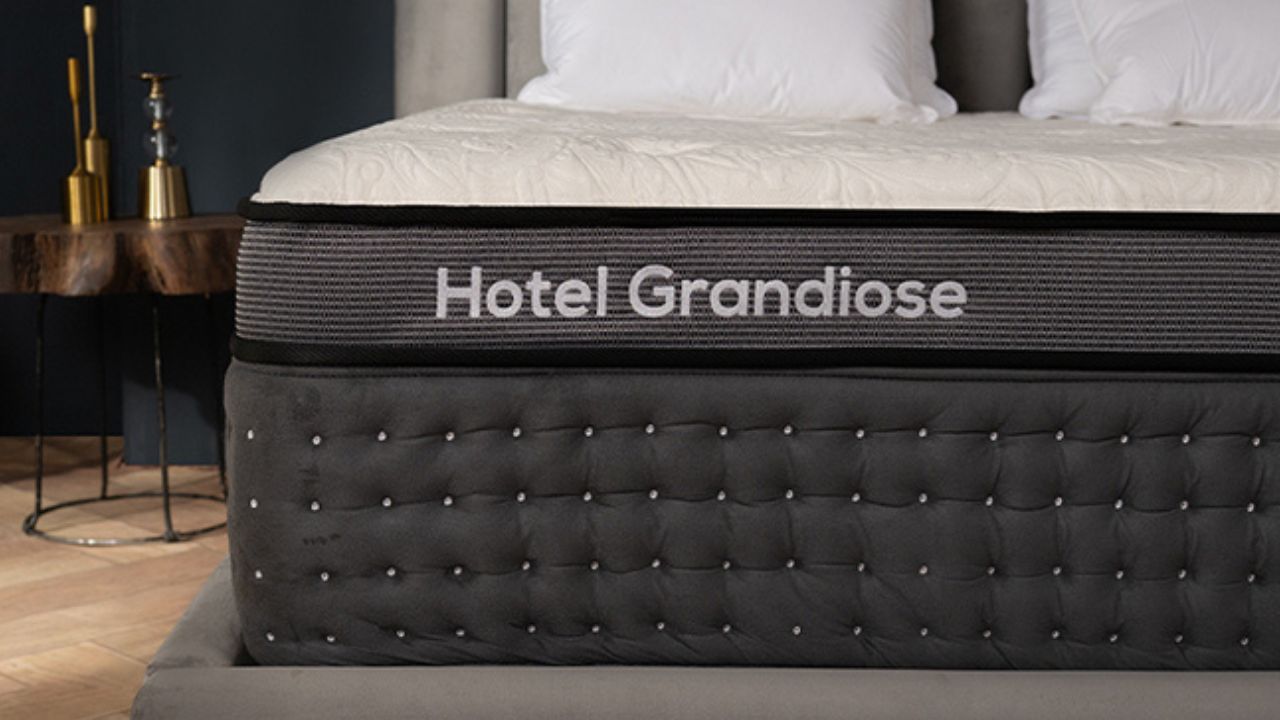
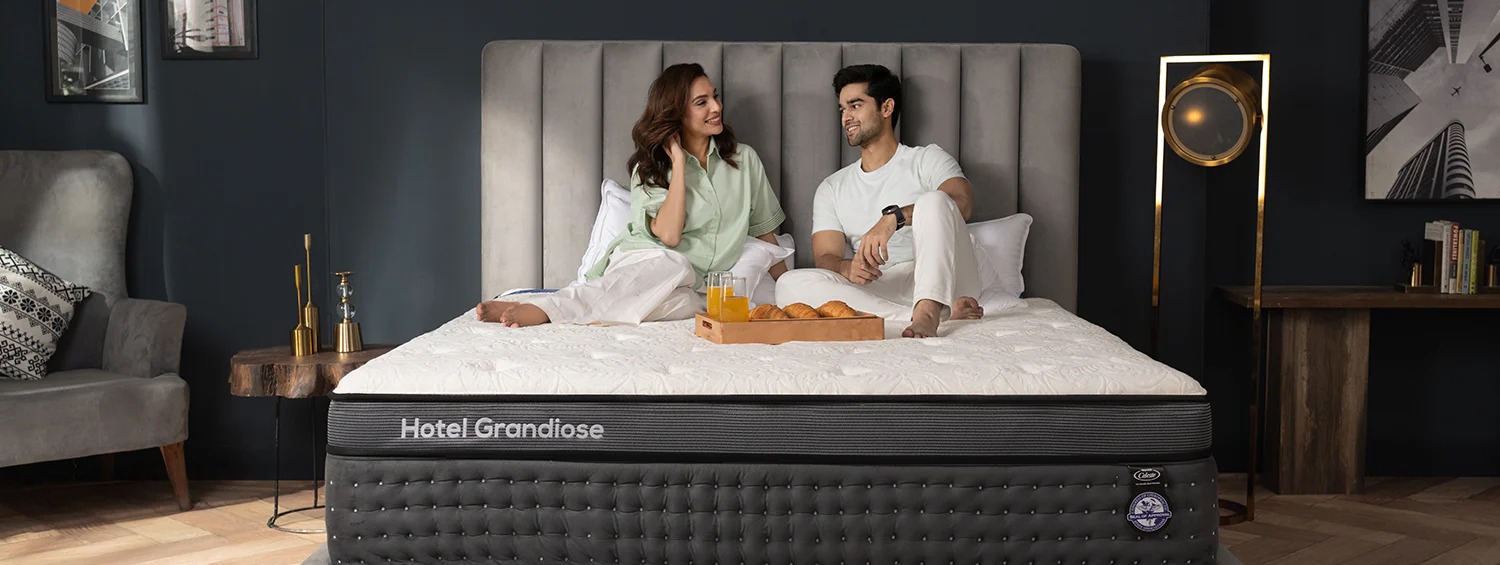
    In a crowded marketplace filled with options, very few mattresses genuinely earn the title of best spring mattress. Celeste Hotel Grandiose does so by combining traditional spring excellence with modern comfort innovation—creating a sleep experience that rivals elite hotel suites.

    This is a luxury spring mattress designed not for trends, but for people who understand the value of consistent, restorative sleep.

    What Makes a Spring Mattress Truly Premium?

    Not all spring mattresses are created equal. While basic models rely on outdated coil systems, premium designs integrate intelligent engineering, comfort layers, and durability testing.

    Hotel Grandiose reflects this evolution, placing it firmly among the best spring mattress brands available today.

    Precision Support Through Advanced Springs

    The mattress features a refined pocket spring structure that delivers:

       • Individualized body support

       • Reduced partner disturbance

       • Enhanced durability under daily use

    This makes it a strong contender for anyone researching spring mattress brands in Pakistan with a focus on long-term value.

    Comfort Layers That Elevate the Spring Experience

    Above its spring core, Hotel Grandiose features carefully calibrated layers of memory foam and latex. These materials soften impact, relieve pressure, and enhance comfort without compromising the responsive feel that spring mattress lovers prefer.

    The result is a mattress that feels indulgent yet supportive, night after night.

    Breathability, Hygiene, and Climate Comfort

    A key advantage of a high-end spring mattress is airflow. Hotel Grandiose promotes ventilation through breathable fabrics and internal airflow channels, helping regulate temperature naturally.

    This makes it especially suitable for sleepers who overheat on traditional foam mattresses, another reason it ranks among the best spring mattresses in Pakistan.

    A Mattress That Commands Presence

    At 17 inches thick, Hotel Grandiose adds visual luxury to any bedroom. Its height, structure, and detailing signal premium quality—while the comfort confirms it the moment you lie down.

    Supported by a 15-year warranty, it stands confidently among top-tier spring mattress offerings.


    Choosing Among Spring Mattress Brands in Pakistan

    While many spring mattress brands compete on price, very few compete on experience. Hotel Grandiose is designed for buyers who prioritize:

       • Consistent support over time

       • Premium materials over shortcuts

       • Hotel-level comfort at home

    It is a mattress chosen not impulsively—but intentionally.

    Hotel Grandiose

    A luxury spring mattress for those who know that great days begin with great sleep.

  • New oil, gas field discovered in Khyber Pakhtunkhwa

    New oil, gas field discovered in Khyber Pakhtunkhwa

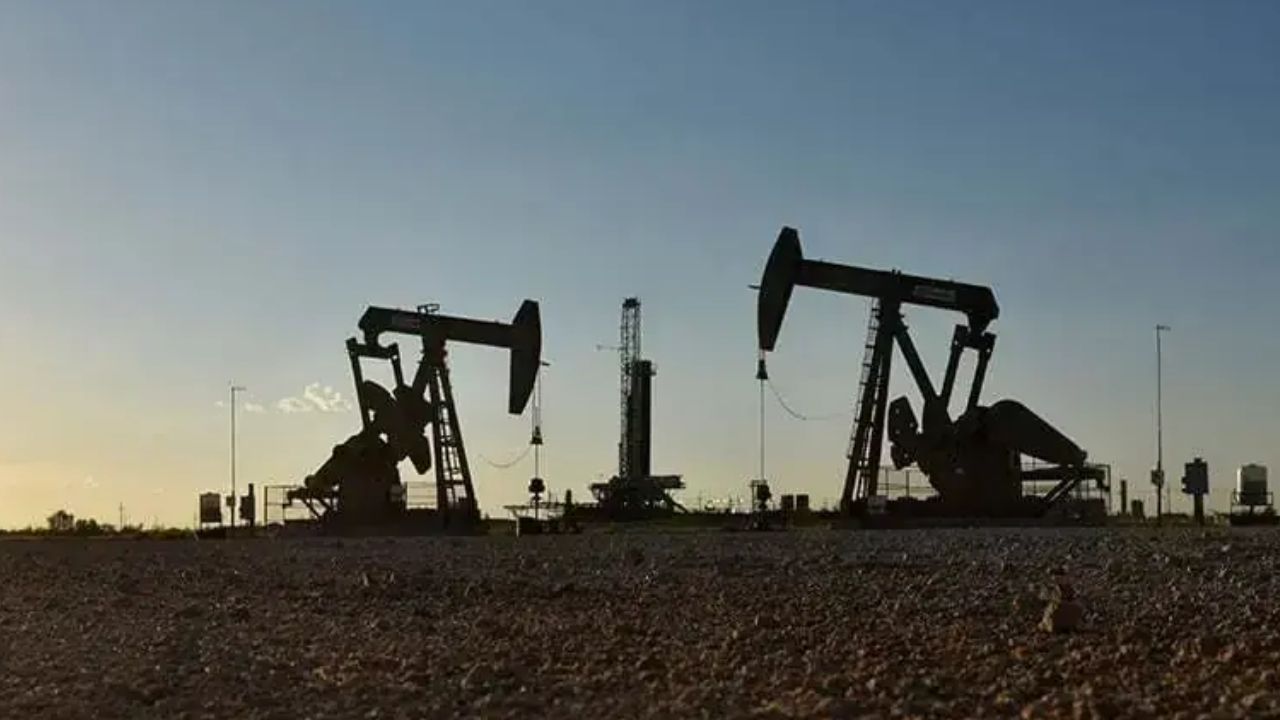
    Pakistan has reported a modest discovery of new oil and gas deposits in Khyber Pakhtunkhwa (KP) province, according to state media, as authorities seek to expand domestic exploration and reduce reliance on imports.

    The discovery was made at the Lumshiwal Formation of the Baragzai X-01 exploratory well. During a Cased Hole Drill Stem Test (CHDST-04) conducted in the Hangu and Lumshiwal formations, the well produced 225 barrels of oil per day and 1.01 million standard cubic feet per day of gas through a 32/64-inch choke at a wellhead flowing pressure of 190 psig.

    The state-run Associated Press of Pakistan (APP) reported that Baragzai X-01 (Slant) was spudded on December 30, 2024, to assess hydrocarbon potential in multiple formations, including Lockhart, Hangu, Lumshiwal, Samana Suk, Shinawari, Datta and Kingriali. The well was drilled to a total depth of 5,170 metres into the Kingriali Formation.


    Citing the Oil and Gas Development Company (OGDC), APP said three earlier cased hole drill stem tests were conducted in the Kingriali, Datta, and Samana Suk plus Shinawari formations, which also yielded oil and gas. The latest test at Lumshiwal confirmed hydrocarbon presence in the block.

    The discovery was made under the Nashpa Exploration Licence. OGDC holds a 65 percent working interest, in partnership with Pakistan Petroleum Limited with 30 percent and Government Holdings Private Limited with five percent.

    In a statement, OGDC said the find would contribute to domestic hydrocarbon output and add to the reserves base of the joint venture partners.


    Pakistan has reported multiple discoveries in recent months. In January, an exploratory well in Kohat flowed at 4,100 barrels of oil per day and 10.5 million standard cubic feet per day of gas. In September 2025, Pakistan Petroleum Limited announced a discovery in Attock district, while Mari Energies reported a gas find in North Waziristan.

    According to data cited by Topline Securities, Sindh accounts for 62 percent of gas production and 40 percent of oil output. Khyber Pakhtunkhwa contributes 41 percent of crude oil production, Punjab 18 percent, and Balochistan one percent.

  • Apple to manufacture, refurbish iPhones in Pakistan

    Apple to manufacture, refurbish iPhones in Pakistan

    Tech giant Apple Inc. is set to begin manufacturing iPhones in Pakistan after the government agreed to offer incentives under a proposed Mobile and Electronics Manufacturing Framework.

    Under the plan, Apple will also refurbish iPhones in Pakistan for re-export. The government expects $100 million in the first year from the re-export of refurbished devices.

    Engineering Development Board (EDB) Chief Executive Officer Hamad Ali Mansoor has said that the company has sought three key conditions: provision of land at discounted rates, an eight percent performance incentive, and permission to repair two to three-year-old iPhones.


    “We have included these three conditions in the new proposed Mobile and Electronics Manufacturing Framework to be approved by Prime Minister Shehbaz Sharif,” Mansoor told a private media outlet. 

    He said Apple previously entered Indonesia, Malaysia and India using a similar model, where it initially focused on repairing older devices to train local manpower before moving to full-scale manufacturing.

    The government currently offers a six percent performance incentive to mobile phone manufacturers. Officials plan to increase it to eight percent to attract Apple and other international firms.

    Mansoor said Special Assistant to the Prime Minister on Industries and Production Haroon Akhtar Khan and the Secretary for Industries have extended support to the new framework.

    He added that the government expects $557 million in investment from Chinese companies in mobile manufacturing. Memoranda of Understanding (MoU) were signed during Prime Minister Shehbaz Sharif’s visit to Beijing.

    Officials anticipate that the policy will also attract investment in the production of laptops, tablets, watches, trackers and earbuds. The framework aims to position Pakistan as a regional hub for mobile and electronics exports.

    Mansoor asserted that the government is focusing on localisation of components. Manufacturers have committed to increasing local parts usage to 35 percent in the first year, with a target of 50 percent later. Current localisation in mobile phone manufacturing stands at 12 percent. 

    The proposed framework includes an export levy of up to six percent to generate funds for technology investment. The government expects to collect Rs62 billion through the levy, which will be used to support localisation.

    “There will be no export levy on phones costing Rs50,000 to Rs60,000,” Mansoor said. The levy will apply to phones priced above Rs100,000.

  • Electricity prices likely to rise after NEPRA review

    Electricity prices likely to rise after NEPRA review

    The Central Power Purchasing Agency (CPPA) has filed a request with the National Electric Power Regulatory Authority (NEPRA) to raise the monthly fuel adjustment for January, which could result in a higher electricity price per unit.

    According to the agency’s submission, electricity generation in February reached 9.014 billion units, while 8.762 billion units were supplied to power companies. The price of electricity in January was Rs 12.17 per unit, compared to a reference cost of Rs 10.39 per unit. CPPA has requested an increase of Rs 1.78 per unit for one month.

    NEPRA is scheduled to review the proposal in a hearing on February 26.

    In a separate development, the Lahore High Court (LHC) has asked the federal government to provide a detailed mechanism for determining petroleum product prices.

    The request came during a hearing of a miscellaneous petition filed by the Judicial Activism Panel, which challenged the recent increase in fuel prices. During the proceedings, Justice Khalid Ishaq directed the government to “present the complete methodology behind the pricing,” allowing the court to examine the reasons and procedures for the hikes. Notices were issued to relevant parties, who are required to submit detailed responses at the next hearing.

    Recently, the government raised petrol prices by Rs 5, bringing the rate to Rs 258.17 per liter. The price of high-speed diesel was also increased by Rs 7.32, reaching Rs 275.70  per liter for the next fortnight.

  • Petrol, diesel prices rise amid global price hike

    Petrol, diesel prices rise amid global price hike

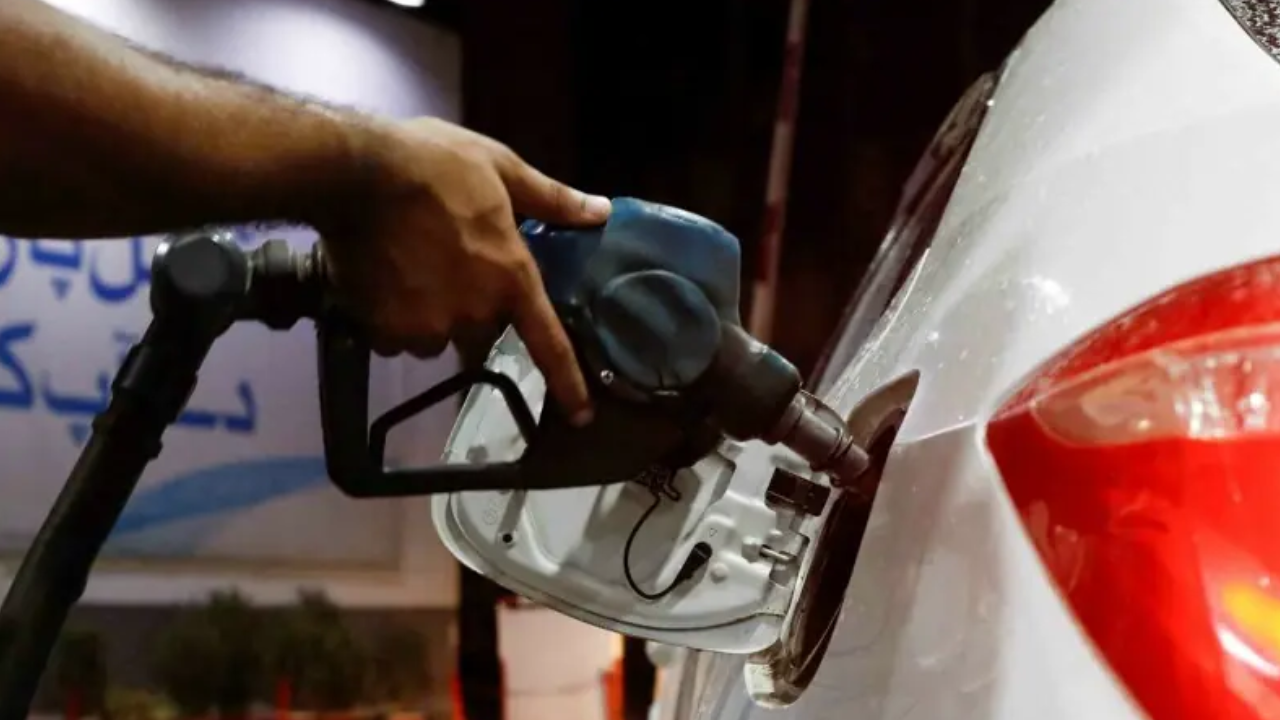
    The federal government has increased the prices of petrol and high-speed diesel (HSD) for the remainder of February, citing changes in international market prices. According to a notification issued on Sunday, petrol prices were raised by Rs5 per litre, while HSD prices went up by Rs7.32 per litre. 

    The revision was made following recommendations from the Oil and Gas Regulatory Authority (Oil and Gas Regulatory Authority) and in line with movements in global oil markets, the Petroleum Division said.

    With the latest increase, the price of HSD now stands at Rs275.70 per litre, up from Rs268.38 per litre, reflecting an increase of 2.7 per cent for the current fortnight. HSD is widely used in the transport and agriculture sectors, including trucks, buses, trains, tractors, tube-wells and threshers, and its price has a bearing on the cost of transporting goods and agricultural output.

    The price of petrol has been revised to Rs258.17 per litre from Rs253.17 per litre, an increase of 2 per cent. Petrol is mainly used in private vehicles, motorcycles, rickshaws and small transport, with a direct impact on household transport expenses.

    The government is currently charging around Rs105 per litre on petrol and about Rs97 per litre on diesel in the form of taxes and levies. 

    Petrol and HSD remain the government’s primary revenue-generating petroleum products, with combined monthly sales averaging between 700,000 and 800,000 tonnes. In comparison, monthly demand for kerosene stands at around 10,000 tonnes.

    During FY2025, the government collected approximately Rs1.161 trillion through petroleum levy. For the current fiscal year, revenue from petroleum levy is projected to rise by around 27 per cent to Rs1.470 trillion.

  • Pakistan’s SOEs post Rs832.8bn losses in FY25 despite higher goverment backing

    Pakistan’s SOEs post Rs832.8bn losses in FY25 despite higher goverment backing

    Pakistan’s State-Owned Enterprises (SOEs) recorded aggregate losses of Rs832.848 billion during fiscal year 2025, taking cumulative losses to Rs6.563 trillion, according to the Federal State-Owned Enterprises Annual Aggregate Report for FY25.

    The report, covering the period from July 2024 to June 2025, was released by the Central Monitoring Unit of the Finance Division. It states that equity erosion among loss-making SOEs averaged around Rs3 billion per day during the year.

    A total of 25 SOEs reported losses during FY25. The National Highway Authority recorded the highest loss at Rs294.9 billion. This was followed by Quetta Electric Supply Company with losses of Rs112.7 billion and Peshawar Electric Supply Company at Rs92.7 billion. Pakistan Railways reported losses of Rs60.3 billion, while PIA Holding Company Limited posted losses of Rs48.9 billion.

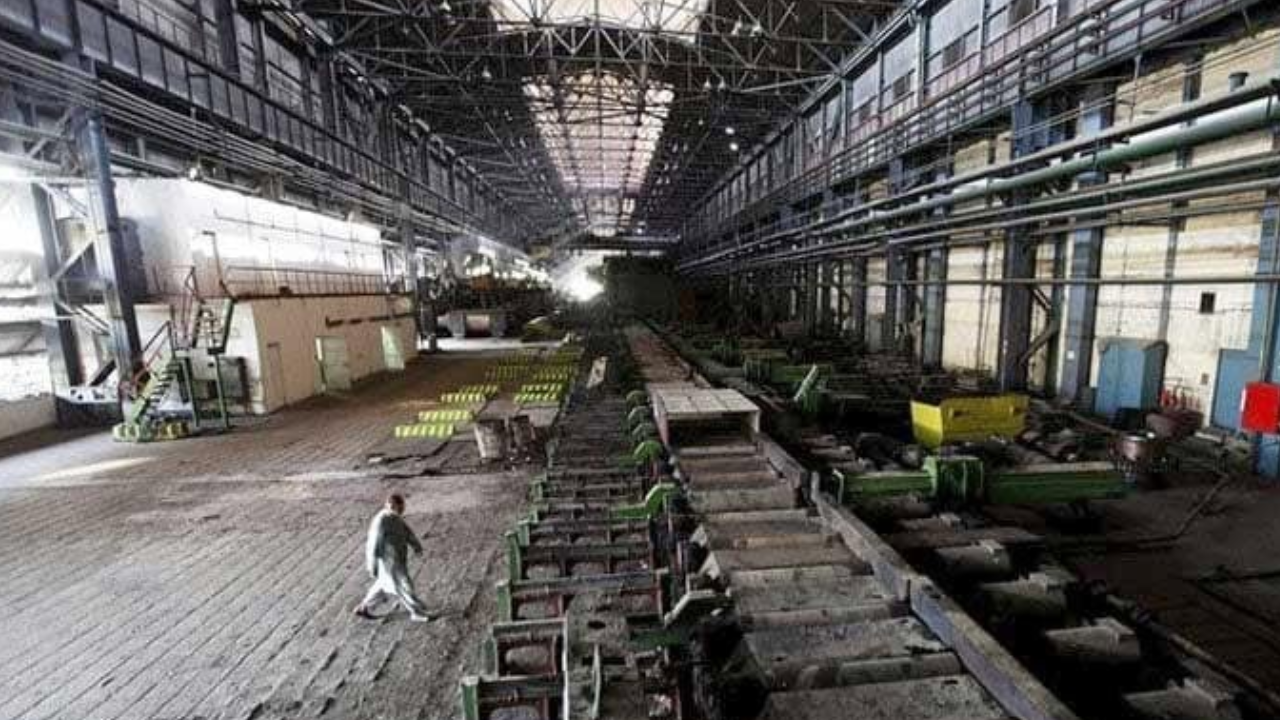
    Other entities reporting losses included National Power Parks Management Company (Rs46.1 billion), Neelum Jhelum Hydropower Company (Rs29.4 billion), Pakistan Steel Mills (Rs26.0 billion), and Sukkur Electric Power Company (Rs25.3 billion). Losses were also reported by Pakistan Post Office (Rs19.3 billion), Pakistan Agricultural Storage and Services Corporation (Rs19.0 billion), Hyderabad Electric Supply Company (Rs12.9 billion), Lahore Electric Supply Company (Rs12.7 billion), and GENCO-II (Rs10.3 billion).

    Entities reporting smaller losses included National Insurance Company (Rs2.9 billion), CPPA-G (Rs2.0 billion), Islamabad Electric Supply Company (Rs1.4 billion), Pakistan Television Corporation (Rs0.6 billion), Private Power and Infrastructure Board (Rs0.47 billion), Pakistan Expo Centres (Rs0.22 billion), Hazara Electric Supply Company (Rs0.04 billion), National Construction Limited (Rs0.03 billion), and Pakistan Broadcasting Corporation (Rs0.03 billion).

    The report shows that aggregate profits declined by 13 percent, falling from Rs820.7 billion in FY24 to Rs709.9 billion in FY25. The decline was attributed to lower financial contributions from profit-making SOEs in the oil sector following a decrease in international oil prices. Aggregate losses declined by 2 percent year-on-year, from Rs851.4 billion to Rs832.8 billion. The net adjusted position resulted in a loss of Rs122.9 billion in FY25, compared with Rs30.6 billion in the previous year.

    SOEs’ balance sheet data showed mixed movements. Total equity increased by 7 percent to Rs6,245.7 billion, driven by recapitalisation measures and equity injections, primarily in the power sector to address circular debt. Total liabilities declined by 3 percent to Rs31,742.4 billion. Total assets fell marginally by 1 percent to Rs37,988.1 billion.

    Profit-making SOEs reported combined profits of Rs709 billion during FY25. The largest contributors included Oil and Gas Development Company Limited with Rs169.9 billion, Pakistan Petroleum Limited with Rs89.9 billion, National Bank of Pakistan with Rs56.7 billion, Water and Power Development Authority with Rs52.3 billion, and Government Holdings (Private) Limited with Rs48.5 billion.

    Other contributors included Karachi Port Trust (Rs35.3 billion), Port Qasim Authority (Rs35.1 billion), Pak Arab Refinery Company (Rs22.2 billion), Pakistan National Shipping Corporation (Rs20.4 billion), State Life Insurance Corporation (Rs14.8 billion), SNGPL (Rs14.6 billion), Pakistan State Oil (Rs14.2 billion), Gujranwala Electric Power Company (Rs13.7 billion), Zarai Taraqiati Bank Limited (Rs9.7 billion), Saindak Metals (Rs8.4 billion), NTDC (Rs7.6 billion), SSGPL (Rs7.4 billion for nine months), and PIACL (Rs6.8 billion for six months). Nearly 90 percent of total profits were generated by a limited number of entities.

    Government fiscal support to SOEs increased to Rs2,078.5 billion in FY25, up 37 percent from Rs1,512.9 billion in the previous year. Equity injections rose to Rs728.9 billion, largely linked to power-sector circular debt clearance and payments to independent power producers. Government loans increased by 34 percent to Rs354.1 billion.

    Grants declined by 27 percent to Rs269.2 billion, while subsidies fell by 7 percent to Rs726.3 billion. Sovereign guarantees rose to Rs2,164.0 billion, reflecting accounting recognition of self-liquidating guarantees.

    During FY25, the federal government collected Rs12,970 billion in tax revenue, of which around Rs2,078 billion, or 16 percent, was directed to SOEs. SOEs contributed Rs2,119.2 billion to the federal government, up from Rs1,971.2 billion a year earlier. Dividends increased to Rs149.6 billion, while tax collections from SOEs rose to Rs436.9 billion. Non-tax revenues declined to Rs1,264.9 billion.


    Circular debt declined to Rs3,929 billion on a full-accrual basis. Power-sector circular debt fell to Rs1,889.9 billion, while gas-sector circular debt remained near Rs2.0 trillion.

  • Partner with MoltyHome: A Structured & Profitable Furniture Retail Opportunity

    Partner with MoltyHome: A Structured & Profitable Furniture Retail Opportunity

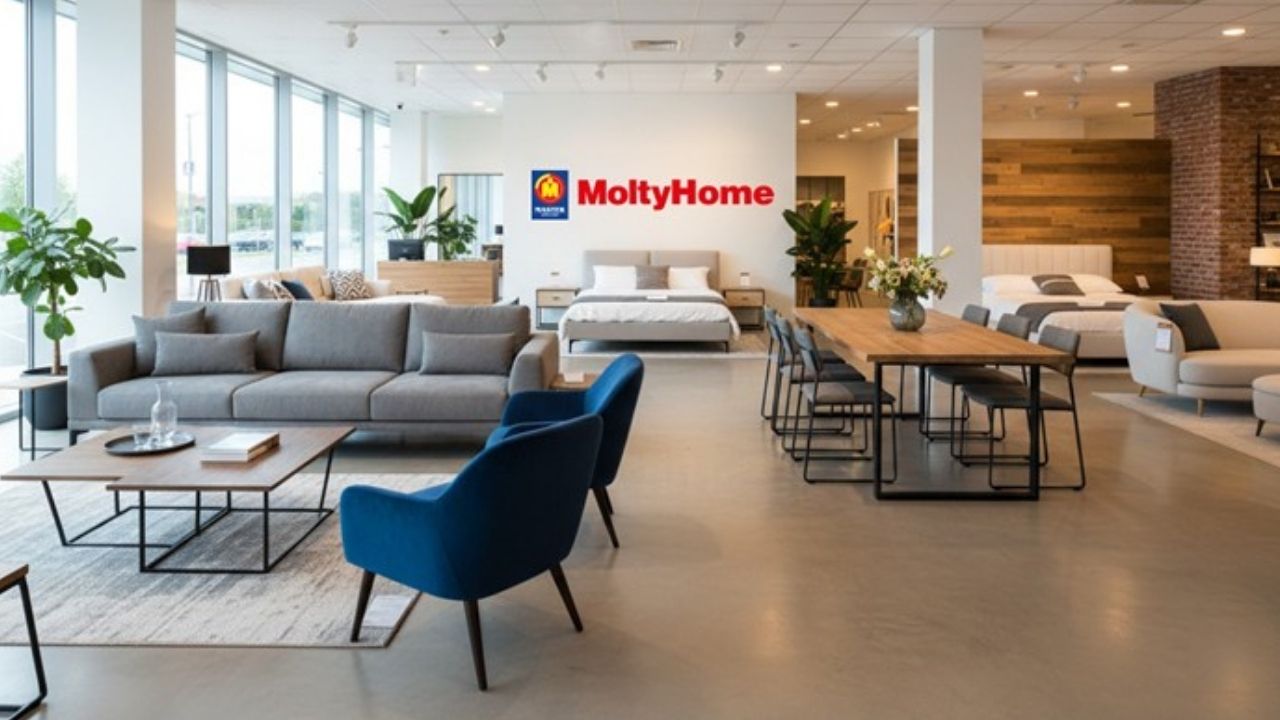
    MoltyHome is a leading home furniture brand by Master Group of Industries, one of Pakistan’s most respected and diversified business conglomerates, operating successfully since 1963. Built on decades of industrial expertise, manufacturing excellence, and market leadership, MoltyHome offers a professionally structured opportunity for investors and business partners seeking long-term growth in Pakistan’s organized furniture retail sector.

    As consumer demand continues to shift toward branded, quality-driven furniture solutions, MoltyHome is expanding its nationwide retail footprint and inviting new partners to become part of this growth journey.
    A Brand Backed by Manufacturing Strength

    Unlike conventional furniture businesses that rely on third-party suppliers, MoltyHome operates with a fully integrated manufacturing model. The brand owns and manages state of the art production facilities in Lahore and Karachi, ensuring consistent quality, optimized costs, and uninterrupted supply.

    This manufacturing ownership allows MoltyHome to:

        • Maintain strict quality control across all product categories

        • Introduce new designs efficiently

        • Offer competitive pricing with healthy retail margins

        • Scale operations seamlessly as the retail network expands

    For partners, this translates into supply reliability, predictable performance, and long-term sustainability.

    Focused Product Portfolio with High Market Demand

    MoltyHome specializes in core furniture categories with consistent consumer demand:

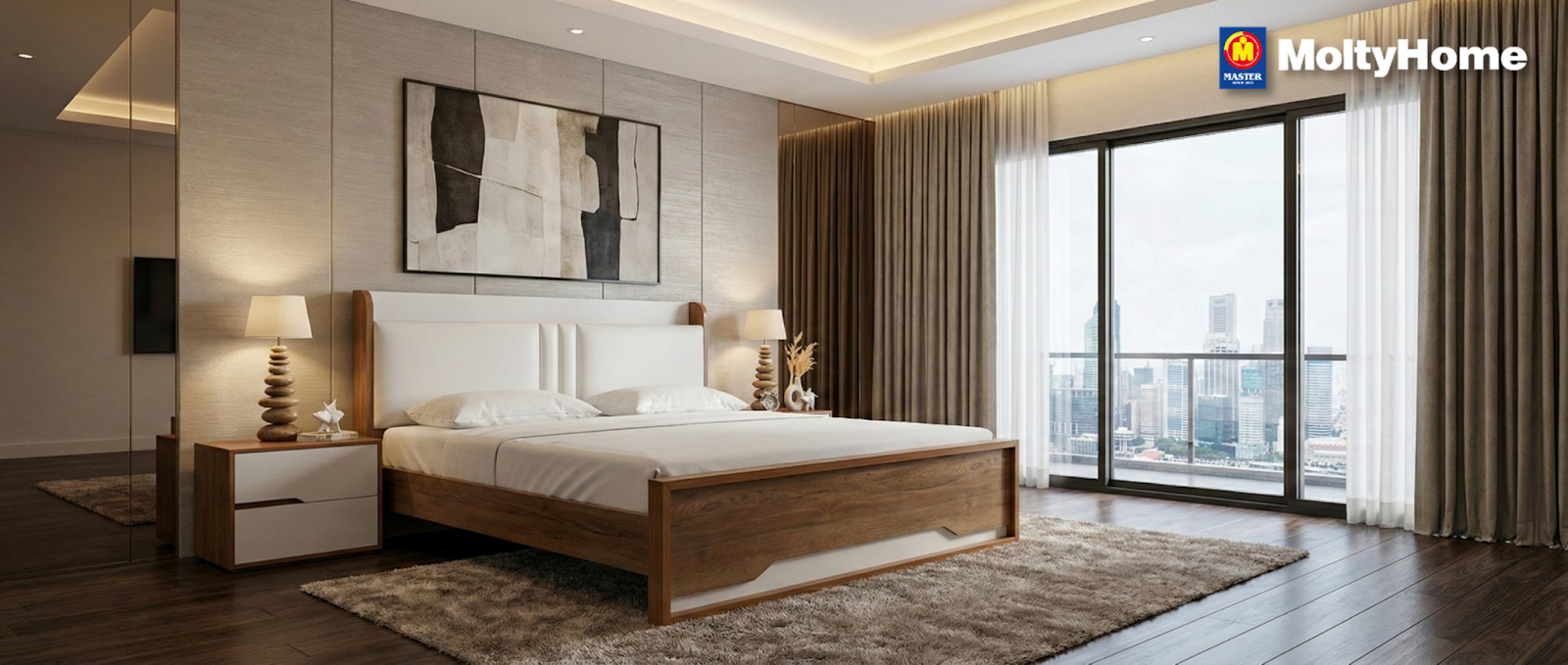
         • Beds

         • Sofas

         • Sofa Beds

         • Recliners

    Each category is offered in a wide variety of designs, fabrics, colors, and configurations, catering to diverse customer segments, from modern urban households to family-oriented buyers seeking durability and functionality.

    The curated portfolio allows partners to operate with efficient inventory planning, faster stock rotation, and strong walk-in conversion at the retail level.

    In-House Research & Product Design Capability

    MoltyHome is supported by a dedicated in-house research and product design team that continuously works on:

         • Consumer insights and usage patterns

         • Design innovation aligned with global and local trends

         • Material research and ergonomic improvements

    This ensures that MoltyHome products remain relevant, differentiated, and competitive, enabling partners to offer contemporary collections without frequent operational complexity.

    Proven Retail Model with Nationwide Presence

    MoltyHome currently operates through 13 successful retail partners across Pakistan, each following a standardized and professionally managed store format. This proven retail model has been refined to ensure:

         • Optimal showroom layouts

         • Strong brand consistency

         • Enhanced customer experience

         • Predictable sales performance

    New partners benefit from an already tested system rather than a trial-and-error approach.

    End-to-End Partner Support System

    MoltyHome believes that partner success is brand success. Every partner is supported through a comprehensive, end-to-end business ecosystem designed to minimize risk and accelerate profitability.

    Support includes:

    Sales Projections & Business Planning

    Market-based sales forecasts and guidance to help partners plan investments, inventory levels, and revenue expectations with clarity.

    Showroom Interior Design & Planning

    Professional layout and interior design support to ensure visually appealing, high-performing retail spaces aligned with MoltyHome’s brand standards.

    Marketing & Brand Support

    Centralized brand campaigns, promotional materials, and marketing guidelines to drive awareness and footfall at both national and local levels.

    Supply Chain & Operations Management

    Streamlined ordering, logistics, and replenishment systems backed by in-house manufacturing to ensure smooth operations.

    Product Knowledge & Sales Training

    Continuous training on products, materials, and selling techniques to empower retail teams and enhance customer engagement.
     

    A Low-Risk, Scalable Business Opportunity

    MoltyHome offers a structured, transparent, and scalable partnership model, ideal for:

         • Existing furniture retailers looking to upgrade to a branded format

         • Entrepreneurs seeking a professionally managed retail business

         • Investors aiming for asset-backed, manufacturing-supported growth

    With strong brand equity, operational maturity, and growing consumer demand, MoltyHome presents a compelling opportunity with long-term upside.

    Expansion Vision: Growing Together

    MoltyHome is actively expanding its presence across major cities and high-potential emerging markets in Pakistan. Each new partnership is developed with a profitability-first approach, ensuring sustainable growth for both the brand and its partners.

    This is more than a retail opportunity; it is an invitation to become part of a trusted business ecosystem backed by one of Pakistan’s most established industrial groups.

    Join MoltyHome. Grow with the Strength of Master Group.

    If you are looking to build a profitable furniture retail business with the backing of manufacturing strength, professional systems, and a legacy brand, MoltyHome offers the platform to succeed.

    Opportunities are now open for business partners across Pakistan. Contact 0310-7771711

  • Existing consumers safe from solar policy changes, govt clarifies

    Existing consumers safe from solar policy changes, govt clarifies

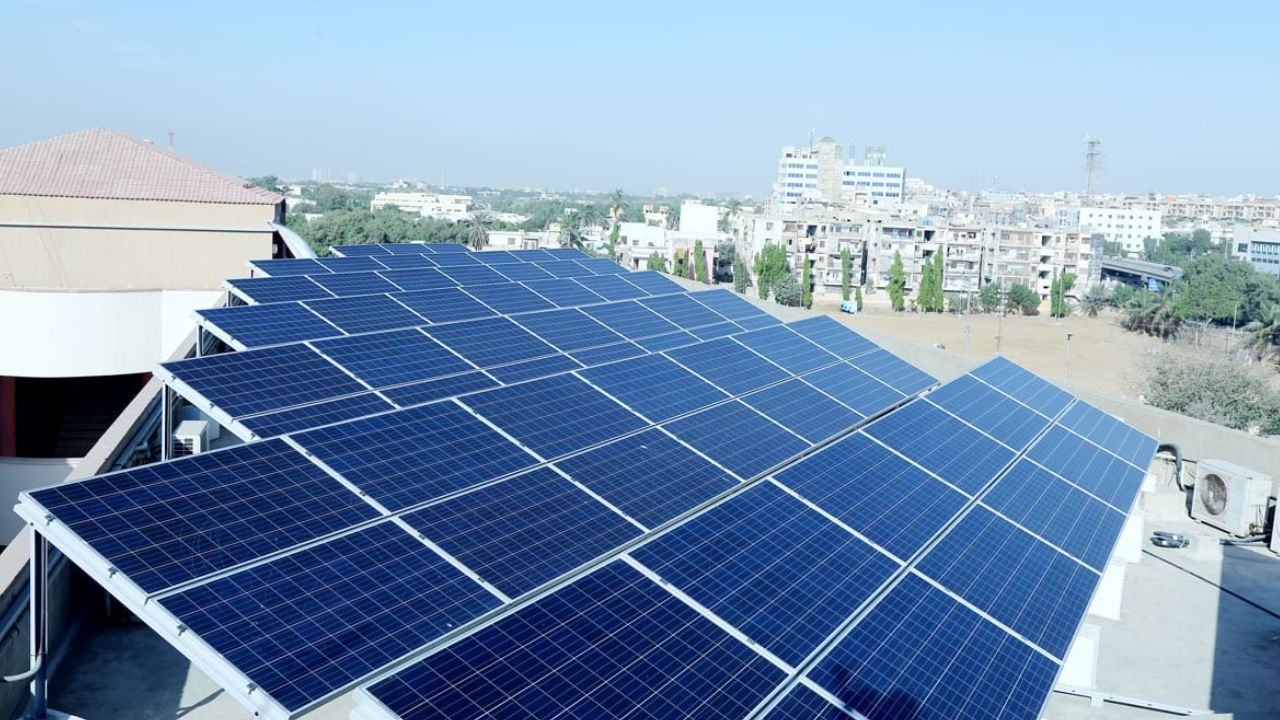
    The federal government has decided not to impose net billing charges on existing solar consumers, offering temporary relief amid growing debate over changes to the country’s net metering framework.

    Federal Minister for Power Division Awais Leghari announced the development during an appearance on a private media talkshow, stating that no changes would be made to the net metering policy for at least one month. He said the move was taken on the instructions of Prime Minister (PM) Shehbaz Sharif.

    Leghari clarified that revisions under the proposed net billing policy would apply only to new solar consumers. Existing users, he said, would remain protected under the current structure.

    The decision comes after the National Electric Power Regulatory Authority (Nepra) announced a reduction in the rates at which electricity is sold to the national grid.

    Under the new regulations, existing solar consumers will continue to sell electricity to the grid at the previous rate of Rs25.32 per unit. However, for new consumers, the rate for electricity sold to the national grid will be reduced by Rs17.19 per unit – a significant cut.

    The proposed changes have sparked criticism, including from within the ruling coalition. Leghari acknowledged that government’s allies are opposing the move to end net metering for solar users, adding candidly that even his own wife disagrees with the policy.

    Prime Minister Shehbaz Sharif had taken immediate notice of NEPRA’s new solar-related regulations a day earlier, prompting the government to review the matter before implementing any changes.

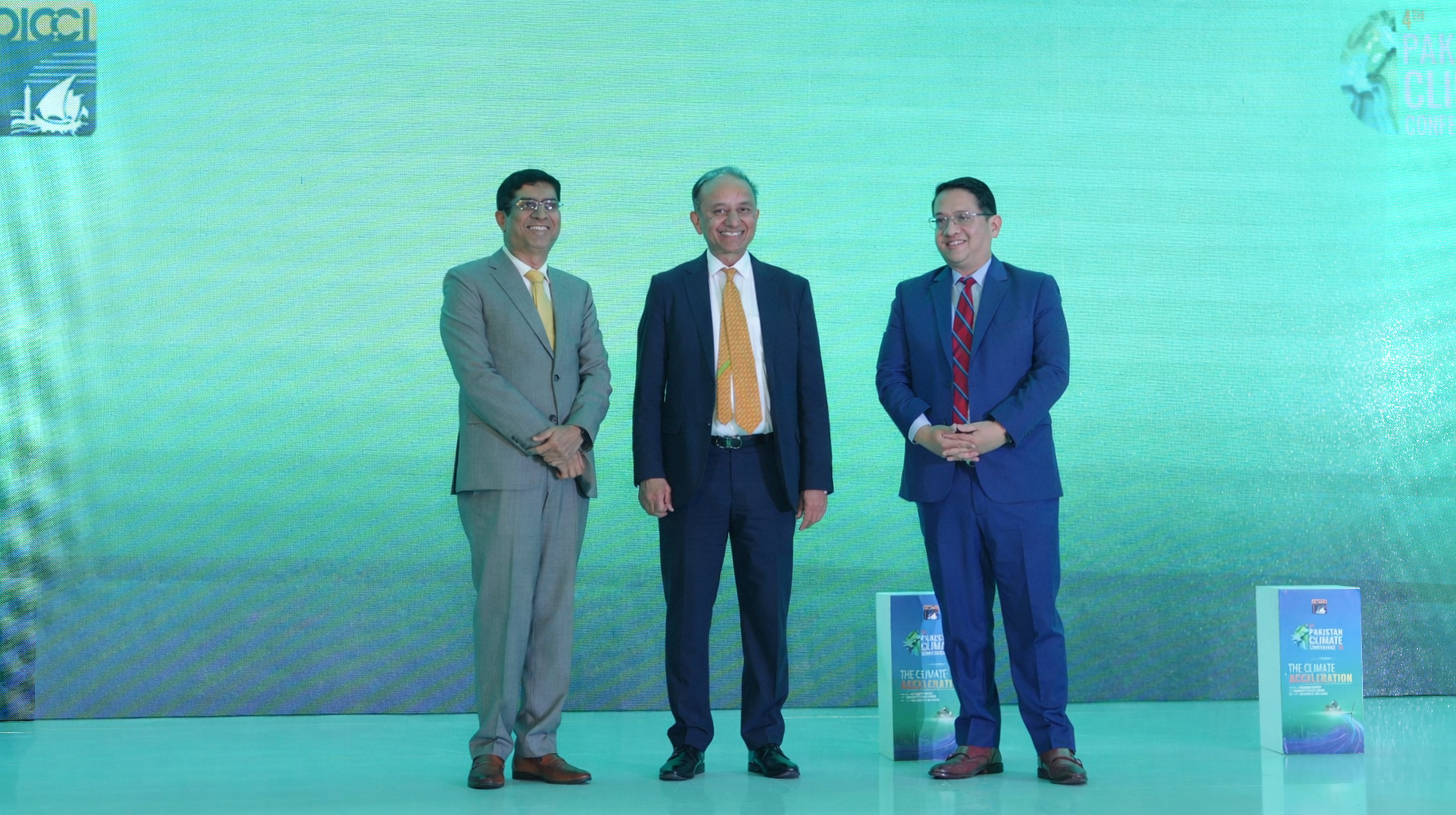
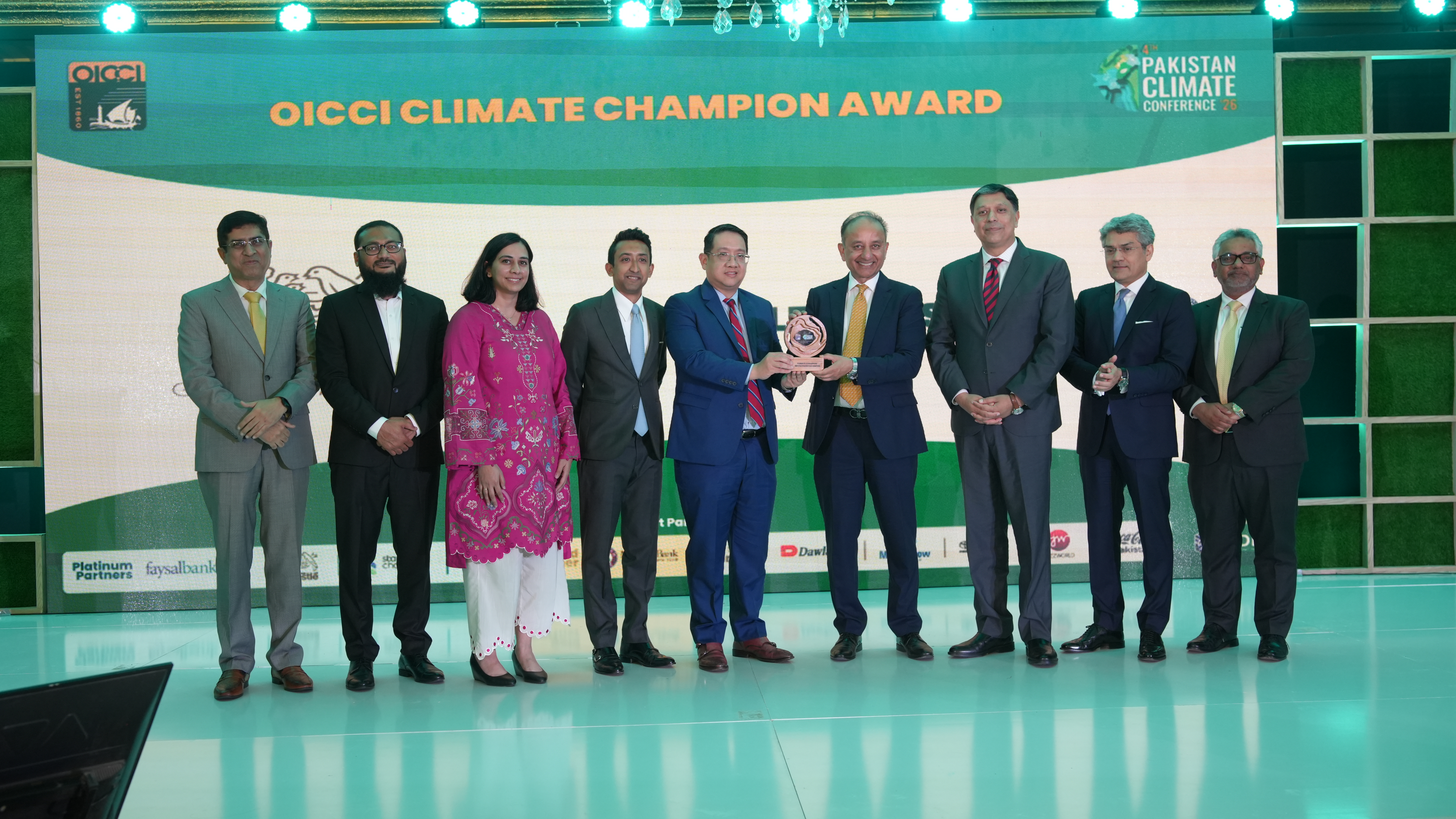
  • Nestlé Pakistan crowned Climate Champion second time in a row at OICCI Pakistan Climate Conference

    Nestlé Pakistan crowned Climate Champion second time in a row at OICCI Pakistan Climate Conference

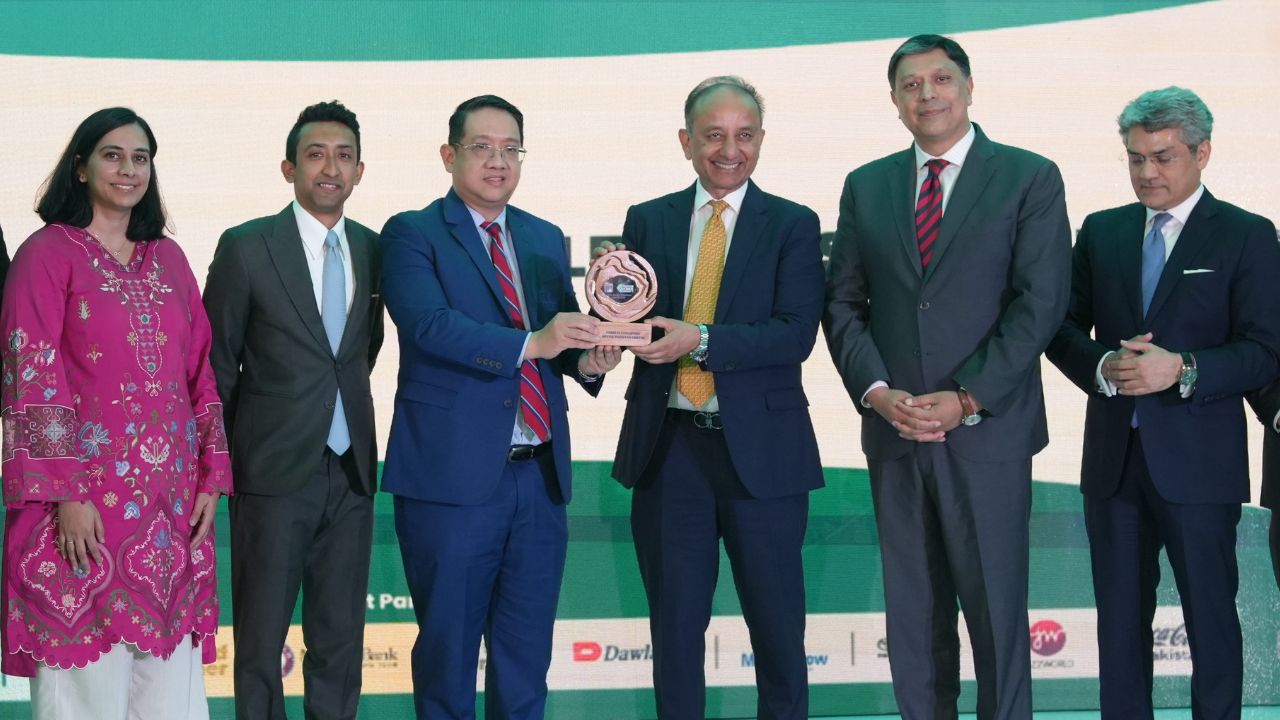
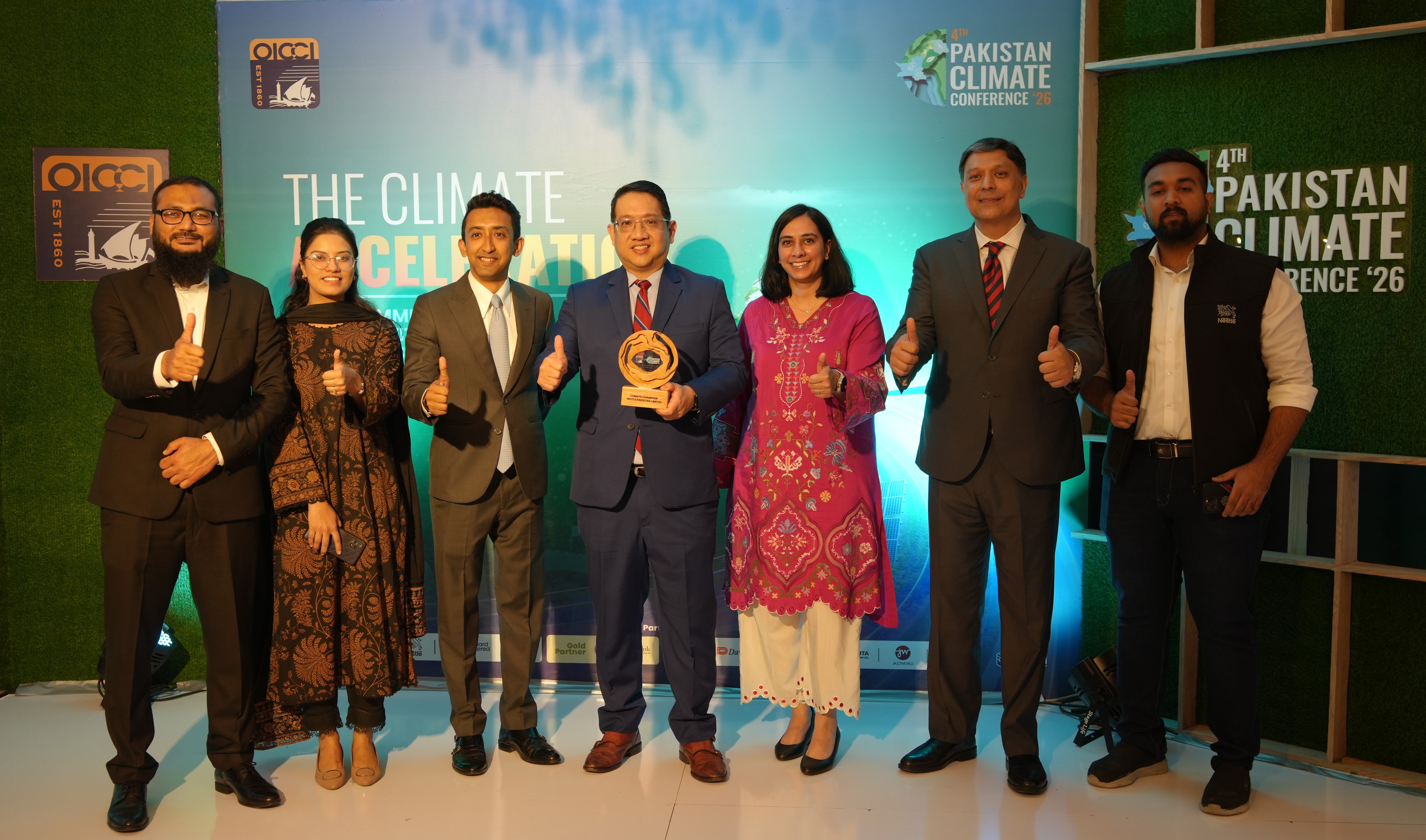
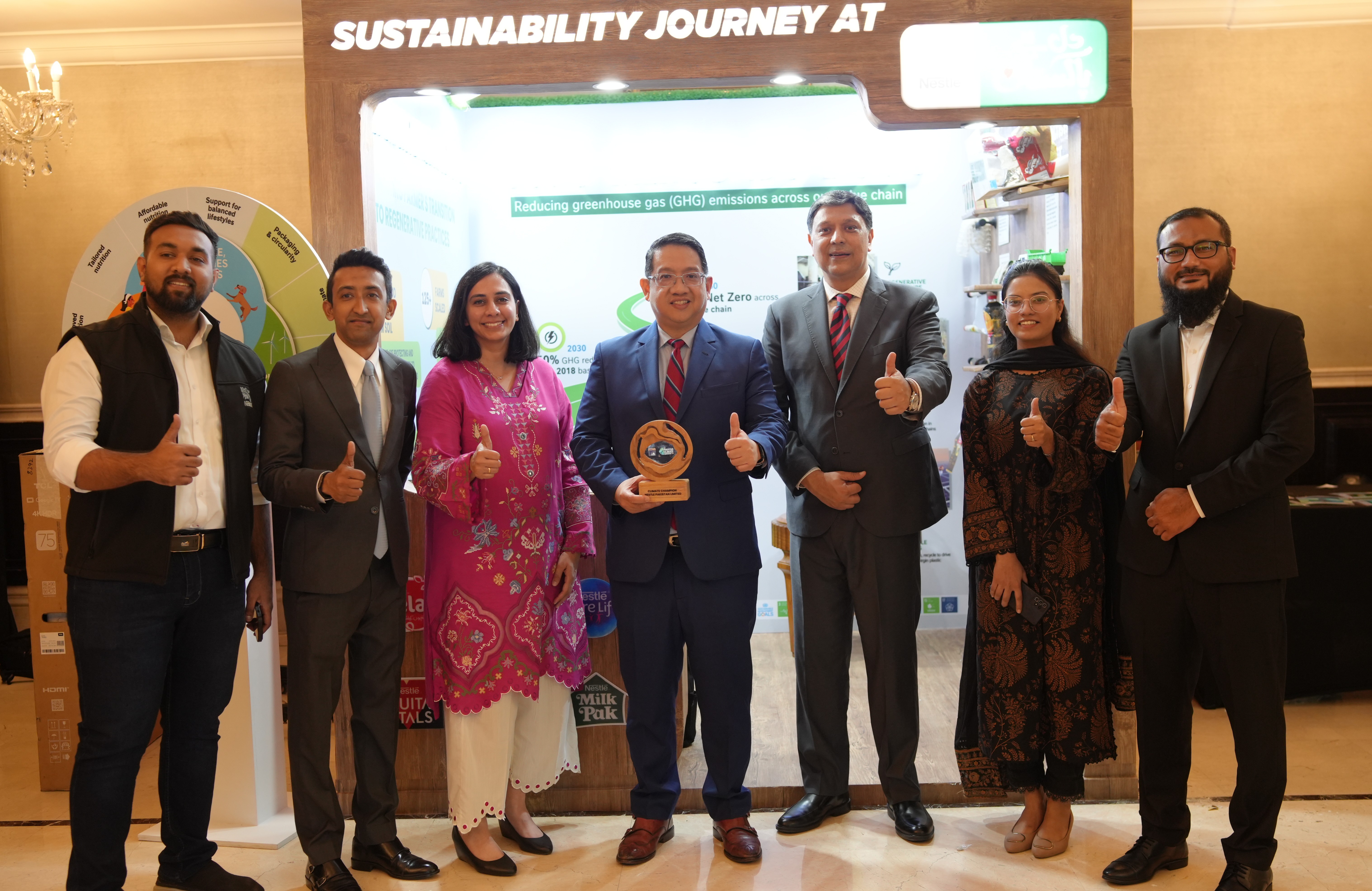
    Nestlé Pakistan’s efforts towards creating shared value for people, planet and business were recognized at the 4th Pakistan Climate Conference for its initiatives on Climate & Net Zero, regenerative agriculture and circularity, as the company won OICCI’s top Climate Champion Award for the second consecutive year.


    Hosted by the Overseas Investors Chamber of Commerce & Industry (OICCI), the representative body of over 200 multinational companies from 30 countries and 14 sectors, the 4th Pakistan Climate Conference coincided with the second edition of OICCI’s Climate Excellence Awards. The awards drew over 80 entries this year across categories showcasing climate leadership by multinational companies.


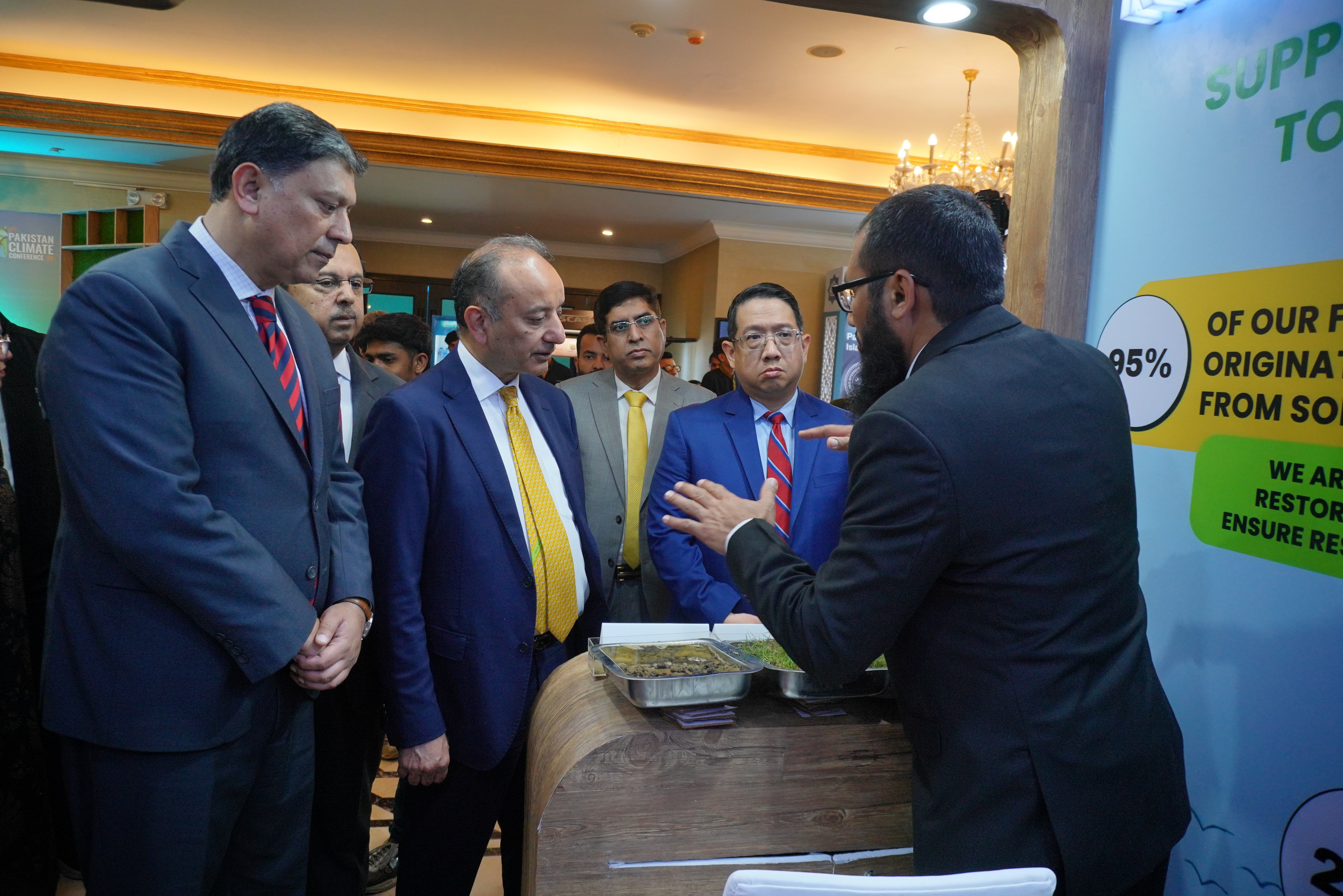
    In his address, Federal Minister for Climate Change & Environmental Coordination Dr. Musadik Masood Malik stressed the importance of mobilizing investment and scaling innovative solutions led by the upcoming generation to accelerate Pakistan’s transition towards climate-resilient development. He noted that the country must back young innovators, describing them as Pakistan’s future leadership in navigating climate challenges.


    Jason Avanceña, Chief Executive Officer, Nestlé Pakistan, said the Pakistan Climate Conference had helped advance actionable recommendations to support Pakistan’s shift towards a more climate-resilient economy. He added that Nestlé had recently announced at Davos an additional USD 60 million investment in Pakistan to support sustainability and green projects, agricultural services transformation, automation and digitalization. He noted this builds on USD 40 million invested between 2023 and 2025, bringing total planned investment to USD 100 million over six years, as a testament to Nestlé’s commitment to Pakistan.

    Speaking on the occasion, Sheikh Waqar Ahmad, Head of Corporate Affairs & Sustainability, Nestlé Pakistan, said the company remained committed to being a force for good with sustainability at the heart of its business. He added that these efforts reinforce Nestlé’s commitment to creating shared value, while taking meaningful steps towards a cleaner environment and a more sustainable future.


    Earlier, Federal Minister for Finance & Revenue, Senator Muhammad Aurangzeb, said the conference had underscored the urgency of climate action and highlighted the pivotal role the private sector plays in driving sustainable solutions. He also pointed to the government’s role in mitigating climate risks, noting Pakistan’s access to $1.3 billion in climate financing from the IMF, World Bank and ADB.


    Under its global Net Zero commitments, Nestlé aims to reduce greenhouse gas emissions by 50% by 2030, on the road to Net Zero by 2050. In Pakistan, the company has achieved more than a 50% reduction in greenhouse gas emissions versus the 2018 baseline, driven by major investments including 9.6MW solar power and a 20-ton-per-hour biomass boiler at Kabirwala. Nestlé has also reduced virgin plastic by 33% and introduced recyclable flexible packaging. In addition, the company is supporting the collection and recycling of 11,000 tons of packaging waste through its Clean Gilgit-Baltistan Project, aligned with the UN Sustainable Development Goals (SDGs) 13 and 15.