Category: Business

  • Toyota IMC announces shutdown of production plant once again due to parts shortage

    Toyota IMC announces shutdown of production plant once again due to parts shortage

    Indus Motor Company Limited (INDU), the company known for assembling and selling Toyota-brand vehicles in Pakistan, has announced the temporary shutdown of its production plant from March 24 to March 27 due to raw material and component shortages.

    In a notice to the Pakistan Stock Exchange (PSX), Indus Motor cited difficulties in opening Letters of Credit (LCs) for raw materials by banks, which have caused a disruption in the supply chain of the company and its vendors.

    As a result, the company is unable to continue its production activities due to insufficient inventory levels. This is the second time this year that Indus Motor has announced the shutdown of its plant, with the first being from February 1 to February 14 due to an inventory shortage.

    The CEO of Indus Motor, Ali Asghar Jamali, had previously acknowledged the challenges facing the local auto industry, including the restrictions on Completely Knocked Down (CKD) kits, which have resulted in manufacturers operating at only 40-45 per cent of their capacity.

    The auto industry in Pakistan is heavily reliant on imports and has been affected by the State Bank of Pakistan’s (SBP) restrictions on the opening of LCs, following a sharp depreciation of the rupee.

    The SBP has imposed restrictions on imports due to the country’s low foreign exchange reserves, which has resulted in operational hindrances for many industries, including the auto sector.

    Although the SBP withdrew import restrictions in January, many industries are still struggling due to the dollar shortage.
  • Mobile phone imports in Pakistan drop by nearly 70%

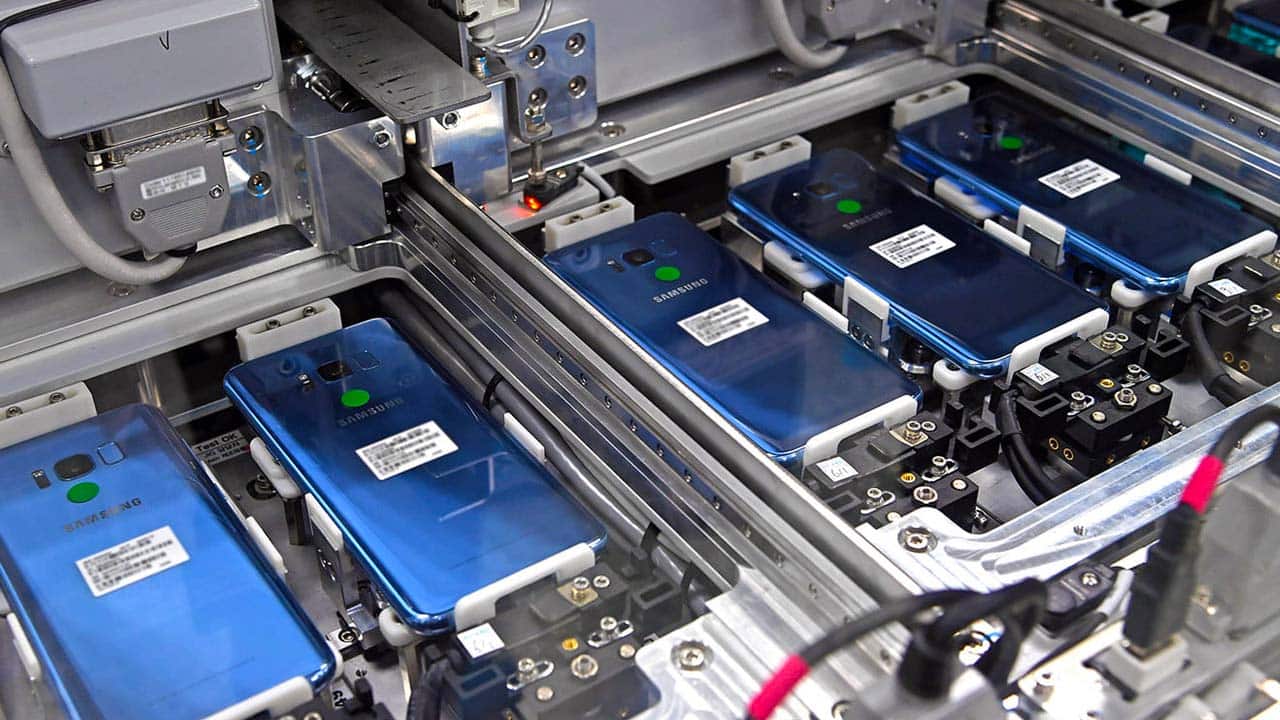
    Mobile phone imports in Pakistan drop by nearly 70%

    According to the Pakistan Bureau of Statistics (PBS), Pakistan’s import of mobile phones has decreased by 68.29 per cent during the first eight months of the current fiscal year (2022-23) compared to the same period last year.

    The value of mobile phones imported from July to February (2022-23) was US $447.855 million, whereas it was US $1412.445 million in the corresponding period of the previous year.

    In February 2023, the import of mobile phones decreased by 76.73 per cent compared to February 2022. The imports for February 2023 were valued at US $33.054 million, whereas the exports for February 2022 were US $142.033 million.

    Furthermore, the data shows that the import of mobile phones witnessed a month-on-month decline of 36.39 per cent during February 2023, as compared to January 2023, with imports valued at US $51.960 million.

  • SBP expected to increase interest rates again on IMF insistence

    SBP expected to increase interest rates again on IMF insistence

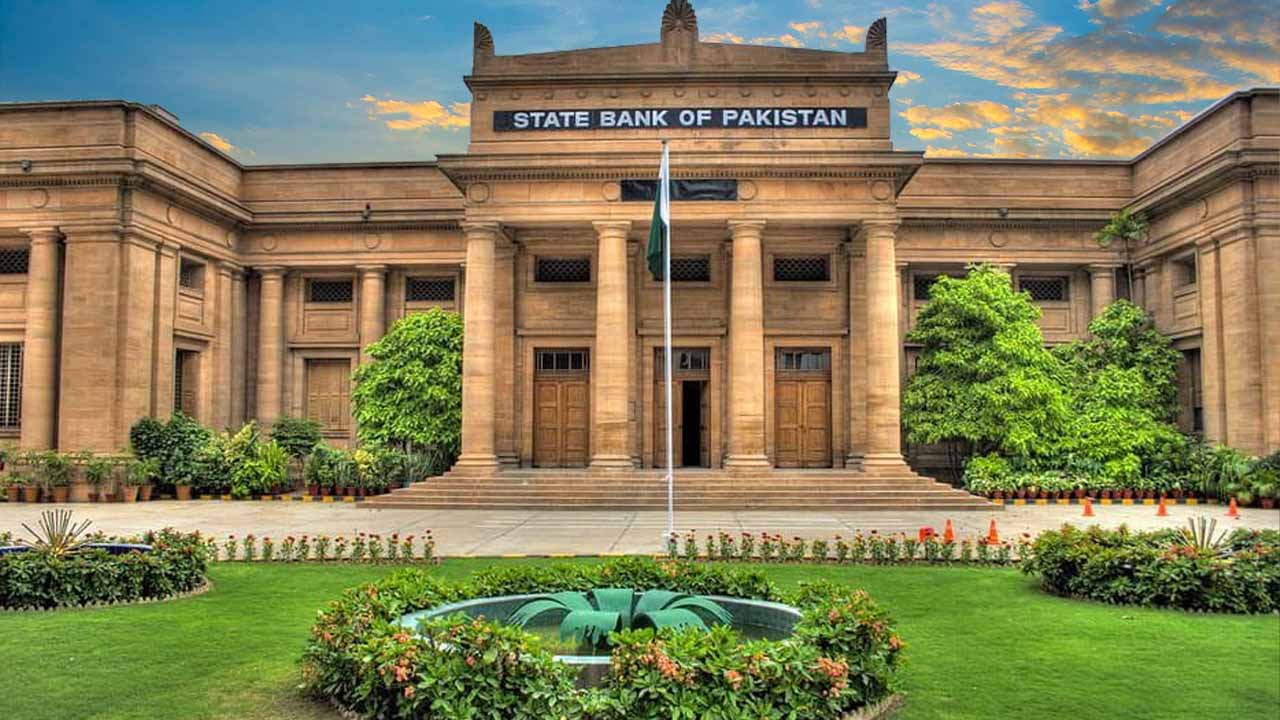
    The State Bank of Pakistan (SBP) is reportedly considering increasing the interest rate by 2 per cent during the upcoming Monetary Policy Committee (MPC) meeting in a bid to unlock the International Monetary Fund (IMF) programme.

    This follows failed negotiations between the Shehbaz Sharif-led government and the IMF, with the latter demanding that Pakistan raise the interest rate by 4 per cent due to its belief that inflation is lower in Pakistan as per the interest rate.

    The SBP had already increased the interest rate by 2 per cent, but now the IMF is reportedly pressuring Islamabad to raise it again by 2 per cent. The MPC is scheduled to meet on April 4 to review the interest rate as per the IMF’s demand.

    According to The News, the SBP has reportedly agreed to raise the interest rate by 2 per cent in accordance with the Fund’s demands. On March 2, the SBP raised the monetary policy rate by 300 basis points to 20 per cent due to a deterioration in inflation outlook and expectations amid recent external and fiscal adjustments.

  • Pakistan likely to receive economic assistance from friendly countries soon, says Minister Ahsan Iqbal

    Pakistan likely to receive economic assistance from friendly countries soon, says Minister Ahsan Iqbal

    On Tuesday, Minister for Planning and Development Ahsan Iqbal announced that Pakistan is likely to receive confirmation of economic assistance from friendly countries in the coming days. This confirmation is the last condition of the International Monetary Fund (IMF) and will be followed by a staff-level deal with the Fund.

    According to Iqbal, Pakistan has fulfilled nearly all conditions previously agreed upon with the IMF by the previous government. Currently, the Fund is requesting confirmation from the friendly countries providing assistance to Pakistan. Once received, the IMF deal will come on track.

    During the US-Pakistan Diaspora and Private Sector for Flood Recovery and Rehabilitation Conference, three Memoranda of Understanding (MoUs) were signed with a Pakistan-based US company and US-Pakistani diaspora entities, mobilizing $78 million. The conference was organized by the US Agency for International Development (USAID).

    When questioned about the IMF’s objection to the fuel subsidy announced by the government for the poor segment of society, Iqbal clarified that this was an internal adjustment within the fuel price and no new subsidy was being announced. He expressed hope that the IMF would have no objection to the government’s move.

    Iqbal urged the US-Pakistan Diaspora to support the government’s efforts in recovering and rehabilitating millions of flood-affected people. He appreciated the United States’ pledge of $200 million for flood relief efforts but emphasized that Pakistan needs much more for the complete rehabilitation of millions of people affected by floods.

    In his remarks, United States Ambassador Donald Blome highlighted the contributions of the US-Pakistani diaspora and private sector in building back better for flood-affected communities in Pakistan. He reaffirmed the US government’s commitment to supporting flood relief and recovery efforts, disaster resilience, and food security.

    The conference continued the momentum built at the previous conferences in Islamabad where USAID signed six MoUs mobilizing $75 million. The discussions held in those conferences led to additional contributions and investments to help populations and areas affected by floods. More than 200 participants attended the Building Back Better Conference, including members of the US-Pakistani diaspora, prominent local business leaders, US business representatives, and Pakistani officials. They discussed ways to help the flood-affected population and communities.

    Ambassador Blome emphasized the longstanding US-Pakistan partnership in advancing Pakistan’s economic growth and social and humanitarian causes. He highlighted the need to strengthen climate resilience through the US-Pakistan “Green Alliance” framework and expressed the United States’ commitment to helping the US-Pakistani diaspora and Pakistan-based private companies find opportunities to pursue energy transformation and foster economic growth and development outcomes.

  • Govt announces Rs5 billion Ramzan Relief Package for poor

    The government of Pakistan has unveiled a Ramzan Relief Package worth Rs5 billion to aid the poor during the holy month of Ramzan. Syed Murtaza Mahmud, Minister for Industries and Production, announced the package during a press conference, stating that the federal government’s first priority is to alleviate hardship and inflation for citizens.

    The package went into effect on March 21 and will run until the end of the holy month. In addition to the five basic food items already being provided at subsidized rates through the Utility Stores Corporation, the Prime Minister has expanded the relief package to include 19 subsidized items such as flour, sugar, ghee, cooking oil, tea, dates, besan, dal mash, dal mong, milk, drinks, and spices.

    The USC official also outlined two types of subsidies: targeted and general. Targeted subsidy is exclusively for users registered under the Benazir Income Support Program (BISP), while general subsidy is accessible to the entire country.

    For example, targeted subsidy flour is priced at Rs400 per 10 kg bag, sugar at Rs70 per kg and ghee at Rs300 per kg, while under general subsidy, a 10 kg bag of flour is available at Rs648, sugar at Rs91 per kg, and ghee at Rs490 per kg. The USC also provides a subsidy of Rs20 on white gram, super basmati rice, sella rice, and broken rice, Rs50 per kg on gram flour, and a 10% discount on spices. Tea, dates, milk, and beverages will also receive subsidies.

    The Prime Minister has also launched a free flour package in collaboration with the distribution points and utility stores established in different areas of Islamabad. Each registered household under BISP will receive one bag of 10 kg as a gift for the first time, and the remaining two bags will be received after 7 days.

    During the entire month of Ramzan, every registered household will receive three bags of flour (10 kg per bag) free of charge. To check eligibility, citizens can SMS their National Identity Card to 8171 or visit the BISP offices. It should be noted that apart from flour, sugar, and ghee, other subsidized items will be provided at the same rate for both general and targeted subsidy users.

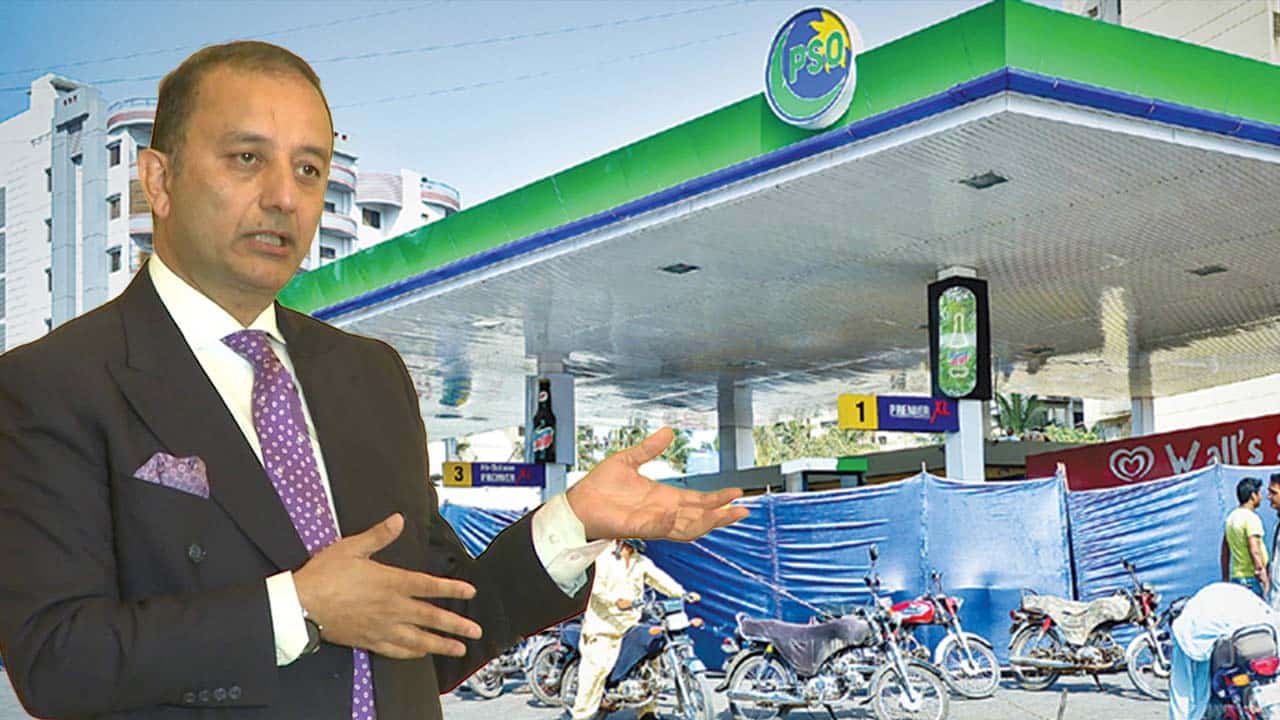
  • Pakistan did not consult IMF regarding discounted petrol for low-income people: Esther Perez

    Pakistan did not consult IMF regarding discounted petrol for low-income people: Esther Perez

    According to the International Monetary Fund (IMF), Pakistan’s government did not seek advice from the multilateral lender regarding the discounted petrol for the low-income group.

    The government’s plan to increase fuel costs for more affluent drivers to pay for a subsidy for those with lower incomes, according to Esther Perez, the IMF’s resident representative for Pakistan, was not discussed with the international lender.

    “Fund staff are seeking greater details on the scheme in terms of its operation, cost, targeting, protections against fraud and abuse, and offsetting measures, and will carefully discuss these elements with the authorities,” said Perez.

    Earlier, the federal government announced that it would reduce the price of petrol up to Rs100 for motorcycle riders and owners of vehicles up to 800 cc in order to lessen the impact of rising petrol costs on people who are already suffering from inflation. According to Malik, Prime Minister Shehbaz Sharif has ordered that low-income individuals receive petrol subsidies of up to Rs100 per liter instead of Rs50.

    Under a comprehensive strategy, cheap petrol will be offered to motorcyclists and owners of vehicles up to 800 cc, while owners of vehicles beyond 800 cc will be charged full price. The minister made it clear that this is not a subsidy but a cross-subsidy.

    According to Malik, “the owners of big vehicles will pay more for petrol.” The rich will pay Rs100 more for petrol, while the poor will pay Rs100 less. 210 million people are poor in a population of 220 million, and we stand with poor Pakistanis.”

    He said the decision to provide fuel at lesser rates will be implemented within six weeks.

  • 1.5% transaction fee for debit and credit cards abolished by SBP

    1.5% transaction fee for debit and credit cards abolished by SBP

    The mandatory minimum fee of 1.5 per cent that banks were required to charge merchants on financial transactions made with debit and credit cards has been eliminated by the State Bank of Pakistan (SBP), and financial institutions are now permitted to charge even less than that amount to encourage the use of digital banking.

    According to a notification released on Friday, the central bank has kept the fee’s upper ceiling at 2.5 per cent.

    Also, the SBP mandated that all online merchants and payment recipients in Pakistan begin taking card payments no later than June 30, 2023.

    Before, petrol outlets stopped taking payments made with debit and credit cards and asked that the 1.5 per cent fee be eliminated.

    The elimination of the minimal fee has long been demanded.

    Eliminating the minimal fee is a good thing for digital transactions, according to experts. The State Bank’s plan to boost the use of digital cards includes this, as this decision would also improve the documentation of the economy and help decrease cash-based transactions.

    Across the nation, there are about 45 million debit and credit cards. Nonetheless, the majority of cardholders use their cards to make ATM withdrawals. Just 5–10 per cent of POS users utilise cards.

  • Pakistan earned $1,523 million by providing IT services to various countries: report

    Pakistan earned $1,523 million by providing IT services to various countries: report

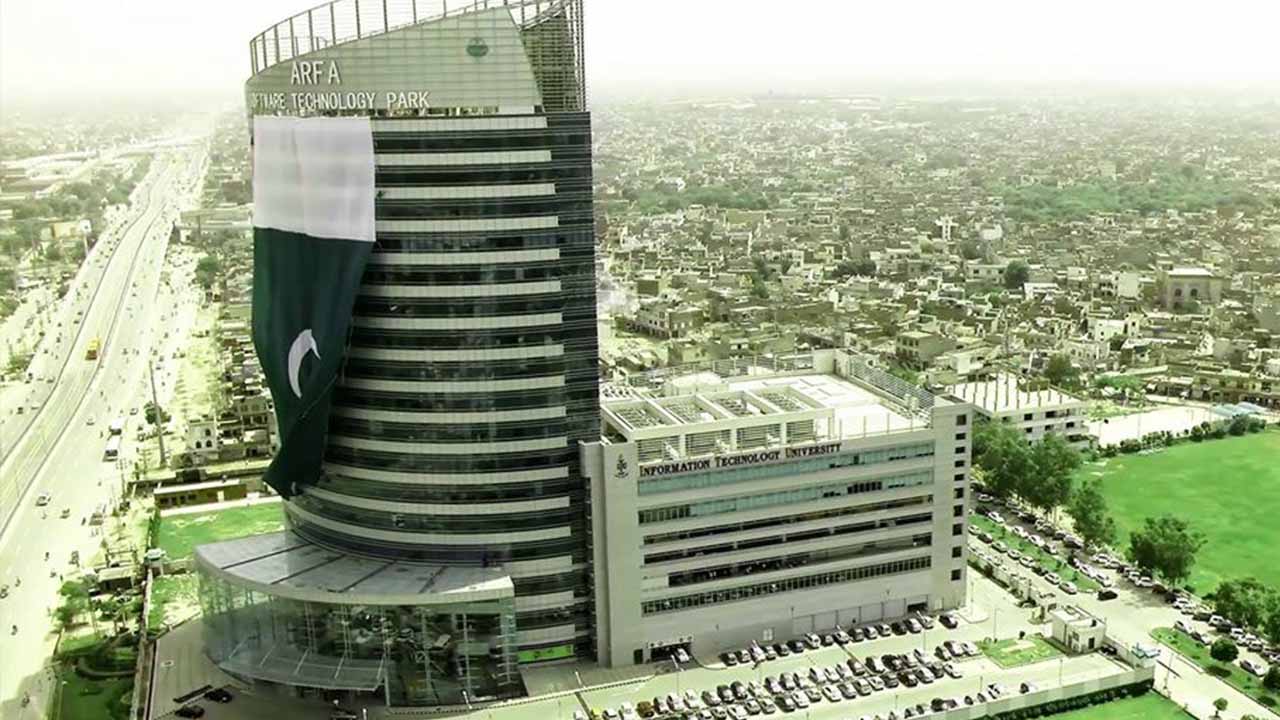
    Pakistan has earned US$1,523.280 million by providing different Information Technology (IT) services to various countries during the first seven months of the current fiscal year 2022-23, according to the Pakistan Bureau of Statistics (PBS).

    This represents a growth of 2.38 per cent as compared to US$1,487.865 million earned during the same months of the fiscal year 2021-22.

    During July-January (2022-23), the export of computer services climbed by 2.87 per cent as it increased from US$1,191.575 million last fiscal year to US$1,225.730 million this year.

    The exports of software consultancy services saw an increase of 5.57 per cent, from US$430.309 million to US$454.283 million while the exports of hardware consultancy services also rose by 158.07 per cent from US$1.357 million to US$3.502 million.

    According to APP, the export and import of computer software-related services surged by 11.89 per cent, from US$312.484 million to US$349.635 million whereas the exports of repair and maintenance services increased to US$1.594 million from US$0.770 million.

    The export of telecommunication services also witnessed an increase of 0.60 per cent as these went up from US$293.180 million to US$294.950 million during the months under review, the data revealed.

    Among the telecommunication services, the export of call centre services rose by 2.30 per cent during the period as its exports increased from US$118.669 million to US$121.398 million whereas the export of other telecommunication services decreased by 0.55 per cent, from US$174.511 million to US$173.552 million during the period under review, the PBS data revealed.

    Moreover, the exports of other computer services witnessed a decline of 6.70 per cent going down from US$446.655 million to US$416.716 million.

    Meanwhile, the export of information services during the period under review declined by 16.40 per cent going down from US$3.110 million to US$2.600 million.

  • Govt to cut per litre petrol price for low-income people by Rs100: Musadik Malik

    Govt to cut per litre petrol price for low-income people by Rs100: Musadik Malik

    The State Minister for Petroleum, Musadik Malik, announced on Monday a significant reduction of Rs100 in the price of petrol for low-income people.

    The minister stated during a news conference held in Islamabad that the wealthy will pay Rs100 more for petroleum products while the underprivileged will receive the same amount in relief.

    The specifics of this execution strategy will probably be made public by the administration within the upcoming week.

    In addition, the government would provide low-income groups with gas subsidies.

    Prior to this, Prime Minister (PM) Shehbaz Sharif stated that low-income individuals would pay Rs50 less for petrol. However, Musadik Malik declared on Monday that the Prime Minister had now ordered to provide a Rs100 discount on petrol to low-income citizens instead of a Rs50 discount.

    While chairing a review meeting on Sunday, PM Shehbaz said that the petroleum relief would be given to low-income consumers who have motorcycles, rickshaws, and other small vehicles (less than 800cc).

    He said the program of petroleum subsidies would be started soon, and a comprehensive strategy would be formed with the cooperation of relevant departments for effective implementation of the subsidy program.

    He said motorcycles, rickshaws, and small cars were used by low-income people, and the petroleum subsidy would give relief to the poor.

    The government was making efforts to provide all possible help to the poor people despite its economic difficulties, he added.

  • Female bank manager resigns after stealing Rs20 million from customer’s account

    Female bank manager resigns after stealing Rs20 million from customer’s account

    A recent case of embezzlement has come to light where a woman, who was the branch manager of a private bank in Islamabad, has resigned from her position following allegations of theft of an amount of Rs20 million from a customer.

    The incident prompted the Federal Investigation Agency (FIA) to take immediate action by registering a case against the accused under Section 420.

    According to the First Information Report (FIR), the accused manager allegedly committed the crime by fraudulently withdrawing Rs20 million from the customer’s account without their knowledge.

    The customer only became aware of the transaction after receiving a notification of the significant deduction from their account. The manager, in a bid to cover her tracks, presented a fake bank statement to the customer, assuring them that there was nothing to worry about.

    According to 24 News, the FIA has taken a serious note of the matter and has included several sections, including 409, 419, 468, 471, and 489F, in the FIR to ensure that justice is served. The accused will be thoroughly investigated, and all evidence will be scrutinized to bring the perpetrator to justice.

    This incident highlights the need for caution and vigilance when it comes to financial transactions. Even trusted officials can abuse their power for personal gain, and it is crucial to remain alert and report any suspicious activity.