Category: Business

  • Pakistan’s nuclear program not linked to loan negotiations, says IMF representative

    Pakistan’s nuclear program not linked to loan negotiations, says IMF representative

    The International Monetary Fund (IMF) has refuted allegations that it imposed any conditions on the revival of a loan program that had been suspended for several months despite ongoing discussions between the two parties.

    Pakistan has been in discussions with the IMF since early February to negotiate the terms of the deal, which includes the adoption of policies aimed at addressing its fiscal deficit ahead of the annual budget in June. The funds are part of a $6.5 billion bailout package that the IMF approved in 2019, and which experts believe is critical for Pakistan to avoid defaulting on its external debt obligations.

    The delay in reaching a staff-level agreement with the IMF had prompted veteran politicians, Senator Raza Rabbani and former foreign minister Shah Mahmood Qureshi, to express concerns about whether the delay was due to the country’s strategic assets, including its nuclear and missile programs. They have called on the government to clarify this issue.

    In response, IMF resident representative in Islamabad, Esther Perez Ruiz, released a statement on Sunday denying any involvement in Pakistan’s nuclear program, stating that there was “absolutely no truth” to the rumors that program discussions with the authorities may have covered the issue.

    Ruiz further clarified that the discussions had focused exclusively on economic policies aimed at resolving Pakistan’s economic and balance of payments problems, in line with the Fund’s mandate for promoting macroeconomic and financial stability.

  • Govt announces Rs50 per litre petrol subsidy for low-income individuals

    Govt announces Rs50 per litre petrol subsidy for low-income individuals

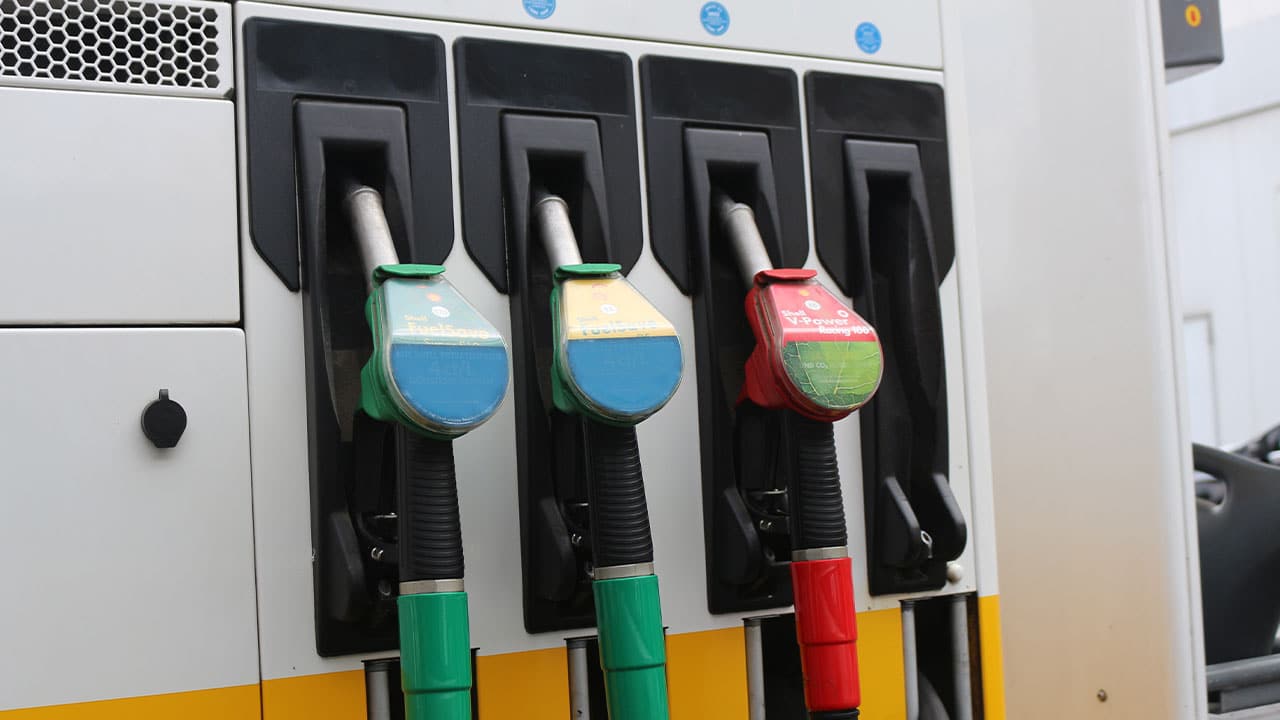
    The government has announced a relief package for low-income individuals in the form of a petroleum subsidy worth Rs50 per litre. This announcement was made during a meeting chaired by Prime Minister (PM) Muhammad Shehbaz Sharif on Sunday.

    The Prime Minister directed that consumers using small vehicles such as motorcycles, rickshaws, and 800-CC vehicles will be included in the subsidy scheme. He also instructed relevant authorities to finalise the scheme as soon as possible to ensure its effective implementation.

    The Prime Minister emphasized that this subsidy will provide much-needed relief to low-income individuals, as they are the primary users of small vehicles. Despite the severe economic difficulties faced by the country, the government is committed to assisting the poor in every way possible.

    During the meeting, Minister of State for Petroleum Musadik Malik briefed participants on the strategy for implementing the subsidy to low-income individuals.

  • Gold price increases to Rs208,300 per tola as investors adopt cautious approach amid uncertainties

    Gold price increases to Rs208,300 per tola as investors adopt cautious approach amid uncertainties

    The price of gold in Pakistan soared by 2 per cent on Saturday, according to data from the All-Pakistan Sarafa Gems and Jewellers Association. The political unrest in the country has left investors uncertain about the economy, prompting them to seek safe-haven assets such as gold.

    The price of gold (24 carats) increased by Rs4,100 per tola and Rs3,516 per 10 grammes, reaching Rs208,300 and Rs178,584, respectively. In the week ending March 18, gold gained Rs9,600 per tola, or 4.8 per cent, as it rose during all six trading sessions, despite the little appreciation of the Pakistani rupee against the US dollar.

    The precious metal is expected to remain attractive to investors as they adopt a cautious approach.

    The price of silver also rose by Rs100 per tola and Rs85.73 per 10 grammes to settle at Rs2,250 per tola and Rs1,929 per 10 grammes, respectively. Meanwhile, in the international market, gold prices surged by over 2 per cent due to banking crises shaking global markets, putting bullion on track for its biggest weekly rise in three years. The price per ounce settled at $1,989 after an increase of $53. This rise in gold prices was also driven by bets for a less aggressive Federal Reserve in its fight against inflation.

    Gold is currently Rs11,500 per tola “undercost” in Pakistan compared to the Dubai market, making it cheaper for investors to buy. According to experts, gold is surging on fears that more bad banking news could appear over the weekend and hopes that the FED will pause its rate hikes next week.

    With political and economic uncertainties looming in Pakistan, gold is likely to shine as investors seek a low-risk profile.

  • Pakistan’s proposal to increase number of beneficiaries for BISP rejected by IMF

    Pakistan’s proposal to increase number of beneficiaries for BISP rejected by IMF

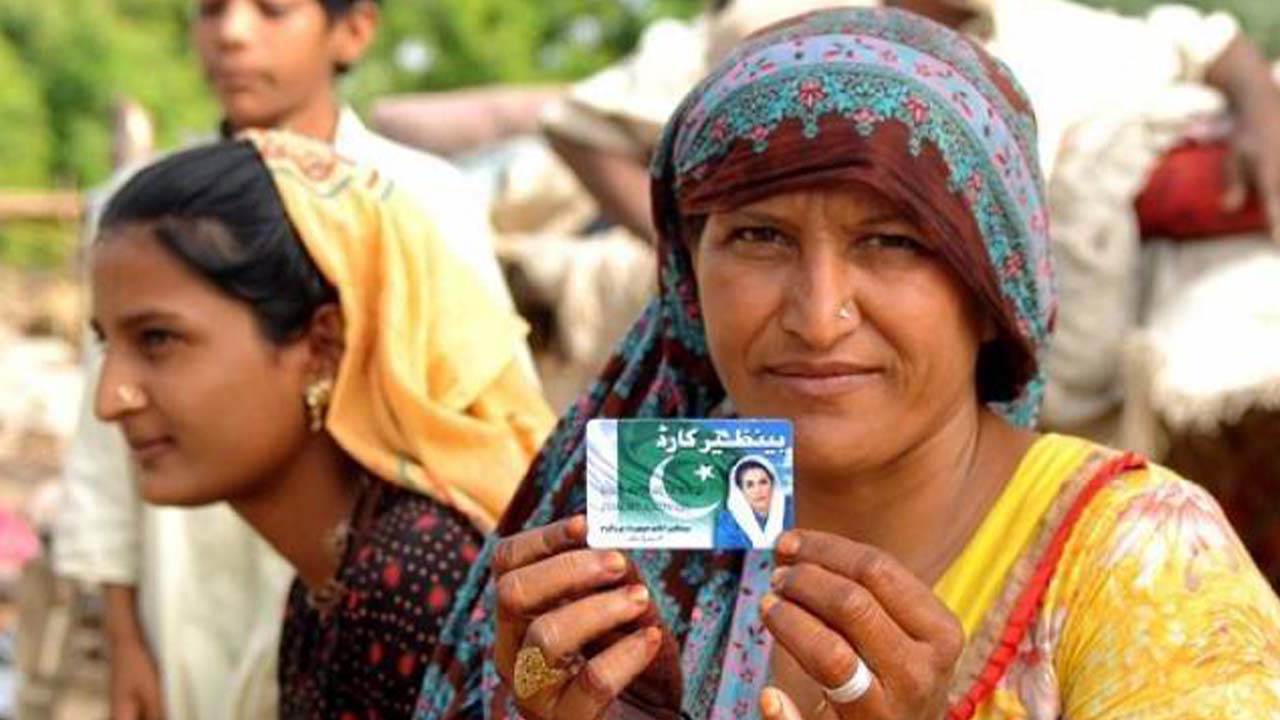
    The International Monetary Fund (IMF) rejected the Pakistani government’s proposal to increase the number of beneficiaries of the Benazir Income Support Programme (BISP) and expand its scope to cover 20-30 per cent of the population living in poverty.

    The proposal aimed to provide quarterly stipends to those below the poverty line. While the IMF approved an increase in the BISP allocation by Rs40 billion, increasing it from Rs360 billion to Rs400 billion for the current fiscal year for 8.9 million beneficiaries, the proposal to expand coverage could not be implemented due to a shortage of budgetary resources.

    According to sources, the IMF refused to increase the Proxy Mean Test (PMT) ceiling for enhancing coverage and providing monthly stipends to around 30 per cent of the population living below the poverty line, citing a lack of budgetary resources. The Finance Ministry official stated that there was no disagreement, and the government has been providing a quarterly stipend of Rs7,000 to 8.9 million beneficiaries.

    The IMF staff suggested increasing tax revenues and abolishing un-targeted subsidies but did not initially oppose the idea of expanding coverage. The IMF high-ups recommended using the National Socio-Economic Registry (NSER) of the BISP to provide targeted subsidies on electricity, gas, and provision of POL for motorcycles and small vehicles.

    According to Geo, different proposals to start a targeted subsidy mechanism were discussed but ultimately dropped due to various reasons. The weekly Sensitive Price Index (SPI) touched 45.64 per cent on a weekly basis, and Consumer Price Index (CPI) crossed 31.5 per cent on a monthly basis in February 2023. Both the CPI and SPI are expected to rise further in the weeks and months ahead of the current fiscal year.

    To protect vulnerable segments from falling below the poverty line, there is no other option but to implement a targeted subsidy mechanism over the short and medium-term period. Pakistan and the IMF will need to place a target subsidy mechanism, given the possibility of a new IMF program after the expiration of the current one under the Extended Fund Facility in June 2023.

  • Short-term inflation skyrockets to record 45.64% in Pakistan: What’s causing the surge?

    Short-term inflation skyrockets to record 45.64% in Pakistan: What’s causing the surge?

    The Pakistan Bureau of Statistics (PBS) has released data revealing that short-term inflation based on the Sensitive Price Index (SPI) rose to a record 45.64 per cent for the combined income group on a year-on-year basis for the week ending March 16.

    This increase was driven by the consistent rise in the prices of essential commodities. However, on a week-on-week basis, short-term inflation increased by 0.96 per cent due to the rising cost of tomatoes, potatoes, cooking oil and fruits.

    The SPI is expected to intensify further as the full impact of depreciation, an increase in petroleum products, a hike in general sales tax and higher energy costs has yet to be reflected in official data. Commodity prices are likely to increase rapidly with a spike in demand. The year-on-year SPI surged to 45.5 per cent during the week ending September 1, 2022, and stayed above 40 per cent for the first time since August 18 last year when the reading was 42.31 per cent.

    Of the 51 items in the SPI basket, prices of 28 items soared, while those of 11 items decreased, and rates of 12 items remained unchanged. During the week under review, the prices of onions, cigarettes, gas charges for Q1, diesel, tea Lipton, petrol, rice irri-6/9, rice basmati broken, bananas, eggs, pulse moong, wheat flour and bread increased the most over the same week a year ago.

    On a week-on-week basis, the biggest change was observed in the prices of tomatoes, tea Lipton, potatoes, bananas, sugar, wheat flour, cooking oil 5 litre, vegetable ghee 2.5 Kg, lawn, diesel, shirting, and petrol. Products whose prices saw the highest decline over the previous week were onions, chicken, garlic, pulse masoor, eggs, LPG, vegetable ghee 1 Kg, pulse gram, pulse mash, pulse moong, and mustard oil.

    The government has been taking strict measures, such as hikes in fuel and power tariffs, withdrawal of subsidies, market-based exchange rate, and higher taxation, under the International Monetary Fund (IMF) programme to generate revenue for bridging the fiscal deficit, which may result in slow economic growth and higher inflation in the coming months. The increase in the policy rate to 20 per cent, general sales tax rate from 17 per cent to 18 per cent on most items, and to 25 per cent on more than 800 imported food and non-food items will further increase the retail prices of consumer goods.

  • Pakistan receives $500 million in second disbursement from Chinese bank ICBC

    Pakistan receives $500 million in second disbursement from Chinese bank ICBC

    On Friday, Pakistan received a sum of $500 million, which is the second disbursement of the $1.3 billion facility from the Industrial and Commercial Bank of China (ICBC). Senator Ishaq Dar, the Federal Minister for Finance and Revenue, announced this development on his Twitter handle, adding that the funds will help shore up Pakistan’s forex reserves.

    The Chinese bank made this critical disbursement after Pakistan completed the necessary documentation. Earlier in March, the ICBC approved a rollover of a $1.3 billion loan for Pakistan, following which the bank deposited $500 million, the first disbursement on March 4, which helped the foreign exchange reserves exceed $4 billion.

    Pakistan, which has been facing growing economic challenges such as high inflation, sliding forex reserves, a widening current account deficit, and a depreciating currency, has made payments of around $5.5 billion (excluding the $1 billion sukuk payment) to China Development Bank and ICBC, with $3.5 billion given to banks in other countries. To reduce the debt stock, Pakistan has been paying off debts in tranches, and now the country will receive the $1.3 billion back in three tranches.

    The current foreign exchange reserves of Pakistan stand at $4.3 billion as of March 10, which is barely enough for less than a month of imports, while the liquid foreign exchange reserves stand at around $9.8 billion, including $5.5 billion in net reserves held by commercial banks. According to a report published in The News, a Chinese bank has given assurances that it will provide another refinanced $500 million loan in the next few days, bringing the total of commercial loans up to $1.7 billion out of the total committed amount of $2 billion.

    According to The News, Pakistan has also requested a rollover on the Chinese SAFE deposit of $2 billion within the ongoing month. These actions, such as the refinancing of commercial loans and rollovers on SAFE deposits, are pre-requisites for moving towards the signing of a staff-level agreement between the IMF and the Pakistani side. Currently, Pakistani authorities are waiting for confirmation from the Kingdom of Saudi Arabia, the UAE, and Qatar, as well as from the World Bank and the AIIB, to fulfill their external financing needs of $6 billion until the end of June 2023, and the situation remains tense.

  • National Refinery halts fuel supply to Pakistan State Oil over unpaid dues

    The National Refinery Limited (NRL) has decided to suspend the supply of fuel to Pakistan State Oil (PSO) due to the state-owned oil marketing company’s failure to make payments to the refinery.

    PSO has encountered a severe financial crisis, leading to outstanding payments owed to various sectors as a result of the supply of petroleum products.

    The amount owed to NRL by PSO is currently Rs3.469 billion. NRL has conveyed its decision to stop the supply of fuel to PSO in writing, according to a report by a national daily.

    Notably, PSO has recently stopped making payments to refineries, including those that supply diesel, gasoline, aviation fuel, furnace oil, and other petroleum products to the state-owned company.

    As per the company’s receivables, Sui Northern Gas Pipelines Limited (SNGPL) is the largest defaulter of PSO, with an outstanding amount of Rs492.102 billion as of March 8, 2023. In response, the Economic Coordination Committee of the cabinet has authorized a sovereign guarantee of Rs50 billion in favor of SNGPL for commercial borrowing on an immediate basis to meet PSO’s liquidity requirement.

    The power sector remains a significant source of difficulty for the state-owned oil marketing company, with outstanding payments of Rs178 billion, followed by Pakistan International Airlines (PIA) and the government of Pakistan, both of which owe PSO Rs92.5 billion. The total receivables, which have risen to Rs762.653 billion, include the most critical payment of Rs124.666 billion in late payment surcharge (LPS).

  • SBP issues commemorative coin of Rs50 to celebrate golden jubilee of Senate of Pakistan

    SBP issues commemorative coin of Rs50 to celebrate golden jubilee of Senate of Pakistan

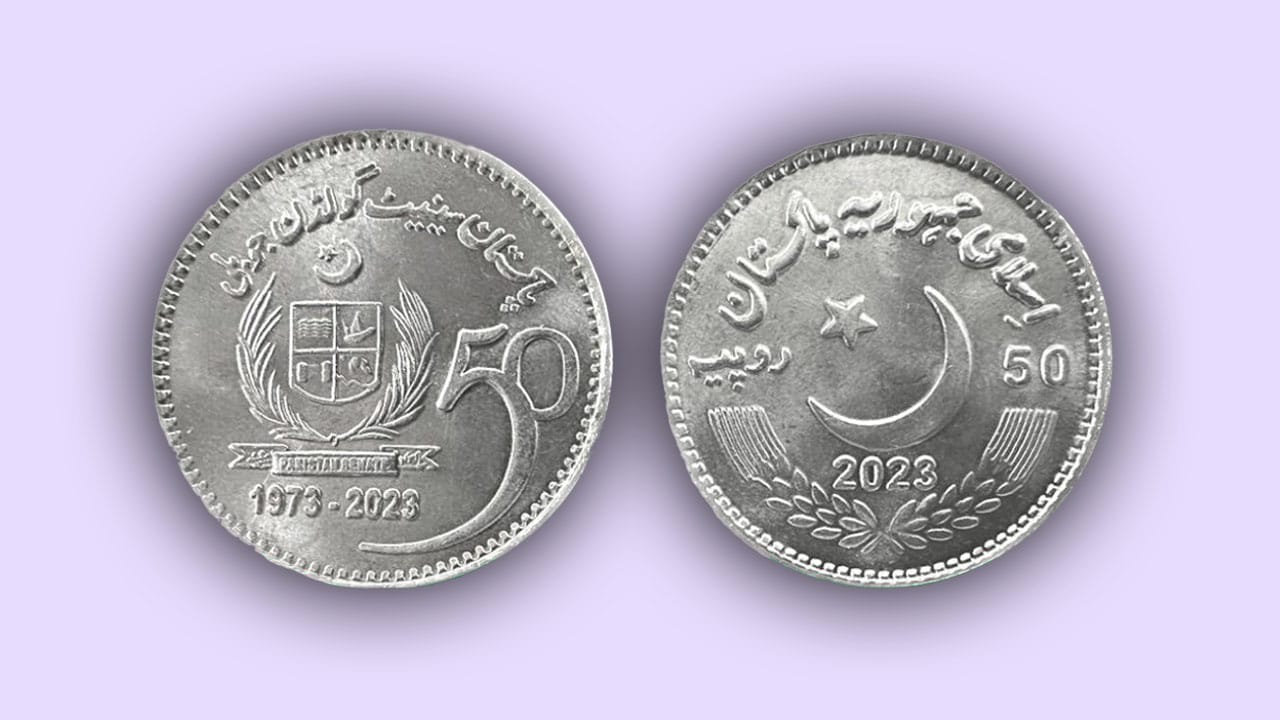
    The Federal Government of Pakistan has authorised the State Bank of Pakistan (SBP) to issue a commemorative coin of Rs50 to celebrate the Golden Jubilee of the Senate of Pakistan in 2023.

    The coin, which has a round shape milled with a dimension of 30.0 mm, weight of 13.5 grammes, and Cupro-Nickel metal contents (Copper 75 per cent & Nickel 25  per cent), shall be issued through the exchange counters of all field offices of SBP Banking Services Corporation starting from March 17, 2023.

    The Senate of Pakistan, also known as Aiwan-e-Bala Pakistan and constitutionally referred to as the House of the Federation, is the upper legislative chamber of the bicameral parliament of Pakistan. As a permanent House with equal representatives from all provinces of the country, the Senate symbolizes continuity in national affairs.

    The issuance of the commemorative coin is a fitting tribute to the Golden Jubilee of the Senate of Pakistan and underscores the significance of this occasion. It is expected to serve as a lasting reminder of the Senate’s contribution to Pakistan’s democratic process and its role in shaping the country’s political landscape.

  • Dar says assurance of funding from friendly countries is the final hurdle in securing IMF deal

    Dar says assurance of funding from friendly countries is the final hurdle in securing IMF deal

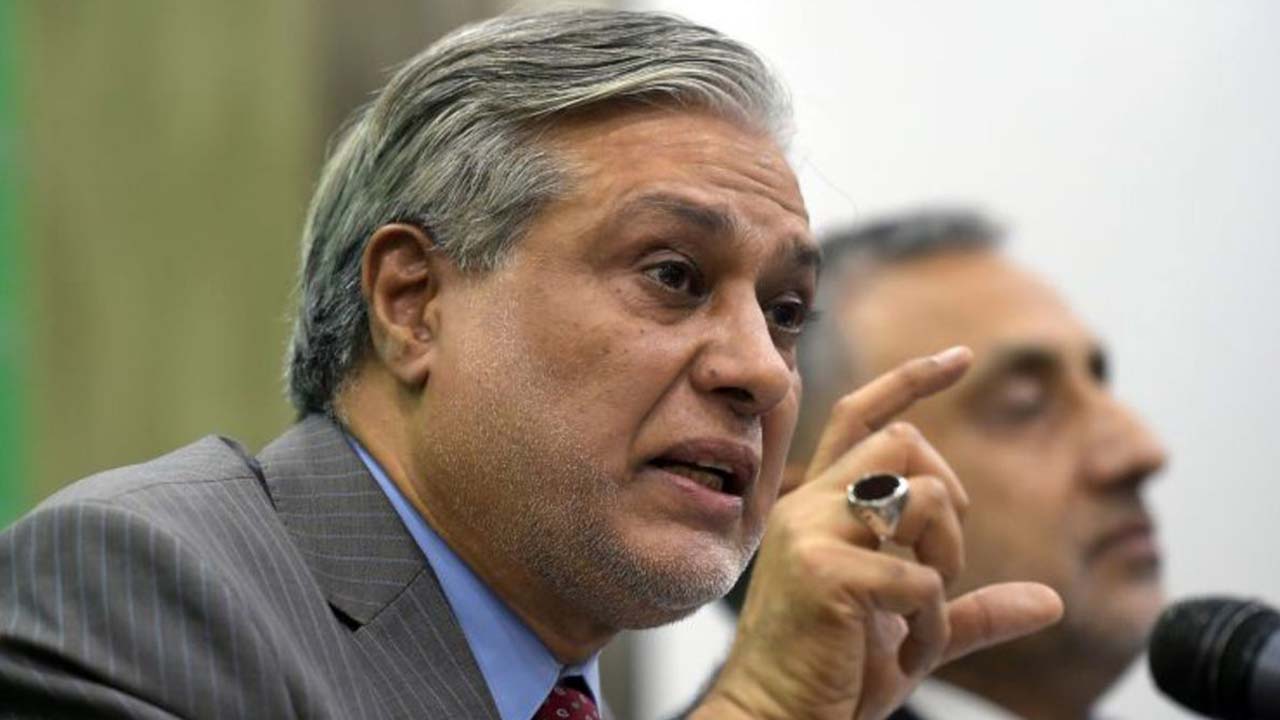
    On Thursday, Finance Minister Ishaq Dar announced that the assurance of funding from “friendly countries” was the final obstacle to securing an IMF deal that would provide critical support to Pakistan’s struggling economy and prevent an economic crisis.

    During a session of the country’s upper house of parliament, Dar revealed that several countries had previously made commitments to support Pakistan during IMF reviews, and the IMF was now requesting that these commitments be fulfilled.

    The delay in securing the deal, which involves a $1.1 billion bailout package from the IMF, has been ongoing since November due to issues surrounding fiscal policy adjustments. The package is part of a larger $6.5 billion bailout approved by the IMF in 2019, which is crucial for Pakistan to avoid defaulting on external payment obligations.

    The deal would also allow Pakistan to access other financing avenues to bolster its foreign exchange reserves, which currently only cover four weeks’ worth of imports.

    The IMF has asked Pakistan to secure assurance of up to $7 billion to cover this year’s balance of payments gap, while Dar believes that $5 billion would suffice.

    An IMF mission has been present in Islamabad since February to negotiate a set of policy measures for Pakistan’s struggling economy, ahead of the annual budget due in June.

    Prime Minister Shehbaz Sharif stated that all of the IMF’s conditions had been met, and expressed hope that a staff level agreement would be reached soon.

  • Pakistan’s nuclear and missile programmes will not be compromised for IMF deal, says Finance Minister

    Pakistan’s nuclear and missile programmes will not be compromised for IMF deal, says Finance Minister

    During a session of the Senate on Thursday, Pakistan’s Finance Minister Ishaq Dar stated unequivocally that there would be no compromise on the country’s nuclear and missile programs. The assurance came in response to questions posed by PPP Senator Raza Rabbani, who had raised concerns about the delay in Pakistan’s agreement with the International Monetary Fund (IMF). Rabbani had suggested that the delay might be due to pressure being exerted on Pakistan’s nuclear program.

    In response to Rabbani’s questions, Dar stated that the delay was not due to any action by the current government, but rather to the fact that the IMF had requested that certain friendly countries fulfill commitments they had made to support Pakistan. According to Geo, Dar promised that once the staff-level agreement and the Extended Fund Facility program were finalized, the details would be posted on the finance ministry’s website.

    Dar also expressed his belief that Pakistan’s nuclear program was a matter of national security and emphasized that no one had the right to tell Pakistan what range of missiles or nuclear weapons it could have. He argued that the country’s nuclear and missile programs were essential for deterrence and for guarding Pakistan’s national interests.

    The delay in the IMF agreement has been a cause for concern, as it is seen as critical to taming a balance-of-payments crisis. The agreement, which was approved by the IMF in 2019 and is worth $6.5 billion, includes $1.1 billion that would be released once the agreement is signed. Dar had previously blamed the delay on the previous government, which he said had failed to meet commitments and created a trust deficit. Despite the delay, Dar stated that Pakistan was “very close” to signing the agreement.