Category: Business

  • Twitter bird statue sells for $100,000 as Musk auctions off old office mementos

    Twitter bird statue sells for $100,000 as Musk auctions off old office mementos

    A Twitter bird statue fetched $100,000 on Wednesday as owner Elon Musk auctioned off furniture, decorations, kitchen equipment, and more from the tech firm’s San Francisco headquarters.

    A 10-foot neon light in the form of Twitter’s bird logo was included in an online auction of “surplus corporate office assets of Twitter” that lasted just over 24 hours and received a winning price of $40,000, the Heritage Global Partners auction service reported.

    Espresso machines, ergonomically sound desks, televisions, bicycle-powered charging stations, pizza ovens, and a colourful planter in the form of a “@” sign were some of the 631 lots.

    As he set out to hire a new CEO for his struggling social media network, Musk claimed in December that drastic cost cutbacks at Twitter had fixed the company’s poor financial situation.

    At the time, the erratic billionaire claimed in a live chat room that Twitter would have lost $3 billion annually without the reforms, which included sacking more than half of its staff.

    At the platform he paid $44 billion for, Musk claimed to have been “reducing expenses like crazy.”

    Shortly after taking over Twitter, Musk let go roughly half of its 7,500 employees, raising concerns that the firm lacked the manpower to handle content moderation and alarmed regulators, advertisers, and governments.

    According to Musk, his strategy is to drastically cut expenses while increasing revenue and a new $8 monthly membership service dubbed Twitter Blue will aid in achieving this objective.

    Mass layoffs, the reinstatement of blocked accounts, and the suspension of journalists who criticise the wealthy South African-born Elon Musk have all contributed to the instability that has gripped Musk’s Twitter.

    Racist or offensive tweets also increased after Musk’s takeover, which attracted regulatory attention and drove away major advertisers, Twitter’s primary source of income.
  • Pakistan gets $2 billion from UAE, with $1 billion additional loan in pipeline

    Pakistan gets $2 billion from UAE, with $1 billion additional loan in pipeline

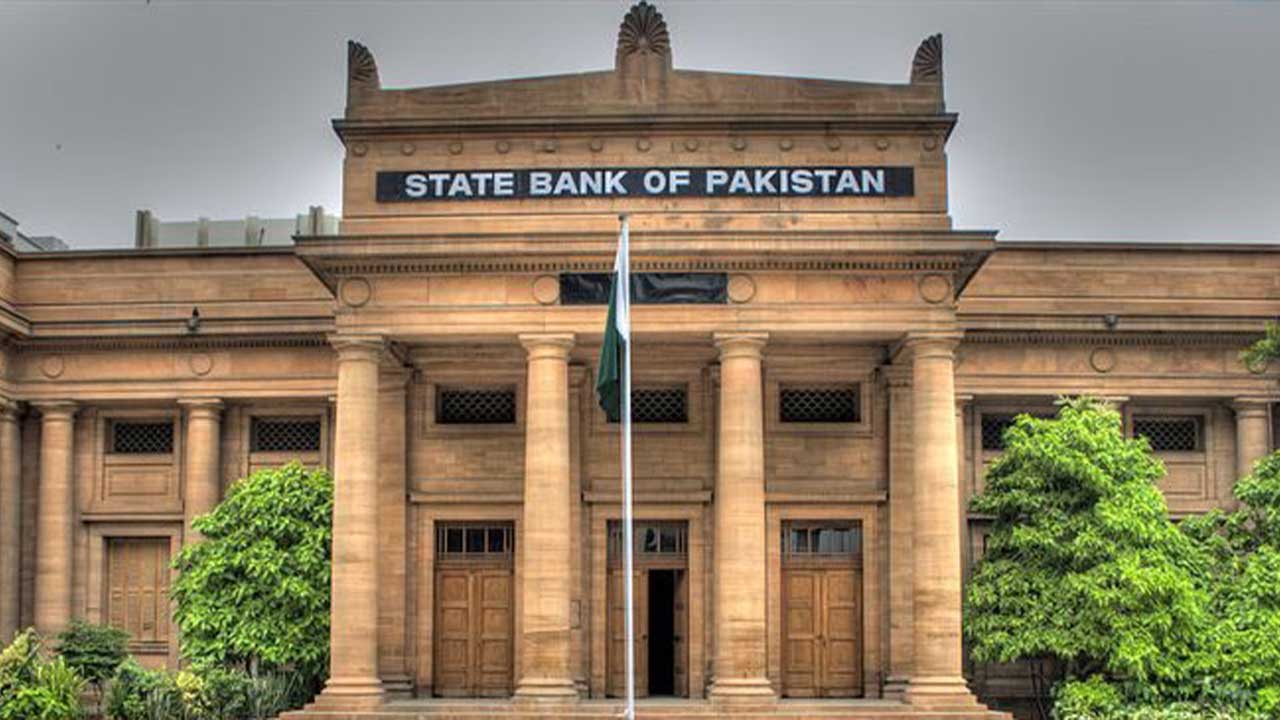
    Finance Minister Ishaq Dar announced on Wednesday that the Abu Dhabi Fund for Development (ADFD) has rolled over their deposit of $2 billion with the State Bank of Pakistan (SBP).

    In a tweet, the minister highlighted that Prime Minister Shehbaz Sharif had discussed the rollover with the United Arab Emirates (UAE) President Sheikh Mohammed bin Zayed al-Nahyan, during his recent visit to the country.

    The UAE agreed to give Pakistan $1 billion and roll over an existing $2 billion loan on January 12, according to the Pakistani information minister, as the nation’s central bank’s foreign reserves had shrunk to only three weeks’ worth of imports.

    The UAE’s financial assistance gave the nation, which is still recovering from devastating countrywide floods that have cost more than $30 billion in damage, some solace.

    Shehbaz Sharif, the prime minister of Pakistan, announced the loans as he began a two-day trip to the United Arab Emirates. In a statement, Sharif stated, “This support will help us weather economic hardships.

    He met with UAE President Sheikh Mohammed bin Zayed al-Nahyan and was scheduled to speak with other government representatives and business executives about commercial and economic potential, according to Information Minister Marriyum Aurangzeb.

    External finance is essential for Pakistan’s faltering economy because the IMF’s ninth review to approve the transfer of a fresh $1.1 billion tranche of money to Pakistan has been on hold since September.

    According to Geo, SBP’s foreign exchange holdings dropped to an alarming $4.3 billion level, barely enough for three weeks’ worth of imports, according to the bank. Net foreign exchange reserves held by commercial banks stood at $5.8 billion, and total liquid reserves at $10.1 billion.

  • Dollar inflows from next week will increase foreign exchange reserves: SBP governor

    Dollar inflows from next week will increase foreign exchange reserves: SBP governor

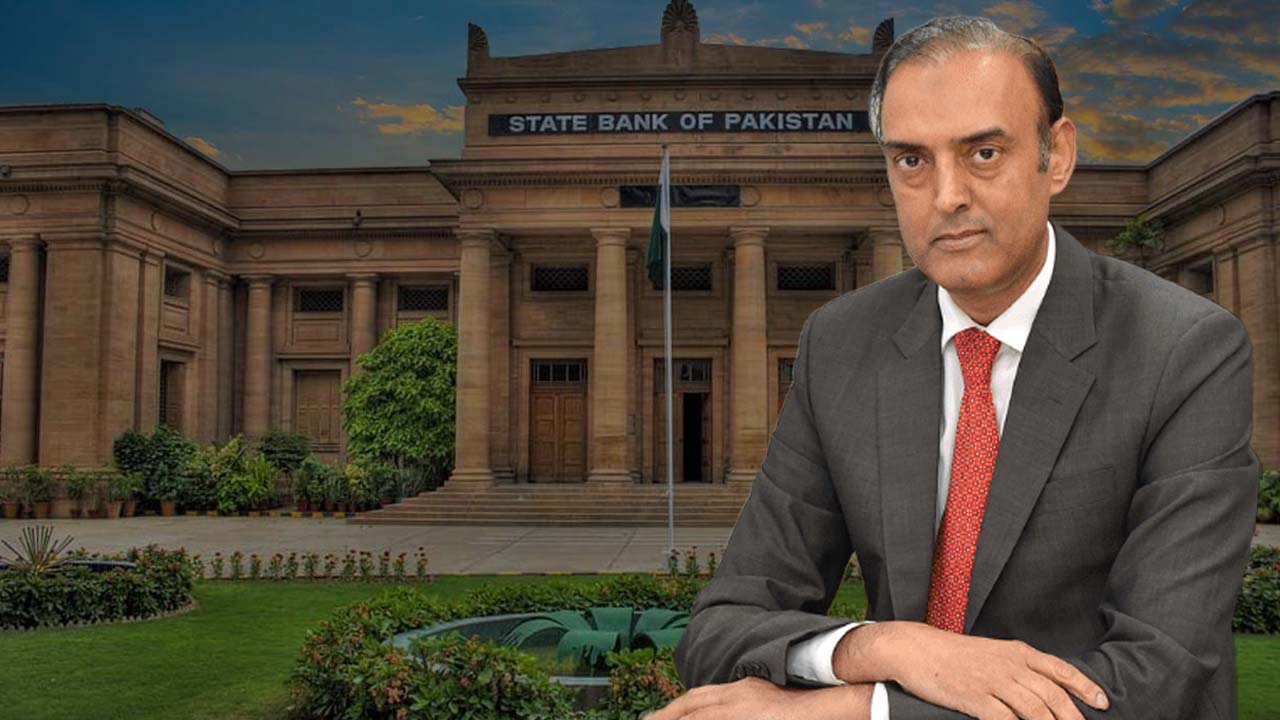
    Governor of the State Bank of Pakistan (SBP) Jameel Ahmad expressed hope on Wednesday that the situation of Pakistan’s foreign exchange reserves will improve as the country is anticipated to receive capital inflows in the coming days.

    “We are expecting inflows from next week onwards, which would reduce pressure on our foreign exchange reserves,” the SBP governor said.

    Ahmad reaffirmed his commitment to addressing the concerns of manufacturers and claimed that the nation’s foreign exchange reserves have reached very low levels. But as projects in the pipeline start to take shape, he predicted, “we will see a boom in reserves, which will increase our ability to support businesses.”

    According to the most recent SBP data, the central bank’s foreign exchange reserves dropped significantly by $1.23 billion, to a critically low level of $4.34 billion. SBP’s reserves are at their lowest point since February 2014.

    The country held $10.19 billion in liquid foreign reserves, and commercial banks kept $5.85 billion in net foreign reserves, according to Brecorder.

    To the dismay of many importers and firms in Pakistan, who claimed these limits as the cause for closing or curtailing operations, the SBP restricted imports earlier this year due to the low level of reserves.

    According to Ahmad, the SBP facilitated shipments under the headings of necessities, energy, industries focused on exports, agricultural inputs, deferred payment / self-funded imports, and imports for projects focused on exports that were almost finished.

    Prior to this, the central bank made the decision to remove import restrictions beginning on January 2, 2023.

    “Our capacity to export will build up only after we complete export-oriented projects, thus we have facilitated the timely completion of these projects,” he said.

    “We want to facilitate all the industries, however, we can only do so under our given capacity of inflows. We do not produce dollars locally, they come through exports, remittances, and inflows from lenders,” said Ahmed.

    “We are focusing on improving our capacity, and are also taking administrative intervention to bring our imports on a reasonable level,” he added.

    The SBP chief said evaluating the Letter of Credit (LC) is a time-consuming exercise. “We have cleared 33,000 LC cases,” he said.

    He added that steps had been done to control the current account deficit and that the central bank was aware of issues facing the business community.

    The governor stated that an action plan in this regard will soon be launched after the SBP carefully evaluates the business community’s ideas.

    He assured the business community that the central bank will ensure the approval of 365 days or over LCs from banks. “Similarly, if you have arranged a project loan, and yet the LCs are not being opened, the SBP will ensure it,” he said.

    The SBP had recommended banks to compel the retention of 35% of their export receipts in special foreign currency accounts in order to encourage IT companies and independent contractors to bring their foreign exchange earnings into the nation.

    “We are hopeful that the problems of the IT sector will be addressed, and as a consequence, our exports from the IT sector will increase,” said Ahmed in his address.

  • Pasha warns inflation may increase to 70% if Pakistan defaults

    Pasha warns inflation may increase to 70% if Pakistan defaults

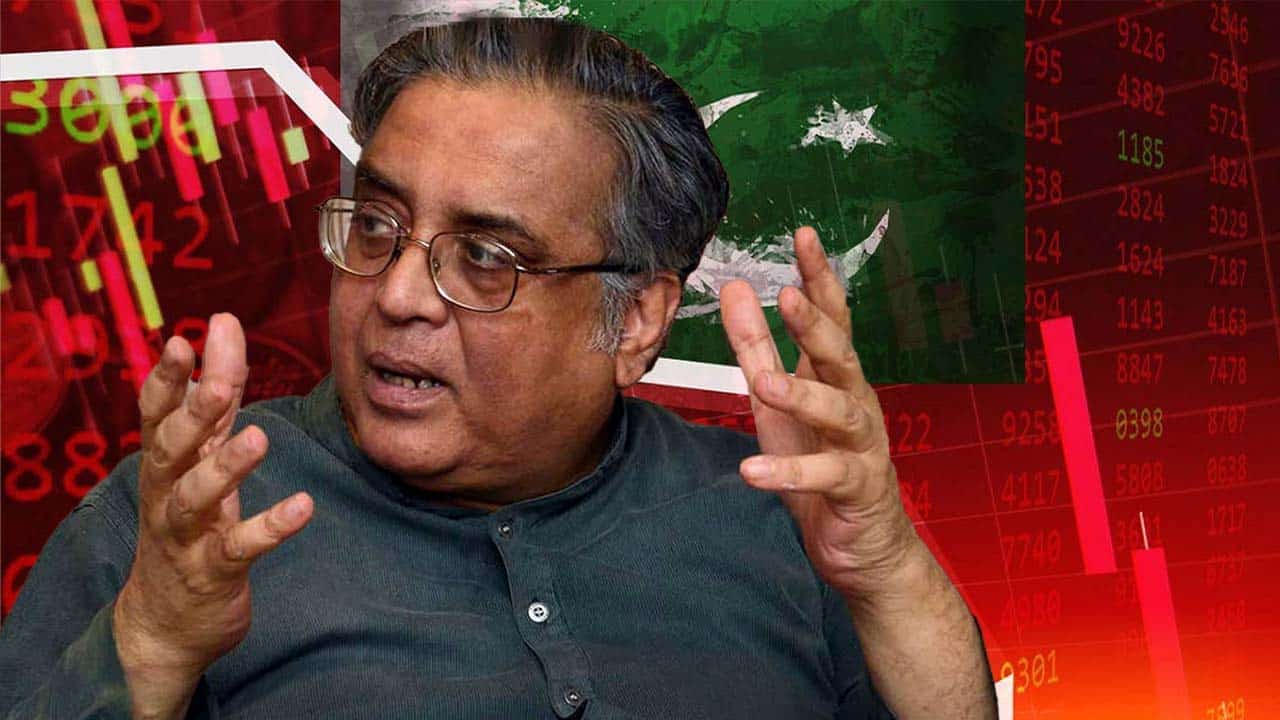
    Former finance minister Dr Hafiz Pasha on Tuesday warned that inflation in Pakistan may soar to 70 per cent in the event of a default.

    Pasha predicted that Pakistan’s general economy would likely continue to experience severe stagflation in 2023. He was speaking to members of the Pakistan Industrial and Traders Associations Front (PIAF).

    Due to the International Monetary Fund (IMF) stringent requirements, inflation will still increase to at least 35 per cent even if the loan from international lender is restored, according to Express Tribune.

     “If the government implements the key reforms agreed with the IMF, including a Rs50 levy per litre on POL, an electricity tariff hike of 40 per cent, doubling of the gas tariff, and shift to market-based exchange rate policy, the inflation rate could exceed 35 per cent,” Pasha cautioned.

    If the government does not implement the agreed reforms, he said, “It will lead to a termination of the IMF programme and will virtually dry-up the country’s capital.”

    According to Pasha, Pakistan’s reliance on pricey foreign loans has been disastrous. The nation’s debt in the first 65 years was $65 billion. In the following seven years, as we increased our reliance on costly loans with high interest rates, this amount increased to approximately $130 billion.

  • IT Minister warns of service disruption in many areas due to unavailability of technical parts

    IT Minister warns of service disruption in many areas due to unavailability of technical parts

    The restrictions imposed for the letters of credit (LCs) facility for the telecom sector, according to IT & Telecom Minister Syed Aminul Haque, are insufficient.

    “Without much-needed tec­hnical parts there are fears of service disruptions in many areas,” Mr Haque warned while presiding over the 44th Policy Com­mittee meeting of the Universal Service Fund (USF).

    He claimed that the restricted LC licenses were impeding the import of equipment for upgrading mobile networks and interfering with the general efficiency of the IT and telecom industries.

    “Telecom companies were facing difficulty in importing parts and equipment due to limited permission of LCs and it may also result in a delay in projects for the provision of 4G services in far-flung areas of the country,” the minister noted.

    The authorities reported to the meeting that telcos, IT firms, and their backend equipment suppliers had complained that it was impossible for them to import even the basic hardware required to run systems.

    The minister promised to speak with the Ministry of Finance again and let them know about the critical circumstance.

    Out of the budget of Rs32.13 billion set aside for the Universal Service Fund (USF) for 2022–2023, the meeting approved the release of a development fund of Rs5 billion for the second and third quarters, while Rs8.25 billion had already been released for the first quarter.

  • Exchange companies suggest higher US dollar rate to increase remittances

    Exchange companies suggest higher US dollar rate to increase remittances

    The government has been advised by the Exchange Companies Association of Pakistan (ECAP) to “set” the dollar rate to lessen currency market volatility as the country fights a severe economic crisis and declining foreign exchange reserves.

    The general secretary of ECAP Zafar Paracha said in a statement on Monday, “It is advised to fix the rupee/dollar exchange rate for export-import bills and remittances”. He further said these remittance proceeds could be received by banks and money changers at a fixed rate of Rs240 per dollar.

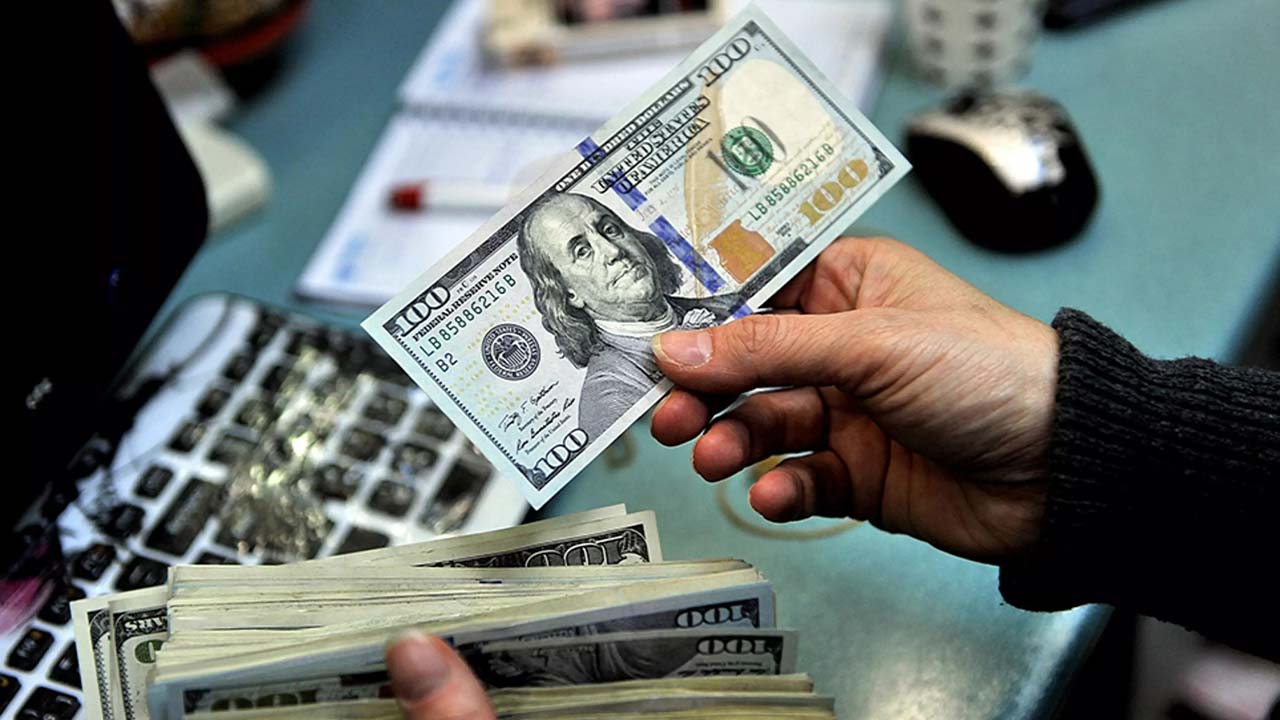
    Pakistani rupee closed at Rs228.34 per US dollar, compared with the previous close of Rs228.15 in the interbank market. In the open market, the local unit was trading at Rs238.75 against the greenback.

    Paracha suggested the government to set the rate of Rs240 per dollar for overseas Pakistanis and for inward remittance.

    He expects that by making the change, the official channel would be strengthened, remittances would increase, Hundi/Hawala would decline, and eventually, the grey market would vanish.

    According to Paracha, the exchange rate between the dollar and the local currency has hit Rs267 to Rs270. The offer could be made at Rs228 against/ the dollar in order to obtain exporters’ revenues. Additionally, the rate for importers would be determined by the weighted average of the exporter and home remittance rates. He said that it would help remittances and exporters.

    It will boost the nation’s foreign exchange reserve, encourage exporters to bring dollars, and strengthen the exchange companies’ remittances division.

    The country received $14.1 billion in remittances during the first six months (July-December) of the current fiscal year, a decline of 11.1 per cent from a year earlier.

    As of January 6, Pakistan’s foreign exchange reserves at the State Bank of Pakistan fell by $1.2 billion to $4.3 billion, just enough to fund three weeks’ worth of imports.

    Due to significant repayments of foreign debt and a lack of external funding, which have severely reduced Pakistan’s foreign reserves and resulted in ongoing dollar shortages, the country is currently facing a balance of payments crisis.

  • Here’s why United Bravo flopped in Pakistan despite being cheap

    Here’s why United Bravo flopped in Pakistan despite being cheap

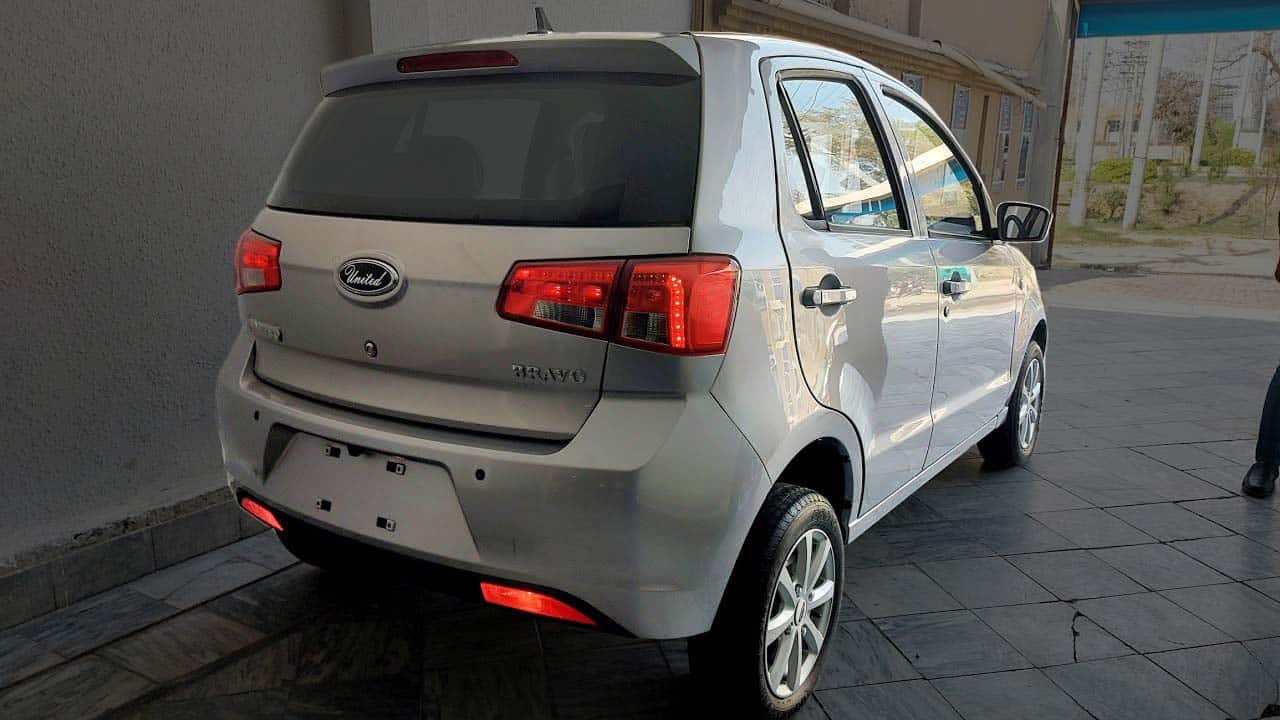
    United Motors introduced the 800cc Bravo hatchback in Pakistan back in 2018, soon after Pak Suzuki officially announced discontinuing the wildly popular 3-decades old Suzuki Mehran.

    The car was seen as a ‘better replacement’ for the Suzuki Mehran as it came with many interesting features, including an interior with a wooden touch that was actually made of plastic, a dual gauge speedometer, three-spoke steering, alloy rims, power windows, power steering, and keyless entry.

    Due to its features and relatively contemporary looks, it was believed to perform well in Pakistan.

    However, even after more than five years, finding a Bravo on the roads is a rare event. You might come across one in the cities of Punjab.

    Bravo was launched with an 800 cc naturally aspirated 3-cylinder petrol engine that makes 40 hp and 60 Nm of torque, mated to a 4-speed manual transmission.

    There is not just one reason for its flop in the Pakistani auto market.

    United Bravo initially attracted a lot of attention due to its low cost. After some time, those who purchased Bravo began to experience a number of build quality issues. Additionally, it was said that the company’s after-sales services were subpar and that there was a shortage of car parts.

    Numerous online reviews of the car’s substandard build, messed-up paint, and poor assembling frightened potential buyers or anyone even considering purchasing a Bravo.

    Bravo had minimal resale value, and the small hatchback was viewed as a scary investment as it was incredibly difficult for the owner to sell the vehicle once they had purchased it since there were few people interested in owning it.

    United Bravo has been unable to draw buyers despite being aimed at Pakistan’s largest automotive sector by sales volume. If the manufacturer had launched the car with long-lasting, good-quality parts, it might have done better in Pakistan.

    Any auto parts store will sell spare parts for the Suzuki Mehran, but you can’t imagine buying parts for Bravo at every shop.

    Pakistanis often assess how a new brand or product will perform in the long run before accepting it or placing their trust in it. Since established brands like Suzuki, Honda, and Toyota have gained the trust of consumers and deliver acceptable after-sales service, it is difficult for newcomers to compete with them in the Pakistani auto market.

  • Export industry is one of the highest priorities of govt: Ishaq Dar

    Export industry is one of the highest priorities of govt: Ishaq Dar

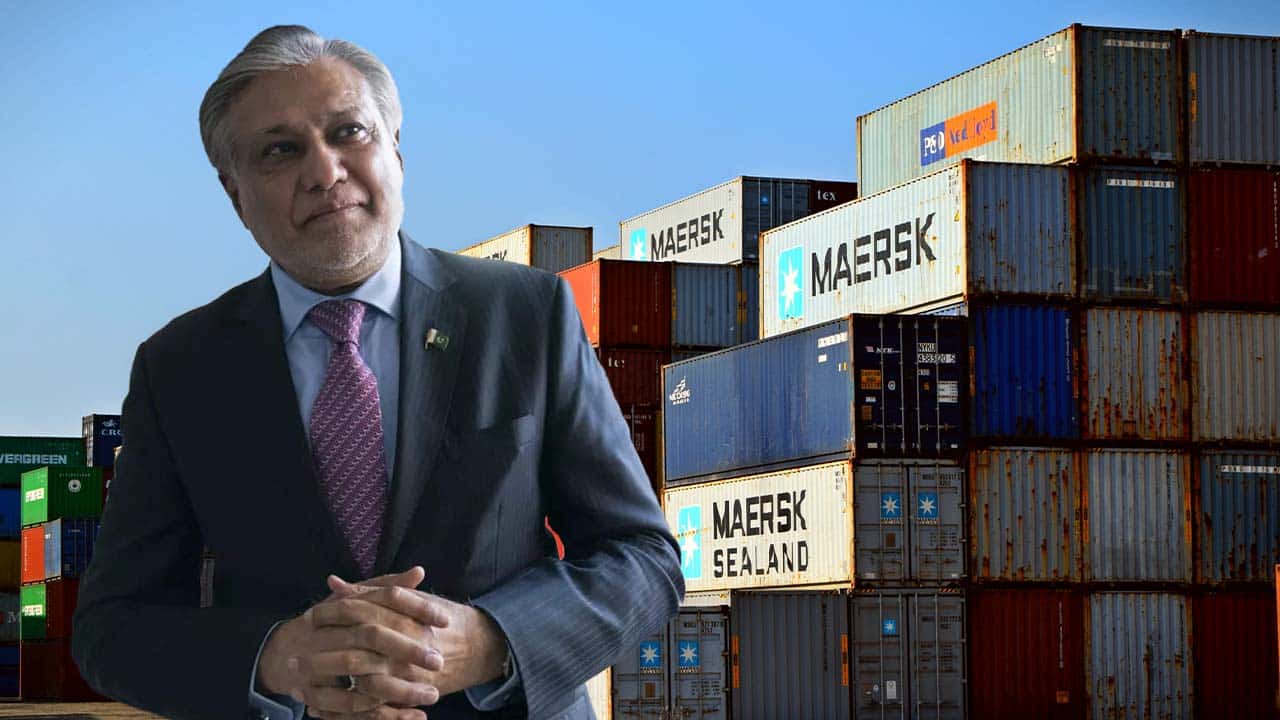
    Federal Minister for Finance and Revenue Ishaq Dar on Monday said that the government will make it easier for all exporters to import the raw materials, components, and accessories they need to meet their demands, including five previously zero-rated export-oriented sectors.

    “Export industry is one of the highest priority of our government,” the minister wrote on Twitter.

    “Five (previously) zero-rated export-oriented sectors and all other exporters will be given complete facilitation for import of raw material, parts, and accessories to meet their export requirements,” Dar added.

    The announcement comes as the country battles a dire foreign exchange crisis and industries, notably exporters, struggle to get their Letters of Credit (LC) issued

    At Karachi port, thousands of containers containing raw materials, food items, and medical supplies are stranded due to a shortage of dollars.

    Banks are refusing to grant fresh letters of credit for importers due to a shortage of needed dollars, which is undermining an economy already under pressure from high inflation and weak GDP.

  • Russian delegation will visit Pakistan tomorrow to discuss long-term oil and gas deal

    Russian delegation will visit Pakistan tomorrow to discuss long-term oil and gas deal

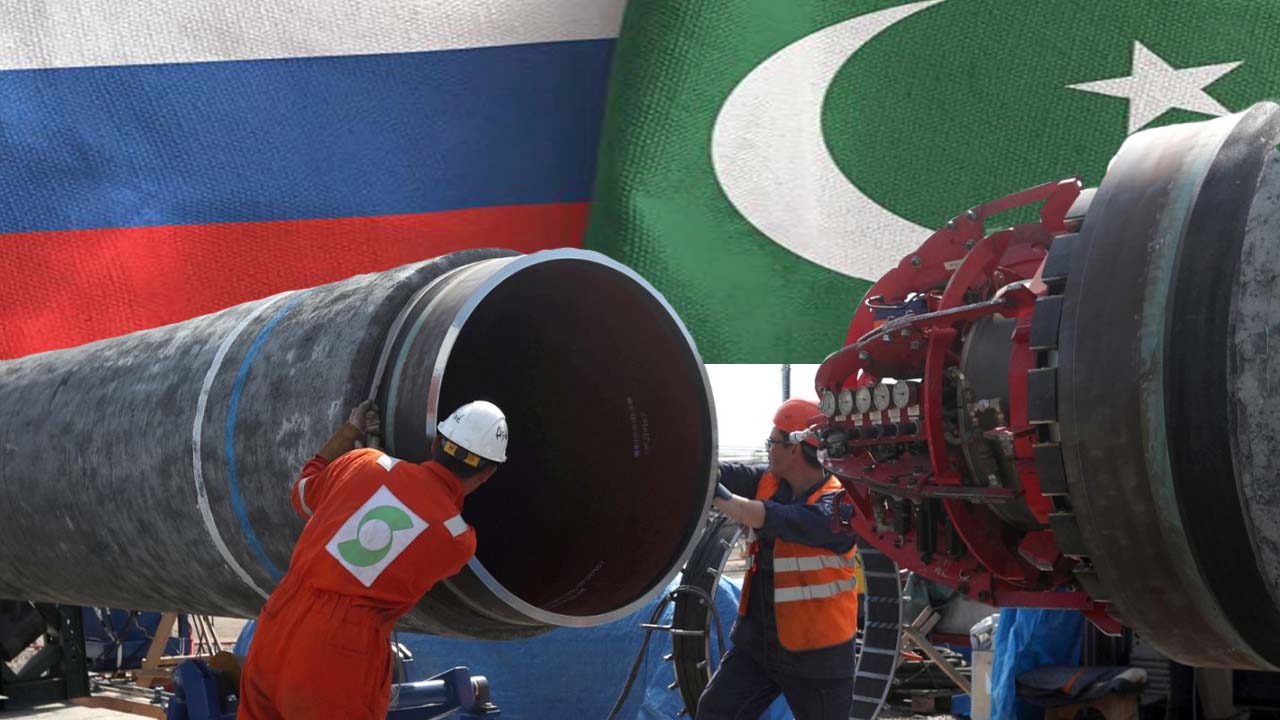
    The much-touted $3 billion Pakistan Stream Gas Pipeline (PSGP) project, as well as a long-term trade agreement for oil and liquefied natural gas (LNG), will be the topics of bilateral negotiations between Pakistan and a Russian delegation that will arrive tomorrow.

    The team, which consists of 80 personnel, will land in Pakistan on Tuesday for three days of bilateral discussions through the Inter-Governmental Commission forum (IGC).

    For the IGC negotiations, the Pakistani delegation will be led by Federal Minister Sardar Ayaz Sadiq. Both states must first negotiate the IGA (inter-governmental agreement), which was finalised and signed in the case of the Pakistan Stream Gas Pipeline Project (PSGP), formerly known as the North-South Gas pipeline project, in order to import Russian oil and LNG on a GtG basis.

    According to The News, the shareholding and facilitation agreement for PSGP was still in draught form on February 24, 2022, when former prime minister Imran Khan travelled to Moscow. Both parties wanted to sign the PSGP agreement during the Imran and Putin meeting, but it was not able to be done since the experts from both sides could not agree on several terms of the shareholding agreement.

    Currently, the G7 nations have capped the price of Russian crude oil at $60 per barrel and forbade the use of Russian ships to carry oil. In exchange, Moscow promised to stop selling oil to nations who agree to a Western price restriction on its petroleum.

    The Pakistani side will talk about the shipment costs, the premium by the shipping trader, the insurance coverage, and the payment options.

    Agribusiness, energy, customs, industry, education, research and technology, information and communication technologies, communication, roads and postal service, railroads, and finance are all included in the IGC’s agenda as areas for cooperation in trade and investments. Additionally, Pakistan’s debt to Russia will be settled and discussed.

    The potential for cooperation in the areas of electric power, hydropower, renewable energy sources, and oil and petrol production will also be discussed by the two sides.

    In their response, the Pakistani team proposed to change the model of the PSGP project. The Russian side said that the model of the project under GtG (government-to-government) arrangement had already been settled, save for some clauses of the shareholding agreement, which would soon be finalized.

  • Bitcoin price surpasses Rs4.5 million for the first time in 2 months

    Bitcoin price surpasses Rs4.5 million for the first time in 2 months

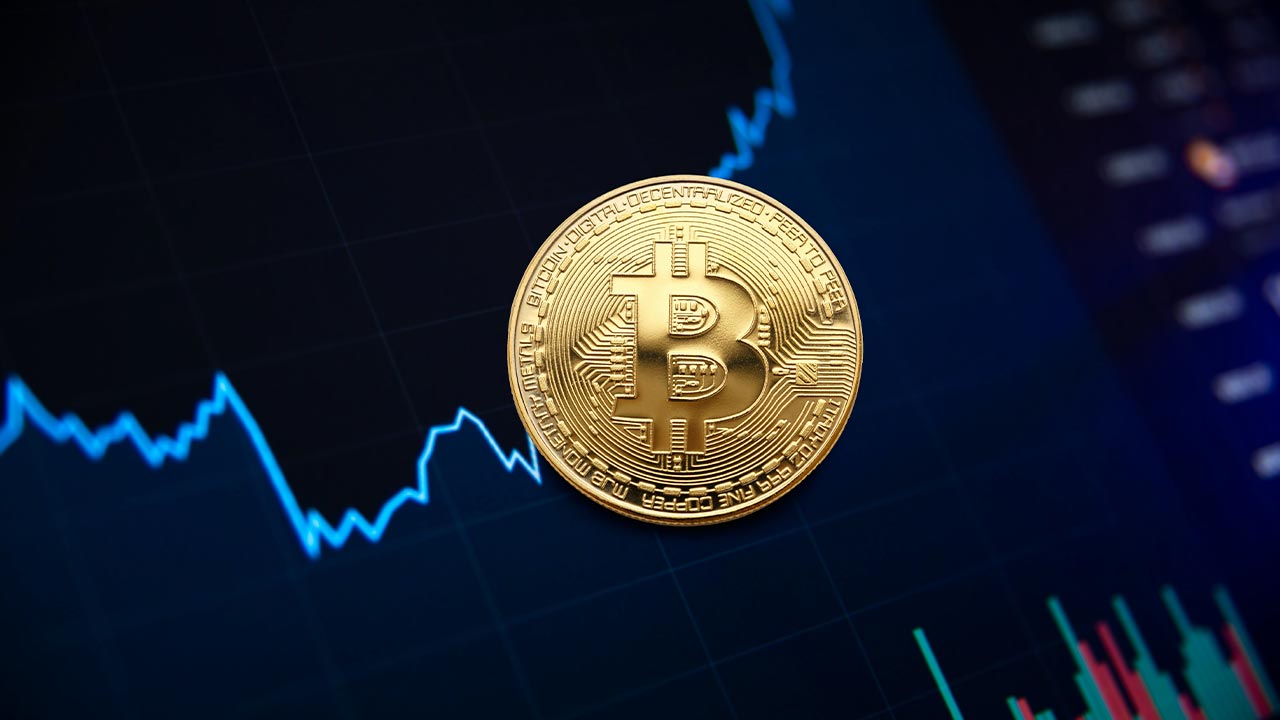
    On Saturday, Bitcoin surpassed $20,000 (Rs4.5 million) for the first time in more than two months. The strongest and most popular cryptocurrency in the world gained $922 from its previous closing to appreciate 4.6 per cent to $20,853 at 1:00 GMT on Saturday.

    Since January 1’s low of $16,496 for the year, the cryptocurrency has increased by 26.4 per cent.

    On Saturday, the price of Ether, the digital currency linked to the Ethereum blockchain network, rose by $85.90 to $1,536.3.

    Both traditional and cryptocurrency investors were pleased with the report’s findings. But it also occurs at a moment when Washington has a revived interest in cryptocurrency.

    Legislators are on high alert after FTX’s fall in November. Sam Bankman-Fried, the founder and former CEO of FTX, was detained last month and charged with eight offenses, including wire fraud and violations of campaign financing laws.

    While many on Twitter are happy with Bitcoin’s recent gains, $20,000 is still 71 per cent below the cryptocurrency’s previous record high of just over $69,000.