Category: Business

  • Pakistan Customs foils attempt to smuggle chalia worth Rs2.6 crore in Karachi

    Pakistan Customs foils attempt to smuggle chalia worth Rs2.6 crore in Karachi

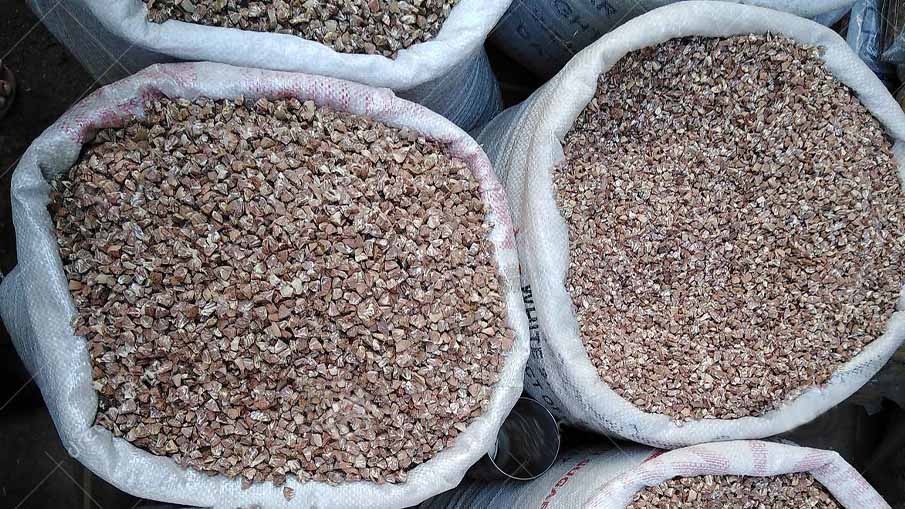
    An operation on Karachi’s Northern Bypass to smuggle chalia (betel nuts) worth millions was thwarted on Wednesday by Pakistan customs intelligence.

    According to information, the anti-smuggling squad of Pakistani customs stopped a dumper on the northern bypass of Karachi during an intelligence-based operation.

    In response to a tip, the customs team put in place intense surveillance, which resulted in the seizure of a dump truck carrying betel nuts worth around Rs26 million. A case has been filed, and further investigation is underway.

    The dangerous drug chalia (betel nuts), according to the customs inspectors, was concealed in the stones and several other cars were in the convoy with the dumper.

    Four non-custom-paid cars were also seized by the customs inspectors. The vehicles and chalia (betel nuts) are valued at Rs55 million.

    In an earlier large-scale operation, Pakistan Customs in Karachi seized non-duty-paid products worth over Rs160 million.

    The Pakistan Customs anti-smuggling team conducted the operations in various Karachi neighbourhoods.

    In another raid, the Pakistani customs team seized significant quantities of betel nuts, cigarettes, and gutka from a bus after acting on a tip-off in Liaquatabad. The items reportedly cost Rs26 million.

  • Experts predict gold price may reach Rs200,000 per tola soon

    Experts predict gold price may reach Rs200,000 per tola soon

    On Wednesday, the price of gold reached another record high as it continued its upward trend. The price of precious yellow metal in Pakistan is currently higher than the global market.

    Gold prices increased by Rs900 per tola and Rs772 per 10 grammes, respectively, according to the All-Pakistan Sarafa Gems and Jewellers Association (APSGJA). These prices now stand at Rs188,600 and Rs161,694 respectively.

    Owing to the Pakistani rupee’s depreciation against the US dollar during the present cycle and the lack of US dollars, traders predict that the price of gold would reach Rs200,000 per tola.

    According to market analysts, the $6–$8 billion inflow from multilateral and bilateral creditors will pop Pakistan’s gold price bubble.

    Silver’s price per tola, however, stayed constant at Rs2,150. The cost of 10-gramme silver remained essentially constant at Rs1,843.27.

    Gold prices increased more than 1 per cent on Wednesday, reaching their highest level since mid-June due to a weaker rupee and mounting predictions that the Federal Reserve will raise interest rates gradually rather than aggressively.

    The markets have now priced in the possibility that the central bank may raise interest rates by a full 50-100 basis points on January 23 after Pakistan’s December inflation data was revealed on Monday.

    Greater interest rates increase the opportunity cost of owning non-yielding metal, despite the fact that gold is regarded as a safe investment during times of uncertainty and a hedge against higher inflation.

  • Govt retrieves precious property worth Rs23 billion from illegal occupants

    Govt retrieves precious property worth Rs23 billion from illegal occupants

    The Evacuee Trust Property Board (ETPB) has retrieved more than 3,500 acres of property worth Rs23 billion from illegal occupants, along with Rs650 million in rent arrears.

    This was revealed during the press conference alongside the ETPB chairman by Dr Shoaib Suddle, the chairman of the One Man Commission, according to The News. He claimed that in accordance with the Supreme Court’s instructions, a forensic audit of the trust board was carried out. Based on the audit’s findings, a plan of action was decided with the help of the ETPB and FIA.

    He said that the department’s revenue will increase as a result of the chairman board’s use of contemporary systems including the online billing system, complaints, geo-tagging, and e-office.

    The department had disposed of valuable trust land/property worth billions of rupees with the aid of FIA, the biggest undertaking in the board’s history to date, the ETPB chairman told the media representatives.

    In response to a query, he stated that various review sessions are held with the Trust Board and the FIA in accordance with the directives of the One-Man Commission, during which the action plan is formally implemented. Temples and Gurdwaras that are still in use have been renovated, and security measures have been improved.

  • Traders reject govt’s early market closure plan

    Traders reject govt’s early market closure plan

    The federal government’s proposal to close all markets and restaurants by 8:30 pm. as part of a new energy conservation plan has been opposed by traders across the nation, who claim that such measures cannot be used to save energy.

    The chief of Markazi Tanzeem-e-Tajran Pakistan (MTTP), Kashif Chaudhry, said that the government had developed the policy without consulting the business community and had failed to adhere to the energy conservation plan.

    “It is not possible to save energy by such measures,” Kashif Chaudhry said, warning of “strong resistance” if the government tried to forcefully close the market.

    He regretted the fact that the administration opted to enact its “unilateral” action despite loud protests and assurances from the authorities.

    In an effort to conserve energy, he urged that the government forbid its employees from using heaters and air conditioners in their workplaces. He said that since we buy the most expensive electricity, advantageous plans should be developed for us.

    Meanwhile, the president of the Karachi Electronics Dealers Association, Rizwan Irfan, disclosed that the Sindh government has met with owners of wedding venues and restaurants over the energy-saving strategy.

    During the meetings, he claimed, all parties involved agreed that markets and malls should be permitted to stay open until 9 or 10 pm., while eateries and wedding venues should be permitted to stay open until 11 or 12 pm.

    “However, despite the Sindh government’s assurance, they imposed a unilateral decision,” Irfan lamented, asking the government to bear their expenses.

    Additionally, Ilyas Memon, president of the Saddar Traders Association, claimed that the decision to close markets early amounted to the destruction of enterprises.

    “The police and the administration should not harass the businessmen,” he said, adding that the Sindh government should not file an FIR as per the decisions taken in the consultation meeting.

  • Gold price hits new all-time high of Rs187,200 per tola

    Gold price hits new all-time high of Rs187,200 per tola

    For the first time in Pakistan’s history, the price of gold passed Rs187,000 per tola.

    On Monday, the price of 24-carat gold per tola increased by Rs3,300, reaching an all-time high of Rs187,200 compared to the last trading day’s sale of Rs183,900.

    According to the All-Pakistan Sarafa Gems and Jewellers Association (APSGJA), the price of gold increased by Rs3,300 per tola and Rs2,829 per 10 grammes, respectively, to settle at Rs187,200 and Rs160,494.

    From Rs126,000 per tola on December 31, 2021, the yellow metal has increased by Rs57,900, or 45.95 per cent .

    According to the group, the price of gold in Pakistan has been “overcost” by Rs6,500 per tola when compared to pricing in Dubai. This indicates that the price of gold in Pakistan is currently higher than it is on the global market.

    The discrepancy between the official price of gold and the price it is being sold for is growing. The official price in the Sarafa market, as announced by the association, is Rs187,200 per tola. But the price at which it is being sold is reportedly higher.

    According to Geo, due to the rupee’s depreciation against the US dollar during the present cycle, financial experts and goldsmiths predict that the price of gold may increase to Rs200,000 per tola.

  • Govt raises ghee price by Rs75 per kg, sugar by Rs19 per kg

    Govt raises ghee price by Rs75 per kg, sugar by Rs19 per kg

    The government-run Utility Store Corporation (USC) has increased the price of sugar, flour, ghee, and other food items despite the prime minister’s relief package.

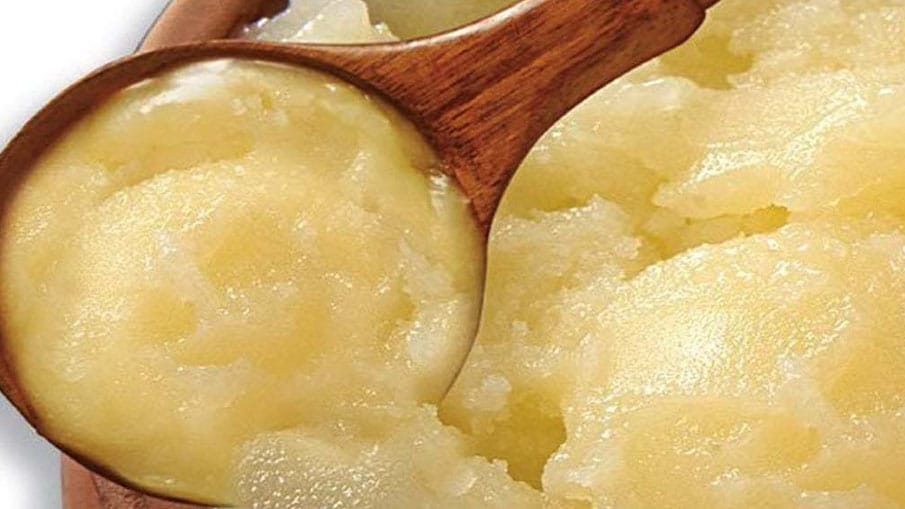
    Utility stores increased the price of sugar by Rs19 per kg, ghee by Rs75 per kg, and 20 kg bag of flour by Rs496.

    According to the notification, the new prices will go into effect at utility stores all around the nation on January 1, 2023.

    The Benazir Income Support Programme’s (BISP) deserving beneficiaries will not be subject to the new pricing.

    Prime Minister Shahbaz Sharif had previously stated that Food Stores Corporation would provide targeted subsidies on basic food items. These products included rice, lentils, ghee, sugar, and flour. Customers who are registered in the Benazir Income Support Programme are eligible to purchase food from the Food Stores outlets at discounted prices.

    In the meantime, the Food Stores Corporation has instructed all of its clients and consumers to SMS their Computerized National Identity Card numbers from their mobile phones to 5566. After receiving a one-time password, they can then purchase goods and apply for subsidies.

  • Twitter sued for failing to pay San Francisco office rent

    Twitter sued for failing to pay San Francisco office rent

    Elon Musk’s social media company is being sued by California Property Trust, the owner of the building where Twitter’s headquarters are located, for failing to pay $136,250 in rent.

    Bloomberg reports (via The Verge) that on December 16th, the company informed Twitter that it would be in breach of its contract for the 30th floor of the Hartford Building in San Francisco if it did not make the unpaid rent payment within four days.

    Twitter was said to have disobeyed the order by California Property Trust in a complaint submitted this week to the San Francisco County Superior Court.

    The New York Times reported on December 13 that Twitter had just stopped paying rent on all of its international locations to reduce costs. In addition, the business is being sued for failing to reimburse Musk for $197,725 in charter flights he took during his first week working for Twitter. In the same time frame, Musk is said to have bolstered Twitter’s legal team with “more than half a dozen” attorneys from SpaceX.

  • Petrol price to remain unchanged at Rs214.80 per litre for next fortnight

    Petrol price to remain unchanged at Rs214.80 per litre for next fortnight

    Finance Minister Ishaq Dar announced on Saturday that the government will maintain the price of petroleum products for the next two weeks.

    In a video statement, he said that the Oil and Gas Regulatory Authority (OGRA) requested an increase in domestic rates of petroleum products because of the upward trend in oil prices. However, he said that the price revision was rejected by the government.

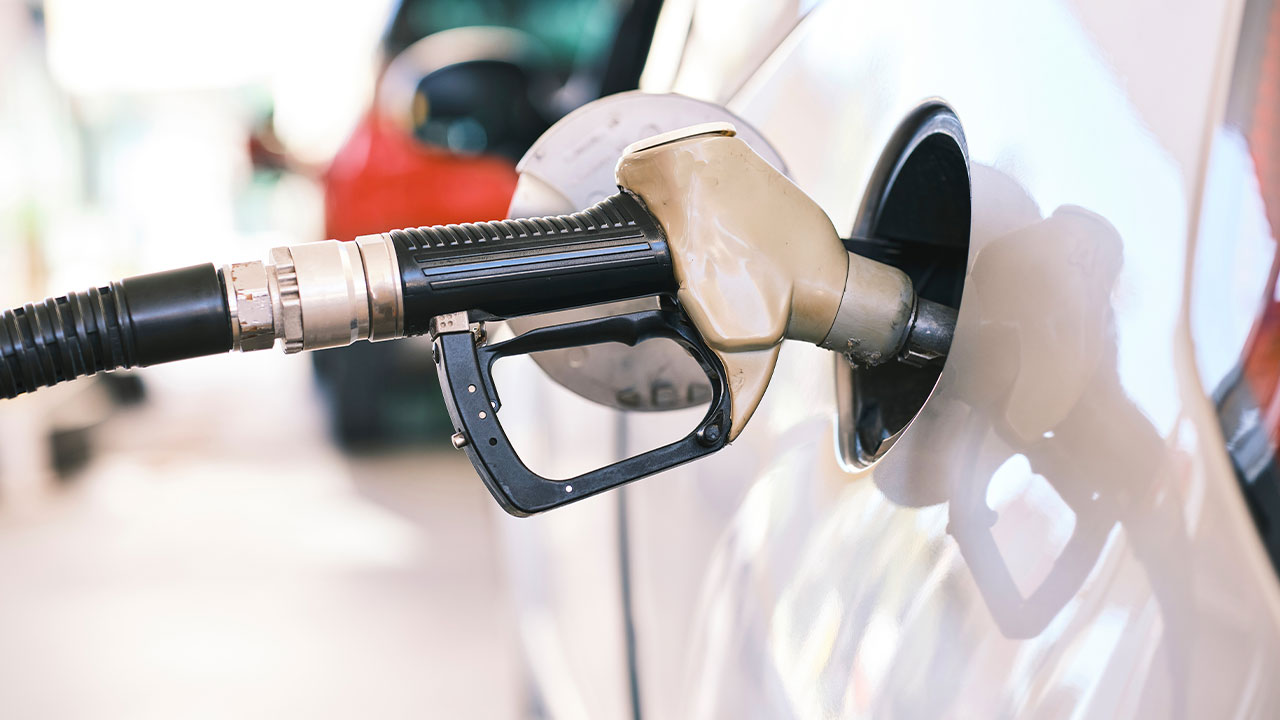
    The price of petrol will remain unchanged at Rs214.8 per litre while diesel will be sold at Rs227.80 per litre till mid-January 2023.

    Kerosene oil will be sold at Rs171.83 per litre while light diesel oil will be sold at Rs169 per litre.

    “Kerosene is used by the low-income segment for heating needs,” the finance minister said.

    Previously, the market anticipated that the cost of petroleum products would remain unchanged.

  • Weekly inflation jumps by over 29% due to rising food prices

    Weekly inflation jumps by over 29% due to rising food prices

    The Sensitive Price Indicator (SPI) based inflation for the week ended December 29, recorded a decline of 0.09 per cent due to a reduction in the prices of food and non-food items, according to the Pakistan Bureau of Statistics (PBS).

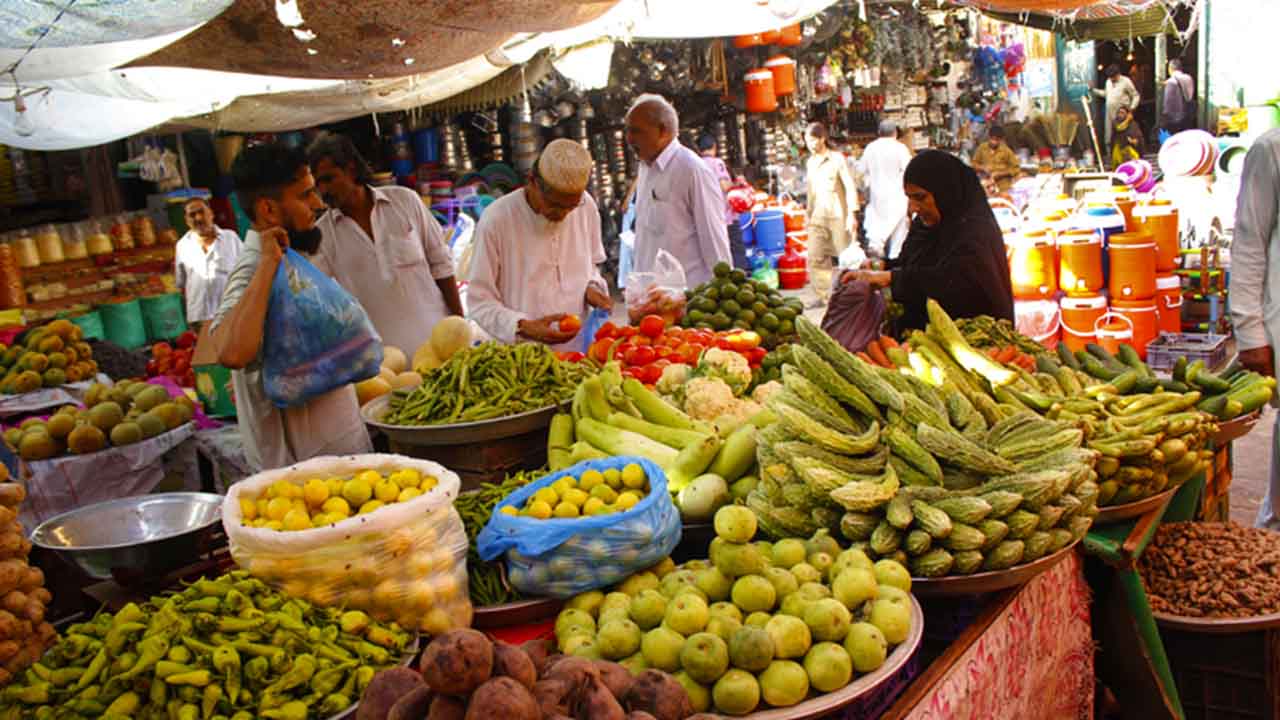
    The year-on-year trend shows an increase of 29.30 per cent owing to an increase in the prices of onions (498.08 per cent), tea lipton (65.41 per cent), diesel (65.05 per cent), chicken (64.20 per cent), petrol (52.19 per cent), salt powdered (51.99 per cent), eggs (49.11 per cent), pulse moong (46.94 per cent), bananas (45.06 per cent), pulse gram (44.42 per cent) and mustard oil (41.64 per cent), while decrease is observed in the prices of chillies powdered (34.18 per cent), electricity for q1 (13.96 per cent) and gur (1.38 per cent).

    During the week, out of 51 items, prices of 23 (45.10 per cent) items increased, 07 (13.72 per cent) items decreased and 21 (41.18 per cent) items remained stable.

    The SPI for the consumption group up to Rs17,732, Rs17,732-22,888, Rs22,889-29,517 and above Rs44,175 decreased by 0.07 per cent, 0.12 per cent, 0.03 per cent and 0.12 per cent respectively while it increased by 0.02 per cent for the consumption group Rs29,518-44,175.

    The items, which recorded an increase in their average prices during the week over previous include eggs (2.86 per cent), rice basmati broken (2.81 per cent), wheat flour bag 20 kg (2.81 per cent), bread plain (2.76 per cent), firewood whole 40 kg (2.49 per cent), LPG (1.61 per cent), energy saver (1.27 per cent), bananas (1.18 per cent), gur (0.99 per cent), garlic (0.90 per cent), pulse masoor (0.80 per cent), mustard oil (0.72 per cent), rice irri-6/9 (0.60 per cent), pulse mash (0.54 per cent), tea prepared (0.45 per cent), sufi washing soap (0.28 per cent), pulse gram (0.26 per cent), onions (0.25 per cent), curd (0.23 per cent), chicken (0.20 per cent), milk fresh (0.15 per cent), pulse moong (0.12 per cent) and beef with bone (0.02 per cent).

    The items, which saw a reduction in their average prices included potatoes (8.85 per cent), tomatoes (6.02 per cent), electricity charges (2.44 per cent), vegetable ghee dalda/habib (1.47 per cent), sugar (1.22 per cent), vegetable ghee dalda/habib or other superior quality 1 kg pouch each (0.45 per cent) and cooking oil dalda or other similar brand (sn), 5 litre tin each (0.04 per cent).

  • SBP hikes export financing markup rates from 11% to 13%

    The State Bank of Pakistan (SBP) has revised the rates of specialised lending schemes in accordance with its increased monetary policy rate of 16 per cent.

    SBP said it had decided to reduce the gap between its policy rate and the Export Finance Scheme (EFS) and Long-Term Financing Facility (LTFF) rates from the existing 5 per cent to 3 per cent, according to a circular released by the central bank.

    The notification stated that the revised tariffs will be effective from December 30, 2022.

    “Further, as mentioned in above referred circular, in [the] future with any change in the SBP policy rate, markup rates for EFS and LTFF will be revised automatically so that the gap between [the] policy rate and EFS & LTFF rates is maintained at 3 per cent,” the central bank added.

    Exporters and industrialists, who are already feeling the strain of strong inflationary pressures together with record increases in energy costs, are anticipated to see a rise in the cost of doing business as a result of higher financing rates.