Category: Business

  • Elon Musk’s Twitter takeover and what it means for you

    Elon Musk’s Twitter takeover and what it means for you

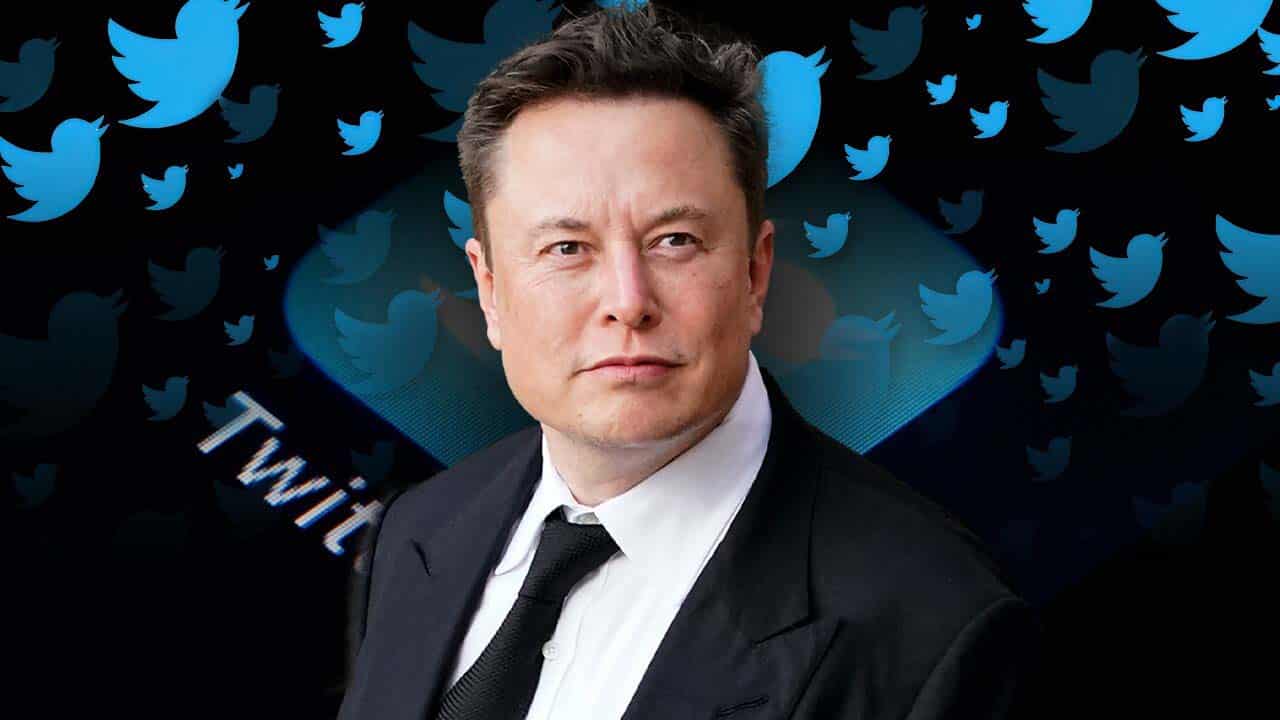
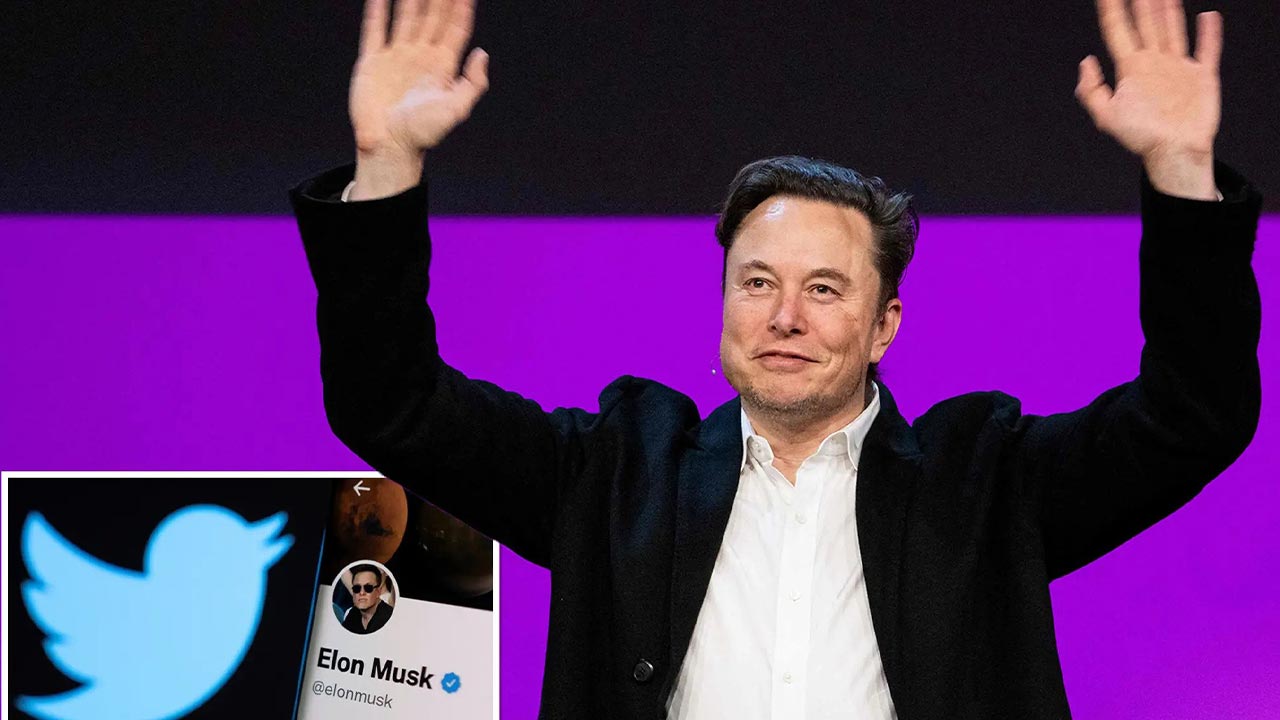
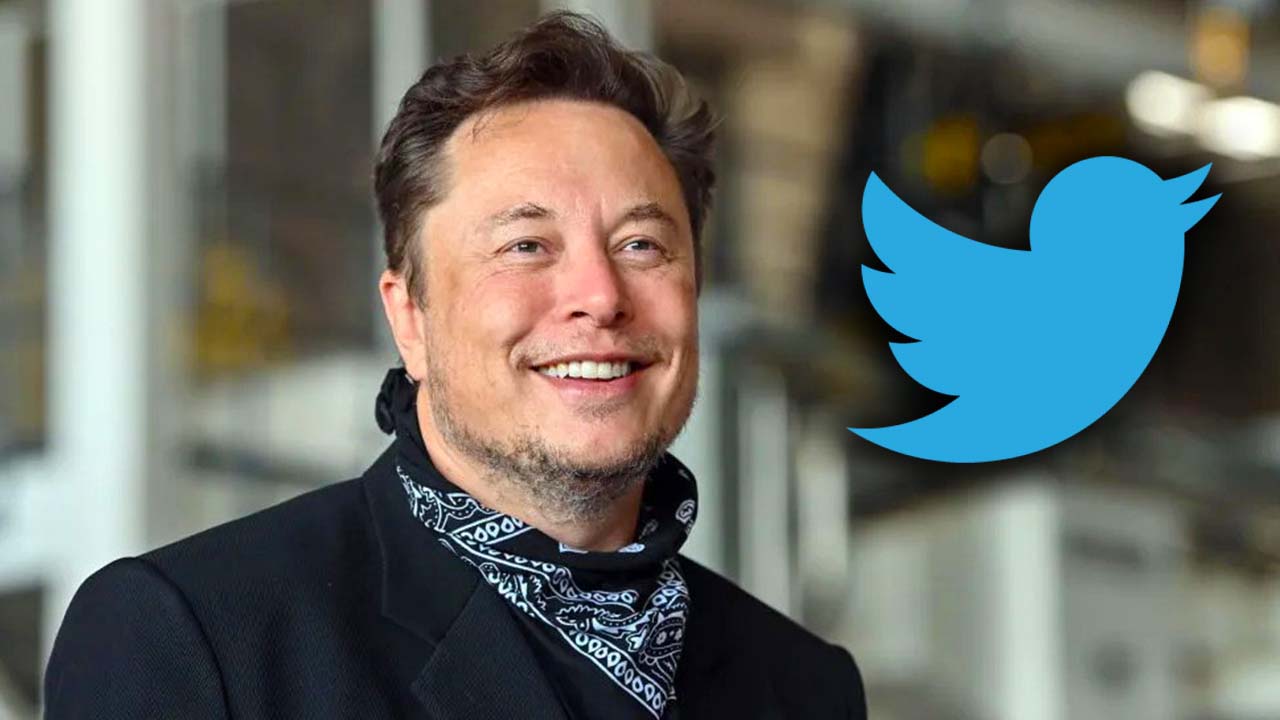
    The Chief Executive Officer (CEO) of Tesla and the world’s richest man, Elon Musk, has finally closed the $44 billion deal to acquire Twitter.

    The “Chief Twit” allegedly fired Twitter’s senior executives, including its CEO Parag Agrawal and its head of legal policy Vijaya Gadde, on Thursday after closing the $44 billion deal.

    The takeover may bring significant changes to Twitter. The indicators have gotten stronger since the senior management was fired on the first day. Musk has previously made various allusions to the possibility of changing the online platform.

    This might not be good news if you use Twitter and value your online privacy. The platform has struggled with privacy and security issues for years, and it has been slow to put any potential fixes into action. As a result, it’s possible that everything you’ve ever done or said on Twitter, whether it was in public or private, including your direct messages, belongs to one of the wealthiest individuals in the world, a man notorious for being unpredictable, childish, and even vengeful.

    Additionally, it is now owned by a man who wanted to fire 75 per cent of the company’s employees, which might further jeopardise Twitter’s security.

    Noman Javed, an electrical engineer from Lahore, Pakistan, who has been using Twitter since 2010, said that given how immature and erratic Musk has always been, “anything is possible” on the social networking site. Musk has previously stated numerous times that he wants to support free expression and allow people to write anything; although this may sound positive, it can also be risky. As if everyone can tweet anything they want without worrying about being blocked or experiencing any negative effects.

    Javed anticipates that there may be increased disputes and debates on the platform, particularly between Indian and Pakistani users who regularly argue over a variety of topics, including sports and religion.

    According to TIME, when Musk commenced the takeover in April, he wrote CEO Agrawal, “I have a tonne of ideas.”

    Musk lists the preservation of “free expression” on Twitter as one of his key concerns. One of the primary advocates for removing Trump from the platform, Vijaya Gadde’s dismissal is regarded as the first step in that direction.

    After the attacks on Capitol Hill on January 6, 2021, Trump was taken from the podium. A few other right-wing speakers were banned from the stage for promoting false information and divisive ideas.

    In a survey Musk conducted in March, he found that 74 per cent of users wanted an “edit” feature. The edit button has already begun to undergo testing on Twitter, but it has not yet been made available everywhere.

    Musk has spoken out against the pervasive use of bots on Twitter. Musk said in September that 90% of the replies on his tweets are automated. Even Agrawal was targeted with the assertion that eight out of ten Twitter accounts are bogus.

    He might take action in the coming days based on bots and phoney accounts. However, a Scottish digital university called CodeClan claims that if Musk bans bots, he might lose as many as 13.5 million followers.

    According to Bloomberg, in April, Musk reportedly disclosed to the banks his plans to create features to increase business revenue, including novel ways to monetize tweets that contain significant information or go viral.

    He suggested ideas including charging a fee when a third-party website wants to reference or incorporate a tweet from a verified person or organisation.

    A UCLA adjunct professor named Robert McCann claims that Musk’s public criticism of Twitter and its leadership has caused a “significant erosion of trust” on the website.

    Employee morale can suffer, and it might “spook” potential customers. Additionally, due to the restructuring at the very top, more employees may voluntarily quit the company after the purchase.

    In an open letter to advertisers published on Thursday, billionaire Elon Musk said he wouldn’t allow Twitter to devolve into a “free-for-all hellscape, where anything can be said with no consequences.” His apparent goal was to allay users’ and advertisers’ concerns the day before his $44 billion acquisition.
  • Elon Musk says he is buying Twitter to ‘help humanity’, not to make more money

    Elon Musk says he is buying Twitter to ‘help humanity’, not to make more money

    Elon Musk intends to collaborate with advertisers as his $44 billion purchase of Twitter is set to close. Musk reiterates that he is acquiring Twitter because it is a pillar of civilization and that doing so will benefit humanity in a statement to advertisers.

    Musk’s appeal reflects concerns that the platform might turn into a swamp of free-for-all commentary once he acquires it and that numerous people with extreme views could have unlimited access to it. With Musk leading Twitter, there is a chance that many advertisers may decide to abandon the platform.

    Musk guarantees in his note that once he buys Twitter, it wo n’t be free for all. It goes without saying that Twitter cannot devolve into a free-for-all hellhole where anything may be spoken without repercussions.

    “In addition to adhering to the laws of the land, our platform must be warm and welcoming to all,” he tweeted via a note.

    “Twitter aspires to be the most respected advertising platform in the world that strengthens your brand and grows your enterprise. To everyone who has partnered with us, I thank you. Let us build something extraordinary together.”

    In the message, Musk highlighted why he is buying Twitter. He says, “The reason I acquired Twitter is because it is important to the future of civilization to have a common digital town square, where a wide range of beliefs can be debated in a healthy manner, without resorting to violence,” he writes. “That is why I bought Twitter. I didn’t do it because it would be easy. I didn’t do it to make more money. I did it to try to help humanity, whom I love. And I do so with humility, recognizing that failure in pursuing this goal, despite our best efforts, is a very real possibility.”

    It’s the exact explanation Musk initially offered when he first announced his attempt to acquire Twitter for about $44 billion in April of this year. He quickly changed his mind, claiming he was no longer interested in purchasing Twitter because, in his opinion, the platform inflates the number of real, active users.

    Twitter disputed the accusations and sued Musk in court. Later, Musk promised to execute the transaction, and the court ordered him to do so by October 28.

    Elon Musk intends to collaborate with advertisers as his $44 billion purchase of Twitter is set to close. Musk reiterates that he is acquiring Twitter because it is a pillar of civilization and that doing so will benefit humanity in a statement to advertisers.

  • Elon Musk enters Twitter office holding a bathroom sink

    Elon Musk enters Twitter office holding a bathroom sink

    Billionaire Elon Musk entered the Twitter’s San Francisco office on Wednesday with a bathroom sink in his hands, with just a few more days to finalise his acquisition of Twitter and avoid a fresh court hearing.

    “Entering Twitter HQ – let that sink in!” the Tesla and SpaceX CEO tweeted with a video of his entrance.

    Earlier, Musk also changed his bio on Twitter, where he has more than 110 million followers, to “Chief Twit.”

    Musk must finalise the purchase of Twitter by Friday at 5 p.m. Eastern Time, or else he will have to consider going to trial once again.

    When Musk attempted to terminate their $44 billion merger deal, Twitter sued him on the grounds that it had been negligent in disclosing information concerning spam and bots on its network, which he claimed would have a materially negative impact. This was refuted by Twitter.

    After Musk said that he would in fact be prepared to purchase Twitter, a judge in the Delaware Chancery Court set the Friday deadline.

    Twitter wants the court to continue to be engaged because it did not trust Musk’s word. The judge ultimately decided to postpone the trial that had been scheduled for last week and gave the parties until the end of this week to reach a settlement; otherwise, she would schedule fresh trial dates for November.

  • ADB transfers $1.5 billion loan to Pakistan

    ADB transfers $1.5 billion loan to Pakistan

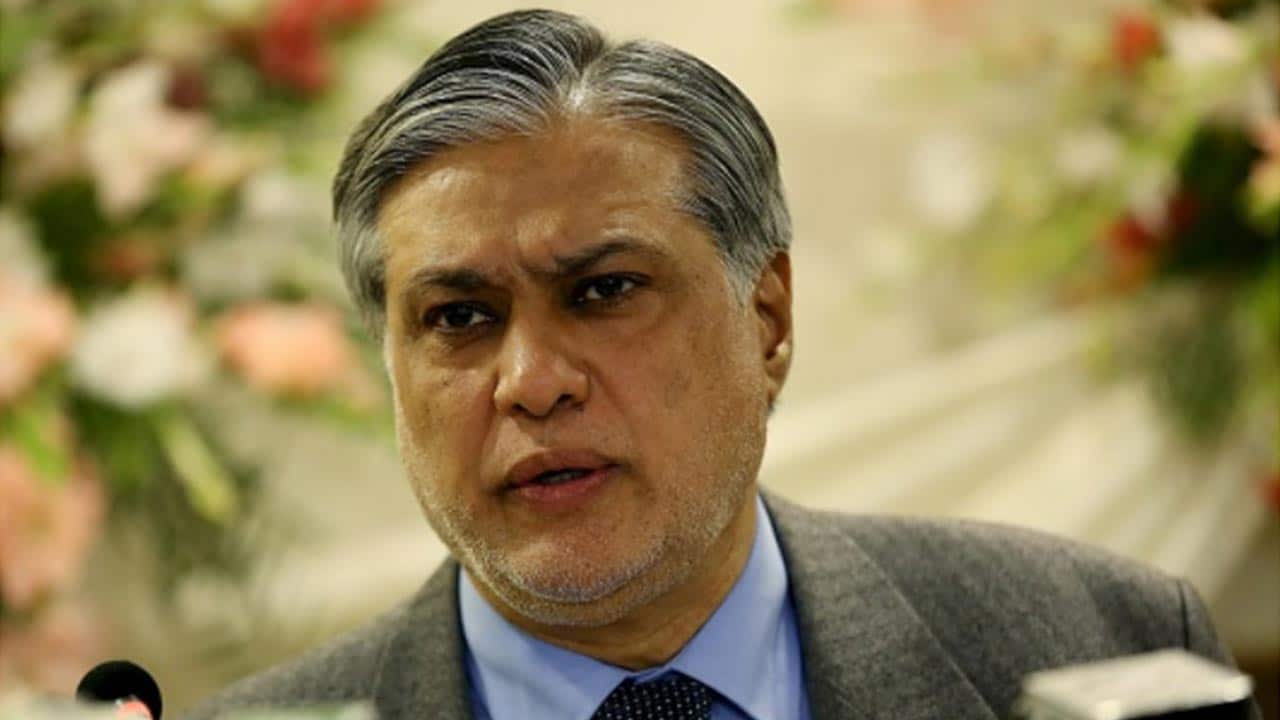
    Finance Minister Ishaq Dar said that the Asian Development Bank (ADB) had transferred a $1.5 billion loan to Pakistan on Wednesday.

    The loan would increase foreign exchange reserves and stop the devaluation of the rupee.

    The support from ADB will help increase the number of families receiving cash transfers from 7.9 million to 9 million, boost the enrollment of kids in primary and secondary schools, and improve the geographic reach of health services and nutritional supplies for infants under 2 years old and expectant and nursing mothers.

    With the transfer of ADB, Pakistan’s foreign exchange reserves held by the State Bank of Pakistan (SBP) have reached $9 billion.

    As of October 14, the nation’s total foreign exchange reserves were at $13.25 billion, which included SBP’s holdings of $7.597 billion, or almost five weeks’ worth of restricted imports.

    The $1.5 billion ADB loan is intended to encourage employment for people in the midst of disastrous floods and interruptions to the global supply chain while also promoting food security and social protection.

    Following the signing of the loan agreement, the ADB released a statement saying that the funding will give the government the fiscal breathing room it needs to implement its package, which is intended to help Pakistan’s poorest families, who are frequently disproportionately impacted during times of crisis.

    According to the bank, the government’s assistance includes specific initiatives to encourage gender empowerment and climate change adaptation, which have grown even more crucial in light of the most recent floods.

  • Pakistan’s default risk hits a 13-year-high, reflecting foreign investors’ lack of faith

    Pakistan’s default risk hits a 13-year-high, reflecting foreign investors’ lack of faith

    The risk of default for Pakistan, as determined by the 5-year credit default swap (CDS), increased on Tuesday by 3.07 percentage points in a single day to reach a 13-year high of 52.8 per cent, indicating that foreign investors no longer have confidence in the nation.

    Before the Covid-19 outbreak in Pakistan in February 2020, the CDS was between 5 per cent and 6 per cent.

    According to Express Tribune, owing to uncertainties surrounding the renewal of the International Monetary Fund (IMF) loan programme, it peaked at over 30 per cent in the middle of this year.

    Later, as the major lender resumed its $6.5 billion programme in late August 2022 and subsequently released a $1.2 billion tranche, the CDS experienced a small recovery.

    Today, meanwhile, it is rapidly rising once more, indicating that international investors now believe Pakistan will not be able to pay back its maturing debt.

    On December 5, 2022, the country is required to repay $1 billion to overseas investors against the maturity of the 5-year Sukuk.

    The 5-year Third Pakistan International Sukuk’s yield (rate of return) is quite high, hovering at 145 per cent. Before the Covid-19 epidemic, it was around 10 per cent.

    In addition, the yield on bonds due in 2024 and 2025 is currently high at 90 per cent and 57.5 per cent, respectively, up from a low of 10 per cent in the past.

    The country’s foreign exchange reserves have decreased by about $9 billion over the past 10 months, which has caused alarm among the foreign investors.

    They are currently only covering about 1.10 months’ worth of imports at $7.6 billion, down from $20 billion (three months’ worth of imports) in August 2021.

    Ishaq Dar, the finance minister, and Miftah Ismail, his predecessor, have taken every precaution to avoid the likely default.

    They have repeatedly reassured the foreign investors that when the time came, the nation would easily repay the maturing $1 billion in December as well as fulfil other international payment obligations.

    Foreign investors are receiving warnings from the situation that the nation may default.

    However, the leadership of the nation has fully secured the $36–40 billion needed from international lenders for the current fiscal year 2023 to pay off the nation’s approximately $21 billion in foreign debt, finance approximately $10–12 billion current account deficit, and increase its foreign exchange reserves to approximately $16 billion by June 30.

    According to experts, the country’s foreign exchange reserves will increase and confidence among foreign investors will be restored with the arrival of $1.5 billion from the Asian Development Bank (ADB) in a few days and another $500 million from the Asian Infrastructure Investment Bank (AIIB) in the current month.

    They continued by saying that the inflows should also aid in lowering bond and CDS yields.

    Experts said that Saudi Arabia was the destination of Prime Minister Shehbaz Sharif’s official visit. The host nation has declared that it is resuming its investment ambitions, which include establishing an oil refinery in Pakistan for an investment of $10 billion.

    The Kingdom’s investment choice coming to fruition will also aid in regaining the trust of foreign investors in Pakistan.

    When PM Shehbaz travels to the second-largest economy in the world in November, the nation is also anticipated to get a rollover loan from China worth $6.3 billion, they claimed.

  • Azad Jammu and Kashmir gets its first-ever commercial airline

    Azad Jammu and Kashmir gets its first-ever commercial airline

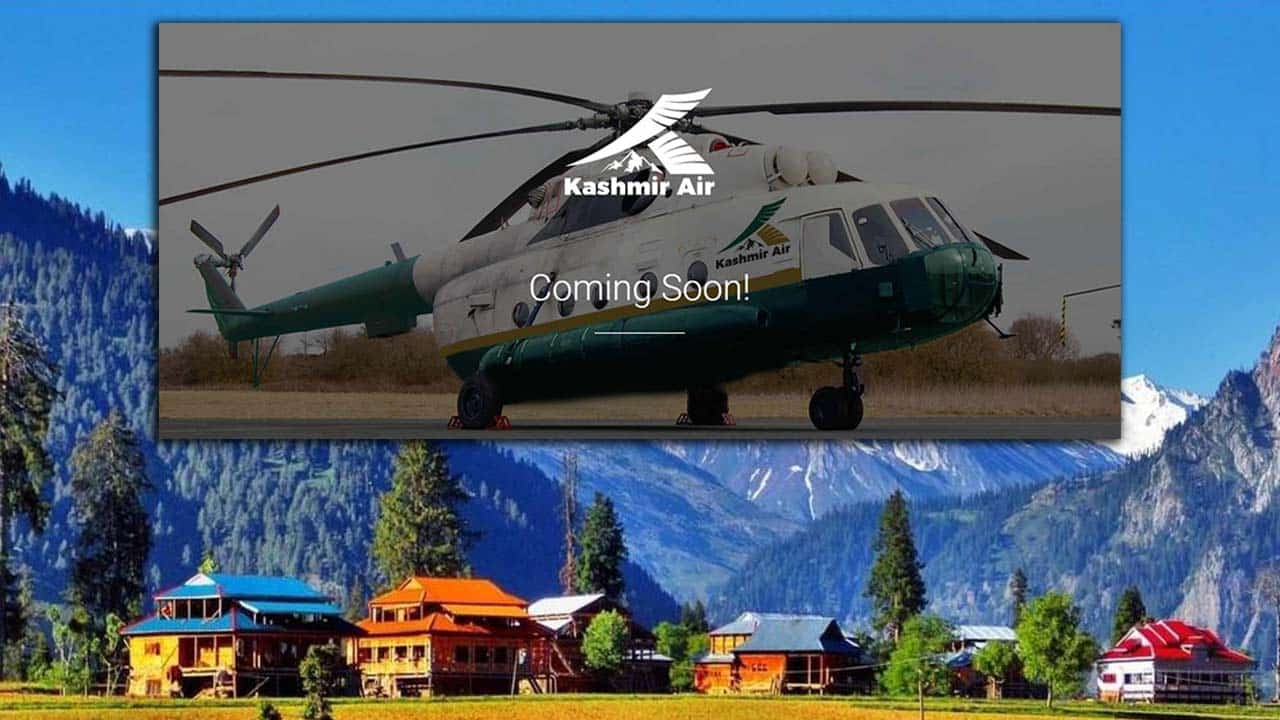
    In an attempt to promote tourism in the area, President Dr Arif Alvi has announced commercial helicopter flying operations of Kashmir Air in Azad Jammu and Kashmir (AJK).

    The president stated that AJK is gifted with enormous natural beauty and tourist potential and that the business sector should step forward to enhance AJK’s tourism industry in order to realise its full potential. The president was speaking at the inauguration ceremony for Kashmir Air on Tuesday in Bagh.

    According to Samaa, a private firm called Kashmir Air will launch regular commercial helicopter flights to the AJK and other parts of northern Pakistan to transport visitors.

    The president spent a full day in AJK, where he opened the helicopter flight service, paid a visit to the flagship facility of a healthcare IT business in Bagh, inaugurated a high-end private school, and learned about plans to build a hospital in Abbaspur.

    Along with developing tourism-friendly regulations to encourage private-sector investment, President Alvi asked the AJK government to promote environmentally responsible and sustainable tourism.

    He stated that tourism was now a major industry in many developing nations and was seen as a key driver of foreign exchange earnings, employment creation, and the elimination of economic inequalities.

    The president claimed that the UN had failed to settle the Jammu and Kashmir conflict in a manner that satisfied the demands of the Kashmiri people.

    He claimed that the UN resolutions serve as the foundation for the people of Indian Illegally Occupied Jammu and Kashmir’s (IIOJK) resistance. He said that although the UN was established to prevent conflicts and wars, since its founding it has mostly served to advance the interests of western nations.

    “Genocide Watch has warned that Muslims and other minorities in India are insecure but nobody is coming forwards to listen to the minorities and Muslims of India who are under constant threat,” the president added.

    He reaffirmed Pakistan’s desire to resolve all of its disputes, including Jammu and Kashmir, through dialogue. Pakistan desires a peaceful resolution to the IIOJK, but the president has cautioned India not to see Pakistan’s peace efforts as a sign of weakness.

    He claimed that the IIOJK people had made immeasurable sacrifices and that Pakistan will continue to stand with them morally, politically, and diplomatically until they were granted the right to self-determination in accordance with UN resolutions.

  • Total volume of debt on Pakistan has risen to Rs49.2 trillion

    Total volume of debt on Pakistan has risen to Rs49.2 trillion

    The National Assembly was informed on Monday that Pakistan now owes a total of Rs49,200 billion.

    According to Finance Minister Ishaq Dar, as of June 30, 2022, the country had a domestic debt of Rs31,000 billion and an external debt of Rs18,160 billion.

    Indicators for the sustainability of the nation’s external debt further declined in the previous fiscal year, according to a report from the finance ministry, as a result of the government’s increased reliance on short-term loans from abroad and the risks associated with refinancing and rupee depreciation.

    For the fiscal year 2021–2022, the public debt indicators linked to debt maturity, currency risks, refinancing risks, and interest rate risks had gotten worse, according to the Annual Debt Review and Public Debt Bulletin.

    The Public Debt Management Office and the federal government did a dismal job, within a year, the overall public debt increased by Rs9.3 trillion, from Rs39.9 trillion to Rs49.2 trillion. according to Express Tribune.

    According to the finance ministry, currency depreciation caused an increase of Rs3.8 trillion as the exchange rate dropped from Rs157.3 to a dollar in June 2021 to Rs204.4 in June 2022. Budget finance requirements were the cause of the remaining increase.

    The proportion of external debt in the total public debt climbed from 34 per cent in 2020–21 to 37 per cent in the most recent fiscal year. It was approaching the 40 per cent upper limit.

  • Saudi Arabia to set up $12 billion refinery, petrochemical complex in Pakistan

    Saudi Arabia to set up $12 billion refinery, petrochemical complex in Pakistan

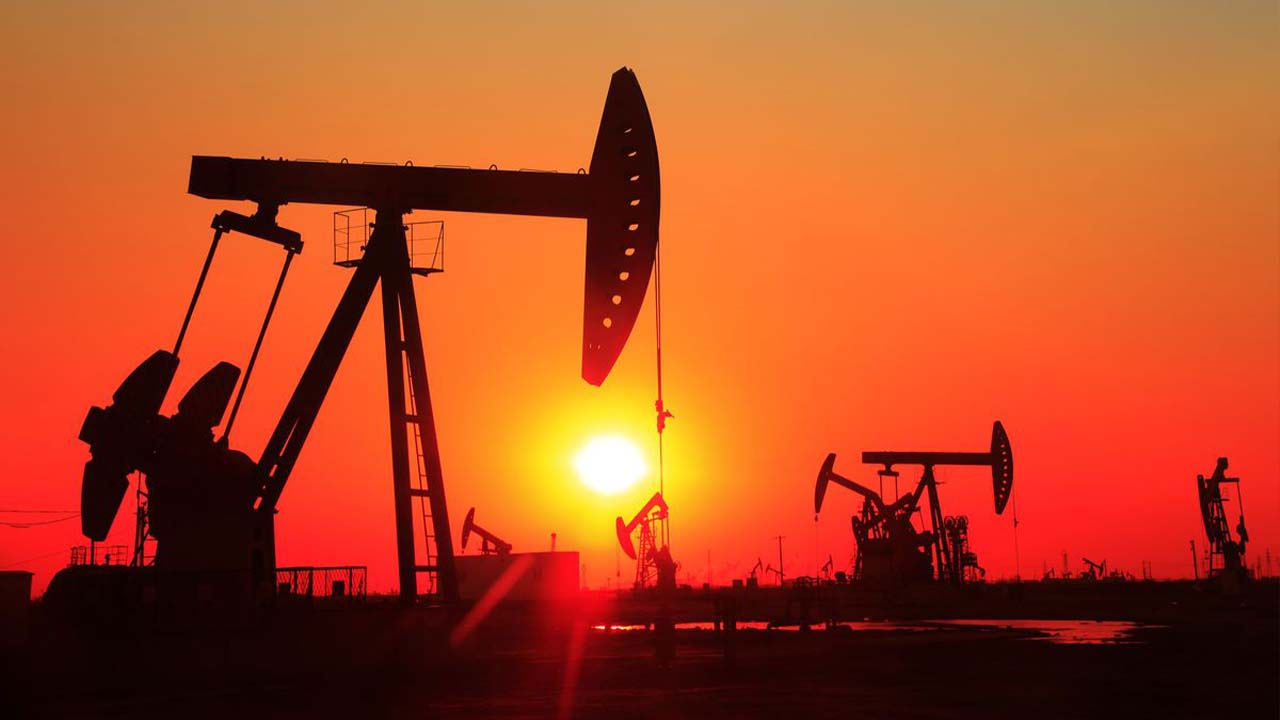
    The government has convinced Saudi Arabia to resume a significant project to build a cutting-edge deep conversion refinery and petrochemical complex in Pakistan.

    A high-ranking team from the kingdom led by Crown Prince Mohammad Bin Salman will visit Pakistan in the final week of November, when a formal announcement is anticipated in this regard, according to a top official at the Energy Ministry.

    According to Geo, the Pakistani government reportedly made a tremendous effort to convince the kingdom to uphold the memoranda of understanding and invest in Pakistan. Riyadh and Washington are at odds over a reduction in the supply of oil on the world market, and Islamabad has thrown its support behind Riyadh in this dispute.

    Saudi Arabia signed MoUs in February 2019 during Mohammad Bin Salman’s visit to Pakistan for an investment of $21 billion in a number of economic sectors, including the $12 billion deep conversion refinery and petrochemical complex project.

    At this regard, the Saudi oil tycoon Aramco also carried out research, which concluded that building a refinery in Gwadar was not practical. However, the official claimed that it may be erected in Hub, Balochistan, or close to Karachi.

    Later, the insider claimed, when relations between Imran Khan’s administration and Saudi Arabia became tense, the kingdom’s top leaders essentially put $21 billion in MoUs on hold that had been inked in February 2019.

    According to the source, the Ministry of Petroleum is currently updating the draught for the refining policy in order to attract investment for the construction of new refineries.

    In addition to broadening the tax holiday’s application, the government is considering offering investors profitability at 14–15% instead of the 9% that was previously promised in the PTI administration’s plan for policy refinement.

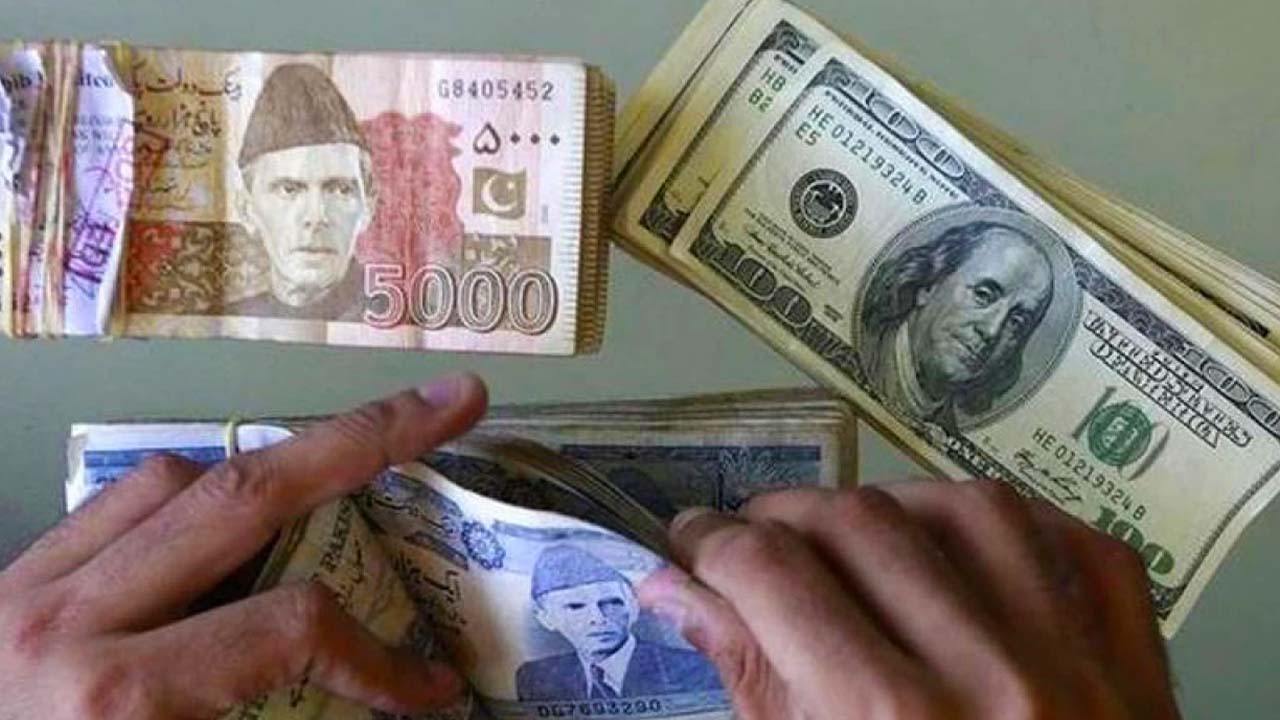
  • US dollar may drop to Rs210 in November

    US dollar may drop to Rs210 in November

    Considering expected inflows from the Asian Development Bank (ADB) and Pakistan’s deletion from the Financial Action Task Force’s (FATF) grey list, the currency is projected to strengthen versus the US dollar this week.

    According to The News, this week in the interbank market, the local currency dipped by 0.89 per cent in value against the dollar. However, thanks to encouraging news from the ADB and FATF, the local currency increased to Rs220.84 during the last trading session.

    According to the analysts, assistance from multilateral creditors during the floods would help boost foreign exchange reserves and strengthen the local currency.

    The State Bank of Pakistan’s foreign exchange holdings as of October 14 totaled $7.59 billion, or nearly one month’s worth of imports.

    According to Tresmark, a terminal that tracks real-time pricing of financial markets, the rupee is predicted to trade at 216 to the dollar in the coming 10 days and 210 to the dollar in the coming 30 days.

    “This is because of ADB-related inflows of $1.5 billion in the coming week and $2 billion of inflows in the first week of November. Of course, this would not have been possible without the finance minister’s undervalued rupee mantra,” Tresmark said in a client note.

    Six months from now, though, would be the rupee’s true test, it was said.

    Analysts predict that the US interest rate will surpass 5 per cent (a level last reached in 2008) and that the dollar will continue to rise.

    Markets expect the Indian Rupee to be at 95 per dollar, the Bangladesh Taka to be at 115 per dollar, and the Yuan to continue declining, despite the fact that major currencies all have a bearish tendency. Although the dollar’s strength is an issue, the global recession continues to be of much greater concern.

    A 15-20 per cent decline in exports and a 5 per cent decline in remittances are anticipated by economists, even if the current account deficit (CAD) for September was practically at breakeven.

    They continued, saying that maintaining the economic winter would need sustained import compression and additional economic deceleration.

    Due to lower letters of credit being settled during the previous week, the rupee somewhat declined. According to market estimates, only around 50 per cent, or roughly $600 million, has yet to be processed.

  • Govt plans to promote electric vehicles, establish charging infrastructure: PM Shehbaz

    Govt plans to promote electric vehicles, establish charging infrastructure: PM Shehbaz

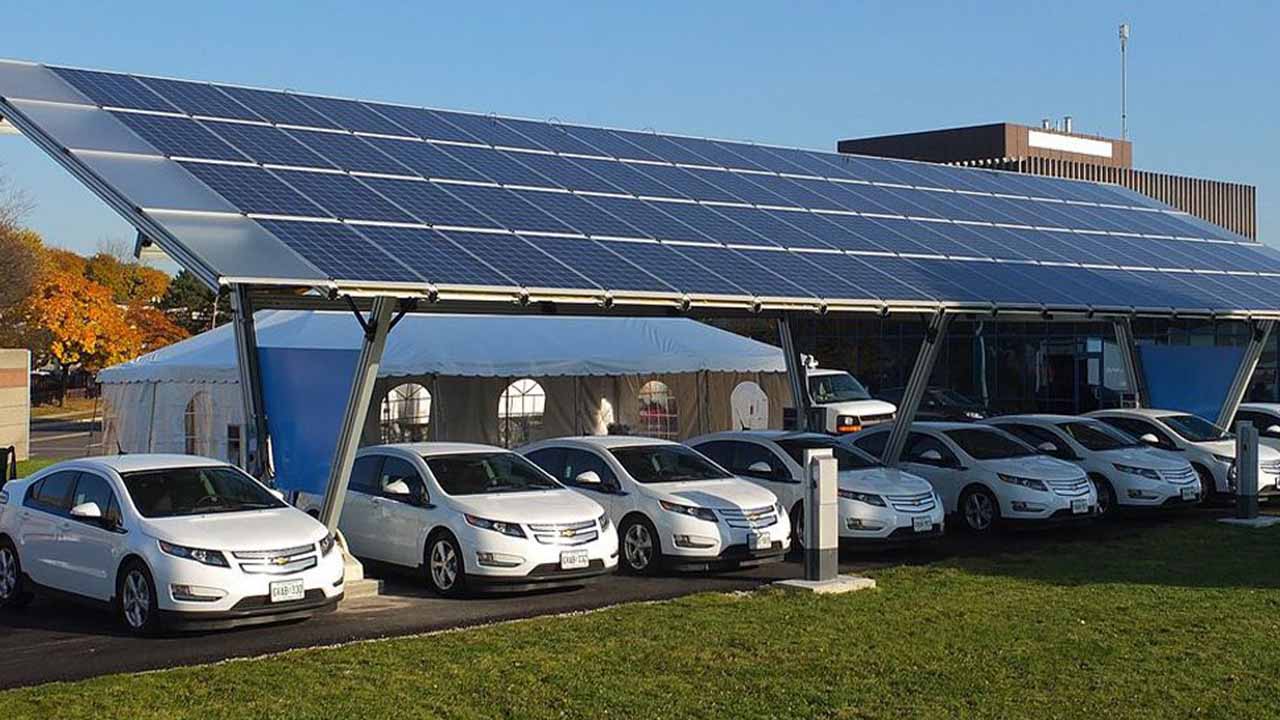
    Prime Minister (PM) Shehbaz Sharif announced on Friday that the government intended to encourage the use of electric vehicles in the nation and would set up a network of the necessary charging infrastructure.

    The PM gave the departments involved the go-ahead to provide him with a thorough plan as soon as possible in this regard.

    According to APP, Shehbaz Sharif also directed that the Board of Investment, the Ministry of Power and Energy, and the Ministry of Trade and Industries provide every opportunity to investors interested in the market for electric vehicles.

    A high-level meeting on the employment of electric buses in the fleet of public transportation, the promotion of the electric vehicle industry, and alternative energy sources was presided over by him.

    The prime minister underlined the urgent necessity to develop renewable energy sources in order to make the nation energy self-sufficient.

    He noted that the government has recently approved the start of a 10,000-megawatt solar project.

    He said that the solar project would not only lessen environmental pollution but also secure the production of inexpensive power by reducing reliance on pricey imported fuel, saving significant foreign currency.

    The forum heard updates on the growing use of electric vehicles around the world as well as plans for electric buses for public transportation.

    It was advised that the growth of the electric car sector and infrastructure will greatly reduce the nation’s import costs while also creating prospects for international investment and employment.