Category: Business

  • Pakistan’s removal from FATF grey list to help with its reputation and IMF’s next review

    Pakistan’s removal from FATF grey list to help with its reputation and IMF’s next review

    Experts predict that the country’s reputation would recover and it would get a credit rating upgrade from international agencies as Pakistan was taken off the Financial Action Task Force (FATF) list of nations under increased monitoring.

    According to Geo, the removal will allow Pakistan to smoothly complete the forthcoming review of the IMF’s Extended Fund Facility since the International Monetary Fund (IMF) used the execution of FATF action plans as a structural benchmark.

    Pakistan has been removed off the FATF’s “grey list,” as was to be expected, but the nation will continue to cooperate with the organisation and the Asia Pacific Group to strengthen its anti-money laundering (AML) and counter-terrorist financing (CFT) framework. FATF made this announcement following the conclusion of its two-day meeting in Paris on Friday.

    Fitch downgrades Pakistan’s rating to CCC+

    Yet on the other side, Fitch Ratings lowered Pakistan’s Long-Term Foreign-Currency Issuer Default Rating (IDR) to “CCC+” from “B-” on Friday, which experts believe is bad news for the nation’s recovery from the mega floods. The reversal comes as the country’s fragile economy continues to face challenges from all directions.

    The company claims that sovereign states with a grade of “CCC+” or lower do not normally receive outlooks. The primary factors that contributed to a downgrading, according to the agency, were increasing liquidity and policy concerns.

    “The downgrade reflects further deterioration in Pakistan’s external liquidity and funding conditions, and the decline of foreign exchange reserves,” Fitch Ratings said. “This is partly a result of widespread floods, which will undermine Pakistan’s efforts to rein in twin fiscal and current account deficits.”

  • Japan’s consumer inflation hits 8-year high

    Japan’s consumer inflation hits 8-year high

    According to official data released on Friday, Japan’s core consumer prices increased 3.0 per cent year over year in September, the highest level since 2014 as households were hard-hit by the weakening yen and rising energy prices.

    According to Reuters, the statistic raises inflation considerably above the Bank of Japan’s long-term 2.0 per cent target, even when volatile fresh food prices are excluded. The central bank’s claim that the present rises do not yet fulfil its criteria for persistent price growth is supported by the fact that the figure was only 1.8 per cent when energy costs were excluded.

    The most recent data was in line with market forecasts, but when similar data was last seen, a VAT increase had artificially inflated prices. The rate of inflation in September was the highest in nearly 31 years, excluding years when tax increases had an impact on the rate.

    “The bulk of the price increases at the moment are rises in raw material prices,” while service prices associated with wages have not seen meaningful increases, Taro Saito, an economist at NLI Research Institute, said in a note released before the data.

    He projected that stabilising inflation in Japan will take longer time to achieve due to pay rises and rising service costs.

    The BoJ believes the present price hikes are related to extraordinary occurrences like the conflict in Ukraine, whereas other central banks have chosen to raise interest rates to combat skyrocketing inflation.

    It has persisted in its ultra-loose monetary policy and refrained from raising rates, claiming that the third-largest economy in the world has not yet attained the inflation target of 2.0 per cent that it believes is required to accelerate growth.

    The yen has fallen, especially against the dollar, as a result of the widening gap between the bank’s policy and other rate increases. The yen dropped to 150 versus the dollar on Thursday, the lowest level since 1990.

  • ADB set to approve $1.5 billion loan for Pakistan today

    ADB set to approve $1.5 billion loan for Pakistan today

    A $1.5 billion programme loan for Pakistan is slated to be approved by the Asian Development Bank (ADB) on Friday (today) as part of the BRACE (Building Resilience with Active Countercyclical Expenditure) programme.

    According to Geo, the Board of the ADB will meet in Manila to discuss whether to approve a $1.5 billion programme loan for Pakistan. It is anticipated that this loan will be disbursed after receiving permission next week, assisting Islamabad in replenishing its depleting foreign exchange reserves.

    Additionally, it is anticipated that the Asian Infrastructure Investment Bank (AIIB) will approve $500 million in co-financing, bringing the total distribution to $2 billion for the current month.

    With a projected current account deficit of $10 to $12 billion and an external debt servicing obligation of $22.9 billion, Pakistan needs $34 billion for the current fiscal year. On the flip side, the terrible floods made the already bad situation with the economy even worse.

    Pakistan suffered losses of $32.4 billion, according to the group of international donors, which also included the World Bank, ADB, UNDP, and EU. Pakistan also needed $16.2 billion for building expenditures.

    An official document states that the $1.5 billion BRACE programme loan will assist Pakistan in responding to the deepening macroeconomic crisis exacerbated by the Russian invasion of Ukraine and the catastrophic floods that have affected close to 33 million people. Prior to the latest floods, Pakistani officials had already begun work on this programme loan.

    The amount of countercyclical actions taken by the government to lessen the negative effects of cumulative external shocks, particularly on the poor and vulnerable, comes to around $2.4 billion.

  • Billionaire Mukesh Ambani buys Dubai’s most expensive villa for $163 million

    Billionaire Mukesh Ambani buys Dubai’s most expensive villa for $163 million

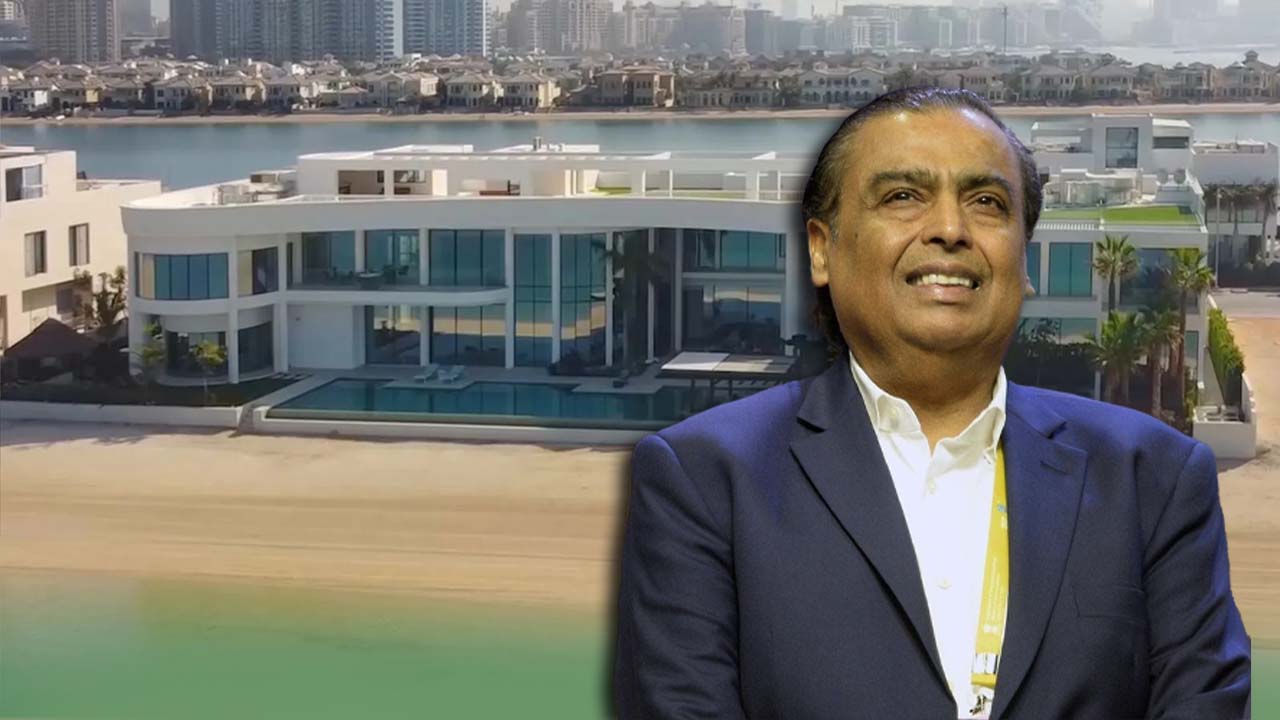
    India’s second-richest man is expanding his Dubai real estate portfolio with the acquisition of a new beachfront mansion, shattering his previous record for the most expensive residential real estate transaction in the city in a couple of months.

    According to reports, Mukesh Ambani purchased the Palm Jumeirah property from the family of Kuwaiti tycoon Mohammed Alshaya last week for approximately $163 million.

    Starbucks, H&M, and Victoria’s Secret have local franchises owned by Alshaya’s company. Ambani, whose net worth is $84 billion, is the chairman of Reliance Industries Ltd., the largest firm in India by market value.

    The tycoon has been buying up properties abroad and is increasingly searching for second residences in the west. According to Bloomberg, Ambani is looking into purchasing a home in New York and Reliance spent $79 million last year purchasing Stoke Park, a renowned country club in the United Kingdom.

    According to Bloomberg, the $80 million mansion that Ambani bought earlier this year is only a short stroll from his most recent purchase in Dubai. Until another mansion on the palm-shaped island sold for $82.4 million, that transaction represented the largest residential sale in the history of the city.

    This Thursday, the Dubai Land Department reported a $163 million real estate transaction in Palm Jumeirah without identifying the purchaser. Reliance’s spokesman declined to comment, and Alshaya’s representatives did not respond to calls for comment.

  • PFA issues warning notices to 28 eateries in Lahore for selling sub-standard food

    PFA issues warning notices to 28 eateries in Lahore for selling sub-standard food

    During a province-wide inspection of food outlets, the Punjab Food Authority (PFA) inspected 1,200 food points, issued improvement warning notices to 28 restaurants, and disposed of a significant amount of unwholesome food.

    Mudassar Riaz Malik, the Director General of the PFA, stated that a PFA team visited a well-known restaurant in Gulberg and found expired food products.

    Various cuisine dishes were being prepared using out-of-date items. According to him, the owner of the food establishment also neglected to provide the raiding team with the required documentation and maintain a clean working environment.

    Similarly, PFA seized 7,000 kg of beef last week that was about three years old.

    The meat was retrieved from a hotel’s cold storage unit and was imported from elsewhere.

    After looking into the matter, the food authority’s directorate general concluded that it is unknown if the stale meat is halal or haram. The meat was taken away and burnt by the authorities after the investigation.

  • Netflix will start charging ‘extra user’ fee for password sharing in early 2023

    Netflix will start charging ‘extra user’ fee for password sharing in early 2023

    Netflix is stepping up its efforts to persuade freeloading subscribers to pay up and will start charging accounts for password sharing early next year. The company will also implement a system that adds costs to your plan for “extra member” subaccounts when people use your membership who are not in your household.

    When confirming the proposal on Tuesday, the corporation did not disclose a pricing for these new payments. However, this programme, which is currently being tried in a few Latin American nations, levies a fee for each additional user equal to around one-quarter the cost of a “regular” Netflix membership.

    According to Popsci, if Netflix continues to operate in this manner, each additional member subaccount in the US would cost between $3.50 and $4.

    Following its biggest subscriber losses ever earlier this year, Netflix, which had previously been rather lenient about password sharing, began experimenting with ways to make shared accounts pay. In addition to the password-sharing fees, Netflix intends to introduce less expensive subscription plans backed by advertising the next month.

    Nearly all of Hollywood’s big media corporations invested billions of dollars in their own streaming businesses as a result of Netflix’s domination in the streaming video market and years of unabated membership growth.

    These streaming wars gave rise to a flurry of new services, including Apple TV Plus, Disney Plus, HBO Max, Peacock, and Paramount Plus. This deluge of streaming options has complicated the number of services you must use (and, frequently, pay for) in order to watch your preferred shows and movies online.

  • Honda Pakistan to launch the long-awaited HR-V tomorrow

    Honda Pakistan to launch the long-awaited HR-V tomorrow

    The long-awaited all-new Honda HR-V will finally make its formal debut on Friday, according to Honda Atlas Cars Limited (HACL), which recently teased the crossover in a Facebook post and confirmed the unveiling.

    Honda Pakistan will offer two versions of the HR-V, the VTi and VTi S. The 1.5-liter 4-cylinder naturally aspirated (NA) petrol engine in the base model will produce 119 horsepower and 145 Nm of torque. A 1.5-liter turbocharged 4-cylinder petrol engine with 179 horsepower and 240 Nm of torque will power the second model.

    According to details, the Honda HR-V VTi is anticipated to cost between Rs6.3 and Rs6.5 million. The top variant would cost approximately Rs6.7 million.

    If this pricing is accurate, the Honda HR-V will be a fierce competitor for crossover SUVs that are already on the market. As Pakistani car buyers may favour a crossover over a pricey sedan, sales of Honda Civic and crossover SUVs from other automakers could also have a little impact.

    The sources have also stated that because bookings would begin immediately after the launch, the delivery of this car will begin in November 2022.

    Here are the features that the impending crossover may offer:

    • Traction control 
    • Hill start assist 
    • Stability control  
    • Dual tone side view mirrors + roof
    • Body coloured & black front grille
    • Automatic climate control 
    • Honda Sense
    • Four airbags

    For those who are unaware, the Honda HR-V is not a brand-new sight in Pakistan; local auto dealers have been offering hybrid versions of this vehicle, which are originally imported from Japan.

  • PKR loses for 6th straight session due to declining reserves

    PKR loses for 6th straight session due to declining reserves

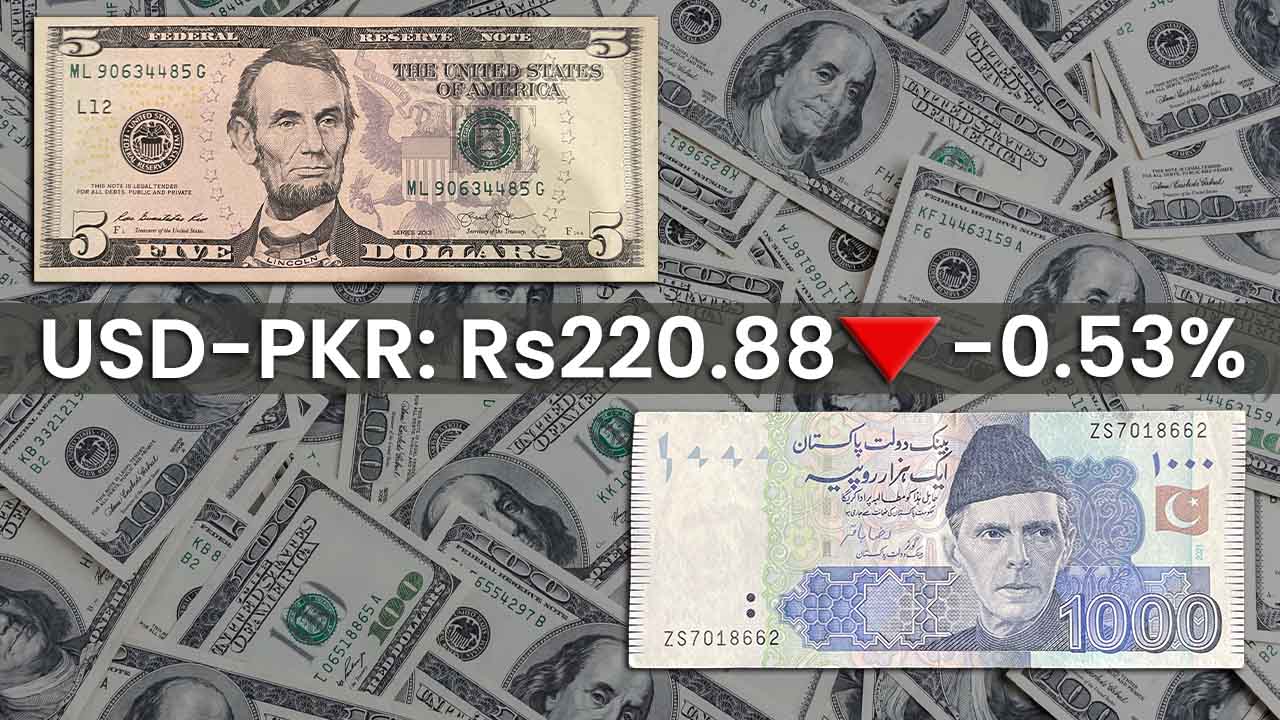
    The Pakistani rupee dropped against the US dollar for the sixth straight session on Wednesday, losing 0.53 per cent in the inter-bank market.

    According to the State Bank of Pakistan (SBP), the local currency dropped by Rs1.17, or 0.53 per cent, to close at Rs220.88. In the last six trading sessions, the rupee has lost Rs3.09, or 1.4 per cent, of its value overall.

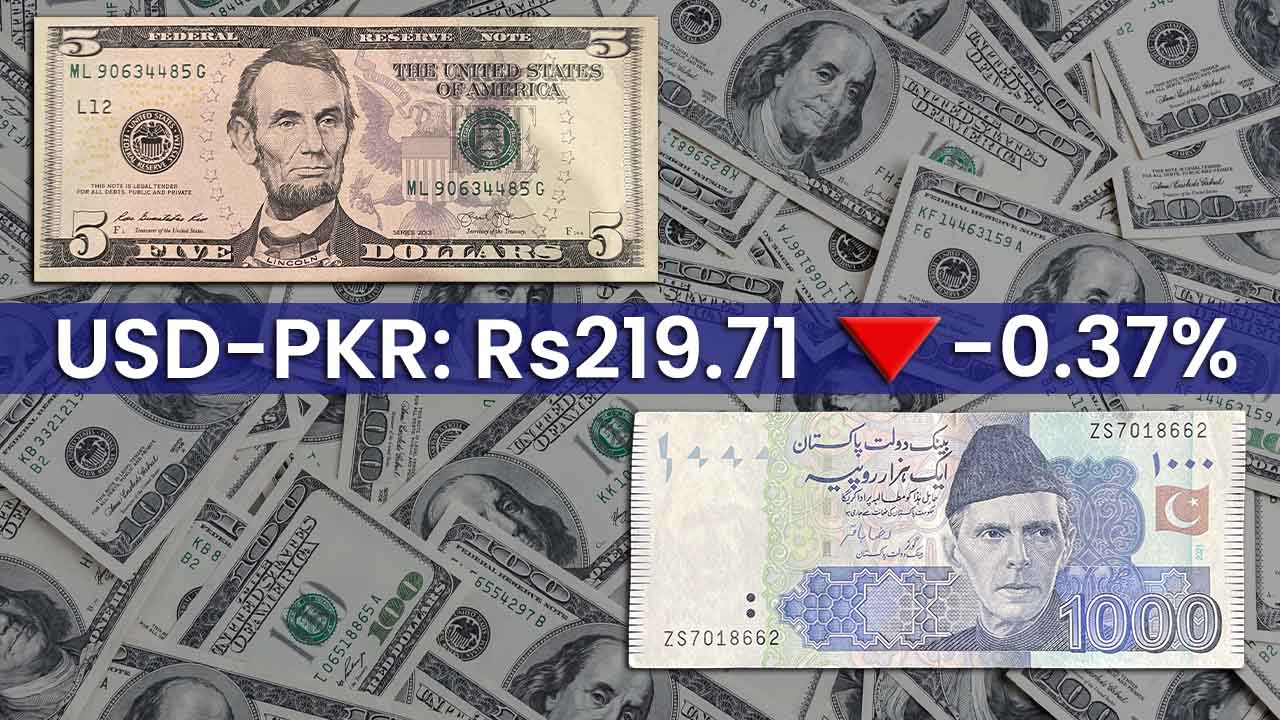
    The rupee lost value against the US dollar on Tuesday for the fifth consecutive session, closing at Rs219.71 after losing Rs0.82 (0.37 per cent).

    According to market analysts, the local currency’s weakness is caused by declining reserves and a lack of evidence of foreign capital inflows.

    In an interview with Bloomberg, Finance Minister Ishaq Dar said that the rupee has been “heavily undervalued”.

    “It is due to speculation – and some players in the market have been responsible for that,” he added.

    Globally, the greenback hung close to a 32-year peak versus the yen on Wednesday while edging up from a two-week trough against a basket of major peers as traders weighed improved risk sentiment against the prospect of aggressive Federal Reserve rate hikes.

    The dollar index – which measures the currency against six peers including the yen, sterling and euro – edged up to Rs112.01, after dropping to the lowest since October 6 at Rs111.76 overnight.

    On Wednesday, oil prices increased marginally despite bearish factors like unclear Chinese demand growth and falling gas costs, which were offset by bullish factors like declining crude stocks and a generally undersupplied market.

  • PKR suffers losses against USD for 5th consecutive day

    PKR suffers losses against USD for 5th consecutive day

    The State Bank of Pakistan and the government were unable to stabilise the exchange rate as the Pakistani rupee lost value for the fifth straight day on Monday after falling 46 paisas against the US dollar in the interbank market.

    State Bank of Pakistan reports that the local unit decreased by 0.37 per cent to close at Rs219.71.

    The closing price in the interbank market, according to the Exchange Companies Association of Pakistan (ECAP), was Rs220 as opposed to Rs219.50 in the previous trading session.

    US dollar dropped 30 paise in the open market, closing at Rs225.70 as opposed to Rs226 the previous session. Its price on October 11 was Rs219

    The optimistic market sentiments that appeared following the nomination of Ishaq Dar as finance minister in anticipation of his potential to secure dollar inflows appeared to have disappeared.

    In FY23, Pakistan would need around $32 billion to pay for its foreign debt, mostly to service it, as well as to close its current account deficit. In a recent interview with a foreign news outlet, the finance minister stated that he will seek to reschedule approximately $27 billion in non-Paris Club debt, the majority of which is owed to China.

  • CNG stations in Punjab, KP to remain shut till March 2023

    CNG stations in Punjab, KP to remain shut till March 2023

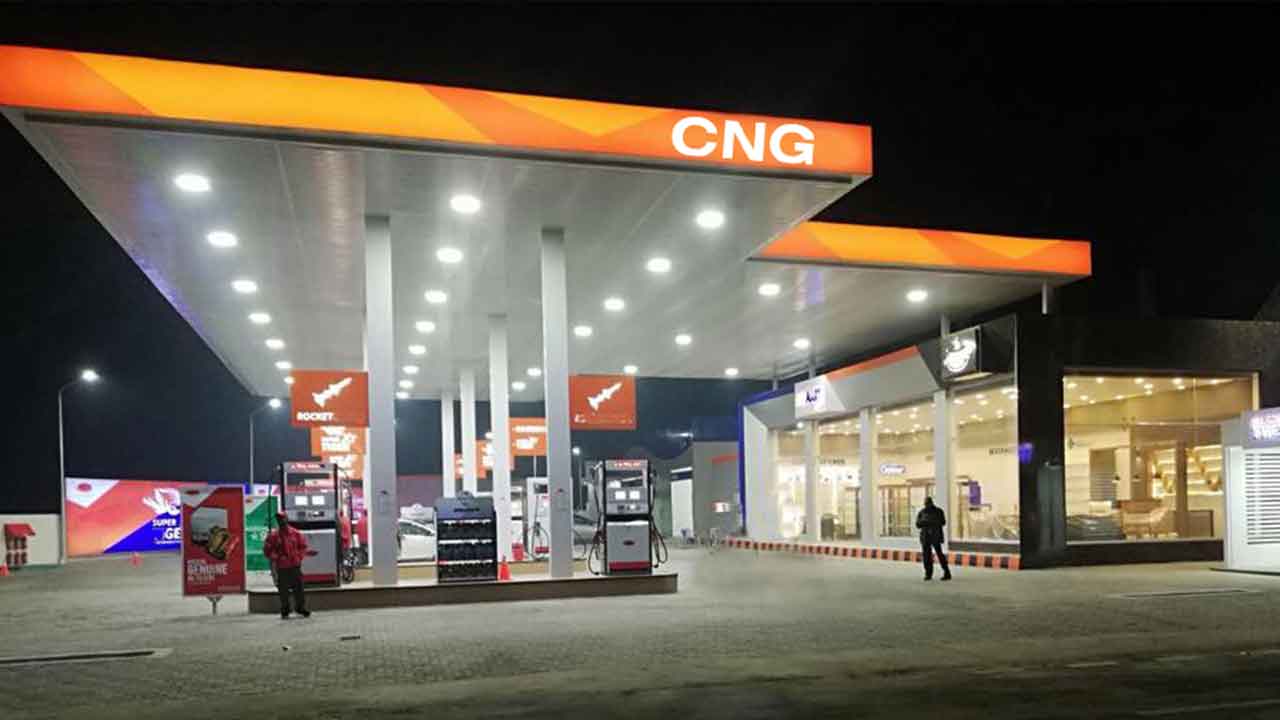
    CNG stations in Punjab and KP will stop operating from November 2022 to March 2023 as the gas crisis increases as a result of the lack of required LNG during the winter.

    While the government is obligated to purchase 12 LNG cargoes each month, Pakistan LNG Limited (PLL) has been unable to do so; as a result, the country will only have 10 LNG cargoes available in December and nine LNG cargoes each month in the following months. Due to the decreased LNG import cargoes, gas utilities will be forced to limit the supply of gas to captive power plants by 50 per cent.

    According to Express, in Punjab and KP, there won’t be any LNG available for CNG stations during the winter. Due to insufficient local gas output, Punjab has also been experiencing a gas crisis.

    According to government officials, the Sui Northern Gas Pipelines Limited (SNGPL) system’s gas supply to the fertiliser sectors won’t be reduced. Due to the probable political reaction this would cause, the government does not intend to reduce supplies of gas for the household sectors, therefore there will always be a supply available.

    As instructed by the federal government, SNGPL has been providing Re-Gasified Liquefied Natural Gas (RLNG) to a number of subsidised industries, including domestic consumers, export-oriented businesses, and fertiliser producers.

    Government payments to SNGPL for RLNG subsidies are Rs199 billion as of this writing. SNGPL’s capacity to pay RLNG suppliers PSO and PLL has been severely hampered by the reduced pricing. The amounts owed to PSO and PLL are now Rs284 billion and Rs135 billion, respectively.

    The power industry pays in full, but because its receivables have grown to over Rs115 billion, payments to suppliers have been significantly delayed.