Category: Business

  • Petrol, diesel prices likely to go down as International oil prices fall

    Petrol, diesel prices likely to go down as International oil prices fall

    Due to a dramatic drop in oil rates on global markets, POL prices are expected to fall by Rs15 from October 1st.

    According to experts, the price of diesel could drop by Rs15 and the price of petrol could drop by Rs5 for the next two weeks, reports Geo.

    They stated that the new price would be determined based on the price of oil on the global markets through September 29.

    On Monday, oil prices fell for a second day due to concerns about weaker fuel consumption from an anticipated global recession brought on by rising global interest rates as well as the fact that non-dollar buyers of crude are less able to purchase it due to the strengthening US dollar.

    At 06:40 GMT, the price of Brent crude futures for November settlement fell $1.35, or 1.57 per cent, to $84.80 per barrel. The contract dropped to $84.51, its lowest price since January 14.

    The November delivery price of US West Texas Intermediate (WTI) oil futures fell $1.15, or 1.46 per cent, to $77.59 a barrel. WTI dropped to $77.21, its lowest level since January 6.

    The government is required to levy a fee on petroleum products as part of an agreement with the International Monetary Fund. The application of a petroleum levy on gasoline is currently set at Rs37.50 per litre and on diesel at Rs7.50 per litre, according to a notification released on September 1.

  • Pakistani rupee gains Rs3 against dollar in early interbank trading

    Pakistani rupee gains Rs3 against dollar in early interbank trading

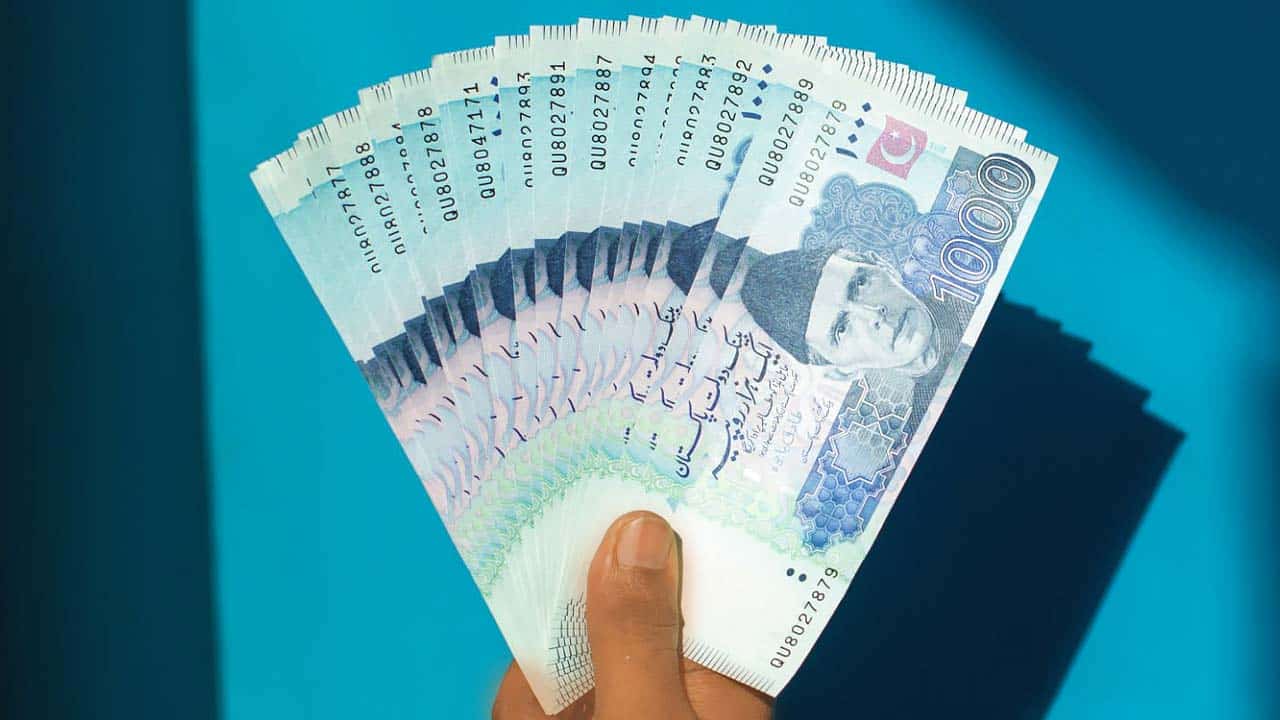
    The Pakistani rupee maintained its stability on Wednesday, the second working day of the week, after regaining ground versus the US dollar on Tuesday in the interbank market.

    Details indicate that the value of the local currency relative to the US dollar increased by Rs3.32 and that it was trading at about Rs234. Data from Pakistan’s central bank show that the rupee ended the day at Rs237.02 on Monday.

    The rupee has recovered a total of Rs5.65 over the last two working days thanks to the most recent intraday increase.

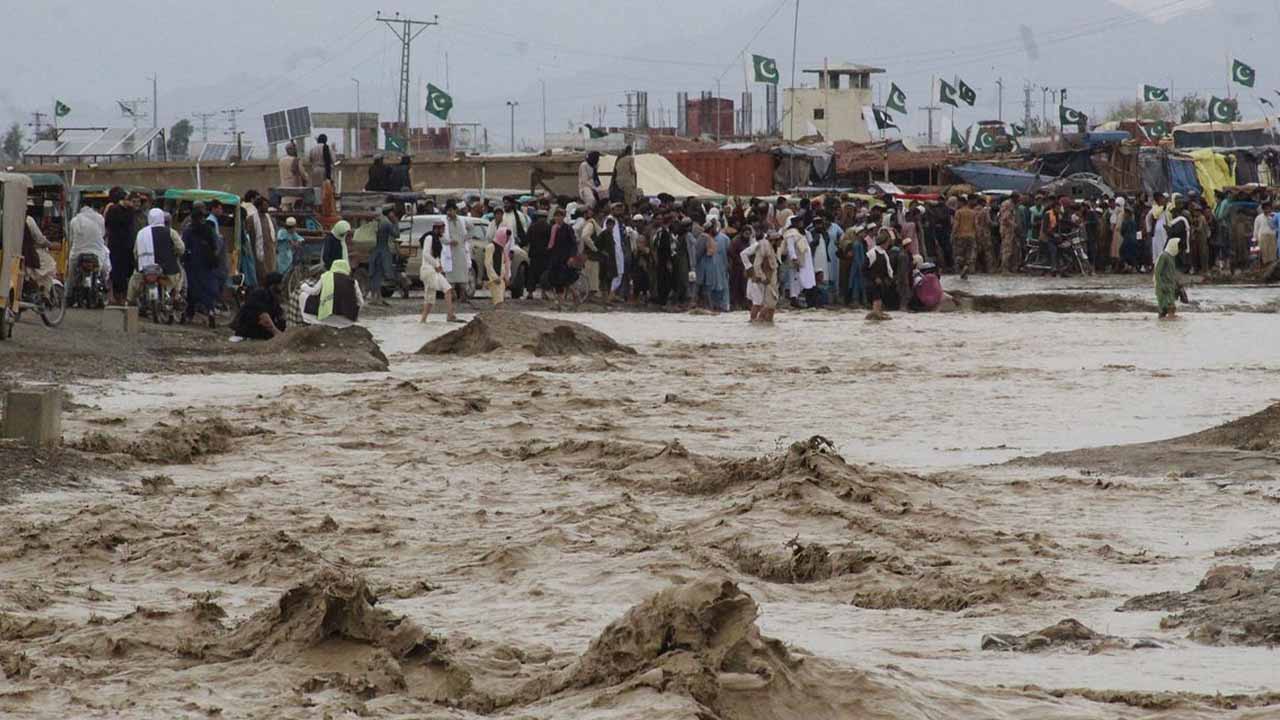
    Despite disastrous floods wrecking Pakistan’s economy, the rupee came close to hitting a record low of Rs240 versus the dollar but was unable to do so following many encouraging signs.

    According to Zafar Paracha, General Secretary of the Exchange Companies Association of Pakistan (ECAP), the market appears to be reacting to the arrival of PML-N leader Ishaq Dar and the announcement that he will succeed Miftah Ismail as finance minister.

  • PSX witnesses recovery as KSE-100 index surpasses 41,000-mark

    PSX witnesses recovery as KSE-100 index surpasses 41,000-mark

    The week started off well for shares at the Pakistan Stock Exchange (PSX), with analysts attributing the rise to the Pakistani rupee’s robust rebound, which was supported by a drop in global oil prices.

    By 10:45 AM, the benchmark KSE-100 index had risen 411 points, or 1.01 per cent, to 41,031 points.

    The PSX had optimistic activity in early trade, according to Ahsan Mehanti of Arif Habib Corporation, as a result of a higher rupee and the impending appointment of a new finance minister, which is expected to stabilise economic uncertainties.

    At 10 AM, the Pakistani rupee was trading at Rs235.5 per US dollar, up Rs4.15 from earlier today.

    Furthermore, Ishaq Dar is scheduled to return to Pakistan today and take charge as Pakistan’s finance minister. Senior PML-N officials met Miftah Ismail on Sunday after he submitted his resignation. Dar’s appointment as finance minister was announced by Nawaz Sharif and PM Shehbaz, according to a statement issued following the meeting.

    Amir Shehzad, the director at First National Equities Limited, concurred with Mehanti’s assessment, stating that the sentiment that built in anticipation of Dar’s return and the optimism that the situation would get under control was the main driver of the index’s advances and a reason for increased investor confidence.

    The industry with the greatest potential to raise the index’s point total, according to Shehzad, is cement.

    Raza Jafri, Head of Research at Intermarket Securities, stated that the KSE-100 was recovering as a result of a number of factors, including lower oil prices, the West’s apparent willingness to consider Pakistan’s requests for debt restructuring, and the belief that Senator Dar might be able to control the PKR.

    No negative political developments over the weekend are also fostering positive sentiments, he continued.

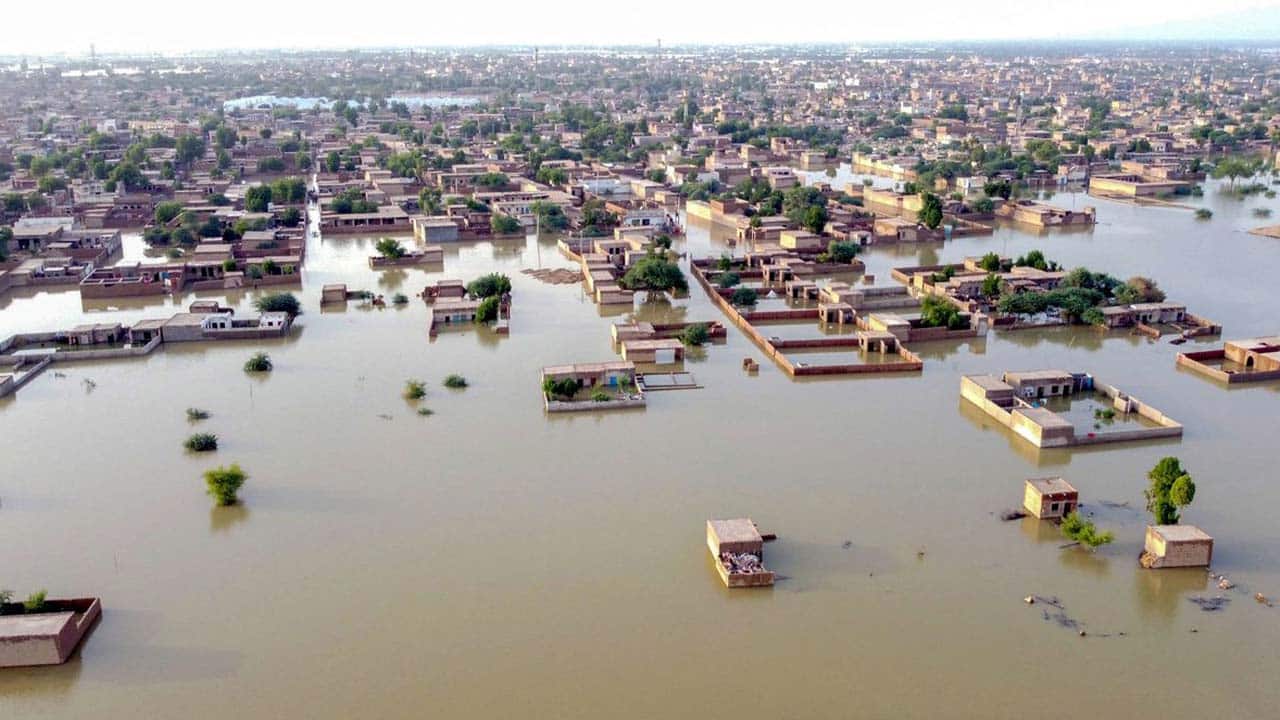
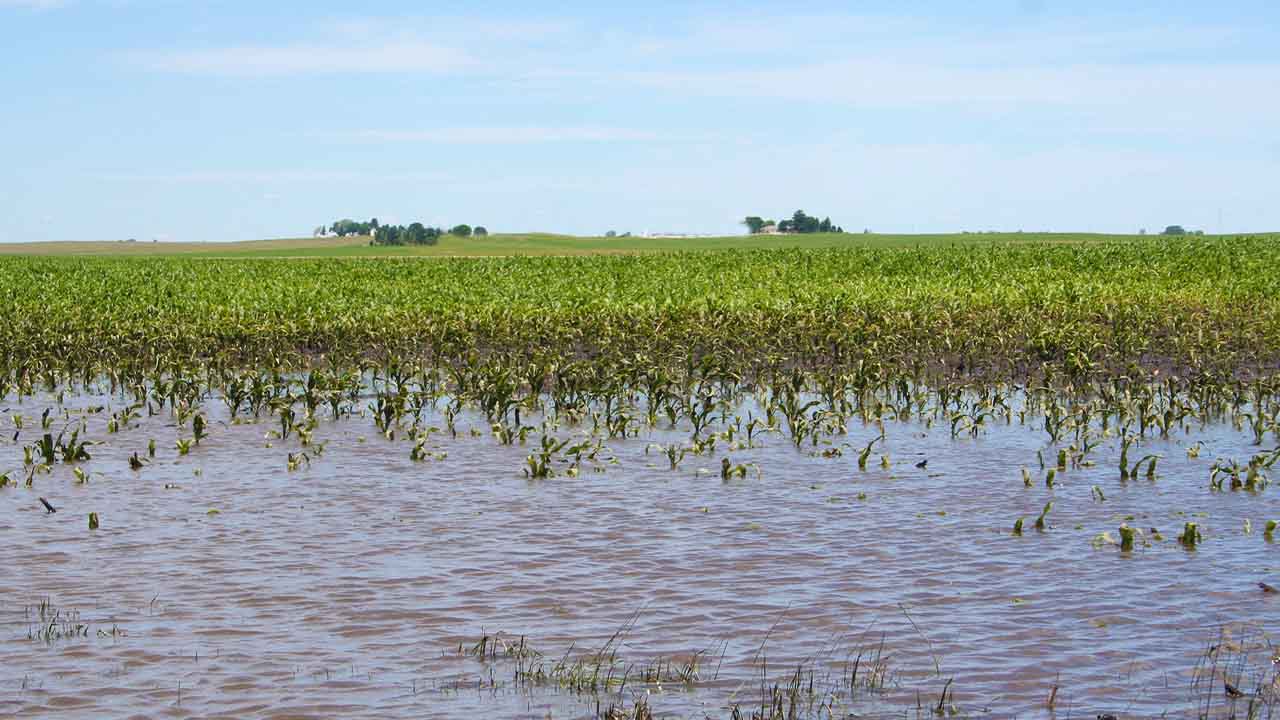
    In light of the terrible floods, which are estimated to have cost $30 billion in losses, PM Shehbaz had last week made a plea to the globe and wealthy nations for an immediate debt relief.

  • Pakistani rupee makes strong recovery against dollar during intraday trade

    Pakistani rupee makes strong recovery against dollar during intraday trade

    In the first hours of trading on Monday, the Pakistani rupee advanced significantly versus the US dollar, rising by more than 1.5 per cent.

    In intraday trade, the rupee appreciated by Rs3.66 (1.6 per cent), or around 10:30 am, to Rs235.99 against the US dollar.

    The local unit fared somewhat better the week before after the US Federal Reserve announced raising the main interest rate, ending the week 1.2 per cent weaker versus the US dollar.

    Before eventually snapping a 15-session losing streak to settle at Rs239.65 on Friday, the rupee lost value in four of the five sessions, edging perilously close to its all-time low in the inter-bank market.

    However, Monday’s triumph is the result of political development. Miftah Ismail, the Federal Minister of Finance and Revenue, stated in a statement on Sunday that he will submit his formal resignation after orally resigning at a party meeting in London.

    Ishaq Dar, a senior PML-N leader, would take Miftah’s post as finance minister.

    Dar is largely seen as an advocate for a higher rupee, and experts claim that since he was appointed finance minister, markets have tended to be optimistic on the local currency.

    Furthermore, in another significant step, the nation’s central bank on Friday prohibited ECs for cash sale transactions of $2,000 and above in order to further improve the regulatory regime for Exchange Companies (ECs) and promote the use of banking channels.

    According to the SBP’s new guidelines, ECs must now complete all foreign currency selling transactions against PKRs totaling $2,000 or more through banking channels.

  • World Bank proposes $2 billion for flood-ravaged Pakistan

    World Bank proposes $2 billion for flood-ravaged Pakistan

    The World Bank has proposed $2 billion in finance to jump-start infrastructure restoration and rebuilding following severe flooding.

    Martin Raiser, the new Vice President of the World Bank for the South Asia Region, revealed that he had just returned from his first official trip to the country that had been devastated by floods and reaffirmed his commitment to helping the Pakistani people as the floods wreaked havoc all over the nation.

    The international lender expressed regret for the loss of lives and livelihoods and stated that they were collaborating with the federal and provincial governments to offer prompt relief.

    A World Bank official also disclosed that monies from ongoing World Bank-financed programmes are being repurposed to address immediate needs in the areas of health, food, shelter, rehabilitation, and cash transfers.

    The Prime Minister, Shehbaz Sharif, has been requesting a freeze on loan repayment from the Paris Club and others, claiming that there is a huge discrepancy between what is being requested and what is actually available. He also asked the head of the UN and the leaders of Europe to help.

    Recently, the PM of Pakistan visited New York City for the UNGA. In his speech, the PM emphasised Islamabad’s predicament following the flooding disaster and pleaded with world leaders to band together and take action before it’s too late.

  • Weekly inflation down 8.1% due to lower FCA, timely import of vegetables

    Weekly inflation down 8.1% due to lower FCA, timely import of vegetables

    Weekly inflation measured by the Sensitive Price Indicator (SPI) for the week ending September 22, 2022, decreased by 8.11 per cent.

    The year-over-year (YoY) trend shows a rise of 29.28 per cent, which is down around 11 per cent from the 40.58 per cent observed last week. The YoY rise stayed above 40 per cent during the previous five weeks, reaching an all-time high of 45.50 per cent.

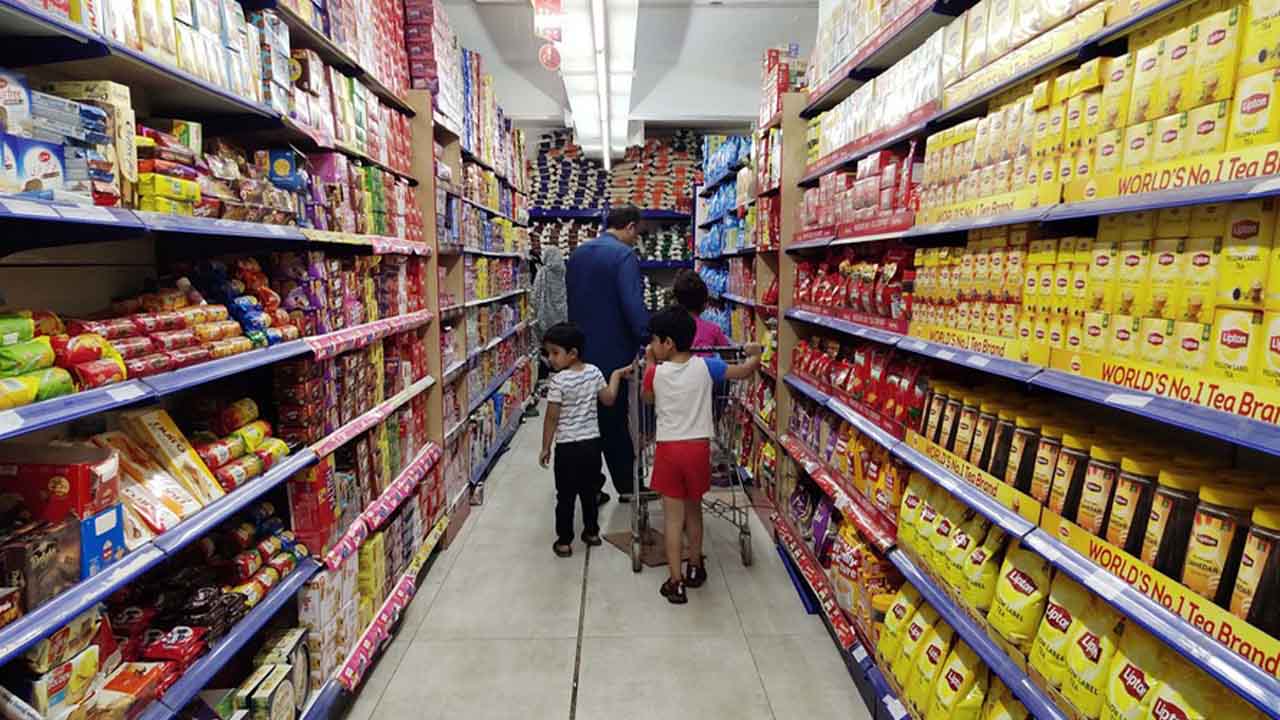
    The price increase over the previous year was mostly brought on by an increase in prices of tomatoes (117.55 per cent), diesel (105.12 per cent), petrol (91.87 per cent), pulse masoor (75.38 per cent), pulse gram (73.55 per cent), mustard oil (65.64 per cent), cooking oil-5 litre (63.63 per cent), washing soap (61.50 per cent), vegetable ghee-2.5 kg (59.42 per cent), pulse mash (56.93 per cent), vegetable ghee-1 kg (56.09 per cent), onions (50.83per cent) and LPG (49.89 per cent), while decrease was observed in the prices of electricity for q1 (45.61 per cent), chilies powder (43.05 per cent), sugar (19.20 per cent) and gur (3.37 per cent).

    According to the most recent PBS data issued on Friday, the SPI for the week under review in the aforementioned category was recorded at 203.21 points compared to 221.14 points observed in the previous week.

    Out of 51 items, 26 items (50.98 per cent) saw price increases during the week, 10 items (19.61 per cent) saw price decreases, and prices of 15 items (29.41 per cent) remain unchanged.

    For the first quarter, power charges were among the items whose average prices decreased on a week-over-week (WoW) basis showing a decrease of 64.23 per cent.

    Other items which recorded a decrease include tomatoes (8.15 per cent), LPG (3.82 per cent), bananas (1.90 per cent), garlic (1.31 per cent), pulse masoor (0.99 per cent), cooking oil-dalda or other similar brand (sn), 5 litre tin each (0.78 per cent), onions (0.46 per cent), vegetable ghee-dalda/habib 2.5 kg tin each (0.34 per cent) and vegetable ghee-dalda/habib or other superior quality 1 kg pouch each (0.06 per cent).

    The general populace has been impacted by the heavy rains and flooding since they are lacking in basic commodities while supply lines for food products have been disrupted.

    On the other hand, timely imports from Iran and Afghanistan are accountable for the decrease in vegetable prices, particularly for onions and tomatoes.

  • British pound hits 37-year low against US dollar as recession fears grow

    British pound hits 37-year low against US dollar as recession fears grow

    As central banks raised interest rates to combat soaring inflation, the pound fell to a record 37-year low versus the US dollar on Friday, raising concerns among traders about the economy’s outlook.

    Following the Bank of England’s Thursday increase in borrowing prices by 50 basis points, the value of the pound dropped as low as $1.1151, its lowest level since early 1985.

    That came after the Federal Reserve raised interest rates by three-quarters of a point on Wednesday and hinted at further increases.

    Additionally, the dollar rose versus the euro, with the euro trading at $0.9753, a fresh 20-year low.

    The Fed has taken a notably hawkish stance, stating it would not relent until the inflation, which is near four-decade highs, is controlled, even at the expense of the economy, while central banks around the world are raising borrowing prices.

    The focus of traders is now on London, where the new finance minister Kwasi Kwarteng is scheduled to present a mini-budget to assist individuals and companies.

    On Thursday, Kwarteng announced he would repeal a recent salary tax introduced by his predecessor Rishi Sunak and would disclose the price tag for the new administration’s proposal to cap energy costs for both homes and companies.

    It occurs when the Bank of England issues a warning that Britain is on the verge of entering a recession as a result of skyrocketing gasoline and food prices.

  • Pakistan’s GDP likely to decrease to 2% in FY23 as flood damage may cost $30 billion

    Pakistan’s GDP likely to decrease to 2% in FY23 as flood damage may cost $30 billion

    Syed Zafar Ali Shah, Secretary of the Ministry of Planning, Development, and Special Initiatives, stated on Thursday that a preliminary estimate indicated that the GDP growth rate may remain at two percent in the current fiscal year and that the estimated cost of damage repair, including reconstruction, may be $30 billion as a result of the nation’s floods.

    He stated that we are gathering damage assessment data for a preliminary report and that the preliminary report and verification procedure would both be finished by October 15.

    According to The Nation, teams from the government and ten international development organisations, such as the World Bank (WB), the Asian Development Bank (ADB), the United Nations (UN), and others, are working together to prepare the preliminary report for the damage assessment of the country’s floods.

    In order to prepare early estimates on damage and reconstruction, he claimed that 100 specialists from development partners, such as the World Bank, the ADB, the UN, the EU, Turkey, etc., are currently working in 12 to 17 sectors.

    According to him, the Pakistani government would take the initiative in relief operations, and technical skills will be provided by professionals to evaluate the field damage and the cost of rehabilitation. The administration will solicit donations for reconstruction after making the final determination.

    In relation to the evaluation of the damage to the railways, Zafar Ali stated that it has been initially predicted that $2.3 billion will be needed for the reconstruction of the railroad tracks, bridges, and other associated facilities that have been harmed by floods. In total, 113 districts in Pakistan have been damaged by flooding, but 83 of those areas are catastrophe hit and require complete repair and rehabilitation work, according to him.

    He claimed that the cost to rebuild homes is projected to be $3 billion. However, he said that the provinces are consistently reassessing damage. When the water recedes, he said, the Sindh government will begin work on reassessing those places. He claimed that water covers the majority of Sindh’s railroad rails.

    He claimed that the Sindh flood had a significant negative impact on cotton, rice, and other crops. According to him, three million cotton bales are thought to have been lost. However, it appears that things are improving and the loss may only total 2.7 million bales, the secretary said, adding that it is still too early to provide a precise estimate of the cotton crop’s losses. He predicted that future wheat crop farming in Sindh and Khyber-Pakhtunkhwa would also be impacted.

    He claimed that the nation’s severe flooding has had an impact on 4.3 million families. He stated that more than 0.3 million people in Balochistan had been impacted by the floods. According to him, the ADB has authorised a $3 million grant to boost the Pakistani government’s emergency relief efforts in the wake of massive flooding around the nation.

    The planning secretary also mentioned that a Dutch expert would be working with NESPAK to update the flood prevention strategy for 2017. He said that the administration has so far used $303 million in donor funding that was intended for disaster relief. According to him, this sum consists of $3 million from the ADB and $300 million from the World Bank.

    Despite the $160 million in pledges made so far by the world community, he claimed that much more money will be needed to complete the reconstruction and rehabilitation.

    The planning secretary responded to a question concerning diverting PSDP-2022–23 monies for flood victims by saying that work is still being done on this issue, but no decisions have been made as of yet. He stated that the Benazir Income Support Program is now supporting the flood-affected population with Rs70 billion from the government.

  • World Bank to provide Pakistan $22.2 million in financial support for flood-affected farmers

    World Bank to provide Pakistan $22.2 million in financial support for flood-affected farmers

    In an attempt to help Pakistan’s flood-affected farmers, the World Bank will provide financial support of $22.2 million.

    A delegation led by the World Bank’s South Asia Regional Director for Sustainable Development, John A Roome, met with the Federal Minister for National Food Security and Research, Tariq Bashir Cheema.

    The discussion at the meeting focused on the farmer community and food security, as well as the rehabilitation and relief operations in the flood-affected areas.

    According to the minister, rain and flooding have wreaked havoc on the agricultural industry and destroyed the farming community. In order to restore normalcy, he claimed that at this crucial moment, all attention is being paid to restoration efforts in the flood-affected districts.

    He mentioned the government’s intention to provide subsidies for fertiliser and seeds to help the impacted farmers. According to the idea, the federal government will cost-share with the provinces to give farmers discounted inputs for the upcoming Rabi season.

    “We plan to provide subsidized wheat and edible oil seeds, and one fertilizer bag per acre to farmers in the calamity-hit areas,” he said.

    Provincial governments and the National Disaster Management Authority will handle the disbursement. He believed that with this support, farmers will be able to stand up again.

    According to John A. Roome, the World Bank would assist Pakistan by funding initiatives aimed at rebuilding the devastated neighbourhood. He consented to assist the World Bank’s Locust Emergency and Food Security (LEAFS) initiative in rehabilitating the farming community in the afflicted districts and locust-stricken regions. He said that the World Bank is assisting the farming community by collaborating with provincial agriculture agencies.

    He stated that he would ask the World Bank Group Board to extend aid to Pakistan as it attempts to recover from the damage brought on by unheard-of floods. The minister also praised the World Bank Group’s support at a time when assistance was most needed for the country.

  • Euro drops to two-decade low against the US dollar

    Euro drops to two-decade low against the US dollar

    As the Federal Reserve implemented yet another aggressive interest rate hike in reaction to out-of-control inflation on Wednesday, the US dollar soared to a level that is almost 20 years higher against the euro.

    Only a few months after the euro was become the sole legal money of the 12 member states of the European Union, the euro to dollar ratio reached 0.9814 for the first time since October 2002.

    Prior to the 1800 GMT Fed speech, Wall Street equities were in the green. However, after the statement, they plunged into the red.

    Interest rate projections for the end of 2023 and 2024 in the most recent Fed announcement were higher than anticipated, indicating that the US central bank now believes a longer monetary tightening cycle is necessary in light of inflation trends.

    According to a report from High-Frequency Economics, “Overall, the message from the (Fed) remains hawkish, with the Fed committing to further rates hikes to combat inflation and keep inflation expectations anchored.”