Category: Business

  • Approaching Paris Club for funds would be my last resort: Ishaq Dar

    Approaching Paris Club for funds would be my last resort: Ishaq Dar

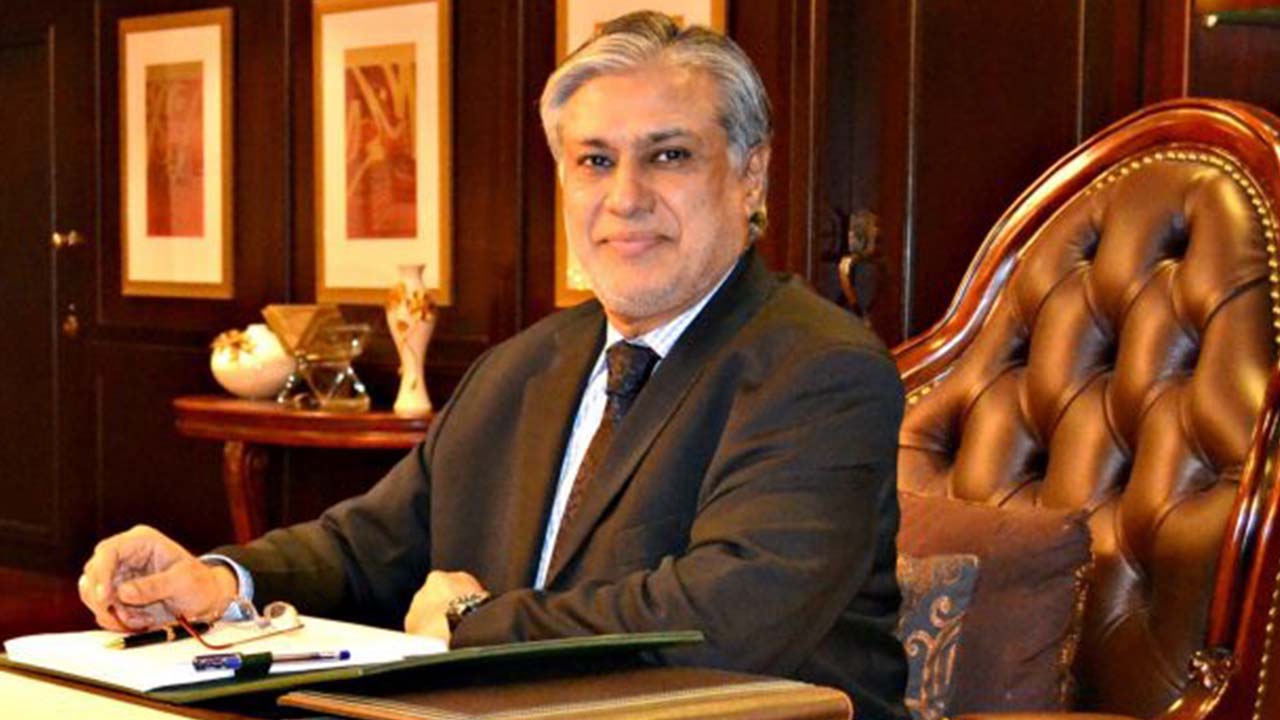
    The Federal Minister of Finance and Revenue, Ishaq Dar, said on Friday that approaching the bilateral Paris Club creditors for debt relief would be his final option since rating agencies lower the ratings of countries who approach the Paris Club.

    The country was not looking for or in need of any rescue from commercial banks or Eurobond creditors, according to Dar’s predecessor Miftah Ismail. “Given the climate-induced disaster in Pakistan, we are seeking debt relief from bilateral Paris Club creditors,” Miftah said.

    “We plan on doing business and investors hesitate when countries seek relief from bilateral Paris Club creditors,” Dar said during an interview.

    Dar responded to Moody’s decision to lower the Government of Pakistan’s senior unsecured debt rating from B3 to Caa1 by saying that the rating agency had taken a discriminating approach against Pakistan from a professional standpoint.

    “Our team spoke to the officials of the rating agency and even I spoke to them personally,” he continued, saying that he had advised them to stay patient for a few days.

    He bemoaned the way Moody’s had presented Pakistan as, God forbid, being in default.

    Dar stated that efforts will be made to fulfil the conditions set forth by his predecessors in reference to his meeting with IMF employees later this month.

    “I have solutions to present in front of the fund members in order to convince them of my decision regarding the petroleum prices,” he said.

    According to Geo, the government lowered the price of petrol by Rs12.63 a litre last week, which brought much-needed relief to the nation’s inflation-stricken citizens and raised concerns over the current IMF programme.

    The finance minister explained the rupee-dollar parity by expressing optimism that the value of the rupee will go below the 200-point mark against the US dollar in the upcoming days.

  • ‘Nothing to worry about’: Dar dismisses concerns raised by Moody’s downgrading Pakistan

    ‘Nothing to worry about’: Dar dismisses concerns raised by Moody’s downgrading Pakistan

    After Moody’s Investors Service downgraded Pakistan’s sovereign credit rating on Friday, Finance Minister Ishaq Dar dismissed worries, stating there is ‘nothing to worry about’.

    “There is nothing to be worried about, I spoke with Moody’s yesterday and told them that they shouldn’t have done this. They should have consulted with us,” said Dar while talking to the media.

    The announcement follows Moody’s Investors Service’s (Moody’s) Thursday night downgrading the government of Pakistan’s senior unsecured debt rating from B3 to Caa1 for both local and foreign currency issuers.

    According to Express Tribune, the senior unsecured MTN program’s rating was similarly reduced by Moody’s, moving from (P) B3 to (P) Caa1. The future remains bleak.

    In the wake of the terrible floods that have struck the nation since June 2022, the rating agency said that the decision to lower the ratings to Caa1 was motivated by greater government liquidity, external vulnerability risks, and higher debt sustainability risks.

    The floods have significantly increased the need for social spending, compounded Pakistan’s problems with liquidity and external credit, and negatively impacted government revenue.

    According to the rating agency, Pakistan’s long-standing credit weakness of extremely weak debt affordability would continue for the foreseeable future.

    However, the Ministry of Finance vehemently contested Moody’s rating decision in its reaction. “The rating action by Moody’s is strongly contested by the Ministry of Finance as the rating action by Moody’s was carried out unilaterally without prior consultations and meetings with our teams from the Ministry of Finance and State Bank of Pakistan,” a statement issued by the ministry said.

    “Following Moody’s intimation of the rating action, the ministry held two meetings with the agency’s team over the past 24 hours, sharing data and information which clearly show a picture contradicting Moody’s rating action.

    “After a regular stock take of the economic and fiscal conditions, the Ministry of Finance informed that government policies over the last few months have helped in fiscal consolidation,” the ministry added.

    “The government had adequate liquidity and financing arrangements to meet its external liabilities.”

    Dar said that Fitch Ratings recently downgraded the UK from stable to negative. “The ratings from these agencies is essential for issuing bonds and Sukuks in the international market,” he said. He claimed that he informed Moody’s that if the organisation did not change its mind, he would provide a “befitting” response at his meeting with its representatives set for next week.

    “They (Moody’s officials) have to meet me. I told them if you don’t [reverse] this, I will give you a befitting response in our meeting next week,” he said.

  • Inflation may drop to 5-7% by the next fiscal year: SBP deputy governor

    Inflation may drop to 5-7% by the next fiscal year: SBP deputy governor

    According to Dr Murtaza Syed, deputy governor of the State Bank of Pakistan (SBP), Pakistan would probably reach its 5-7 per cent inflation target by the start of the following fiscal year because of a positive base effect and ‘tighter’ macroeconomic regulations.

    According to Dawn, the SBP deputy head said that inflation in Pakistan quadrupled from 13–14 per cent to around 25–27 per cent since June as a result of an increase in POL costs during a Zoom session hosted by the World Bank.

    Although Pakistan does have an issue with inflation, it has lately started to decline and showed a “greater than expected” decline in the past month, he noted.

    Dr Syed claims that inflation has “kind of crested” and will begin to drop for the remainder of the year.

    The SBP deputy chief also referred to worries over Pakistan’s economic outlook as “exaggerated” and claimed that Pakistan was at least $10 billion over-financed as a result of inflows from friendly nations and pledges made by development partners in the wake of floods.

    According to a central bank official, Pakistan needed about $31 billion in external financing, but had $37 billion in accessible funding, which was $6 billion more than it needed. The recent floods, he said, “may have some effects on the current account deficit, but this is before taking into account the floods.”

  • Pakistani rupee gains Rs2 to close at Rs221.94

    Pakistani rupee gains Rs2 to close at Rs221.94

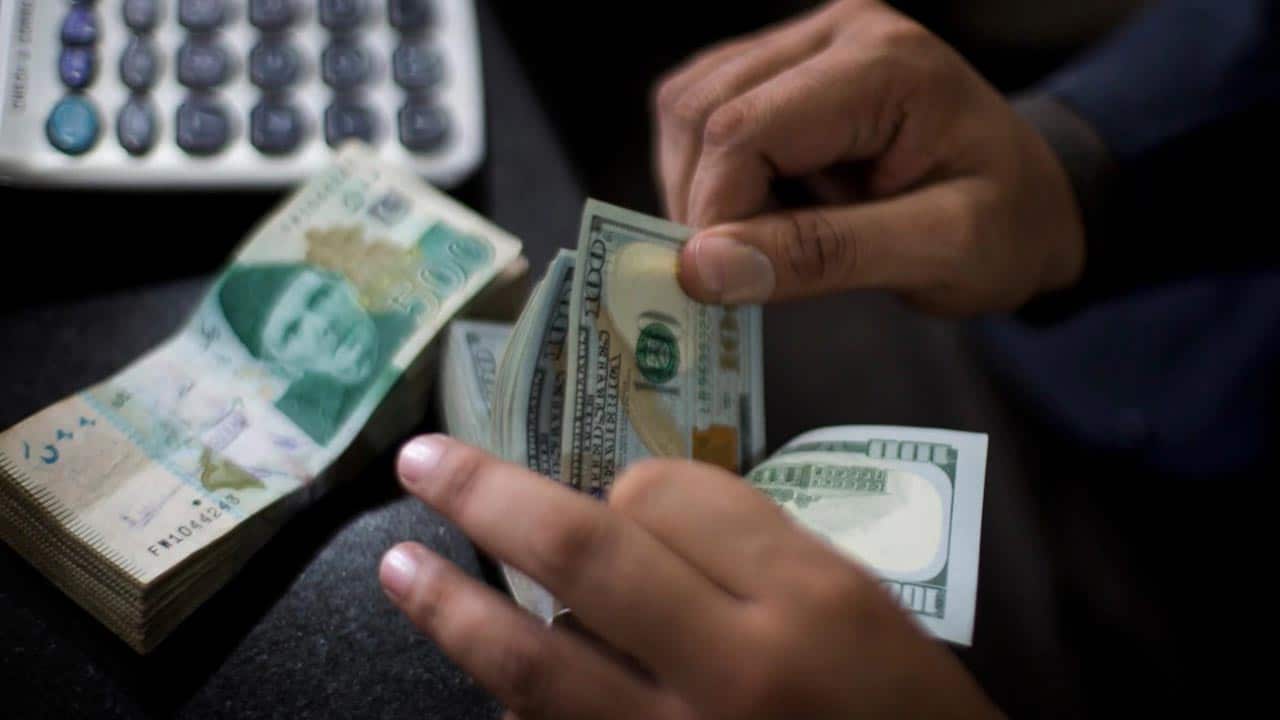
    On Thursday, the Pakistani rupee (PKR) strengthened by Rs2 or 0.90 per cent against the dollar to close at Rs221.94.

    According to the Forex Association of Pakistan (FPA), the local currency was trading at Rs221.75 per $1 at 9:46 am, up 0.98 per cent from yesterday’s close of Rs223.94.

    The rupee has been strengthening since September 22, when it nearly hit an all-time low of Rs239.71. In the last nine sessions, it has increased by Rs15.77 or 6.58 per cent.

    The State Bank of Pakistan’s (SBP) and finance ministry’s joint investigation into banks making obscene profits from their dollar sales, according to Mettis Global Director Saad bin Naseer, has calmed the interbank market.

    SBP On Tuesday, Governor Jameel Ahmad told a National Assembly committee that eight banks were under investigation for the initial round of currency rate manipulation. In the following stage, the other banks would be looked into.

    He said that a smaller trade deficit in September and the Asian Development Bank’s (ADB) pledge of approximately $2.3–2.5 billion in aid were the key reasons for the rupee’s recovery on the open market.

    FAP Chairman Malik Bostan listed the ADB announcement and hopes of a sustained drop in imports as the factors that contributed to the rupee’s rise.

  • ADB to provide up to $2.5 billion under flood relief support to Pakistan

    ADB to provide up to $2.5 billion under flood relief support to Pakistan

    The Asian Development Bank (ADB) announced on Wednesday that it would provide support of $2.3–2.5 billion for relief efforts in the wake of disastrous floods that have left Pakistan severely damaged.

    The declaration was made during a meeting between Pakistan’s ADB Country Director Yong Ye and Finance Minister Ishaq Dar, as per a press release from the Finance Division.

    Ye offered his condolences for the loss of life and property as a result of the floods during the meeting and congratulated Dar on taking office.

    According to Dawn, the Balochistan Rural Development and Community Empowerment Programme would receive $1.5 billion of the promised aid, according to the ADB country director, and the request will be presented to the bank’s board this month.

    According to a press release, it was discussed that the Country Partnership Strategy for Pakistan 2021–25 is in accordance with the government of Pakistan’s vision.

    The finance minister was quoted as saying that he welcomed the delegation and valued ADB’s assistance in advancing sustainable development in the nation. Dar also informed the delegation of the flood’s damages and financial consequences.

    The administration had stopped the economy’s slide and put it on the correct course with its “pragmatic policy initiatives,” he continued while acknowledging that the economy still faced enormous obstacles.

    The finance minister also gave the ADB team an overview of the government’s priorities.

    Dar hailed the ADB delegation for their steadfast support and assured them of full government cooperation for the expeditious implementation of the current and new programmes.

  • Pakistan did not breach any of IMF conditions by reducing petrol price: Aisha Ghaus Pasha

    Pakistan did not breach any of IMF conditions by reducing petrol price: Aisha Ghaus Pasha

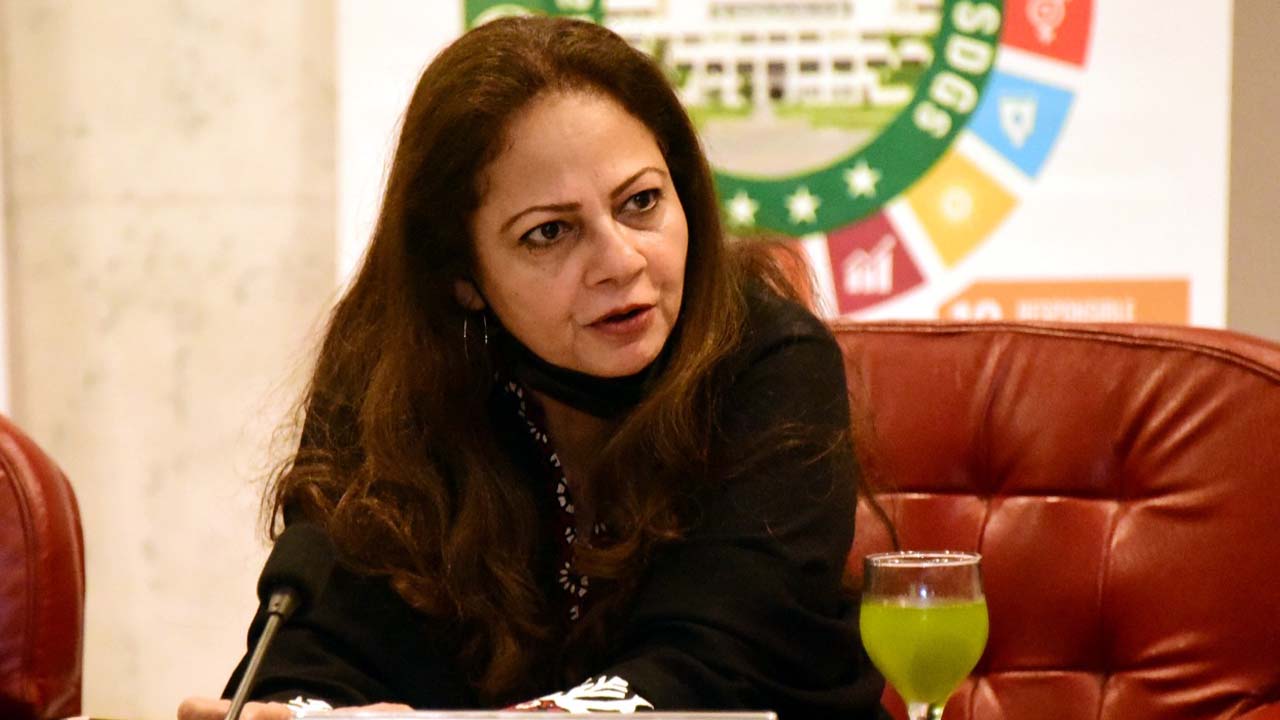
    Following the government’s decision to lower the price of petroleum products, Minister of State for Finance and Revenue Aisha Ghaus Pasha gave the assurance that Pakistan had not violated any of the terms set forth by the International Monetary Fund (IMF).

    According to Geo, there have been numerous rumours surrounding the future of the IMF contract ever since Finance Minister Ishaq Dar cut the price of gasoline last week.

    Since he was sworn in, Dar and his predecessor Miftah Ismail were unable to cooperate because they held divergent views on the IMF agreement and the gradual elimination of gasoline subsidies.

    Pasha responded to the worries by stating that Pakistan had some margin, which the government utilised to relieve the people by lowering the price of gasoline by Rs12.63 per litre.

    She said that the government is still committed to the IMF programme and intends to provide relief to the flood hit masses without tampering IMF conditions.

    Moreover, she said that the government officials are scheduled to meet IMF representatives this month and both sides will discuss things in detail.

    Speaking of the rupee-dollar controversy, she said that the central bank is investigating eight known banks in this issue regarding the banks involved in currency manipulation. Strict action will be taken against any bank found guilty according to Pasha.

    Earlier, the Senate Standing Committee on Finance had summoned the representatives of eight commercial banks that were issued show-cause notices by the central bank on suspicion of currency manipulation.

  • 8 prominent banks under investigation for involvement in exchange rate manipulation: SBP

    8 prominent banks under investigation for involvement in exchange rate manipulation: SBP

    On Tuesday, Jameel Ahmad, the governor of the State Bank of Pakistan (SBP), told the National Assembly’s Standing Committee on Finance and Revenue that inquiries had been initiated against eight banks for their alleged involvement in exchange rate manipulation.

    According to Ahmad, the first part of the investigation focused on Bank Al Habib, Habib Bank Limited (HBL), National Bank of Pakistan (NBP), Meezan Bank Limited, United Bank Limited (UBL), Allied Bank Limited (ABL), and Standard Chartered. The name of eighth bank was not disclosed.

    He told the tribunal that ABL, NBP, and Standard Chartered had each received show-cause warnings. The governor continued by saying that in the following stage, the other banks will be looked into.

    The committee’s chairman, MNA Qaiser Ahmad Sheikh, gave SBP instructions to take the proper action against all banks and exchange firms implicated in the manipulation of the currency rate during today’s meeting.

    According to a news release from the National Assembly Secretariat, he requested that the central bank assess the severity of the violations by both parties and take the necessary action to ensure that nobody “has the audacity to play with the economy of the country.”

    According to Dawn, the committee believed that the banks made enormous profits during the recent volatility in the exchange rate and the differential between the interbank rate and the rate provided by exchange providers.

    Ahmad has told the committee that after the investigation is complete, anyone who violated the rules will be punished.

    Members of the Committee, the Secretary of Finance, the Chairman of the FBR, the Governor of the State Bank, and other senior executives from the relevant agencies attended the meeting of the Committee.

    Prior to this, Dawn claimed that banks had quadrupled their purchases of US money and were using credit cards to move it outside as the government struggled to stop dollar withdrawals.

    In a media interview the next week, Finance Minister Ishaq Dar declared that manipulating the exchange rate would not be permitted.

    Dar stated that the rupee is now not in the proper position and added that he was aware of some speculators who were playing this game and advised them to quit right away.

  • Pakistani rupee maintains winning streak against dollar for 8th consecutive session

    Pakistani rupee maintains winning streak against dollar for 8th consecutive session

    On Tuesday, the Pakistani rupee (PKR) gained against the US dollar for the eighth session in a row, finishing more than 0.7 per cent stronger.

    According to the State Bank of Pakistan (SBP), the rupee strengthened by Rs1.55, or 0.73 per cent, to close at Rs225.64. The rupee has gained a total of Rs14.06, or 6.23 per cent, over the last eight trading sessions.

    For the seventh consecutive session, the Pakistani rupee appreciated versus the US dollar on Monday, finishing at Rs227.29 after gaining Rs1.16 (or 0.51 per cent) in the inter-bank market.

    Ishaq Dar’s return, who is renowned for supporting a strong rupee, and the reduction in speculation activity, according to analysts, are to blame for the currency’s recent increase.

    On Monday, the country’s newly appointed finance minister even predicted that the rupee may increase to less than Rs200 versus the dollar.

    In an interview, he claimed that the rupee’s actual worth is less than Rs200 (against dollar), and that it will fall to Rs200 soon.

    He continued by saying that because speculation had caused the present rate to rise, the rupee would be supported by policies.

    Experts claim that the dollar’s international strength has decreased, which is reflected in the currency market. Still, it would be very difficult to drive the rupee below Rs200, even if the speculative aspect is taken out of the equation.

    Despite the UN’s $816 million request, Pakistan has only received between $100 and $150 million in flood aid.

    The dollar index, which compares the value of the dollar to six other currencies, including the pound and the euro, remained roughly unchanged at Rs111.55, not far from the low set on Monday of Rs111.46, which was last seen on September 23.

    Oil prices, a major factor in defining currency parity, increased on Tuesday as optimism over OPEC+’s potential Wednesday agreement to significantly reduce crude output outweighed worries about the state of the world economy.

  • Fears of an energy crisis increase as Pakistan fails to clinch an LNG deal

    Fears of an energy crisis increase as Pakistan fails to clinch an LNG deal

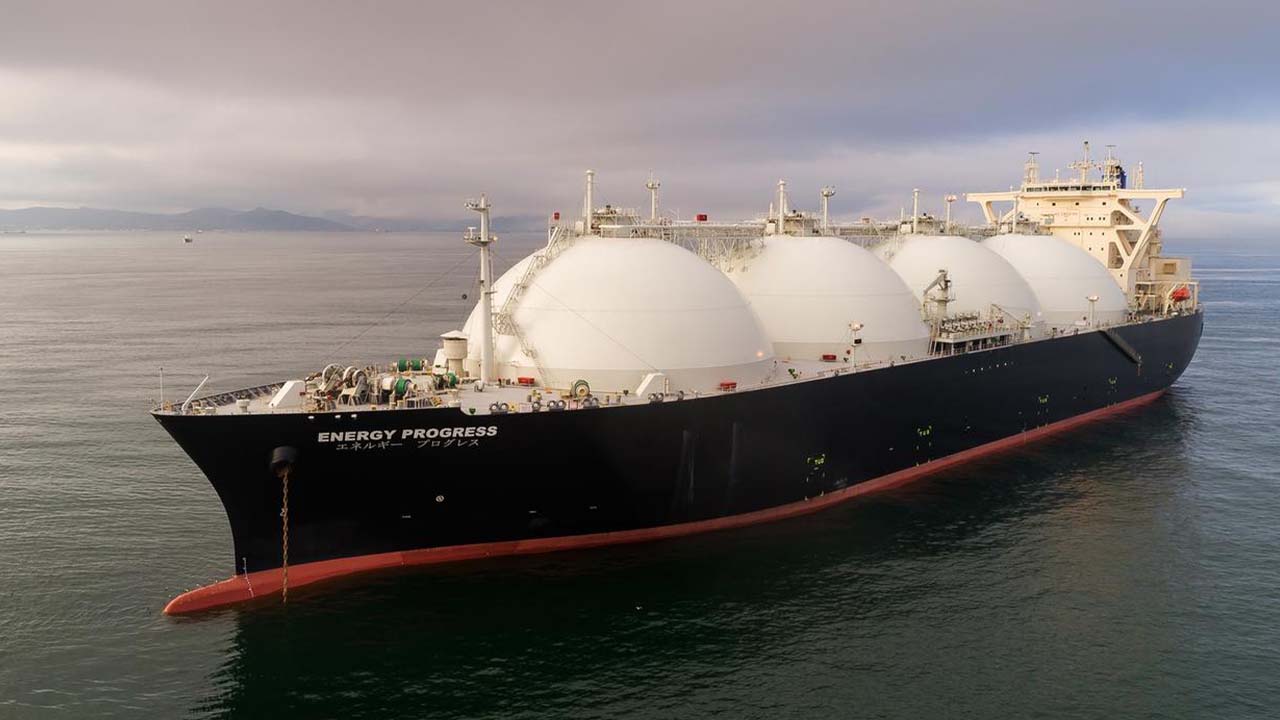
    A tender for the acquisition of liquefied natural gas (LNG) that expired on Monday did not receive a single bid from any overseas suppliers, according to Pakistan LNG Limited (PLL), a wholly-owned subsidiary of Government Holdings Private Limited (GHPL).

    PLL originally issued an invitation for bids in August for 72 LNG cargoes to be delivered over a six-year term from foreign suppliers.

    According to PLL, bids were requested from reputable organisations to convey cargo on a Delivered Ex-Ship basis (DES) at Port Qasim, Karachi, and suppliers had until September 14 to submit their offers.

    “Bid documents shall be available from 10 August 2022 to 13 September 2022,” it said.

    Failure of an LNG contract in Pakistan contributes to the energy crisis

    The Pakistani procurement, which had an expiration date of October 3, saw no suppliers participate, according to PLL bid documents.

    According to the documents, the corporation was looking for one shipment each month for the six-year period.

    PLL was required by the Pakistani government to carry out the business of importing, buying, storing, supplying, distributing, transporting, transmitting, processing, measuring, metering, and selling natural gas, LNG, and re-gasified LNG. Each cargo was to have a volumetric quantity of 140,000m3, it added.

    For the timeframe of July through September, PLL sought worldwide suppliers to submit proposals for 10 LNG cargoes.

    By July 7, suppliers were invited to submit their bids. Each cargo was required to have a volumetric quantity of 140,000m3, according to PLL documentation.

    Bloomberg, citing traders with knowledge of the situation, said that the state-owned LNG purchaser did not receive any bids in a $1 billion LNG purchase tender at the time. The article at the time stated that “it highlights both the scope of the worldwide fuel shortage as well as the unwillingness of suppliers to sell to a country in the depths of an economic crisis.”

    The Russia-Ukraine conflict has caused supply chains to be disrupted globally, which has driven up the cost of key commodities like LNG.

    Pakistan, on the other hand, is experiencing a fuel scarcity, especially in the electricity sector. The most recent development is anticipated to worsen the energy situation, particularly during the winter when there will be an increase in heating demand that would affect both families and companies.

  • US dollar will go below Rs200 in coming months, says Ishaq Dar

    US dollar will go below Rs200 in coming months, says Ishaq Dar

    Finance Minister Ishaq Dar said on Monday that the actual worth of the US dollar is less than Rs200 and that the Pakistani rupee (PKR) will strengthen in the coming months with the correct policy measures.

    Dar predicted that eventually, the value of the US dollar will go below Rs200 while speaking on the Geo News show Capital Talk.

    According to Geo, the minister stated that the local currency value had been manipulated and threatened speculators with harsh punishment. He noted that the British pound just hit an all-time low against the dollar but added that the rupee will strengthen since it is currently undervalued despite the growth of the US currency.

    It is important to note that the Pakistani rupee strengthened today in relation to the US dollar by 0.51 per cent, closing at Rs227.29 after gaining Rs1.16 in the interbank market. The rupee has risen against the dollar for seven days running.

    It is important to note that after Ishaq Dar was appointed finance minister, currency speculation seems to have decreased.