Category: Business

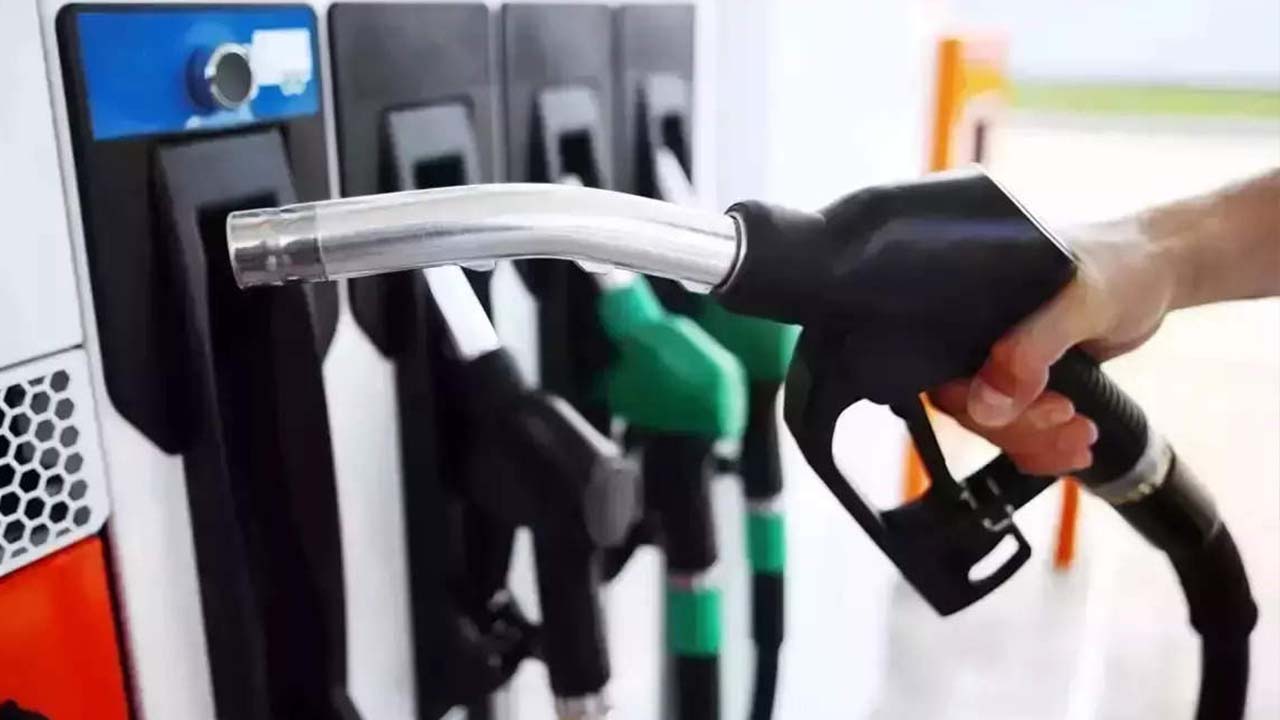
  • Petrol price reduced by Rs18.50 per liter, Diesel by Rs40.54 per liter

    Petrol price reduced by Rs18.50 per liter, Diesel by Rs40.54 per liter

    In an attempt to provide relief to the masses and share the advantages of falling crude prices on the global market, the price of petrol has been slashed by Rs18.50 per liter.

    The price reductions for petroleum products were announced by the Prime Minister, Shehbaz Sharif, in an address to the nation.

    Diesel will now cost Rs236 per liter, while gasoline will now be sold at Rs230.24 per liter. The new prices for petroleum products, according to the Prime Minister, will take effect from midnight.

    He went on to explain why, after taking office, his government had to raise the price of gasoline. He continued, “We had raised fuel prices to meet the demands made by the International Monetary Fund (IMF), which were approved by the previous administration.

    “The government has decided to pass on the relief to the people and has therefore reduced the price of petrol and diesel by Rs18.50 and Rs40.54 per liter, respectively,” he continued.

  • Govt may reduce petrol prices before midnight: Miftah Ismail

    Govt may reduce petrol prices before midnight: Miftah Ismail

    The government will lower petroleum prices before midnight, according to Finance Minister Miftah Ismail, who also announced that Prime Minister (PM) Shehbaz Sharif has received a report from the Oil and Gas Regulatory Authority (Ogra) recommending the drop.

    Speaking to the media, he emphasised that the International Monetary Fund (IMF) had no issues with the government’s decision.

    The announcement came the same day the IMF announced that it had reached a staff-level agreement with Pakistan for the conclusion of the combined seventh and eighth reviews of the Extended Fund Facility; the agreement is now awaiting the Executive Board’s approval.

    Additionally, he declared that the government will lower oil prices now rather than wait until July 15th (14 July). “PM Shehbaz wants to announce immediate relief to the people of Pakistan,” he said. “The public stood with the government during difficult times and bore the burden of inflation and now we want to provide relief.”

    In its conclusion, Ogra suggested lowering the cost of gasoline by Rs18 per liter and diesel by more than Rs20 per liter.

    The decision to lower petroleum product prices was made in response to recent sharp declines in the price of crude oil on the world market.

    The government approved a price increase for petroleum products on June 30. The increase brought the new ex-depot price of gasoline to Rs248.74 per liter (up Rs14.85), and diesel to Rs276.54 (after a hike of Rs13.23).

    On July 1, the new rates became effective. In the pricing structure, a petroleum levy of Rs10 had been added to the cost of gasoline, and Rs5 had been added to the cost of kerosene, high-speed diesel, and light diesel oil per liter.

  • Pakistan, IMF reach staff-level agreement to resume loan

    Pakistan, IMF reach staff-level agreement to resume loan

    The International Monetary Fund (IMF) extended the total loan size to $7 billion on Thursday and announced a staff-level agreement on the completion of two unfinished programme assessments, but cautioned Pakistan to be prepared to take any extra measures.

    “The IMF team has reached a staff-level agreement (SLA) with the Pakistan authorities for the conclusion of the combined seventh and eighth reviews of the EFF-supported program. The agreement is subject to approval by the IMF’s Executive Board. Subject to Board approval, about $1,177 million (SDR 894 million) will become available, bringing total disbursements under the program to about $4.2 billion,” IMF said in a statement.

    The statement added, “Additionally, in order to support program implementation and meet the higher financing needs in FY23, as well as catalyze additional financing, the IMF Board will consider an extension of the EFF until end-June 2023 and an augmentation of access by SDR 720 million that will bring the total access under the EFF to about $7 billion.”

    IMF team leader Nathan Porter noted in a statement “Pakistan is at a challenging economic juncture. A difficult external environment combined with procyclical domestic policies fueled domestic demand to unsustainable levels.”

    According to him, the ensuing economic overheating reduced reserve buffers, increased inflation, and resulted in significant fiscal and external deficits in FY22.

    The statement continued, “Policy priorities include the consistent implementation of the FY23 budget, which aims to reduce the government’s significant borrowing needs by targeting an underlying primary surplus of 0.4 per cent of GDP, underpinned by current spending restraint and extensive revenue mobilisation efforts targeted particularly at higher-income taxpayees.”

    According to Express Tribune, the international lender claimed that due to poor implementation of the previously agreed upon plan, the circular debt (CD) flow in the power sector is predicted to increase significantly to about Rs850 billion in FY22, exceeding programme targets, endangering the viability of the sector, and resulting in frequent power outages.

    To improve the situation in the electricity sector and reduce load shedding, the authorities are committed to resuming reforms, which crucially include the timely adjustment of the power tariff, including the delayed yearly rebasing and quarterly adjustments.

    According to the IMF, Pakistan’s headline inflation rate hit 20 per cent in June, impacting the most vulnerable people the most. The recent monetary policy boost was reasonable and necessary in this regard, and future monetary policy must be designed to ensure that inflation is slowly brought down to the medium-term goal of 5-7 per cent.

    “Importantly, to enhance monetary policy transmission, the rates of the two major refinancing schemes EFS and LTFF (which have over recent months been raised by 700 bps and 500 bps respectively) will continue to be linked to the policy rate. Greater exchange rate flexibility will help cushion activity and rebuild reserves to more prudent levels,” it added.

    The unconditional cash transfer (UCT) Kafalat scheme reached nearly 8 million households during FY22, with a permanent increase in the stipend to Rs14,000 per family, while a one-time cash transfer of Rs2,000 (Sasta Fuel Sasta Diesel, SFSD) was made to approximately 8.6 million families to lessen the effects of the inflationary crisis.

    The government has increased the BISP budget for FY23 from Rs250 billion to Rs364 billion in order to expand the SFSD programme to more non-BISP, lower-middle class beneficiaries and to accommodate 9 million extra families into the BISP safety net.

    The statement further stated that in order to maintain the effectiveness of the anti-corruption agencies (including the National Accountability Bureau) in investigating and prosecuting corruption cases, the authorities are putting in place a strong electronic asset declaration system.

    According to the SLA for the combined seventh and eighth reviews, consistent execution of the defined policies will support the development of growth that is more equitable and sustainable.

    “The authorities should nonetheless stand ready to take any additional measures necessary to meet program objectives, given the elevated uncertainty in the global economy and financial markets,” the statement concluded.
  • Apple’s electric vehicle may lack steering wheel and brake pedal: Leaks

    Apple’s electric vehicle may lack steering wheel and brake pedal: Leaks

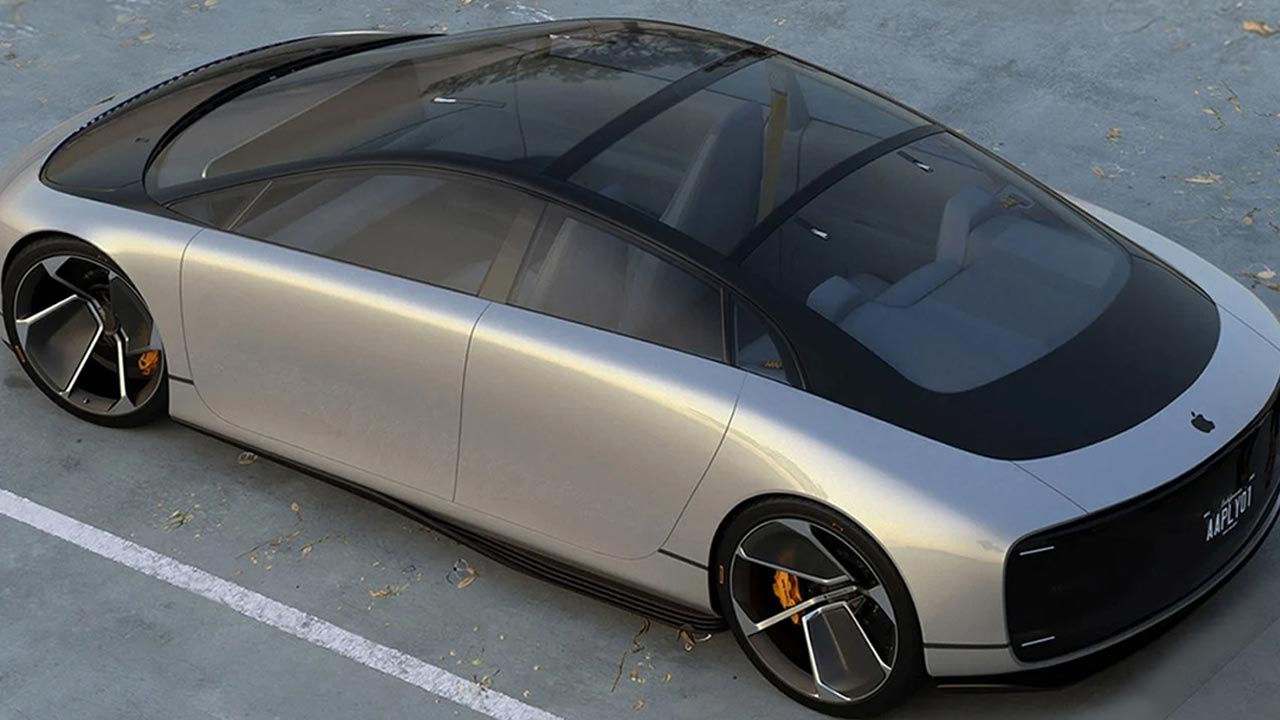
    For years, rumours have circulated that Apple is working on a self-driving electric car. The company’s troublesome “Project Titan” is described in-depth in a recent article, along with several intriguing facts about its design, such as the absence of a steering wheel.

    A comprehensive article about Apple’s multi-year effort to create a self-driving automobile was published by The Information.

    The majority of it records information that everyone following “Project Titan” already knows, however, the article also contains some fresh information about the car’s design and difficulties.

    Autonomous vehicles still need to be able to hand over control to people in order to be safe, and they have frequently done so in tests. The study lists numerous instances of this occurring with Titan.

    The most intriguing aspect is that Apple is attempting to obtain approval from the US National Highway Traffic Safety Administration so that it may release the car without a steering wheel or brake pedals, fully committing it to be a self-driving vehicle.

    Another unique element of the project is the seating arrangement concepts from Apple designers. The most recent design has four chairs that face inward, placing passengers face-to-face. Additionally, designers are considering allowing passengers to lie down and sleep.

    A level 5 Apple automobile has been in development for about ten years, but it won’t likely be released to the public for some time. Hyundai was a potential partner for Apple in the past, but discussions ceased in February of last year.

    Project manager Doug Field departed Apple in September of last year to work for Ford, which made the delays much worse.

  • One Euro is equal to one US dollar for the first time in 20 years

    One Euro is equal to one US dollar for the first time in 20 years

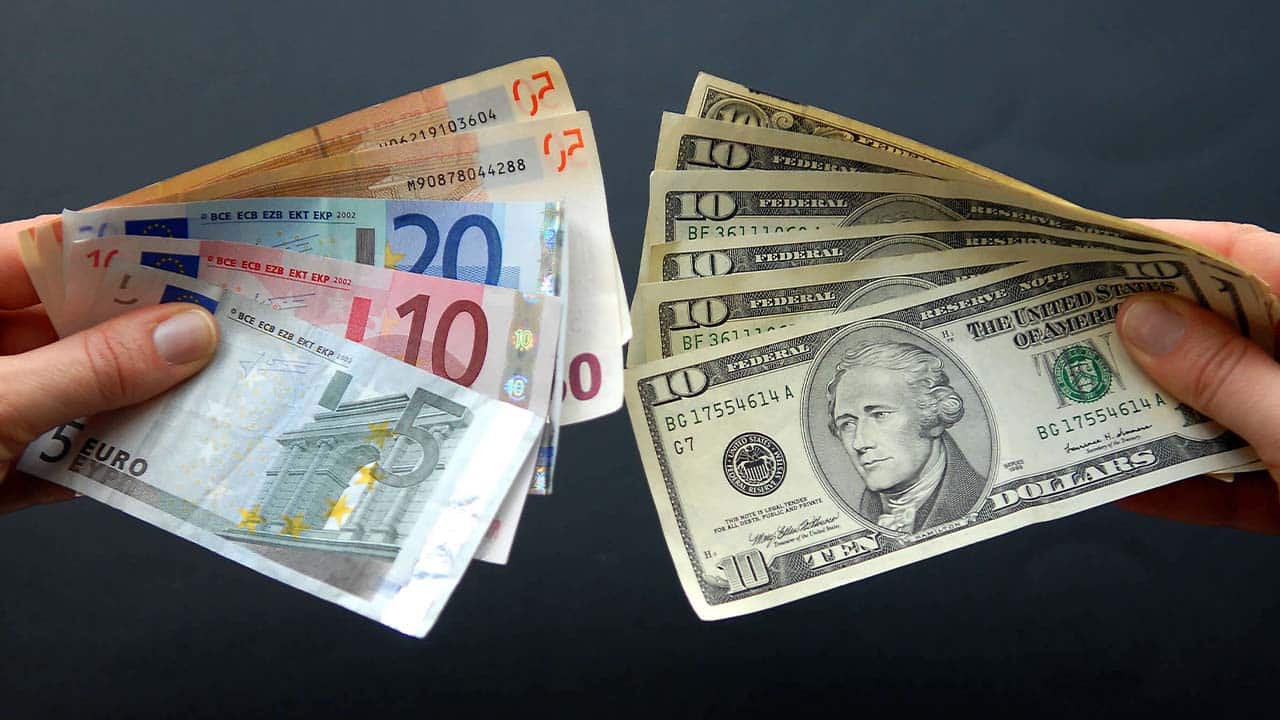
    The euro reached its lowest level in more than 20 years by 10:00 GMT on Tuesday, falling to $1.

    The stock markets declined as a result of the euro’s parity with the dollar and the possibility of additional central bank tightening as well as concerns over the global economy’s stability.

    Recent weeks have seen the US dollar soar to two-decade highs against a variety of other currencies, strengthening its position as the preferred currency for investors concerned about the economic outlook.

    A continuing rise in natural gas prices’ impact on the local economy as well as the conflict in Ukraine have made the euro particularly vulnerable. The European Central Bank has lagged behind competitors in increasing interest rates.

    The move towards parity, according to Mizuho analysts, is taking place as “the downturn in the eurozone is priced in,” and the overall environment does not appear to be improving risk sentiment.

    For the European Union, this is a “catastrophe,” according to SG Futures, as energy imports may become more expensive.

    “Energy supply is already unaffordable and as we head into winter it’ll likely get even worse,” it added on a tweet.

    The dollar index has been moving higher as a result of the euro’s weakness, as well as concerns about global economic growth as China, in particular, enforces strict zero-COVID policies to control new outbreaks.

    The presumption that the Federal Reserve will raise rates faster and further than peers is, however, arguably the main reason for the dollar’s increase.

  • Mercedes-Benz sales decline in Q2 due to supply issues

    Mercedes-Benz sales decline in Q2 due to supply issues

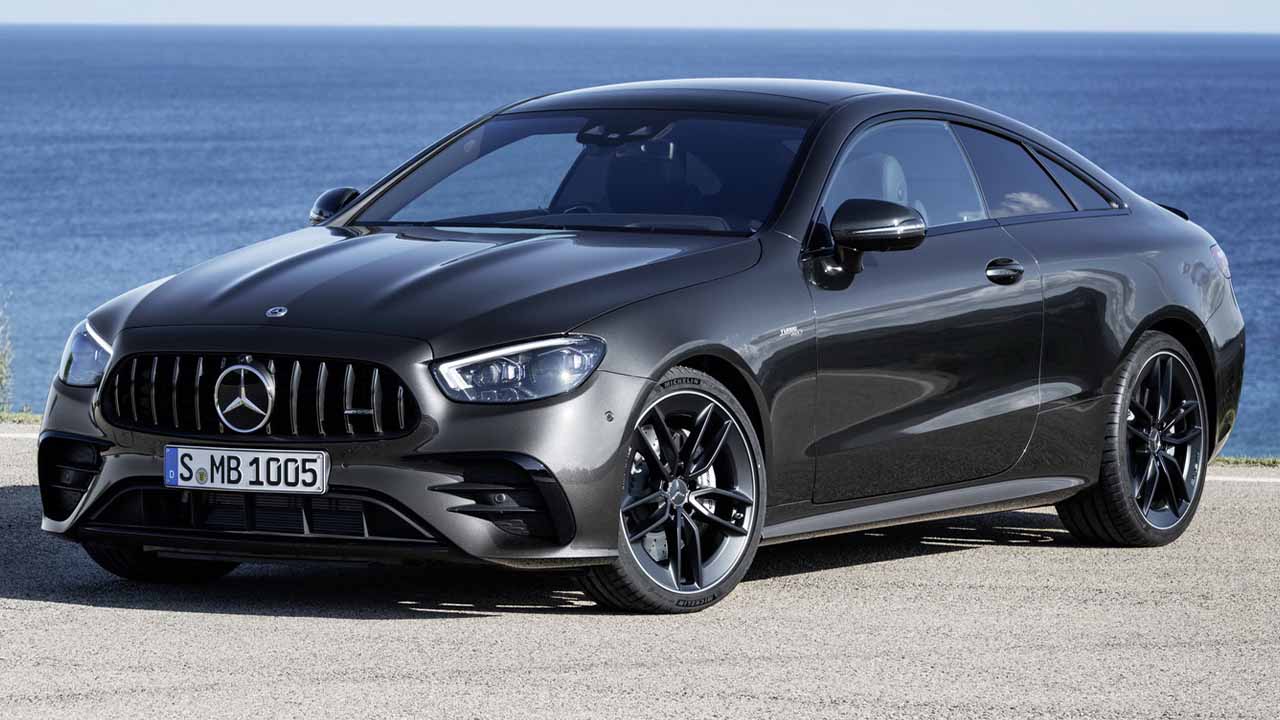
    Mercedes-Benz sales dropped significantly in the second quarter due to supply issues and lockdowns in China because of coronavirus, according to the German automaker.

    From April to June, the auto manufacturer delivered 490,000 passenger cars, a 16 per cent decrease from the same period in 2017.

    Sales for its Cars division fell by 16 per cent for a total of 998,000 deliveries in the first half of 2022.

    China, the largest single market, saw the biggest decline in second-quarter sales, falling by 25 per cent to 163,700 vehicles, according to the automaker.

    Sales in the Asia-Pacific region decreased by 20 per cent, primarily as a result of lockdown measures, while sales in Europe fell by 10 per cent and in North America by 3 per cent during the quarter.

    Mercedes-Benz is still expecting mildly higher sales in 2022 than in 2021, according to a spokesperson. Sales director Britta Seeger stated that “customer demand remains high” despite worries about rising inflation.

    Seeger revealed that popular luxury models include the Maybach and the EQ model series of electric vehicles.

    According to the German manufacturer, 100,000 units of the more affordable Mercedes-Benz Vans were sold globally in the second quarter, just below the same period last year.

  • Residential buildings make up 80 per cent of Pakistanis’ wealth: Study

    Residential buildings make up 80 per cent of Pakistanis’ wealth: Study

    Almost 80 per cent of the wealth accumulated by Pakistani households by the time they are 60 to 65 years old is made up of residential buildings, according to a recent World Bank study.

    Between the ages of 25 and 65, the net worth of the typical Pakistani household increases by 60 months’ worth of consumption (5 years).

    According to a DAWN report, residential housing makes up the majority of this growth, whereas other types of wealth like land, durables, business and farm values, and financial assets stagnate over time. Early in life, asset accumulation is slower; it picks up between the ages of 40 and 65.

    According to a study titled “Life Cycle Savings in a High-Informality Setting — Evidence from Pakistan” published earlier this week, financing elderly consumption will be a significant challenge in the future due to a combination of factors including population ageing, deteriorating family and village risk-sharing networks, and low formal pension coverage.

    When compared to other investment options, real estate and land are a safe bet, as evidenced by the fact that households save primarily in these areas. According to the study, housing may be a way to permanently store resources in a way that makes them difficult for other family members to steal or use against them.

    According to the study, it might also be a result of a lack of access to other reliable, safe, and high-return long-term saving options. Participation in alternative saving methods may be hindered by low levels of financial literacy, numeracy, and familiarity with formal banking institutions.

    The study emphasised that Pakistan has expanded financial inclusion much more slowly than other nearby countries and that these barriers must be removed.

    Despite being a safe investment, housing is relatively illiquid, which depletes funds for short-term consumption smoothing. Only 3 per cent of Pakistani adults (15 and older) report being able to rely on savings for emergency funds, while 49 per cent claim it is impossible to come up with emergency funds.

    According to 41 per cent of people ages 15 and older, family or friends are typically the primary source of emergency funds; 25 per cent report borrowing for medical expenses.

    Theoretically, policies that permit more real estate assets to be used as collateral for loans made through formal financial institutions could lessen the need for liquid precautionary savings and free up funds for retirement savings. However, these programmes might also promote excessive debt and result in evictions.

    Scarcity of other secure, liquid savings options may also restrict the income potential of self-employment. Although self-employed people have similar levels of education to wage workers, they are typically older. Nearly half of self-employed people lack education.

    Given that the majority of self-employed businesses are started with their own capital, the older age of the self-employed may indicate that the first working years are spent acquiring start-up capital. Only 11 per cent of people aged 15 and older, according to Findex surveys, borrow money to launch or grow a business.

    According to the study, expanding options for secure long-term savings outside of the housing through the use of government-sponsored or subsidised old-age savings instruments could lead to greater independence in old age and lessen the burden on younger families.

    The study found that the average net worth accumulation accelerates around the age of forty, roughly in the middle of the working years. We demonstrate that active saving likely plays a significant role, even though some of this accumulation may reflect patterns in inheritances.

    Around that time, household income growth starts to outpace household consumption growth, and the saving rate rises by 20 percentage points between ages 40 and 65. This suggests that people in that age range may benefit most from programmes designed to encourage formal saving.

  • France to provide Rs4.6 billion for the renovation of Lahore Fort

    France to provide Rs4.6 billion for the renovation of Lahore Fort

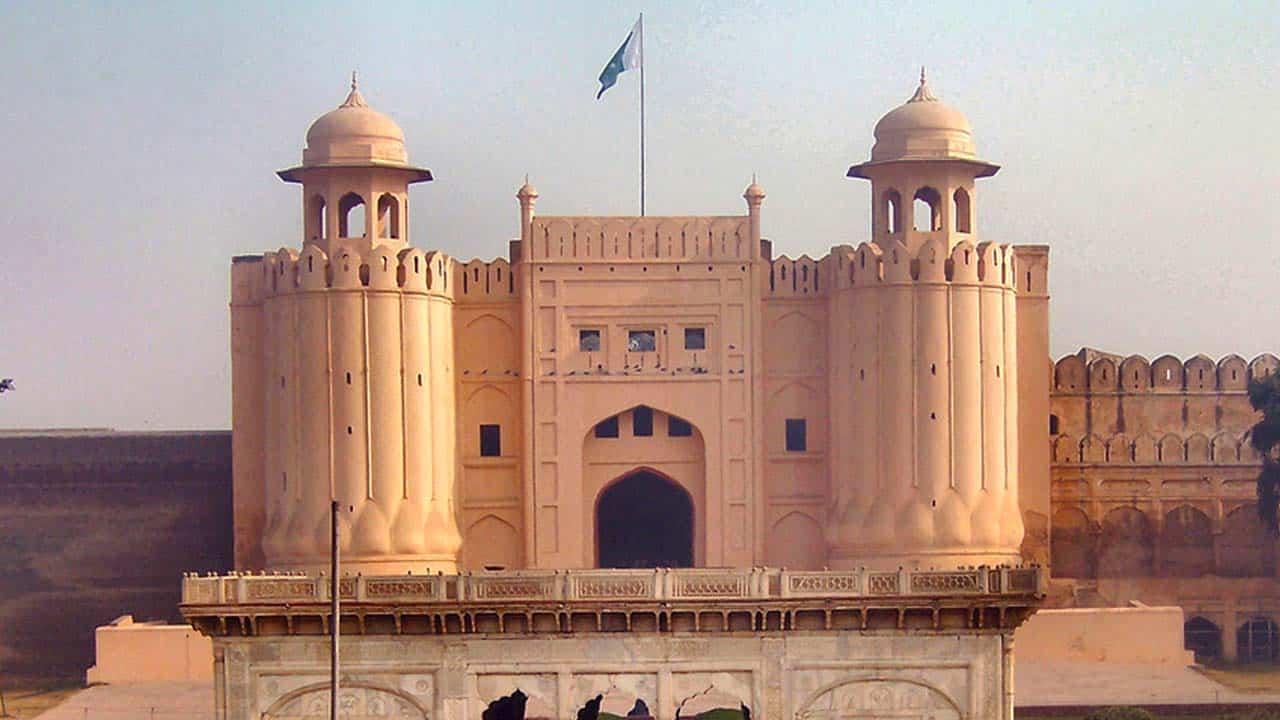
    A financing agreement worth more than Rs4.6 billion (€22 million) has been signed by the government of Pakistan and the government of France, through the French Development Agency (FDA), to provide technical and financial support for the restoration of the Lahore Fort.

    A special heritage site in Pakistan is to be protected and restored as part of the HURL (Heritage & Urban Regeneration in Lahore) project. The areas of focus will be increasing economic activity, promoting tourism, and preparing local communities for climate change.

    The walled city and fort of Lahore, which is in the middle of an 11 million-person metropolis, is made up of numerous unique structures with exceptional historical and cultural value as well as numerous compact ancient neighbourhoods.

    The fort faced numerous threats to its integrity, which led to UNESCO listing it as a World Heritage Site in Danger in 1981. The Walled City of Lahore Authority (WCLA), the Aga Khan Trust for Culture (AKTC), and the Punjab government launched a ten-year conservation initiative to develop and restore the site in 2012.

    The French government is delighted to be supporting this attempt through AFD: “France is proud to be part of the ambitious plan of the Punjab government to develop and promote the unique cultural heritage of Lahore,” said Nicolas Galey, the French ambassador to Pakistan.

    By enhancing the tourist attraction of the locations and enhancing the living conditions of the riparian populations, the restoration and development of the Lahore Fort surroundings will be a potent engine of sustainable economic development of the City.

    The HURL project will be financed over a five-year period. It is anticipated that this will strengthen the Lahore Fort’s resilience, generate more income and employment opportunities, particularly for women and the transgender community, and contribute to the restoration and improvement of the fort.

    By including the neighbourhoods surrounding the fort as a growth interface, it will also increase tourism development and strengthen the capacity of WCLA and its associates.

    The AFD is reaffirming its dedication to Lahore’s urban development by funding this project. This significant undertaking is just the beginning of the French government’s efforts to support the restoration of South Asian heritage.

  • SBP raises policy rate to 14-year-high of 15 per cent

    SBP raises policy rate to 14-year-high of 15 per cent

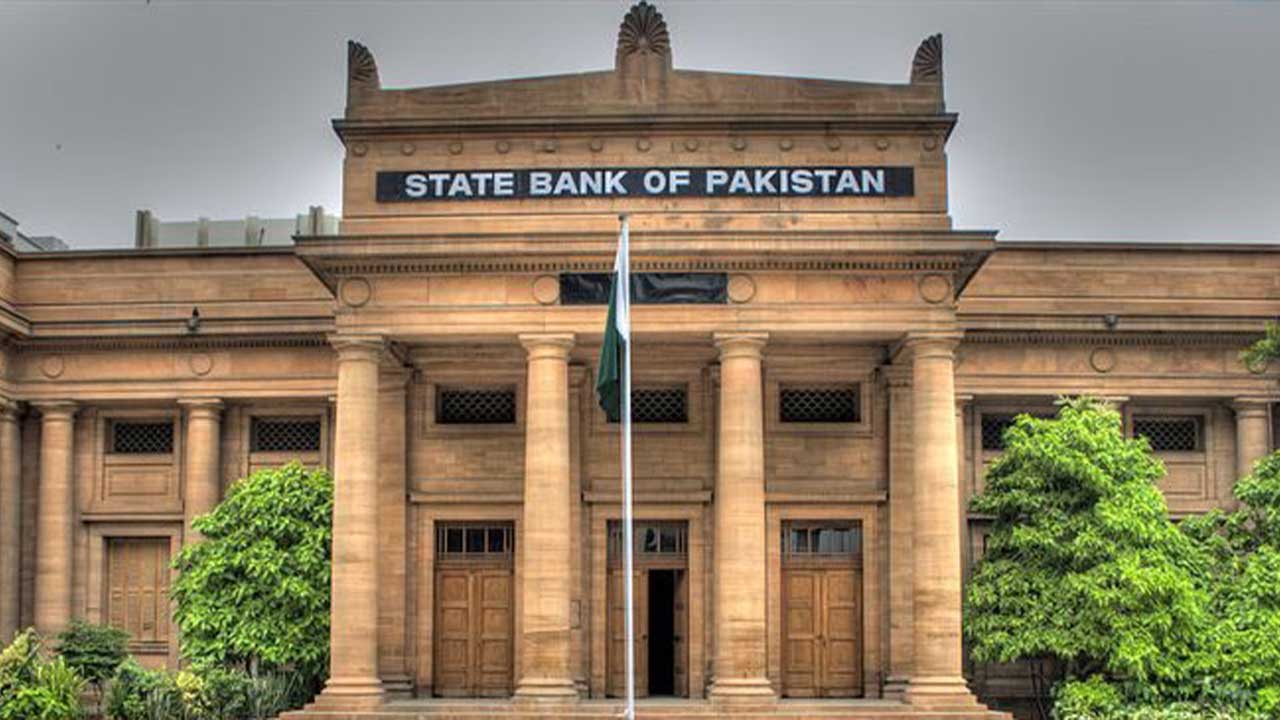
    In an attempt to calm the economy, control inflation, and support the beleaguered rupee, the State Bank of Pakistan’s Monetary Policy Committee (MPC) decided to raise the policy rate by 125 basis points (bps) to 15 per cent on Thursday.

    The previous policy rate at the same level was in 2008, so the current policy rate is at a level that is 14 years higher. The committee also disclosed that, in order to improve the transmission of monetary policy, interest rates on EFS and LTFF loans are now tied to the policy rate.

    Following the MPC meeting on Thursday, SBP Acting Governor Dr Murtaza Syed gave a virtual press conference where he announced the monetary policy decision. He told the media that the rate of inflation has been rising at its highest rate since 1970.

    “Globally, inflation is at multi-decade highs in most countries, and central banks are acting aggressively, putting pressure on most emerging market currencies to depreciate,” he continued.

    He praised recent government decisions, such as ending petroleum subsidies, and claimed that these actions had made it possible to finish the IMF loan programme. Pakistan’s external financing requirements for FY23 will be met thanks to significant additional funding from external sources, which will be stimulated by the anticipated conclusion of the ongoing IMF review.

    Then, during the course of FY23, rupee pressures should ease and the SBP’s FX reserves should gradually resume their prior upward trajectory.

    According to him, monetary tightening and fiscal consolidation will cause GDP growth to moderate to 3–4 per cent in FY23, helping to close the positive output gap and lessen demand-side pressures on inflation.

    The acting governor SBP stated that, according to the MPC’s baseline outlook, headline inflation is likely to remain high in FY23, hovering around 19–20 per cent, before dropping sharply to the target range of 5–7 per cent by the end of FY24, driven by stringent policies, a normalisation of global commodity prices, and advantageous base effects.

  • Edible oil and ghee prices may decrease soon: Miftah Ismail

    Edible oil and ghee prices may decrease soon: Miftah Ismail

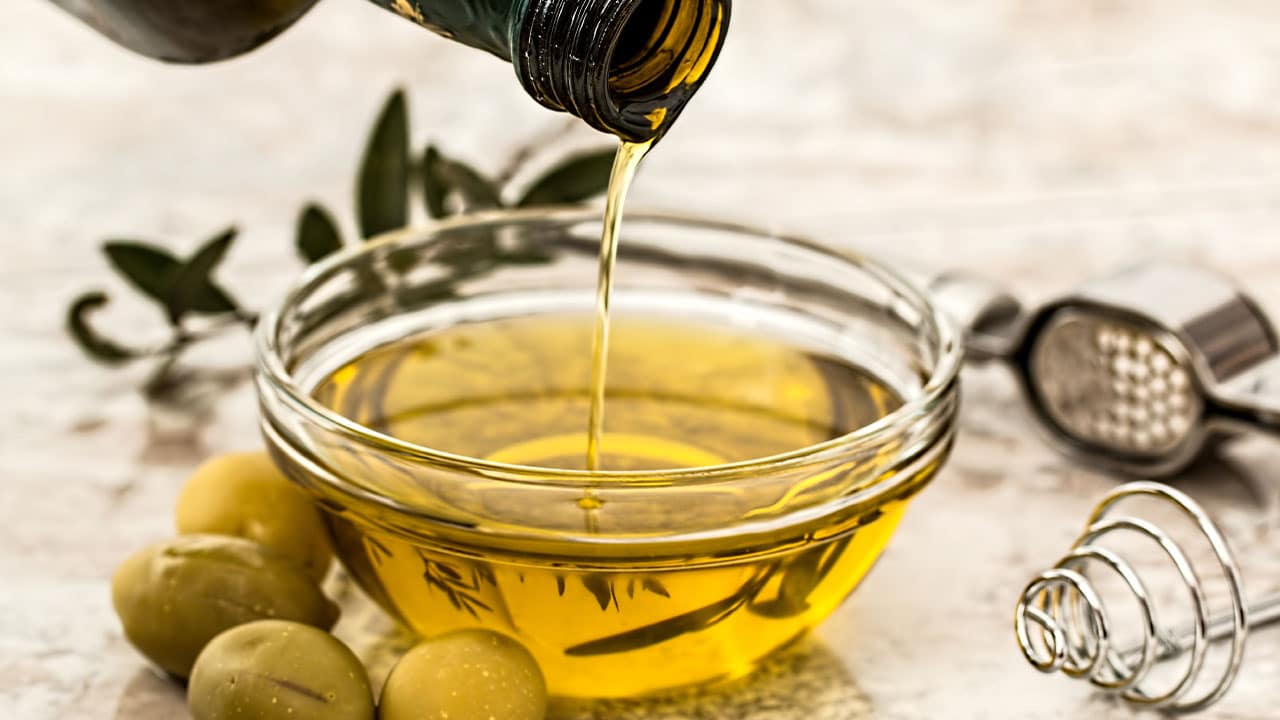
    The price of edible oil and ghee has decreased, according to Finance Minister Miftah Ismail, who expressed hope that the reduced costs will result in a reduction of Rs100 to Rs150 in the price of edible oil in the local market.

    The finance minister expressed optimism about lower petroleum product prices in the near future while speaking at a press conference alongside Bilal Kayani, a member of the Ministry of Finance’s Privatization Committee.

    He claimed that because the price of crude on the international market had dropped to $100, Pakistan’s citizens would “benefit” from lower prices at the “right time.”

    Miftah noted that lower pricing will also result in lower import costs for Pakistan.

    The finance minister continued to criticise the Pakistan Tehreek-e-Insaf (PTI) administration, stating that the previous administration had left an economic minefield but that despite difficulties, the economy was now stabilising and foreign exchange reserves were increasing.

    Imran’s administration left behind a “record trade deficit,” Miftah continued. The finance minister explained the $6 billion loan package for Pakistan from the International Monetary Fund (IMF) and expressed optimism that any outstanding concerns will be handled quickly so that the nation may get the next instalment.

    Additionally, he stated that because wheat prices were stabilising on the global market and that tenders will soon be opened, flour prices would decrease on the local market.

    Due to the fact that Russia and Ukraine are two of the world’s top producers of wheat, wheat prices reached historic highs at the commencement of the Russo-Ukrainian War in February of this year.

    The country’s persistent power shortage was also brought up by the finance minister, who noted that current generation levels are below the necessary 30,000, but expressed optimism that the problem would be resolved in the upcoming weeks.

    He claimed that the PTI government failed to release LNG tenders in a timely manner, which is why there is currently a shortage of liquified gas, and blamed the Imran-led government for the power problem.

    Major LNG producers throughout the world are now supplying Europe with LNG as a result of the continent’s reduction in its reliance on Russian gas, and fuel is in short supply for other consumers.

    The government is vigorously supporting the use of solar energy, Miftah continued, and a nuclear power plant will soon be put into operation.