Category: Business

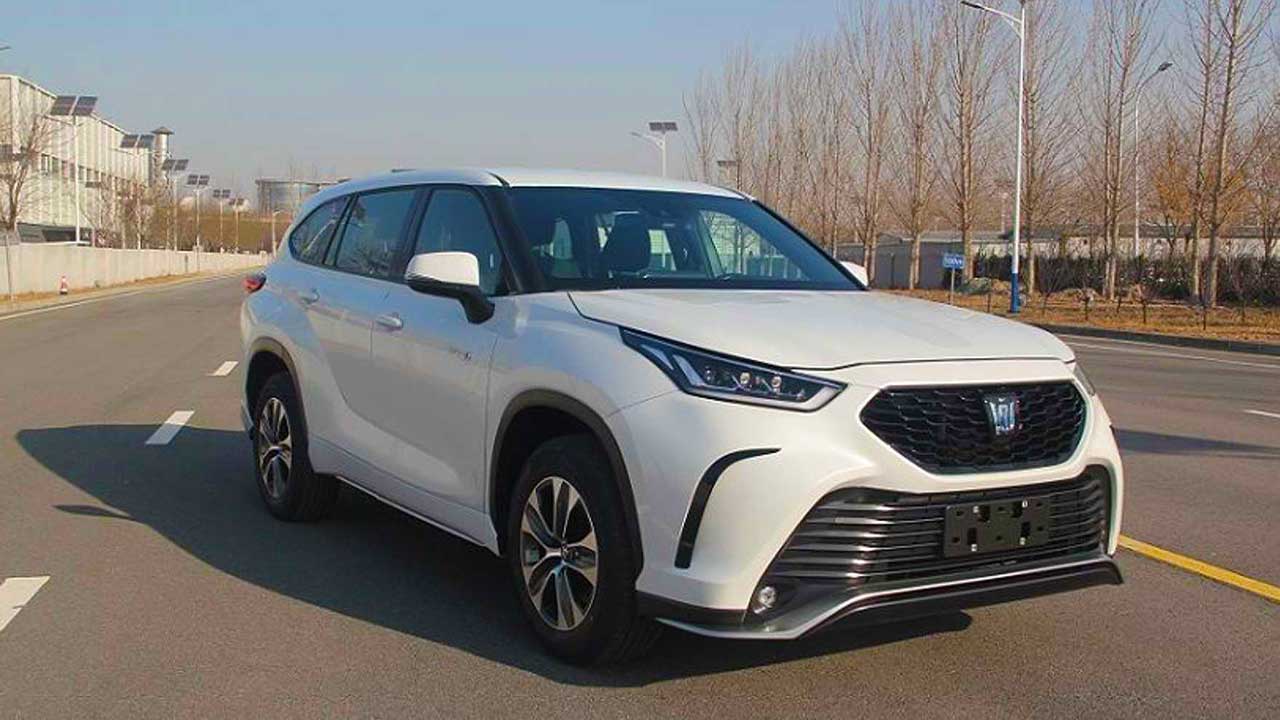
  • Toyota to reveal Crown SUV 2022 next week

    Toyota to reveal Crown SUV 2022 next week

    Nearly 70 years after the initial vehicle went on sale, the Toyota nameplate for passenger automobiles, which was also the brand’s first to be exported to the United States, is ready to enter its 16th generation.

    It will forgo the standard sedan body form in favour of something resembling a high-riding fastback. Even the Japanese manufacturer rhetorically queries if the new Crown is a sedan or an SUV on its dedicated website.

    The updated model is anticipated to arrive in the United States in the summer of 2023, most likely as 2024MY. The world premiere is scheduled for July 15. It’s important to note that Toyota already increased the Crown lineup by launching the nameplate in China. It is utilised for premium versions of the Highlander SUV and Vellfire minivan rather than specific models.

    If the low-volume Century, which has a special status in the lineup and is only offered to VIPs, is excluded, the Crown has historically been Toyota’s flagship vehicle in its native Japan. Since sedans have lost favour in the Land of the Rising Sun, the next-generation vehicle will not resemble the current one at all, according to patent images.

    According to a recent report (connected to those patent images), the new model will measure 4,930 millimetres (194 inches) in length, 1,840 millimetres (72.4 inches) in width, and 1,540 millimetres (60.6 inches) in height.

    According to reports, the wheelbase is 2,850 mm (112.2 in) long, and the platform may be Toyota’s TNGA-K. There are plans for hybrid and plug-in hybrid drivetrains, as well as two- and four-wheel-drive versions.

    The company’s most costly vehicle in the lineup is expected to be the US-bound sedan/SUV, which is expected to cost around Rs11,428,488 ($50,000) before extras. A wholly electric derivative is anticipated for later in the product’s life cycle, according to sources familiar with the situation, but it’s not clear if the EV would be sold in North America.

    Reuters reported in April that Toyota planned to modernise the Crown sedan, retain it on the market in its home country alongside this new model, and make both of them in Japan.

  • Banks increase charges for ATM withdrawals from other banks

    Banks increase charges for ATM withdrawals from other banks

    For cash withdrawals at ATMs from banks other than the account’s host bank, some commercial banks have increased the per transaction cost from Rs18.50 to Rs23.44.

    Some banks have already begun charging their clients, while others are expected to do so within the coming weeks.

    The details indicate that commercial banks, including United Bank Limited (UBL), Askari Bank, Bank Al Habib, Meezan Bank, Bank of Punjab (BOP), Telenor Microfinance Bank, and National Bank of Pakistan (NBP), updated their schedule of charges and increased the fees on cash withdrawals made by customers of various banks through their ATMs.

    Banks like Bank Alfalah, MCB Bank, and Habib Bank Limited did not change the fees for cash withdrawals made through the Link 1 changeover. On the same account, these banks charge between Rs18.50 and Rs18.75 every transaction.

    These fees make up a substantial portion of 1-Link Switch as well as a small portion of a bank that operates an ATM that is utilised by clients of other banks to conduct transactions.

    Not all banks will necessarily use the same strategy. However, the majority of banks, are expected to gradually impose or increase the fees.

  • Pakistani rupee climbs versus dollar for fourth consecutive day, closes at Rs204.56

    Pakistani rupee climbs versus dollar for fourth consecutive day, closes at Rs204.56

    On Monday, the rupee continued to strengthen for a fourth consecutive day, rising a meagre 0.14 per cent against the US dollar on hopes that the International Monetary Fund (IMF) bailout plan will be reinstated.

    In relation to the US dollar, the local currency increased by Rs0.29, or 0.14 per cent, to settle at Rs204.56. Since falling as low as Rs211.93 on June 22, 2022, the currency has increased by Rs7.37.

    The market now anticipates a relatively easy restart of the programme, which coincides with Pakistan’s efforts to meet various IMF-imposed requirements.

    Following discussions between the two parties, Pakistan received the IMF Memorandum of Economic and Financial Policies (MEFP) last week.

    In addition, Pakistan’s Prime Minister Shehbaz Sharif has stated that the IMF will combine the seventh and eighth assessments of Pakistan’s Extended Fund Facility (EFF) and distribute around $1.9 billion in the coming days.

    Experts claim that the most recent developments in the IMF programme, which is largely seen as being essential to Pakistan’s economy, have enhanced investor sentiment.

  • Nepra approves price increase of Rs9.66 per unit for Karachi

    Nepra approves price increase of Rs9.66 per unit for Karachi

    On account of the fuel cost adjustment (FCA) for May 2022, the National Electric Electricity Regulatory Authority (Nepra) allowed K-Electric to increase its power rate by Rs9.66 per unit on Monday.

    According to Aaj News, Nepra will make the announcement following careful consideration.

    In order to transfer the financial burden of Rs22.65 billion to consumers for May 2022, K-Electric requested an increase of Rs11.34 per unit.

    Officials from Nepra questioned K-Electric during a hearing about why it wasn’t buying less expensive electricity and offered to help K-Electric establish a connection with the provincial and federal governments for this reason.

    The power distributor also questioned K-Electric’s decision not to use the inexpensive oil it had acquired for power production.

    Nepra’s representatives responded that the company was using peak hours, which are from 6:30 PM to 10:30 PM, to provide electricity and that the cost of power is much greater at these times.

    The FCA estimate for May 2022, according to K-Electric, was based on the requested rate for the month from CPPA-G and is subject to change based on a decision to be made by Nepra.

    In its FCA adjustment request, the power utility informed the regulator that it imports from outside sources and dispatches power from its own generating units (with the available fuel resources) in accordance with economic merit orders (EMOs).

  • Sindh extends market timings for Eid-ul-Adha after Punjab

    Sindh extends market timings for Eid-ul-Adha after Punjab

    The government of Sindh on Sunday decided to revoke the notice it had issued regarding time limits for markets due to Eid-ul-Adha, following the relaxation of restrictions in Punjab.

    The province’s home department reportedly sent out a notice saying that the limitation will resume on July 11.

    In order to conserve electricity as the country was experiencing frequent power outages, the Government of Sindh earlier in June ordered all marketplaces in the province to close at 9 pm.

    The limitation was supposed to last until July 16, but as Eid-ul-Adha is quickly approaching, the regional government has decided to temporarily relax the ban. The letter states that it was decided to suspend the closure orders for the benefit of locals.

    Islamabad and Punjab had also let marketplaces stay open until late the day before to help the business community and those who were buying for Eid.

  • Pakistan Customs seizes a massive amount of methamphetamine and illegal goods

    Pakistan Customs seizes a massive amount of methamphetamine and illegal goods

    Pakistan customs department has seized illegal goods worth approximately Rs60 million in separate incidents over the past week, indicating that the campaign against the smuggling of contraband goods into and out of Pakistan is in full swing.

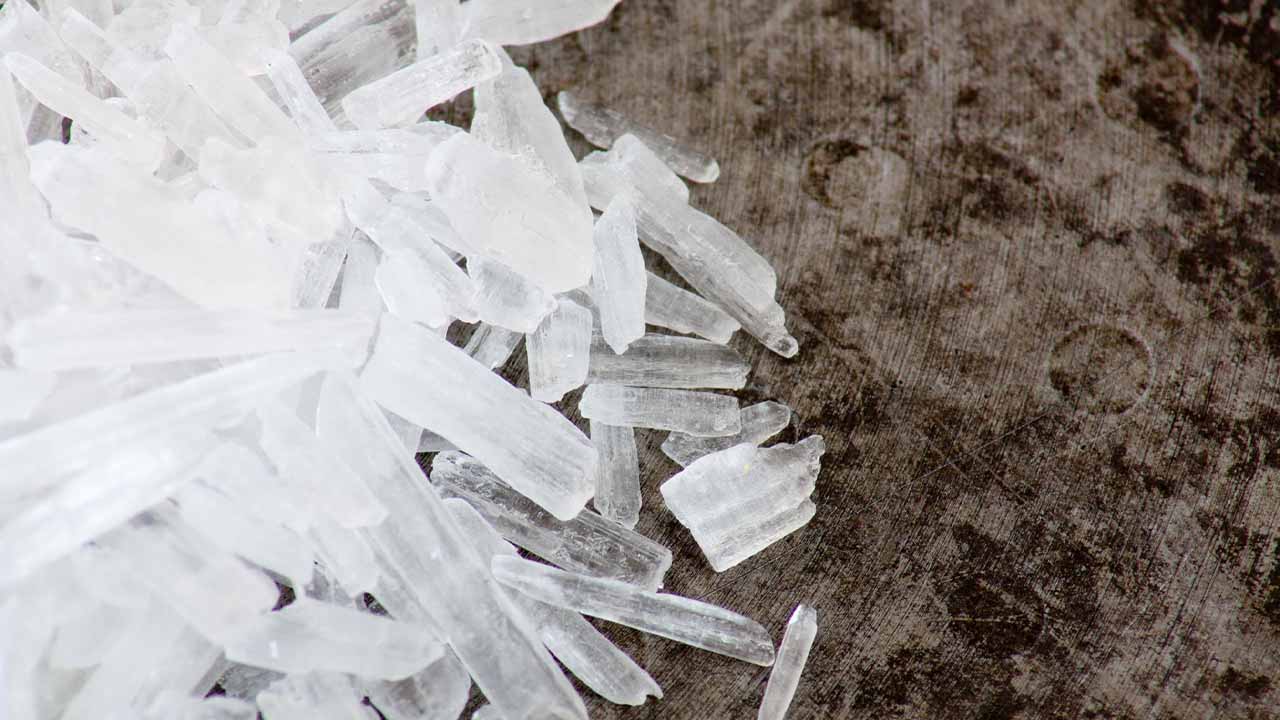
    The Exports Collectorate prevented an attempt to smuggle a sizable amount of drugs into Australia. The Exports Examination-PICT team has made a drug seizure of 47 kilogrammes of ice. Officials reported that Fida Hussain, a suspect, was detained by Customs authorities after they registered a case, according to Express Tribune.

    The Enforcement Collectorate Karachi team reportedly stopped two oil tankers close to the Mochko checkpoint and found 30,000 liters of Iranian diesel that had been smuggled. The seized tankers and smuggled diesel are estimated to be worth a total of Rs27.5 million.

    Another incident involved a trailer truck that was loaded with urea and was headed for Karachi when it was illegally crossed into Balochistan by the Enforcement Karachi at the Mochko checkpoint.

    Deputy Commissioner Keamari has received the truck and seized urea for further legal action. The truck hauling urea is estimated to be worth Rs29 million.

  • Pakistani mobile manufacturing businesses are laying off workers due to economic challenges

    Pakistani mobile manufacturing businesses are laying off workers due to economic challenges

    There has been significant upheaval in the economy as a result of the new tax structure, rising inflation, and the power shortage.

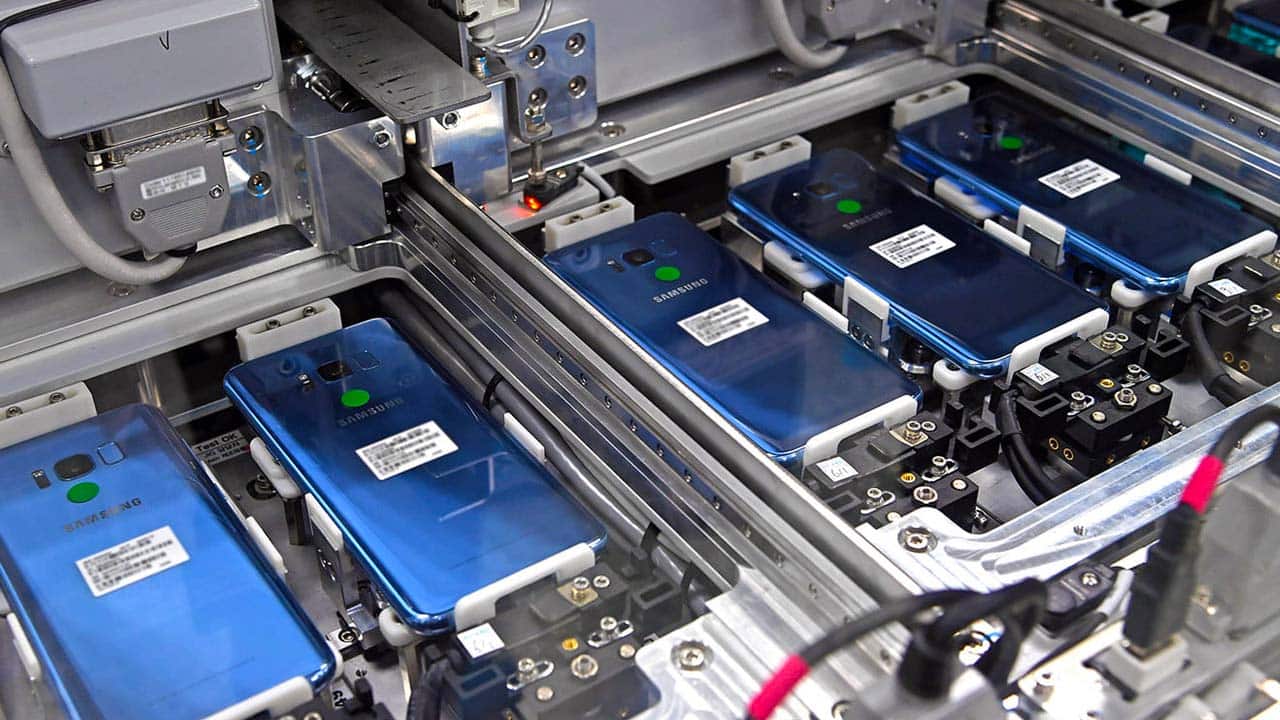
    The Samsung mobile factory, which is owned by Lucky Motors, experienced a similar situation when it had to lay off a number of employees because Pakistan was short on raw materials.

    In addition to Samsung, there have also been reports of firing close to 1,000 workers at the Vivo mobile factory.

    Lucky Motor Corporation was permitted by PTA to manufacture Samsung mobile devices in August 2021, which sounded like a great news in terms of job creation and GDP contribution, among other things.

    In various economic sectors, each economic measure can have numerous impacts. As per economic theory, a nation’s high rate of inflation discourages investment since it makes it less certain that those investments will be lucrative. Humongous unemployment is being caused by this, along with an import ban and a recently implemented “super tax” in Pakistan.

    Additionally, businesses like Careem and Airlift recently stopped operating in some sectors and let go of a number of employees.

    In the year 2020, Careem fired 31 per cent of its workforce due to a pandemic. A number of the staff members at SVWL, Airlift, and Careem Food were let go in 2022. limited their operations or nearly shut down.

  • Oil sales fell by 11 per cent as prices rose to highest levels

    Oil sales fell by 11 per cent as prices rose to highest levels

    In June 2022, overall sales of petroleum and lubricants were 1.93 million tonnes, down 11 per cent from the previous month but unchanged from the previous year.

    Petrol and high-speed diesel (HSD) sales both experienced significant monthly declines, falling by 12 and 16 per cent, respectively.

    Sales of all oil products rose by 16 per cent YoY to 22.595 million tonnes during FY22 from 19.45 million tonnes during the same period in FY21.

    Analyzing the data demonstrates that expansion was seen in all categories, with offtake increasing to 8.95 million tonnes, 8.87 million tonnes, and 4.04 million tonnes, respectively, up by 9 per cent, 15 per cent, and 35 per cent on YoY compared to the same period last year.

    Ismail Iqbal Securities analyst Abdullah Umer stated, “We believe that significant rise in both diesel and petrol prices are the main reason behind the decline in retail sales.”

    According to the brokerage house, “Healthy economic activity, robust agricultural activity, upbeat automobile sales, and curb of HSD smuggling remained major drivers behind such stupendous growth.”

    Although the current government has chosen to manage petroleum product prices by levying a Petroleum Development Levy (PDL) and sales tax even if international oil prices decline, the brokerage house anticipated a further slowdown in diesel and gasoline sales going forward.

    In the coming months, retail fuel demand is likely to be further impacted by an increase in carpooling, increased use of public transportation, a change in consumer behaviour (moving from passenger cars to two-wheelers), high inflation, and a general slowdown in economic activity.

    “We expect RFO sales to remain intact due to a likely decline in RLNG & imported coal-based power generation.”

    The government announced a late-night price increase for petroleum products on Thursday, raising the ex-depot price of gasoline to Rs248.74 per liter (after an increase of Rs14.85) and diesel to Rs276.54 (after a hike of Rs13.23).

    Diesel was previously priced at Rs263.31 per litre and petrol at Rs233.89.

    The pricing structure included a Rs10 petroleum levy on gasoline. The cost of high-speed diesel, kerosene, and light diesel oil has also increased by Rs5 per litre.

    Finance Minister Miftah Ismail announced the government’s decision, stating that these prices would go into effect at midnight in order to make up for the Rs-230 billion loss experienced during the fiscal year that ended on June 30th, 2022.

    According to him, the country’s budget deficit, which reached a historic high of Rs5 trillion, made the increase in these prices inevitable.

  • Pakistan’s inflation hits 21.32 per cent in June 2022

    Pakistan’s inflation hits 21.32 per cent in June 2022

    In June 2022, Pakistan’s yearly inflation rate reached a 13-year high of 21.3 per cent, up from 9.7 per cent in June 2021 and 13.8 per cent in May 2022, according to the most recent data made public recently by the Pakistan Bureau of Statistics (PBS).

    According to PBS, monthly CPI-based inflation rose by 6.3 per cent in June 2022 as opposed to a 0.4 per cent increase the month before and a 0.3 per cent decrease in June 2021.

    Compared to increases of 14.1 per cent a month prior and 17.6 per cent a year prior, the Sensitive Price Index (SPI) inflation on a YoY basis increased by 21.7 per cent in June 2022. On a month-over-month basis, it increased by 6.2 per cent in June 2022 compared to a 0.6 per cent increase the previous month and a (-)0.4 per cent decrease in June 2021.

    The Consumer Price Index (CPI) reached 21.3 per cent on a year-over-year (YoY) basis as Pakistan’s economy battles a widening current account deficit brought on by a high import bill, rising inflation has become a major concern.

    In an effort to combat economic headwinds, the State Bank of Pakistan (SBP) increased the key interest rate by 150 basis points to 13.75 per cent earlier in May. At the time, the central bank predicted that as electricity and fuel subsidies are eliminated, inflation is likely to spike briefly, remain high through FY23, and then drop precipitously in FY24, according to Brecorder.

    The SBP is currently scheduled to decide the key interest rate at its upcoming Monetary Policy Committee meeting on July 7.

    On the other hand, the current administration increased the price of petroleum products in an effort to resurrect the International Monetary Fund (IMF) programme, which is anticipated to drive up inflation even further.

    The government announced a late-night price increase for petroleum products on Thursday, raising the ex-depot price of gasoline to Rs248.74 per liter (after an increase of Rs14.85) and diesel to Rs276.54 (after a hike of Rs13.23).

    CPI inflation in urban areas

    In contrast, year-over-year CPI inflation in urban areas increased by 19.8 per cent in June 2022 as opposed to increases of 12.4 per cent in May 2022 and 9.6 per cent in June 2021.

    In June 2022, it increased by 6.2 per cent month over month, compared to a 0.3 per cent increase the month before and a 0.4 per cent decline in June 2021.

    CPI inflation in rural areas

    In contrast to the previous month’s increase of 15.9 per cent and the increase of 9.7 per cent in June 2021, the CPI inflation rate in rural areas increased by 23.6 per cent on an annual basis in June 2022.

    Comparing June 2022 to June 2021, it increased by 6.6 per cent month over month, compared to increases of 0.6 per cent and 0.1 per cent, respectively.

  • Punjab Food Authority seizes thousands of liters of unhygienic cooking oil

    Punjab Food Authority seizes thousands of liters of unhygienic cooking oil

    The Punjab Food Authority (PFA) filed an FIR against the factory owner after seizing 1,900 liters of inferior and unhygienic cooking oil.

    An estimated 1,900 liters of subpar cooking oil made from animal fats and intestines were seized during a PFA team raid on the Rawat oil facility in the Potohar Town neighbourhood, according to the PFA spokesman.

    He claimed some well-known cooking oil brands were packaging this subpar, unhygienic oil. The oil was sold to neighbourhood fast food restaurants and hotels, the spokesman said.

    He further stated that strict action was being taken against offenders to ensure that residents were receiving hygienic food and that those who were endangering the health of the populace would not receive compensation.

    In another raid at Potohar Town in Lahore, PFA discovered a facility producing fake edible oil. While the authorities also stopped a car carrying 400 liters of dangerous oil. The food authority filed cases against both defendants due to adulteration and violations of the provincial food law, according to PFA Director General Shoaib Khan Jadoon.

    He claimed that after receiving a tip, the authority raided Rawat Oil Mill and issued an emergency prohibition order to halt production until further orders (EPO).