Category: Business

  • NAB reports Rs864 billion recovery since inception

    NAB reports Rs864 billion recovery since inception

    Since its formation, the National Accountability Bureau (NAB) has recovered Rs864 billion from corrupt elements, directly and indirectly.

    The anti-graft watchdog, NAB has collected Rs584 billion during the tenure of incumbent Chairman Justice Javed Iqbal.

    Due to the NAB’s aggressive prosecution, the Accountability Courts penalized 1,405 accused persons and imposed substantial fines on them, as per a NAB spokesman.

    In the Accountability Courts, NAB has a 66 per cent overall conviction rate. NAB received a total of 405,768 complaints since its formation. A total of 405,212 complaints were handled. The inquiry of 556 complaints is still ongoing.

    100,865 complaints have been acknowledged by the NAB. There were around 100,425 complaints investigated. While 779 complaints were still being investigated. 9883 queries have been approved by NAB.

    8,953 queries were followed through to completion. A total of 930 inquiries were investigated.

    NAB allowed 4,547 investigations since its establishment. A total of 42,100 investigations have been completed. While working on 346, the probe is still ongoing. Since its founding, the NAB has filed 3,645 referrals in accountability courts. 2,398 references were disposed of in accordance with the law. Currently, 1,237 referrals worth Rs1,335 billion are being tried in various accountability courts.
  • Fighter-jet gifting businessman Mohammad Zahoor and a 1990s scandal

    Fighter-jet gifting businessman Mohammad Zahoor and a 1990s scandal

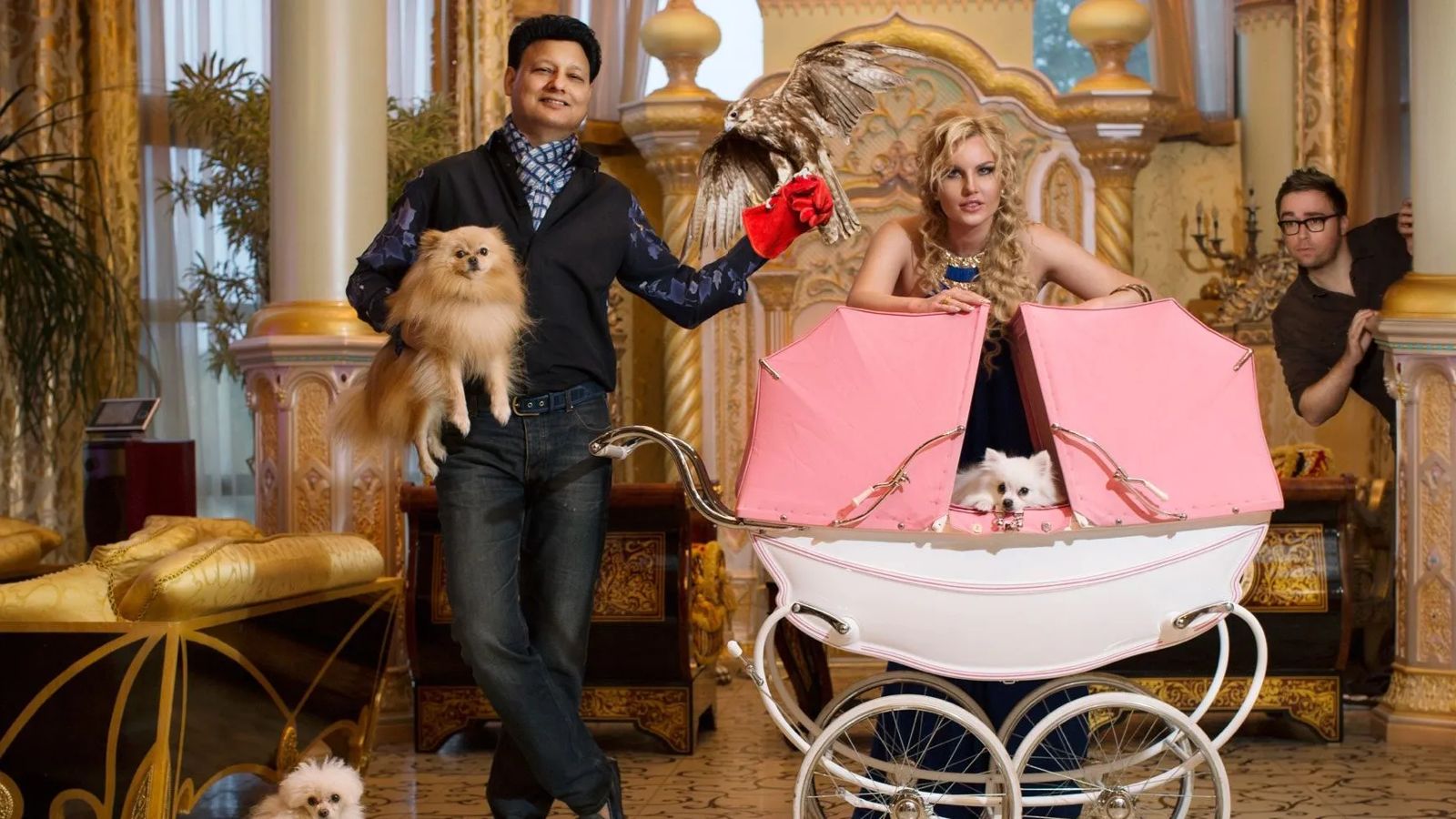
    Pakistani-British businessman and former Kyiv Post owner Mohammad Zahoor has made headlines again, with his decision to buy fighter jets for Ukraine. But this is not the only time Zahoor was the talk of the town. Earlier in the 1990s he was also probed for fraud and misappropriation of funds and later, his name appeared in the Panama Papers pertaining to Ukraine. In 2015, Ukraine’s weekly magazine, Focus had marked Zahoor’s net worth at $500 million. 

    On May 18th 2020, news broke in the cybersphere that Mohammad Zahoor had bought two fighter jets for Ukraine, to help in their war against Russia. On Wednesday Ukraine’s TSN reported that Zahoor’s wife, Ukrainian singer Kamaliya Zahoor appeared in the program ‘Morning with Ukraine’ and announced that her husband gave two fighter jets to Ukraine to help fight the war with Russia which has now entered its 12th week. 

    Formerly, Zahoor was a formidable figure in the Ukranian media. Born in 1955, at the age of 19 he first headed to Ukraine on a Pakistan steel mills scholarship to study metallurgy after which he returned back to his homeland only to go back when the Iron Curtain fell in 1991.The same year, he invested in steel and set up ISTIL Group – originally a producer and trader of steel and steel products, ISTIL has now diversified its portfolio, holding investments in growth industries and sectors across the world.

    However, back in 1998, Mohammad Zahoor turned up as a principal target of an investigation linking Ukrainian politicians to a fraud investigation involving the United Energy Systems of Ukraine, which has been long drawn out for almost 15 years now. During the investigation it was discovered that two companies owned by Zahoor appeared to have a documentary trail connecting them to the fraudulent Ukrainian politicians. This was extensively reported by the Organized Crime and Corruption Reporting Project (OCCRP). 

    One of these companies, Metalsrussia Group Ltd, was later renamed to ISTIL Group. And the authorized capital of the company as per a certificate of incumbency attached here was $5 million. Another one of his companies South East Asia Metal Limited owned a majority stake in one of the oldest metallurgic enterprises in southeastern Ukraine, the Donetsk metallurgical plant. 

    Eventually the police case against him was dropped for a lack of evidence but Zahoor’s name was listed among two dozen individuals related to Ukraine who were revealed in the hoard of documents called the Panama Papers in 2016.

    He was also involved in mobilizing funds for the aid and resettlement of Ukrainian refugees and is also currently constructing a £1m housing project in Germany. 

  • Govt bans import of ‘luxury items’ to fight economic crisis

    Govt bans import of ‘luxury items’ to fight economic crisis

    For the first time in Pakistan, luxury or non-essential commodities have been completely banned in the country to help the nation emerge from its financial crisis. Minister of Information Marriyum Aurangzeb confirmed the economic strategy established by the federal government on Thursday.

    The Information Minister stated that this is an emergency situation and Pakistanis will have to make sacrifices under the economic plan. This will have a quick impact on foreign reserves. The ban will have an impact of $6 billion.

    Aurangzeb went on to say that the government’s priority was to cut imports, thus it was going to implement an export-oriented policy that would help local industry and producers.

    Prime Minister (PM) Shehbaz Sharif is working “day and night” to stabilise the economy, according to the information minister, and has decided to ban the import of all commodities that are not in common use.

    Food, decorating, and luxury automobiles were among the imports, according to Aurangzeb, who emphasised that the country was in a “difficult economic condition” as a result of the previous government’s policies.

    Here’s a detailed list of banned goods:

    1. Cars
    2. Mobile phones
    3. Home appliances
    4. Private weapons and ammunition
    5. Fruits and dry fruits (except Afghanistan)
    6. Crockery
    7. Shoes
    8. Chandeliers and lighting (except energy savers)
    9. Headphones and loudspeakers
    10. Sauces, ketchup etc.
    11. Doors and window frames
    12. Travelling bags and suitcases
    13. Sanitary ware
    14. Fish and frozen fish
    15. Carpets (except Afghanistan)
    16. Preserved fruits
    17. Tissue paper
    18. Furniture
    19. Shampoos
    20. Confectionary
    21. Luxury mattresses and sleeping bags
    22. Jams and jelly
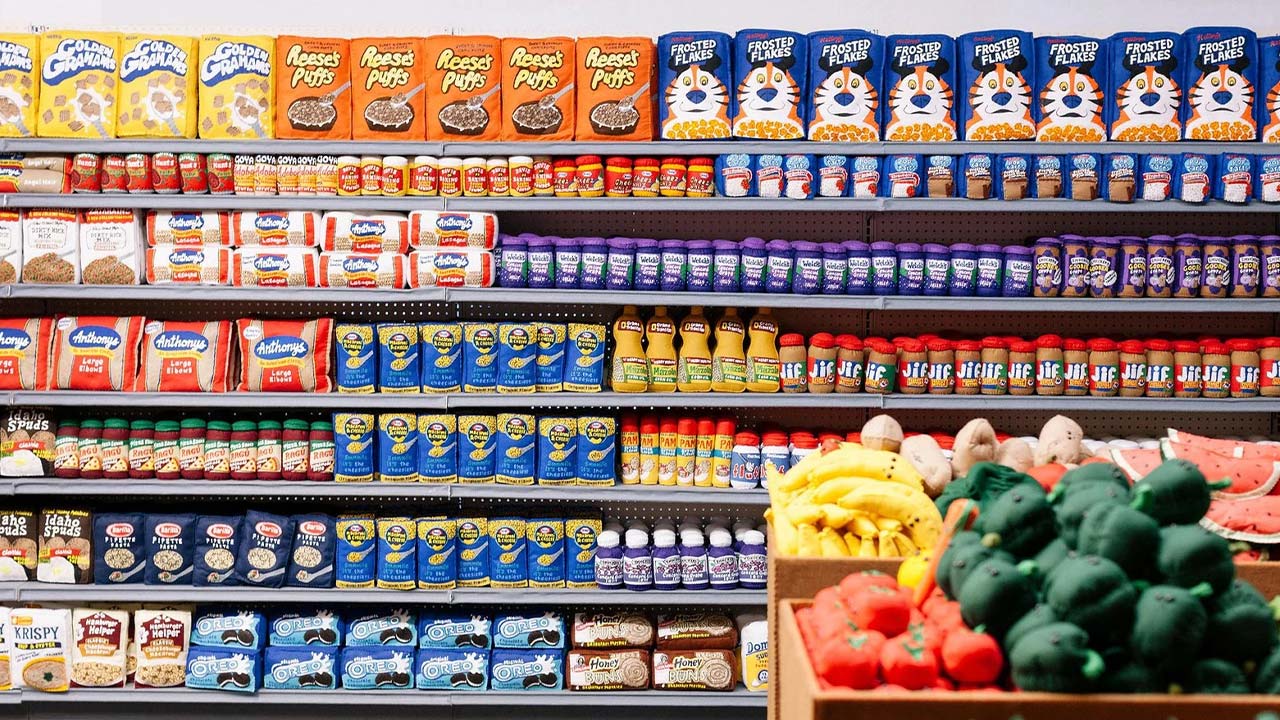
    23. Cornflakes
    24. Bathroom ware/toiletries
    25. Heaters/blowers
    26. Sunglasses
    27. Kitchenware
    28. Aerated water
    29. Frozen meat
    30. Juices
    31. Pasta etc
    32. Ice cream
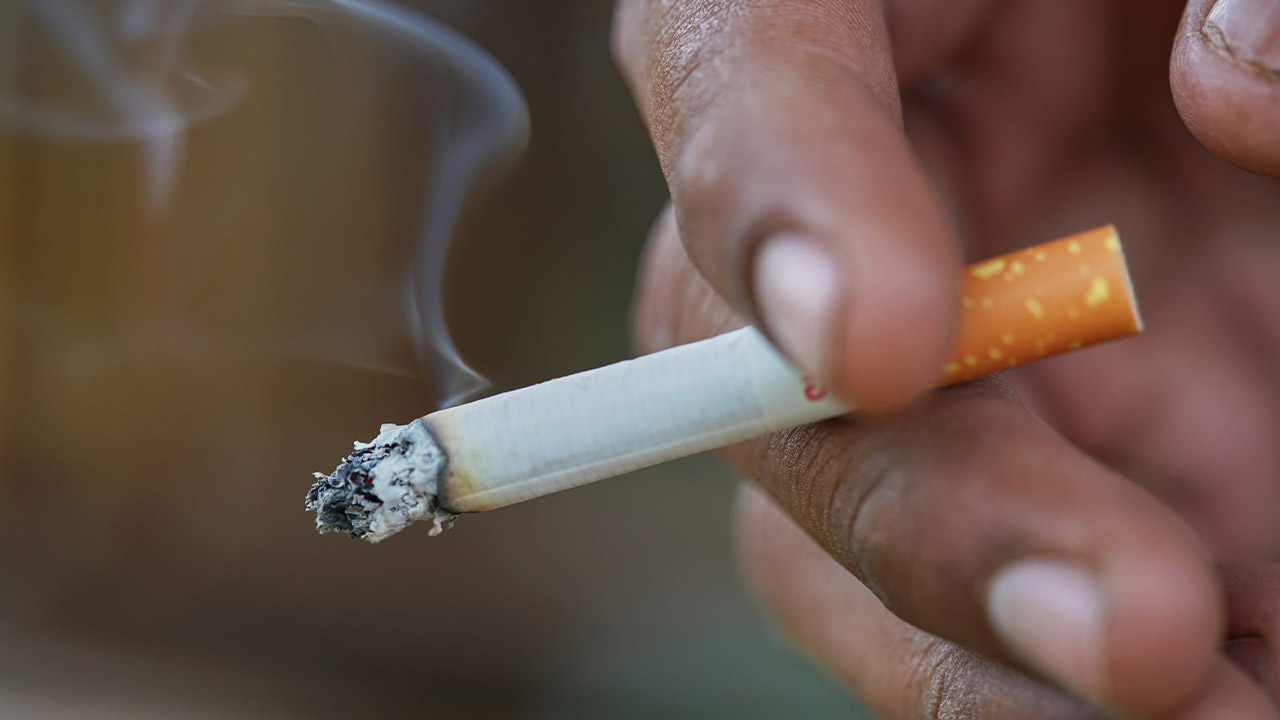
    33. Cigarettes
    34. Shaving goods
    35. Luxury leather apparel
    36. Musical instruments
    37. Saloon items like hairdryers etc.
    38. Chocolates

    The declaration, according to the information minister, is part of the present government’s fiscal plan to combat the PTI’s incompetent policies.

    Aurangzeb chastised the PTI for criticising the incumbent administration over the country’s economic woes, claiming that the Imran Khan-led government had raised inflation, taken historic debts, committed “economic terrorism,” and manipulated the economy by subsidising gasoline prices.

    By subsidising the price of petroleum goods, the PTI administration broke its agreement with the International Monetary Fund (IMF), according to the Information Minister.

    Via: Geo

  • Pakistani rupee tumbles to Rs200 versus US dollar in the interbank

    Pakistani rupee tumbles to Rs200 versus US dollar in the interbank

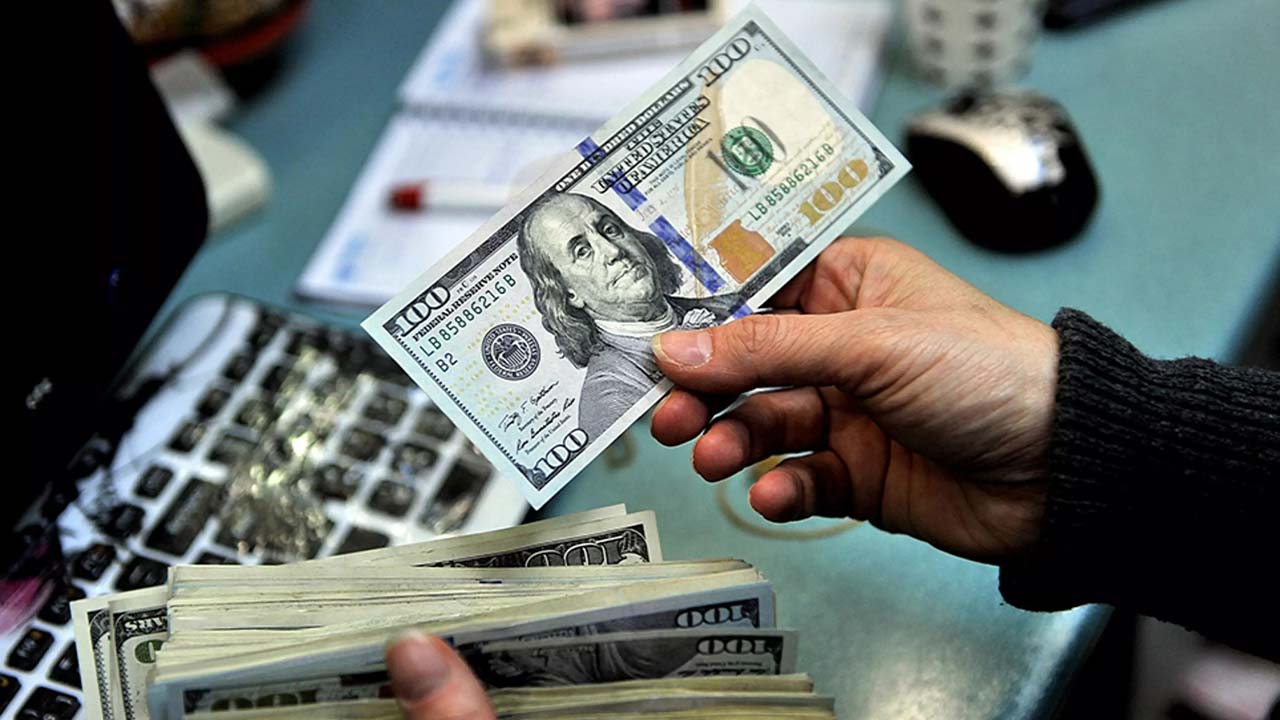
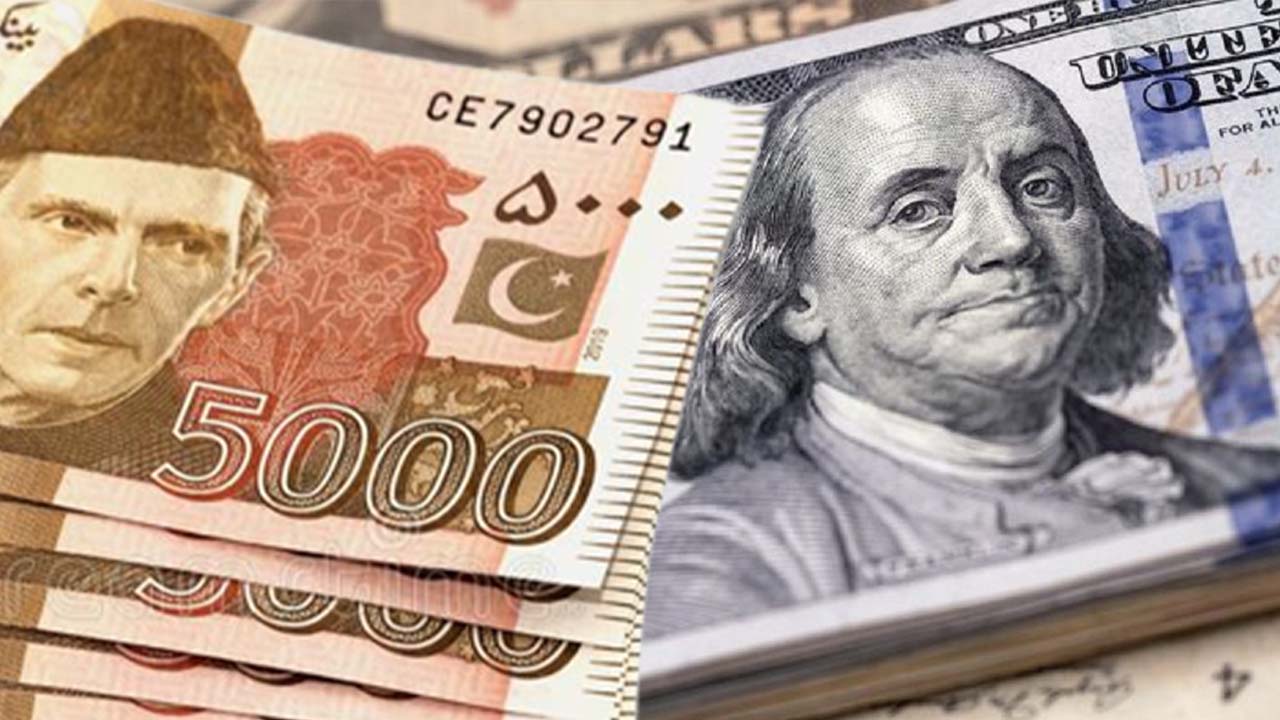
    The lack of clarity on both economic and political fronts worsened the Pakistani rupee’s (PKR) difficulties, as the local currency sank to Rs200 against the US dollar during intraday trading in the interbank market on Thursday, May 19.

    Pakistani currency officially breached the 200-barrier in the open market on May 18, closing at Rs198.39 after a day-on-day devaluation of Rs2.65 or 1.3 per cent.

    Investors, on the other hand, are concerned about the reactivation of the stalled $6 billion Extended Fund Facility (EFF) programme due to the government’s inability to implement IMF conditions. Meanwhile, market sentiment was severely harmed by continued domestic political uncertainties.

    Pakistan and the IMF are holding talks in Doha as the South Asian country wants to revive the IMF programme. On Wednesday, Federal Minister of Finance and Revenue Miftah Ismail met virtually with IMF Mission Chief Nathan Porter.

    During the meeting, Ismail underlined the government’s resolve to implement the IMF’s reforms and meet the program’s structural goals.

    He stated that the administration recognises the need to make difficult decisions while minimising the impact of inflation on the middle and lower income groups.

  • Pakistan faces Rs615 billion annual deficit due to tobacco consumption

    Pakistan faces Rs615 billion annual deficit due to tobacco consumption

    Pakistan has a substantial Rs615 billion annual deficit owing to diseases caused by smoking and overall tobacco usage, with only Rs120 billion earning in tax revenue from the product.

    The government is expected to improve revenue by raising the tax on cigarettes by 30 per cent according to The Nation.

    This was voiced by speakers at a major symposium held in Islamabad on May 18. The Pakistan National Heart Association (PANAH) held a seminar on the theme ‘Harms of Tobacco Products and the Importance of Tax Policy,’ which was presided over by Patron General (R) Ashraf Khan and hosted by General Secretary Sana Ullah Ghumman.

    As per the speakers at the event, tobacco usage is a major cause of serious heart, lung, and cancer diseases in the country. A fact sheet on the health and economic costs of cigarette usage was released by the Social Policy and Development Centre (SPDC).

    According to the survey, tobacco is used by 31 million persons over the age of 15. More than 260,000 people are predicted to start smoking in the country if tobacco taxes are not raised in the budget for 2022-23.

    Engineer Iqbal Zafar Jhagra, the former governor of KP and a senior PML-N leader, was the special guest at the event. Nisar Cheema, a member of the National Assembly, was also present.

    Read more: Tobacco companies in Pakistan may bump cigarette prices

    PANAH Patron General (R) Ashraf Khan congratulated the attendees and informed them of the organization’s goals and objectives.

    Smoking was declared the primary cause of deaths from non-communicable diseases (NCDs) such as heart, cancer, respiratory, and chronic diseases, according to participants, with an estimated 163,360 persons dying in 2017.

  • Toyota Camry after a hike of Rs2 million, priced at Rs23.3 million

    Toyota Camry after a hike of Rs2 million, priced at Rs23.3 million

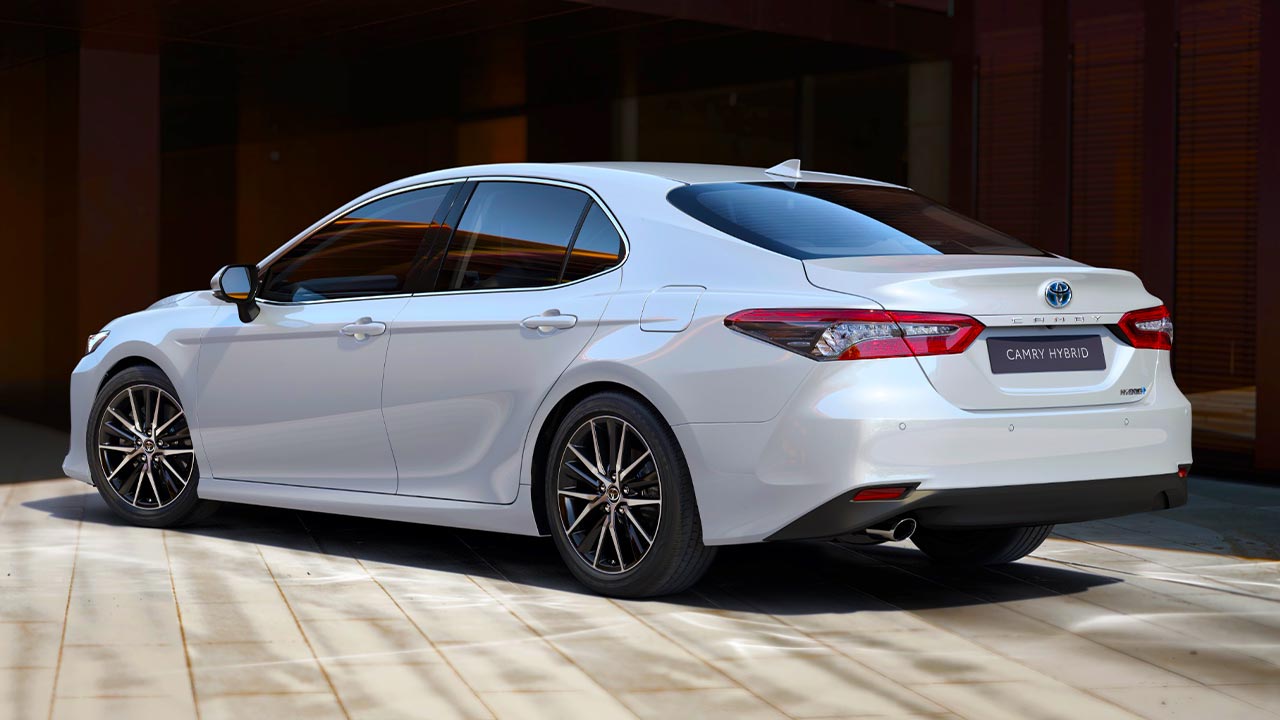
    Toyota Indus Motor Company (IMC) has announced a massive price hike for all completely built-up (CBU) units offered by the Japanese automaker in Pakistan. The price of Toyota Camry is upped by Rs2 million and will now cost Rs23.3 million

    The only variant of the popular hybrid model, Toyota Prius received a hike of Rs1.26 million and will be sold for Rs14.65 million. Toyota’s crossover SUV, Corolla Cross (top trim) is now priced at Rs13.4 million after a hefty increase of Rs1.17 million in its earlier price.

    Finally, the automatic version of Toyota Rush will now be offered at Rs8.33 million following an increase of Rs710,000.

    Read more: Hyundai Sonata 2.5 will now cost Rs7.85 million

    Toyota IMC’s CBU models, in particular, have become nearly unobtainable following the recent price jump. The government’s main purpose in the auto sector, however, is to discourage CBU imports and increase sales of locally produced vehicles. This means that all other CBUs are on the verge of suffering the same fate as Toyota.

  • Pakistani Rupee drops to a new low of Rs195.74 against US dollar

    Pakistani Rupee drops to a new low of Rs195.74 against US dollar

    In today’s interbank market, the Pakistani Rupee (PKR) plummeted to another historical low versus the US Dollar (USD). It fell 0.80 per cent against the US dollar, closing at Rs195.74 after losing Rs1.56 in the interbank market.

    During today’s open market session, the local currency fell to an intraday low of Rs197 versus the US dollar. Since last week, the dollar has gained Rs9.06 against the PKR, and Rs12.81 since the new government took office on April 11, 2022.

    The local currency hit a new all-time low against the dollar on May 17, ahead of Pakistan’s preliminary consultations with the International Monetary Fund (IMF) in Doha on Wednesday (tomorrow) to revive the country’s stalled multibillion-dollar bailout package.

    On Tuesday, oil prices rose to their highest level in seven weeks, spurred by the European Union’s continued push for a ban on Russian oil imports, which may dangerously constrain supplies. Brent crude hit a high of $115, its best since March 28, while WTI crude in the United States rose 78 cents, or 0.7 per cent, to $114.98.

  • Musk says no Twitter deal without clarity on bot accounts

    Musk says no Twitter deal without clarity on bot accounts

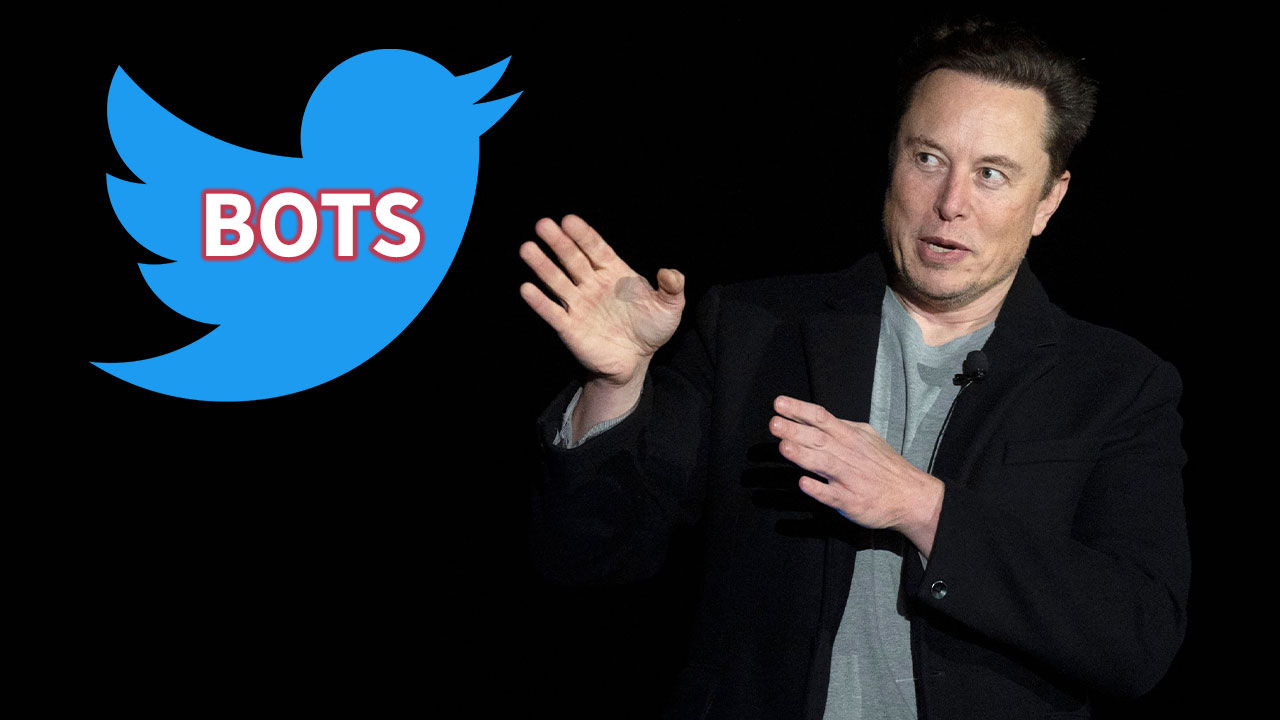
    The tech mogul Elon Musk and Twitter CEO Parag Agrawal are arguing about bots, which Musk has made a core issue in his acquisition of the microblogging site.

    On the other hand, Agrawal outlined Twitter’s approach to spam accounts and the obstacles it faces in dealing with them in a series of tweets on May 16.

    Every day, Twitter suspends almost half a million spam accounts, according to Agrawal. He reaffirmed Twitter’s long-held estimate that less than 5 per cent of its daily active users are spam accounts, which Musk mentioned on Friday when declaring that his $44 billion proposal to buy Twitter was temporarily on pause.

    That estimate, according to Agrawal, is based on ‘many human reviews of thousands of users’ picked at random, but it’s impossible to know which accounts are counted on any given day.

    While Twitter feels its estimations are realistic, the measures were not independently validated, and the actual number of bogus or spam accounts could be greater.

    Believe it or not, Musk responded to Agrawal’s first 13 tweets with a ‘faeces emoji’.

    Musk then asked a more thought-provoking inquiry about how can advertisers know what they’re getting for their money as this is essential Twitter’s financial health.

    Tesla’s CEO has been vocal about bots and spam accounts on Twitter, describing bitcoin spam and bots as the most aggravating issue on the network.

    Read more: Musk postpones Twitter acquisition after discovering number of fake accounts

    Anyone who has seen the answers to Musk’s tweets knows that they are full of such con artists, many of whom try to profit from Musk’s fame.

    However, other analysts believe that the world’s richest man is leveraging the bot issue to lower the price at which he would purchase the platform, whether as an unusual bargaining ploy or out of necessity.

  • Crisis-hit Sri Lanka has enough petrol left for one day, PM warns

    Crisis-hit Sri Lanka has enough petrol left for one day, PM warns

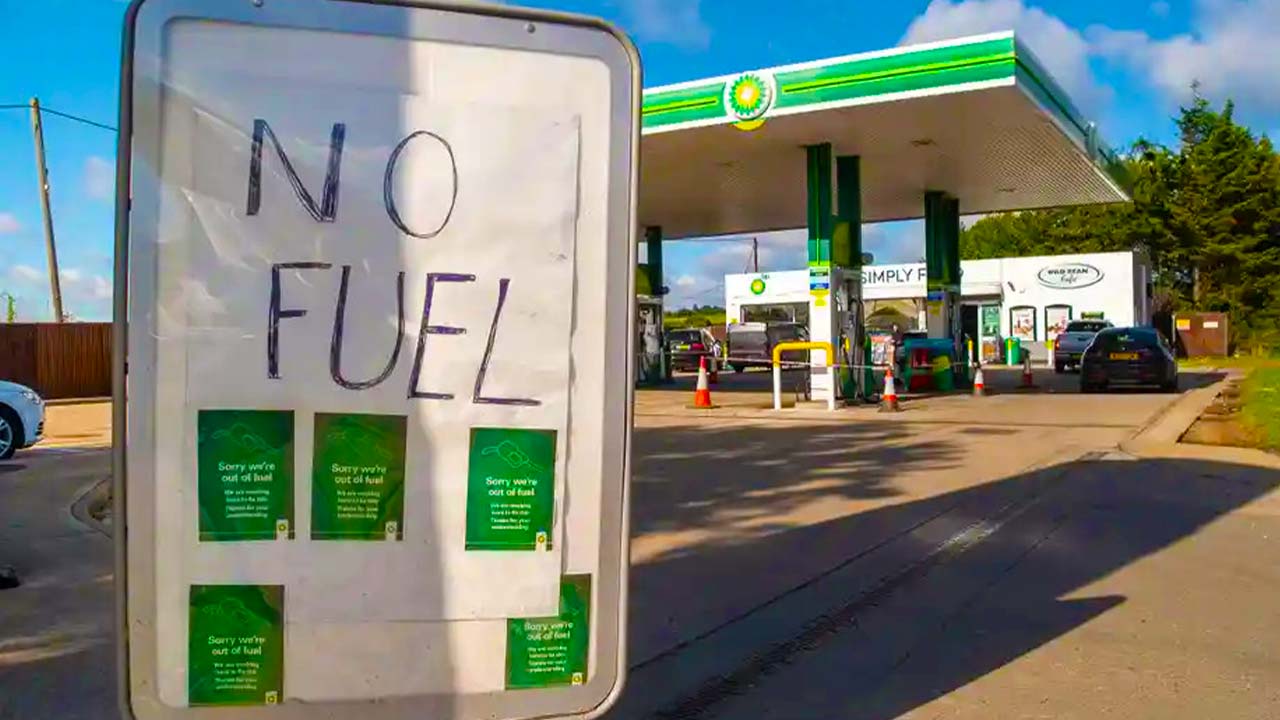
    As the country suffers its greatest economic crisis in more than 70 years, Sri Lanka’s new Prime Minister (PM) declared that the country is headed to its last day of petrol stock.

    PM Ranil Wickremesinghe said the country urgently needed $75 million in foreign currency to pay for crucial imports in a televised address. In order to pay government salaries, he claims the central bank will have to print money.

    Sri Lankan Airlines, which is owned by the government, may be privatised, according to PM Wickremesinghe.

    The pandemic, soaring energy prices, and populist tax cuts have all wreaked havoc on the island nation’s economy. Medicines, fuel, and other essentials were in low supply due to a chronic shortage of foreign cash and rising inflation.

    Auto rickshaws, the city’s most popular mode of transportation, and other vehicles have been queuing at gas stations in Colombo.

    The country has enough petrol for one day at the time. Mr Wickremesinghe, who was appointed Prime Minister last week, cautioned that the next few months will be the hardest of our lives.

    He noted that shipments of petrol and diesel using an Indian credit line could provide fuel supplies in the coming days.

    Mr Wickremesinghe stated that the nation’s central bank will have to print money to assist the government in meeting its salary bill and other obligations.

    The PM stated that he is forced to allow the printing of money against his will in order to pay state employees and purchase vital products and services. However, the nation must keep in mind that printing money causes the local currency to depreciate.

    Read more: CNG prices pushed to Rs140 per kg for sales tax collection

    As part of his efforts to stabilise the country’s finances, he advocated selling out Sri Lankan Airlines. In the fiscal year ended March 2021, the airline lost 45 billion rupees ($129.5 million; £105 million).

  • Bitcoin surrenders weekend gains, slides 5 per cent

    Bitcoin surrenders weekend gains, slides 5 per cent

    Cryptocurrencies continued their steady decline on May 16, surrendering the gains made over the weekend as regulators loomed.

    European authorities have reinforced their warnings about the vulnerabilities of cryptocurrencies. Bitcoin slumped 5 per cent to roughly $29,700 in Asian trade on Monday, falling alongside markets amid concerns about burgeoning inflation and borrowing costs.

    As the catastrophic collapse of TerraUSD, a so-called stablecoin, has roiled crypto markets already plunging amid widespread selling of risky assets, the world’s largest cryptocurrency has lost almost a fifth of its value so far this month.

    Read more: Pakistani rupee crashes to historic low of Rs194 against US dollar

    Stablecoins are vulnerable to investor runs, according to the US Federal Reserve, because they are underpinned by commodities that could depreciate or become worthless in adverse economic conditions.