Category: Business

  • Germany to strengthen trade and investment ties with Pakistan

    Germany to strengthen trade and investment ties with Pakistan

    In a recent meeting with Federal Minister of Commerce and Investment Syed Naveed Qamar, German Minister of State for Foreign Affairs Dr Tobias Lindner expressed his hope that Germany and Pakistan would further strengthen and expand bilateral relations, particularly in trade and investment.

    Both countries discussed multiple aspects of bilateral ties, along a great emphasis on improving trade and financial collaboration to sustain economic growth in a post-Covid pandemic world. The duo agreed to exchange business envoys to look into the prospect of B2B cooperation in renewable power, farming, food security, autos, and technical assistance.

    The Commerce Minister praised Germany for its constant support for Pakistan’s GSP Plus scheme. He emphasized the importance of GSP Plus in widening bilateral trade and offering Pakistan a level playing field in the European segment.

    He also clarified that the scheme has served as a precursor for essential progressive social changes, particularly those relating to women’s empowerment. The German Minister convinced his nation’s continued and forthcoming assistance for the GSP Plus Scheme.

  • Weekly inflation based on SPI, records a slight decline

    Weekly inflation based on SPI, records a slight decline

    Pakistan Bureau of Statistics (PBS) revealed that the weekly Sensitive Price Indicator (SPI) for the joint consumption group fell 0.26 per cent for the week ending May 26, owing primarily to a drop in the prices of vital food products.

    The consolidated index was 174.62 on May 19, 2022, compared to 175.08 on May 19, 2021, while the SPI increased 16.97 per cent year on year when the index was 149.29 on May 27, 2021.

    The minor price reductions in essential items may be a sign that the government is finally gaining control of the country’s skyrocketing inflation, which has afflicted the poor strata.

    Here are the items that witnessed a decrease or increase in their prices:

    Decrement

    Wheat Flour (12.25 per cent), Chillies Powdered (6.48 per cent), Chicken (4.41 per cent), Garlic (2.99 per cent), and non-food item LPG (0.43 per cent) were among the commodities that saw a decline in their rates on a WoW premise out of the 51 supervised items, with a cumulative effect of (-1.00 per cent) into the total SPI for the blended group of goods (-0.26 per cent).

    Increment

    27 items elevated in the week, including potatoes (8.43 per cent), tomatoes (6.33 per cent), eggs (6.29 per cent), rice basmati broken (4.71 per cent), mustard oil (4.16 per cent), pulse masaoor (3.93 per cent), milk fresh (3.47 per cent), onions (3.03 per cent), pulse gramme (2.58 per cent), curd (2.35 per cent), washing soap (2.13 per cent), cooked beef (1.55 per cent), beef (1.42 per cent), pulse mash (1.33 per cent), cooked daal (1.24 per cent). While 19 commodities’ prices remained stable.

  • Musk sued for stock manipulation during Twitter takeover bid

    Musk sued for stock manipulation during Twitter takeover bid

    The most controversial billionaire Elon Musk has been sued by Twitter Inc shareholders, who claim he manipulated the company’s stock price downward, as the CEO of electric carmaker Tesla Inc mounts a $44 billion buyout offer for the social media platform.

    According to the investors, Musk saved $156 million by failing to disclose that he had acquired more than 5 per cent of Twitter by March 14. They requested class certification and an unknown amount of punitive and compensatory damages.

    They also named Twitter as a defendant, claiming the company owed them an investigation into Musk’s behaviour, though they are not seeking monetary damages from the company.

    As per the lawsuit, filed on Wednesday in San Francisco federal court, the investors claimed Musk continued to buy stock after that and eventually disclosed in early April that he owned 9.2 per cent of the company.

    “By delaying his disclosure of his Twitter stake, Musk engaged in market manipulation and purchased Twitter stock at an artificially low price,” the investors, led by Virginia resident William Heresniak, claimed. Requests for comment were not immediately returned by Musk or his lawyer.

    The recent drop in Tesla’s stock has put Musk’s ability to finance his acquisition of Twitter in “major jeopardy,” according to the investors, because he has pledged his shares as collateral to secure the loans he needs to buy the company.

    Tesla’s stock was trading around $713 per share on Thursday afternoon, down from over $1,000 in early April. According to the Wall Street Journal, the timing of Musk’s disclosure of his stake has already triggered an investigation by the US Securities and Exchange Commission (SEC).

    The SEC demands any investor who purchases more than 5% of a company’s stock to disclose their assets within 10 days of crossing the limit.

    The investors also claimed that Musk’s public criticism of the company, such as a May 13 tweet stating that the buyout was “temporarily on hold” until Twitter proved that spam bots accounted for less than 5% of its users, amounted to an attempt to drive the share price even lower.

    Musk pledged an additional $6.25 billion in equity financing to fund his bid for Twitter on Wednesday, indicating that he is still working to close the deal.

    Earlier this month, the tech mogul was sued in Delaware Chancery Court by a Florida pension fund, which sought to halt the transaction on the grounds that some other large Twitter shareholders were supporting the buyout, which is a violation of Delaware law. The lawsuit filed by Heresniak does not seek to halt the takeover.
  • PM Shehbaz to announce relief package for the poor

    PM Shehbaz to announce relief package for the poor

    Prime Minister (PM) Shehbaz Sharif will announce a relief package soon for those who are unable to afford fuel after a massive hike imposed by the government.

    This is undoubtedly an excellent news for the lower-income strata, as the recent petrol hike has weighed heavily on the inflation-stricken masses.

    Finance Minister Miftah Ismail announced last night a gigantic increase in the price of oil products in an attempt to reestablish the International Monetary Fund (IMF) plans to assist the country’s fragile economy.

    The decision was made in light of IMF guidelines, which required the removal of oil subsidies in order to restart Pakistan’s much-needed programme. On a talk show, Miftah Ismail slammed former Prime Minister Imran Khan for his contract with the IMF.

    “Imran Khan promised the IMF a Rs30 levy and a 17.5% sales tax on petroleum products,” he explained.

    The government is losing Rs120 billion per month as a result of Imran Khan’s unilateral decision to provide petrol subsidies, according to the finance minister.

    “Prime Minister Shehbaz Sharif had to make a difficult choice. However, he will announce a relief package for those who cannot afford high fuel prices in his address to the nation today,” Ismail added.

    According to Miftah, the government has already stated that the IMF programme will not begin unless petroleum subsidies are eliminated.

    Miftah Ismail voiced concerns about losing political capital as a result of the current decision to raise fuel prices, saying, “honestly telling you, we have admitted that by deciding on hiking fuel prices, we will suffer politically, but this is our country, and we will sacrifice to fix its issues”.

    Ismail acknowledged that the current increase in gasoline prices will shift the burden to the masses and increase inflation.

    Miftah dismissed the possibility of a default, saying, “I’m guaranteeing two things: the IMF programme will be restored, and Pakistan will not go bankrupt”.

  • Additional tax to be levied on high-earning businesses

    Additional tax to be levied on high-earning businesses

    In the budget (2022-23), the government intends to impose a time-limited levy or additional income tax on the yearly income earned by the steel industry, pharmaceutical business, and other profit-generating segments, as well as increase the minimum tax from two to six percent on the import of edible oil

    According to reliable sources, the government has made the decision to increase the rate of least tax on the import of edible oil from two to six percent in the next fiscal budget to boost the occurrence of levy on this large profit-earning sector. The steel sector’s minimum tax rate will be raised in the new budget.

    It is worth noting that the fresh charge will only be levied on industries and sectors that make massive profits, and it would only be in place for a limited time.

    According to Brecorder, the steel sector’s profits have increased by 20-30 per cent, but they are not paying the requisite tax bills. As a consequence, an extra income tax or levy on the yearly earned income by the steel industry, pharmaceutical sector, and other sectors earning windfall profits has been proposed for 1-2 years.

    Added income taxor levy will be paid in conjunction with the filing of tax records. The levy would be time-limited and could be imposed for one or two years.

    The Federal Board of Revenue (FBR) levies a two per cent least tax on edible oil imports, which is decided to ascend to six per cent beginning with the next fiscal year. Earnings in the edible oil industry are very high, with massive profits, but tax payments are consistent or on the low side.

    The Federal Board of Revenue (FBR) is updating a list of high-profit industries based on tax financial records, annual financial statements, and third-party data.

    A new section in the Income Tax Ordinance 2001 would be introduced through the new Finance Bill 2022 for the imposition of the said levy on high profit earning sectors.

  • IMF urges FBR to collect Rs7.2 trillion in the upcoming budget

    IMF urges FBR to collect Rs7.2 trillion in the upcoming budget

    The International Monetary Fund (IMF) urged the Federal Board of Revenue (FBR) to collect Rs7.2 trillion in taxes in the upcoming budget, with personal income tax (PIT) and GST harmonisation being prioritised.

    “Discussions are ongoing as the FBR pitched up its tax collection target in the range of Rs6.9 trillion, but the IMF insists on stretching the FBR’s tax collection target in the range of Rs7.2 trillion in the coming budget for 2022-23,” top official sources confirmed on May 26.

    When contacted for comment, FBR Chairman Asim Ahmed stated that work in this area was still ongoing.

    Total tax collection would be expanded to Rs7.2 trillion in the upcoming budget, up from Rs5.9 to Rs6 trillion in the previous fiscal year, according to revised estimates. The government was also having difficulty meeting its non-tax revenue target for the current fiscal year because the State Bank of Pakistan (SBP) did not provide its estimated Rs200 billion quarterly profit to the Ministry of Finance following the passage of the new SBP Amendment Act 2022. This sum may be provided in the next fiscal year, but the SBP found it difficult to provide it before June 30, 2022.

    Personal income tax (PIT) would be markedly restructured, with the taxable cap likely to be raised from the present level of 0.6 million to Rs1-1.2 million, and the amount of slabs lowered from 13 to six. The IMF also suggested significantly raising tax rates.

    Former Finance Minister Dr. Hafiz A Pasha stated that the maximum tax rate was imposed on an annual income ceiling of Rs 5 million, which was 300 per cent higher than Pakistan’s per capita income. He proposed that those earning Rs20 million or more per year be subject to the full tax rate.

    He furthermore recommended that the duration and rate of capital gains on stock shares be assessed and modified in order to collect more taxes.

    Via: Islamabad Post

  • Govt considering gas import contract with countries including Russia

    Govt considering gas import contract with countries including Russia

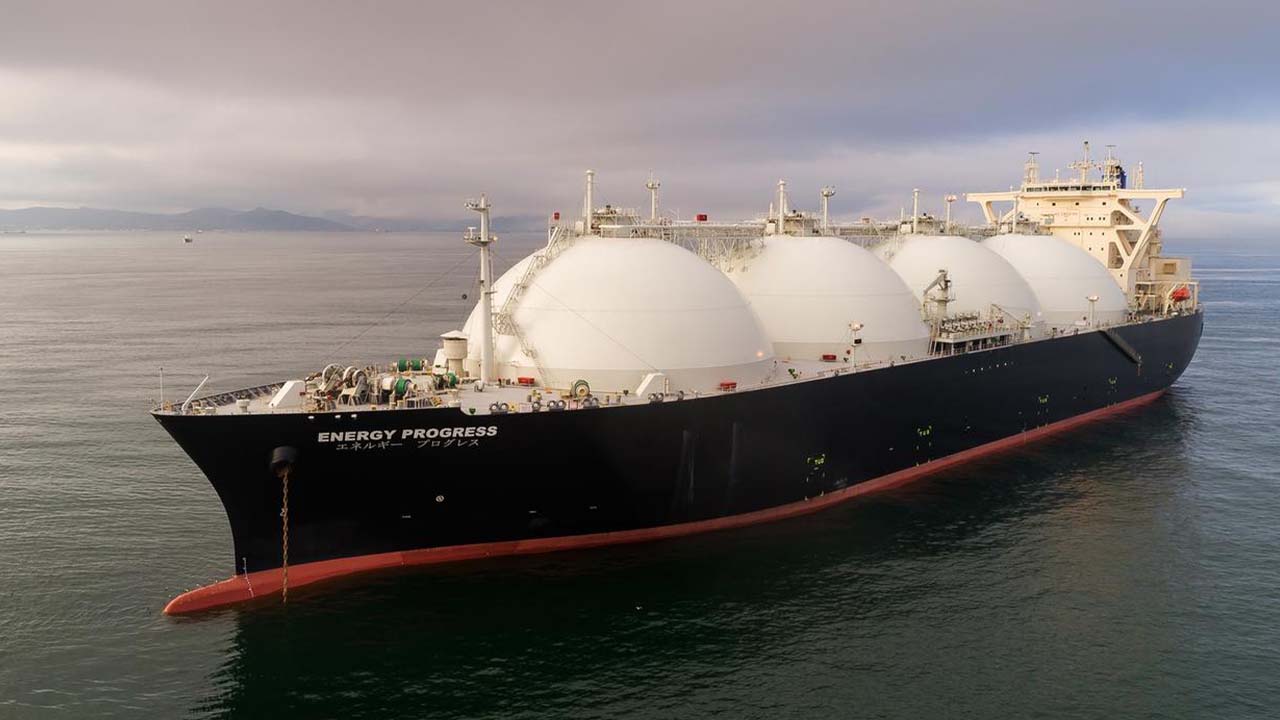
    Pakistan is in talks with multiple countries, including Russia, to sign a liquefied natural gas (LNG) import agreement in order to alleviate the country’s ongoing energy supply crisis.

    According to Bloomberg, the Ministry of Energy will go for the ‘most favourable deal’ and is considering government-to-government contracts for importing the gas.

    This action came as Pakistan battles blackouts caused by a fuel crisis caused by long-term suppliers’ failure to deliver shipments. To keep the lights on, the government previously resorted to purchasing LNG on the spot market, incurring debt that endangers worsening inflation on a massive scale.

    The government of Prime Minister (PM) Shehbaz Sharif, which took office on April 11, hopes to capture a new long-term LNG contract to help reduce fuel costs. Long agreements are remarkably affordable than existing spot pricing, while market participants also anticipate that this will provide some relaxation to the government.

  • Toyota Pakistan to launch first-ever locally assembled Hybrid crossover

    Toyota Pakistan to launch first-ever locally assembled Hybrid crossover

    Toyota Indus Motor Company (IMC), Pakistan’s most prominent automaker, is upgrading its manufacturing plant in preparation for the start of local production of hybrid electric vehicles (HEVs) by 2023.

    Toyota IMC CEO Ali Asghar Jamali revealed that the locally assembled Toyota Corolla Cross will be available in 2023. It is worth noting that this crossover will be the first ever locally assembled Hybrid vehicle by the Japanese manufacturer in Pakistan.

    He stated that the company intends to launch its hybrid crossover SUV in the Rs5 to Rs7 million price range, which may not be possible given the country’s economic and overall situation. Experts predict that the Crossover will be priced between Rs9-10 million.

    Given the current economic situation and the government’s plan to raise car taxes, Toyota IMC will reveal its final price next year.

    Jamali also discussed the company’s plans for overall HEV localization. He stated that Toyota has already invested $100 million in Pakistan to produce HEVs and plans to introduce electric vehicles (EVs) in the future when the country is ready for this technology.

    Jamali emphasised that HEVs are a midterm solution before EVs because Pakistan lacks the infrastructure for the latter, and that converting all cars to HEVs could reduce Pakistan’s oil imports by up to 50%.

    As most of Pakistan’s electricity is produced using fossil fuels, EVs will increase local LNG, coal, and crude oil imports, while investment in improving distribution and creating a charging infrastructure will also be required, according to Jamali.

  • IMF programme will only revive if Govt hikes fuel, electricity prices

    IMF programme will only revive if Govt hikes fuel, electricity prices

    The International Monetary Fund (IMF) has stated unequivocally that the loan programme under the Extended Fund Facility (EFF) will not be revived unless oil and electricity prices are increased. The Pakistani delegation, on the other hand, has asked for more time to withdraw the subsidy.

    The delegation would meet with Prime Minister (PM) Shehbaz Sharif to discuss it. Both parties have agreed to continue discussions. Apart from the withdrawal of the subsidy, officials claim that all other issues have been resolved.

    Pakistan was unable to persuade the IMF despite a week of discussions in Doha, Qatar, from May 18 to May 25.

    IMF postponed the rollback of Pakistan’s stalled $6 billion External Financing Facility (EFF) programme late Wednesday as the government hoped that the revival would bring stability to the financial markets, the rapid weakening of the local currency with depleting foreign exchange reserves.

    In a statement, the Fund underlined the elimination of petroleum and energy subsidies, among other conditions, as a prerequisite for the program’s restoration. Following the conclusion of the talks, Nathan Porter, the IMF Mission Chief for Pakistan, stated that the Fund held meaningful talks with Pakistani representatives.

    “The Mission has engaged in highly constructive discussions with Pakistani authorities in order to reach an agreement on policies and reforms that will lead to the completion of the awaiting seventh evaluation of the authorities’ reform programme, which is backed by an IMF Extended Fund Facility arrangement”.

    As per Porter, significant progress was made during the mission, including the need to continue addressing massive inflation and rising fiscal and current account shortfalls, whereas ensuring sufficient protection for the weakest.

    The Fund also lauded the State Bank of Pakistan’s (SBP) decision to raise the policy rate from 12.25 per cent to 13.75 per cent in order to combat rising inflation. However, the mission chief noted that there were fiscal deviations from the policies agreed upon in the previous review, reflecting in part the fuel and power subsidies announced by the authorities in February.

    The PTI-led government initially concurred to increasing the prices of energy and petroleum products, but Imran Khan announced a subsidy on both commodities later in March, and the present government is proceeding with the same arrangement.

    As per Porter, the IMF team highlighted the importance of tangible policy actions, including the removal of fuel and energy subsidies and the FY2023 budget, to achieve programme objectives. He went on to say that the IMF team is looking forward to proceeding with its discussion and close engagement with the Pakistani government on policies to ensure price stability for the benefit of all Pakistanis.

  • Pakistani rupee drops to Rs202 as market ambiguity extends

    Pakistani rupee drops to Rs202 as market ambiguity extends

    Pakistani currency slid to another historic low of Rs202 versus the US dollar on May 25 and lost ground in the interbank market.

    It fell 0.25 per cent against the US dollar today, closing at Rs201.92 after losing 51 paisas in the interbank market. During today’s open market session, the rupee hit an intraday low of Rs202.12 against the US dollar. In two weeks, the dollar has gained Rs15.23 against the rupee, and Rs18.98 since the new regime took power.

    The political situation in Pakistan also played a significant role in keeping the forex market on its toes, as players on both sides of the fence intensified their narratives against one another. Riots have broken out across the country after the month-old government shut down roads leading to Islamabad, where former Prime Minister Imran Khan’s party is planning a large rally calling for the removal of the incumbent and immediate general elections.

    International oil prices maintained Monday’s gains as concerns about tight global supply continued to outweigh short-term trade forecasts. Brent crude rose to $114 per barrel, while West Texas Intermediate (WTI) crude in the United States rose to $111.

    Today, the PKR fell further against the majority of the other major currencies in the interbank market. It fell two paisas against the Pound Sterling (GBP), 13 paisas against the Saudi Riyal (SAR), and 38 paisas against the Australian Dollar (AUD).

    In today’s interbank currency market, it gained 12 paisas against the Canadian Dollar (CAD) and 17 paisas against the Euro (EUR).

    It is worth noting that the PKR reported losses against the greenback for the fourteenth day in a row.