Category: Business

  • Here are updated prices of Honda bikes in Pakistan

    Here are updated prices of Honda bikes in Pakistan

    Motorcycle users across Pakistan have been hit hard by a fresh hike in prices of Honda bikes following the imposition of a Carbon Levy on imported motorcycle engines in the 2025-26 federal budget.

    The additional tax burden has been directly passed on to consumers, with Honda increasing prices across its lineup. Even the most affordable model, the Honda CD 70, has seen a Rs2,000 rise and now costs Rs159,900. The CD 70 Dream has also gone up by Rs2,000 to Rs170,900.

    Honda Pridor now costs Rs211,900 after a Rs3,000 hike, while the popular CG 125 model has seen a Rs4,000 increase, bringing its new price to Rs238,900. The CG 125 Self-Start and CG 125s Gold variants have also jumped by Rs4,000 each, priced at Rs286,900 and Rs296,900 respectively.

    Premium models have been hit harder. The CB 125F has increased by Rs6,000 and is now priced at Rs396,900. The CB 150F and its Special Edition have also seen Rs6,000 hikes, now selling for Rs499,900 and Rs503,900 respectively.

    Atlas Honda, which holds more than 50 percent of the local motorcycle market share, is a key player in providing mobility to low and middle-income citizens. 

    With motorcycles being the primary mode of transport for many Pakistanis, especially those in delivery and commuting jobs, the latest hike could further limit access to affordable transportation.

    New Honda Motorcycle Prices from July 1, 2025:

     
    Model New Price (PKR) Increase (PKR)
    Honda CD 70 159,900 2,000
    CD 70 Dream 170,900 2,000
    Honda Pridor 211,900 3,000
    CG 125 238,900 4,000
    CG 125 Self-Start 286,900 4,000
    CG 125s Gold 296,900 4,000
    CB 125F 396,900 6,000
    CB 150F 499,900 6,000
    CB 150F Special Edition 503,900 6,000
    
    
  • Stock market closes at record high as China rolls over $3.4 billion in debt

    Stock market closes at record high as China rolls over $3.4 billion in debt

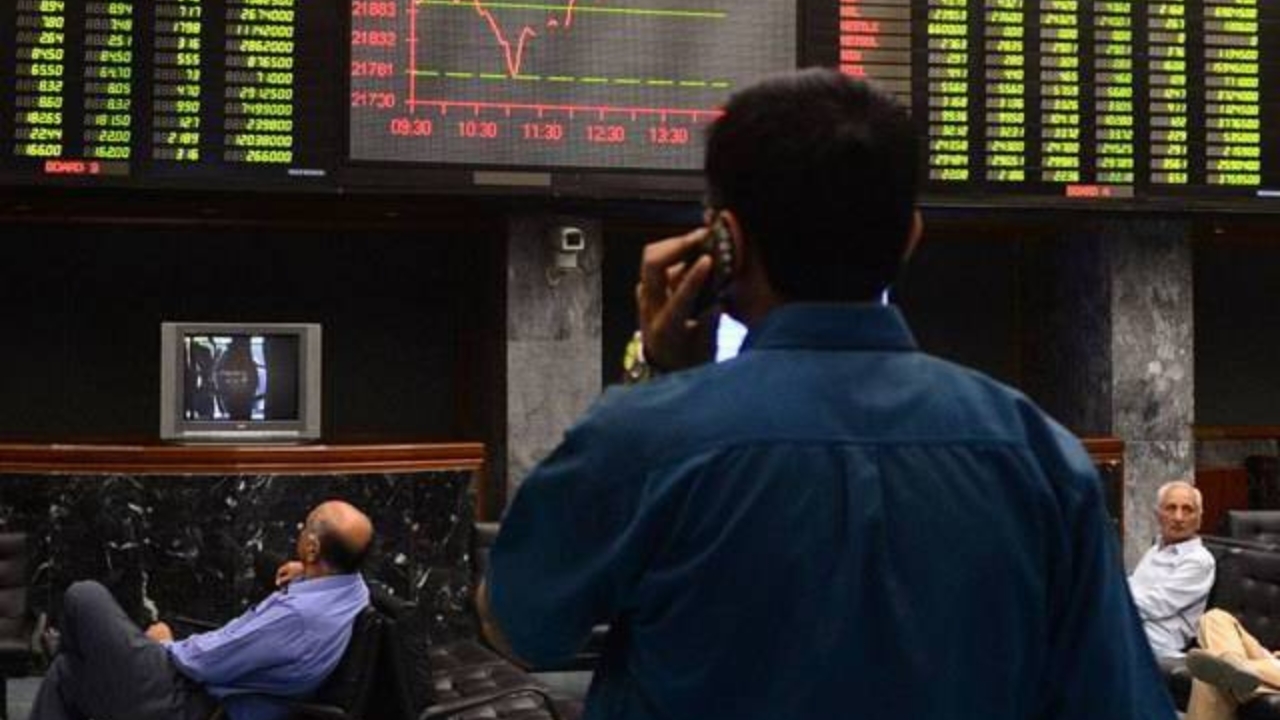
    The Pakistan Stock Exchange (PSX) on Monday witnessed a massive 1357-point rally, allowing the benchmark index of the exchange, KSE-100 index, to cross record 125,700 points.

    According to reports, shares climbed rapidly on Monday as China rolled over $3.4 billion in debt to Pakistan, deciding to refinance a whopping $1.3 billion in commercial loans. Moreover, details from reports indicate that China also rolled over $2.1 billion which the State Bank of Pakistan (SBP) has held in its reserves for the past three years. This allowed the SBP to meet the International Monetary Fund’s (IMF) $14 billion reserve target.

    Investor sentiment witnessed a boost because of the aforementioned developments, allowing the KSE-100 index to open in the green in the early hours of the day, with the upwards momentum continuing until closing hours. The index reached an intraday high of 125,748.58 points. The index peaked at approximately 3:01 PM, after which the market closed at a lower, yet respectable, 125,627.31 points.

    For reference, the KSE-100 closed at 124,379.06 points on Friday, after which the index recorded a growth of one percent during trading hours on Monday, leading to a 1,248.25-point rise. The market displayed a slowdown around 10:21 AM as the KSE-100 hit its intraday trading low of 124,500.20 points.

    Of the 18 indexes listed on the exchange, 15 remained in the green with the All-Share Index (ALLSHR) growing by 1.16 percent, which translates into a 904.90-point rise in the index. Unlike the KSE-100, which tracks the performance of the 100 largest and most liquid companies, the ALLSHR index records the performance of all publicly listed companies on the PSX.

    A number of companies witnessed a rise in share prices with Paramount Spinning Mills Limited (PASM) and Yousaf Weaving Mills Limited (YOUW) achieving growth rates of 24.81 percent and 21.32 percent, respectively. 

    However, not every publicly listed stock witnessed an improvement as many witnessed sharp declines. Among these, the one that fared the worst during intraday trading was First Equity Modaraba (FEM), which recorded a sharp 13.52 percent downward correction after being a top gainer in the previous trading session.

    Trading volume of regular stocks stood at a colossal 1,366,050,133 shares, translating into a total value of approximately Rs41.6 billion.

  • China rolls over $3.4 billion allowing Pakistan to meet IMF reserves target

    China rolls over $3.4 billion allowing Pakistan to meet IMF reserves target

    With just a day remaining until the start of fiscal year (FY) 2025-26, China has reportedly rolled over a staggering $3.4 billion in debt to cash-strapped Pakistan. According to reports, two senior government officials have revealed details surrounding the rollover agreement that will boost Pakistan’s foreign exchange reserves.

    Under the condition of anonymity, officials reveal that Beijing has decided to refinance a whopping $1.3 billion in commercial loans. Moreover, details from reports indicate that China also rolled over $2.1 billion, which the State Bank of Pakistan (SBP) has held in its reserves for the past three years.

    Pakistan has reportedly received additional funds, totalling $1.5 billion, from multilateral sources and commercial banks in the Middle East. Of the aforementioned amount, $500 million was received under multilateral financing agreements with $1 billion from Middle Eastern banks.

    The federal government has not released an official statement on China rolling over Pakistan’s debt. However, the claims made by the officials, if true, spell great news for Pakistan as it will help the cash-strapped country meet a critical condition laid out by the International Monetary Fund (IMF).

    The IMF had stipulated that Pakistan shore up its foreign reserves up to $14 billion by the end of FY 2024-25. Until last week, Pakistan was on track to meet this requirement. However, recent reports documented a large outflow of funds from the SBP’s reserves.

    The SBP’s foreign exchange reserves took a staggering hit on June 27, falling by approximately $2.7 billion. As per reports, this caused SBP reserves to decline to a three-year low of $9.064 billion.

    Analysts outlined how SBP reserves had fallen far short of the revised target of $14 billion for fiscal year (FY) 2024-25. According to data released by the SBP on June 26, the sharp drop occurred in the week ending June 20 and was primarily attributed to large external debt repayments.

    However, the refinancing and rollover agreement with China has allowed the SBP to avoid failing to meet the IMF’s reserves criteria. While Pakistan managed to boost its reserves prior to China’s rollovers, without the last-minute external assistance, SBP reserves would sit at $12.664 billion at the close of FY 2024-25, $1.3 billion below the IMF’s target.

  • ACE Money Transfer CEO Meets Senior Ministers to Advance Legal Remittance and Financial Digitization

    ACE Money Transfer CEO Meets Senior Ministers to Advance Legal Remittance and Financial Digitization

    Mr. Rashid Ashraf, Chief Executive Officer of ACE Money Transfer, conducted a series of strategic meetings in Islamabad with the Honorable Finance Minister, Mr. Muhammad Aurangzeb, and other senior government officials to discuss collaborative efforts aimed at strengthening Pakistan’s Financial infrastructure and enhancing formal remittance inflows.

    A key focus of discussion was the development of structured incentive programs to encourage overseas Pakistanis to remit funds through official channels. Stakeholders reviewed strategic pathways to increase annual remittance volume to USD 50 billion within five years – a target aligned with Pakistan’s broader economic ambitions.


    Mr Ashraf underscored the importance of fostering greater collaboration across financial institutions—including banks, exchange houses, EMIs, and other stakeholders—through a unified digital framework. This approach, he noted, would reduce reliance on informal cash-based systems, enhance PKR retention domestically, and contribute to the documentation of the economy. A strategic roadmap was shared on how remittances could be more effectively integrated into national economic planning.

    In a separate engagement with the Honorable Minister for Information and Broadcasting, Mr Attaullah Tarar, the dialogue centered on strengthening public awareness around the significance of legal remittances. Mr.  Ashraf reiterated ACE’s commitment to supporting the Prime Minister’s digitization agenda, offering the company’s technological expertise in areas such as data governance, real-time consumer insights, and merchant network expansion. These capabilities, he noted, can play a vital role in shaping informed, data-driven policymaking.

    Further consultations were held with the Honorable Federal Minister for Overseas Pakistanis and Human Resource Development, Mr Salik Hussain, and the Parliamentary Secretary, Mr Ihsan ul Haq Bajwa. The discussions highlighted the role of overseas communities as key contributors to national development. Topics included formalizing undocumented migration and money transfer channels, enhancing the arrival experience at ports of entry, and introducing state-led recognition initiatives for overseas Pakistanis who make significant contributions in their respective fields.

    Speaking after the meetings, Mr Rashid Ashraf stated,“We are proud to support Pakistan’s economic future by promoting legal remittance flows. Encouraging formal, transparent channels not only strengthens the economy but directly benefits millions of families. ACE remains committed to working alongside the Government of Pakistan to accelerate financial inclusion, digitization, and long-term economic resilience.”

    About ACE Money Transfer

    ACE Money Transfer, headquartered in Manchester, UK, is a leading provider of online remittance services, trusted by millions of customers globally. With an extensive network of 375,000+ payout locations across 100+ countries, ACE delivers secure, fast, and reliable money transfer solutions tailored to meet the needs of expatriates and migrant workers.

    ACE Money Transfer was named “The Best FinTech App” at the UK Business Awards 2024 and also received a major recognition from the State Bank of Pakistan, ranking ACE as the Fourth Largest Global Fintech by Remittance Volumes to Pakistan. These accolades underscore ACE’s growing influence on the global remittance landscape and reaffirm its position as a trusted digital financial services provider.


    ACE plays a critical role in channeling remittances through formal and transparent financial systems—supporting Pakistan’s economic stability and the livelihoods of millions of families. Together, these honors mark a significant milestone in ACE’s journey to drive inclusive financial solutions and reinforce its commitment to serving diaspora communities worldwide with secure, affordable, and always-accessible money transfer services.

  • Stock market hits record high on improved investor sentiment

    Stock market hits record high on improved investor sentiment

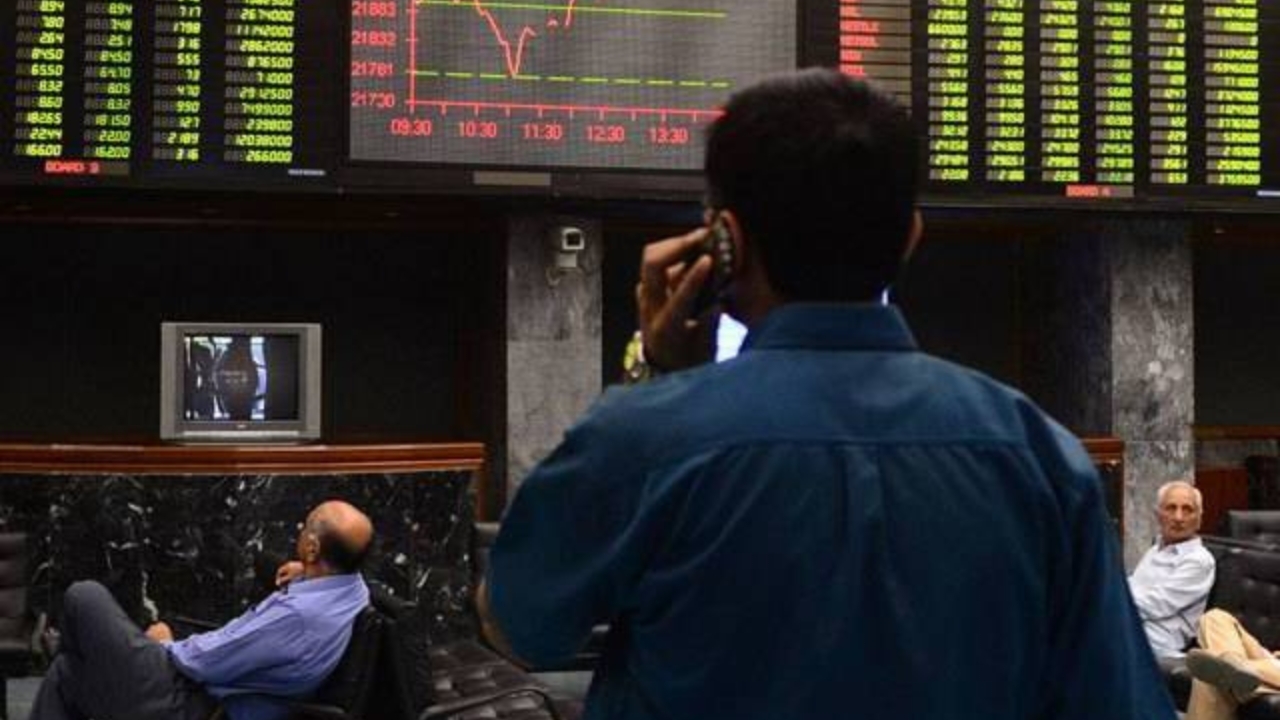
    The Pakistan Stock Exchange (PSX) witnessed a massive 2330-point rally, allowing the benchmark index of the exchange, KSE-100 index, to cross 125,000 points, setting a new all-time high. According to reports, shares climbed rapidly on Friday as investors rearranged their portfolios before the start of fiscal year (FY) 2025-26.

    The market witnessed a surge because of large foreign inflows, improved investor sentiment and strong institutional buying. It merits a mention that Pakistan reportedly managed to get $3.1 billion in commercial loans along with $500 million in multilateral funding, which likely improved investor sentiment.

    These developments caused the index to open in the green in the early hours of the day, with the upwards momentum continuing until closing hours. The KSE-100 index reached an intraday high of 125,285.05 points. The index peaked at approximately 2:36 PM, after which the market closed at a lower, yet respectable, 124,379.06 points.

    For reference, the KSE-100 closed at 122,046.46 points on Thursday, after which the index recorded a growth of 1.91 percent during trading hours on Friday, leading to a 2,332.60 point rise. The market displayed a slowdown around 9:15 AM as the KSE-100 hit its intraday trading low of 122,222.69 points.

    All 17 indexes listed on the exchange remained in the green with the All-share index (ALLSHR) growing by 1.80 percent, which translates into a 1,376.60 point rise in the index. Unlike the KSE-100, which tracks the performance of the 100 largest and most liquid companies, the ALLSHR index records the performance of all publicly listed companies on the PSX.

    A number of companies witnessed a rise in share prices, with First Equity Modaraba (FEM) and Intermarket Securities Limited (IMS) winning big, to the tune of growth rates that sat at 21.65 percent (FEM) and 15.63 percent (IMS). 

    However, not every publicly listed stock witnessed an improvement, as many companies witnessed sharp declines. Of these declining companies, the one that fared the worst during intraday trading was B.F. Modaraba (BFMOD), which posted a 9.92 percent decline in its position.

    Analysts predict that the 122,000 point level will emerge as a key support level while the 127,000 point level could be the resistance level during the upcoming trading week. Recent reports have outlined the trend for the period following the coming week, suggesting that the KSE-100 index could cross 165,000 points by December 2025, owing to a drop in interest rates and an improved state of the wider economy.

  • State-owned enterprises record Rs342 billion loss in six months

    State-owned enterprises record Rs342 billion loss in six months

    Pakistan’s State-Owned Enterprises (SOEs) have recorded a loss of Rs342 billion in six months. According to reports, SOE losses coupled with unfunded pension liabilities have surpassed a staggering Rs7.5 trillion. 


    Analysts have outlined how large the aforementioned liabilities are, drawing comparisons to highlight that they are over seven times larger than the budget for the Public Sector Development Programme (PSDP). Reports reveal that the Ministry of Finance informed the Cabinet Committee on State-Owned Enterprises (CCoSOEs) that total SOE losses have reached a whopping Rs5.8 trillion.


    For reference, SOE losses alone account for approximately 33.14 percent of the federal budget approved for fiscal year (FY) 2025-26. Analysts have pointed out how these losses are likely to keep climbing unless the federal government privatizes loss making SOEs.


    According to data from the Finance Division’s Central Monitoring Unit’s performance review, SOE’s tacked on an additional Rs342 billion to the total loss amount during the first half of FY 2024-25. Reports suggest that circular debt in the oil, gas and power sectors has jumped up to Rs4.9 trillion despite a considerable hike in electricity and gas rates over the past three years.


    The uncontrolled rise in debt has resulted in disruptions in the cash flows of loss making SOEs. It merits a mention that SOEs recorded losses despite being given over Rs600 billion in support during the first half of FY 2024-25. According to reports, the aforementioned financial support, that was extended to the SOEs, came in the form of loans, grants, subsidies and other means.


    SOEs’ unfunded pension liabilities have climbed up to Rs1.7 trillion. For reference, an unfunded pension liability is the shortfall between the money a pension fund has on hand and the total amount it owes to retirees. Reports reveal that unfunded pension liabilities are not registered on federal books.


    Aside from issues pertaining to fiscal mismanagement, the cabinet committee was reportedly brought to speed regarding instances of misgovernance. As per reports, these instances of misgovernance include substandard disclosure practices as per the IFRS Section 30 and non compliance with regulatory requirements.


    Finance Minister Muhammad Aurangzeb, who was chairing the CCoSOEs meeting, voiced his concerns surrounding the staggering Rs1.9 billion daily average loss incurred by SOEs. He also expressed intent to reform the power sector as circular debt from the sector is creating fiscal problems for Islamabad.

  • Mobile phone imports record sharp decline

    Mobile phone imports record sharp decline

    Mobile phone imports into Pakistan recorded a staggering 16.31 percent decline during the first eleven months of fiscal year (FY) 2024-25 compared to the corresponding period in FY 2023-24. 

    Data released by the Pakistan Bureau of Statistics (PBS) revealed that a whopping $1.356 billion worth of phones entered the country during the first eleven months of FY 2024-25. The import bill for phones during the same period in FY 2023-24 stood at an alarmingly high $1.62 billion.

    As per reports, mobile phone imports in May 2025 logged an even sharper drop on a year-on-year (YoY) basis, declining by a colossal 35.83 percent. Meanwhile, the imports amounted to $157.592 million in May 2024, falling to just $101.131 million during the same month in 2025.

    Data from the PBS indicates that month-on-month (MoM) imports declined in May 2025 as well, falling by 19.61 percent. This translated into the mobile phone import bill witnessing a MoM drop of $23.972 million. 

    The import of mobile phones detrimentally impacts local manufacturers and assemblers. However, it merits a mention that a vast array of mobile phones are not manufactured locally and can only be sourced via imports.

    A popular example of such phones is the iPhone, which is more expensive than most other mobile phones. Its higher price could be a contributing factor to the large mobile phone import bill.

    Currently, the price of the iPhone 16 rests at $799 in the US, which translates to about Rs227,000. Similarly, the iPhone 16 Pro’s price sits at $999, which converts to approximately Rs284,000.

    It merits a mention that the figures above are retail prices that US consumers face, and prices are likely to be much higher in the domestic market as imports face duties.  

    The mobile import bill might worsen with the launch of Apple’s latest phone, the iPhone 17, which is expected to be priced higher in the domestic market as opposed to its price in the US. According to reports, the latest iPhone model could cost approximately Rs573,999 in the domestic market.

    However, the price might fall in the domestic market if Pakistan reduces tariffs. According to reports, authorities may reduce tariffs as part of negotiations with the US to avoid a 29 percent reciprocal tariff.

  • SBP reserves plunge by $2.7 billion to hit three-year low

    SBP reserves plunge by $2.7 billion to hit three-year low

    The State Bank of Pakistan’s (SBP) foreign exchange reserves took a staggering hit, falling by approximately $2.7 billion in a single week. As per reports, this caused SBP reserves to decline to a three-year low of $9.064 billion.

    Analysts have outlined how current SBP reserves fall far short of the revised target of $14 billion for fiscal year (FY) 2024-25. According to data released by the SBP on Thursday, the sharp drop occurred in the week ending June 20 and was primarily attributed to large external debt repayments.

    As per financial analysts, Islamabad may have remained unable to extend or roll over commercial loans. Reports reveal that a large chunk of the repayment amount was put toward repaying commercial borrowing debt. 

    Analysts cite higher penalties for rolling over existing commercial debt as a likely possibility for the steep drop in reserves. As per reports, an extension on the repayment could have come with stricter conditions. 

    The SBP had recently adjusted its reserves target for FY 2024-25 from $13 billion to $14 billion. Earlier reports indicated that China intended to grant a rollover to Pakistan worth approximately $1.8 billion. 

    Prior to the sharp fall in SBP reserves, Finance Minister Muhammad Aurangzeb claimed that reserves would cross $14 billion by the close of FY 2024-25. Moreover, the IMF had been assured by Pakistani authorities that reserves will stand at $13.9 billion at the start of FY 2025-26.

    Currency market experts were stunned by the sudden transaction as well, stating that the market did not expect the payment to be made at the end of the outgoing FY. 

    While the SBP faced a setback from the unexpected outflow of reserves, reports suggest that it has received inflows of $3.6 billion in commercial and multilateral loans during the current week, which will be included in the reserves data for the week ending June 27.

    This will bring up total reserves to $12.664 billion. Data from reports reveals that this will result in Pakistan falling $1.3 billion short of the target.

    Reports indicate that the SBP remained active, purchasing dollars from the open market during the current fiscal year. Some analysts peg the amount bought by the SBP to sit between $6 to $8 billion. The SBP made the aforementioned interventions to meet the reserve requirements set by the International Monetary Fund (IMF).

  • Pakistan urges US firms to explore untapped mineral wealth

    Pakistan urges US firms to explore untapped mineral wealth

    Federal Minister for Energy Ali Pervaiz Malik called on US companies and firms to tap into Pakistan’s mineral deposits in a bid to increase foreign direct investment (FDI) inflows. According to reports, the aim is to encourage investors to enter into joint ventures and public-private partnerships during the Opportunities in Pakistan’s Mining Sector – Unlocking Mineral Potential webinar.

    Key officials from the Ministry of Energy, SIFC representatives and US diplomats attended the webinar, which was reportedly broadcast from the head office of Oil and Gas Development Company Ltd (OGDCL). The event was held jointly by the US Embassy in Pakistan and the Ministry of Energy. Both parties organised the webinar to boost bilateral economic ties and investment opportunities in the mining sector.

    The Energy Minister outlined Pakistan’s vast deposits of coal, copper, gold, and other rare elements, highlighting the country’s commitment to facilitating investment by international parties seeking to tap into its mineral resources. He outlined how the Special Investment Facilitation Council (SIFC) and the Government of Pakistan would seek to ease the process of investing in the country.

    According to the minister, Pakistan possesses a vast amount of key minerals which can be used to facilitate a green transition. Moreover, he highlighted the federal government’s renewable energy goals as central to both its climate objectives and economic future, adding that the shift toward a green economy will be supported by the mining of essential minerals.

    However, it is unclear how the extraction of non-renewable fuels, such as coal, will be used for a green transition. Nevertheless, leveraging Pakistan’s mineral deposits could bring in much-needed foreign exchange for cash-strapped Pakistan. 

    Reports suggest that the Energy Minister shed light on mineral discoveries in Khyber Pakhtunkhwa’s Waziristan region and Balochistan’s Chaghi district.

    US Chargé d’Affaires Natalie Baker stated it is “the right time for US investors to explore and engage” in Pakistan’s undeveloped mineral deposits. Speaking about the outlook of Pakistan’s mining sector, she remarked that the US sees “great promise in this sector.”

    According to reports, Chargé d’Affaires also pledged the US Embassy’s support in helping American businesses in the region, assuring that the US intend to establish “win-win partnerships.”

  • Gold prices steady amid easing geopolitical tensions

    Gold prices steady amid easing geopolitical tensions

    Mimicking movements in the international market, gold prices in Pakistan held steady on Wednesday. According to reports, easing tensions in the Middle East weakened the yellow metal’s appeal as a safe haven asset.


    Historically, gold has been perceived as a credible store of value and investors typically flock to it during periods of political or economic turmoil. However, with fears surrounding a possible escalation between Iran and Israel now cooling off, both global and domestic prices have stabilized.


    In the domestic market, gold prices registered only a slight increase. According to the All Pakistan Sarafa Gems and Jewellers Association (APSGJA), the price of one tola 24k gold rose by Rs300, bringing the rate to Rs354,665 per tola. The price of 10-gram gold also edged up by Rs258 causing 10-gram rates to settle at Rs304,068. 


    Reports indicate that the rise in gold rates comes after a sharp drop on Tuesday, when prices plunged by Rs3,800 per tola. A director at a reputable commodities institution outlined how international prices on Wednesday fluctuated between a low of $3,311 per troy ounce and a high of $3,337 troy ounce. 


    Moreover, the director highlighted that “the overall sentiment was weak”. Analysts have pointed out how gold may record a further drop if it dips below the $3,290 per troy ounce support level.


    As per reports, the short term outlook for gold has turned bearish, largely due to the reduction in geopolitical risk. However, a minor rebound could be witnessed once the correction levels settle.


    The decline in gold prices came alongside a drop in oil prices, which also responded to easing geopolitical tension. With Israel appearing to accept a ceasefire proposal and no immediate signs of escalation from either belligerent countries, risk premiums on both gold and oil have thinned.


    The 12-day Iran-Israel conflict drove oil prices to a five-month high. Gold prices also experienced a sharp hike following initial strikes on June 12.  The hike in global oil prices detrimentally impacted the global economy, causing capital markets across the region to take a hit, including the Pakistan Stock Exchange (PSX).


    Meanwhile, the Pakistani rupee posted a marginal gain, appreciating by five paisa in the inter-bank market, closing at Rs283.72 against the dollar, compared to Rs283.77 a day earlier. It merits a mention that an appreciation of the rupee causes gold prices to drop as gold prices are denominated in dollars.