Category: Business

  • FFC announces results of First Quarter for the Year 2025

    FFC announces results of First Quarter for the Year 2025

    Fauji Fertilizer Company Limited (FFC) has announced its financial result for the first quarter of 2025 ended March 31, 2025 in its Board of Directors meeting held on April 28, 2025.


    FFC undertook scheduled maintenance of the manufacturing facilities at Goth Machhi and Port Qasim during the period, while no shut down was carried out last year. Aggregate Urea production stood at 629 thousand tonnes while DAP output was recorded at 168 thousand tonnes. The fertilizer market remained oversupplied in first quarter, driven by weak farm economics and drought, resulting in lower fertilizer sales.  

    FFC recorded Urea offtake of 538 thousand tonnes, down 26% year on year, compared to the industry’s decline of 40%. The Company held only 16% of the sector’s closing Urea inventory of ~825 thousand tonnes, reflecting strong marketing efforts, consequently Urea market share improved to 49% from 45% of last year. In the DAP segment, sales of manufactured and imported products stood at 88 thousand tonnes, dominating the DAP market leadership with a share of 63%.


    Profitability of the merged entity stood at PKR 13.3 billion, compared to PKR 10.5 billion last year, reflecting a 27% increase. The Company also earned other income of PKR 7.4 billion which includes dividend of PKR 2.8 billion received from Askari Bank Limited. Earnings per share (EPS) of PKR 9.3 was recorded, up from PKR 8.3 per share from last year.  


    On a consolidated basis, FFC recorded a PAT of Rs. 17.6 billion, reflecting a 39% increase over the same period last year, primarily driven by strong performance from FFC’s standalone operations, supplemented by contributions from subsidiaries and associated companies.


    Earnings per share (EPS) of PKR 9.3 was recorded, up from PKR 8.3 per share from last year. Board of Directors is pleased to announce the first interim dividend of 70% (Rs 7.00 per share) for the period.
  • Former finance minister warns of unsustainable policies, low growth

    Former finance minister warns of unsustainable policies, low growth

    Former finance minister and economist Dr Hafeez Pasha described the State Bank of Pakistan’s (SBP) foreign exchange interventions as unsustainable in an interview on private television. He explained that the SBP purchases dollars entering the system through informal money transfer systems to ensure that the rupee does not depreciate too much against the dollar, while also building foreign reserves.

    Currently, the rupee operates under a managed float regime relative to the  dollar, effectively trading within a range of Rs278 to Rs280 per dollar. For reference, a managed float regime is a system in which a currency’s value is loosely pegged to another currency, allowing it to fluctuate within set limits.

    However, Pasha has outlined how this will serve to the detriment of domestic exports as artificially inflating the value of the rupee reduces export competitiveness. If the SBP moves from a managed float regime to a purely floating system, the rupee may depreciate significantly. Experts, on the other hand, believe that it could cause export growth to skyrocket.

    He further critiqued the policy against exporters, highlighting how they now face a 29 percent income tax, which sat at just one percent prior to the International Monetary Fund’s (IMF) austerity measures. Reports quoting Pasha indicate that the government has rescinded its support for exporters while countries such as Bangladesh and India are granting tax cuts to their exporters. 

    He outlined how economic growth will likely remain below two percent for fiscal year (FY) 2024-25 despite the federal government’s efforts. However, projections from the World Bank indicate that Pakistan’s economy is expected to grow by 2.7 percent during the current FY.

    According to Pasha, the reason for the abysmally low growth rate lies in the shrinking of sectors such as large-scale manufacturing and cotton. As per reports, cotton production has witnessed a 28 percent fall, which spells bad news for a textile exporting nation, as cotton is a major input material in textiles. 

    The decline in cotton production could stem from the domestic textile sector’s increasing reliance on imported cotton. Recent reports indicate that millers and ginners were opting to buy imported cotton, which, up until recently, would arrive duty-free into the country, while local cotton farmers were subjected to an 18 per cent General Sales Tax (GST).

    However, reports from April 2025 suggest that the federal government withdrew the GST on the sale of domestically produced cotton. Analysts believe that the government will have to reshuffle its policies to witness economic revival.

  • Punjab to get its own airline, bullet train

    Punjab to get its own airline, bullet train

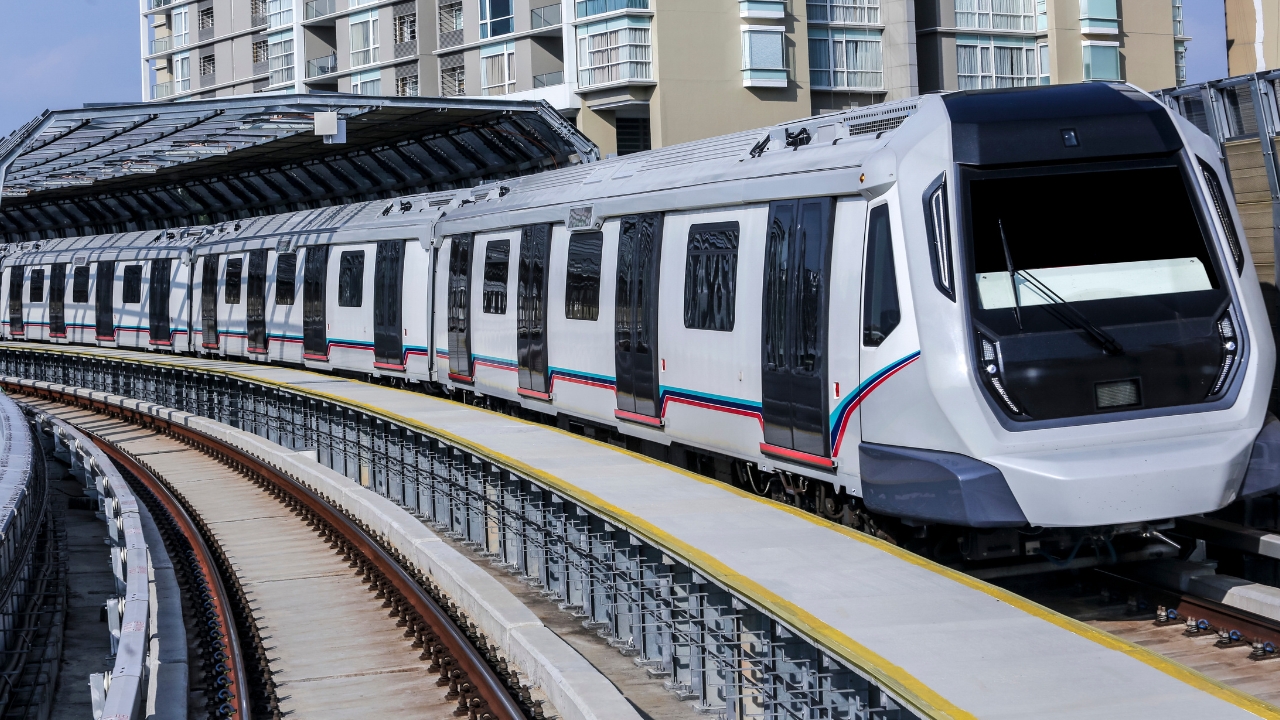
    In a bid to improve intraprovince connectivity, Punjab’s Information Minister Azma Bokhari has announced the launch of key infrastructure projects. According to a press conference held in Lahore, lawmakers in Punjab have decided to launch Pakistan’s first-ever bullet train, which will run from Lahore to Rawalpindi.

    Furthermore, the Information Minister also announced the launch of Air Punjab, which could compete with existing airlines such as Pakistan International Airlines (PIA) and AirSial. The introduction of an additional airline will increase competitiveness in the domestic air industry, potentially causing a drop in airfares. However, airlines will not witness an immediate surge in competition, as reports believe that setting up Air Punjab will take approximately eight to 12 months.

    She hailed the aforementioned infrastructure projects as “historic” and revealed Air Punjab’s expansion roadmap. As per reports, the airline is set to acquire four airplanes on a lease agreement for domestic operations. However, officials running the airline are expected to obtain an “international air license” within one year, allowing the provincial airline to fly to international destinations.

    Some believe that the entry of another competitor in Pakistan’s airspace could reduce the market share of existing airlines. PIA recorded its first profit in over two decades in 2024, and its revenues could plummet with Air Punjab entering the market. There is some merit to this fear, as recent census reports indicate that Punjab is the most populous province, suggesting that increased competition in Punjab could lead to competitors scrambling for market share.

    The bullet train project is also expected to facilitate rapid transit, cutting the 4.5-hour journey from Lahore to Rawalpindi down to just 2 hours and 20 minutes. Details from reports indicate that aside from the aforementioned route, the provincial government intends to add additional routes and stops to facilitate travel.

    Commuters between both cities could witness a staggering 48.15 percent drop in travel times, resulting in significant time savings that can be allocated to more productive purposes. Moreover, the information minister disclosed plans to construct a glass train that will run from Rawalpindi to Murree.

    The completion of the glass train could result in a significant surge in tourism, boosting the profit margins of hospitality establishments in Murree. The influx of tourists is expected to create new business opportunities, leading to growth in the local economy.

  • Businesses request creation of bankruptcy laws, protection from FBR

    Businesses request creation of bankruptcy laws, protection from FBR

    Businesspersons in Pakistan have requested the government to shield them from the Federal Board of Revenue’s (FBR) excesses. According to reports, the tax watchdog has allegedly perpetrated instances of harassment against investors, sparking concerns.

    Business leaders and investors have outlined how the FBR has “become a symbol of fear”. Moreover, investors have called for the federal government to streamline the board’s policies, claiming that its policies are riddled with inconsistencies. 

    According to reports, businesspeople have requested that Islamabad enact laws pertaining to bankruptcy. Analysts believe that reforming bankruptcy laws can boost domestic investment levels, leading to economic growth.

    While many developed countries have long-standing bankruptcy laws, Pakistan has reportedly not introduced any such laws. This has caused business owners to refrain from raising funds from investors because if a business fails, the owner can face personal legal trouble.

    A bankruptcy law would decriminalise honest business failure, letting genuine entrepreneurs restart without lifelong penalties. Knowing that bankruptcy laws will protect entrepreneurs from personal financial ruin in the event of a business failure could encourage greater business activity in the economy.

    The federal government has responded to calls for bankruptcy laws, as Special Assistant to the Prime Minister on Industries and Production Haroon Akhtar Khan declared that a subcommittee has been created to work on drafting bankruptcy laws.

    According to reports, Haroon Akhtar chaired the meeting of the PM committee regarding bankruptcy legislation. Authorities present at the meeting highlighted the need to create a business-friendly atmosphere in Pakistan. 

    Reports indicate that creating a business-friendly environment aligns with Prime Minister Shehbaz Sharif’s vision.  However, the committee reportedly conceded that the country suffers from the lack of a bankruptcy framework and that steps needed to be taken to create legislation to protect businesses. 

    Haroon Akhtar announced the government’s aim to regain the confidence of foreign investors. The formulation of bankruptcy laws would send a positive signal to foreign investors regarding the country’s willingness to align Pakistan’s investment climate with the world’s.

    Data from recent reports have suggested that foreign direct investment (FDI) levels fell by a staggering 91 percent on a year-on-year basis in March 2025. With FDI inflows under jeopardy, many believe that cash-strapped Pakistan must alleviate fears that foreign investors have by introducing business-friendly laws and frameworks.

  • Lowari Tunnel project cost overruns by 362 percent

    Lowari Tunnel project cost overruns by 362 percent

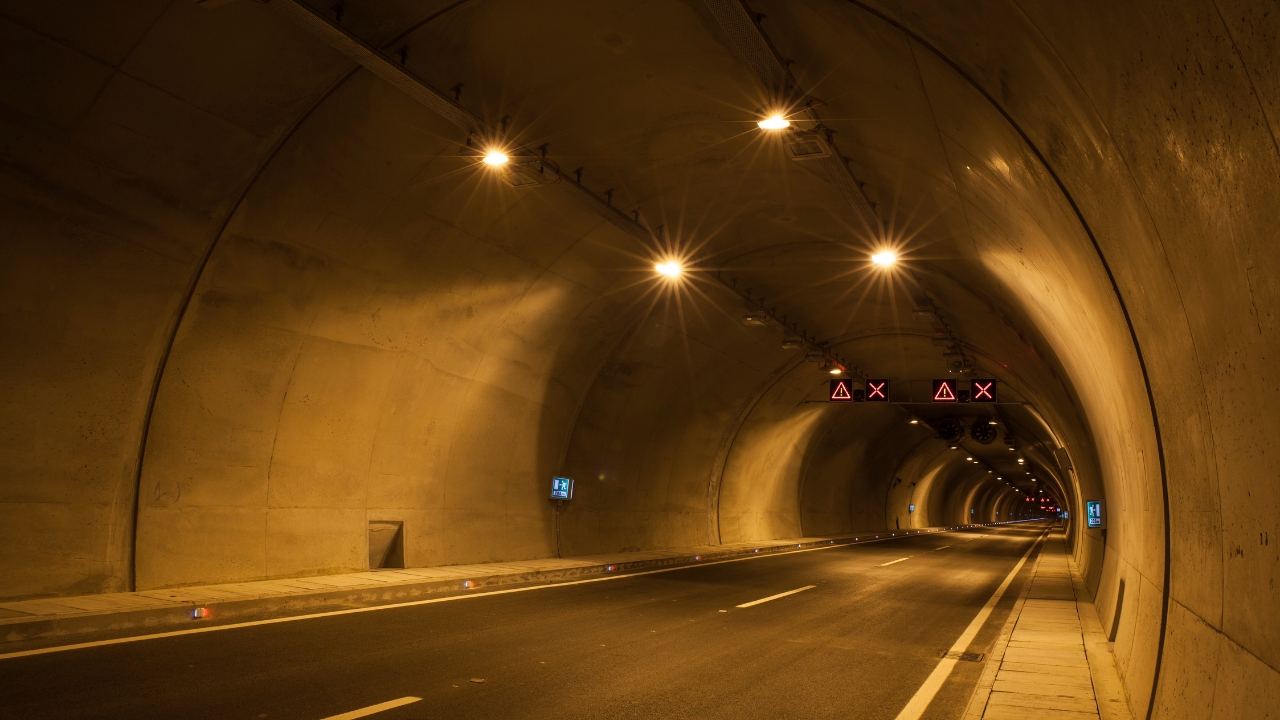
    Following a series of infrastructure projects that exceeded their allocated budgets, the Lowari Tunnel project has now joined the list, currently under review after overrunning its planned cost. According to reports, project costs are now projected to be 362 percent higher than initially anticipated.

    Project details reveal that development works on the infrastructure project were authorised over 20 years ago. If completed, the tunnel could provide a safe passage to the northern parts of Pakistan that border Afghanistan. 

    According to reports, the Central Development Working Party (CDWP) has reviewed a proposal that, if accepted, would allow project costs to reach up to Rs 37 billion. However, authorities have not been able to reach an agreement as project documents reveal government instructions to set a price ceiling at Rs28 billion to avoid cost overruns.

    Reports indicate that the Ministry of Communications (MoCom) was granted only Rs4 billion by the Planning Commission to cover immediate liabilities. Initially, MoCom had asked for an additional Rs10 billion to finance the project, but this request was not accepted.

    Reports suggest that the meteoric rise in cost could be associated with the federal government’s directives to expand the projects’ scope. The aforementioned expansion orders caused the project price to gradually increase from Rs8 billion in 2004 to its current projection of Rs37 billion.

    However, some believe that it may not be a fair comparison to compare costs over more than two decades, as inflation rates have remained persistently high, causing the prices of inputs to soar. According to data from the International Monetary Fund (IMF), the average inflation rate over the project’s lifetime sits at approximately 10.5 percent. However, many believe that it is unlikely that the rate of inflation caused the cost to balloon by a whopping 362 percent. 

    Authorities believe that construction work on the tunnel is vital, as it opens up road access to the Chitral district during the winter months. Without the tunnel, the flow of traffic would remain limited because of heavy snowfall.

    Reports have highlighted that the Executive Committee of the National Economic Council (ECNEC) ordered the project to be ‘formally closed’; however, the Ministry of Communications did not abide by the ECNEC’s instructions. 

    Rising project costs hurt the national exchequer, and with international creditors pressuring Pakistan to consolidate its fiscal position and implement austerity measures, many believe that overlooking cost overruns may hurt Pakistan’s macroeconomic indicators.

  • PSX continues to climb despite Pak-India tensions

    PSX continues to climb despite Pak-India tensions

    Despite rising tensions with neighbouring India, the Pakistan Stock Exchange (PSX) on Friday closed in the green as an early bull run allowed the KSE-100, the benchmark index of the PSX, to reach an intraday high of 115,844.88 points. 


    Data from the PSX revealed that the KSE-100 index peaked at approximately 9:22 AM after which a large sell off was recorded in the market that lasted until 2:46 PM, causing the market to hit an intraday low of 113,716.60 points before recording a swift recovery to close at 115,469.34 points.


    For reference, the KSE-100 closed at 115,019.81 points on Thursday after which the index recorded a growth of 0.39 percent during trading hours on Friday, allowing for a 449.53-point rise.


    According to reports, the index plummeted by over 2,200 points during trading hours on Thursday, owing to tensions with India.

    Of the 17 indexes on the PSX, 14 remained in the green with the All-share index (ALLSHR) being one of the four indexes that were in the red. The index shrank marginally by 0.01 percent, which translates into a 9.08 point decline. Unlike the KSE-100, which tracks the performance of the 100 largest and most liquid companies, the ALLSHR index records the performance of all publicly listed companies on the PSX.

    While recent global and regional geopolitical issues have caused a pullback in the PSX, data from the exchange reveals that the ALLSHR index has shot up by a staggering 52.87 percent over just one year, with the KSE-100 recording an even greater rise of 60.44 percent over a one year period.


    A vast array of companies has witnessed a rise in share prices with First Capital Equities Limited (FCEL) and PICIC Insurance Limited (PIL) winning big – to the tune of growth rates that sat at 24.24 percent (FCEL) and 18.94 percent (PIC). 


    However, not every publicly listed stock witnessed an improvement as many companies witnessed sharp declines. Of these declining companies, the one that fared the worst during intra-day trading was Ghani Chemworld Limited (GCWL), which posted a 11.11 percent decline in its position.


    Trading volume of regular stocks stood at an impressive 471,072,967 shares, translating into a total value of over Rs27.3 billion.

  • Pakistan loses whopping $2 billion to climate disasters every year: report

    Pakistan loses whopping $2 billion to climate disasters every year: report

    In its latest report, the Asian Development Bank (ADB) has revealed that Pakistan loses a staggering $2 billion per annum to climate related disasters, worsening concerns related to poverty in the cash-strapped economy.


    Pakistan is one of the “most climate-vulnerable” economies in South Asia. However, destruction from disaster does not affect every resident uniformly as it disproportionately impacts vulnerable segments of the Pakistani demographic, the report said.


    The ADB’s report indicated that women and other groups are hit hardest, resulting in a significant decline in their quality of life.

    The institute has attempted to safeguard the disaster-prone country from further calamities by providing financial assistance in 2024, the reports said, revealing that the regional lender extended a $500 million “policy-based” loan to prepare Pakistan against future disasters. These funds were to be utilised for disaster preparedness, response and planning.


    The report suggested that the creditors programme assisted Pakistan with disaster modelling, risk mapping and provided financing for initiatives that would reduce the risk of disasters. Furthermore, Pakistan received support for programmes to boost domestic climate resilience.


    According to the report, Pakistan’s subscription to ADB’s programme allows it to receive timely disbursements from the lender if a disaster strikes the country. With floods usually occurring during the summer season, particularly June to August, many believe that the availability of funds to combat potential disasters in the upcoming months could provide a safety net to victims.


    The regional creditor highlighted the issues faced by Central and South Asian economies, notably outlining Pakistan’s poverty related woes.


    The report revealed that the ADB had allocated a staggering $330 million to provide social protection to 9.3 million Pakistanis, aimed at helping alleviate financial strain on poverty-stricken households, providing education to children and boosting access to healthcare services.


    One of the primary factors behind declining living standards and persistently high poverty rates is the ballooning of Pakistan’s urban population. Reports indicate that urban areas suffer from significant planning issues, resulting in housing shortages and ultimately, high living costs.


    The rise in the cost of living has resulted in a significant decline in the standard of living for rural to urban migrants as they do not own residences in the urban areas. 


    However, Islamabad seems to be taking independent steps towards sustainable growth as well. The government has raised the petroleum development levy and is focusing on hydropower projects. 

    The federal government recently also issued Sukuk bonds to raise funds to develop three hydropower infrastructure projects that could reduce the incidence of widespread flooding while also generating power.

  • Pakistan eyes digital future at CeDAR launch

    Pakistan eyes digital future at CeDAR launch

    At the heart of Lahore University of Management Sciences’ (LUMS) Science and engineering building, the Centre for Digital Assets and Regulation (CeDAR) was officially launched on Thursday, drawing leading voices from the world of crypto, venture capital and policy.

    The event marked more than just an inauguration, signalling Pakistan’s growing ambition to position itself at the forefront of digital asset innovation in South Asia.

    Speaking at the event, Mohammad Yesilhark of NOIA Capital described Bitcoin as “the fastest horse” in the race of financial assets and even called it “Islamic”.

    His remarks echoed a broader sentiment felt throughout the panels: that Pakistan, despite its economic hurdles, holds untapped potential to leapfrog into the future of finance through crypto and blockchain.

    The event featured discussions on everything — from tokenised assets to using excess electricity for Bitcoin mining. One key argument was that while countries like El Salvador and Bhutan were early adopters of Bitcoin, Pakistan’s demographic scale offers an even greater runway. With proper infrastructure and regulatory support, Pakistan could not only catch up to global competitors but it could even take the lead.

    Fiat currency was described as an “experiment” by Mr. Faisal Aftab, Zayn VC and US treasuries were critiqued for offering “negative real returns”.  Aftab noted how CPI metrics often exclude essentials like food and energy in their calculations, implying that inflation erodes gains from US treasuries, leaving investors with assets that yield losses in real terms. 

    Meanwhile, crypto, particularly Bitcoin, was presented as a more inclusive and resilient store of value which Yesilhark outlined is “capable of traversing both time and space” without the logistical hurdles of physical assets like gold. In simple terms, digital assets are more portable than existing assets in the physical plane. 

    The conference also tackled criticism often levied against crypto, including money laundering and capital flight. Mr. Humza Khan, ⁠Growth Manager at Binance Pakistan, argued that crypto, with its trackable nature, is often more compliant than traditional channels. “Capital flight is a rich man’s game,” one panelist noted, “but for average Pakistanis, crypto means accessible remittances and financial inclusion”. 

    According to Khan, banks can sometimes charge up to a 25 percent service fee of a transaction’s total value while these charges are negligible using digital asset platforms. 

    Mr. Sardar Ahmed Durrani, from Genesis Digital outlined the profitability of running a crypto mining operation, claiming large operations could generate revenues north of $8 million. If Pakistan is to build a robust regulatory framework, it won’t just help protect investors and could bring taxable income into the formal economy. 

    With officials from Binance, Zayn VC, Haruko and the State Bank of Pakistan present, the event set the tone for what CeDAR hopes to become: a bridge between policy, technology and sustainable financial innovation.

    Pakistan may have arrived late to the crypto conversation but if the energy at CeDAR’s launch was any indication, it’s ready to speak loud and clear.

  • Markets rally as Trump signals major tariff cuts amid easing tensions with China

    Markets rally as Trump signals major tariff cuts amid easing tensions with China

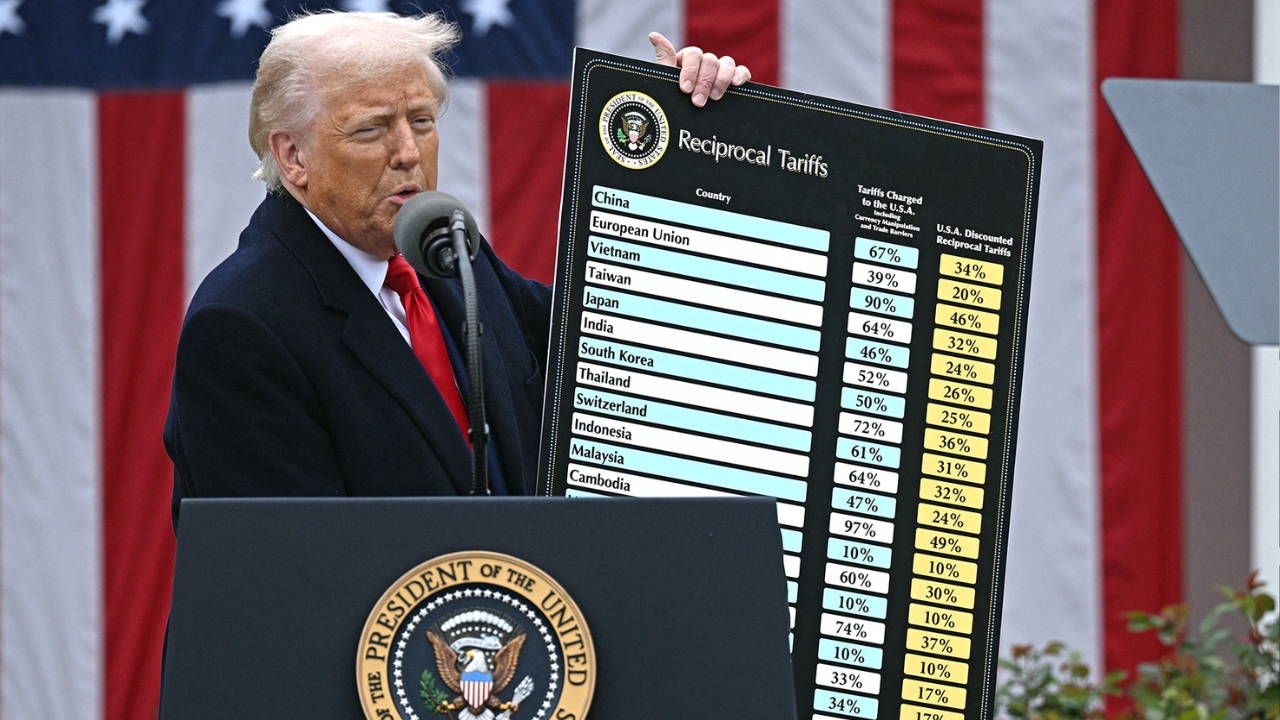
    Tensions between the United States (US) and China seem to be subsiding after President Donald Trump affirmed that tariffs on Chinese goods would be slashed.

    According to reports, Trump does not intend to cease trade hostilities entirely as tariffs are not to be shelved; however, in light of the president’s statement at a news conference on Tuesday, analysts believe the same will fall sizably from their current high of 145 percent.

    US Treasury Secretary Scott Bessent was also cited as calling tariff levels as “unsustainable” before President Trump announced an attempt to find an amicable solution to navigate rising US-China tensions. As per reports, Trump has stated that the US is “doing fine with China”, claiming that tariff rates were to face cuts in the coming period. 

    The statement reinvigorated US investors as capital markets across the US witnessed bullish sentiments. The New York Stock Exchange (NYSE) composite climbed 422.77 points during intraday trading, reflecting a 2.34 percent positive movement in the index.

    Moreover, the National Association of Securities Dealers Automatic Quotation System (NASDAQ) composite grew by 2.71 percent after recording a 429.52 point rise in the index. Similarly, the Standard and Poor’s 500 (S&P 500) logged an impressive 2.51 percent after gaining 129.56 points during trading hours.

    The aforementioned data indicates that a market-wide recovery is on the table after the tariff war upended capital markets. While Trump’s initial tariffs caused markets to tumble, China’s imposition of a 125 percent tariff rate on US imports accelerated the fall.

    Trump himself has also outlined the positive sentiments in the stock markets that came about because of news of the potential tariff cuts.

    However, with the president claiming that the US and China are going to “live together very happily”, analysts believe that the global economy is now on track to protect the interests of business owners, industrialists and investors again.


    Reports suggest that China has not yet provided an official response to the developments. However, Chinese citizens have taken to social media highlighting how Trump has lost the trade war to China.

    China is also reportedly applying diplomatic pressure to isolate the US from its allies. South Korean companies have allegedly been “pressured” by China to halt shipments of supplies to US military contractors.

  • Gold prices face correction after witnessing major rally

    Gold prices face correction after witnessing major rally

    The price of gold has surged again in the domestic market, with the All-Pakistan Gems and Jewellers Sarafa Association (APGJSA) quoting that the price hike has catapulted the 24-karat tola gold rates to Rs 363,700. According to data from reports, the price of one tola of gold spiked by Rs 5,900, with 10-gram gold prices increasing by approximately Rs 5,000 to a new high of Rs 311,814.

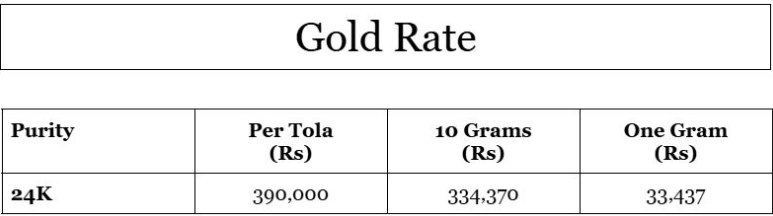
    However, the unofficial price of gold has reportedly reached Rs 390,000 per tola, as speculative buying remains strong. The difference in price could stem from traders charging a high premium to augment their incomes. Some believe this to be plausible, as gold traders and jewellers have witnessed a decline in sales volume over the past few months.

    The reason behind the commodity’s surge in price lies in falling investor confidence in global capital and financial markets. Gold is perceived by many as a safe-haven asset, and with the US-China trade war sending global capital markets into a free fall, many have parked their funds in gold. 

    However, Analysts believe that the market is due for a major correction, which could cause prices to fall in the near future. Moreover, with the Trump administration hinting at a possible trade deal with China, capital markets may regain much-needed stability. 

    Previously, many believed that the price of gold had not hit its ceiling. Citing several factors, Goldman Sachs had previously revised its year-end 2025 gold price projection to $3,700 per troy ounce.

    As of publication, the analyst’s claims seem to have come true, as international gold prices have recorded a sharp fall from $ 3,500 per troy ounce to just $ 3,325 per troy ounce. Data from exchanges indicates that the price of the yellow metal has already recorded a 1.52 percent decline.

    A director at a reputable financial brokerage has suggested that the correction could be even larger. According to reports, the US dollar is facing pressure, which could partially explain the movement in gold prices.

    The strength of the dollar and gold prices are inversely related, meaning that gold prices surge when the dollar depreciates. Reports indicate that the world’s reserve currency has depreciated against multiple currencies owing to increased global uncertainty.

    With a possible US-China deal in the works, many believe that investors will pull their funds out of the safe-haven asset, causing the gold price to drop substantially.