Category: Business

  • Gold price falls from peak, now at Rs261,500 per tola

    Gold price falls from peak, now at Rs261,500 per tola

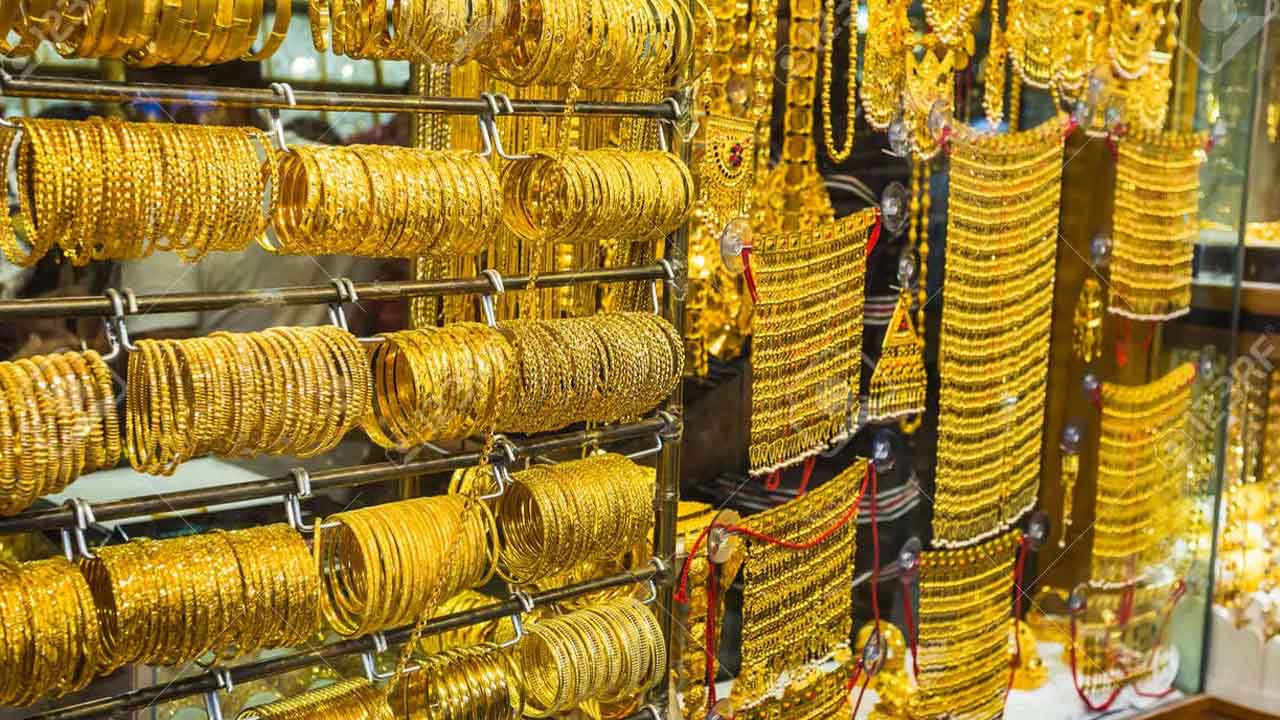
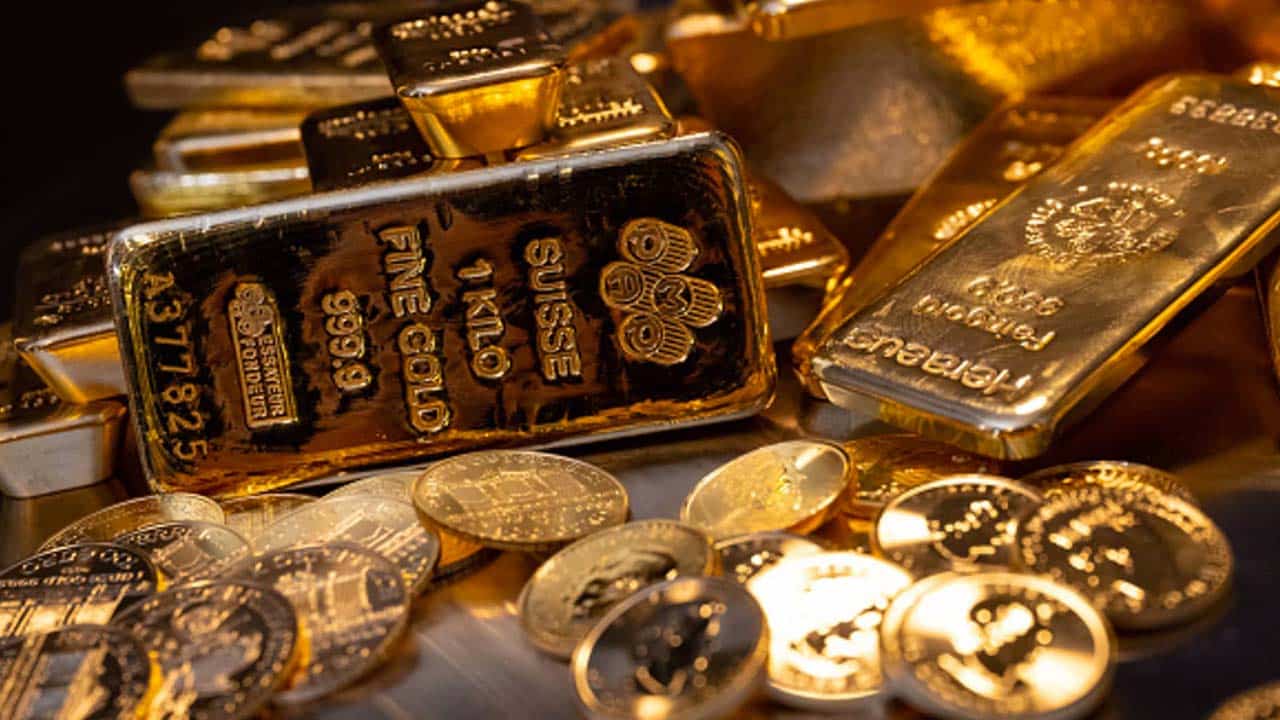
    Gold prices in Pakistan experienced a notable decline on Thursday, reversing the momentum of consecutive record highs achieved in the previous sessions.

    This drop in local gold rates occurred despite an uptick in international prices, reflecting a divergence between domestic and global trends.

    In the local market, the price of gold per tola fell by Rs2,200, bringing it down to Rs261,500. Similarly, the price of 10-gram gold witnessed a decrease of Rs1,886, settling at Rs224,194, as per the rates provided by the All-Pakistan Gems and Jewellers Sarafa Association (APGJSA).

    This decline comes after a steady increase that saw gold prices reach Rs263,700 per tola on Saturday, following a rise of Rs1,700.

    Contrary to the local market trend, the international gold price edged up on Thursday. According to APGJSA, the global rate for gold was reported at $2,516 per ounce, including a premium of $20, marking an increase of $4 during the day.

    Read more: State Bank’s foreign exchange reserves surge by $112 million in a week

    Despite this rise in international prices, the local market’s reaction suggests other factors at play in determining gold prices in Pakistan.

    Meanwhile, silver prices in the local market remained stable, with no change reported. The rate for silver stood firm at Rs2,950 per tola, reflecting a steady demand and supply situation.

    This fluctuation in gold prices highlights the complexities of the market, influenced by both domestic and international factors, making it a subject of keen interest for investors and consumers alike.

  • Moody’s upgrades Pakistan’s credit rating to Caa2, citing improved economic stability

    Moody’s upgrades Pakistan’s credit rating to Caa2, citing improved economic stability

    Moody’s Investors Service has upgraded Pakistan’s long-term issuer rating from “Caa3” to “Caa2” with a stable outlook, reflecting a moderate improvement in the country’s macroeconomic conditions and external financial position.

    This decision follows a similar move by Fitch Ratings in July, which upgraded Pakistan’s credit rating from “CCC” to “CCC+.”

    Moody’s stated that the upgrade is a result of reduced default risks, which are now more consistent with a Caa2 rating.

    This improvement is partly due to greater certainty in Pakistan’s external financing, bolstered by the sovereign’s staff-level agreement with the International Monetary Fund (IMF) on 12 July 2024, for a 37-month Extended Fund Facility (EFF) worth $7 billion. The IMF Board is expected to approve the EFF in the coming weeks.

    Pakistan’s foreign exchange reserves have nearly doubled since June 2023, although they remain below the levels required to meet its external financing needs. The country continues to rely on timely support from official partners to fully meet its external debt obligations.

    Despite the upgrade, Pakistan’s Caa2 rating still reflects very weak debt affordability, which poses a significant risk to debt sustainability. Moody’s expects interest payments to consume about half of the government’s revenue over the next two to three years. The rating also takes into account the country’s weak governance and high political uncertainty.

    The stable outlook indicates a balance of risks, with potential for further improvement if the government can reduce its liquidity and external vulnerability risks and achieve better fiscal outcomes, supported by the IMF programme.

    Sustained implementation of reforms, particularly those aimed at increasing government revenue, could enhance debt affordability. Timely completion of IMF reviews would enable Pakistan to secure continued financing from official partners, essential for meeting external debt obligations and rebuilding foreign exchange reserves.

    The upgrade to Caa2 from Caa3 also applies to the backed foreign currency senior unsecured ratings for The Pakistan Global Sukuk Programme Co Ltd, which Moody’s views as direct obligations of the Government of Pakistan. The outlook for The Pakistan Global Sukuk Programme Co Ltd is positive.

    Additionally, Moody’s has raised Pakistan’s local and foreign currency country ceilings to B3 and Caa2 from B3 and Caa1, respectively.

    The two-notch gap between the local currency ceiling and the sovereign rating is due to the government’s significant role in the economy, weak institutions, and high political and external vulnerability risks.

    The two-notch gap between the foreign currency ceiling and the local currency ceiling reflects limited capital account convertibility and relatively weak policy effectiveness.

  • Traders observe nationwide strike but social media has no patience for them

    Traders observe nationwide strike but social media has no patience for them

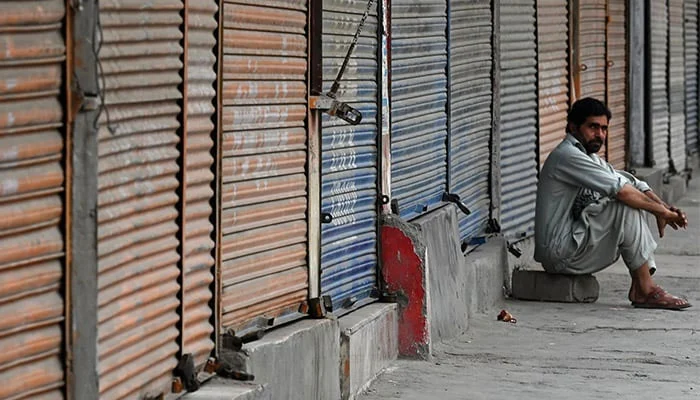
    Traders across the country are observing a nationwide strike on August 28 to protest against the government’s tax reforms.

    Many political parties, including Jamiat Ulema-e-Islam Fazl (JUI-F), Pakistan Tehreek-e-Insaf (PTI), Jamaat-e-Islami (JI), and the Awami National Party (ANP), are supporting the traders’ strike.

    Traders’ representatives visited the Federal Board of Revenue (FBR) headquarters to express their reservations about the Tajir Dost Scheme, the government’s initiative to bring retailers and traders into the tax net.

    FBR Chairman Rashid Mahmood told Dawn that the FBR will not withdraw the Tajir Dost Scheme; however, it was willing to resolve the “legitimate issues” the traders may be facing.

    According to the Chairman, the retail sector contributes around 20 percent to the GDP, yet it remains largely untaxed.

    Social media had no patience for the traders.

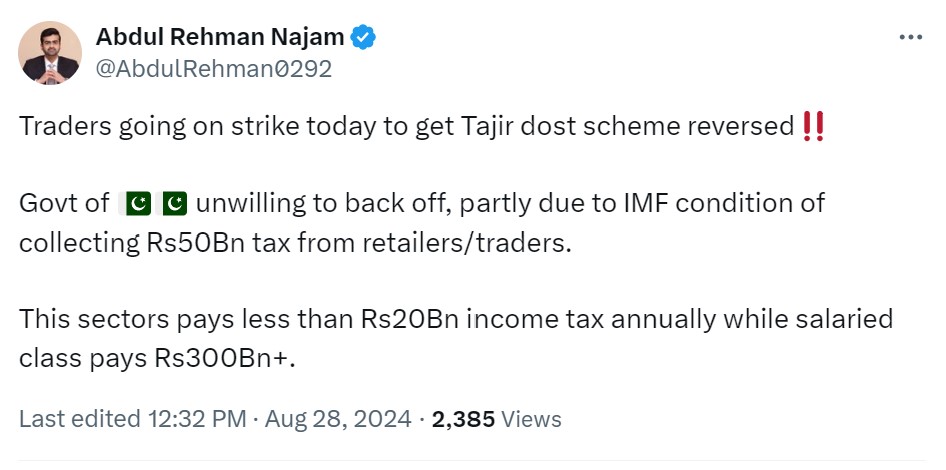
    One social media user posted on X, formerly Twitter, that the retail sector pays less than Rs20 billion income tax annually while the salaried class pays more than Rs300 billion annually.

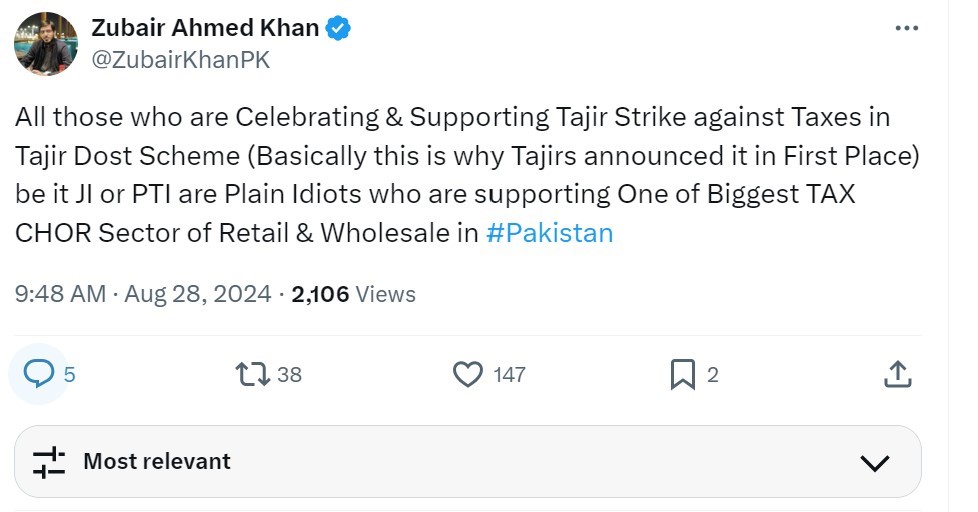
    Similarly, another netizen took to X to condemn the political parties supporting the traders’ strike because they will be supporting “one of biggest chor sector of retail and wholesale in Pakistan.”

  • Pakistan eyes up to $4 billion from Middle Eastern banks by 2026, says SBP governor

    Pakistan eyes up to $4 billion from Middle Eastern banks by 2026, says SBP governor

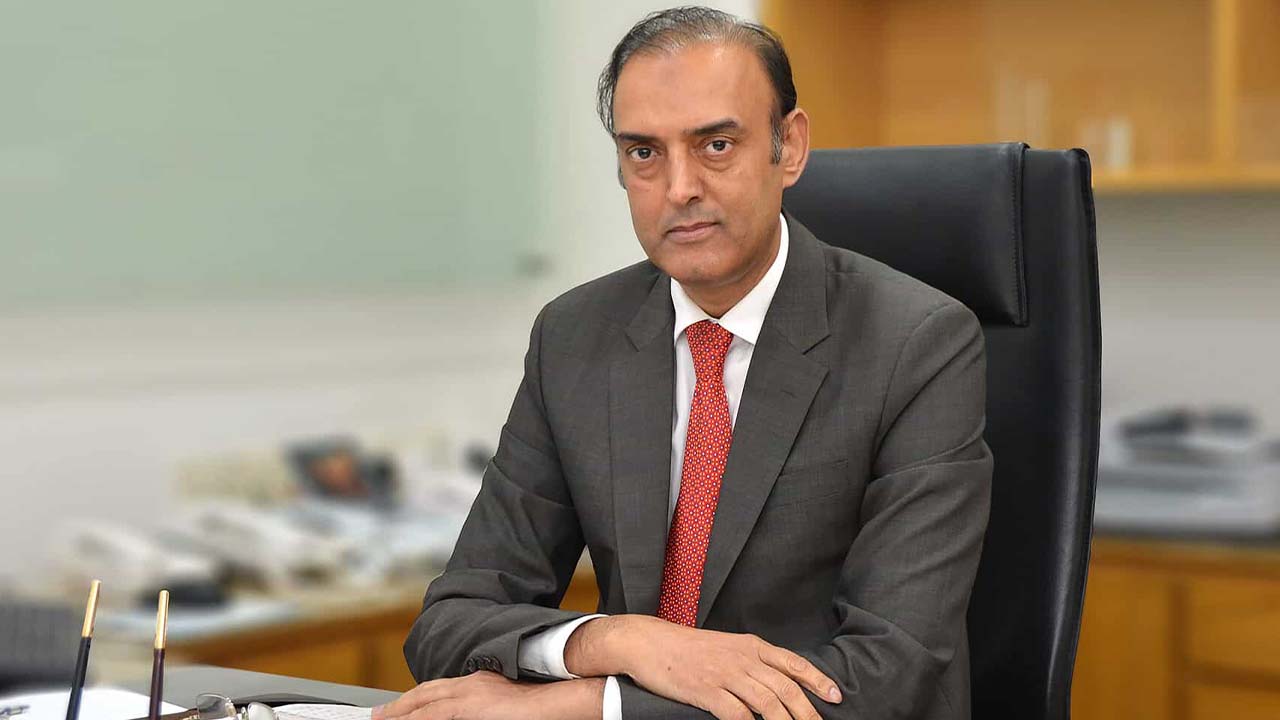
    Pakistan plans to raise up to $4 billion from Middle Eastern commercial banks by the fiscal year 2026, according to the Governor of the State Bank of Pakistan (SBP), Jameel Ahmad.

    In his first interview since assuming office in 2022, Ahmad revealed that Pakistan is also in the final stages of securing an additional $2 billion in external financing, which is essential for the approval of the $7 billion bailout programme from the International Monetary Fund (IMF).

    The IMF and Pakistan reached a preliminary agreement on the loan in July. However, the agreement still needs approval from the IMF’s executive board and confirmation of financing assurances from Pakistan’s development and bilateral partners.

    Ahmad expressed confidence that Pakistan’s financing needs will be met smoothly in the next fiscal year and in the medium term. Historically, Pakistan has depended on long-time allies like China, Saudi Arabia, and the UAE to extend loans rather than demand immediate repayment. Ahmad expects similar support for the next three years, giving the government more time to stabilise its finances.

    Read more: Exchange rates for Tuesday: PKR gains 9.6 paisa against US dollar, 37 paisa against Euro

    He also mentioned that Pakistan’s financing needs might be lower than the 5.5 per cent of GDP projected by the IMF. This is because the country’s external financing requirements have been declining, and the IMF’s projections were based on a higher current account deficit than what has materialised.

    Regarding monetary policy, Ahmad noted that recent interest rate cuts have successfully reduced inflation, which stood at 11.1 per cent in July, down from over 30 per cent in 2023. He emphasized that future interest rate decisions would be based on economic developments. Pakistan’s central bank had reduced interest rates from a record high of 22 per cent to 19.5 per cent and will review its monetary policy again on September 12.

    Ahmad, reflecting on his first year as governor, described it as challenging but expressed optimism that the situation has improved, with a focus now on growth, digitalisation, and financial inclusion.

  • Exchange rates for Tuesday: PKR gains 9.6 paisa against US dollar, 37 paisa against Euro

    Exchange rates for Tuesday: PKR gains 9.6 paisa against US dollar, 37 paisa against Euro

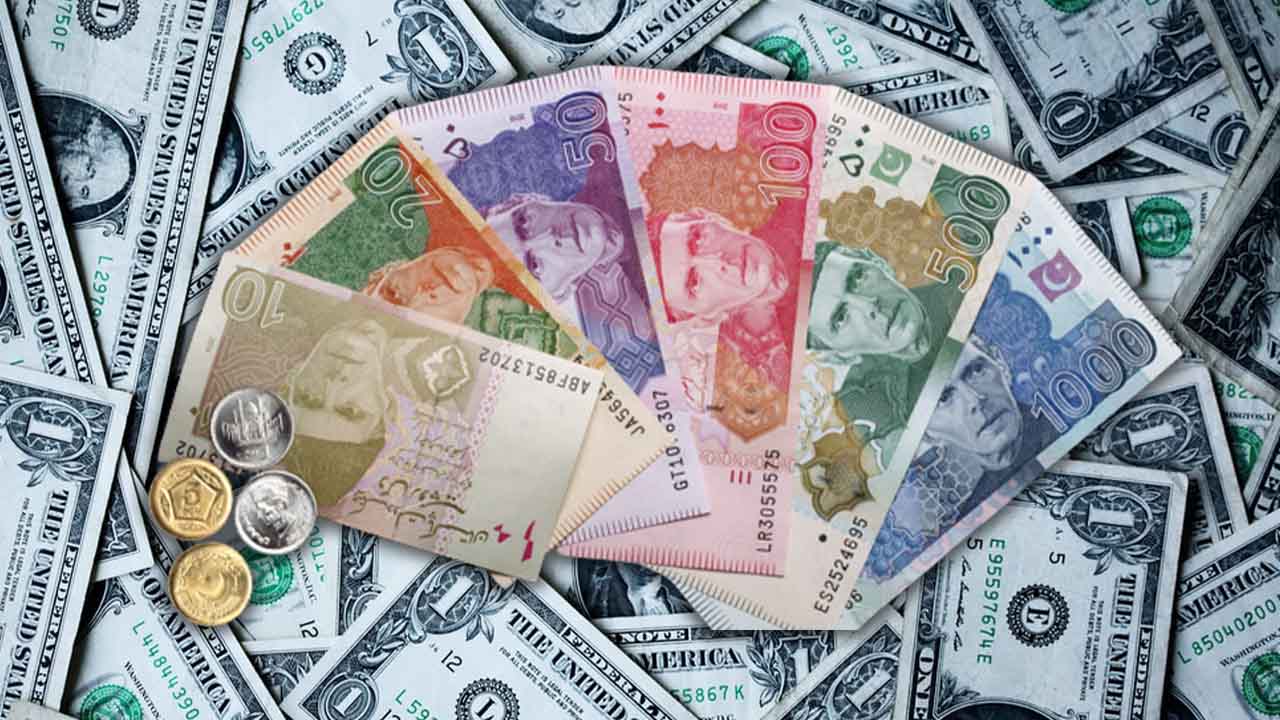
    The Pakistani rupee (PKR) appreciated by 9.62 paisa, or 0.03 per cent, against the US dollar during Tuesday’s interbank session, closing at PKR 278.32 per USD, compared to the previous rate of PKR 278.42.

    Throughout the session, the currency fluctuated, with an intraday high of PKR 278.40 and a low of PKR 278.20. In the open market, exchange companies quoted the dollar at PKR 279.12 for buying and PKR 280.00 for selling.

    CurrencyChange (Paisa)Closing rate (PKR)Previous rate (PKR)
    Euro+37.19310.87311.24
    British Pound+23.5367.59367.36
    Swiss Franc-46.25328.34328.81
    Japanese Yen+1.461.91971.9343
    Chinese Yuan-6.7839.0339.10
    Saudi Riyal-2.5674.1874.20
    UAE Dirham-2.6275.8075.78
    Exchange rates

    In relation to other major currencies, the PKR gained 37.19 paisa against the Euro, closing at PKR 310.87, up from the previous value of PKR 311.24.

    The Saudi Riyal closed at PKR 74.18, down by 2.56 paisa from its previous value of PKR 74.20. Similarly, the U.A.E Dirham decreased by 2.62 paisa, closing at PKR 75.80 from PKR 75.78 a day earlier.

    The British Pound became slightly more expensive, rising by 23.5 paisa to close at PKR 367.59, compared to the previous close of PKR 367.36. The Swiss Franc saw a loss of 46.25 paisa, closing at PKR 328.34, down from PKR 328.81.

    Read more: Exchange rates for Tuesday: PKR gains 9.6 paisa against US dollar, 37 paisa against Euro

    Against the Japanese Yen, the PKR gained 1.46 paisa, closing at PKR 1.9197, compared to PKR 1.9343 the previous day. The Chinese Yuan lost 6.78 paisa, closing at PKR 39.03, down from PKR 39.10 in the previous session.

    During the current financial year, the PKR has appreciated by 2.01 paisa, or 0.01 per cent, against the US dollar. Meanwhile, in the current calendar year, the PKR has strengthened by PKR 3.54, or 1.27 per cent.

  • PIA bidders reluctant to retain employees after privatisation

    PIA bidders reluctant to retain employees after privatisation

    Prospective buyers of Pakistan International Airlines (PIA) have expressed reluctance to retain the airline’s employees. On Monday, the National Assembly panel recommended that the government order the buyer to retain all its employees for five years.

    Express Tribune reported that some bidders also indicated that all employee liabilities up to the bid date should be the government’s headache.

    Muttahida Quami Movement (MQM) leader Muhammad Farooq Sattar, who chaired the standing committee, urged that PIA’s employees be retained for at least five years and that the workers’ union be involved.

    The draft Share, Purchase and Subscription Agreement currently proposes that existing employees, regardless of their position, cannot be terminated, laid off, retrenched, or forced to resign for three years from the completion date, except in misconduct cases. However, Secretary of the Privatisation Ministry Jawad Paul noted that this is still being determined.

    He also stated that PIA has incurred Rs499 billion in losses since 2015, with cumulative losses reaching Rs842 billion.

    The government is required to conduct a special audit of PIA’s accounts by June 30th, a requirement before its privatisation.

  • Shopkeepers arrested, fined in Lahore for selling above govt-set prices

    Shopkeepers arrested, fined in Lahore for selling above govt-set prices

    The Lahore district administration has intensified its efforts against overpricing, resulting in significant fines and the arrest of two individuals.

    Under the directives of District Commissioner Lahore Syed Musa Raza, assistant commissioners carried out surprise inspections at over 1,700 locations. These inspections led to the registration of eight cases and the imposition of fines totaling Rs1.1 million for 187 violations.

    The crackdown primarily targeted shopkeepers who were selling essential food items at prices higher than the government-mandated rates. This issue has been a growing concern in Pakistan, where overcharging by vendors exacerbates the financial strain on consumers already struggling with high inflation. The situation is particularly dire for low-income earners, who find it increasingly difficult to afford basic necessities.

    Assistant Commissioner Model Town, Sahibzada Muhammad Yousaf, conducted price inspections at various tandoors and shops, imposing fines of Rs25,000 for violations. Similarly, Assistant Commissioner Shalimar, Anam Fatima, sealed a tandoor during inspections in Tajpura and Harbanspura.

    In the Band Road Saggian area, Assistant Commissioner City, Rai Babar, inspected several shops and tandoors, issuing warnings and fines to multiple owners. Assistant Commissioner Raiwind, Zainab Tahir, carried out inspections at Raiwind Mandi and Rehri Bazaar Bhatta Chowk, fining two shopkeepers on the spot following consumer complaints.

    Authorities have mandated that all stalls and shops prominently display government-issued rate lists. Strict action will be taken against those who fail to comply. Following directives from the Chief Minister of Punjab, the administration has made it clear that there will be zero tolerance for overpricing.

    In a related development, the price of table eggs in Lahore has surpassed Rs300 per dozen, reaching Rs301. Despite no significant change in demand or production costs, egg prices have steadily increased in recent weeks. Conversely, the price of broiler chicken meat has decreased by Rs18 per kilogramme, settling at Rs577 per kilogramme after a brief downward trend.

    Weekly inflation eases slightly, but challenges remain

    Short-term inflation in Pakistan eased slightly by 0.10 per cent to a 27-month low of 16.69 per cent for the week ending August 22, 2024, compared to the same period last year. According to data from the Pakistan Bureau of Statistics (PBS), the decline was primarily driven by lower prices of tomatoes, which fell by 21.96 per cent, and wheat flour, which dropped by 2.77 per cent.

    However, the prices of several essential items, including eggs (up 6.10 per cent), pulse gramme (up 6.05 per cent), and potatoes (up 2.41 per cent), continued to rise. The PBS data showed that out of 51 tracked items, 21 experienced price increases, nine saw decreases, and 21 remained stable during the week.

    On a year-on-year basis, inflation was up by 16.69 per cent, with significant increases in the prices of gas charges (up 570 per cent), onions (up 79.51 per cent), and pulse gramme (up 51.34 per cent). Despite some declines in the prices of wheat flour, electricity charges, and certain cooking oils, the overall inflationary trend remains a significant concern for consumers.

    As the government continues its crackdown on overpricing, the broader challenge of managing inflation and ensuring affordability for essential goods remains critical for the well-being of Pakistan’s population.

  • Gold maintains record-breaking streak, hits highest-ever price of Rs263,700 per tola

    Gold maintains record-breaking streak, hits highest-ever price of Rs263,700 per tola

    Gold prices in Pakistan soared to unprecedented levels on Saturday, reflecting a continued upward trend driven by rising international rates.

    In the local market, the price of gold per tola (approximately 11.66 grammes) surged by Rs1,700, reaching a new record high of Rs263,700.

    This significant increase underscores the precious metal’s enduring appeal as a safe haven amid global economic uncertainties.

    The price of 10-gramme gold, a popular metric among consumers, also saw a substantial rise, climbing by Rs1,457 to settle at Rs226,080, according to the latest data released by the All-Pakistan Gems and Jewellers Sarafa Association (APGJSA).

    These sharp increases come on the back of a minor gain of Rs200 recorded on Friday, when the price per tola stood at Rs262,000.

    The surge in domestic gold prices is largely attributed to a parallel increase in international rates. On Saturday, the international price of gold rose by $20 (PKR 5,526), bringing it to $2,512 (PKR 694,169) per ounce, inclusive of a premium of $20.

    The upward trajectory of gold prices on the global stage is driven by a combination of factors, including persistent inflation concerns, geopolitical tensions, and fluctuating currency values.

    As investors seek refuge in the stability of gold, demand for the precious metal continues to push prices higher, with ripple effects felt across markets worldwide, including Pakistan.

    Silver rate in Pakistan

    While gold prices surged, silver remained stable in the local market. The price of silver per tola held firm at Rs2,950, showing no change from the previous sessions.

    Despite its status as a precious metal, silver has not experienced the same level of price volatility as gold, largely due to differing market dynamics and industrial demand.

    Week in review: Gold’s record-breaking streak

    DayPrice per tola (Rs)Price change (Rs)Details
    Monday260,000-200Slight decrease after a record high in the previous session.
    Tuesday260,700+700New record high reflecting an uptick in international rates.
    Wednesday261,000+300Continued upward trend, marking the third record in a month.
    Thursday261,800+800All-time high, still Rs3,000 below market value.
    Friday262,000+200Highest price ever recorded in Pakistan until Saturday.
    Saturday263,700+1,700New record high, significant rise.
    Gold price history (trade week ending: August 24)

    This week has been particularly eventful for gold prices in Pakistan, marked by consistent daily increases that have culminated in Saturday’s record-breaking levels.

    Monday: The week began with a slight dip in gold prices, following a record high in the previous session. The price of 24-karat gold fell by Rs200, settling at Rs260,000 per tola. Interestingly, even with this decrease, the price remained Rs4,000 below its actual market value, indicating underlying bullish sentiment.

    Tuesday: Gold prices rebounded sharply on Tuesday, reaching a new record high. The price per tola increased by Rs700, bringing it to Rs260,700. This surge mirrored an uptick in international rates, reinforcing the connection between local and global market trends.

    Wednesday: The upward momentum continued on Wednesday, with gold prices in Pakistan reaching another new record. The price of 24-karat gold per tola rose by Rs300, setting a new high at Rs261,000.

    This marked the third record-breaking price level within the month, highlighting the sustained demand for gold.

    Thursday: On Thursday, gold prices soared to an all-time high of Rs261,800 per tola, following an increase of Rs800. Despite this, the price was still Rs3,000 below its estimated market value, suggesting that the metal’s true worth is yet to be fully reflected in the market.

    Friday: The upward trajectory of gold prices continued for the fourth consecutive day on Friday, with the price per tola reaching Rs262,000 after a modest increase of Rs200. This marked the highest price ever recorded for gold in Pakistan, setting the stage for Saturday’s further escalation.

    Implications for consumers and investors

    The relentless rise in gold prices has significant implications for both consumers and investors in Pakistan. For those who have invested in gold, the ongoing price surge represents a substantial return on investment, particularly for those who purchased the metal when prices were lower.

    However, for consumers looking to buy gold for personal use, such as jewellery or gifts, the soaring prices are increasingly prohibitive. The current levels have made gold almost out of reach for many, particularly in a country where gold is deeply embedded in cultural traditions and ceremonies.

    This price hike is a double-edged sword—beneficial for investors but challenging for those with other intentions. The persistent rise in gold prices may push consumers to explore alternative options, while investors continue to benefit from the metal’s role as a hedge against economic instability.

    Gold’s record-breaking streak in Pakistan, fuelled by global market dynamics, highlights the precious metal’s enduring value and the challenges it poses for local consumers.

    As the international market remains volatile, the question remains whether gold prices will continue to rise or if a correction is on the horizon. For now, the allure of gold remains as strong as ever, both as an investment and a symbol of wealth.

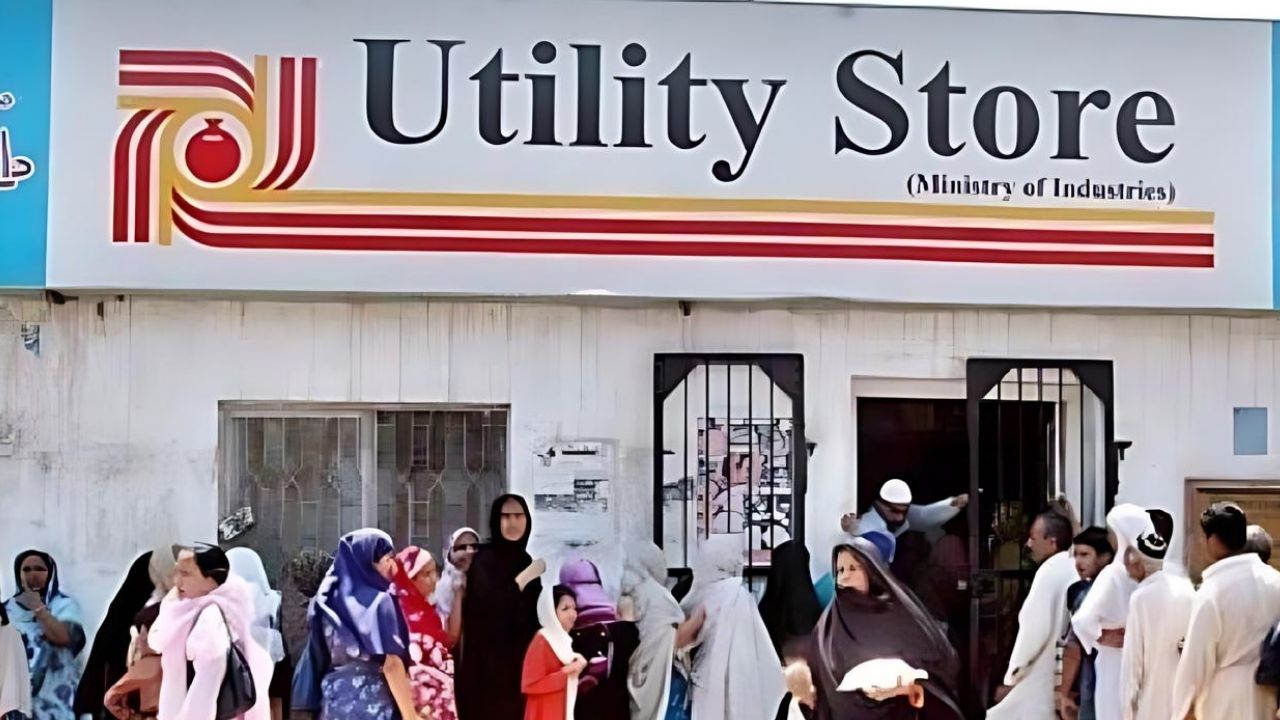
  • Federal govt decides to shut down utility stores

    Federal govt decides to shut down utility stores

    Geo News has reported that the federal government has decided to shut down utility stores.

    According to the administration, the federal government has given two weeks to solve transaction matters with other companies.

    They pointed out that the federal government has already lifted subsidies.

    The administration stated that out of 11,000 employees, 6,000 are permanent, while the other 5,000 are contract-based employees, all of whom will likely be significantly affected by this decision.

    Utility stores are the largest chain stores in Pakistan. They sell commodities at lower prices than the market, and the government often provides subsidies to these chain stores.

  • Gold price hits record high for the fourth time this week

    Gold price hits record high for the fourth time this week

    Gold prices in Pakistan have soared to unprecedented levels, setting a new record on Friday as economic uncertainty continues to grip the nation. The price of 24-karat gold surged to Rs262,000 per tola, marking a modest increase of Rs200 from the previous session.

    This climb, while seemingly incremental, is significant given the broader economic context and the ongoing fluctuations in both local and global markets.

    Notably, market sources have reported that the current price is Rs2,000 below its actual market value, suggesting that the gold market is being cautiously managed to mitigate further spikes in prices.

    Globally, gold prices have also been on the rise, reflecting broader economic trends and investor behaviour. Spot gold traded near $2,492 per ounce, showing a slight increase of $5.4 or 0.22 per cent from the previous day’s trading.

    This uptick, although small, continues to underscore gold’s role as a safe haven for investors amid global economic uncertainty, particularly in light of inflationary pressures, geopolitical tensions, and fluctuating currencies.

    In Pakistan, the gold market remains closely watched, especially by those concerned with the economic stability of the country. The Karachi Sarafa Association, a key body in setting gold prices, reported that the price of 24-karat gold has now reached Rs224,623 per 10 grams, a rise of Rs172.

    Similarly, 22-karat gold was priced at Rs205,904 per 10 grams. These increases, while moderate, reflect the ongoing demand for gold as a hedge against economic instability and the weakening of the local currency.

    Silver, another precious metal closely linked with gold in the commodities market, remained stable in the domestic market. The price of 24-karat silver was steady at Rs2,950 per tola and Rs2,529 per 10 grams.

    The stability in silver prices, even as gold continues to rise, suggests a more nuanced market dynamic where silver is not experiencing the same level of demand pressures as gold.

    Gold is becoming increasingly unaffordable for many individuals, reflecting broader economic pressures and rising commodity prices. As gold prices soar to unprecedented levels, with 24-karat gold now priced at Rs262,000 per tola in Pakistan, the precious metal is edging out of reach for the average consumer.

    This dramatic increase, coupled with the high cost of living and inflationary pressures, means that gold, traditionally seen as a safe investment and a symbol of wealth, is no longer accessible to a significant portion of the population.

    For many households, the escalating cost of gold makes it a luxury item rather than a feasible investment or gift.

    This shift underscores a growing divide in economic access, as those with more substantial financial resources can continue to invest in and purchase gold, while the majority struggle to afford even small quantities. The impact of these soaring prices highlights the broader challenges facing consumers and the widening gap between wealth and affordability.

    PKR shows slight improvement during early trade

    On the currency front, the Pakistani rupee showed slight improvement against the US dollar during early trading hours on Friday, appreciating by 0.09 per cent.

    The rupee was trading at 278.43 against the dollar at 10:00 AM, marking a gain of Re0.24 from the previous day’s close of 278.67, according to the State Bank of Pakistan (SBP). This minor recovery, while positive, does little to alleviate the concerns surrounding the rupee’s overall performance in recent months.

    The rupee has been hovering between 277 and 279 against the dollar, reflecting the volatility in the currency market. This fluctuation is largely attributed to the broader economic challenges faced by Pakistan, including a significant current account deficit, inflationary pressures, and uncertainty surrounding international financial assistance.

    Traders and analysts are closely watching the approval process for the International Monetary Fund’s (IMF) new $7 billion Extended Fund Facility, which is expected to provide much-needed relief to Pakistan’s economy.

    Pakistan’s Finance Minister, Muhammad Aurangzeb, announced on Wednesday that the IMF Executive Board is scheduled to meet in September to discuss the country’s economic situation.

    Aurangzeb indicated that “good progress” is being made with the IMF, and the upcoming meeting is crucial for securing the financial aid that Pakistan desperately needs. The IMF’s approval is seen as a key indicator of economic stability, and its delay has contributed to the rupee’s instability.

    On the international stage, the US dollar remained stable on Friday, as traders awaited key remarks from Federal Reserve Chair Jerome Powell. Powell’s comments are expected to provide insight into the Federal Reserve’s future monetary policy, particularly in relation to interest rates.

    Meanwhile, Bank of Japan (BOJ) Governor Kazuo Ueda sought to calm market nerves after a surprise rate hike last month, which had caused significant volatility in the markets.

    The dollar index, which measures the greenback against six major currencies, remained relatively unchanged at 101.43 in early trading on Friday, after a 0.34 per cent rise in the previous session.

    The index had dipped to 100.92 on Wednesday, marking its lowest point this year. The stability in the dollar comes amid mixed signals from the US economy, where inflation has begun to cool, but uncertainty remains about the strength of the labour market.

    Federal Reserve policymakers, speaking on Thursday, largely supported the idea of the US beginning interest rate cuts next month. This shift in policy is seen as a response to the easing of inflationary pressures and the cooling of the labour market.

    However, one policymaker indicated that there is no rush to ease monetary policy, suggesting that the Federal Reserve may take a cautious approach to avoid reigniting inflation.

    As global and domestic markets continue to navigate through these uncertain times, both gold and the rupee will likely remain in focus. Investors and analysts will be watching closely to see how these trends develop, particularly as Pakistan continues to seek international financial assistance and as global economic conditions evolve.

    The coming weeks will be critical in determining the direction of both the local economy and its currency, with the gold market acting as a barometer of economic sentiment.