Category: Business

  • Milk prices in Karachi higher than cities in France, Netherlands, Australia

    Milk prices in Karachi higher than cities in France, Netherlands, Australia

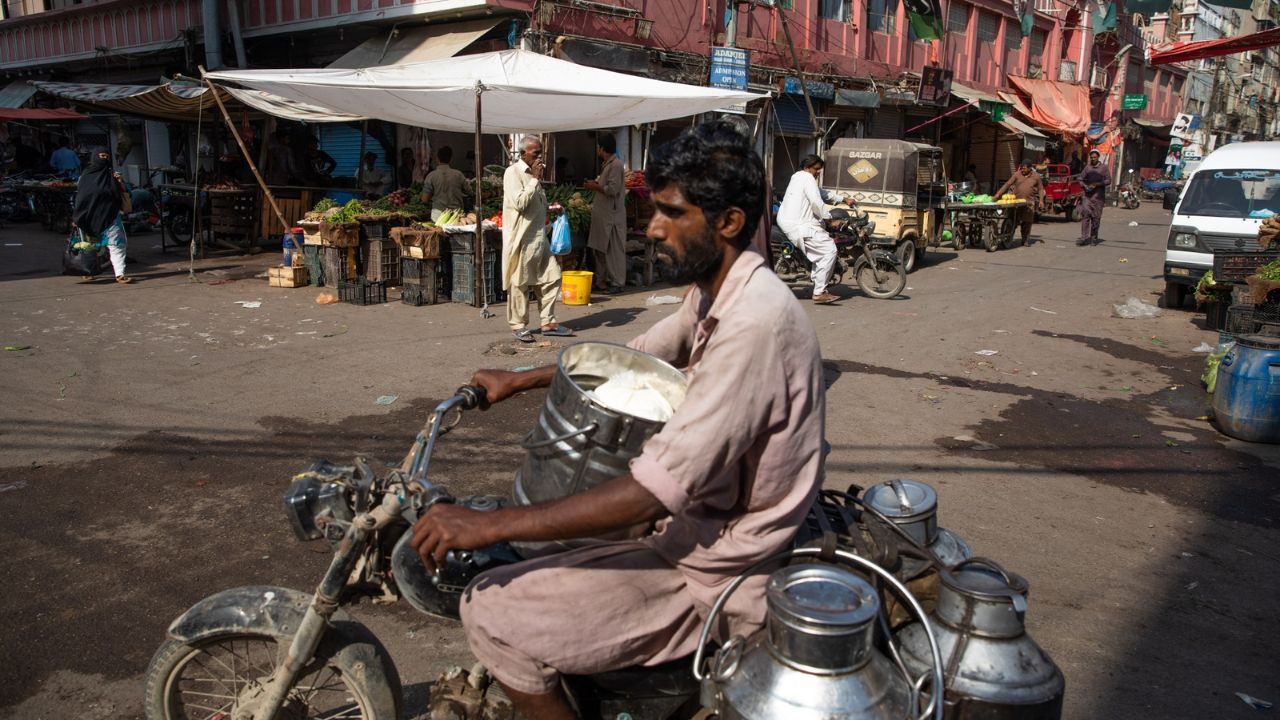
    Milk has become more expensive in Pakistan as compared to many countries of the world, Bloomberg has reported.

    According to the report, the price of boxed milk in Pakistan is 370 rupees per liter, while the same milk is available in Paris, the capital of France, for 342 rupees per liter. The price of milk in the Netherlands has also been declared cheaper than Pakistan.

    The report states that milk is available at Rs 358 per litre in Amsterdam and in Australia for Rs 300 per litre, while the price of canned milk in Pakistan is Rs.370.

    “Ultra-high temperature, or UHT, milk now costs 370 rupees ($1.33) a litre in supermarkets in Karachi. That compares with $1.29 in Amsterdam, $1.23 in Paris, and $1.08 in Melbourne, according to data collected by Bloomberg.” the report highlights.

    Bloomberg says that more than 60 percent of children in Pakistan are suffering from anaemia and increasing the price of milk is akin to putting the lives of sick children at stake.

  • Pakistan’s central govt debt hits record Rs67.82 trillion in May 2024

    Pakistan’s central govt debt hits record Rs67.82 trillion in May 2024

    In May 2024, the central government’s total debt reached a record high of Rs67.82 trillion, marking a 15.01 per cent increase compared to Rs58.96 trillion a year earlier, according to data released by the State Bank of Pakistan (SBP).

    Sequentially, the central government debt also rose by 2.62 per cent from April 2024, when it stood at Rs66.08 trillion.

    This significant year-on-year rise in debt is mainly attributed to increased borrowing from both domestic and foreign sources, aimed at managing the fiscal deficit.

    According to details provided by the SBP, the majority of the debt was domestic, amounting to Rs46.21 trillion. This includes Rs36.6 trillion in long-term debt, Rs9.52 trillion in short-term debt, and an additional Rs86.79 billion raised through Naya Pakistan Certificates.

    Comparing year-on-year figures, the domestic debt showed a substantial increase of 24.7 per cent, with sequential growth of 3.88 per cent.

    By the end of May 2024, the government’s long-term debt had risen by 24.14 per cent year-on-year to Rs36.6 trillion, up from Rs29.48 trillion recorded a year earlier, with a month-on-month increase of 3.91 per cent.

    Similarly, short-term debt saw a notable increase of 28.09 per cent year-on-year, reaching Rs9.52 trillion in the review period.

  • Weekly inflation rises 1.28% as essential food items, fuel costs surge

    Weekly inflation rises 1.28% as essential food items, fuel costs surge

    In a challenging economic climate, food prices in Pakistan have surged, forcing consumers to purchase essential items at elevated costs.

    According to the Weekly Sensitive Price Indicator (SPI) released by the Pakistan Bureau of Statistics (PBS), the SPI for the Combined Group increased by 1.28 per cent week-on-week (WoW) for the week ending July 4, 2024.

     Additionally, the SPI saw a substantial year-on-year (YoY) rise of 23.59 per cent compared to the same period last year.

    The PBS data revealed that the Combined Index stood at 318.61, up from 314.57 a week earlier, and significantly higher than the 257.79 recorded a year ago. Out of 51 monitored items, prices of 29 (56.86 per cent) increased, 5 (9.80 per cent) decreased, and 17 (33.34 per cent) remained stable during the week.

    Significant weekly price increases were observed in tomatoes (70.77 per cent), wheat flour (10.57 per cent), powdered milk (8.90 per cent), diesel (3.58 per cent), and petrol (2.88 per cent). Conversely, notable price hikes on a yearly basis were recorded for onions (9.05 per cent), wheat (1.79 per cent), potatoes (1.04 per cent), eggs (0.79 per cent), and bananas (0.60 per cent).

    The SPI percentage change by income groups showed that the SPI rose across all income quantiles, ranging from 1.23 per cent to 1.44 per cent weekly. The lowest income group experienced a weekly rise of 1.43 per cent, while the highest income group saw a 1.23 per cent increase.

    Yearly SPI analysis across different income segments indicated increases ranging between 16.97 per cent and 26.49 per cent. The SPI for the lowest income group rose by 16.97 per cent, while the highest income group recorded a 21.39 per cent increase.

    Additionally, the average price of Sona urea was reported at Rs4,746 per 50 kg bag, which is 0.13 per cent higher than the previous week and 51.52 per cent higher compared to last year.

    Meanwhile, the average cement price reached Rs1,409 per 50 kg bag, marking a significant 10.48 per cent increase from the previous week and a 23.16 per cent rise from last year’s prices.

    The persistent rise in food and essential item prices continues to burden Pakistani consumers, exacerbating the financial strain on households across the country.
  • Petroleum dealers strike as OGRA directs oil companies to keep pumps open

    Petroleum dealers strike as OGRA directs oil companies to keep pumps open

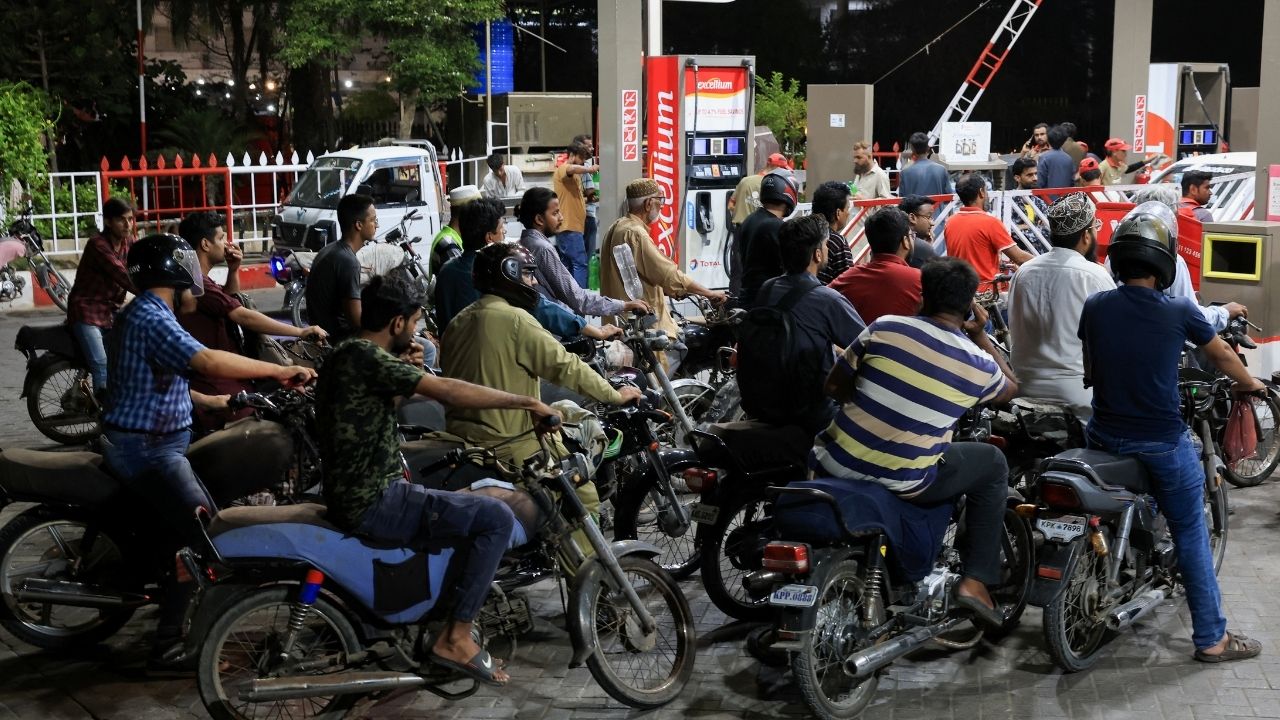
    The Oil and Gas Regulatory Authority (OGRA) and the Petroleum Division have issued a joint statement following the strike announced by the Petroleum Dealers Association, stating that petroleum products will be available nationwide.

    The statement directed oil marketing companies to keep pumps open and ensure continuous supply.

    According to the joint statement, the country has abundant petroleum products, and they will remain available throughout the nation.

    Earlier, the Petroleum Dealers Association had declared a nationwide strike starting on July 5.

    Abdul Sami Khan, Chairman of the Petroleum Dealers Association, announced the strike, emphasising that businesses cannot sustain operations with such high taxes. He warned that pumps across the country will begin to run dry tonight and stated that negotiations will not resume until the government accepts their demands.

  • Fixed electricity rates increased for industrial, commercial, agricultural consumers

    Fixed electricity rates increased for industrial, commercial, agricultural consumers

    The government has further increased the price of electricity by five rupees 72 paise per unit, starting July 1.

    Fixed charges will apply to electricity consumers. For non-protected consumers, the new rates are as follows: Up to 100 units, the rate is Rs. 23.73; for 201 to 300 units, the rate is Rs. 32.98 per unit.

    Monthly fixed charges for industrial electricity consumers have risen by 184 per cent, and fixed charges for commercial electricity consumers have increased by 150 per cent.

    Agricultural tubewell customers will see a 100 per cent increase in monthly fixed charges.

    The federal cabinet has approved the increase in fixed electricity charges, as per sources.

    Industrial customers’ monthly fixed charges have reportedly increased from Rs. 440 to Rs. 1250.

    Fixed charges for commercial users have risen from Rs. 500 to Rs. 1250, while fixed charges for agricultural tubewell users have increased from Rs. 200 to Rs. 400, sources report.

  • Govt approves Rs5.72 hike in basic power tariff to offset sector losses

    Govt approves Rs5.72 hike in basic power tariff to offset sector losses

    The federal cabinet has approved a significant increase of Rs5.72 per unit in the basic power tariff through a circular decision. This decision, finalised via a circulation summary, aims to address financial challenges within Pakistan’s power sector.

    Sources familiar with the matter confirmed that the proposal will now be forwarded to the National Electric Power Regulatory Authority (NEPRA) for uniform implementation across the board.

    According to official sources, the Power Division will formally submit an application to NEPRA to initiate the process of implementing the revised tariff structure.

    This adjustment, slated for the fiscal year 2024-2025, is scheduled to come into effect starting July 1, 2024. The approved increase will raise the average basic electricity tariff from Rs29.78 to Rs35.50 per unit.

    A recent report from NEPRA revealed that Pakistan’s power sector incurred a staggering Rs403 billion loss during the fiscal year 2022-2023.

    The report, which assessed the performance of power distribution companies, including K-Electric, highlighted that nine out of these companies failed to achieve full recovery targets. It attributed the financial strain partly to inefficiencies such as line losses and inadequate revenue collection.

    Furthermore, the report underscored that these companies did not fulfill their electricity procurement obligations as per assigned quotas, leading to deliberate load shedding practices. This situation has exacerbated financial losses, amounting to billions in national revenue.

  • Milk in Pakistan now costs more than in many developed countries

    Milk in Pakistan now costs more than in many developed countries

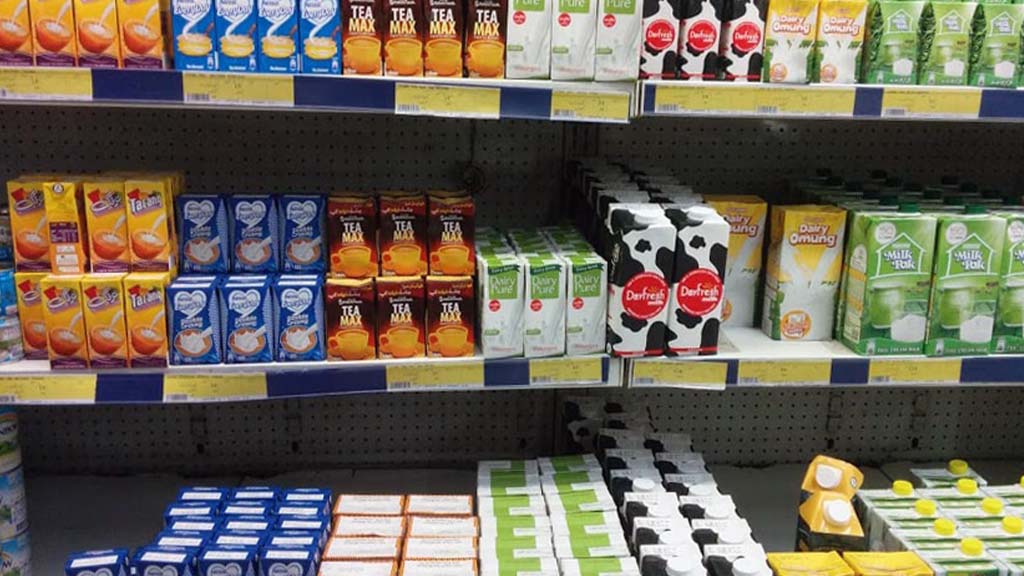
    Milk prices in Pakistan have surged by over 20 per cent following the introduction of a new tax, making the essential dairy product more expensive than in many developed nations, according to a report by Bloomberg.

    In Karachi supermarkets, the price of ultra-high temperature (UHT) milk has risen to Rs370 ($1.33) per litre. In comparison, the price stands at $1.29 in Amsterdam, $1.23 in Paris, and $1.08 in Melbourne, as per Bloomberg’s data.

    This sharp increase is attributed to an 18 per cent tax imposed on packaged milk as part of the recent taxation changes approved in the national budget. Previously, packaged milk was exempt from tax.

    Muhammad Nasir, a spokesman for the local unit of Dutch dairy producer Royal FrieslandCampina NV, noted that prior to this tax, milk prices in Pakistan were on par with those in developing countries such as Vietnam and Nigeria. The new tax has led to retail prices escalating by up to 25 per cent.

    The hike in milk prices is expected to exacerbate inflation in Pakistan, where stagnant wages have already diminished purchasing power.

    Additionally, the higher cost of milk may further deteriorate child health, a significant concern in a country where approximately 40 per cent of the population lives in poverty.

  • Gold price increases by Rs1,000 to Rs243,300 per tola

    Gold price increases by Rs1,000 to Rs243,300 per tola

    Gold prices in Pakistan experienced a significant rise on Thursday, with 24-karat gold now being sold at Rs243,300 per tola, marking an increase of Rs1,000 per tola from the previous day.

    Despite this increase, the price remains Rs3,000 below its actual cost, reflecting the ongoing reduction in purchasing power.

    The Karachi Sarafa Association reported that the price of 24-karat gold per 10 grammes rose by Rs857, reaching Rs208,590. In comparison, 22-karat gold saw a similar upward trend, priced at Rs191,207 per 10 grammes.

    In contrast, silver prices remained stable in the domestic market. The price of 24-karat silver stood at Rs2,850 per tola and Rs2,443 per 10 grammes, showing no change from the previous rates.

    On the international stage, spot gold traded near $2,357 an ounce, a slight decline of $2.2 or 0.09 per cent from the previous session. This minor dip did not significantly impact the local market, where the primary concern remains the diminished purchasing power of consumers.

    The ongoing fluctuations in gold prices highlight the broader economic challenges facing consumers and traders alike in Pakistan.

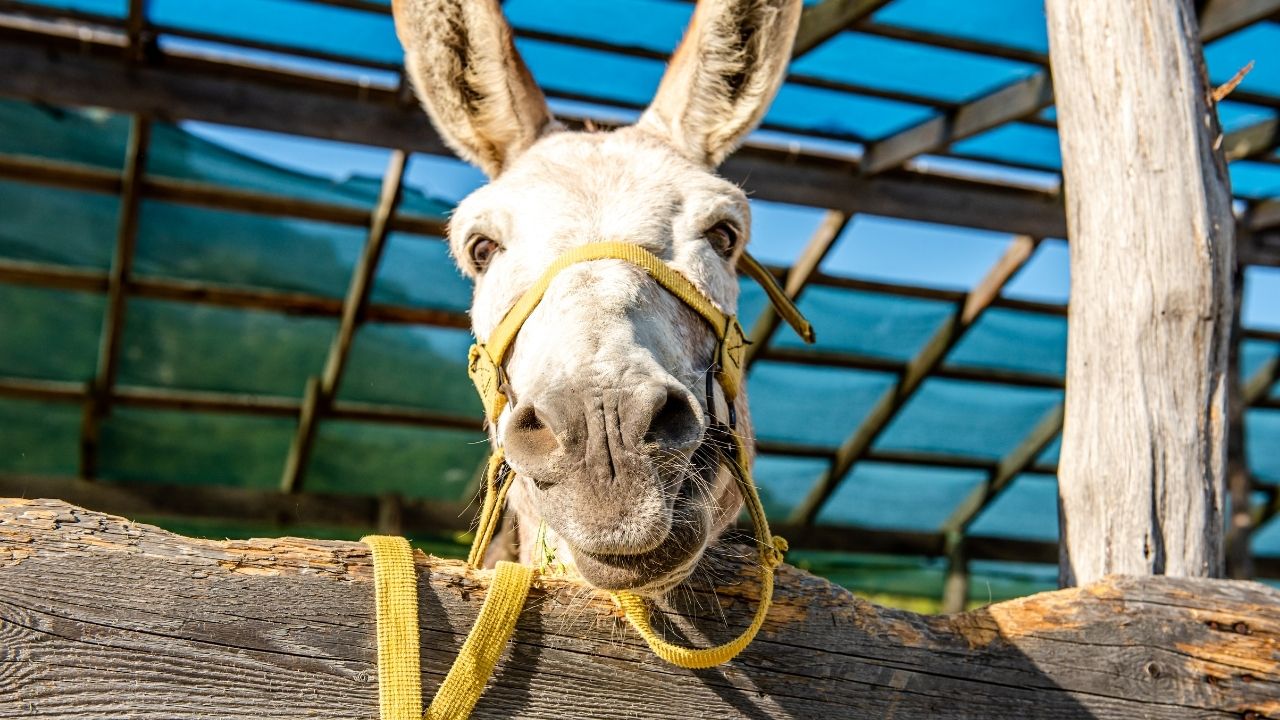
  • Export of donkey skin, meat from Pakistan to China confirmed

    Export of donkey skin, meat from Pakistan to China confirmed

    The Senate’s Standing Committee on Commerce has been informed that the protocol for exporting donkey skins and meat to China has been finalised.

    Ahsan Ali Mangi, Additional Secretary of the Ministry of Commerce, stated that in addition to the export of donkey skin and meat, protocols for exporting onions, potatoes, and chillies to China have also been finalised.

    Senator Anusha Rehman emphasised that Pakistan produces only one-fifth of its onion demand, making it challenging to justify exporting onions to China.

    The ministry has also reportedly proposed establishing nine new missions, including in Malaysia, Iraq, Oman, Tanzania, Kenya, and Mozambique.

  • Another shock for the masses; electricity prices increased

    Another shock for the masses; electricity prices increased

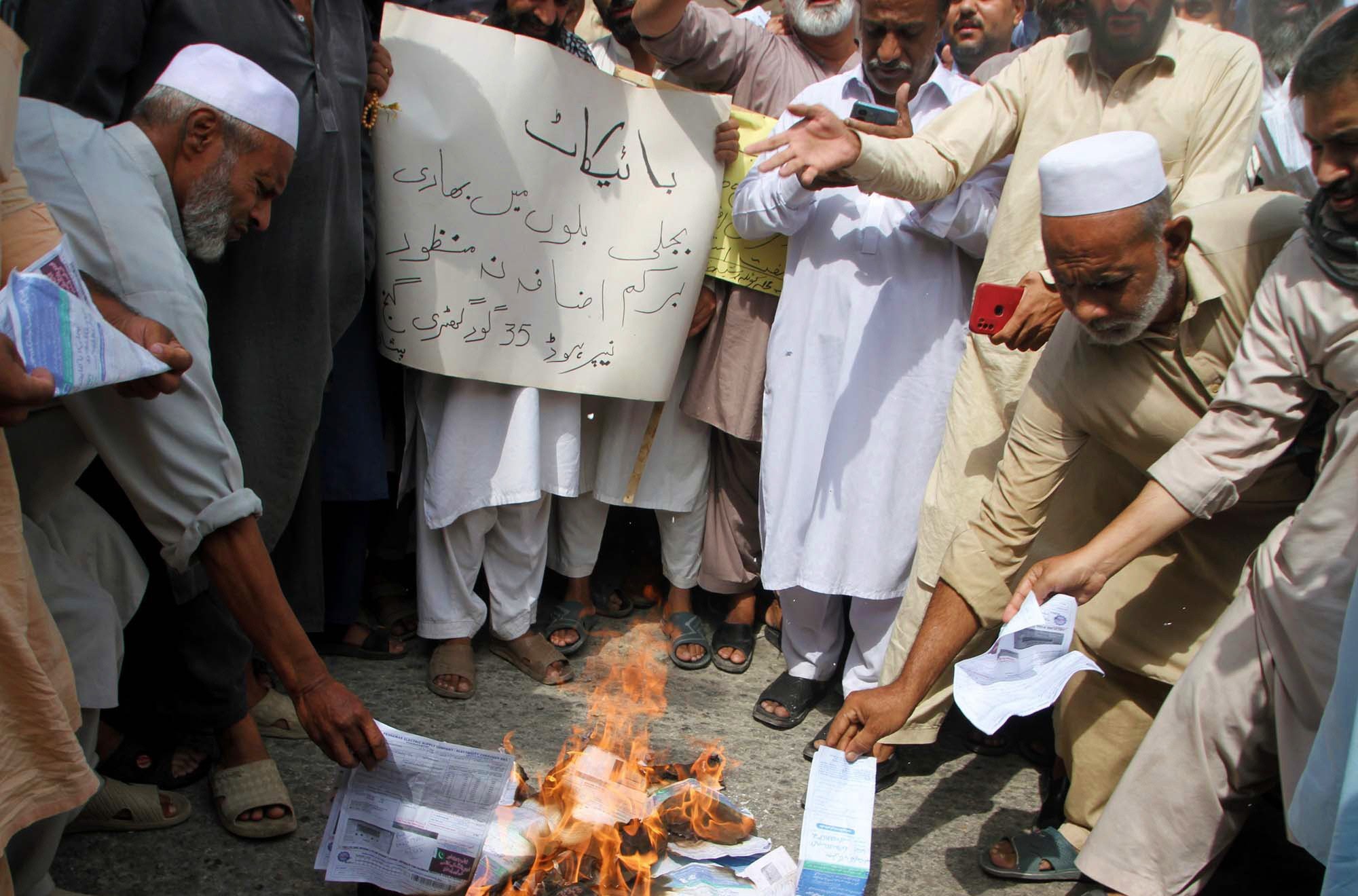
    In another shock to the people, the federal government on Wednesday approved up to 51 percent or Rs 7.12 increase in the per-unit price of electricity from July, The Tribune reported.

    With immediate effect, a whopping 32.5 million consumers, predominantly households, will be compelled to spend an additional at least Rs580 billion in this fiscal year.

    Furthermore, among these 32.5 million consumers, around 26 million households fall in the poorest to low-middle-income groups category. The burden of this price increase will fall on these households.

    The International Monetary Fund (IMF) had set many conditions for the government to qualify for the next bailout package, including increasing the power tariff.

    For the first time, the government has also imposed fixed monthly charges on residential electricity consumers, ranging from Rs 200 to Rs 1,000 per unit.