Category: Global

  • Contractors demand millions from Israeli PM’s office over unpaid propaganda fees

    Contractors demand millions from Israeli PM’s office over unpaid propaganda fees

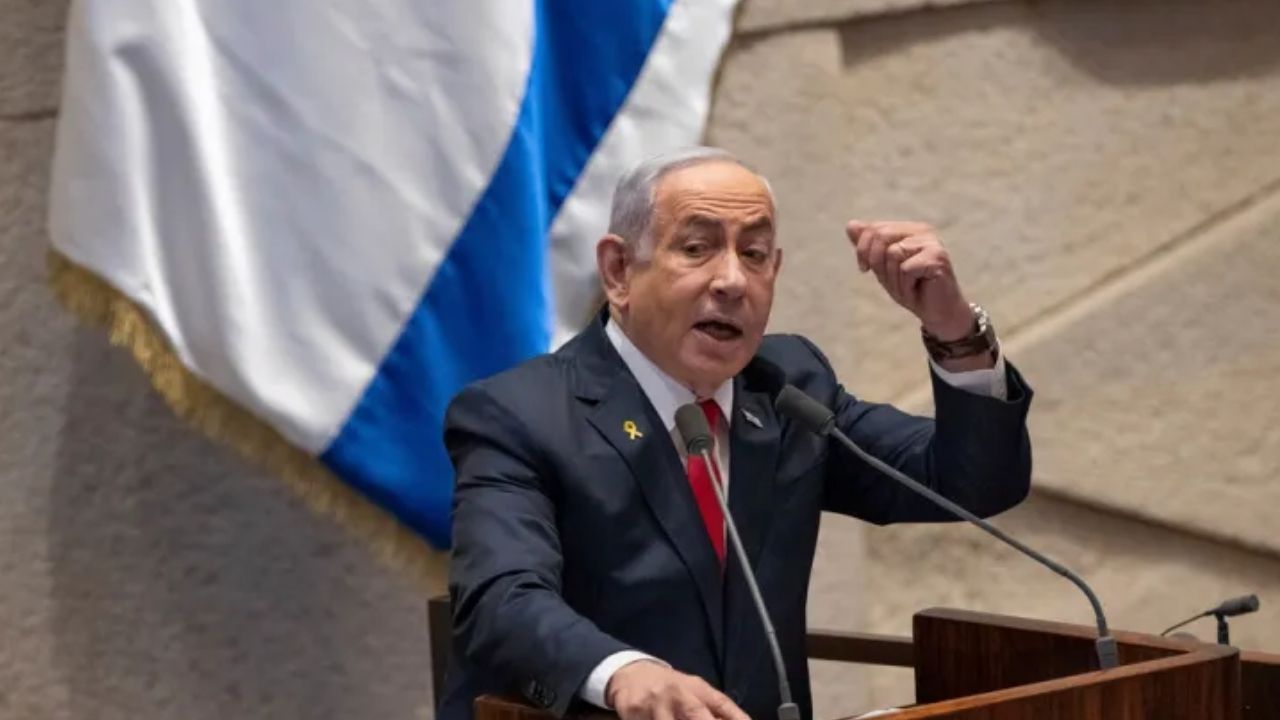
    Former employees and contractors linked to Israel’s national public diplomacy directorate have demanded millions of shekels in unpaid dues for propaganda work carried out since October 2023, Israeli financial daily Calcalist reported.

    The directorate, commonly referred to by the Hebrew term for propaganda- “Hasbara”- operates under the Israeli prime minister’s office and manages the country’s public diplomacy efforts.

    According to the report, companies and contractors who provided services in the months following the Hamas-led attack on October 7, 2023, have taken legal action seeking payment for their work.

    Two private companies that provided studio services for Israeli officials and supported activism campaigns in Europe are seeking a combined two million shekels (around $650,000).

    Eylon Levy, a British-Israeli who served as an official government spokesperson until March 2024, said he is also owed money but is not part of the legal case. A spokesperson for Levy confirmed this to Middle East Eye.

    Levy has continued working in public diplomacy efforts after leaving his government role.

    Calcalist reported that dozens of independent activists and contractors were recruited after October 7 as the directorate lacked sufficient staff.

    Some individuals involved in the campaign were not directly employed by the government but worked through private production companies that handled payments.


    “Private production companies became a payment channel for those representing Israel abroad,” the report said. Contractors who worked with the directorate claimed that “the work was always messy”.

    One production company that provided a studio used by Prime Minister Benjamin Netanyahu and Former Defence Minister Yoav Gallant for interviews is seeking more than 500,000 shekels (about $160,000) in unpaid dues.

    Another firm, Intellect, has filed a claim for more than 1.5 million shekels (around $487,000) against the prime minister’s office, which oversees the directorate.

    According to Calcalist, the company financed flights to The Hague for influencer activists who organised activities against pro-Palestinian demonstrations ahead of hearings at the international court there.

    The prime minister’s office said that there were “irregularities in the contracting practices of the public diplomacy directorate” but declined to provide further details, citing ongoing legal proceedings.

    Since October 2023, Israel’s public diplomacy campaigns have also been handled by the foreign ministry and the diaspora affairs ministry which have both dedicated huge sums of money to distribute Israeli propaganda.

    In September last year, the government approved an additional 150 million shekels for public diplomacy work under the foreign ministry, adding to an existing allocation of 520 million shekels.

    The additional funding was taken from the higher education budget.

    During the same month, the foreign ministry led by Gideon Saar created a new public diplomacy directorate aimed at hiring bloggers and social media influencers.

    In June 2024, Diaspora Affairs Minister Amichai Chikli led a campaign targeting US university campuses that sought to influence discussions on antisemitism in US law.

    In May 2025, the diaspora affairs ministry offered settlement municipalities up to one million shekels ($325,000) to support public diplomacy activities inside Israel and abroad.

  • US investigation finds America responsible for deadly strike on Iranian school

    US investigation finds America responsible for deadly strike on Iranian school

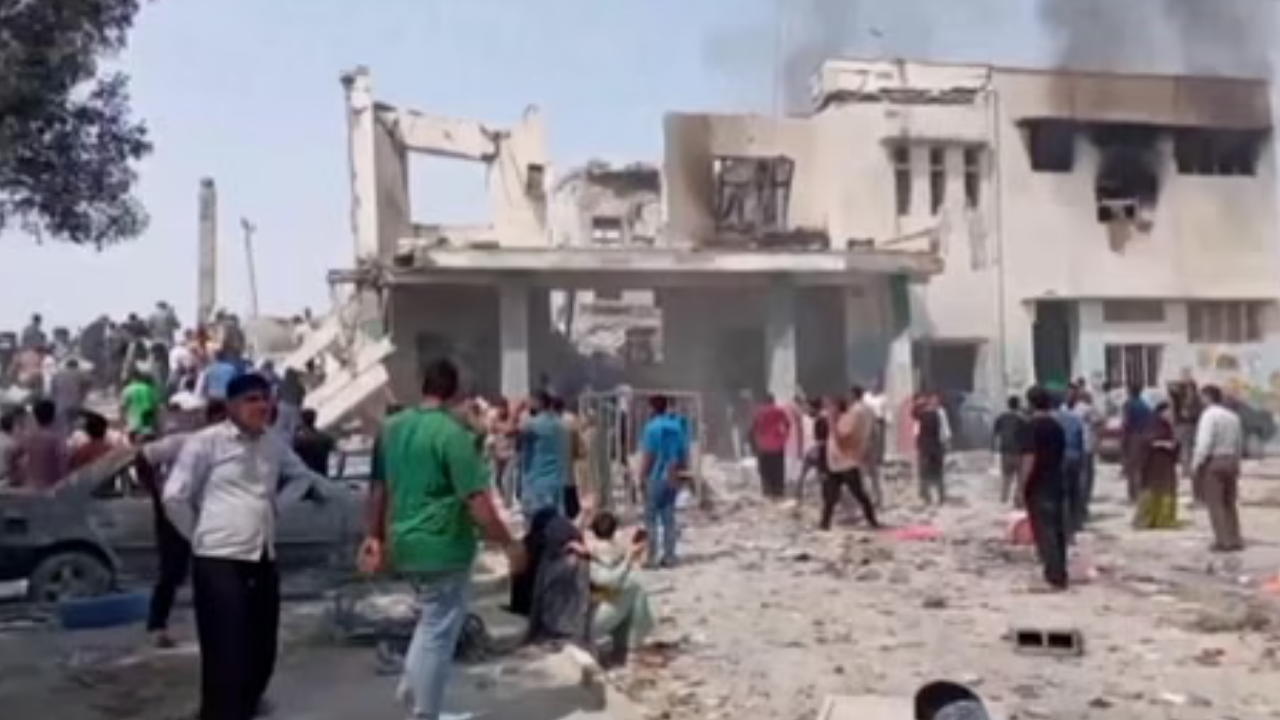
    The conflict between Iran, Israel, and the United States (US) escalated on Friday as missile strikes targeted Tel Aviv, air raids hit Beirut, and the death toll in Iran surpassed 1,300. A school strike on the first day of the campaign is now being linked to US forces. Military investigators believe it is “likely” that US forces were responsible for the strike on a girls’ primary school in Minab, which killed 168 people.

    Verified satellite imagery shows the Shajareh Tayebeh school was hit by “multiple simultaneous or near-simultaneous strikes.” United Nations International Children’s Emergency Fund (UNICEF) reports that of the 190 children killed in the region so far, 181 were in Iran.

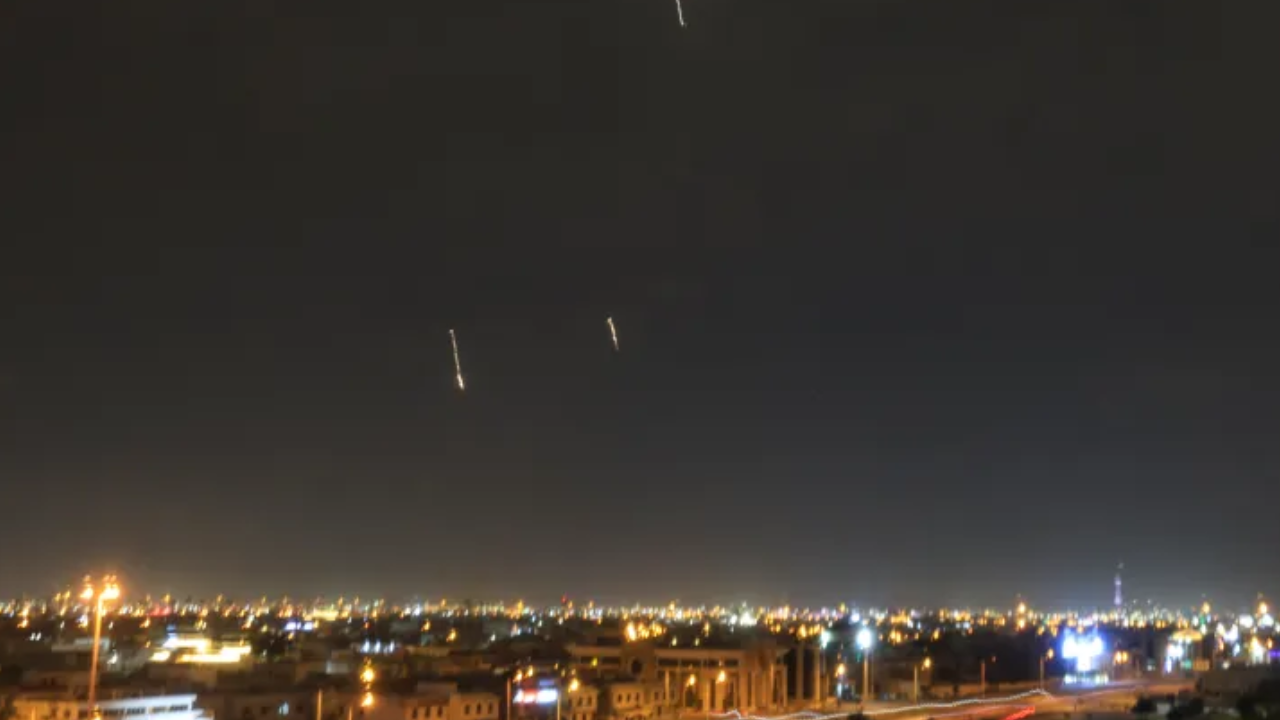
    In a fresh wave of strikes, Iran’s Revolutionary Guard Corps (IRGC) launched a combined missile and drone attack targeting “locations in the heart of Tel Aviv.” Blasts were heard over the city as Israeli defense systems attempted to intercept the threat. This follows an earlier IRGC claim of striking fuel tanks at Israel’s Ramat David Airbase.

    Beirut’s southern suburbs also faced new Israeli air raids this morning. State media reported “hostile warplanes” struck the area just a day after evacuation orders were issued. In Dubai, residents received emergency alerts on their phones from the Emirati interior ministry, urging them to “seek immediate shelter” due to potential missile threats.

    The humanitarian and infrastructure damage in Iran is mounting. The Iranian Red Crescent reports that 1,332 people have been killed since Saturday, with 3,643 civilian sites damaged, including over 3,000 homes and several medical facilities. In Shiraz, official reports confirm at least 20 citizens were killed in recent strikes.

    Despite the attacks, Tehran is attempting to restore administrative functions. Ministries and executive bodies are scheduled to operate with 20 percent of staff from Sunday, though female employees will continue to work remotely. However, the country remains under a near-total internet blackout, which has now crossed the 144-hour mark.

    The IRGC has warned of a “prolonged war,” claiming that advanced weaponry not yet used in the conflict will be deployed. Brigadier General Ali Mohammad Naeini stated that “painful blows” are coming, describing the situation as a “sacred and legitimate war.”

    Regional spillover continues to affect neighboring countries. Saudi Arabia reported destroying three drones east of Riyadh, while explosions were noted over Doha and Manama. In the Persian Gulf, 52 French ships are currently blocked as France seeks an international coalition to secure shipping lanes.

    In Washington DC, President Donald Trump dismissed the possibility of sending ground troops to Iran, calling the idea a “waste of time.” He claimed Iran has “lost everything,” including its navy. This follows a US Senate vote that blocked a resolution requiring Trump to seek congressional authorization for the ongoing military campaign.

    In Britain, counter-terrorism police arrested four men suspected of assisting Iran’s intelligence service by spying on locations and individuals linked to London’s Jewish community. The Metropolitan Police said that the men were arrested at three addresses in the capital as part of a long-running investigation. 

    Airlines including Emirates and Etihad have begun resuming limited flight schedules, though operations remain precarious due to the threat of missile fire.

    The current escalation began last Saturday after joint illegal US and Israeli strikes targeted sites across Iran. Iranian media reported that the attacks resulted in the assassination of Supreme Leader Ali Khamenei.

  • ‘Fortune-cookie preacher’: Netizens slam Mufti Menk’s silence on Iran-Israel conflict

    ‘Fortune-cookie preacher’: Netizens slam Mufti Menk’s silence on Iran-Israel conflict

    Mufti Menk has faced intense criticism online after a post on X about remaining silent during uncertain situations was widely interpreted as referring to the ongoing conflict involving Iran, Israel and the United States (US).

    Menk, whose full name is Ismail Ibn Musa Menk, regularly shares sermons and lectures online and has more than 10 million followers on X. The backlash followed a post he shared on March 4.

    “When you don’t know EXACTLY what’s going on, it’s best not to say the wrong thing. Let those with a deeper understanding in that matter say what needs to be said. The Prophetic teaching to those who believe in the day of reckoning is to ‘utter what’s upright or remain silent,’” the post read.

    Users on X interpreted the post as referring to the illegal strike on Iran, where Israel and the United States have killed more than 1,000 people and damaged civilian infrastructure, according to international media reports.


    The reactions circulating on X were mainly in response to Menk’s post. Many questioned why a religious scholar with a large platform would avoid addressing the conflict directly. 


    Some users suggested that remaining silent in the face of suffering was equivalent to avoiding responsibility, saying scholars had a duty to speak against injustice and oppression. Others accused Menk of prioritising financial interests or public standing over openly criticising Israel.


    Several posts mocked the statement as a cautious attempt to avoid losing influence or income. One user wrote, “Translation: I don’t want to lose money by criticizing Israel too loudly.” 


    Another added, “Being a scholar you have a duty to speak truth and stand against tyrants but you remain silent for your personal gain and enjoying the luxury of the world.”


    Some comments accused Menk of choosing worldly gains over religious responsibility. One post said, “Guys i will try to translate this for you: Mufti menk choosing money/ duniya over DEEN!! He is a coward or MUNAFIQ , there is no 3rd option. Thank you for your attention for this matter!!” 

    Another described the approach as an Islam reduced to feel-good slogans: “This is the kind of Islam colonizers are comfortable promoting. An Islam reduced to self-help slogans. An Islam that speaks endlessly about ‘ignoring haters’ but falls silent in the face of tyrants.”

    Other users highlighted the contrast with the struggles of Muslims in Iran, saying that while they face attacks, Menk’s post offered only general guidance. 

    One wrote, “So instead of uttering what’s upright, you remained silent. I have never understood how so many people get taken in by fortune-cookie preachers of any religion who utter feel-good platitudes 24/7 but disappear the moment their voice could matter.” 

    Another added, “Islam and Muslims are under attack by zi0nist and this is what you tweet? Tweet about your brothers and sisters in Iran who are fighting the enemies of Islam alone and suffering.” Some summed up their frustration by saying, “save us from Sheikhs like this one.”

    Menk later shared a prayer on X, asking for guidance, steadfastness, contentment with divine decree, and protection from harm: “Almighty. Guide us towards goodness beyond this month for Your sake only. Keep us steadfast, enduring the trials You send our way. Grant us a soft heart, always content with Your Decree. Grant us sincerity, success & protect us from harm. Aameen.”

  • Gulf states review financial pledges amid escalating Middle East conflict

    Gulf states review financial pledges amid escalating Middle East conflict

    Gulf states are reviewing overseas investments and financial commitments as the war involving the United States (US), Israel and Iran places pressure on their budgets, an international media outlet has reported. 

    A Gulf official said that the situation could affect investment pledges to foreign governments or companies, sports sponsorships, business contracts and the sale of existing holdings.

    The official said that three of the four major Gulf economies — Saudi Arabia, United Arab Emirates (UAE), Kuwait and Qatar — had held discussions on the economic impact of the conflict but did not identify the countries involved.

    “A number of Gulf countries have begun an internal review to determine whether force majeure clauses can be invoked in current contracts, while also reviewing current and future investment commitments in order to alleviate some of the anticipated economic strain from the current war,” the official said. “Especially if the war and related expenses continue at the same pace.”

    They added that the move was precautionary and linked to “the budget strains these countries are facing due to reduced income from energy, due to the slowdown in output or the inability to ship, [and from the] tourism and aviation sectors, in addition to the increase in defence spending”.

    An adviser to a Gulf government said that the possibility of an investment review had drawn attention in Washington. Gulf states manage some of the world’s largest sovereign wealth funds, and Saudi Arabia, United Arab Emirates and Qatar last year pledged to invest hundreds of billions of dollars in the US after Donald Trump visited the region.

    The states have also financed international sporting events and invested in domestic projects aimed at diversifying their economies.

    Officials said that any reduction in investments in the US or other western countries could increase pressure on Donald Trump to pursue a diplomatic approach to end the war.

    The conflict between the US, Israel and Iran has affected Gulf countries as Tehran launched strikes against Washington’s regional allies. 

    Shipping traffic has slowed in the Strait of Hormuz, through which about one-fifth of global oil and gas supplies pass, with at least 10 tankers reported damaged in the Gulf.

    Qatar, the world’s second-largest liquefied natural gas producer, declared force majeure after suspending production following a drone attack on its main LNG facility.

    A major oil refinery in Saudi Arabia was also hit during the conflict.

    Iran has also targeted US bases and embassies in the region, as well as airports, hotels and residential buildings, disrupting air traffic and tourism.

    Gulf states had urged Donald Trump to delay military action and pursue diplomacy with Iran but later faced retaliatory attacks from Tehran.

    Khalaf Al Habtoor, a prominent Emirati businessman addressed Donald Trump in a post on X and criticised the decision to escalate the conflict.

    “A direct question: Who gave you the authority to drag our region into a war with #Iran? And on what basis did you make this dangerous decision?” he wrote. “Did you calculate the collateral damage before pulling the trigger?”

    He pointed out that Gulf countries were expected to help finance plans to rebuild Gaza and support broader regional initiatives.

    He added that Arab Gulf states had “contributed billions of dollars on the basis of supporting stability and development”, asking: “These countries have the right to ask today: where did this money go? Are we funding peace initiatives or funding a war that exposes us to danger?”

  • One in three Gen Z men say wife should obey husband

    One in three Gen Z men say wife should obey husband

    A global survey has found that men from Generation Z are more likely than older generations to support traditional views about gender roles within marriage and relationships.

    The survey of more than 23,000 people across 29 countries found that nearly one in three Gen Z males believe a wife should obey her husband.

    According to the study, 33 percent of Gen Z males said a husband should have the final word on important decisions in a marriage. Among baby boomer men, 13 percent agreed with the statement that a wife should always obey her husband.

    The survey defined Generation Z as people born between 1997 and 2012, while baby boomers were defined as those born between 1946 and 1964.

    Among women, 18 percent of Gen Z respondents agreed that a wife should obey her husband, compared with six percent of women from the baby boomer generation.

    The research was conducted by Ipsos in partnership with the Global Institute for Women’s Leadership at King’s College London and included respondents from countries including Great Britain, the United States, Brazil, Australia and India.

    The findings also showed differences between generations on other views about gender roles. About 24 percent of Gen Z males said women should not appear too independent or self-sufficient, compared with 12 percent of baby boomer men.


    More than half of Gen Z males, 59 percent said men were expected to do too much to support equality. Among baby boomers, 45 percent agreed with this view. Among women, the figures were 41 percent for Gen Z and 30 percent for baby boomers.

    At the same time, Gen Z males were also the group most likely to say that women with successful careers were more attractive to men, with 41 percent agreeing with the statement.

    Survey responses varied across countries. People in Indonesia and Malaysia were most likely to agree with the statement that a wife should obey her husband, at 66 percent and 60 percent respectively. The proportion was 23 percent in the United States and 13 percent in Great Britain.

    Professor Heejung Chung, director of the Global Institute for Women’s Leadership and leader of the research, said that some findings indicated continued support for gender equality.

    “I think there are a lot of grievances, a lot of fear of men losing social positions,” Chung said. “And there’s a vacuum that’s being filled with rhetoric and voices which are trying to pitch young men against gender equality, against young women, against migrants.”

    Julia Gillard, chair of the Global Institute for Women’s Leadership, said that the results raised concerns about expectations placed on both men and women.

    “Not only are many Gen Z men putting limiting expectations on women, they are also trapping themselves within restrictive gender norms,” she said. “We must continue to do more to dispel the idea of a zero-sum game in which women are the only beneficiaries of a gender-equal world.”

  • Another Indian Air Force jet crashes, killing two pilots

    Another Indian Air Force jet crashes, killing two pilots

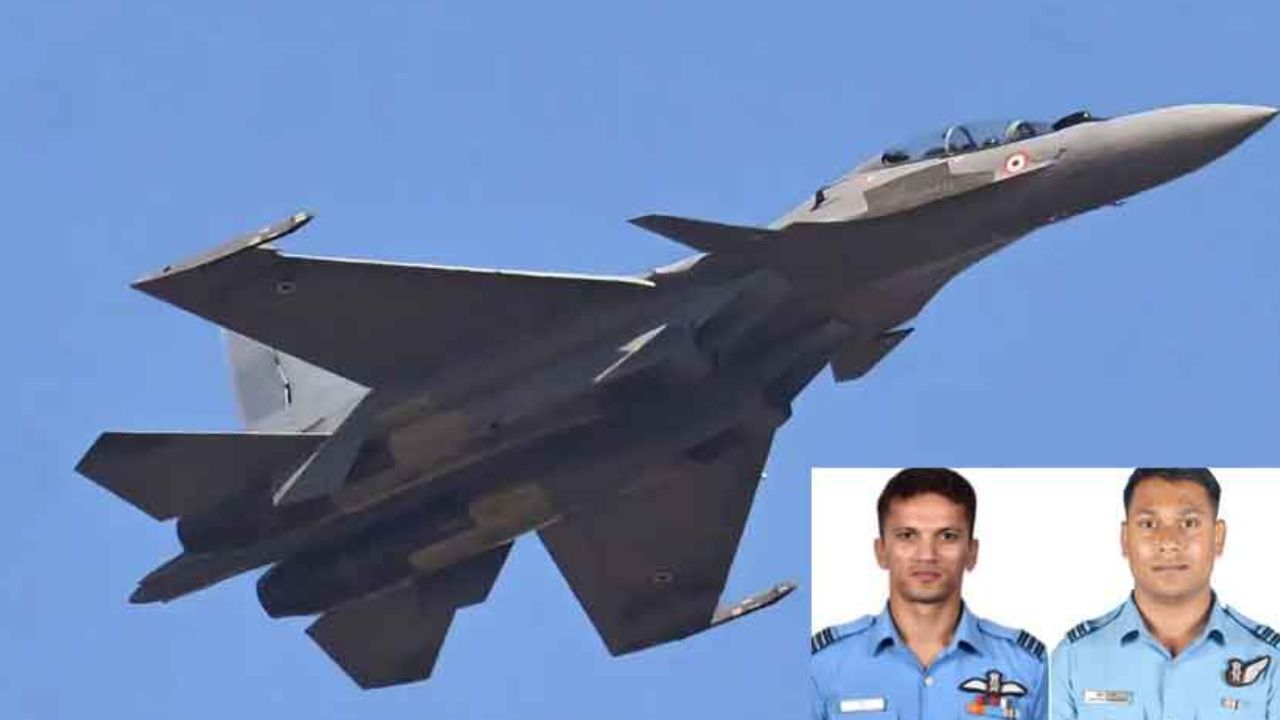
    Two Indian Air Force (IAF) pilots were killed after a Sukhoi Su-30 MKI fighter jet crashed in India’s northeastern state of Assam on Thursday.

    The IAF said that the pilots were Squadron Leader Anuj and Flight Lieutenant Purvesh Duragkar.

    In a post on X, the air force said that all personnel expressed condolences and stood with the families of the deceased pilots.

    According to officials, the aircraft was on a training mission and had taken off from Jorhat airbase. Communication with the aircraft was lost at 7:42pm.

    The jet later crashed in Karbi Anglong district, around 60 kilometres from the base.

    Residents in the area said they heard an explosion from the hills and saw flames rising from the crash site.

    India’s Defence Minister Rajnath Singh said he was saddened by the deaths of the two pilots. In a post on X, he wrote that their service to the country would be remembered.

    The Sukhoi Su-30MKI is a two-seat fighter aircraft developed by Russia’s Sukhoi. It is now built under licence by state-run aerospace major Hindustan Aeronautics Limited (HAL) for the IAF.

    The aircraft was inducted into the IAF in 1997 and the force operates more than 260 jets of the same type.

    A Sukhoi-30 aircraft crashed in Nashik in June 2024, while another jet of the same type went down in January 2023 after taking off from the Gwalior airbase.

    The crash took place weeks after the IAF lost a HAL Tejas jet when it overshot the runway at a frontline airbase and suffered damage to its airframe.

    Another Tejas aircraft crashed during a demonstration flight at the Dubai Airshow in November last year, killing the pilot.

  • Iran strikes Israeli airbase in 19th wave of missile attacks

    Iran strikes Israeli airbase in 19th wave of missile attacks

    The Middle East has spiralled into a multi-front war as Iran warned it will target Israel’s Dimona nuclear site if the US and Israel continue to pursue illegal regime change. This threat was conveyed as Tehran launched its “19th wave” of attacks, following a week of escalating strikes that have now pulled in Azerbaijan, Qatar, and Sri Lanka.

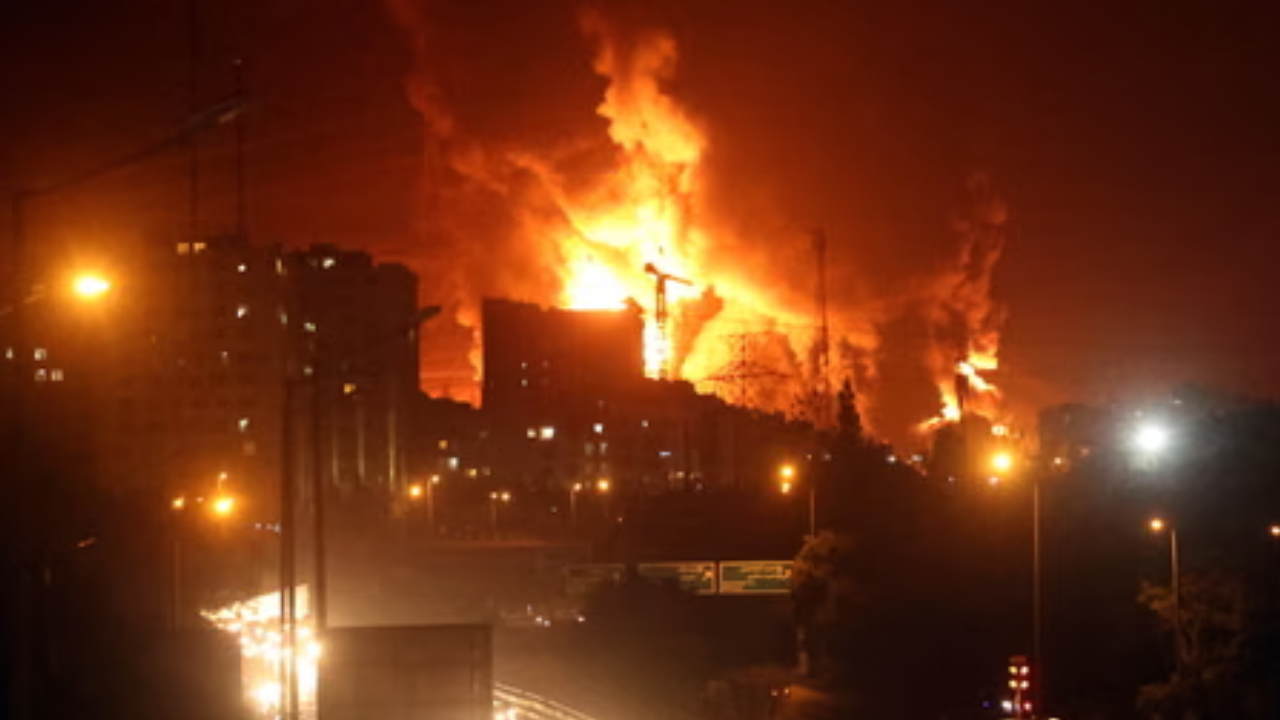
    In Tehran, a series of explosions hit the capital and the neighbouring city of Karaj on Thursday. The Israeli military confirmed it is targeting Iranian missile launchers, while Iran’s Revolutionary Guards (IRGC) claimed to have struck fuel tanks at Israel’s Ramat David Airbase using Arash attack drones.

    The maritime conflict has turned lethal. A US submarine sank the Iranian frigate IRIS Dena off the coast of Sri Lanka, killing at least 87 sailors. A second Iranian warship is now approaching Sri Lankan waters. Iranian Foreign Minister Abbas Araghchi stated that the US “perpetrated an atrocity at sea” and warned that Washington will “bitterly regret” the move.

    The spillover has reached the Caucasus and the Gulf. Azerbaijan’s defence ministry reported Iranian drone strikes on an airport in the Nakhichevan exclave, wounding two people. “These acts of attack will not go unanswered,” the ministry said, confirming it is preparing retaliatory measures. Meanwhile, explosions echoed over Doha and Manama as Qatari and Bahraini air defences intercepted incoming missiles. A tanker off the coast of Kuwait was also hit by a large explosion, causing an oil spill.

    In Washington DC, the US Senate voted 52-47 to block a bipartisan resolution that would have required President Donald Trump to seek congressional authorisation for the military campaign. Trump thanked NATO Secretary General Mark Rutte for his support, while Israel’s Defence Minister Israel Katz said US Defence Secretary Pete Hegseth urged him to “keep going to the end.”

    The economic fallout is immediate. Oil prices surged over 3 percent, with Brent crude reaching $83.99 per barrel. China has instructed its largest refiners to suspend diesel and gasoline exports as the Strait of Hormuz remains blocked. Inside Iran, a total internet blackout has exceeded 120 hours, with connectivity at only one percent.

    The conflict escalated following illegal joint US-Israeli strikes last Saturday, which Iranian media reported resulted in the assassination of Supreme Leader Ali Khamenei. Since then, US Central Command reports hitting over 1,250 targets, while the US State Department has urged Americans to leave 15 Middle Eastern countries.

  • ‘False-flag’: Someone is trying to frame Iran with unclaimed strikes on Turkiye, UK base

    ‘False-flag’: Someone is trying to frame Iran with unclaimed strikes on Turkiye, UK base

    Someone is trying to frame Tehran for unclaimed strikes and drone attacks on Turkiye and at least one United Kingdom (UK) military base in Cyprus, it has emerged.

    As per the details, the Islamic Republic News Agency (IRNA) has quoted senior military leadership as saying that Iran did not carry out any missile strikes in Turkiye as the country respects its sovereignty.

    The clarification came hours after the UK’s Ministry of Defence confirmed that a Shahed-like drone that targeted Royal Air Force’s (RAF) Akrotiri base in Cyprus on March 2 was not launched from Iranian territory. 

    The ministry added that RAF Typhoon and F-35B jets continued defensive air operations across the Middle East, supported by Voyager air-to-air refuelling, and that the UK had resupplied air defence systems to British and allied bases.

    Royal Navy Wildcat helicopters armed with Martlet missiles are also expected to arrive in Cyprus in the coming days.

    Amid confusion over unclaimed strikes, American commentator Tucker Carlson has claimed that Mossad operatives were arrested in Qatar and Saudi Arabia while planning bombings, suggesting these operations could be aimed at creating disorder and framing Iran to draw Gulf states further into conflict.

    Saudi experts told Al Arabiya News that Mossad agents had been arrested in both countries and were reportedly planning false-flag bombings to involve the Gulf states in war with Iran.

    Earlier, Iranian officials, quoted by Middle East Eye, also said that some attacks on Gulf energy sites, including oil refineries and ports, were carried out by Israel to provoke Gulf countries. 

    The reports also sent social media intro frenzy as thousands on X claimed Israel was covertly launching suicide drones targeting Gulf countries and NATO, intending to blame Iran.

    Iranian Deputy Foreign Minister Esmail Baghaei also told Drop Site that Israel had historically used such tactics to involve other nations in conflict, citing a high probability of misuse in the current situation. 

    Cypriot officials suggested the Akrotiri drone (an Iranian-designed Shahed type) was most likely launched by Hezbollah from Lebanon rather than Iran.

  • Iran launches another 40 missiles at US, Israeli targets as Middle East tensions escalate

    Iran launches another 40 missiles at US, Israeli targets as Middle East tensions escalate

    Iran’s Revolutionary Guards (IRGC) launched more than 40 missiles at US and Israeli targets on Wednesday, intensifying hostilities in the Middle East. “Several hours ago, the 17th wave of operation Honest Promise 4 was conducted with the launch of 40 missiles by the Islamic Revolutionary Guard Corps’ aerospace forces, towards American and Zionist targets,” a statement broadcast on state television said.

    The Guards also claimed full control over the Strait of Hormuz, warning that vessels passing through the strategic waterway risk damage from missiles or stray drones.


    Israel confirmed ongoing strikes against missile launchers in Iran. Military spokesman Brigadier General Effie Defrin said, “We have destroyed dozens of missile launchers that posed significant threats to the Israeli front. We will continue to strike the missile launchers and reduce the firing, but the regime still has significant capacity, and I would like to remind you that our defence is not impenetrable.”

    Air raid sirens sounded across Israel, including in occupied Jerusalem and Tel Aviv, after missiles were launched from Iran. Residents were instructed to seek shelter, though the alerts were lifted within minutes and no casualties were reported. 

    Israel’s emergency medical service, Magen David Adom, confirmed no immediate injuries.

    Regional militaries reported heightened alert. Kuwait detected inbound missiles and drones and said it was intercepting them, while Qatar said its defence systems neutralised incoming missiles. The United Arab Emirates reported responding to ballistic missile threats, and Saudi Arabia confirmed drones struck the US embassy compound in Riyadh, causing material damage.

    International responses included statements from the European Commission, which said it was “ready to defend EU interests” after US President Donald Trump threatened to penalize Spain for refusing US access to bases for attacks on Iran. 

    Spanish Prime Minister Pedro Sanchez said, “The position of the government of Spain can be summed up in four words: no to war.” Canadian Prime Minister Mark Carney described the strikes as “not consistent or to be inconsistent with international law,” and French Foreign Minister Jean-Noel Barrot said French Rafale jets had neutralised Iranian drones targeting UAE bases.

    Iranian officials reiterated their stance. Foreign Minister Abbas Araghchi said on X that US President Donald Trump has “betrayed diplomacy and Americans who elected him”. Previously he said that United States had entered “a war of choice on behalf of Israel” and held Washington responsible for casualties on both sides.

    Senior aide to Iran’s late Supreme Leader Ali Khamenei, Mohammad Mokhber, said Iran had no intention of negotiating with the United States and could continue operations as long as necessary.

    The conflict follows joint US-Israeli strikes launched on Saturday, which Iranian media assassinated Supreme Leader Ali Khamenei. Since then, Iran has carried out missile and drone attacks on US-linked targets in the Gulf. The US Central Command said more than 1,250 targets, including missile sites, naval vessels, and command centres, have been struck in the past 48 hours, with six US service members killed. The US State Department has urged Americans to leave 15 Middle Eastern countries, while Canada advised citizens to depart the UAE.

  • Macron warns Israel against ground invasion of Lebanon as conflict spreads

    Macron warns Israel against ground invasion of Lebanon as conflict spreads

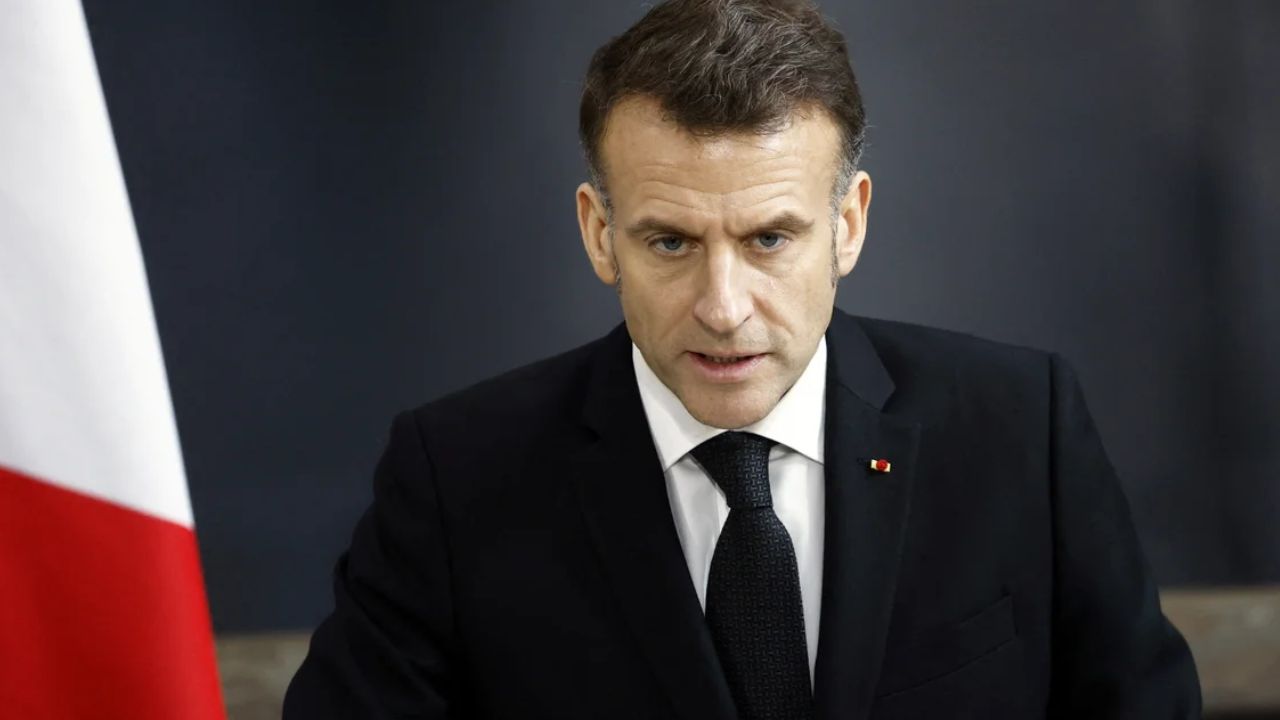
    French President Emmanuel Macron warned Israel against launching a ground invasion of Lebanon as the country started moving into Lebanese territory. 

    Macron said in a televised address that recent events marked a dangerous expansion of the conflict and called on all parties to respect sovereignty. 


    “In recent hours, the war has spread to Lebanon, from where Hezbollah — in a grave mistake — attacked Israel and put the Lebanese people at risk,” Macron said. He added that reports of an Israeli ground operation would represent a “dangerous escalation and a strategic error”.

    He urged Hezbollah to cease its attacks immediately and called on Israel to respect Lebanese territory and its integrity. 


    Macron’s comments came as Israeli troops began illegal operations in southern Lebanon after Hezbollah fired rockets and drones into northern Israel, in response to the war in Iran.


    The spillover into Lebanon followed heightened hostilities linked to the broader conflict involving the United States (US), Israel and Iran. 


    Hezbollah’s attacks along the Israel–Lebanon border triggered retaliatory strikes by Israel across southern Lebanon and around Beirut’s southern suburbs. Lebanese health authorities reported casualties including civilians amid the exchanges. 


    Israeli forces have moved ground troops near the Lebanese frontier and issued evacuation orders for villages close to the border. The Lebanese government and UN peacekeepers reported temporary Israeli incursions into Lebanese territory, while Hezbollah declared it was ready for “open war.” 


    Macron stressed France’s support for Lebanese sovereignty and called for restraint from all parties. He also announced deployments of French defence assets to the region in support of allied countries facing attacks.