Category: Opinion

  • اپنا اپنا چاند

    اپنا اپنا چاند

    اللہ کا شکر ہے اس برس بھی ہم نے روایت کی پاسداری کرتے ہوئے عید کے چاند کو ایک بار پھر غیر متنازعہ بننے سے بچا لیا۔ ‘چن’ چڑھانے میں ویسے بھی ہمیں ملکہ حاصل ہے اس لئے سب سے پہلے پشاور والے پوپلزئی صاحب نے رویت ہلال کمیٹی کے اعلان سے قبل ہی چاند کی نوید سنا دی دوسری جانب کیونکہ نئے چئیرمین صاحب نام میں بھی آزاد واقع ہوئے ہیں تو اس بار کی رویت کا اعلان کرنے میں بھی وہ آزاد خیال ہی رہے بھلا ہو شاید کسی نے یاد کروایا کہ حضرت سحری کا وقت ہوا چاہتا ہے بتا دیں کہ سویاں پکانی ہیں یا سحری کا پراٹھا تو رات گئے رویت ہلال کمیٹی بھی آسمان سے چاند توڑ کر لے آئی اور  قوم کے قدموں میں نچھاور  کر دیا بجائے شکرگزار ہونے کے یار لوگ الٹا چاند ہونے نہ ہونے پر بحث کر نے لگ گئے بڑی ہی نا شکری قوم ہے بھئی کبھی اسے ‘تبدیلی’ ہضم نہیں ہوتی تو کبھی پانی سے چلنے والی گاڑی جیسے سائنسی انقلاب کو رد کر دیتی ہے۔ سائنس سے ویسے بھی ہمیں کو پرخاش ہے کیونکہ برصغیر میں جب لاؤڈ اسپیکر  نیا نیا آیا تو اس بیچارے پر بھی حرام ہونے کے فتوے لگ گئے ٹی وی تصویر وغیرہ وغیرہ سے مخاصمت کی کہانیاں بھی کوئی زیادہ پرانی نہیں۔

    خیر بات کہاں سے کہاں نکل گئی واپس آتے ہیں بےچارے چاند کی درگت بننے کے واقعہ پر جب یہ سارا معاملہ چل ہی رہا تھا تو اسی  اثناء میں ایک عدد آڈیو لیک بھی سامنے آ گئی جس میں ایک ممبر رویت ہلال کمیٹی کچھ اور ہی کہانی سنا رہے تھے اگرچہ ‘سافٹ وئیر’ اپڈیٹ ہونے کے بعد انکی وضاحت بھی سامنے آ گئی تھی۔ اور تو اور کیونکہ وزارت سائنس و ٹیکنالوجی فواد چودھری جیسوں سے پاک ہو چکی تھی اس لئے سائنس کی حقیقتوں کو لہرا لہرا کر کوئی چیلنج کرنے والا بھی موجود نہیں تھا لیکن وزارت اطلاعات میں ہونے کے باوجود بھی انہوں نے اپنے دور وزارت میں بنائی ایپ کے زریعے چاند کے حوالے سے بیان جاری کر دیا لیکن کیونکہ ہر کوئی اپنا اپنا چاند لے کر پھر رہا تھا تو انکی سائنسی دلیل کو کسی نے کوئی خاص گھاس نہیں ڈالی۔ قصہ مختصر یہ عید میٹھی ہونے کے ساتھ ساتھ چٹخارے دار بھی رہی کیونکہ عید کے دن ہر گھر کی محفل کا گرما گرم موضوع گفتگو ‘چاند’ ہی تھا سوشل میڈیا اور واٹس ایپ وغیرہ پر بھی  کوئی سائنسدان تھا کوئی ماہرفلکیات اور کوئی دینی عالم کی ذمہ داریاں نبھا رہا تھا۔

    مسئلہ بڑا سادہ سا ہے کہ کیا چاند کی رویت ایک خالص دینی مسئلہ ہے یا سائنسی؟ کیا اس کا کوئی درمیانی راستہ نکالا جا سکتا ہے جس کے تحت ملک اس افراتفری اور بدتمیزی کا شکار نہ ہو۔ اگر نظر ڈالی جائے تو مختلف اسلامی ممالک اس مسئلے کے حل کے لئے مختلف حکمت عملی اختیار کرتے ہیں ملائشیا،  ترکی مصر اور دیگر مسلم ممالک نے اپنا اپنا طریقہ کار بنا رکھا ہے کوئی خالص سائنسی بنیادوں پر رویت ہلال کرتا ہے تو کوئی سائنس اور انسانی آنکھ سے دیکھنے کو ملا کر ہم بھی دوسرے طریقہ پر ہیں لیکن بات کچھ بنتی نظر نہیں آ رہی اور اس بار کی عید پر تو معاملات اور ہی بگاڑ کی جانب چل پڑے تھے لیکن یہاں جہاں آپ نے سائنس کی بات کی نہیں وہاں ہمارے لوگوں کا مذہب خطرے میں پڑا نہیں۔ جہاں سائنس مذہب کی مددگار ثابت ہو رہی ہو تو پھر اس پر ہی یہ معاملہ کیوں نہیں چھوڑ دیا جاتا۔ آخر دیگر دینی معاملات بھی تو وقت کے ساتھ ساتھ سائنسی بنیادوں پر حل کئیے جا ہی رہے ہیں اور ماضی میں چھوڑے گئے بھی ہیں۔

    افسوس کا مقام ہے کہ آج جب سائنس اتنی ترقی کر چکی ہے کہ دنیا تو چھوڑ مریخ کے دو چاندوں کے بھی طلوع اور غروب کا وقت بتا دے تو ہم ایک خاندان میں دو دو عیدیں منا رہے ہوتے ہیں۔ پاکستان کے علما اور فقہا اور سائنسدانوں کی ایک کمیٹی بنا کر اس مسئلہ کو ایک ہی دفعہ کیوں نہیں حل کر لیا جاتا اور اس میں پشاور کے مفتی پوپلزئی صاحب کو بھی ہونا چاہئے تاکہ تمام اختلافی آراء کو ایک جگہ جمع کر کے ایک قومی اتفاق کی فضا بنا دی جائے یہ لوگ چاہیں تو دیگر مسلم ممالک سے رابطے کر کے انکے طریقہ کار پر رہنمائی بھی لے سکتے ہیں۔ قوم جو ایک انتشار اور ہیجان میں مبتلا رہتی ہے اور  اس قسم کی باتیں سننے میں آتی ہیں کہ جی روزہ تو قضا ہو گیا یا دیکھا آج تو چاند دوسری کا لگ رہا ہےسے یہ میٹھی عیدیں کھٹی کرنے کی کیا تک ہے۔

  • Is Jake Paul as good as he claims?

    Is Jake Paul as good as he claims?

    Three matches. Three wins. Three knockouts. These impressive numbers — renowned American YouTuber Jake Paul’s boxing record thus far — indicate a promising start to his career. Although his boxing career is still in its infancy, the 24-year-old has not steered clear from making a flutter of outlandish claims including comparing himself to the legendary Floyd Mayweather and tossing up challenges to veteran combat fighters to take him on in in the ring, which beggars the question if he is really as good as he claims to be.

    The 6-foot-1-inch tall Ohioan faced barely any resistance from Saudi-born YouTuber AnEsonGib on his pro-boxing debut, which lasted only two minutes and 18 seconds of the first round as a handful of combination punches threw AnEsonGib off his balance before Jake wrapped up the lopsided game with a left punch followed by a right hook.

    In his second bout, Jake faced off against former NBA player Nate Robinson. Although Jake was a heavy favourite because of Nate’s inexperience, Nate’s brute athleticism stood him a chance. Coming into the game, Paul said that he would dribble Robinson’s head off the campus like a basketball. The former NBA point guard kicked off the proceedings by slipping aggressive punches on his opponent but his defence was anemic and beleaguered. Paul pressed home that advantage and floored him with a vicious powerbomb of the right hand in the second round, which required emergency treatment from ringside doctors and enabled him to register his second win in as many matches. As per a computerised punches scoring system, Paul managed to land 21 per cent of punches whilst Robinson could land only 10 punches out of the 56 punches he threw at Paul.

    Knowing that he can only ascend the boxing ranks and assert his authority in combat sports if he takes on established fighters instead of a YouTuber or an NBA superstar, Paul’s next fight was the stiffest challenge of his career as he was pitted against Bellator and welterweight champion Ben Askren. Paul put up another clinical showing and needed just a little over a minute to obliterate Askren who was all at sea after being at the receiving end of a vicious right hand from Paul.

    From a tactical point of view, Paul has a variety of punches in his arsenal. As his three fights have shown, he has genuinely good right and left jabs and hooks in his repertoire complemented with an assured defense and composed footwork.

    Plenty of boxing purists have already written him off because they take the view that pitting half-baked boxers like YouTubers or athletes from different sports against veteran fighters strip boxing of its quality. It is tough to not concur with them but if someone like Jake Paul is proving his mettle, there is no reason why he does not deserve a bout against whoever he challenges. Many of them are also irked by his trash-talking but as long as he lets his performance do the talking, he would not slip from the radar of boxing fans. Unlike other sports where trash-talking is considered unsportsmanlike, trash-talking is often used in combat sports to generate hype and entertainment around the contest.  

    To quote from a 2013 column by Nigel Collins, boxing writer for ESPN and former editor-in-chief of Ring Magazine, “When it comes to trash-talk, boxing is a natural.”

    Collins, part of the 2015 class for the International Boxing Hall of Fame, added that there are two parts to trash-talking: content and delivery. So far, Jake Paul has delivered on both the fronts.

    More importantly, Paul is sweating out in training and is determined to get more wins under his belt and that’s all that matters if he wants his aspirations of ascending the boxing ranks to become a reality.

  • A hero for our times

    A hero for our times

    Just a few days before I. A. Rehman left us, we had been speaking about him at a journalism event – the second Razia Bhatti Memorial lecture at the IBA’s Centre for Excellence in Journalism (CEJ). Rehman sahab had been the very first speaker in this series – he spoke at the inaugural event, in 2019, and at this year’s lecture he was mentioned not just in that specific context but also as a beacon of hope in a country that is becoming increasingly intolerant and authoritarian. In his opening remarks, the IBA’s head Dr Akbar Zaidi called Rehman sahab “one of the greatest pillars of journalism, democracy, human rights that we have in Pakistan today.”

    And then, as Akbar Zaidi continued, he articulated the unspoken fear all of us had: the fear of Rehman sahab no longer being there – “One of the greatest pillars of journalism, democracy, human rights that we have in Pakistan today …and hopefully we’ll have for some years to go.”  Alas, that was not to be, because two days later Rehman sahab had exited with his usual quiet dignity.

    Two weeks later we are still having the memorial meetings and the tributes for him because, for so many people, the passing of I. A. Rehman is a devastating loss. This sense of immense bereavement is due to the fact that he was one of the sanest and bravest people working for the cause of democracy and social justice in Pakistan. 

    During his years as a journalist, he stood firm on principles and was part of the team of which set up and ran the Independent Azad in 1970-71. Then there was Viewpoint and then there was his support for Newsline — a journalist-owned publication, Newsline was headed by first Razia Bhatti and then Rehana Hakim and was founded by the team of journalists who left The Herald in 1988 when PHPL management asked Bhatti to leave. Rehman sahab was a staunch supporter and a regular contributor to the new magazine unlike some other contributors (unnamed here, but you know who you are) who didn’t want to risk the wrath of the Dawn group by writing for us. Mohammed Hanif who joined the magazine in 1989 summed it up succinctly in a recent tweet recalling: “When Razia Bhatti sent I.A. Rehman a cheque for his first contribution to Newsline, he mailed it back with a note: You can start paying me when you make your first million. Newline never made a million and Rehman sb never stopped writing.”

    At the Human Rights Commission of Pakistan (HRCP), he continued to fight against oppression and along with Asma Jahangir, Aziz Siddiqui and so many other lesser-known heroes, he was able to create a credible organisation that documented and raised awareness of human rights violations in the country.

    Much has been written about Rehman sahab over the past fortnight and the shared grieving has been somewhat cathartic yet the sense of loss persists. The void he leaves behind him is very great. Rehman sahab was a key part of the bulwark protecting rational and democratic thought in Pakistan – and indeed in South Asia. His passing has weakened the fortification that helped movements for social justice, human rights and constitutional reform to survive. He led the way in these efforts and he was so highly respected because he also walked the talk: he lived life simply and treated others, regardless of their social class or age, with consideration and generosity. He never wavered from the pursuit of peace and reason and his writings are truly remarkable for their clarity and intellectual depth. 

    He was one of the Titans who kept the flame of social justice movements alive, a flagbearer and a key leader in the fight against dictatorship and tyranny. Over the decades he stayed the course and continued the struggle despite all the tragedies and losses along the way, some of them very close to home. One that I remember was the murder of his nephew — the heroic lawyer and human rights activist Rashid Rehman in Multan in 2014; Rashid Rehman had been the defence lawyer for a young academic accused of blasphemy and he was shot and killed in his office after he had refused to give up the case despite receiving death threats from militant groups. 

    But despite all the losses, the injustices and the cruelty all around, Rehman sahab remained steadfast in his attempts to make the world a more just and compassionate place. 

    Truly he fought the good fight.

  • ویکسینیشن ، مرد اور عورت کا پردہ

    ویکسینیشن ، مرد اور عورت کا پردہ

    ابھی ایک ہفتہ پہلے میری والدہ کو کورونا ویکیسنیشن  کی دوسری خوراک لگی ۔ پہلی خوراک والے دن  میں کافی گھبرائی ہوئی تھی کہ پتا نہیں کیسے ہوگی ، سینٹر پر کیا حال ہوگا ،لوگ کتنے ہونگے وغیرہ وغیرہ ۔ جب میں سینٹر پر پہنچی تو لوگوں کا جمِ غفیر  نظر آیا ۔ زندگی میں پہلی بار اتنے  لوگوں کو ٹیکہ لگوانے کی خوشی تھی ۔ مجھے اندازہ نہیں تھا کہ کام شروع کیسے ہوگا ۔ اسی دوران میں نے کسی سے پوچھا جو کورونا سینٹر کے نمائندہ ہی تھے ۔ انہوں نے کہا آپ میرے ساتھ آ جائیں ۔ میں آپ کا کام کروا دیتا ہوں ۔ انہوں نے دس منٹ میں فارم جمع کروا کرآخری مرحلے تک کام کروا دیا ۔  میں نے پیسے دینے چاہے تو انہوں نے کہا “میں انسانیت کے ناتے کر رہا تھا، پیسے رکھئے” ۔ ساتھ ہی انہوں نے نمبر دیا کہ اگلی خوراک پر رابطہ کیجئے گا اورمیرا نمبر بھی مانگ لیا ۔ میں نے سمجھا خدا سے کوئی غیبی مدد آئی ہے اور خدا کا شکر ادا کیا ۔

    میرا شکر البتہ دو تین دن بعد” چلو جی “میں بدلا جب ان ہی صاحب نے اِدھر اُدھر کے میسج کرنے شروع کر دیئے ۔ جب وہ باز نہ آئے، تو میں نے جھوٹ کہہ دیا کہ میں شادی شدہ ہوں میرے خاوند جی میرا فون چیک کرتے ہیں ۔ اس کے دو دن بعد میری والدہ کی ویکسینیشن تھی ۔ میں نے موصوف سے رابطہ کیا کہ مدد مل سکتی ہے ؟ جس پر انہوں نے کہا “جی مشکل ہے” ۔ میرا نقلی خاوند تو میرا دشمن نکلا ! میرے نقلی خاوند کی وجہ سے موصوف کی انسانیت ہی ختم ہو گئی؟ کیا فائدہ ایسے نقلی خاوند کا ؟

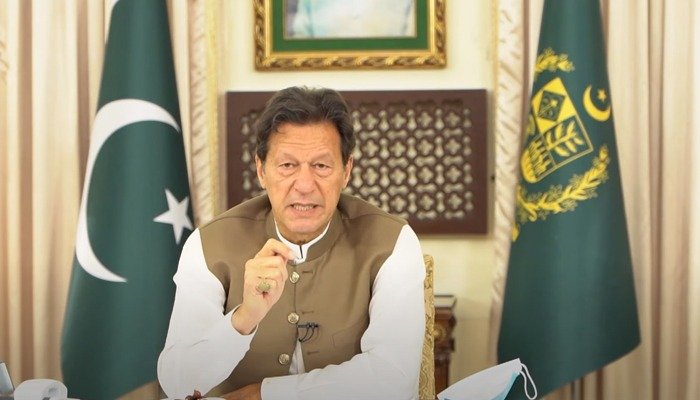
    میں نے یہ واقعہ ٹویٹر پر لکھا تو ایک شخص نے لکھا ” ہاں تو نمبر دیا تھا ، تو بھگتو اب” ۔ اور مجھے تب احساس ہوا کہ اوہو! غلطی تو میری ہی تھی  ۔ چونکہ میں عورت ہوں ، اس لئے غلطی تو ہمیشہ میری ہی ہوگی ۔ چونکہ نمبر عورت کا تھا ، مرد تو بہکے گا ! اسی ہفتے میں پاکستان کے وزیرِاعظم عمران خان نے بھی مجھے احساس دلا دیا کہ غلطی تو میری تھی، ہے اور رہے گی کیونکہ میں عورت ہوں ۔ عمران خان نے اپنے خطاب میں زور دیا کہ ملک میں جنسی زیادتی کو روکنے کے لئے ضروری ہے کہ انگریزوں کے رسم و رواج کوختم کیا جائے ۔ اور پھر دبے دبے الفاظ اور پولے پولے منہ سے کہہ دیا کہ جب عورتیں پردہ نہیں کرتی تو بہت سے مردوں سے کنٹرول نہیں ہوتا اور پھر وہ جنسی زیادتی پر “مجبور” ہو جاتے ہیں۔

    زمانے بھر کے غم اور مرد کی یہ “مجبوری!” اس دنیا نے مرد کا جینا حرام کر دیا ہے۔ کیسے کیسے “مجبور” کیا ہے۔ کیسا کیسا امتحان لیا ہے ۔ کبھی مرد “مجبور” ہو کر اپنے ہی گھر کی عورت سے جنسی زیادتی کر دیتا ہے اور کبھی “مجبور” ہو کر موٹر وے پر ایک ماں کو اُس کے بچوں کے سامنے اپنی جنسی ہوس کا شکار کرتا ہے ، کبھی مرد “مجبور” ہوکر رشتے سے انکار کرنے والی عورت سے بدلہ لینے کے لئے اسے اپنی ہوس کا شکار بنا دیتا ہے، اور کبھی مرد عوت کا ناک، کان، بازو کا کچھ حصۤہ ، ہاتھوں کی انگلیاں، پیر ، آنکھیں، بال ، ہونٹ، جو بھی حصہ نظر  آ جائے  ، اس سے “مجبور” ہو کر عورت کو اپنی ہوس کا شکار بنا دیتا ہے ۔ اور “مجبوری” ادھر رکتی نہیں۔ مرد 3 سال کے لڑکے کو بھی دیکھ کر “مجبور” ہو جاتا ہے ۔ مرد ایک “مجبوری ” کا مجسمہ ہے جسے کب کیا دکھ جائے  اور جو دکھ رہا ہو وہ کس طرح اس کو جنسی زیادتی پر “مجبور” کر دے ، آپ کو کبھی نہیں پتہ چلے گا ۔ کیا انہی “مجبوریوں” کی بات کر رہے تھے آپ،وزیرِاعظم صاحب؟

    وزیرِ اعظم صاحب ! عورت ہونے کو جرم نہ بنائیں ۔ عورت کے کپڑوں کو مردں کی درندگی چھپانے کے لئے استعمال نہ کریں ۔ مرد جوصدیوں سے جنسی درندگی کو طاقت کے حربے کے طور پر استعمال کرتاہے۔ کبھی حالتِ جنگ میں اور کبھی عورت کو “مزہ” چکھانے کے لئے ، اسے عورت کے لباس میں چھپانے کی کوشش نہ کریں ۔وزیرِاعظم صاحب! وہ کون سے کپڑے ہیں جو مدرسے کے لڑکوں کو ان “مجبور” مردوں کے شر سے نہ بچا سکے ؟وہ کون سے کپڑے ہیں جو 3 سال کی بچیوں کو مردوں سے بچا نہ سکے؟

    وزیرِ اعظم صاحب ! کبھی نظر جھکا کر دیکھیں ، کبھی نظر ہٹا کر دیکھیں ، کبھی اپنے نفس پر قابو کر کے دیکھیں ۔۔۔ پھر نہ آپ کو کسی کے کپڑوں سے شکایت ہوگی اور نہ آپ “مجبور”  ہوں گے ۔

  • The great debate on State Bank autonomy

    The great debate on State Bank autonomy

    “We must understand that we do need to make SBP autonomous, or else it would continue to get exploited by the government to gain political advantages through expansionary fiscal policies.”

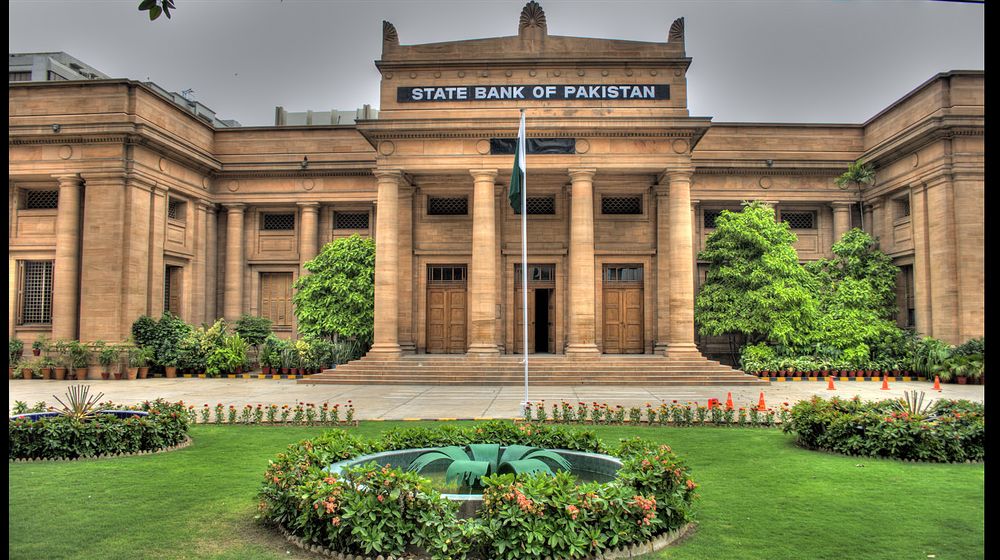
    If you have wondered in recent days what’s the real deal with the proposed changes in the State Bank of Pakistan law but have failed to understand the issue, perhaps this is just the right piece for you.

    Lately, there has been a lot of noise in the media about this issue. Many leading economists have claimed that this would mean compromising on government’s independence. Others have equated it to a deep conspiracy against Pakistan. But there are many contrarian voices as well, claiming that these amendments are justified and well needed. It’s time to put this debate to rest. Let’s objectively look at both sides of the argument and come to an independent conclusion.

    Firstly, why is there so much mistrust about the proposed amendments in the SBP Act?

    While there is always noise in the media, motivated by vested interests, it is hard to attribute all criticism to political motivations when it’s coming from multiple credible economists. There has to be a deeper reason for why so many people are apprehensive about it. There are a few cogent reasons. Pakistan is facing a fifth-generation war, and anything out of the ordinary is bound to raise eyebrows. Given our geostrategic location, it is not a farfetched idea that international powers could have a clandestine agenda. The fact that the current Governor State Bank is a former IMF employee has also not helped, given our eternal mistrust about the Bretton Woods institutions. People have confused two different issues: choice of the Governor and autonomy of the State Bank. Merely because the current governor is a former IMF employee, it’s a bit of a stretch to say that the proposed law will make the SBP subservient to the IMF. Lastly and most importantly, many economists have taken a clue from the recent past, when there was a hyper-reaction by the SBP to the headline inflation, which slowed down the economy. A legitimate question is what would prevent the State Bank from over-reacting in the future if Pakistan were to face similar circumstances.

    The second question is that where these amendments came from and why they are required.

    Pakistan has witnessed repeated boom-and-bust cycles that have taken a toll on national economic health. Many previous governments have spent generously to appease their voters and then got the State Bank to finance the ballooning budget deficits (by literally printing money). Under the government’s pressure, the central bank had kept the interest rates low and exchange rate overvalued to stimulate demand and drive growth. By the time the import-led consumption led to a crisis, it was the next government’s turn to run to the IMF yet again.  No one can deny that this pattern had to break.

    How can this cycle be broken?

    The IMF reports from 2008, 2013 and 2018 all highlighted SBP’s continued financing of large fiscal deficits and currency support operations draining external reserves and recommended enhanced autonomy for SBP with domestic price stability as the primary objective, flexible exchange rate policies and an end to direct lending to the government. Those who criticise the proposed amendments, unfortunately, have not come up with a better practical alternative.

    But the devil is always in the details. So what exactly has the IMF proposed?

    The IMF ran a safeguards assessment, which recommended ensuring full operational independence of SBP, making price stability the primary objective of the central bank, prohibiting monetary financing of public sector debt, and removing quasi-fiscal operations. It also suggested improving SBP’s governance, including creating a firewall between management and oversight functions, establishment of the Executive Board and protecting personal autonomy of members of SBP Board and Monetary Policy Committee. In addition, IMF also proposed strengthening legal provisions for audit and statutory mechanisms for sufficient capitalisation and profit retention.

    Let’s translate these proposed changes into simpler terms. What is the change that we actually need, which should not be unduly criticised?

    Putting an end to government’s direct borrowing from SBP, dissolution of Monetary and Fiscal Policies Coordination Board and removal of Secretary Finance from SBP’s Board, all aimed at cutting the cord between MoF and SBP. This is essential if we intend to remove the government’s influence on the State Bank to take politically motivated decisions.

    The tenure of the Governor also needs to be increased to delink his appointment from electoral cycle, depoliticise the Governor’s role and ensure policy continuity. The proposed tenure of five years is in line with other central banks including India. Some have criticised the provision for reappointment of the Governor, which is actually not new and was also present in the previous draft, albeit with a shorter tenure of three years.

    Then there has been a lot of criticism on proposing domestic price stability as the primary objective and ‘supporting general economic policies’ as a tertiary objective. No one has bothered to check that even the existing law does not mention supporting economic policies or growth as objectives of the SBP, and instead focuses on supporting the regulation and growth of monetary and credit systems. Moreover, putting price stability as a primary objective is not a novel concept and has been embraced by many countries. In fact, macro-economic stabilisation is critical for sustained economic growth and for preventing the boom-and-bust cycles – the kind we have repeatedly experienced.

    Nevertheless, the new law should mention sustainable growth as the ultimate objective. The Indian Reserve Bank Act also mentions price stability as its primary objective but keeping in view the objective of growth. But this would be a semantic change. The central bank cannot operate in isolation from the rest of the economy and ignore the growth considerations altogether.

    The proposed amendments also have a provision for the SBP to support growth. The end to quasi-fiscal operations would not mean the discontinuation of re-financing facilities, at least in the foreseeable future. These schemes have much lesser risk since the credit allocation decisions rest with the commercial banks, which in turn remain accountable for asset quality indicators, like non-performing loans, while the SBP steers clear of the credit risk.

    Another misunderstanding is about inflation targeting. Inflation targeting does not necessarily mean that SBP alone would be able to control inflation, especially if the country is facing supply-driven and cost-pushed inflation, and in the wake of weak monetary policy transmission mechanisms. But even in that situation, SBP’s interventions are required to mitigate the second-round effects of supply-driven inflation. However, given the track record, the SBP will also have to be cautious and not get carried away by inflationary concerns.

    There has also been much criticism about the new accountability clauses, especially the provision of getting prior permission of the SBP Board before NAB or FIA can initiate an investigation. But this is not an unusual concept in Pakistan. Securities and Exchange Commission enjoys the exact same protection under Section 41 (b) of the SECP Act. Why then fear it for the SBP?

    Moreover, a new accountability clause has been proposed to be added whereby the Governor will have to appear in person before the parliament, which wasn’t there earlier. Other than these, no accountability provision has been taken out from the existing law. 

    Furthermore, all SBP officials continue to be considered public servants and therefore subjected to Pakistan Penal Code’s stipulated offences for public servants (sections 161-171) including corruption. Similarly, the SBP’s accounts will continue to be audited by the Auditor General of Pakistan, besides two external auditors. In addition, the law now includes a conflict-of-interest clause, which will ensure transparency.

    Does this mean that all the proposed amendments are good, and nothing really needs to change? Not really. There are a number of proposed amendments that need reconsideration.

    For instance, the new law is not clear on who will set the inflation target. It should be made clear that National Economic Council is the legitimate forum to provide the target range.

    Similarly, the independent directors will now be appointed by the President, but on recommendation of the federal government. The only problem here is that the government will need to base its recommendations on list of candidates proposed by SBP’s Board itself, which seems cyclical and does not make sense. The federal government should be free to propose members who meet the requisite criteria.

    The section on removal of Governor has also been diluted, where previously they could be removed on breach of trust, but not anymore. Even the ground of serious misconduct has to be determined now by the court, which is ridiculous and needs to be fixed.

    Lastly, if the SECP Act is to be considered a benchmark for accountability clauses, then it should also be followed for other provisions. One can see that the newly inserted conflict of interest provision and the amended provision for removal of governor in the SBP Act are quite weak and must be strengthened in light of how these have been provisioned in the SECP Act.

    Most importantly, the question that we all need to ask is if there is anything for us to worry about the new SBP Act. Perhaps not as much as the media has portrayed.

    Many are confusing the issue of who occupies the seat of the governor with whether the central bank should be autonomous. The current governor might be from IMF, but that’s not always the case. So autonomy should not mean IMF controlling the central bank.

    Then, no matter what we write in the law, the parliament will always have the right to amend it. If we can change it once, we can always do that again. The President can even change it overnight through an ordinance if the parliament is not in session.

    Most importantly, there is a big difference between de jure and de facto power. By merely amending the law, the SBP cannot ignore the Prime Minister, the cabinet and the whole federal government.

    Lastly, before criticising the change and fearing the ‘new’, we must ask how the ‘old’ has delivered. We do know that it has not worked in the past, given our economic situation. So something must change.

    In short, we must understand that we do need to make SBP autonomous, or else it would continue to get exploited by the government to gain political advantages through expansionary fiscal policies. But we should not do it in a hush-hush manner and instead debate the proposed amendments in the parliament and only then pass them into law.

  • تاریخ کا قرض

    تاریخ کا قرض

    مجھے یاد پڑتا ہے کہ اکثر تحریک پاکستان کا مضمون اسکولوں میں اساتذہ کچھ اس طرح شروع کروایا کرتے تھے کہ ‘تحریک پاکستان کی بنیاد اس دن پڑی جب برصغیر میں پہلا مسلمان آیا۔۔۔’ ویسے ہمارے اس خطے کے لوگ بھی عجیب ہیں وہ محمد بن قاسم سے تو اپنی تاریخ شروع کرنے پر فخر محسوس کرتے ہیں لیکن اپنے اس خطے کی قدیم تاریخ سے اپنے آپ کو پرے پرے رکھتے ہیں نہ جانے یہ شرم ہے یا ارادی عمل۔


    ہم مسلمان ہیں اور اس پر ہمیں فخر ہے لیکن جس خطے میں ہم رہتے ہیں اس کی بنا پر ہمارا یہاں کی قدیم و جدید تاریخ سے بھی ایک رشتہ ہے اور جب تک ہم اس رشتے کی ملکیت نہیں لیتے اور اپنی آنے والی نسلوں کو نہیں پڑھائیں گے تب تک ہم کیسے اس کو یقینی بنا سکتے ہیں کہ ہم کہاں سے آئے اور کہاں جا رہے ہیں۔ گندھارا تہذیب کا گہوارہ ہونے کے باوجود ہمارے بچے مغل بادشاہوں کے نام رٹ رہے ہوتے ہیں اعتراض اس پر نہیں ہے افسوس اس پر ہے کہ اس خطے کی تاریخ کو ایک خاص نظر سے دیکھنے اور ایک خاص رنگ میں رنگنے کی کوشش کی گئی ہے۔ راجہ پورس کا سکندر اعظم کے تصادم ہو یا بھگت سنگھ کا برطانوی استعمار کے خلاف اقدام۔ ہمیں تو فخر کرنا چاہئے کہ اس خطے میں رہنے والے استعماری قوتوں کے خلاف لڑنے میں، اپنے حق آزادی کو حاصل کرنے میں اس خطے کے باسی ایک تاریخ رکھتے ہیں۔ تحریک پاکستان ایک حادثہ نہیں ہے بلکہ برصغیر کی جنگ آزادی میں ایک روشن مینار ہے یہ تاریخ کے تسلسل میں ایک واقعہ ہے ایک سوچا سمجھا ارادہ!! اس خطے کی جنگ آزادی کی تاریخ میں بھی ہماری ‘پک اینڈ چوز’ کی پالیسی رہی ہے اور ایک ایسا خطہ جو ہمیشہ اپنے اندر تنوعات کو جذب کر کے ایک نیا رنگ پیدا کرنے کی صلاحیت رکھتا تھا اسے ہم ایک خاص عینک چڑھا کر دیکھتے ہیں اور اپنی آنے والی نسلوں کو بھی ایسے ہی دولے شاہ کے چوہے بنانے پر مصر ہیں۔ قومیت ایک اچھی چیز ہے لیکن جب جارحانہ اور شدت پسند قومیت بزور بازو مسلط کرنے کی کوشش کی جائے گی تو حاصل جمع ملغوبہ ہی ہو گا۔


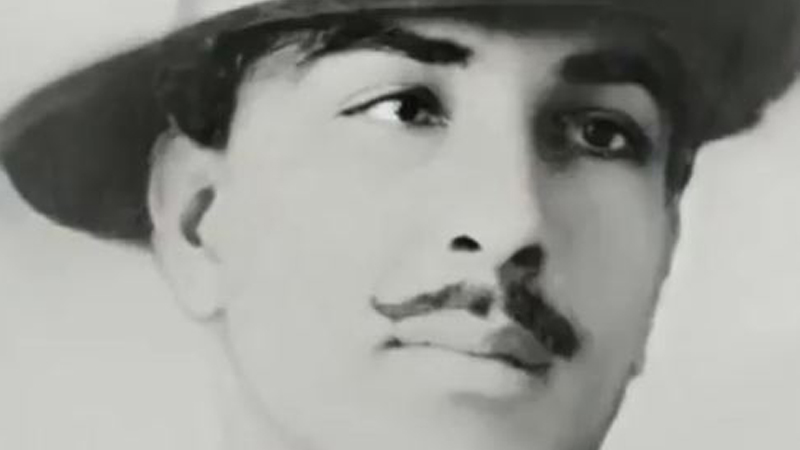
    ابھی 23 مارچ کا دن گزرا اور یوم پاکستان ہونے کے ساتھ ساتھ یہ بھگت سنگھ کی پھانسی کا دن بھی تھا لیکن اس کی بھی ہم نے ملکیت نہ لی حالانکہ بھگت سنگھ کو پھانسی لاہور میں ہی لگی تھی مزے کی بات یہ ہے کہ 23 مارچ کا دن ابتدائی برسوں میں یوم جمہوریہ کے طور پر منایا جاتا تھا کیونکہ 23 مارچ 1956کو پاکستان ایک جمہوریہ قرار پاتے ہوئے برطانوی عملداری سے مکمل چھٹکارا حاصل کر لیا تھا اور بھگت سنگھ بھی تاج برطانیہ سے مکمل آزادی کی جدوجہد کی علامت ہے۔


    بھگت سنگھ کو آپ مذہب کی عینک سے ہی کیوں دیکھتے ہیں یہ آزادی کی اس جنگ کا ایک سپاہی ہے جس نے اس خطے میں استعمار کو للکارا اور لاہور میں شادمان فوارہ چوک پر پھانسی چڑھ گیا لیکن ہم نے اس چوک کا نام اس آزادی کے ہیرو کو خراج تحسین پیش کرنے کی کوشش کو بھی ایک مذہبی معاملہ بنا دیا۔ پاکستان اور بھارت میں امن کا راستہ بھی ہماری مشترکہ تاریخ سے ہو کر نکلتا ہے جب دونوں طرف ہم اپنے اختلافات کے بجائے مشترکات کو مقدم رکھیں گے جب دونوں طرف اس مشترکہ تاریخ پر فخر کیا جائے گا۔ آج لاہور پر ہی صرف نظر دوڑائیں تو ایک ستم ظریفی سامنے آتی ہی کہ سر گنگا رام کے کئے گئے کام سے فیض تو اٹھاتے ہیں لیکن اپنی تاریخ میں انہیں وہ جگہ دینے پر تیار نہیں جس کے وہ متقاضی ہیں۔ ہماری سائنس کی کتابوں میں جابر بن حیان اور ابن الہیشم کو تو پڑھایا جاتا ہے لیکن ماہر طبیعات سبرامنین چندراشیکھر کو نہیں جو لاہور میں پیدا ہوئے اور پھر علم طبیعات اور فلکیات میں ایسا نام پیدا کیا کہ خلا میں Chandra X Ray Observatory انکے نام سے منسوب ہے میں سوچتا ہوں کہ یہ آبزرویٹری جب خلا میں لاہور پر سے گزرتی ہو گی تو چندرا شیکھر بھی ضرور اپنی جائے پیدائش کو دیکھ کر مسکراتے ہوں گے ویسے ہی جیسے برصغیر کی آزادی کا ذکر ہوتا ہے اور اس میں لاہور کا نام آتا ہے تو بھگت سنگھ بھی مسکراتا ہو گا۔ یہ خطہ اپنی تاریخ میں بہت زرخیز ہے بس ضرورت اسکی ملکیت لینے کی ہے۔

  • Is Sadequain really such a dangerous export?

    “We seem to still be struggling with our sense of identity. And this makes us prone to blocking all history and ethnicity that does not conform to a narrow conservative identity.”

    A friend in the UK recently had a bizarre experience involving Pakistan Customs.

    She had bought two volumes of a massive art book on the acclaimed and much decorated artist Sadequain. She assumed the whole process would be straightforward and that the books would arrive in two days so she could proceed to gift them to people who were interested in Pakistani art, but then the air shippers informed her that the Customs people at Karachi airport were refusing to allow the book through. Their reason? That it contained inappropriate/objectionable pictures or “na munasib tasweerain”.

    It is a little disturbing that Customs officials should think it’s okay for them to decide what is and is not appropriate content in a book, in this case a book documenting the work and life of one of Pakistan’s greatest artists. Especially when the artist in question is nationally well recognised and the recipient of such national awards as the Tamghae Imtiaz and the Pride of Performance.

    So, what does this incident tell us about modern day Pakistan? Does it indicate that everybody, at every level, considers themselves some sort of custodian of moral and social values? Or is this incident just an example of the absurdity of bureaucratic process and a red tape mentality?

    It’s probably a bit of both: it is not just religious and social prejudices and a mindset of morality policing that are driving factors in such behaviour, it is also a culture of that strange mix of megalomaniac tendencies and job insecurity that exists within the bureaucracy.

    Here the officials could have been playing it safe and working from precedent (the book had been stopped once before when it was being sent by DHL) or they could have simply been asserting their power to obstruct or approve – i.e. their ‘afsari’. Or perhaps in their personal role of moral custodians they were genuinely horrified by the content and the title (Sadequain ­– The Holy Sinner) and thought such “inappropriate” content should not be exported lest the pristine reputation of the country be sullied.

    This incident is unsettling because it shows not just the arbitrary nature of official “approvals” but also the national tendency towards moral policing, censoring and disapproving. It is also a reminder that the nation has still not been able to come to terms with, and appreciate, its own history and culture. Any other country would have made sure that not just the world but also the people of Pakistan knew about the genius of Sadequain. Any other country would have encouraged publicity, research and work about the artist, any other country would have capitalised on the association. But we seem to still be struggling with our sense of identity. And this makes us prone to blocking all history and ethnicity that does not conform to a narrow conservative identity, insisting instead, that the history of the land began only with some Arab conquest.

    This narrow definition of identity encourages people to be blind to the rich history of the country and to neglect and destroy monuments to early civilisations and peoples. It makes people close their minds to the work of those artists and writers who seek to explore ideas and question norms. It makes people ignorant of the art and culture around them and insensible to the fact that art and expression matter. Cultural censorship is a dangerous path to go down, but we are seeing a simultaneous resurgence and questioning of this all over the world. It is made worse by the rise of right-wing nationalist narratives and reactionary movements like the ones that portray the oppressors as the “victims”.

    These are big questions and by this point you might just be thinking ‘well, perhaps the customs officials were just trying to make a quick buck?’ But even if that were the case, the fact that an art book should be considered an opportunity to do so underlies the issue of what is and is not “appropriate” for the reputation of a country (surely jihadists were a more negative export than any art books).

    But this particular story might yet have a happy ending. The customs officials let the book through after my friend sent in as much information as she could about the artist and the book. She had asked them to put their objections in writing if they were going to stop the book, but this they had been reluctant to do. So perhaps to get rid of her noise, or perhaps because they were otherwise persuaded or perhaps because they had better things to spend their time screening and stopping (drugs, smuggled goods) they let the book through.

    It hasn’t been received yet but hopefully it should be soon. In the meantime, we can both laugh and cry at the absurdity of the matter. And we can reflect on what it tells us about Pakistani society today.

  • PSL and PCB’s buffoonery

    PSL and PCB’s buffoonery

    The coronavirus pandemic has turned all the world’s industries upside down and sports has been no exception.

    The resumption of sporting events after the outbreak of the pandemic has been nothing short of a blessing for the fans as well as the players but its success was contingent upon whether the players would comply with the COVID protocols or not. There can be no denying that staying inside the bubble, not interacting with outsiders and playing in empty or half-empty stadiums would take a physical and psychological toll on them but it was expected of them to be acutely aware of their responsibilities and not to contravene the rules. However, the reality was different as the matter was handled carelessly and scores of players flouted the restrictions. The same was the case in PSL 2021, as a consequence of which, it has screeched to an indefinite halt.

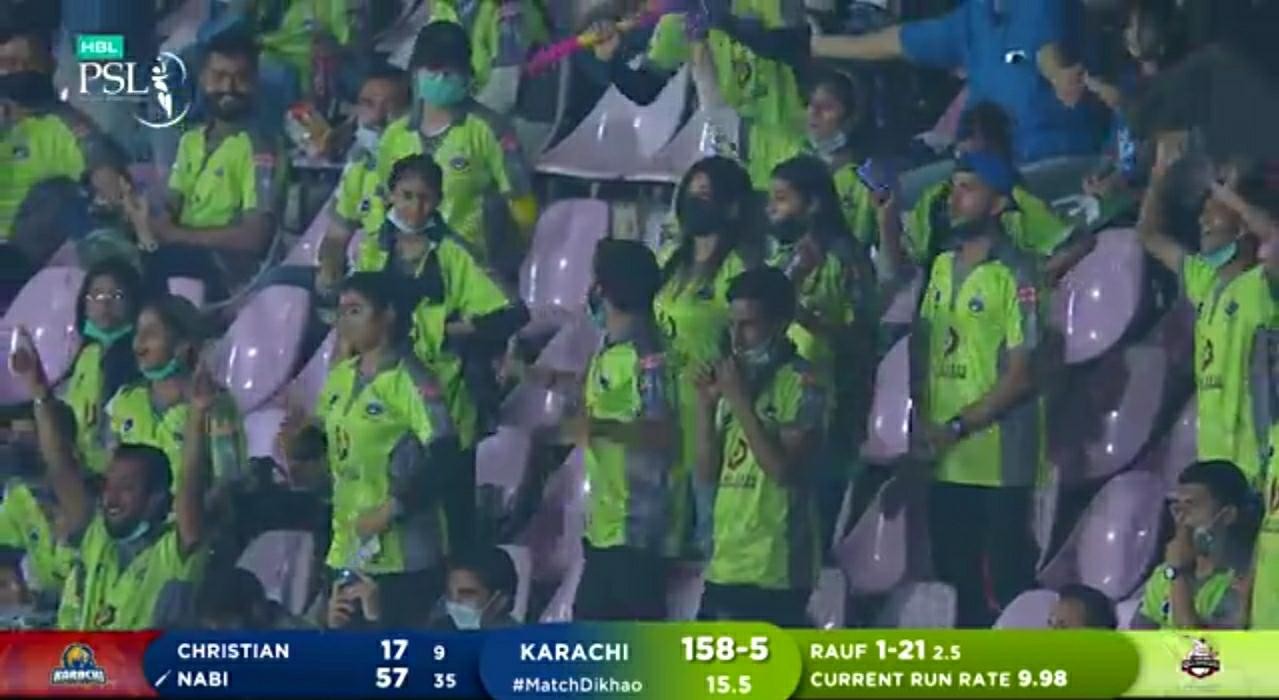
    The guidelines explicitly mentioned that anyone who attends the game would be required to wear a face mask throughout the duration of the game and observe social distancing. However, as the screengrab from one of the matches below shows, the implementation of these rules was nowhere to be seen.

    Even worse, celebrities and social media influencers like Shahveer Jafry and Dananeer Mobeen were seen interacting with the players and team owners making an absolute mockery of the health protocols. None of the breaches mentioned thereof went unpunished thereby setting a wrong precedent.

    Following the news of Australian leg-spinner Fawad Ahmed testing positive for the virus, the Pakistan Cricket Board (PCB) should have been more cautious and stringent with restrictions but instead, Multan Sultans bowling coach Azhar Mahmood was allowed to throw a birthday party that was also attended by a number of players. This surge in the virus cases, due in large part to management’s carelessness (six players and one member from the team officials tested positive), behooved the PCB to postpone the league who had no option but to swallow the bitter truth that they have been incompetent in ensuring that the tournament is smooth sailing.

    The blame-shifting game instantly began, media outlets started peddling hyperbolic and even false reports and overseas players (on the condition of anonymity) averred that the bio-secure bubble was not well-maintained. PSL is in its boom years and is improving over time but untoward incidents like these will blemish its image.

    Responding to the backlash in his presser, PCB’s Chief Executive Wasim Khan admitted that they weren’t equal to the task.

    “It was a great disappointment for us that we found ourselves in a situation where neither us nor others are able to provide what we need to provide and that is the full protection for players,” Wasim said.

    “This is a collective effort that we all had a responsibility to actually police and self-police that environment. Unfortunately, we weren’t able to do it effectively enough. Hence, we find ourselves in this situation today,” he added.

    As in, the uppermost task on PCB’s plate now is to find a window in a jam-packed schedule in which it can hold the remaining games of the league. Pakistan is set to play South Africa in April followed by a tour of Zimbabwe but reports suggest that Pakistan will push these tours to accommodate the remaining matches of the league.

    I’m no epidemiologist thus it would be naïve to comment on the spread of the virus and measures to mitigate the virus but it is not rocket science to understand that carelessness over a deadly contagious pandemic is downright buffoonery. There’s no point in crying over spilt milk but whenever the PSL resumes, PCB should ensure that it learns from its mistakes and the remaining tournament goes without any chaos untoward incident.

  • What’s wrong with CSS Exams?

    What’s wrong with CSS Exams?

    Do you know the meaning of the words ‘deracinated’, ‘bericloge’ and ‘hegiographic’? Probably not. I don’t either. And it doesn’t matter. (One of them perhaps is not even a word.)

    But it does matter to Federal Public Service Commission, as evident from a recently leaked question on social media, taken from the CSS 2021 English paper.

    CSS is the sought-after competitive exam, a gateway to the central superior services of Pakistan. A good result can potentially land you into a socially lucrative civil service job, while a bad result can waste years of hard work.

    Thousands appear for the exam every year and about 300 lucky individuals get through and get allocated across twelve service groups. These thousands of candidates often spend years preparing for the exam. While it is understandable that an exam of this level should be difficult, it doesn’t necessarily have to be unreasonable.

    I also appeared for CSS about 22 years ago and landed amongst top ten positions. Yet I’m not embarrassed to admit that had I been given this question, I would have failed. Probably many deserving candidates did this year.

    And for what? The answer to this question is by no means a measure to assess someone’s competence. But one unreasonable question can play havoc with years of hard work and it probably did.

    Why FPSC would do that is best known to them but one can speculate that it’s either the result of poor-quality control or manifestation of a decades-old mindset. The latter seems more plausible as indicated by many other leaked papers and questions.

    After seeing these baffling questions, I picked up the phone and called a retired federal secretary. I asked him about his own experience when he appeared for the competitive exam 53 years ago. What he told me was not very different from what I had experienced in my own exam. And when I looked at more recent CSS question papers, it dawned on me that they have hardly evolved.

    But these unreasonable question papers are only one of the things wrong with how CSS exams are conducted. There are many others.

    Firstly, they are inefficient. About 18,000 candidates appear for a total of 12 papers, out of which only 300-400 clear this written exam.

    Secondly, besides the outdated and complex structure, the pattern of exams is such that candidates can often game the system or get an undue advantage based on disparity in how different subjects are scored.

    Thirdly, these exams, even including a psychological test, do not sufficiently reveal the personalities of these candidates.

    With all the developments in technology and recruitment practices, why has the government failed to reform the CSS exams? And more importantly, how should these be reformed?

    Let’s first look across the border at Indian civil service, which like Pakistani civil service, was inherited from a British system. About 1.1 million candidates apply for superior services in India. They take about 500,000 to an initial screening test called ‘prelims’. Most of the candidates are left behind at this stage and approximately 1 out of every 50 candidates taking prelims is taken to the full-scale competitive exam called ‘mains’ comprising nine papers. The last stage is the interview, after which about 750 candidates are selected for various services.

    Although Indian system is better than us, since they have a much more efficient screening system, it is also not ideal. But for starters, it does indicate that Pakistan should also embrace screening to save costs and make the whole process much more efficient. Similar to a standardized test like SAT or GMAT, the results can remain valid for three to five years.

    But let’s also look for a better system. UK perhaps is a good example to see, since we have essentially inherited this system from them. But they did not remain frozen in the 1940’s and have moved on.

    The UK civil service follows a four-stage recruitment process. The first stage is the ‘application sift’ to screen the applicants. UK civil service requires writing a personal statement, a standard practice for international undergraduate and graduate admissions, unlike the CSS application that is limited to biographical and academic information.

    The second stage consists of standardized tests taken to narrow down the applicants’ pool to about 20 per cent of the candidates, through a simple, efficient, automated and low-cost process. The test includes questions on functional knowledge of contemporary issues or on standard IQ.

    The third and the most critical stage in the UK civil service recruitment is a two-day assessment center. The assessment center method has gained immense popularity in recent years and has been widely adopted by public and private sectors. The method includes a standardized evaluation of behavior based on simulations, interviews, group activities, etc. to help in revealing various aspects of a candidate’s personality. Since this is a resource-intensive method, very few candidates are taken to this stage.

    Pakistan’s CSS recruitment excludes this most important stage altogether and instead relies on a primitive psychological evaluation that leads to suitability restrictions on a handful of candidates.

    The fourth stage is the panel interview, which is very similar to the final CSS interview, but by then it can hardly compensate for the critical weaknesses in the first three stages of the CSS exam.

    Why are we living in the past? Why are we making it difficult for people to qualify for the competitive exams? And why are we employing arbitrary measures to narrow down the pool? It’s time to answer these questions and change the way CSS exams are conducted.

    Note: A shorter and partially different version of this article originally appeared in Express Tribune on 23rd February, 2021.

  • The denial of COVID and cult of the self

    When it comes to pandemics and public health problems the key to success in dealing with these is widespread compliance and public cooperation. These are not situations where people can just decide they don’t want to follow the rules.

    The coronavirus pandemic has ravaged the globe and decimated the world population: in just over one year, COVID-19 has claimed around two and a half million lives and has mutated into at least two newer and more deadly strains of itself.

    The virus has proved to be a formidable enemy, always staying a few steps ahead of the scientists and public health experts but, as these experts have pointed out repeatedly over this last year, that is exactly the challenge with viruses – to stay several steps ahead of them and for this strategy to work everybody needs to listen to the health authorities.

    “Public health has to be a shared responsibility – it’s not about individual choice”

    Not abiding by pandemic rules and guidelines is the equivalent of switching all your lights on during a blackout in a traditional war – it gives your enemy the advantage of being able to attack and destroy you.

    Flouting blackout rules so flagrantly would provoke recrimination and accusations of being irresponsible and unpatriotic, of being a danger to the people in your community and country, yet in the case of the COVID deniers, covidiots and vaccine cynics such careless behaviour is justified on the grounds of individual freedom.

    All of last year, there were people grumbling about restrictions and insisting that the virus was a fabrication and that COVID-19 didn’t actually exist. Why governments would conspire to create this fiction was unclear when their own political standing and economies were being badly impacted was not really explained (or thought about) by the deniers.

    It was apparently some massive anti-people conspiracy. Restrictions were flouted in many countries in many ways –not wearing masks or not maintaining social distancing, organising illegal raves or going to secret hairdressers etc. Strict rules were declared to be a breach of individual freedoms and the question of liberty was much talked about.

    Why were people behaving in such an irresponsible manner? It seems to me that one major factor is that people who have not lived in a world where disease and pandemics are prevalent do not understand the concept of public health and vaccination programmes.

    Most people have forgotten the devastation caused by polio, smallpox, measles, mumps, tetanus and so many other diseases and viruses. Instead of regarding vaccinations as a blessing, they view these with distrust and consider them as an infringement of their freedom, a dastardly conspiracy by the authorities. This is true of most anti-vaxxers around the world and has been seen in practice (to deadly and chilling effect) in Pakistan where polio workers have been targeted and killed by the very people whose children they were trying to save.

    Then there is the capitalism factor. Capitalism is a selfish philosophy, a dog-eat-dog and every-man-for-himself approach that values individuals in monetary terms. Individuals in turn value everything solely in monetary terms and they tend to measure the worth of themselves and their peers according to the price tags attached to their lives.

    In a system where this thinking prevails public health campaigns with free vaccines and free advice are regarded with distrust, the perception is if it’s free and they are coming to us there must be something wrong with it’.

    Capitalism has also brainwashed us into thinking that social gatherings, clothes, pomp and ostentation are essential to our wellbeing. What else can explain the ridiculous insistence of people in Pakistan on going ahead with crowded weddings? (the insistence on mosque congregations was just as absurd but fuelled by a curious mixture of capitalist notions of individual liberty with the zealot brand or religion that is prevalent). And what else can explain the illegal raves and parties held in the UK during a lockdown?

    Capitalism has given people the idea that ‘choice’ is a basic right for them – whatever the situation. Because of this conviction, they think they can choose not to wear a mask, choose not to have the vaccine and ‘choose’ to do things that will kill or put others in danger (like the police officials who have to raid or restrain them for example).

    This is not that surprising considering the political and economic context of these times and it cannot be blamed on just individuals: governments and leaders must take much of the blame for decades of poor civic and public health messaging and remaining in thrall to financial investment, big money and the private sector.

    The idea of public health might have been easier to deal with if governments had focused more on the provision of clean water rather than delighting in the sense of prosperity that coffee shops and food franchises lent their economies. The absence of messaging on civic issues has resulted in societies that think they must have rights but no responsibilities. And it is this lack of a sense of collective responsibility that has resulted in this resistance to pandemic measures.

    Also, the (misleadingly named) trend of globalisation has resulted in countries becoming more selfish and less willing to work together. The World Health Organisation (WHO) has been increasingly weakened and ignored by a number of countries and was most notably undermined by the US at the beginning of the pandemic. A uniform global approach was not taken and the result is that the virus continues to spread and kill.

    If we have learnt anything from this virus and the handling of the pandemic the main lessons must be that we need to listen to the science and that we need to understand the collective responsibility we all have to keep our world safe.