Category: Opinion

  • ‘!نہیں، عورت’

    ‘!نہیں، عورت’

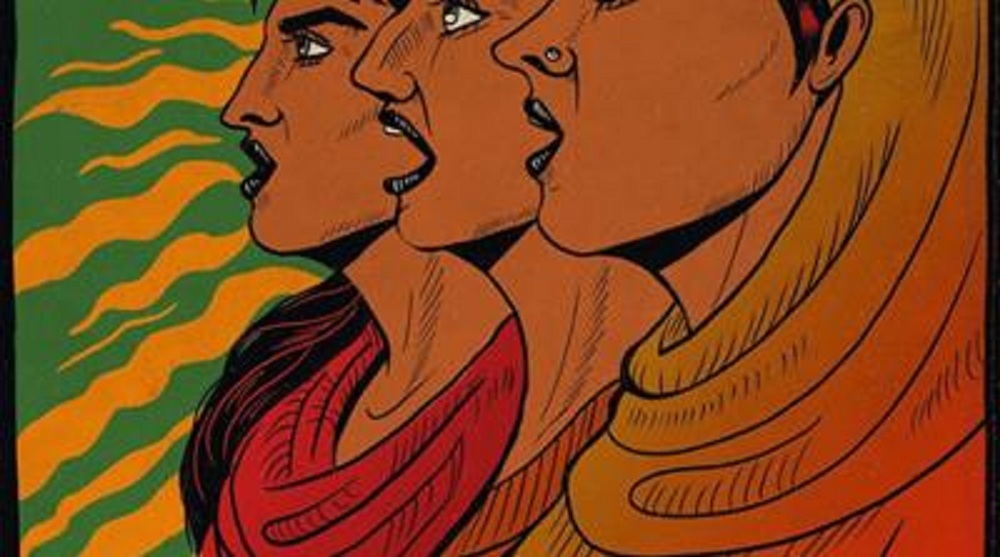
    میری زندگی کا محدود تجربہ مجھے یہی بتاتا ہے کہ لفظ “نہیں” کہنا سب سے آسان کام ہے . دِل نہیں کر رہا ، میں نے نہیں جانا ، میں نے نہیں كھانا ، یہ نہیں ، وہ نہیں ، بس کہہ دیا نہ نہیں . بچہ جب بولنا سیکھتا ہے تو اماں ابا کے علاوہ “نو” فوراََ سیکھتا ہے . بچے پر تو پیار آتا ہی ہے لیکن یہی لفظ وقت گزرنے کے ساتھ اتنا تلخ ہوجائے گا اندازہ ہی نہیں ہو پاتا اور یہ تلخی صرف اِس سماج کی عورت ہی سمجھ سکتی ہے . عورت اپنی زندگی میں ہر رشتے سے اتنی بار نہیں سنتی ہے کہ اب مجھے لگتا ہے کہ اُردو لغت میں “نہیں” کی جگہ “عورت” کا لفظ بھی اِستعمال ہو سکتا ہے .

    یہ کپڑے نہیں پہننے سے لے کر ایسے نہیں بیٹھنے تک ، یہ نہیں کا لفظ مسلسل اک تلوار بن کر عورت پر لٹکا رہتا ہے . لیکن اصل فرق اِس “نہیں” کا تب نظر آیا جب گھر کے مرد حضرات بغیر اِجازَت کے گھر سے باہر نکل جاتے جبکہ مجھے اپنے دماغ میں اک پُورا مضمون باندھ کر اپنی سہیلیوں سے ملنے کی اِجازَت لینی پڑتی، اور جواب کیا ہوتا ؟ نہیں . یقین جانئے ہم عورتیں اِس نہیں پر صرف حیران نہیں بلکہ پریشان بھی ہوتی ہیں . کیونکہ یہ”نہیں” ایک سیکنڈ بھی ضائع کئے بغیر منہ سے نکلتا ہے . ایسے جیسے ہمارے والدین کے ڈی-این-اے میں بیٹیوں کے لیے “نہیں” شامل ہے اور وہ کچھ اور کہہ ہی نہیں سکتے . ہم عورتیں اکثر والداین سے اِس “نہیں” کی وجہ پوچھتی بھی ہیں . کبھی والدہ کہہ دیتی ہیں “بیٹا آپ کے ابو کو اچھا نہیں لگتا” ، کبھی وہ کہتی ہیں “یہ وقت نہیں ہے جانے کا” ، کبھی وہ کہتی ہیں “کیا کرنا ہے جا کر ؟ ” ، کبھی وہ کہتی ہیں “ابھی اس دن تو گئی تھیں” جو کہ زیادہ تر 2 مہینے پہلے کی ملاقات ہوتی ہے ، اور کبھی ان کے پاس کوئی جواب ہی نہیں ہوتا . کوئی وجہ نہیں ہوتی . اور سب سے زیادہ خوبصورت وجہ اِس “نہیں” کی ہوتی ہے “بیٹا شادی کے بعد خاوند کے ساتھ جانا” . اِس وجہ پر تو میں بالکل ہونقوں کی طرح گھورتی ہی رہ جاتی ہوں کہ زندگی کا کوئی بھروسہ نہیں ، کل ہے یا نہیں . اور آپ مجھے میرے خاوند کی اِجازَت کا انتظار کرنے کو کہہ رہی ہیں ؟

    اور اگر باخدا اِجازت مل جائے، تو عورت کو اپنی ہی دوست کا پُورا شجرہ نسب بتانا پڑتا ہے . دوست کہاں رہتی ہے ، کتنے بہن بھائی ہیں ، وہ کیوں نہیں آ سکتی ؟ ، تم ہی کیوں جاتی ہو ہر بار ؟ ، اور کون جا رہا ہے ، اور کوئی کیوں نہیں جا رہا وغیرہ . بس گھر کتنے رقبے پر بنا ہے اور کتنی گاڑیاں ہیں جیسے سوال ہی رہ جاتے ہیں . ان تفصیلات کے ساتھ ساتھ ، یہ بھی بتانا لازم ہے کہ دوست کے گھر کتنی دیر میں پہنچو گی ، کتنے گھنٹے بیٹھو گی ، اور واپس کتنے بجے آؤ گی . یہ تفصیلات فراہم کرتے کرتے وہ عورت اک عجیب احساس جرم کا شکار ہوجاتی ہے . ایسے لگنے لگتا ہے کہ جیسے دوست سے ملنے نہیں بلکہ بہت بڑا گناہ کرنے جا رہی ہو . ملنا سہیلی سے ہی ہوتا ہے لیکن لگتا ہے کہ شاید کسی نامناسب انسان سے ملاقات کرنے جارہی ہیں .

    جہاں مرد حضرات گھر میں محض اعلان کر کے روز ہی باہر نکل جاتے ہیں ، ہم خواتین ہفتے میں دوسری بار دوستوں سے ملنے کا ذکر کریں تو آگے سے جواب ملتا ہے “بیٹا آپ پِھر گھر سے باہر ہی رہیں . گھر کیوں آنا ہے ؟ ” . ہم لڑکیاں دِل ہی دِل میں دعا کرتی ہیں کے ملنے کا پروگرام ہی ختم ہوجائے . کوئی قدرتی آفت آ جائے یا ملک میں ایمرجنسی لگ جائے ، لیکن خدارا ! کوئی دوبارہ ملنے کا مت کہے !

    ٹویٹر پر اِس موضوع پر بات ہوئی تو ایک صاحب نے کہا “آپ اچھی طرح سے پوچھیں تو کیوں نہیں جانے دیں گے والدین ؟ ” اِس سے زیادہ اور اچھی طرح اِجازَت کیسے مانگیں جب ہم اپنی دوستوں کا پُورا شجرہ نسب ہی بتا رہی ہیں ؟ اور کس طرح اِجازَت مانگیں جب ہم اپنے آنے اور جانے کا وقت بھی بتا رہی ہیں ؟ اور کس طرح اِجازَت مانگیں کے ہم ہفتے میں صرف ایک ہی بار نکل رہی ہیں ؟ اور کس طرح اِجازَت مانگیں کہ ہم اپنی ملاقاتوں کو بھی کم کرتی جا رہی ہیں کے کہیں والدین کو یہ نہ لگے کہ لڑکی ہاتھ سے نکل گئی ہے

    ہنسی تو اس بات پر آتی ہے کہ اجازت کا طریقہ بتانے والے خود اجازت لیتے ہی نہیں۔ نہ وہ دنوں کی قید میں ہیں اور نہ ہی گھنٹوں کی قید میں۔ نہ ان کیلئے دن کی پابندی ہے نہ رات کی۔ نہ ان پر عزت کی قید ہے اور نہ ہی بے عزتی کی۔ اگر قید ہے تو وہ ہے سوچ کی، جو نہ بدلی ہے اور شاید نہ ہی بدلےگی۔ عورت کیلئے صرف ایک ہی چیز بدلتی ہے۔ اس کا گھر۔ لیکن اس گھر میں بھی “نہیں” کبھی نہیں بدلتا!

  • Should cricket give Nickelodeonesque broadcast a go?

    Should cricket give Nickelodeonesque broadcast a go?

    Apart from the usual coverage on CBS Sports, NFL collaborated with Nickelodeon for a kid-friendly coverage of the Wild Card round of the playoffs game between the Chicago Bears and New Orleans Saints on January 10, 2021. Very soon after the broadcast started, umpteen fans of different sports like hockey, baseball and basketball took to social media to point out how the governing bodies of the sports mentioned thereof need a kid-friendly broadcast to attract young generation towards sports. Barring a few exceptions, I didn’t see many people discuss whether or not the International Cricket Council (ICC) should follow suit. So, in what follows, I expound on the idea of Nickelodeonesque broadcast of cricket. First, I will look at whether the NFL’s move was a success or not. Second, I will outline how the Nickelodeon broadcast worked by breaking down how it differed from the usual broadcast. Third, I will deconstruct if this type of broadcast can materialise for cricket in the same way it did for NFL.

    In terms of viewership, the Nickelodeon broadcast of Bears-Saints game was a gargantuan success. Per CBS, as many as 2 million viewers watched the Nickelodeon’s simulcast thus becoming the most-watched program on Nickelodeon in almost a demi-decade. Zoomph, a social media analytics tool, noted that the Nickelodeon stream of the Bears-Saints game generated almost $6 million in social media value. According to them, there were 73,323 tweets related to the topic on the weekend of the broadcast that garnered 402 million impressions and 2.2 million engagements.

    More important, however, was the manner in which this broadcast took the world’s leading sports journalists by storm. American sportswriter Richard Deitsch, in his column for The Athletic, wrote that the Nickelodeon broadcast of Bears-Saints “was enormously different and challenging and chaotic and fun”. Sports Illustrated’s Conor Orr wrote that the broadcast was a revelation for him and stripping the game of all its self-importance and hubris was an absolute delight.

    For those who don’t follow NFL or missed the game, let’s take a look at how the Nickelodeon broadcast was different from the usual one. There were slime cannons sprayed at the player whenever any touchdown was scored, match scores and statistics emblazoned on the field were done in eye-catching colours like bright orange, lime green and purple supplemented with players having googly eyes, hamburger hats and characters like SpongeBob and Patrick Star also popped up on the screen to capture the viewers’ attention. On top of all these, Iain Armitage, who starred as Sheldon Cooper in the CBS sitcom Young Sheldon, was at the helm to explain penalties and other rules of the game in an easy-to-understand manner. Kids, for whom the simulcast was designed for, admired the fun-themed broadcast. Keith Smith, writer at Yahoo Sports, RealGM and CelticsBlog, tweeted that when he asked his daughter about what she likes about the Nickelodeon broadcast, she replied: “They’re explaining it. Like, in a way I can understand it as a kid. And these graphics are cool!”. Former American football quarterback Kurt Warner heaped praise on Nick for the playoff’s simulcast.

    “My son loves @Nickelodeon but has never sat and watched a football game with me UNTIL today… I appreciate Nick introducing our kids to the game in a fun & entertaining way!”, he tweeted.

    Much to the delight of those who found the simulcast appealing, Sean McManus, CBS Sports chairman, said that they’ll be looking to do similar broadcasts in the future with other Viacom platforms such as MTV, VH1 and BET.

    It might seem churlish to say so but when it comes to innovation and being at par with other top sports of the world, the game of cricket is an also-ran. As we saw when the idea of reducing Test matches to four days in order to increase the viewership numbers of Test cricket was tossed around, it invited criticism from a large number of traditionalists notorious for clinging to the age-old archaic rules. For a similar reason, ICC has attempted time and again to get cricket inducted into the Olympics to be at par with the other sports and solve its viewership conundrum but all of its attempts have been in vain.

    Although every aspect of this simulcast was amazing but one thing that stood out for me and must be there in cricket is that Young Sheldon part. If you scour through the Marylebone Cricket Club’s (MCC) website, it is tough for a common man to wrap his head around the plethora of rules listed there. Many argue that in the Subcontinent, cricket runs in their blood. However, that is simply watching the game, not completely understanding it. Understanding the game, and I cannot emphasize this enough, is different from simply watching it just like studying a book is different from reading it. To trigger interest in those who do not watch cricket or to ensure that those who watch, their interest does not fade out, ICC needs to inject fun in the game because today’s generation needs fun in everything to escape the worldly chaos and sports is no exception. Also, who (apart from traditionalists) wouldn’t like batsmen or bowlers getting slimed after scoring a hundred or taking a fifer or animated characters popping to explain the situation of the game?

  • Will Pakistan get enough COVID-19 vaccines?

    Will Pakistan get enough COVID-19 vaccines?

    “If we are lucky to find a vaccine at $6-10 per dose, we would need a total of $540 to 900 million to acquire 90 million doses. Notwithstanding the existing allocation of $150 million and some vaccines as aid, it means that we are going to need much more money.”

    Will Pakistan get enough COVID-19 vaccines?

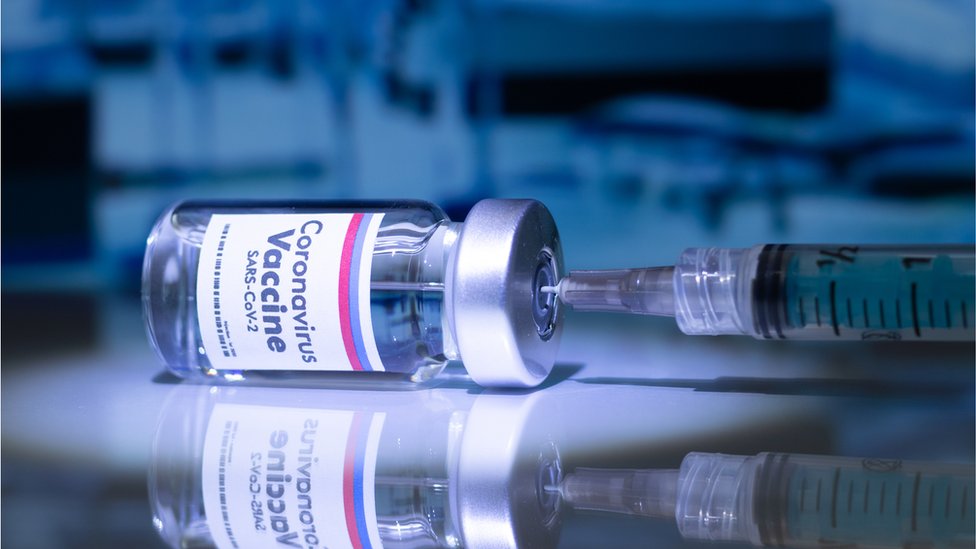
    Before we answer this question, we need to know how many vaccines we need. Pakistan has set a target to vaccinate 70 million people, out of its population of more than 220 million, to achieve “herd immunity”. Most of the COVID-19 vaccines in the market require two doses to be administered to each person. This means that we need at least 140 million doses, not taking into account any wastage.

    The next question we should ask is how many different vaccines there are in the market. So far, at least seven vaccines have been approved, out of which five have been approved for use outside their country of approval, including those by Pfizer, Moderna, Oxford-AstraZeneca, Sinopharm and Sputnik V. A number of other vaccines are in advanced stages of approval, including those by Johnson & Johnson, Novovax, CanSino and Bharat Biotech.

    Pakistan’s choice of vaccine will depend on three factors: price, storage and transportation requirement, and availability.

    The approximate per-dose price for Pfizer is $20, Moderna $10-50 (depending upon the quantity ordered), for Sputnik V less than $10, and for AstraZeneca $3-4. The price of Sinopharm’s vaccine is unknown but news reports suggest around $145 for two doses (or roughly $72.5 per dose). The price of Sinopharm seems excessive and it is not clear if Pakistan can get a discounted rate.

    The vaccines by Pfizer and Moderna need ultra-low temperatures to be stored. For instance, Pfizer’s vaccine needs to be stored at -75˚C, whereas that of Moderna needs -20˚C. This poses a serious challenge for developing countries like Pakistan, which have unreliable or mostly absent cold chains. Therefore, this handicap would prevent the wide usage of these vaccines in Pakistan. On the other hand, the Russian and Chinese vaccines as well as the one by AstraZeneca can be stored at standard refrigerator temperatures, making them much more suitable for us.

    The availability of vaccine, however, poses the most significant challenge. The manufacturers of all these vaccines have mostly booked their entire capacity for 2021 already. Some of them are now planning to further ramp up their capacity very quickly. Even the companies that are still in the final stage of vaccine trials have started to book orders from customers around the world.

    Looking at price and storage requirements, the Oxford-AstraZeneca vaccine seems to be the most suitable choice for Pakistan. However, AstraZeneca has gone into a partnership with Serum Institute of India for the supply of this vaccine to our entire region – South Asia. There is no reason to believe that Serum Institute would not prioritise Indian requirements over export orders. The rivalry between India and Pakistan is not going to help either. Sources suggest that while Serum Institute has indicated availability of the vaccine for exports by the third quarter of 2021, the volume that it would be able to provide to Pakistan remains unclear. There is also a chance that this stipulated timeline is not followed.

    This leaves Pakistan with the Chinese and Russian vaccines only.

    Incidentally, this is not a Pakistan-specific problem and instead a challenge faced by all low-income countries, which are struggling to acquire sufficient quantities of vaccine. Out of a total of 7.2 billion doses booked so far, 5.2 billion have been booked by high or upper middle-income countries, whereas 2 billion doses have been booked by lower middle-income countries, including 1.5 billion by India alone. So far, the low-income countries have booked no significant volumes of the vaccine.

    Nevertheless, it does not absolve the state of its responsibility to provide enough vaccines for its citizens and that too in a timely fashion.

    What has Pakistan done so far in this regard?

    We have so far adopted a three-pronged strategy. Firstly, we have joined the COVAX alliance, which is aimed at facilitating equitable access to COVID-19 vaccine. Secondly, the government is developing its own plan to acquire the vaccine and administer it through the public sector healthcare system. And lastly, the government has allowed the private sector to import the vaccine so that they can also provide them to those who can afford.

    COVAX is an alliance formed through efforts of the UN, WHO and GAVI. The Alliance is planning to make 2 billion doses available by the end of 2021 for high-risk and vulnerable populations. Out of this, 1.3 billion doses will be financed by donors and provided to 92 low and lower-middle income countries including Pakistan, targeting up to 20 per cent of their population, while the rest of 700 million doses will be made available to 80 wealthier nations that have joined COVAX, on a self-financed basis. Although COVAX, owing to its sheer size, has been able to secure some sizeable contracts for vaccine supply, it is not clear if it will be able to meet its ambitious target within the stipulated time. So far, COVAX has committed 50 million doses to Pakistan, which still leaves us with another 90 million doses to procure to meet the target of 140 million vaccine doses.

    For government’s own vaccine procurement, Pakistan has so far allocated $150 million to provide vaccines for the most vulnerable 5 per cent of the population. Reportedly, the government is also negotiating with development partners to get another $100 million. So far, the government has only confirmed booking for one million doses of the Sinopharm vaccine. In addition, China has also announced providing 0.5 million doses to Pakistan free of cost. These 1.5 million doses would be enough only for 750,000 people or 1 per cent of the targeted population.

    The price of the Chinese contract is unknown but if it’s anywhere close to $72.5 for a dose, then it would have taken $72.5 million or almost half the allocated amount. If, however, the Chinese have given the vaccine on a discount, it might have left us with more money.

    Although the government’s permission to allow private sector import of the vaccine is a good step, it is unlikely that the private sector would get a significant vaccine supply in 2021.

    If we are lucky to find a vaccine at $6-10 per dose, we would need a total of $540 to 900 million to acquire 90 million doses. Notwithstanding the existing allocation of $150 million and some vaccines as aid, it means that we are going to need much more money.

    Pakistan needs to act fast, mobilise financing and secure supply contracts from Chinese, Russians and those manufacturers that are in advanced stage of trials to get a timely supply of the vaccine. Then comes the challenge of vaccinating the massive target of 70 million people.

    In short, Pakistan may get enough vaccine, but it is likely to take more than a year. Given the current situation, it seems that Pakistan is not likely to meet its vaccination target before the second half of 2022.

  • انگریزی کا ہیضہ

    انگریزی کا ہیضہ

    کہنے دیجئے کہ  ہمیں بطور قوم انگریزی کا ہیضہ ہو گیا ہے  ۔ جی چاہ رہا ہے کہ    ملک کے   انگریزی سے نابلد عوام کو بتاؤں کہ تم کیا  اردو  یا کسی اور زبان میں خیالات کی چڑیا اڑاتے رہتے ہو انگریزی زبان کے در پر اپنا ماتھا ٹیک دو گیان وہیں سے ملے گا۔    کینولی والی خواتین  کی تحقیر آمیز ہنسی ، مینیجر اویس کی واضح بے چینی  معاشرے میں زبان کی بنیاد پر پائی جانے والی ایک نا محسوس لسانی تقسیم    کی طرف اشارہ کرتی ہے  جو باقاعدہ طبقاتی تقسیم میں ڈھل گئی ہے۔  تقسیم در تقسیم کے شکار  معاشرے میں اگر کوئی کمی رہ گئی تھی تو  اس پر   انگریزی زبان  کی بنیاد پر پائے جانے والے احساس کمتری نے  چار چاند  لگا د ئیے ہیں۔

    اس واقعہ نے اور کچھ نہیں کیا سوائے اسکے کہ ہمارے روز مرہ کے معاشرتی رویوں کی ایک جھلک دکھا دی ہے جہاں    انگریزی بولنے  پر اگلے کے دل میں ویسے ہی ایک رعب پڑ جاتا ہے کئی در تو صرف دو فقرے بولنے سے ہی کھل جاتے ہیں چاہے سامنے والا زیادہ عقلمند اور صاحب علم کیوں نہ ہو اسکی ساری قابلیت انگریزی زبان نہ جاننے کی بنا پر ٹھس ہو جاتی ہے۔ بھائی انگریزی ایک زبان ہے جیسے باقی زبانیں ہوتی  ہیں اس میں کون سا سرخاب کے پر  لگے ہوئے ہیں  ہاں اسے  بولنا سیکھنا ایک مہارت یا اہلیت تو گردانا جا سکتا ہے  فوقیت نہیں ۔ ہاں اگر انگریزی زبان کی وجہ سے زیادہ ارفع و اعلیٰ خیالات آتے ہوتے تو بات بھی تھی لیکن افسوس سوائے اسکے مجھے تو کوئی ایسی خوبی نظر نہ آئی کہ انگریزی زبان دنیا میں رابطے کی بڑی زبانوں میں سے ایک ہے اور شاید مختلف بولیاں بولنے والوں کے درمیان پل کا کام کرتی ہے۔  اس  میں  میسر علمی مواد  بھی اچھا خاصا ہے لیکن روسی ،چینی ، ہسپانوی اور دیگر زبانوں میں بھی اسی پائے کی چیزیں پائی جاتی ہیں بلکہ بعض زبانوں کے ادب ، فصاحت و بلاغت کے سامنے تو انگریزی زبان پانی بھرتی ہے۔

    خلا میں روسی انگریزی زبان جاننے کی بنا پر تو پہلے نہیں پہنچ گئے تھے یا چین کی معاشی ترقی کا راز انگریزی زبان کی وجہ سے تو نہیں ہے بلکہ عظیم چینی رہنما چو این لائی سے منسوب جملے کے بقول ‘ چین گونگا نہیں ہے’۔ صاحب دوسری زبانو ں کو چھوڑئیے اپنی  اردو کوہی لیجئے  بھلا  میر غالب کے پائے کا شاعر اور داستان امیر حمزہ جیسی دیومالا  جس زبان کے پاس ہوں اسے تو بڑے چاؤ  اور ناز سے  رکھنا چاہئے۔ یہ الگ بات ہے کہ ہم نے اسے نصاب کے رٹوں تک محدود کر کے رکھ دیا ہے ۔

    خیر بات بھی کہاں سے کہاں نکل گئی دیکھنا یہ ہے کہ  اس  واقعہ سے حاصل کیا ہو گا؟ سماجی رابطوں کی ویب سائٹس پر ہر ایک نے اپنے دل کی بھڑاس نکال لی، جی بھر کر صلواتیں  سنائیں اویس صاحب کو ان لوگوں نے بھی نوکری کی پیشکش کر دی جو اپنے ملازمین کو چھ چھ ماہ تنخواہ کی مد میں  لٹکائے رکھتے ہیں  ، ہاں جو چیز ہم   بھول گئے  وہ یہ کہ  دو خواتین جو ایک زبان پر پوری طرح سے مہارت نہ رکھنے پر ایک دوسرے انسان کا مذاق اڑا رہیں تھی وہ کوئی اور نہیں میں اور آپ تھے۔ کیا  انگریزی زبان نہ جاننے یا اس پر پوری قدرت نہ رکھنے کی بنا پر ہم  بھی  کیا دوسرے کا مذاق نہیں اڑاتے ؟ کیسا لگا آئینہ میں اپنا اصل روپ دیکھ کر جس پر پتا نہیں کس کس ریا کاری کی پرت چڑھا رکھی ہے  اصل میں  ہم نے کبھی اس گٹر کے ڈھکن کو اٹھانے کی زحمت ہی نہیں کی جہاں زبان کی بنیاد پر ، رنگ اور شکل کی بنیاد پر  اور کسی دوسرے انسان  کے رہن سہن کی بنیاد پر اسے اپنے سے نیچا سمجھا جاتا ہے۔

    اگرچہ اس واقعہ میں  مظلوم اردو بن گئی ہے لیکن  کیا یہی معاملہ ہم اپنے ملک کی دیگر زبانوں کے ساتھ نہیں کرتے ؟ پشتو، پنجابی ،سندھی اور بلوچی بولنے والے کو اردو میں بات کرنی پڑ جائے تو اسکا مذاق بن جاتا ہے ۔ اسی لئے مسئلہ اردو انگریزی کا نہیں    بلکہ ، عدم برداشت، معاشرتی رویوں اور سماجی آداب کا ہے ہم سب کے اندر چھوٹی چھوٹی کینولی آنٹیاں بستی ہیں ، ان کو صلواتیں سنانے سے پہلے اپنے گریبان میں بھی جھانک لیجئے۔

  • !پتا نہیں عمران خان

    !پتا نہیں عمران خان

    یہ کہنا مبالغہ آرائی نہ ہوگی کہ میں نے اپنی 70 فیصد زندگی “پتا نہیں ” کہہ کر گزاری ہی ۔ کوئی پوچھے کہ کیا کھانا ہے، میرا جواب ہوتا ہے ” پتا نہیں ” کوئی پوچھے کہ جانا کہاں ہے ،میرا جواب ہوتا ہے ” پتا نہیں ” ،کیا پہننا ہے ،کس سے رابطہ کرنا ہے، کیا دیکھنا ہے، کیا پڑھنا ہے، زندگی کا کوئی بھی کام ہو ، میری کوشش ہوتی ہے کہ ” پتا نہیں ” کہہ کر ہی مسئلے کا حل نکل آئے گا ۔ مسئلے کا اگر حل نہ بھی نکلے تو کم از کم میرے فیصلے سے مسئلہ نہ ذیادہ خراب اور نہ ہی سہی ہوتا ہے۔

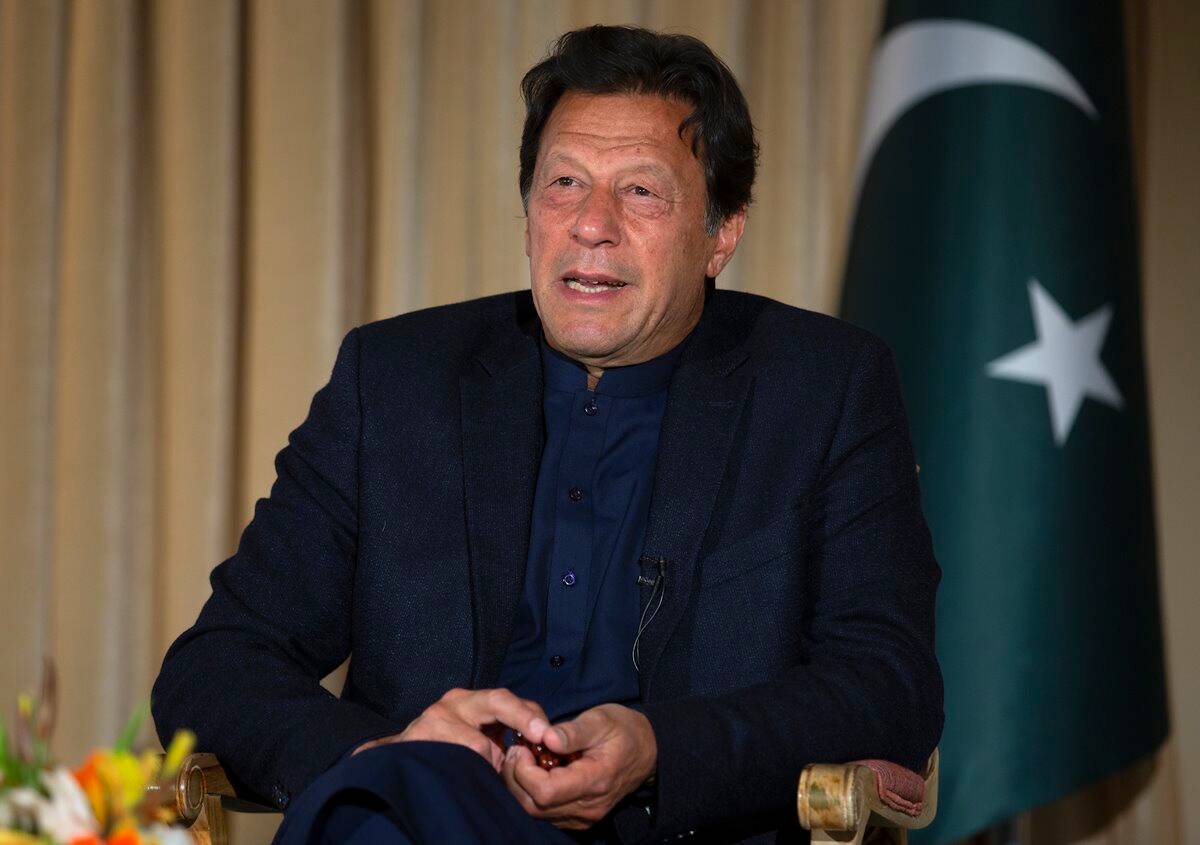
    یہ تو خیر میری نجی زندگی کی روداد ہے ،لیکن یہ ” پتا نہیں ” کی عادت تو ہماری موجودہ حکومت نے بھی اپنا لی ہوئی ہے۔ بے نیازی اپنے محبوب میں تو اچھی لگتی ہے لیکن اپنی حکومت میں اس قدر بے نیازی دیکھ کر میرا پتا نہیں بھی ” لگ پتا گیا ” بن چکا ہے ۔ میں یہ پورے وسوق سے کہہ سکتی ہوں کہ اس ” پتا نہیں ” نے زندگی میں مجھے کچھ خاص آگے نہیں پہنچایا ۔لیکن موجودہ حکومت کو شاید یہ پہلے سے ہی معلوم ہے کہ وہ شاید عمر بھر اب شہرِ اقتدار سے نہیں جائے گی ۔ میرے وزیر اعظم عمران خان ،جو ذرائع کے مطابق اس ملک کو چلانے کے ذمہ دار ہیں ، نے اپنے دور حکومت میں اکثر و بیشتر بڑے خوبصورت انداز سے اپنی بے نیازی کا اظہار کیا ہے ۔ کبھی وہ بڑی معصومیت سے کہتے ہیں ” مجھے تو پتا ہی نہیں تھا ” ، اور کبھی کہتے ہیں “مجھے تو ٹی وی سے پتا چلا ” اور کبھی وہ کہتے ہیں ” مجھے تو میری بیوی بشریٰ نے بتایا ” ۔ مجھے ان کی بے نیازی پر ہمیشہ عمر اکمل یاد آ جاتے ہیں جنہوں نے ایک بار کہا تھا ” مجھے نہیں پتا وہاں کیا ہو رہا تھا” ۔ یہ جملہ شاید عمر اکمل نے بھی اس حکومت کے لیے ہی کہا تھا۔

    ہمارے وزیرِ اعظم ایک نجی ٹی وی کو انٹرویو دے رہے تھے جس میں میزبان کی جانب سے مہنگائی پر سوال اٹھایا گیا ۔ سوال میں پوچھا گیا عوام کیا کرے کیسے گزارا کرے ۔ میزبان کا کہنا تھا کہ لوگ خود کشیا ں کرنا شروع کر دیں گے ۔ جس پر ہمارے وزیر اعظم نے کہا ” تو پھر کیا کریں؟ ” میں نے یہ جملہ کافی بار سنا تا کہ مجھے یقین آ سکے کہ کوئی ایسا بھی ہے دنیا میں جس کو مجھ سے ذیادہ ” نہیں پتا ” ۔ ابھی اس ” پتا نہیں ” سے شناسائی بڑھ ہی رہی تھی کہ وزیرِ اعظم عمران خان نے کہا ” ہم 5 سال کے لیے آتے ہیں ، کچھ سمجھ نہیں آتا اور وقت گزر جاتا ہے ” ۔ پھر وزیراعظم نے ایک محفل میں یہ بھی کہ ڈالا کہ “ہمیں حکومت میں نہیں تھے تو کچھ نظر نہیں آتا تھا”۔ لیکن عمران خان صاحب! آپ کو تو اب بھی کچھ پتا نہیں چل رہا! یہ ایسے ہی جیسے آپ کسی ایسی شادی میں جائیں جہاں نہ آپ کسی کو جانتے ہوں ، نہ کوئی آپ کو جانتا ہو ۔ اور ادھر ادھر دیکھنے میں ہی وقت بیت جائے۔
    ملک میں کورونا اسی طرح پھیل رہا ہے جیسے وفاقی حکومت کی کیبنٹ پھیل رہی ہے ۔ہم جو رو رہے تھے کہ چین کی ویکسین سے خاص فرق نہیں پڑنا، اسی دوران وزیر اعظم کے معاون خصوصی ڈاکٹر فیصل نے بتایا کہ پاکستانی حکومت نے تو ویکسین کا آرڈر ہی نہیں دیا ۔اور شاید حکومت کو یہ بھی نہیں پتا ویکسین کون سی خریدنی ہے ۔ عمران خان کہتے تھے کہ باہر سے لوگ پاکستان آئیں گے نوکریاں کرنے ۔فالحال تو باہر سے صرف کورونا آیا ہے، اور وہ شاید کہیں جانے بھی نہیں والا ۔اسی “پتا نہیں ” کے سحر میں دو دن پہلے کپتان نے کہا کہ مہنگائی پر جلد ہی قابو پا لیں گے ۔اور آج میں نے پٹرول سے لے کر میری جینے کی تمنا تک کو مہنگا ہوتے دیکھا ۔
    مزے کی بات یہ ہے کہ وزیر اعظم اپنے ہر خطاب میں ہمیشہ کہتے پائے گئے ہیں کہ ان کو سب پتا ہے ۔ ہم ان کی بات سے متفق ہیں۔ لیکن جو ہمارے کپتان کو پتا ہے وہ نہ کہنے کے لائق ہے اور نہ سننے کے لائق ہے۔ جس کی سب سے بڑی مثال شیعہ ہزارہ کا دلخراش واقعہ ہے ۔کپتان کو یہ کہیں سے پتا چل گیا کہ لواحقین ان کو بلیک میل کر رہے ہیں۔نا صرف یہ،بلکہ جیسے جرمنی اور جاپان کی سرحدیں ملائی تھیں، اسی طرح ہزارہ شیعہ کو ڈاکو مافیا سے بھی ملا دیا ۔
    میرے پیارے وزیرِ اعظم ، اگر آپ کے پتا نہیں کہنے کا ایک ڈالر ملتا ہوتا تو آج آپ کی قوم لاکھوں کروڑوں کی مالک ہوتی ۔آپ کے ” پتا نہیں ” کی وجہ سے عوام یہ سوچنے پر مجبور ہو گئی ہے یا تو آپ کے پاس اسمارٹ فون کے بجائے نوکیا 3310 فون ہے یا پھر آپ کے پاس سگنل ہی نہیں آرہے ؟ آپ کے اس پتا نہیں کی وجہ سے ہم سب ایک بے یقینی کے عالم یہی سوچتے رہتے ہیں کہ پتا نہیں بجلی آئے گی کہ نہیں، پتا نہیں گیس آئے گی کہ نہیں ، پتا نہیں پٹرول سستا ہوگا کہ نہیں، پتا نہیں آٹا ملتا رہے گا کہ نہیں ، پتا نہیں چینی ملے گی یا نہیں ،پتا نہیں ہم رہیں گے کہ نہیں؟

    اب خود ہی بتائیے جب آپ ہی کو کچھ پتا نہیں ہوگا ، کچھ خبر نہ ہوگی ، تو ہمارا کیا ہوگا ؟

    وہ میر تقی میر نے شاید یہ شعر ہماری موجودہ حکومت کے لیے ہی کہا تھا:

    پتۤہ پتۤہ بوٹا بوٹا
    حال ہمارا جانے ہے
    جانے نہ جانے گل ہی نہ
    جانے باغ تو سارا جانے ہے

  • Horrid tour lays bare Shan Masood’s frailties

    Horrid tour lays bare Shan Masood’s frailties

    “The core question we are confronted with now is that if Shan 2.0 was a hoax or whether he would get his act together and we’ll get to see that Shan again who can judge which balls to play and which ones to leave.”

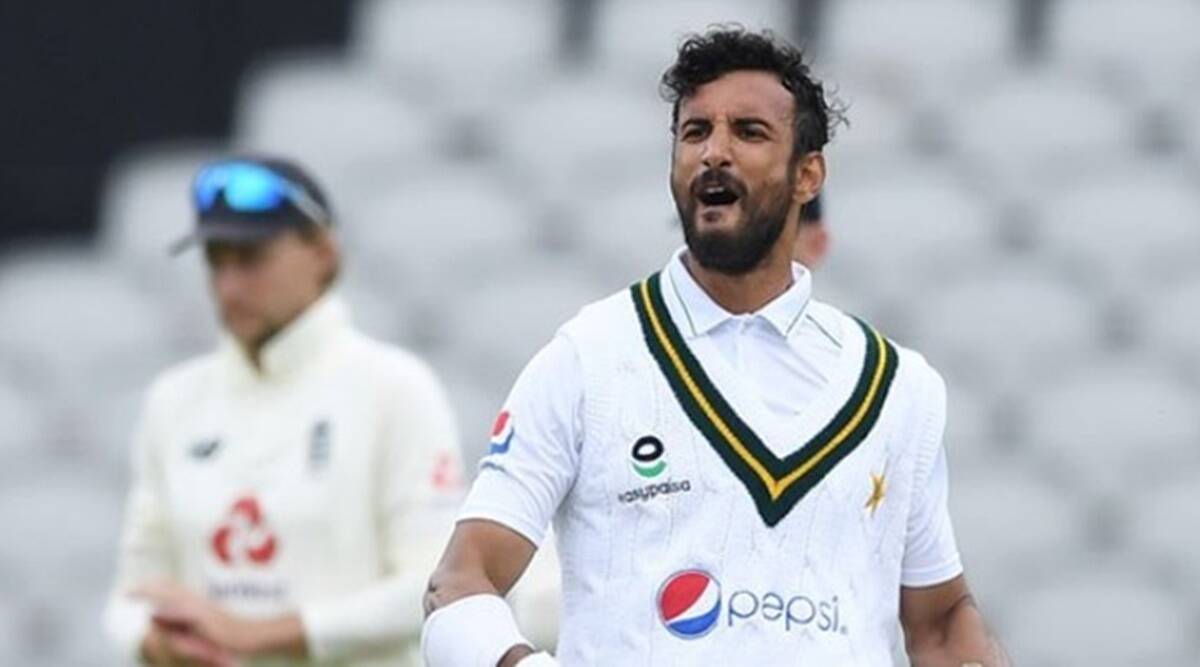
    In the absence of Babar Azam and with Pakistan’s most senior batsman Azhar Ali suffering a form slump, Shan Masood carried a heavy load on his shoulders to save Pakistan’s batting against a top-quality Kiwi bowling attack.

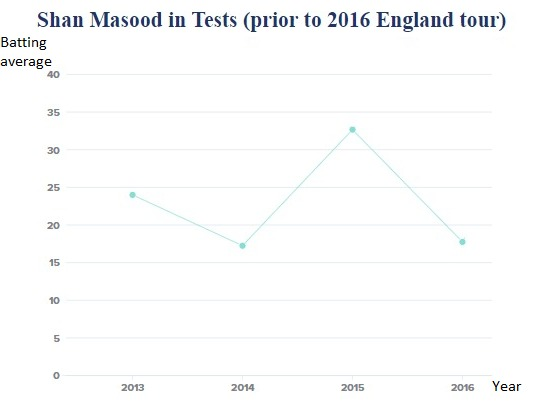
    This Shan Masood wasn’t the same who was sidelined from the team after abject performances with the bat when James Anderson made him dance to his tunes during Pakistan’s tour of England in 2016

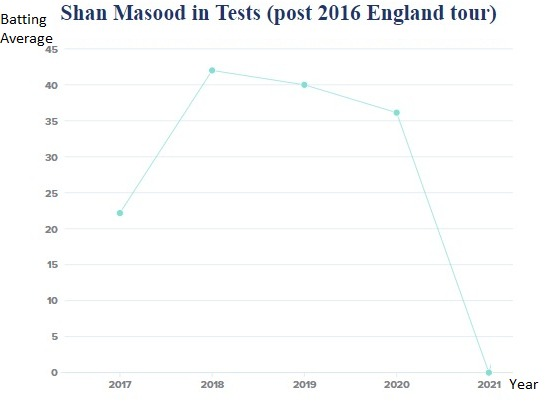
    It was the rejuvenated Shan Masood, also touted as Shan 2.0. The 2018 tour of South Africa, 2019 tour of Australia and 2020 tour of England where he struck a remarkable ton at Old Trafford confirmed that Shan Masood 2.0 had worked on his flaws, upped his game drastically and could be relied upon to solve Pakistan’s top-order woes.

    However, the recent tour of New Zealand has laid bare his technical frailties again. Across four innings, he could muster a tally of 10 runs, including three ducks on the trot, and seemed to be like the replica of Shan 1.0 who has harked back to his old ways. Even 17-year-old Naseem Shah, Pakistan’s No.11 batsman, managed a higher tally of runs in the series than Shan. Before proceeding to deconstruct what sets Shan 2.0 apart from Shan 1.0, let’s revisit his dismissals during the series.

    Barring the first innings of the first test where he scored 10 thanks to a few painstaking nudges and nurdles, he failed to buy a single run in the next three innings. In the first innings of the first test, he ended up giving a catch to wicketkeeper BJ Watling trying to glide Jamieson towards the third man region. Tim Southee accounted for him in the next innings when he edged him to Ross Taylor standing at the first slip attempting a defensive prod off a ball pitching outside the off-stump. Under the pump to score big in the next match, he ended up registering a pair. Southee had him plumb in the first innings when he failed to get a bat on his yorker and then Jamieson’s away angler induced an outside edge of his bat which was pouched safely by Tim Southee at the third slip wrapping up a miserable tour for him.

    Fair play to New Zealand bowlers for their disciplined bowling but, to be honest, none of the deliveries which sent Shan back to the pavilion weren’t brute or corker of a delivery but then that’s par for the course for a batsman who couldn’t resist the temptation to chase deliveries away from the stumps, leave them alone and not poke his bat at it. Things would have gotten easier for him and Pakistan if he had managed to see off the new ball with patience. Interestingly, as told by Shan Masood in an interview with Jarrod Kimber for the Red Inker podcast, it was his judgement of not being able to decide when to play at a ball and when it is wide enough to let it go that coach Gary Palmer identified as a flaw in his technique after 2016 tour of England. Palmer, according to Shan, remarked that he was susceptible to throw his bat at balls that could be safely left alone because of incorrect positioning of his head when facing the bowler which in turn adversely impacted his judgement.

    On the back of strong performances in domestic, he earned his way back into the side and fared reasonably well on the tough tours to South Africa, Australia and England thereby passing the attrition test and announcing the arrival of rejuvenated Shan 2.0. It was evident that the net sessions with Palmer helped him to chip away at his flaws.  As pointed by Tim Wigmore in his article for The Telegraph, during the 2020 tour of England, Shan left 22 per cent of balls from seamers to him pitched 20cm outside off stump as compared to the 2016 tour where he left only three per cent of deliveries bowled in that channel. Shan 2.0 was like a breath of fresh air. However, watching the 83 balls he played in this series, it seemed like all the skills he learned from Palmer had evaporated in unison. The core question we are confronted with now is that if Shan 2.0 was a hoax or whether he would get his act together and we’ll get to see that Shan again who can judge which balls to play and which ones to leave.

  • Small island

    “Britain, a small island, has chosen to opt out of being part of a large and influential bloc in order to be a small island with an insular outlook whose citizens have now been deprived of access to markets and countries across the continent.”

    Just a few days after the final terms of UK’s departure from the EU were agreed, it was revealed that Prime Minister Boris Johnson’s father, Stanley Johnson, was applying for French citizenship.

    Johnson senior said that his mother was French and that “he would always be a European”, but whatever his own particular reasons might be, he is just one of many thousands of Britons who have, in the countdown to the Britain’s exit from the Union, applied for and taken European residence.

    The reason so many Brits have opted to take residence and citizenship in Europe is simply because they are able to see the many benefits that being part of a geographical union gives them. These include not just visa-free, effectively borderless, travel within Europe, but also the ability to work in all of Europe and avail of the various grants and funding schemes available in  a wide variety of sectors.

    The Boris Johnson government agreed a trade deal with Europe just days before the actual exit date of December 31, 2020. The trade negotiations went right down to the wire and an agreement was reached only on Christmas Eve. The PM of course hailed it as a great triumph, displaying once again this government’s astonishing capacity for skewing reality and misrepresenting facts. Getting to this stage of agreement had actually proved to be a long drawn out and remarkably unpleasant process: the run-up to the 2016 referendum had been marked by xenophobia and vilification of the EU and what was depicted as ‘Brussel’s dictatorial policies,’ the Leave campaign was full of false claims (aka lies) and was built on a narrowly nationalist agenda expressed as a desire to ‘take back control and exist as a sovereign nation’ and this hostile tone has been maintained through the more than four years of negotiating the terms of the exit.

    Now that Britain has become, in the jargon of the Leave supporters, a ‘sovereign nation’, it is time to take stock of what has even been gained. Not that much, most people will say. Although trade has not been as hugely disrupted as once seemed likely when the fear of ‘no deal’ loomed large, the fact of the matter is that although most goods trade will remain as was, the difference will be that it will all cost more to Britain because, as The Observer pointed out, now “Goods will be subject to costly new customs and regulatory checks.” The paper also observes that the trade deal “is unique in erecting rather than eliminating barriers to trade” and is something that effectively makes Britain poorer, reduces its global influence and imperils the nation’s integrity.”

    I personally cannot see any positives in leaving the EU, it just means that Britain will not enjoy the benfits of being a member of a united bloc, benefits like citizens’ free movement and right to work within the bloc, benefits like having access to shared security information and crime data bases and Europol collaborations. Moreover, there has been a drain of Europena health professionals from Britain following the anti-European tone of the Leave campaign and the EU referendum, so now while the UK is in the midst of a pandemic, the National Health Service finds itself severely understaffed. And should the situaution in the Health Service decline even further, European doctors and nurses will now not be able to step in with ease they once did as professional qualifications will no longer be recognised automatically.

    Add to this collaborative EU ventures in technology, academia and research that Britain is no longer part of and you begin to understand that Britain has lost access and influence in return for merley having to tolerate fewer  ‘foreigners’ in its towns and workplaces. Truly, the UK seems to have cut off its nose to spite its face.

    But what is mind-boggling is that Britain, a small island, has chosen to opt out of being part of  a large and influential bloc in order to be a small island with an insular outlook whose citizens have now been deprived of access to markets and countries across the continent. The bigots within this former imperial and colonial power have used the narrative of ‘freedom’ to justify a divorce that will leave the EU ‘effectively poorer and more fractured than before. In all the rhetoric about ‘Brussels dictatorship and Europeans taking jobs away from Brits’ what was forgotten was the unique nature of this regional collaboration: the EU was not just a trade bloc but it was a peace project: a union of nations who had, as recently as the last century had fought two long and bloody wars, WW1 and WW2.

    And what of the strategic position? Well, neither Russia nor the US were ever really very happy about the influence of the EU and so both must be delighted that Britain has now made itself both vulnerable and exploitable. Will Britain be a pawn in moves to undermine the EU? There is a fascinating conjecture in the late John Le Carre’s last novel in which a covert project involves Britain and US intelligence working together to weaken the EU. In the novel, Agent Running in the Field, the aim of the project is described by one agent as “an Anglo-American covert operation… with the dual aim of undermining the social democratic institutions of the European Union and dismantling [its] international tariffs.” This fictional character goes on to explain that “in the post-Brexit era Britain will be desperate for increased trade with America. America will accomodate Britain’s needs but only on terms. One such term will be a joint covert operation by persuasion — bribery and blackmail not excluded — officials, parliamentarians and opinion makers of the European establishment. Also to disseminate fake news on a large scale in order to aggravate existing deifferences between member states of the Union.”

    This is a fictional scenario of course but Le Carre, a former spy, saw something in the political scenario that gullible voters crying out for sovereignty were perhaps unable to. And so it is no surprise that so many Britons have opted to move to Europe, taking up residence in places like Ireland, Portugal, France and the Netherlands in particular.

    After a trade deal was finally agreed between the UK and the EU on Christmas Eve, the British PM, Boris Johnson, in his typical bombastic and self congratulatory fashion, told the nation what a fabulous deal his team had managed to secure and how in effect the UK ‘would both have its cake and eat it too’.

    Alas what the UK will actually sup on is probably humble pie — and the poisonous effects of isolation.

  • Bittersweet career of Pakistan cricket’s tragic hero

    Bittersweet career of Pakistan cricket’s tragic hero

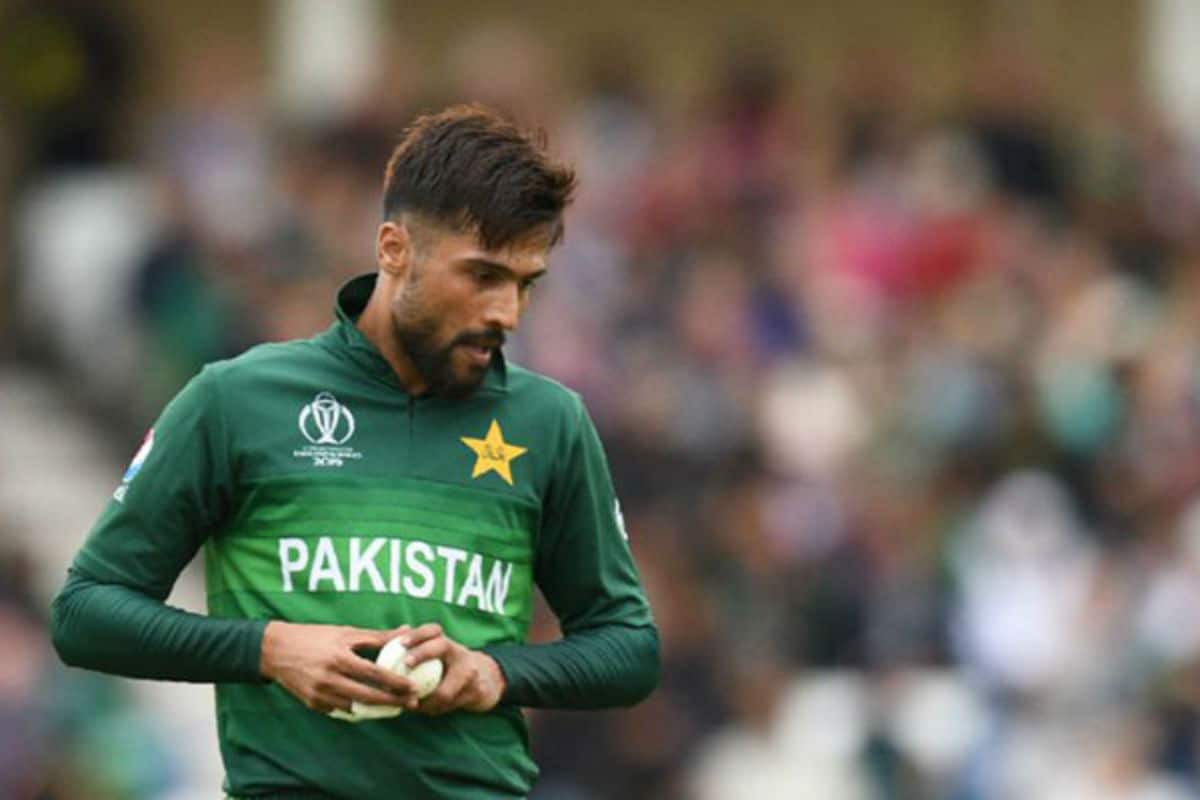
    When Mohammad Amir burst onto the international scene at the tender age of 17, pundits speculated that Pakistan has found its next Wasim Akram. Even Wasim Akram himself, who is inarguably the greatest left-arm pacer ever, has claimed multiple times that Amir reminds himself of his playing days. In my vantage point, such comparisons are often unfair and necessary but it wasn’t a hyperbole by any means to say that anything could stop a bowler possessing such an enormous amount of potential from reaching celestial heights and becoming the next big thing in world cricket.

    However, things didn’t swing Amir’s way and Amir’s career turned out to be an altogether different affair.

    Having quit Test cricket in July last year, Amir announced his retirement from limited-over internationals after representing Pakistan in 147 international matches in a video message whereby he lambasted the Pakistan Cricket Board (PCB) for mentally torturing and overburdening him.

    “Every two months, someone says something against me,” said Amir. “Sometimes the bowling coach [Waqar Younis] says Amir ditched us, sometimes I’m told my workload is unsatisfactory. Enough is enough.”

    The 28-year-old left-arm pacer will now only ply his trade in T20 leagues across the globe.

    The literary term “tragic hero” aptly describes Amir’s career which spans over more than a decade and had its fair share of doom and gloom. He was universally revered in the beginning, then disgraced and booed at after his involvement in a spot-fixing scandal, and then loved again for some heroic performances before finally slipping off the selectors’ radar due to a lean patch.

    After making his debut against England in a T20 match at The Oval in June 2009, Amir could only represent the green shirts until August 2010 when he was banned for five years alongside Pakistan’s then-captain Salman Butt and his bowling partner Mohammad Asif after the now-defunct tabloid News of the World found the duo guilty of bowling deliberate no-balls in exchange of money. This ephemeral period of about 14 months, however, were more than enough to leave his mark with some memorable performances.

    In the final of 2009 T20 World Cup, he accounted for the tournament’s leading run-getter with a well-directed short delivery sending Tillakaratne Dilshan back to the pavilion for a duck. Playing his first test in Australia, where even the top visiting bowlers are treated with disdain, he tore through Australia’s batting order with a five-wicket haul at Melbourne.

    In July 2010, Australia took on Pakistan in England and Australian batsmen were again found all at sea against the teenage pace sensation who pocketed 11 scalps at 21 apiece. Even in that ill-fated tour of England, he fared extraordinarily well becoming the youngest bowler to take 50 Test wickets, breaking into the Top 10 of ICC’s ranking of Test bowlers and getting his name on the Lord’s honours board at an age of 18 years and 136 days.

    The sight of a frail teenager regularly bowling at speeds around 150 kilometres per hour and ripping through the batting order of top teams is always worth savoring. Interestingly, Amir’s best was yet to come. Disappointingly, he fell into the trap set by his skipper as a consequence of which the doors upon his career were closed for five years. And in so doing, he let down countless fans not only here in Pakistan but also across the globe who glimpsed a future star in the prodigious teenager.

    Thereafter, Pakistan relied on their spin triumvirate of Shahid Afridi, Saeed Ajmal and Mohammad Hafeez for a long time to do the damage with the ball. Although plenty of promising pacers like Junaid Khan and Aizaz Cheema came through the ranks to fill the void, Pakistan’s quest to find a pacer for a long term wasn’t smooth sailing as some were scarred by injuries while others were not up to the international standard.

    Fast-forward to 2015, when Amir’s ban expired, he was just 23. The PCB looked on to Amir to bail them out of their fast-bowling woes but they were caught in the crossfire whether they should give someone a second chance who tarnished their reputation. Some asserted that he has already served his punishment and should be given the green light to don the green shirts again whilst others vehemently opposed his comeback with some players showing reluctance to play alongside him. By virtue of strong outings in the Quaide Azam Trophy, he seized the opportunity and clawed his way back into the national team convincing the selectors that he hasn’t lost his touch despite a prolonged absence from playing cricket.

    For their T20 series against New Zealand in January 2016, selectors announced Amir’s name in the squad who got the chance to restart his career in the first match of the series. In the third game of the series, he got a taste of what he should have expected to face frequently throughout his remaining career. The stadium announcer played the sound of a cash register taking a dig at Amir while fans waved cash at him chanting “I’ve got a dollar for you”. The Home of Cricket, which Amir had left in disgrace, turned out to be the venue for his comeback Test and fittingly it was he who cleaned up England’s last batsman to seal off a victory for his side.

    In Pakistan cricket, a good performance against arch-rivals India is a shortcut that can guarantee the player to become a star and be endeared by the fans. Amir knew how to strike the right chord in the hearts of Pakistan cricket viewers and he did it with aplomb. In Asia Cup 2016, he scared the living daylights out of Indian batsmen and displayed a beautiful exhibition of fiery seam bowling against them in the T20 World Cup 2016. In the final of the 2017 Champions Trophy, he was at his devastating best when he dismantled India’s robust top-order putting his team in a commanding position to win the tournament.

    In Amir, Pakistan had a bowler who had the potential to assume the mantle of their pace spearhead for the foreseeable future. Alas, his magical splendor eluded him soon and his ascendency morphed into despondency. His pace dropped drastically in the final stages of his career, and sans World Cup 2019, his performance remained below-par. Even the greatest players go through a lean patch but it is how they emerge from it which sets them apart from ordinary sportsmen. He was full in his right to hang up his boots whenever he wants but his condescending tone in the farewell message gives birth to the barefaced question if he has reciprocated the love and investment PCB put in him. It also imparts a lesson that if PCB finds a prodigy in the future, it needs to ensure that he lives up to his potential and doesn’t meet the same fate as Amir.

  • Pakistan, IMF and our economic future

    Pakistan, IMF and our economic future

    Pakistan is looking to resume the IMF’s $6 billion programme to bring in some much-needed foreign exchange. The programme was earlier suspended due to the government’s unwillingness to increase power tariffs and bring in a mini-budget. The negotiations for programme resumption were further delayed due to COVID-19 but IMF came to the government’s rescue with $1.4 billion emergency financing, which helped the country sail through tough times.

    But now we are back to square one, and it’s time to take some hard decisions.

    Reportedly, IMF is expecting Pakistan to significantly increase electricity prices, bring in additional revenue measures and introduce a few legal amendments. Pakistan was expecting an IMF mission in December to negotiate the conditions, but it seems that IMF is expecting some solid prior actions by the government, before it plans a review mission.

    There is no doubt that an electricity price increase is inevitable to reduce the mounting circular debt, and new tax measures are critical to help the government reach the ambitious Rs4.9 trillion revenue target. But the government is worried on two counts: not only will these measures be unpopular and further strengthen the opposition’s narrative around inflation but will also make a dent in government’s efforts to stimulate the economy. The prime minister has already given a nod to the electricity price increase; however, it is not clear if this increase is enough and how soon the government will be able to pass this on to consumers.

    However, irrespective of whether the government ends up taking these unpopular yet necessary measures or if the IMF ends up showing some flexibility, it remains to be seen if we can keep on relying on these ad hoc measures, pushing electricity tariffs up for the paying consumers and squeezing the existing taxpayers to meet the ever-increasing targets.

    Pakistan has availed 21 IMF programmes over the past 60 years; however, these programmes failed to bring in any sustainable improvement in Pakistan’s worsening conditions. Pakistan’s repeated boom-bust episodes are now a characterising feature of its economy, where sprouts of growth are inevitably followed by prolonged slumps.

    All political governments start in the midst of a balance-of-payment crisis, necessitating going for an IMF programme. IMF brings in foreign exchange to avoid a default but also fiscal and monetary tightening, which slows down growth. As soon as the IMF goes away, the country takes no time in coming back to its expansionary fiscal and monetary policies, owing to political reasons and mostly to win the next election. This in turn increases the demand for imports, increasing the trade deficit, and the country is pushed into yet another balance-of-payments crisis and the cycle starts all over again.

    But every time, Pakistan’s economic indicators sink a bit further than the previous episode. It is clear that we are on an unsustainable economic trajectory, but our political shortsightedness prevents us from seeing what’s written on the wall.

    What can break this vicious cycle? The answer is actually not that difficult. What we need is a serious dose of structural reforms, where we expand the tax net, do away with the exemptions enjoyed by powerful lobbies, control power thefts and line losses, stop the bleeding by state-owned enterprises, rationalise the ever-growing subsidies and strengthen and diversify our exports base. But these reforms require paying high political costs and compromising on short-term gains for the longer-term future.

    IMF is also no stranger to these solutions. Almost all recent IMF programmes have stressed these reform areas, but every time they end up being content on short-term corrective measures rather than the so-called structural benchmarks.

    A research paper by Harvard Kennedy School in 2015 highlighted that IMF ironically adopts a serial lending pattern. More than one-fourth of IMF member countries were part of an IMF programme for fifty percent of the duration since they became a member. Another 37 per cent have been on IMF programmes for 40 per cent of the time or more. This makes it quite evident that Pakistan, like many other developing economies, has ended up being addicted to this repeated dose of IMF money, without ever fixing the underlying problems.

    Recent months, however, have shown some positive signs, with the government mulling over restructuring plans for SOEs like Pakistan Steel Mills and PIA, announcing ambitious and futuristic power sector reforms, re-negotiating contracts with Independent Power Producers (IPPs), stimulating export industries, and even taking stock of the massive subsidy stock.

    The market-based exchange rate regime adopted by the government has already put in place an auto-corrective measure, whereby any significant current account imbalance will lead to currency devaluation, making imports expensive, reducing demand and narrowing the trade deficit.  However, the government needs to follow through on its plans and build further on this groundwork.

    These measures will undoubtedly be hard to put in place, but sooner or later someone has to go this road. If the present government pushes through on these reforms, it can help the country break out of this vicious cycle and can create a name for itself in Pakistan’s economic history. If not, we’ll be knocking on IMF’s doors yet again in another 4-5 years, but in a much worse condition.

  • Dividing the divided

    “The ruling party’s most recent act of issuing a list of news media talk-show anchors, dubbing them pro-corruption, drives a deeper wedge into a polarised nation.”

    It is no secret that the truth of national integration of the Islamic Republic of Pakistan is not just bitter but severely inconvenient. The fine line that separates diversity and differences among this nation has blurred so many times that it has almost permanently been reduced to a smudge. From the barracks to the parliament, sermons and edicts from atop the mosque minarets, political jargons from atop the containers and trucks, to the unending layers of multiple identities — divisions are the Achilles’ heel of this society.

    Issuing a list of journalists, dubbing them against the interests of the state, vilifying them publicly was like shooting a nuke at this Achilles heel. Driving a wedge at the very source of information of the nation, the media, is creating the deepest division imaginable so far. In the history of deleted tweets in this country, these two might have very long lasting effects.

    A ruling political party being unaware of this landmine or apathetic to the consequences of triggering it can potentially prove to be catastrophic.

    73 years of age, sick, weak and drained it stood on shaky feet, running out of natural body resources, vitals dimming, surviving on one shot of steroids after another, scars of surgical interventions spread across the map of its skin and a plethora of side-effects from past treatments racking its existence. It had almost forgotten the number of doctors that had taken a shot at it, sometimes even without its total consent. Almost every one of those taxing prognosis left it more vulnerable and feeble. All of them focused on treating the symptoms and not the disease, worsening the illness.

    It was almost as if they knew, but never disclosed that it was plagued by the uncanny Autoimmune Disease – an ailment in which the organs of its own body were at constant war with each other. It was almost as if they were intentionally not treating the disease because ending its ailment would end years of profiteering from its misery, and yet they all claimed they did everything to serve its interest. Or maybe decades of varying drugs had blurred its ability to separate those who sought to save it from those who added to its agony.

    The story of Pakistan is difficult to pen down because it is hard to indisputably identify the heroes and the villains. Pakistanis to this day are even conflicted over autocratic dictatorships being good or bad. This is a country where coups were celebrated, even if by a significant minority. Its very inception on the basis of a presumed uniformity of a religion so deeply divided across sectarian lines was unsteady. The ethnic, cultural, political and ideological differences at its core, though dormant at the time, were highly flammable. While these divisions stayed buried under the unanimous rejected of Hindu subjugation, the fault lines under the surface started growing into visible cracks once liberated from the common enemy. This is why, ever since, the integration and unity of this nation has always been a function of hatred, fear and anger against a common enemy, rather than collective growth, pride and prosperity.

    However, in times when an aggravated threat of a common enemy does not exist, Pakistan’s autoimmune disease starts tearing her apart and eating the core of the country hollow. For all these reasons, and more, the worst thing that can happen to this already fragmented and disunited country is fuelling more divisions.

    From its campaign leading to the 2018 elections, PTI and its patron in chief Imran Khan has been extremely careless, if not intentionally exploitative, of this ability of the Pakistani polity. He went further than the usual practice of demonising and defiling his political rivals and berated their voters and supporters as dumb donkeys following their leaders mindlessly like zombies. At his massive public meetings he openly vilified news organisations that disagreed with him. The rants inadvertently led to mob attacks on news media offices and at times on journalists.

    The ruling party’s most recent act of issuing a list of news media talk-show anchors, dubbing them pro-corruption, incites targeted and aggravated hatred against these journalists. But more importantly still, it drives a deeper wedge into a polarised nation. It impacts not just PTI supporters but the supporters of its political rivals as well. With the history of Pakistan and its behavior in view, this action will have consequences far more long-lasting than being perceived.

    This list discourages openness to differing views and perspectives. It freezes the ability to question and challenge one’s hardened positions and clan-vote mentality. It encourages the dangerous practice of sticking to narratives that only feed people’s confirmation biases. It magnifies and glorifies selective perception. But more than anything else, it breeds generations of an ill-informed polity, with an ‘us-versus-them’ mindset for its own countrymen, incapacitated to vote a credible person into power, adding to the long list of bad doctors that would worsen this ailing country’s autoimmune disease and feed off its ailing semi-conscious body.