Category: Opinion

  • Racism at home

    Racism at home

    Being away from my country, I am having a difficult time processing world affairs, especially the killing of George Floyd, which has left many around the world, including me, speechless, angry and stunned. To all the black people who have long and continue to suffer the systematic oppression in Western countries, especially in the United States (US), I stand with all of you.

    I don’t understand or can gauge your pain, but in silence, words, and action, I am with you.

    Respecting the suffering of African-Americans, I would like to bring to limelight the racial stigmas related to being black or a dark-toned person in Pakistan.  For hundreds of years, having a dark complexion has been looked down upon in South Asian countries. Pakistanis are no less, where a dark skin shade is culturally wired in our brains as synonymous with poverty, illiteracy, and slavery.

    I won’t be overstating that all of us have been racist at some point in our life, be it casually, unintentionally, or knowingly. To me, it seems that we are in a race to be whiter than white people. For us, our sense of pride is skyrocketed when someone compliments our facial colour and delivery of the English language. As a result, we adopt practices that corrupt society at large and infuses it with just not racism but injustice too.   

    “It is just not the educational system, but this racism is systematic and deep-rooted in our societies, for which we are equally responsible. There are racial slurs pretty standard such as “Kalia,” “Kali,” or “Kalu” to disrespectfully address someone with a dark skin tone. As if their measurement of respect comes with the shade of your body.”

    I am sure, like many others, I had a strange experience of unintentional racism through our education system. We were repeatedly lectured on how Islam treats everyone equally. The guiding example of Prophet Muhammad (PUBH) was quoted now and then, on how despite resistance from Arab society, he (PUBH) appointed Bilal ibn Rabah to call the first prayers, but in the same breath, our very teachers favour kids with a fairer skin tone. Those kids were likely to become your teachers’ favorite students. I also heard remarks such as, “OMG! You are so beautiful because you are white” or rejoining the classes after the summer break; one teacher unforgivingly remarked, “What have you done during your summer break, you have become so black!”

    It is just not the educational system, but this racism is systematic and deep-rooted in our societies, for which we are equally responsible. There are racial slurs pretty standard such as “Kalia,” “Kali,” or “Kalu” to disrespectfully address someone with a dark skin tone. As if their measurement of respect comes with the shade of your body. It doesn’t stop there; brown parents want a fairer daughter-in-law for their son, which helps them boost their societal pride as if she is a commodity or a showpiece.  In the same bid, women are obliged to use fairness creams so that they can wed their prince charming.

    I have always had a difficult time coping with advertisements prescribing color change possibility with-in 20 days of regular use. To add further, I knew someone who went to the US for higher education and wanted to marry an African-American. The family back in Pakistan didn’t approve of the marriage, objecting to her appearance. Similarly, I think of all women in Pakistan whose wedding proposals are causally rejected, on being dark. The amount of trauma and stress it leaves the person with, is unexplainable.

    “I can write a long speech about how I support the black lives movement in the US, but my head continues to bow down in shame because the ones in Pakistan are treated far worse.”

    I, however, am still speaking from a privileged position of being a man and can hardly relate to the suffering of women in Pakistan. 

    We often criticise US authorities for the handling of black people, but it is worse here in Pakistan. From security guards to cab drivers, the initial mental framework of respect is proportional to someone’s fairness. These and many other instances add up to racism at all levels in Pakistan. I can write a long speech about how I support the black lives movement in the US, but my head continues to bow down in shame because the ones in Pakistan are treated far worse. I, therefore, pick to criticise my own country and culture, with an ambition to change myself and the people around me in understanding that somebody’s colour should not be a measurement of their ability, intelligence, worth or respect.

    Please remember when you lash out at white people with #blacklivesmatter hashtags on your digital channels. Use your presence to be the voice of those who are unheard or racially abused in Pakistan. Whatever inspires you in your life, be it religion, science, or culture, let’s reform our vocabulary and lifestyle, and celebrate people beyond their color, ethnicity, race or gender.
  • انصار بھائی کے نام

    انصار بھائی کے نام

    LISTEN TO THIS ARTICLE:

    5 اپریل 2003کی بات ہے، جیو میں میرا پہلا دن تھا۔ ایچ آر ڈپارٹمنٹ سے ابو طالب بھٹو مجھے نیوز روم لے کر گئے اور تھوڑا بہت بتایا کہ کہاں کون سا ڈپارٹمنٹ بیٹھا ہے۔ اور پھر طالب نے مجھے ایک صاحب سے ملوایا اور کہا کہ اب آپ انصار صاحب کے حوالے۔ وہ میری سید انصار علی نقوی سے پہلی ملاقات تھی ۔ 
    میں بہت خوش قسمت رہی کہ مجھے خبروں کی دنیا میں اظہر عباس، ناصر بیگ چغتائی، زاہد حسین، مجدد شیخ، ایم کے عباس جیسے استاد ملے لیکن انگلی پکڑ کر چلنا مجھے انصار بھائی نے سکھایا۔ 
    انصار بھائی نے پہلے تعرف پر مجھے مسکرا کر دیکھا اور کہا “کیسی ہو لڑکی، تیار ہو کام کے لئیے؟” 
    عام طور سے ہم پہلی مرتبہ ملتے وقت تھوڑا تکلف رکھتے ہیں لیکن ان کے لہجے کی اپنائیت اور نظروں کا خلوص اتنا گہرا تھا کہ میری زبان سے یہی الفاظ ادا ہوئے “میں کام کے لئیے تیار ہوں، آپ سکھانے کے لئیے تیار ہو جائیں، اور میں آپ کو انصار بھائی بلاؤں گی”. وہ اپنے مخصوص انداز سے مسکرائے ، سر اثابت میں ہلایا اور اخبار دے کر کہا کہ پڑھنا شروع کرو۔
    بس پھر میں نے پڑھنا شروع کیا اور انھوں نے اسی اخبار کی دوسری کاپی پر مارک کرنا۔ تھوڑی دیر کے بعد انھوں نےاپنا والا اخبار مجھے دیا تو وہ مجھے شرمندہ کرنے کے لئیے کافی تھا۔ لیکن انھوں نے میری غلطیوں کی صرف نشاندہی نہیں کی بلکہ اس کی تصیح بھی کرتے گئے۔ 
    میرا ان کا سترہ سال کا ساتھ تھا ، اتنی یادیں اور باتیں ہیں جنھیں قلم بند کروں تو دیوان ہو جائے۔ تو بس بے ربط جو واقعات یاد آتے جا رہے ہیں، لکھتی جارہی ہوں ۔ 
    انھوں نے مجھے بینا سرور کے پاس بھیجا اور کہا کہ” تمہیں ہم دس پندرہ دنوں میں ہی دبئی بھیجنے والے ہیں، دنیا دیکھی گی تمہیں، ہماری اور اپنے گھر والوں کی عزت رکھنا، اپنے کام اور کردار دونوں سے” وہ ہمیشہ کہتے تھے کہ اچھا اینکر بننے کے لئیے theory بہت ضروری ہے۔
    بینا سرور نے مجھے فائلوں کا ایک پلندہ دیا کہ اگلے دن اس میں سے ٹیسٹ ہو گا۔ میں نے انصار بھائی کی جانب ایسے دیکھا کہ پہلے ہی دن دھوبی پٹخا!!!! اور انھوں نے انتہائی صفائی سے نظریں دوسری جانب پھیر لیں، جیسے وہ مجھے جانتے ہی نہیں۔
    Typical Ansar Bhai!

    واضح کر دوں کہ اس وقت واحد نیوز چینل صرف جیو ہی تھا، خبریں دبئی میڈیا سٹی میں موجود جیو کے اسٹوڈیو سے ہوتی تھیں۔ ندا سمیر (اس وقت ندا فاطمہ) خبریں پڑھتی تھیں اور ندا کا شروع کے دنوں میں کچھ ذاتی وجوہات کی بناپر پر پاکستان میں رہنا ضروری تھا۔ اس وقت کوئی بھی خاتون اینکر اسکرین پر نہیں تھی۔ اس لیے جیو کی کوشش تھی کہ مجھے جلد از جلد آن ائر کر دیا جائے۔ اب اتنے کم عرصے میں ایک گھر سے آئی housewife کو سبق گھول کر ہی پلایا جا سکتا تھا۔ تو یہ مشکل کام انصار بھائی کو سونپا گیا اور انھوں نے بھی رات کے تین تین بجے تک دفتر میں بٹھا کر میرا “ر” “ڑ” ٹھیک کرایا (شکر ہے “ش” “ق” درست تھا میرا)۔ 
    اور یہی نہیں بلکہ رات کے اس پہر جب میں گھر جاتی تو میرے شوہر نامدار کو فون کرکے میری ساری غلطیاں نوٹ کروا چکے ہوتے کہ اب امی بننے کی تمہاری باری ۔ 
    گو کہ جیو میں سب نے مجھے اپنے گھر کا فرد سمجھ کر میری صلاحیتیوں میں اضافے کی کوشش کی، بتایا، سکھایا لیکن مجھے یہ کہنے میں کوئی ہچکچاہٹ نہیں کہ اگر انصار بھائی نے اتنی محنت نا کی ہوتی تو شاید میں شہرت تو کما لیتی لیکن وہ نام اور عزت نہیں حاصل کرپاتی جو آج مجھے حاصل ہے۔۔
    میں کراچی چھٹیوں پر آئی ہوئی تھی اور میرا miscarriage ہو گیا تھا۔ الکریم نے ان کو تلاش کر کے صرف انھی کو اطلاع دینا مناسب سمجھا۔ اس سے بڑھ کر ان پر اعتماد اور قربت کی کیا مثال دی جا سکتی ہے؟
    جیو کی ابتدا کی ٹیم ایک خاندان کی طرح تھی۔ ہم اب چاہے کسی بھی ادارے میں ہوں، ہمارے دل ایک دوسرے سے اسی خلوص اور محبت سے بندھے ہوئے ہیں۔ 
    مجھے جیو جوائن کئے ڈیڑھ سال ہو چکا تھا، میں دبئی میں ہیbased تھی۔ اور وہاں موجود سب لوگ ایک ہی ہوٹل میں مقیم تھے جسے ہم جیو محلہ کہتے تھے۔ انصار بھائی دبئی کے دفتر کام سے آئے ہوئے تھے۔ لیکن اس عرصے میں، میں اپنے اس نئے خاندان سے خاصی گھل مل گئی تھی۔ تو ہنسی مزاق اور گفتگو بھی بغیر سنسر کے ہوتی تھی۔ کسی کی بات کا جواب دیتے ہوئے میں نے کہہ دیا کہ “پونکا کروں گی”. میری شامت آ ئی کہ انصار بھائی آفس میں پیچھے بیٹھے تھے اور انھوں نے سن لیا۔ اتنی ڈانٹ پڑی مجھے کہ آج تک یہ لفظ دوبارہ نہیں کہا ۔ ان کے غصہ کی وجہ یہ فکر تھی کہ الکریم کیا سوچیں گے کہ کیسا ماحول ہے جیو کا ؟ اس طرح کی زبان استعمال ہوتی ہے ؟اور میرا بیٹا, جو کہ اس وقت دو سال کا تھا, اس کی تربیت پر کیا اثر پڑے گا؟
    بتانا یہ چاہ رہی ہوں کہ وہ کام کے ساتھ ساتھ ادارے کے ماحول پر بھی کنٹرول اور نظر رکھتے تھے اور بچوں کی تربیت کو بھی اہمیت دیتے تھے۔ صرف اپنی ذات تک نہیں بلکہ اپنے اطراف کے لوگوں کو بھی balance and ethics in life کی تلقین، ہمیں دل سے اپنا سمجھ کر کرتے تھے۔ وہ ذاتی طور سے ایک family person تھے ۔ ان کے نزدیک فیملی سب سے بڑھ کر تھی اور ہم سب ان کی فیملی ہیں۔ 
    میرے والد کو اس دنیا سے رخصت ہوئے دس سال ہو گئے ہیں۔ انصار بھائی کے جانے پر اتنی ہی تکلیف ہورہی ہے جتنی ابو کے جانے پر ہوئی تھی۔
    کہتے ہیں وقت بہترین مرہم ہے، آہستہ آہستہ شاہد یہ درد کم ہوجوئے، آنسو بھی خشک ہو جائیں لیکن انصار بھائی میرے دل اور سوچوں کے اس حصے میں ہمیشہ رہیں گے جہاں میرے ابو رہتے ہیں۔

    LISTEN TO THIS ARTICLE:

  • Rethinking a post-COVID-19 future

    Rethinking a post-COVID-19 future

    “We should not go back to the old ways.”

    We are living through a global pandemic and life as we knew it will perhaps never be the same again, That’s the hope anyway. Because there are a lot of things about the way life was before that need rethinking — and COVID-19 has given us an opportunity to do this.

    In the 21st century, there was life before the virus, there is now lockdown and life during the virus and, at some point, there will be life after the virus — but will the latter be the same as our old way of living? There is much discussion now of ‘getting the economy going’ again, of getting things back to ‘normal’ again but is our plan just to restore the same economic model and the same old systems?

    Or is now the time to rethink the way we live?

    Several falsehoods about our lives have been exposed by the lockdown. Key among these is the myth that the old way of working and studying was the only way: fixed hours of attendance at sites you had to physically travel to. It turns out that this ‘hazri’ culture is not actually essential, and many of these ways of working were just constructs whose aim was to strengthen a type of corporate or darbari culture. Not allowing people to work from home stemmed perhaps from a reluctance to lose control of staff. The institutions that would hire expensive consultants to help them ‘save money’ and work efficiently told us that it was too expensive to have individual desks for staff and subjected them to the horrors of hotdesking. This apparently ‘saved’ some money yet these same organisations would be reluctant to allow staff to work from home routinely even though that would have saved even more money. The permission for ‘working from home’ was given not as the norm, but as some kind of great favour or concession which involved HR, applications and a degree of workplace politics.

    Well now nearly everybody’s working from home and we realise this has actually been possible for many, many years and that perhaps the workplace would have caught up with technology long ago if there weren’t so many dubious management practices and vested interests involved. Apart from the workplace, there is the question of the classroom and what it is — is it a physical reality or an intellectual one? In Britain, university education was once state-funded and all about education rather than businesses.

    “We’ll have to rethink education completely — especially university education.”

    But in the last decade universities have been turned into businesses which are less about education and more about profits. The students are called ‘clients’ and since university fees are now more than three times what they were ten years ago, they are saddled with crippling student debt (student loans are given by a private profit-seeking company). Students invest so much that they are afraid to challenge intellectual views of question anything professors say because they know that they need to get good grades because of their investment. Instead of concentrating on the wellbeing of their students, universities seem to have become more focused on marketing their brand in order to attract a maximum number of ‘customers’ or ‘clients’. But even when the riches poured in, it never seemed to be the academic staff who’d benefit but rather the ‘managers.’

    We’ll have to rethink education completely — especially university education. In Argentina, most young people get their first degree while working full time. Work by day and take evening classes. It might take longer but it definitely seems to be a more productive way to live. Oh, and state universities are free.  Of course, education can not all be virtually based but perhaps a large part of it does need to be.

    Then there’s the question of how society values work. Of how bankers are more highly paid and valued than ‘unskilled’ workers. How financial managers are much better paid than medical professionals. Now we realise who are the professionals that society really needs when in times of trouble: they are the medical professionals, the cleaners, the garbage collectors, the bus drivers, the police, the fire brigade, the people who run food shops and stack shelves. These are essential, these are the people we should value, these are the jobs we need to pay people well to do.

    We need to think of new businesses too. Instead of having an endless number of restaurants and coffee shops to ‘provide employment’ perhaps we should have more businesses whose goal is to contribute to community welfare employing people. We need more cooperative models of working and more localised businesses. Instead of manufacturing fast fashion and throwaway clothes which encourage frivolous spending and whose plastic fibres are clogging up the oceans and rivers, we perhaps should concentrate on businesses that produce food.

    “And guess who governments need to fund now? Not bigshot entrepreneurs and investment bankers, they need to support medical professionals, health workers and research scientists.”

    The virus and subsequent lockdown exposed a number of vulnerabilities in life as we were living it, and one of these was the matter of food production and supply. Perhaps now we need to have a national policy of localised production: local dairy farming, local livestock, locally grown fruit and vegetables. Apart from the fact that this will avoid the issue of complicated supply chains, many people in the health, economic and development sectors have long argued that this is a healthier and more sustainable way to live. This way food production would be organic and fresh – not shipped from the other side of the world. And in terms of food, we need to unlearn the mantra that endless choice is good. The illusion that the more choice you have in choosing, for example, a brand of chocolate shows how ‘free’ you are as people needs to be dispelled. And we need to move back to the idea of quality not quantity in the way we live.

    And new initiatives need to be set up to care for the environment. The enforced detox brought on by the lockdown has shown us bluer skies, clearer air and cleaner waters. We need to have a policy of setting up local initiatives to support this which are goal-oriented and not just motivated by a profit motive.

    And guess who governments need to fund now? Not bigshot entrepreneurs and investment bankers, they need to support medical professionals, health workers and research scientists. And they need to provide free broadband and digital access to all citizens because when push comes to shove this is something that will benefit the whole of society. We need more government spending, new frameworks and new initiatives based on a clear vision of what our priorities are now.

    People and governments need to come together and come up with a new way to live and a new model of economics, We can make a whole new sort of world; a world minus dodgy ‘outsourcing’, privatisation, unsound financial instruments, economic disparity and unbridled greed. But what’s needed is a lot of imaginative ideas and a bold new way of thinking. We need to be creative.

  • ہنس کیوں رہی ہو؟

    مجھے یاد ہے میرے بچپن سے ہی میرے ماں باپ پریشان تھے کے اتنی لا ابالی سی لڑکی، اتنی ہنستی مسکراتی لڑکی اگر لڑکوں میں پڑھی ، تو بڑا مسئلہ ہو جائے گا۔ میری ہنسی کی آواز بچپن سے ہی کم کروانے کی کوشش کی گئی تھی ۔ لیکن میرا مسئلہ ہی یہ تھا کہ مجھے ہنسی آتی ہی بہت تھی، آخر کہاں تک کنٹرول کر پاتی ۔ میرے قہقے سکول میں کافی مشہور ہوگئے ۔ کافی بار ٹیچرز نے بھی کہہ ڈالا کہ ” لڑکیاں اس طرح نہیں ہنستی ” اس وقت تو میں نے دھیان نہیں دیا کیونکہ بچپن تھا ، زندگی مست تھی ۔ لیکن بڑی ہوتی گئی تو احساس ہوا کہ لڑکیاں اس طرح ہنسیں، یا اس طرح ، لڑکیوں کا ہنسنا کسی طور بھی ٹھیک نہیں۔ میری ہنسی کے پیشِ نظر مجھے آل گرلز کالج میں بھیجا گیا ۔ مقصد یہی تھا کہ کہیں میری شوخ و چنچل طبیعت اور ہنسی کی وجہ سے کوئی مسئلہ نہ ہو جائے۔

    پہلے تو مجھے اپنے والدین پر حیرانگی ہوئی تھی لیکن پھر احساس ہوا کہ او ہو ! میری ہنسی یا مسکراہٹ کا تو کچھ اور ہی مطلب نکل آتا ہے۔ میری طرح اور بھی خواتین اس بات سے متفق ہونگی کہ ہمارے ہنسنے پر پورا کمرہ، پورا محلۤہ بلکہ پوری کائنات الرٹ ہو جاتی ہے۔ کہ آخر یہ ہنس کیوں رہی ہے ؟ کبھی کبھی یوں ہی بیٹھے ہوئے چہرے پر مسکراہٹ آجائے تو گھر والے اور رشتہ دار پوچھ بیٹھتے ہیں  ” کیا بات ہے ” ، کس کے بارے میں سوچ رہی ہو۔ اتنا مسکرا کیوں رہی ہو؟”  بے شک آپ اس وقت دال چاول کے بارے میں ہی سوچ رہے ہوں ، وہ کچھ اور ہی سوچیں گے ۔ والدین کو بتا کر  بھی کسی دوست سے فون پر بات کرتے ہوئے ہنسی نکل جائے تو والدین فوراَ پوچھتے ہیں  ” اتنا ہنس کیوں رہی ہو؟”

    جب کالج میں قدم رکھے ،تو لڑکیاں ہی نظر آئیں آس پاس ۔ تب کالج کے کوریڈور میں میں نے قہقہ مارا تو میری بہت ہی پسندیدہ ٹیچر نے میری کلاس لی کہ یہ کوریڈور میں ایسے کیوں ہنس رہی ہو؟

    جب سہیلیوں کے ساتھ باہر جانے کی اجازت ملی تو ہنستے ہوئے کئی بار احساس ہوا کہ لوگوں کی نظریں مجھ پر ٹک جاتی ہیں۔ والدین کی سختی کی وجہ سے میری زندگی میں میک اپ کافی دیر میں آیا اس لیے اور بھی حیرت ہوتی تھی کہ میرے چہرے پہ کیا ہے جو اتنا غور ہو رہا ہے ؟ پھر وقت کے ساتھ احساس ہوا کہ او ہو ! لوگ خاص کر کے مرد حضرات کو یہ لگتا ہے کہ ہنستی ہوئی لڑکی ان کی توجہ چاہتی ہے ۔ اور زیادہ تر مرد حضرات “ہنسی تو پھنسی ”  کو اپنے دین کا حصۤہ سمجھتے ہیں ۔ لڑکی کو بے شک اپنے آپ پر ہی ہنسی آ رہی ہو ، وہ یہی سوچ لیتے ہیں کہ یہ ہنسی ہمارے لیے ہی ہے۔

    کالج کے بعد رشتوں کا مرحلہ شروع ہوا ۔ والدہ نے ایک بار کہا  “بیٹا زیادہ ہنسنا نہیں ” ۔ تو میں بڑی مشکل سے منہ بسور کے بیٹھ گئی ۔ پھر اگلی بار کہا ” بیٹا تھوڑا ہنس ہی لیا کرو” ۔ تو جب میں نے ہنس کے دکھا دیا تو سب گھورنے لگ گئے کہ یہ ہنس کیوں رہی ہے ؟  اگر کوئی لڑکی رشتہ ہونے پر خوش ہو جائے اور منگنی پر خدا نا خواستہ ہنس پڑے تو سب صدمے کی حالت میں بول پڑتے ہیں ” یہ اتنا کیوں ہنس رہی ہے؟” کوئی لڑکی شادی پر ہنس پڑے ،تو بھی یہی سوال ہوتا ہے کہ “یہ ہنس کیوں رہی ہے؟”

    ہاں جی لڑکیاں ہنستی ہیں ۔ ہم لڑکیوں کو ہنسنا اچھا لگتا ہے ۔ہم اپنے لیے ہنستی ہیں ۔ ہم کھل کے قہقے لگاتی ہیں ۔ کبھی ہم کو بھولی بھٹکی یاد پر ہنستی ہیں ، کبھی کسی کی بات پر ۔ کبھی اپنی کسی بیوقوفی پر ہنستی ہیں ، اور کبھی اپنی کسی کامیابی پر ۔ کبھی کسی تلخ حقیقت کو چھپانے کے لیے ہنستی ہیں اور کبھی آنسئوو کو۔ لیکن اگر نہیں ہنستی تو آپ کے لیے نہیں ہنستی ۔ جی آپ جو ایک ہنستی ہوئی لڑکی کو برداشت نہیں کر پاتے ۔ جی آپ، جو ایک ہنستی ہوئی لڑکی کر بارے میں طرح طرح کے خیال بنا لیتے ہیں ۔ جی آپ ، جن کے لیے لڑکی کا ہنسنا عزت بے عزتی کا مسئلہ بن جاتا ہے ۔ جی آپ یہ اطمینان کر لیں کہ لڑکی اگر ہنستی ہے، تو اپنے لیے ۔ صرف اور صرف اپنی ذات کے لیے ۔ آپ کے لیے نہیں ۔ تو اسے ہنسنے دیں ، خوش رہنے دیں ۔ کچھ نہیں کر سکتے تو اپنی نظر ہٹا لیں تاکہ آپ کو مسلئہ نہ ہو۔۔۔

  • COVID-19: Should we worry about Pakistan’s economy?

    The world has come to a screeching halt.

    The coronavirus pandemic has affected lives in so many different ways that no one could have imagined only a few months ago. Large metropolitan cities like New York and London seem like ghost towns right out of a Hollywood movie. Restaurants, cinemas and airlines have stopped operating and malls are deserted. People, no matter where they are, are just afraid to get out of their houses and carry on with normal life. It is no more a health crisis, and is instead, taking the shape of an unprecedented economic catastrophe.

    No one knows the exact scale of this catastrophe, but everyone knows that a major recession is in the offing.

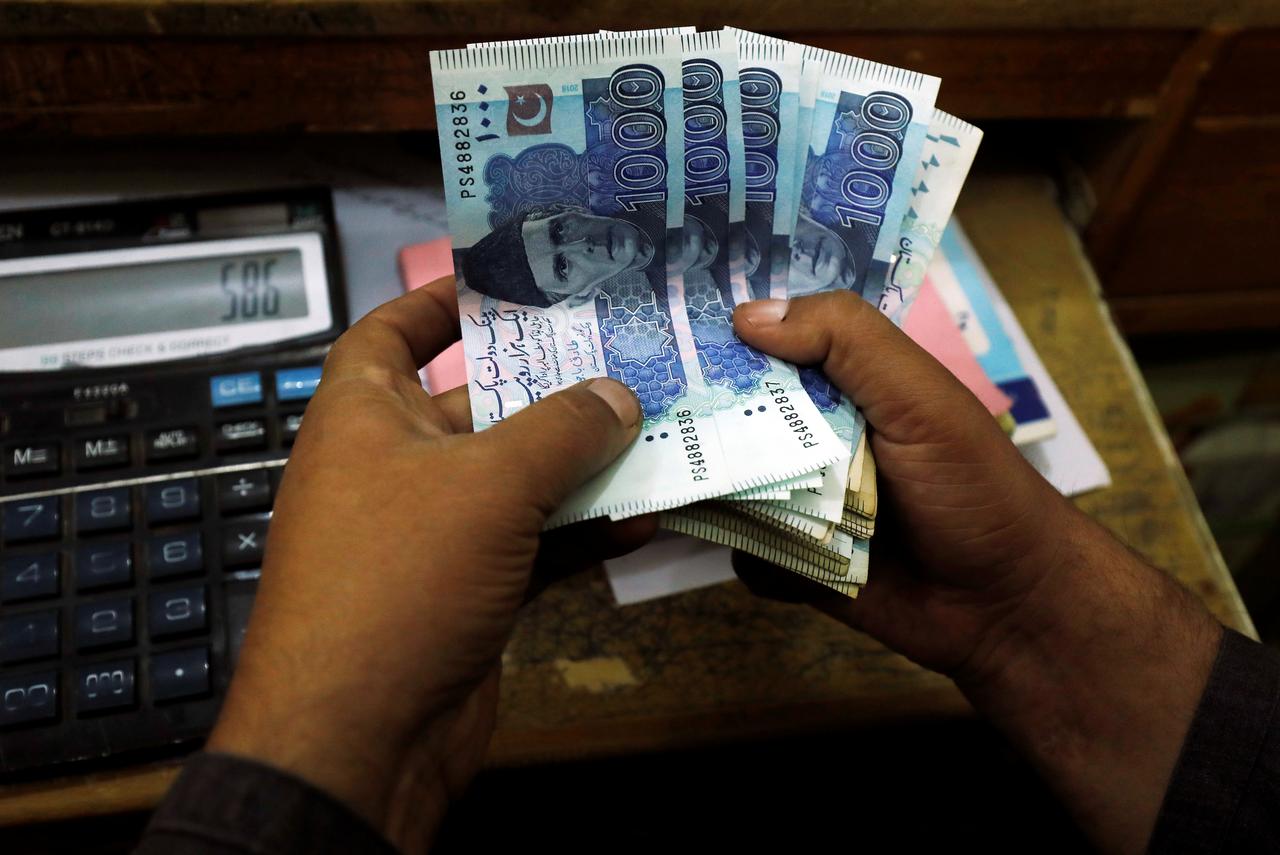
    Pakistan is no exception and the International Monetary Fund (IMF) has projected a 1.5 per cent contraction in the country’s GDP this year, the first in over seven decades, whereas the World Bank (WB) estimates that it can be as much as 2.2 per cent. Next year would be no different and the economy is expected to post negligible growth, that too if we are lucky. However, even this guesstimate can very easily turn into further contraction, if the crisis continues to deepen.

    HOW TO UNDERSTAND COVID-19’s IMPACT ON PAKISTAN’S ECONOMY?

    In layman’s terms, there are two major ways in which the pandemic can affect the economy. The first is what’s happening outside the country, while the second is what’s happening inside. In other words, the effects on the economy can be driven by both global factors and domestic developments.

    If you remember the 2008 global financial crisis, which turned the world’s financial markets upside down, you would also remember that it did not have a major impact on Pakistan’s economy. That can be explained by our poor integration with the world’s financial markets, which has been a blessing in disguise. Therefore, one thing is certain that the impact of a global economic meltdown is going to have a much more diluted effect on Pakistan than other countries that are fully integrated into the global economy.

    There is no doubt that the country would sail through this storm, but not without a well-thought-out action plan to stimulate the economy and bring it back to life, once the crisis is over.

    Let’s look at the global travel and tourism industry, for instance, that is taking a major hit. But Pakistan hardly had any share in this market and therefore is not likely to get impacted much. Nevertheless, disruptions in economies of Pakistan’s export destinations like the United States (US) and Europe are having a major bearing on Pakistan’s exports. Export orders are being cancelled, leading to a serious dip in the country’s already flailing exports. Fall in workers’ remittances is another area that is going to adversely impact the country, as Pakistani workers in the Middle East and elsewhere suffer job losses.

    Now we come to the in-country crisis, the impact of which is going to be driven by the severity and duration of the disease outbreak and the state’s response to it i.e. the nature and duration of the lockdown and the restrictions imposed. The already imposed lockdown, though enforced unevenly, has affected the economy in a big way. Millions of jobs are at stake and daily wage workers, who in most cases already belong to a vulnerable segment, are likely to be the major sufferers of the crisis.

    The lockdown has also suppressed demand in a number of industries such as automotive, consumer goods and construction among others. But more significantly, services sectors like domestic travel and transport, retail and wholesale trade, and hospitality are the worst casualties with their business activities coming to a standstill.

    Suppressed economic activity is resulting in a significant revenue loss for the government, whereas massive emergency response and relief activities are driving the expenditures high. The fiscal deficit is likely to touch 10 per cent of the GDP, leaving hardly any money for development, while the debt-to-GDP ratio is expected to hit the roof on the back of substantially increased debt burden. And if the country has to impose a blanket lockdown again at some stage, owing to the worsening health situation, all these indicators could quickly go from bad to worse.

    It is time for us to start thinking about some difficult fiscal and economic reform sore points that we have been avoiding for years.

    However, there is also a silver lining. Looking at Pakistan’s GDP composition, there are quite a few sectors like agriculture, electricity generation and distribution, gas distribution, communication, government services etc that are going to be much more resilient to this crisis. Moreover, there could also be some windfall earnings from the global economic downturn. The unprecedented fall in global oil prices is likely to bring in some relief for the country through the reduction in import bill. Additionally, as the world gears up for providing relief to developing countries to fight the economic shock, Pakistan is likely to be one of the beneficiaries of debt relief measures and aid inflows. In fact, the country has already received $1.4 billion in rapid financing from the IMF.

    Nevertheless, we must realise that Pakistan was already facing a tough economic situation and COVID-19 hit the country just when macroeconomic indicators were beginning to stabilise. There is no doubt that the country would sail through this storm, but not without a well-thought-out action plan to stimulate the economy and bring it back to life, once the crisis is over. And this would need much more than what’s being offered in the recently introduced fiscal stimulus package. Moreover, we would need years of fiscal discipline and economic prudence before we are fully able to recover from this shock.

    Now is the time to start thinking about some of the difficult fiscal and economic reform sore points like bleeding state-owned enterprises, ballooning wage and pension bill, swelling circular debt and inefficient government machinery, that we have been avoiding for years.

  • Time for kindness

    Time for kindness

    With at least 1.2 million confirmed cases and 64,000 deaths across the globe, the new coronavirus aka COVID-19 pandemic is continuing to take a toll on the world. The economic impact is so huge that it is being compared to the Great Depression.

    Managing Director of the International Monetary Fund (IMF) Kristalina Georgieva says this is an economic crisis like no other. “Never in the history of the IMF have we witnessed the global economy coming to a standstill. It is way worse than the global financial crisis.”

    Countries are fast realising that the impact of this virus is so huge — and unpredictable at the same time — that whatever they do may not be enough.

    First, it was about creating and spreading awareness as not many were taking it seriously. Then came the lockdowns, partial or complete, in many countries. Now there are some other stark realities that people are facing; financial woes being one of them. Social-distancing is a privilege. Not everyone can afford it. Lockdowns have helped contain the spread to a certain extent but the economic impact on daily wagers, the lower middle class and many others will be quite harsh. Thus, governments and private citizens must step in to help. 

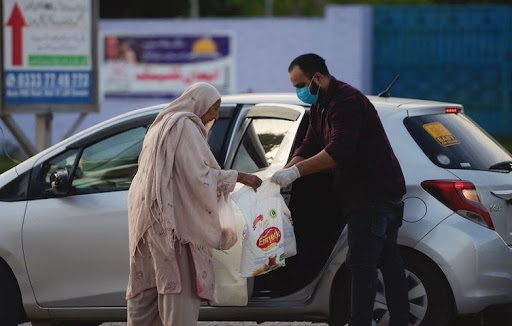
    A Facebook post doing the rounds about a university van driver in Pakistan is heartbreaking. According to the post, the driver has been calling up students asking for his monthly charges but not many are responding to his calls/texts. We need to understand that in these tough times, we must help those who are less privileged than us. Those who have given leave to their domestic staff must pay their salaries — and if possible, an advance salary as well. Help those around you who you think need it. Buy rations or donate to charities and organisations like the Edhi Foundation that are doing credible work and helping people in these troubling times. 

    Another tragic aspect is that those who fall victim to corona have to deal with the illness alone — away from family and friends — in order to keep others safe from the virus. Burying those who die of coronavirus has also become an ordeal. Family members and friends can only say goodbye from a distance. Funerals in the time of coronavirus are quite different. Coronavirus has changed the world so drastically that people cannot even grieve together anymore. These are the new realities until a cure is found. 

    We will keep learning new things with each passing day. We will see the world change. People will be hungry, frustrated, desperate, scared, depressed, angry and much more. But we must be kind and understanding for this is what humanitarianism is all about. Be human! Be safe.

    FOLLOW THIS LINK FOR LATEST CORONAVIRUS UPDATES FROM PAKISTAN

  • Blog: Knee Jerk – Plan of Action

    Blog: Knee Jerk – Plan of Action

    Typical Ration Bag: Rs1,600
    Includes: Flour, oil, sugar, rice, lentil and a soap

    “We’re building a stockpile. The word stockpile by definition means not for immediate use. It means you’re preparing for a battle to come and you have to have the equipment and you have to have it now. I can tell you this, if you wait to prepare for the storm to hit, it is too late, my friends. You have to prepare before the storm hits. And in this case, the storm is when you hit that high point, when you hit that apex. How do you know when you’re going to get there? You don’t. There is no crystal ball but there is science and there is data and there are health professionals who have studied this virus and its progress since China. Listen to them and follow the data to develop one coordinated plan,” said Governor Andrew Cuomo of New York in a press briefing on coronavirus on March 30.

    I witnessed the nation coming together when the deadly 2005 earthquake hit northern Pakistan. It devastated entire communities in Khyber Pakhtunkhwa (KP) and Azad Jammu & Kashmir (AJK). The 7.6 Richter scale quake wreaked havoc and misery to 400,000 families when at least 80,000 lost their lives. 90% of the affectees were from difficult-to-access rural areas in the mountains.

    Pakistan had in recent times not seen such extensive devastation and was hardly prepared to handle such a disaster. But the nation witnessed an unprecedented surge of sympathy for the affected communities when people from all over the country and the world rushed for assistance.

    Today, amid the coronavirus pandemic, an unprecedented lockdown is in place. And as all of us reflect on our daily lives, I hear nonprofits, independent guerrillas and civil society members coming forward and donating and collecting ration bags for daily wage affectees or families living under the poverty line. Several good-hearted folks have come together and started the drive by spreading the word on social media platforms to support the cause.

    Each cause has a different price and structure of distribution. We can select packages for a week, a month and so on. But what’s next? 

    My question is: where is the map of action for the households or the system where it’s equally, ethically and socially distributed? How are we deciding what neighbourhoods need the most? 

    Arif Hasan and I were are in an anti-encroachment WhatsApp group, where he said, “It’s frightening to see how everyone will end up washing for 20 seconds in a country where water is a contested property.”

    Celebrities and social media influencer’s are following a global practice of how to deal with COVID-19. Whereas we need to rethink of global south issues and practice a regional solution. Standards come from international forums, but they need to be localised and regionalised. 

    If today non-profit organisations and independent ration collectors are designing packages and sending mass messages to collect funds to feed the affectees, then maybe we also need to study and collect per household data and map the areas where any organisation is not distributing.

    What we need is a holistic plan for preparedness for disaster or unprecedented situational circumstances. This is the time when we need platforms to come together and work closely with local authorities and develop a strategy or a masterplan, through breaking down clusters, focusing on vulnerable communities and involving organisations.

    In our provincial context, where the Sindh government has shown a strong sense of perspective in times like these, maybe this is when we need to reflect and look for local strategic plans and grassroots level data analysis for future disaster distribution methodology, where civil society’s intervention is not just out of goodwill but equality and social systems. Where collaboration can be meaningful, and data sharing becomes a common practice.

  • The Common Good

    “Pure capitalism is basically selfish in nature and it leads to a particular attitude in the rich — that they deserve to be wealthy and the poor are poor because they are either lazy or stupid or both — or else because they are just an ‘inferior species’.”

    A friend in Karachi describes the unease that fills shoppers at an affluent Karachi supermarket when they step out of the store laden with as much as they can buy amid the coronavirus lockdown. They are faced with the sight of desperate day labourers standing outside staring quietly as they load bags of food supplies into their cars. The labourers hold the tools of their trade — shovels and pickaxes — and to the affluent shoppers, these now appear to be dangerous weapons.

    “They are starving,” says my friend, “their families don’t have food, they could be driven to despair and could easily attack shoppers to get food”.

    The public response to the crisis has been impressive in Pakistan, but can such efforts provide the scale of relief that is needed in a country where, according to a 2016 national assessment, almost 40 per cent of the population lives in poverty? People have donated generously to schemes that deliver basic rations to those in need and many organisations and individuals have mobilised their time and resources to feed the hungry but reports seem to indicate that this is proving woefully inadequate. The livelihood of so many households has been affected that the knock-on effect is totally devastating. Apart from those dependent on a daily wage, those running small business initiatives or taking on work outsourced from running businesses now have no work, no money and no food.

    And they are being told to stay in their homes and maintain social distancing in public places…

    In such circumstances, riots are a very real possibility. Not just in Pakistan but in other countries as well, particularly those with great social and economic inequality. And interestingly, it is this fear of unrest that is now leading many people to the realisation that depriving people of basic rights is not just an issue for the poor and oppressed but rather it is something that, eventually,  affects everybody — even the very rich and powerful. Pure capitalism is basically selfish in nature and it leads to a particular attitude in the rich — that they deserve to be wealthy and the poor are poor because they are either lazy or stupid or both — or else because they are just an ‘inferior species’.

    “For years the world has been veering towards a nasty form of capitalism in which the erosion of workers’ rights and social welfare is seen as an ‘efficient’ way to manage the economy. But the only thing it did efficiently was enriching and protecting a small minority that lived in a fortress bulwarked by wealth and privilege.”

    This basic lack of social empathy is rooted in the belief that wealth can buy you an island of privilege and anything outside the walls of this wealth is a) not your problem and b) does not affect you. Hence the attitude of the Pakistani glitterati, who spend millions on making their homes into palaces but then just tip their garbage onto the street corner instead of a bin; who spend thousands on fast food and designer outfits but are outraged when a staffer asks them for a salary of a few thousand rupees in advance. It is the same attitude that drives coalitions like the Conservative-LibDem one in the UK to close down public libraries or threaten the funding of the public service broadcaster. Instead of understanding that libraries and public service broadcasting can inform and educate, the attitude is that these are not essential as they have no tangible benefit i.e. profit. Public libraries, in particular, are essential to any civilised society as they provide access to learning, opportunity and advice and also provide resources like computers, printers and internet access.

    In Pakistan, schools and colleges with adequate resources have switched to online learning but what about all of those students from poorer institutions? And what about students who are expected to follow online curriculums but may not have a wifi connection or a laptop? The same question is relevant in the UK even though efforts are being made to cater to students with these sorts of disadvantages, many may fall through the cracks. Just a few months ago when the Labour Party announced a policy of free wifi for all in their election manifesto, the idea was widely derided, scoffed at and dismissed as ‘unworkable’, but now Jeremy Corbyn’s insistence that broadband access should be regarded as a basic right does not seem so ridiculous after all.

    For years the world has been veering towards a nasty form of capitalism in which the erosion of workers’ rights and social welfare is seen as an ‘efficient’ way to manage the economy. But the only thing it did efficiently was enriching and protecting a small minority that lived in a fortress bulwarked by wealth and privilege. But now a virus has illustrated that we are all connected. Ensuring access to basic rights and a proper welfare structure provides for a less insecure society and ‘feel good’ philanthropy and private charity or a mai baap approach to individual staff is simply not enough.

    Perhaps it’s time for all of us to embrace the idea of a socialist society, to recognise the importance of the dignity of labour and the protection of employee rights, to stop privatising and outsourcing and spending compulsively. It’s time for us to completely rethink the way we live.

  • Vanity projects and double standards

    Women in public life are judged on what they wear rather than what they do.”

    The runup to International Women’s Day in Pakistan has been marked by a heated national debate: not about the sorry state of women’s status in the country, but about the witty and audacious slogans raised in connection with Sunday’s Aurat March.

    The absurdity of the debate about Aurat March is characterised by the terrible misogyny it reveals in terms of women’s choices, particularly in relation to their bodies and their appearance. And here it is pertinent to take a step back and recognise just how deeply ingrained preconceptions about women’s appearance and sartorial choices are in Pakistan — and how, to some extent, all of us are guilty of this.

    For me, the most telling thing is the different way in which male and female politicians are regarded and judged and the very different standards to which they are held.

    Most young people will not remember this, but not so long ago, the Sharif brothers sported gleaming pates. Then over a decade ago, they had whatever work is required done and then they sprouted hair on the top of their heads. Nobody really commented on this even though it was essentially a vanity undertaking.

    I wrote about this on my blog on BBC Urdu, pointing out the complete double standards at play: Benazir Bhutto’s appearance had been routinely criticised and her clothes, shoes, gait, hairdo and makeup were something that nearly everybody in Pakistan — men or women — would hold forth upon. My blog which was titled Naye Baal, Nayee Zindagi pointed this out but much of the feedback it generated had an outraged tone telling me how dare I “criticise” these wonderful men — even though all I was doing was pointing out the double standards.

    “Nearly every woman politician in Pakistan is careful to cover her head in public and to look modest, yet the Vawdas and Khans in the political arena will wear tight jeans and designer garb or any other less-than-occasion-appropriate attire yet arouse no comment and suffer no public backlash at all.”

    Bhutto was the first woman elected Muslim prime minister in the world and she achieved this at the very young age of 35. Yet, most of the public discourse around her was less about her policies or her politics and more about her clothes or her looks. People discussed, ad infinitum, the possibility that she might have had plastic surgery as if it was a matter of grave national importance. There was endless holding forth upon this by armchair experts who insisted, authoritatively, that her face looked different than in her early photos. Implicit in all of this commentary was the idea that Bhutto was somehow a terrible, vain and wealthy person if she had had any “work” done.

    Yet, when the Sharifs got new hair, nobody even batted an eyelid.

    Now fast forward to the present day where botox and hair regrowth procedures are becoming more and more common in Pakistan. Notice how little comment there is when a male politician or TV personality appears with a suddenly creaseless forehead or with jet black hair. No surprise, no comment, no embarrassment.

    The prime minister, Imran Khan, had a small bald patch about 14 years ago, but now he periodically appears with slightly thicker hair and nobody seems to comment on it or on any small changes to his face. I’m not saying that we need to comment on people’s appearance or their choices about that appearance, I’m just pointing out that the prevalent view is that men can do what they want but women’s appearance or clothes are considered something that everybody simply MUST criticise.

    These attitudes are, of course, linked up with a primitive social view that “honour” reposes in the body of the woman and she is a possession that might be “stolen” or “lost”. As a possession, she must be controlled by a man because there is a perception that if she is “free”, society will collapse and “immorality” or “fahashi” will prevail.

    Nearly every woman politician in Pakistan is careful to cover her head in public and to look modest, yet the Vawdas and Khans in the political arena will wear tight jeans and designer garb or any other less-than-occasion-appropriate attire yet arouse no comment and suffer no public backlash at all. Educational institutions will have a very strict dress code and rules for females, but be lenient with the males. It is always the women who have to be conscious of what they wear, how they walk or who they speak to.

    Times are changing, but there still is a long way to go because the people who are guilty of this sort of double standards are not just the chauvinists or the religious right — it is nearly everyone. These attitudes are now normalised and are so ingrained in our society that even educated, reasonable people — both men and women – are guilty of such behaviour. But the more aware of these double standards we can become, the more we will be able to overcome them.

  • The inconvenient truth about Pakistan’s economy

    The inconvenient truth about Pakistan’s economy

    Battle of narratives confuses ordinary citizens who are less interested in politics and are more keen to know where the economy is actually heading, what they should expect in terms of growth and whether Pakistan can offer them a prosperous future.

    Economy is the hottest subject these days. Political zealots from opposing sides pick and choose data snippets of their choice, build an argument and relentlessly attack the other party.  On one hand, the Pakistan Tehreek-e-Insaf (PTI) social media machine keeps focusing on massive current account deficit and export decline during Pakistan Muslim League-Nawaz’s (PML-N) tenure, while the PML-N social media warriors rely on abundant ammunition provided by high inflation and slowing down economy.

    This battle of narratives, however, confuses ordinary citizens who are less interested in politics and are more keen to know where the economy is actually heading, what they should expect in terms of growth and whether Pakistan can offer them a prosperous future.

    Let’s first understand the origin of the present economic crisis.

    For years, Pakistan’s foreign exchange inflows — earned through exports, foreign direct investment, remittances and official development assistance — have been lagging behind its forex outflows required to pay for its imports. But this gap increased considerably in recent years, thereby forcing the country to excessively rely on external borrowing. The problem was further compounded by the overvalued exchange rate that was held artificially high during the last government’s term. This overpricing made imports cheaper and exports expensive, further enhancing the trade deficit. As a result, the current account deficit went as high as about $1.5 to 2 billion a month, which became unsustainable. The PTI government sought help from friendly countries like Saudi Arabia and China and managed to get more than $6 billion in loans or deferred payments. But without working on reducing the current account deficit, even this didn’t last long.

    The situation was no better on the fiscal front. Pakistan has been generating far less revenue than what it was spending, leading to huge fiscal deficits, which were again financed through borrowing. The state-owned enterprises kept on draining the exchequer and the circular debt kept on piling up, crippling the government. This unsustainable financial situation compelled Pakistan to knock at the doors of the International Monetary Fund (IMF).

    IMF is considered the lender of last resort and provides a bailout to a country to avoid an economic crisis when no other lender is willing to step in. But in return, it puts down certain conditions for the borrower, to put its house in order. The same happened with Pakistan.

    Pakistan has a resilient economy on the back of its 200+ million-strong population, abundant natural resources and a vibrant private sector. About two-thirds of the Pakistani population is youth, making it the youngest country in South Asia and skilling this workforce can do wonders for the country.

    To immediately curtail the current account deficit, Pakistan had to significantly devalue its exchange rate to bring it in line with its market value. But this sudden devaluation overnight made imports expensive, including petrol, leading to a round of imported inflation. Along with consumer goods, industrial goods and raw materials also became expensive. Many industries such as automotive had to pass this increase on to consumers, putting their products out of reach of many, slowing down the consumer demand for them.

    The government also had to raise prices of gas and electricity to reduce the fiscal deficit, fueling inflation. Mismanagement leading to food supply disruptions, such as wheat and flour crisis, also played its part in further pushing the inflation higher. In anticipation of the inflationary pressure, the government had already increased the interest rates. But these high interest rates, while curbing inflation, made borrowing expensive for the businesses, thus taking a further toll on their growth.

    Factories had to cut down production. Unemployment rose. And the economy started to slow down. It was as if an over-heated engine was suddenly sprayed with a splash of cold water.

    The tight fiscal and monetary policies, which were unavoidable to reign in out of control current account and budget deficits, also brought in inadvertent consequences making life hard for the people. And this is how the government ended up where it is right now. The inflation is still rising, growth is nowhere in sight and the government keeps on mulling over ways to cut corners to meet stringent IMF conditions.

    The dark night of economic hardship will be over soon. But what matters is if we can take some hard decisions during this time, correct the imbalance between our public sector spending and income, develop our export base and pull Pakistan out of its perpetual reliance on foreign and domestic borrowing.

    But all is not doom and gloom. Pakistan has a resilient economy on the back of its 200+ million-strong population, abundant natural resources and a vibrant private sector. About two-thirds of the Pakistani population is youth, making it the youngest country in South Asia and skilling this workforce can do wonders for the country. Not only does the country have 10+ million expats, forming the sixth-largest diaspora in the world, but their remittances have also been growing. Since the year 2000, remittance inflows to Pakistan have grown by 19-20 times in real terms. Moreover, in recent years, China has pumped in billions of dollars, as part of the China-Pakistan Economic Corridor (CPEC), improving Pakistan’s infrastructure and putting it on the Belt Road Initiative (BRI) map. The improved connectivity can yield sizeable trade and investment dividends for Pakistan.

    Given this tremendous economic potential, it is quite likely that as soon as the government will ease out the fiscal and monetary policies, the economy will rebound. But that growth can only be sustained if our trade deficit does not go out of control, our manufacturing sector has the capacity to expand and we can generate enough investments to sustain the growth momentum. And for this to happen, our public sector needs to be more efficient and give more space to the private sector to grow. It also requires that the government should reduce its non-productive expenditure and increase public investments, broaden the tax base and use the tax money effectively to stimulate the economy and stop using state-owned enterprises like Pakistan International Airlines (PIA) and Pakistan Railways (PR) for patronage and instead make them self-sustainable and profitable entities.

    The dark night of economic hardship will be over soon. But what matters is if we can take some hard decisions during this time, correct the imbalance between our public sector spending and income, develop our export base and pull Pakistan out of its perpetual reliance on foreign and domestic borrowing.