Tag: education

  • PM Khan congratulates winner of ‘Asia’s highest honour’ Ramon Magsaysay Award

    Prime Minister Imran Khan has congratulated Founder of Akhuwat, Dr. Amjad Saqib for winning the Ramon Magsaysay Award.

    “Have been told this year’s Ramon Magsaysay Award, Asia’s highest honour, has been given to a Pakistani, Dr. Amjad Saqib, Founder Akhuwat,” wrote the Prime Minister.

    “Congratulations to him. We are proud of his achievement as we move forward in creating a welfare state based on Riasat e Madina Model,” he added.

    Dr Saqib received the award for his efforts for eradicating poverty in Pakistan. His profile on the website of Ramon Magsaysay Award Foundation  says, “A visionary who founded one of the largest micro finance institutions in Pakistan, servicing millions of families.”

    As per the details on the website, “Muhammad Amjad Saqib, in 2001, invited a group of friends to present to them his plan for a first-of-its-kind interest-free micro finance program, offering to design, organise, and implement it. Two years later, Akhuwat was formed and its first branch opened in Lahore.”

    “It also promotes volunteerism among staff and clients, aims at transforming borrowers into donors, and fosters diversity and inclusion, serving all—irrespective of religion, caste, color, and gender.”

  • PTI presents three years’ performance charter

    PTI presents three years’ performance charter

    Pakistan Tehreek-e-Insaf (PTI) released the party’s performance since it came into power three years ago. The party under its manifesto of ‘Justice, humanity, and selflessness’ claims to have served the people of Pakistan.

    Diplomacy:

    From prioritising economic diplomacy to highlighting Kashmir’s cause on all international forums, Pakistan witnessed an increase in its global and regional relevance in the past three years.

    PTI in its past three years has been countering Islamophobia. The party has been a long-term facilitator of the peace process in Afghanistan.

    The party claims to be aggressively active in exposing the Hindutva Agenda.

    Ehsaas programme:

    The Ehsaas programme has emerged as the largest social protection programme in history by benefiting almost half of the country’s population. ‘Ehsaas Emergency Cash’ has been declared as the third largest social protection programme in the world.

    The World Bank has listed the Ehsaas Emergency Cash programme among the top four social protection interventions globally in terms of the number of people covered. The programme distributed cash among 15 million underprivileged families after they suffered financially due to Covid-19 related lockdowns.

    Education:

    As per PTI’s claims, the government has done revolutionary initiatives for the education sector.

    A uniform education system has been introduced in the country under the Prime Minister’s auspices. The Single National Curriculum (SNC) has been approved and made functional in the country for students from Grade 1 through 5. One system of Education for all, in terms of curriculum, medium of instruction, and a common platform of assessment so that all children have fair and equal opportunities when it comes to receiving a high-quality education.

    Climate Change:

    In the climate change battle, Pakistan has emerged as an inspiration to the world over the course of the last three years. Pakistan has devised peculiar strategies to deal with environmental challenges.

    Under the supervision of the Ministry of Climate Change, the PTI government has been devoted to protecting the environment. From working on ‘Pakistan Clean Air Program’ to ‘Sustainable Forest Management’, PTI praised itself for the work it has done in this department.

    Pakistan launched a number of initiatives including a landmark “10-Billion Tree Tsunami” project that earned global acclaim.

    Reformation:

    Completing its three years in power, PTI claims to have done tremendous work for the restoration of green belts of ICT, Anti-Encroachment Drive, enhanced capacity of Panah Gahs, online token tax payment, and claim that they are some of the major achievements of the Interior Ministry.

    Digital Pakistan:

    Taking credit for the digital transformation of state media project, initiated by the Ministry of Information & Broadcasting, in view of the vision of Prime Minister Imran Khan for a Digital Pakistan, PTI states to have done landmark work towards the digitalisation and modernisation of state media.

    Electoral reforms:

    Electoral reforms, electronic voting, and the voting process for overseas Pakistanis have been major projects spearheaded by PTI. The party has successfully launched electronic voting to aid the process of having smooth and transparent elections.

    To promote transparency and prevent fraud in the elections, the government has developed a model of the electronic voting machine and submitted it for testing.

    The government states that it has done historic work to address the problems of overseas Pakistanis.

    Covid-19:

    Shining through its three years, PTI’s Ministry of Science and Technology helped manufacturing of agricultural and police drones, locally manufactured ventilators, PPAs, sanitisers, diagnostic kits, and biomedical equipment for Covid-19 protection.

    National Command and Operation Centre (NCOC) led by Federal Planning Minister Asad Umar did a commendable job combating the deadly virus. Covid-19 exposed the terrible state of the health sector but NCOC managed to prop up systems on a war-footing to cope with the emergency.

  • Three-year report card: PTI’s quest to achieve Naya Pakistan

    Three-year report card: PTI’s quest to achieve Naya Pakistan

    As Pakistan Tehreek-e-Insaf (PTI) goes into its third year of being in power, it becomes imperative to review its scorecard and what they have accomplished so far.

    Prime Minister Imran Khan was voted into power based upon the idea of building a ‘Naya Pakistan’. The voters were inspired by a movement that calls for a more equitable approach to governance, particularly one built around the principles of Riyasat-e-Madina.

    Prior to being elected, PTI promised to carry out extensive reforms pertinent to the state’s welfare should they manage to establish a government.

    Governance:


    The PTI government struggled to define its vision and manifest it into an actionable policy based on clear ideas and directives. The party witnessed a continuous shuffle in its cabinet members and lawmakers, sometimes blaming these frequent reshuffles on lackluster performance and incompetence. Every reshuffle saw the party falling into instability which further weakened the overall party narrative of change and transparency.

    Despite having a majority, PTI failed to execute a much-needed face-lift at a provincial level. One of the ruling party’s promises before forming the government was to “spearhead the creation of a South Punjab province on administrative lines”, which is still a work in progress.

    “We want to make Karachi the urban jewel of Pakistan,” the PTI stated in its manifesto. But despite their promises, several projects have yet to be completed.

    PTI aimed to depoliticise the police by building upon Khyber Pakhtunkhwa’s successful police reform model, which was to be replicated nationally. In their own words, the PTI manifesto acknowledges that the police in Pakistan are ill-equipped, poorly trained, deeply politicised, and chronically corrupt. However, very little has been done to enforce the depoliticisation of law enforcement agencies in order to circumvent these deeply entrenched issues.

    Reforming the civil service through transparent and merit-based recruitment with regional representation was another one of the party’s ambitious objectives. Civil service reform also included performance-based promotions and compulsory training at all requisite levels, providing equal opportunities for career advancement. Work is still underway when it comes to reforming the civil service as well.

    Economy:


    Under PTI governance in its first year, the economic growth rate of the country was 5.5 percent, which proceeded to drop to 1.9 percent. During the party’s second year in power, the country witnessed negative growth due to Covid-19. Pakistan’s debt grew from Rs24 trillion to Rs38 trillion in three years.

    From a deficit of $8.56 billion in the calendar year 2019, the current account balance swung into a surplus of $245 million in 2020. But in the first three months of 2021 it swung back to a deficit of $274m, and then registered a further deficit of $188m in April and $632m in May.

    Health:

    A motion to change the name of Benazir Income Support Programme (BISP) faced resistance from the Opposition and was later abandoned. The party instead placed it under the umbrella of Ehsaas — the PTI’s flagship social safety programme.

    The World Bank has listed the Ehsaas Emergency Cash programme among the top four social protection interventions globally in terms of the number of people covered. The programme distributed cash among 15 million underprivileged families after they suffered financially due to Covid-19 related lockdowns.

    Prime Minister Imran Khan’s federal government expanded the Sehat Sahulat Programme on a nationwide scale.

    Over the past three years, the government has announced the extension of health care coverage to journalists, Islamabad police, the transgender community, overseas labourers, and people with disabilities.

    Covid-19:


    National Command and Operation Centre (NCOC) led by Federal Planning Minister Asad Umar did a commendable job combating the deadly virus. COVID-19 exposed the terrible state of the health sector but NCOC managed to prop up systems on a war-footing to cope with the emergency.

    Education:


    Prime Minister Imran Khan said that his focus will be centered on improving public sector education, including madrassas. He also discussed providing young persons with loans to cultivate and promote entrepreneurship.

    A uniform education system will be introduced in the country next year under the Prime Minister’s auspices. The Single National Curriculum (SNC) has been approved and made functional in the country for students from Grade 1 through 5. One system of Education for all, in terms of curriculum, medium of instruction, and a common platform of assessment so that all children have fair and equal opportunities when it comes to receiving a high-quality education.

    In May 2019, the Ministry for Federal Education started the registration process for madrassas in the country. In October of the same year, the Directorate General of Religious Education (DGRE) was set up.

    The party had promised to provide stipends for female secondary school students and to prioritize the upgrade and establishment of schools for girls.

    The Kamyab Jawan Programme (KJP) was launched in October 2019. It is a small-and-medium-enterprise lending scheme, aimed at stimulating job creation and economic empowerment for young persons.

    Furthermore, the Hunarmand Jawan programme is another PTI initiative that aims to promote economic emancipation amongst young people through high-quality training.

    Accountability:


    Prime Minister Imran Khan has been categorically saying that his government would not interfere with the process of accountability and that “every corrupt individual” would have to face justice irrespective of their status or party.

    The National Accountability Bureau (NAB) has seemingly been the most active throughout PTI’s tenure. The anti-graft body had recovered 484 billion PKR over a span of two years from 2018 to 2020. On the contrary, previous governments had managed to recover a mere 290 billion PKR from 1999 to 2017.

    However, the Supreme Court has criticised NAB for “selectively applying its law on individuals” and said that there is a widespread perception of the NAB laws “being employed as a tool for oppression and victimisation of political opponents by those in power”.

    Freedom of speech:


    The PTI government has been determined to control the media through new laws, which will eventually span electronic, print, and digital media platforms.

    Pakistan has recently been criticized both internally and externally for the issues surrounding freedom of speech within its borders.

    Pakistan ranks at 142 on the Reporters Without Borders (RSF) Press Freedom Index. According to the Pakistan Press Freedom Foundation’s report, Pakistan has witnessed the murders of 72 journalists since 2002. Most of these cases remain unsolved.

    Pakistan Media Development Authority (PMDA) has been described in the Ordinance as “an independent, efficient, effective and transparent authority, which will regulate all forms of media, including digital media”.

    Under the Ordinance, print and digital media organisations will also need a license to operate in the country.

    Media bodies and organisations have vehemently opposed the PMDA and criticised it.

    Electoral Reforms:


    PTI has worked towards electoral reforms with great vigor, stating that electronic voting is the only way to ensure transparency and prevent rigging.

    Electoral reforms, electronic voting, and the voting process for overseas Pakistanis have been major projects spearheaded by PTI. The party has successfully launched electronic voting to aid the process of having smooth and transparent elections.

    On June 10th, the National Assembly passed the Elections (Second Amendment) Bill which pertains to fair, free, and transparent elections through a more contemporary approach to technology.

    PTI sees overseas Pakistanis as an asset to the country and has worked to involve them in the election process.
  • This village in Punjab has 100 percent literacy rate

    This village in Punjab has 100 percent literacy rate

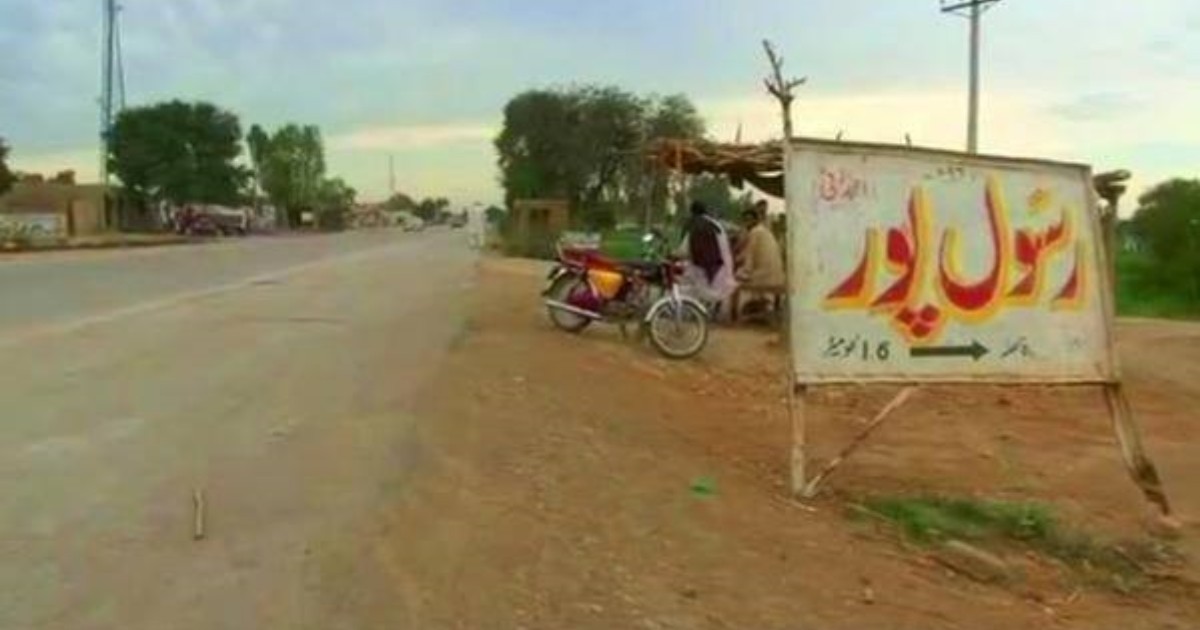
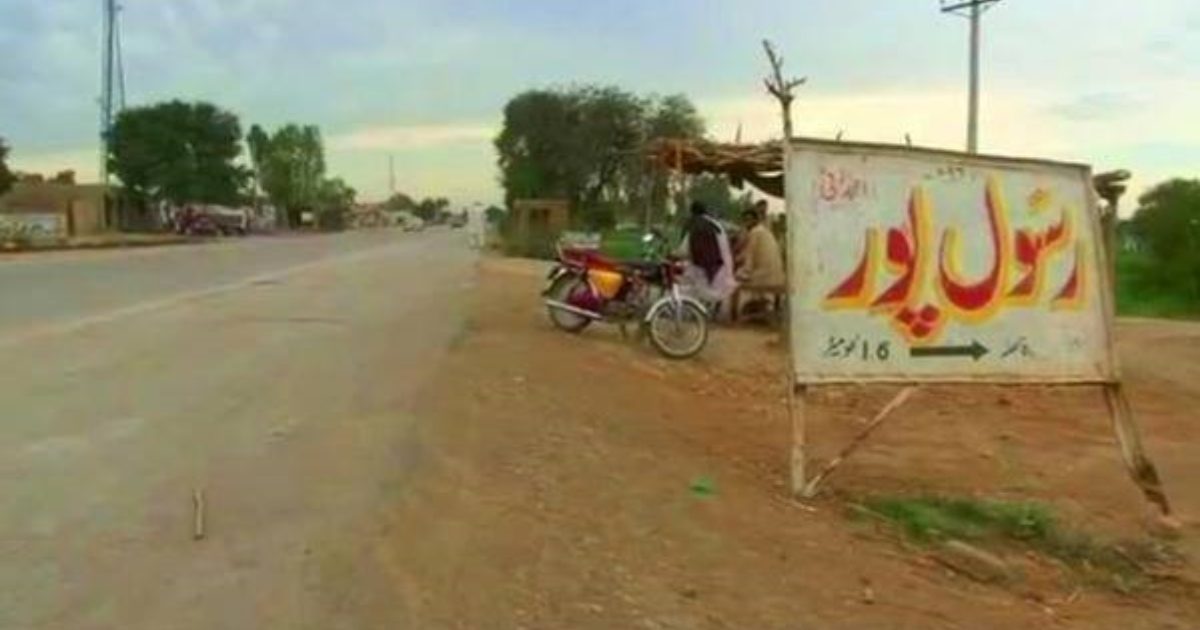
    Rasool Pur is a village, located in the Rajanpur district of Punjab. This amazing village not only has 100% literacy rate, but it also has zero percent crime rate.

    According to a report of Samaa News, Rasool Pur was established as a village in 1933 when people migrated from Balochistan and made this place their home.

    The villagers not only know how to read and write, but most of them have finished their high school education.

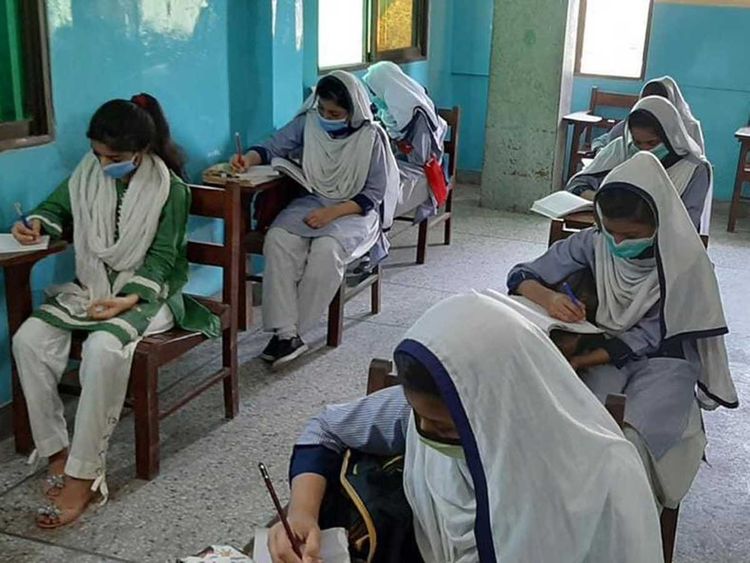
    There are two high schools in Rasool Pur, one for girls and one is for boys.

    It is one of the most peaceful places to live in Pakistan. The crime rate in the village is zero percent.

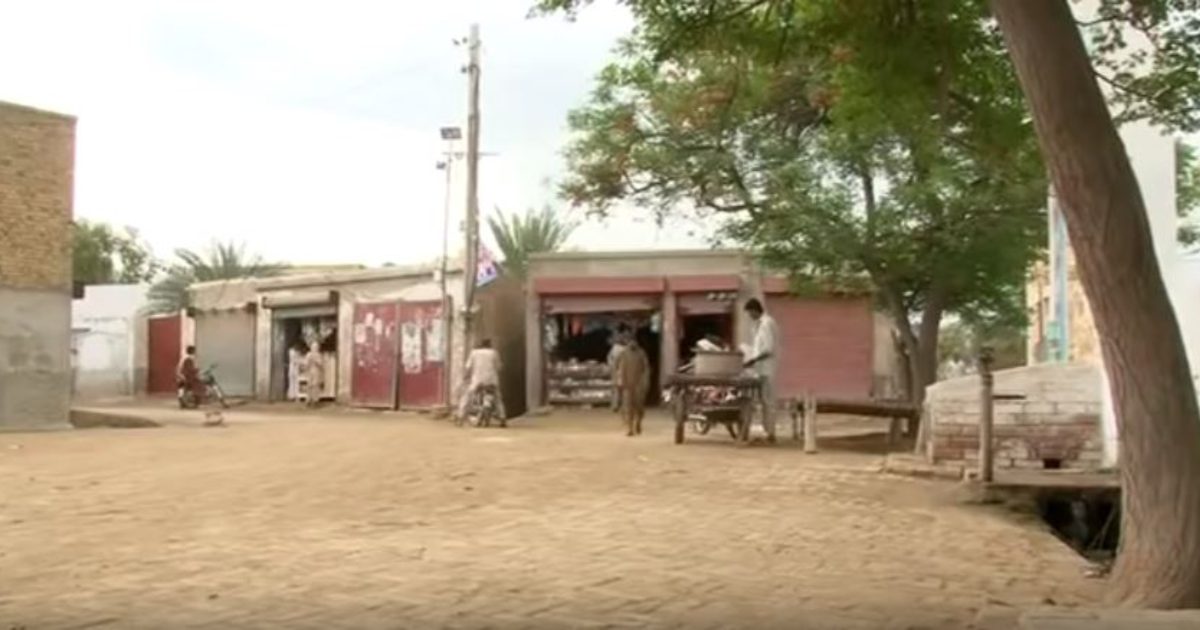
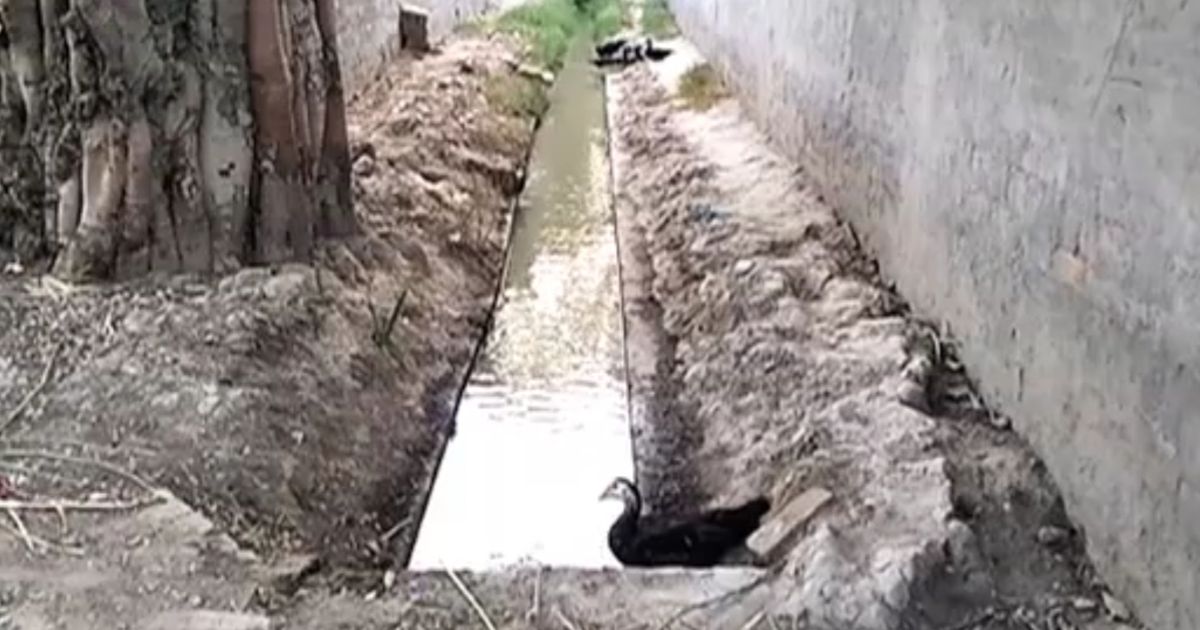
    One of the things that you will notice in Rasool Pur is the cleanliness. Although the village has limited resources, the villagers have made sure that their village does not have any garbage lying around. The sewerage system here is also well maintained.

    They have their own department to cater the issues and development projects of their village.

    Many of the women from this village are highly educated and working as doctors and engineers in different areas of Pakistan.

    The locals of this village understand the value of education and know that it is much more than simply a means of earning more.

  • Nagar Valley girls to get first higher secondary school

    Nagar Valley girls to get first higher secondary school

    Gilgit Baltistan Education Minister Raja Azam Khan has announced that the provincial government is planning to develop the education sector in the area. He said that home schools have been set up in Diamer.

    As per reports, the minister announced that Government High School for Girls Nagar will be made a higher secondary school and a notification will be issued soon to begin secondary school classes in Girls High School.

    He said that efforts are being done to promote higher education in the areas where there is educational backwardness. He said that a home schools project has been initiated in Diameer district so that girls can get education in home schools.

    Incharge of the foundation, OneTen Foundation, which organized an event of uniform distribution to female students told that the foundation gives five per cent of its profits for social services in the early phase of Gilgit-Baltistan.

    The minister and the other speakers highlighted the importance of education in the area.

  • ‘Board exams to be held after July 10,’ says Shafqat Mahmood

    ‘Board exams to be held after July 10,’ says Shafqat Mahmood

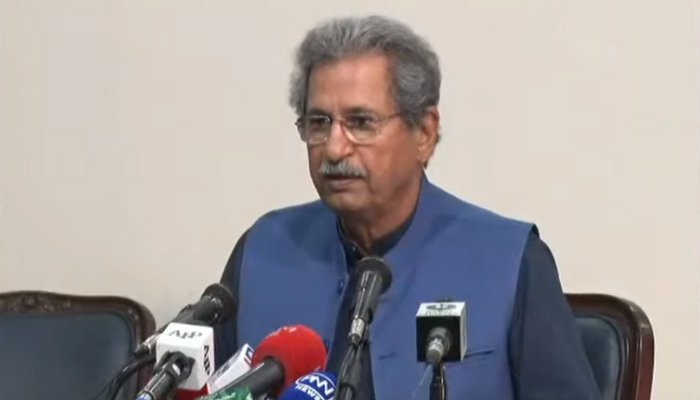
    Federal Minister for Education Shafqat Mahmood said on Wednesday that board exams for students of classes nine and 10 would be held only for elective subjects and mathematics while exams for students of classes 11 and 12 would be held for elective subjects only.

    Mahmood’s press conference came after he chaired a meeting of provincial education ministers and officials from education departments.

    Mahmood said that the issue of resolving the complaint of non-completion of courses by the students was discussed in today’s meeting. “Several months ago, we reduced the curriculum by 40 per cent to make it easier for teachers and students to prepare,” said the minister.

    “It has been decided in the meeting of inter-provincial education ministers that the ninth, 10th, 11th, and 12th examinations will start after July 10,” stated Mahmood. He further added that in this regard, the 10th and 12h examinations will be held first.

    “This decision is taken as students have different streams and directions so they will sit in exams related to their particular subject of interest,” he said.

    “We have also asked boards to keep some gap between the exams,” he said, as he explained the government had taken several steps to ease the process on the students as the educational institutions could not complete the course work.

    Mahmood said that the 10th and 12th classes are currently underway. “We have decided to open schools and colleges for the ninth and 11th classes so that they can prepare,” said the minister. “If we do not conduct the exams, then students will not even employ minimum efforts to study,” said the federal minister.

    “No student will be awarded grades without attempting examinations this year,” the education minister added.

    Mahmood further stated that the teachers conducting the board examinations need to be fully vaccinated.

    “There will be no review of the decision to take the exams. Children must prepare for their examination. We have been very lenient with the legitimate demands of the students,” concluded Mahmood.

  • Shah Rukh Khan’s son Aryan graduates from University of Southern California

    Shah Rukh Khan’s son Aryan graduates from University of Southern California

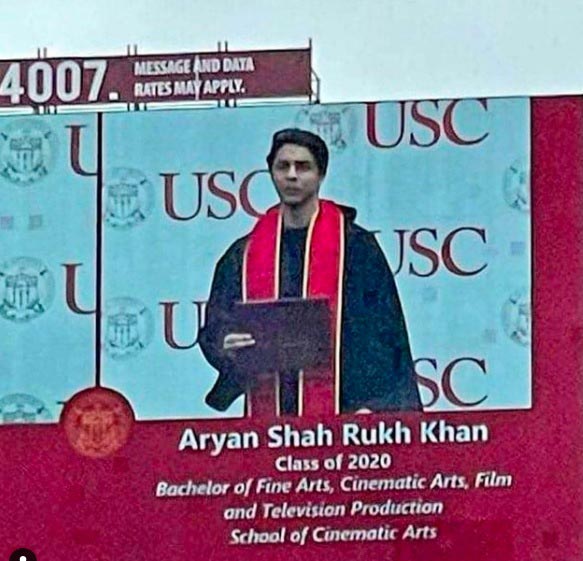
    Shah Rukh Khan’s elder son Aryan Khan has graduated from the University of Southern California (USC) in the United States.

    Read more – Shah Rukh Khan teases fans in witty #AskSRK session

    A picture of the Bollywood superstar’s son in his graduation robe has gone viral on social media. As per details, the graduation ceremony was held recently with social distancing norms in place. It is not yet clear whether SRK and his family managed to attend the ceremony.

    Aryan graduated as part of the Class of 2020 and was awarded the degree of Bachelor of Fine Arts, Cinematic Arts, Film and Television production from the School of Cinematic Arts.

    As per reports, Aryan does not wish to become an actor but hopes to pursue a career as a filmmaker.

    Interestingly, Friends star Lisa Kudrow’s son also graduated from USC’s School of Cinematic Arts on the same day as Aryan. Kudrow’s son Julian graduated as part of the Batch of 2021.

  • Shafqat’s disappointment

    Last month, Minister for Education Shafqat Mahmood voiced his disappointment at the language used by young students on Twitter and social media. Responding to a question by senior anchorperson Asma Shiraz, Mahmood said: “The kind of language these children are using on Twitter, I think it is a collective failure of the government, teachers and parents. One feels ashamed.” Shafqat Mahmood was being trolled by students online for not postponing their exams. Later, the government did postpone the exams till June 15.

    Lawyer and activist Jibran Nasir, who was leading voices to raise the issue of exams on social media and a vocal critic of Shafqat Mahmood, came to the latter’s defence regarding online abuse. Jibran tweeted: “Dear Students, anyone encouraging you to make nasty comments or insulting tweets to highlight your exam issue doesn’t have your best interest at heart. I’ll repeat don’t hurt your cause or embarrass those supporting you by participating in such trends. Keep it clean & respectful.”

    Unfortunately, online trolling and abuse has become a norm in recent years. Trolls are basically people who attack people online in a vicious and malicious way. There are many studies that observe why trolls behave this way. Dr Mark Griffiths, Professor of Behavioural Addiction at Nottingham Trent University, told the BBC that most people troll others “for either revenge, for attention seeking, for boredom, and for personal amusement”. Then there are paid trolls who are part of political parties and other interest groups. It is their job to silence their critics by attacking them. Politicians, journalists, feminists, activists and many others face vicious online troll attacks in Pakistan and other countries. But this does not make it right. Trolls feel powerful because of the anonymity that social media provides. A lot of trolls do not use their own real names and identities. This makes them feel even more ‘powerful’ and they think they can say anything to anyone, be it celebrities, politicians, journalists, etc. Trolls also think that there are no consequences for such behaviour but this is not completely true either. In some cases, trolls who were identified have lost their jobs, have been expelled from educational institutions and some have even gone to jail for threatening others online.

    Shafqat Mahmood’s disappointment is something that everyone who has faced online trolling can relate to. We hope that young students and other people who think they can say anything and everything to strangers just because it’s an online space will introspect and behave more appropriately, as they would do in an offline space. 

  • ‘Educational institutions to remain closed till 23rd May’

    The National Command and Operation Centre has announced an extension in the closure of educational institutions given the prevailing situation of COVID-19 in the country. The decision was taken during the meeting of NCOC held earlier on Saturday.

    “In today’s NCOC session, it is decided that in view of ongoing disease trends, education institutes earlier closed till May 17 will continue to remain closed till May 23,” read a tweet from NCOC’s official Twitter account.

    “Review will be carried out on May 18, 2021,” it added.

    Earlier, the NCOC announced a complete ban on tourism, for both locals and outsiders. The ban shall be observed from May 8-16, the week leading up to and including the Eid holidays. In addition to that, all tourist resorts, formal and informal picnic spots, public parks, shopping malls; all hotels and restaurants in/around tourist/ picnic spots to remain closed.

    On May 7, Pakistan witnessed a death toll of 120. The country has recorded 4,109 confirmed COVID in the last 24 hours with a positivity rate of 8.54%.

  • Students accuse Shafqat Mahmood of ‘destroying careers’, demand resignation

    After Federal Minister for Education Shafqat Mahmood announced on Tuesday that no examinations will take place in the country until June 15 and that O’ and A’ Level exams will now take place in the October-November cycle, students are now demanding Teacher and School Assessed Grades with the hashtags #ShafqatDestroysOurCareer and #ResignShafqatMahmood trending on social media.

    Students are arguing that their study schedules have been disrupted because of the ongoing COVID-19 pandemic and are demanding Teacher Assessed Grades (TAGs) and School Assessed Grades (SAGs). On the other hand, some are even proposing other ways of promoting the students without exams.

    https://twitter.com/dauddogar/status/1387313554647363585
    https://twitter.com/ahmedhaseeb48/status/1387315787459928065
    https://twitter.com/RajaAliuzZaman2/status/1387304518354935808?s=20

    Pakistan is currently experiencing a deadly third wave of COVID-19 with fears of an India-like situation. According to the National Command and Operations Centre (NCOC), 5292 cases and 201 deaths were reported in the last 24 hours.