Tag: Pakistan

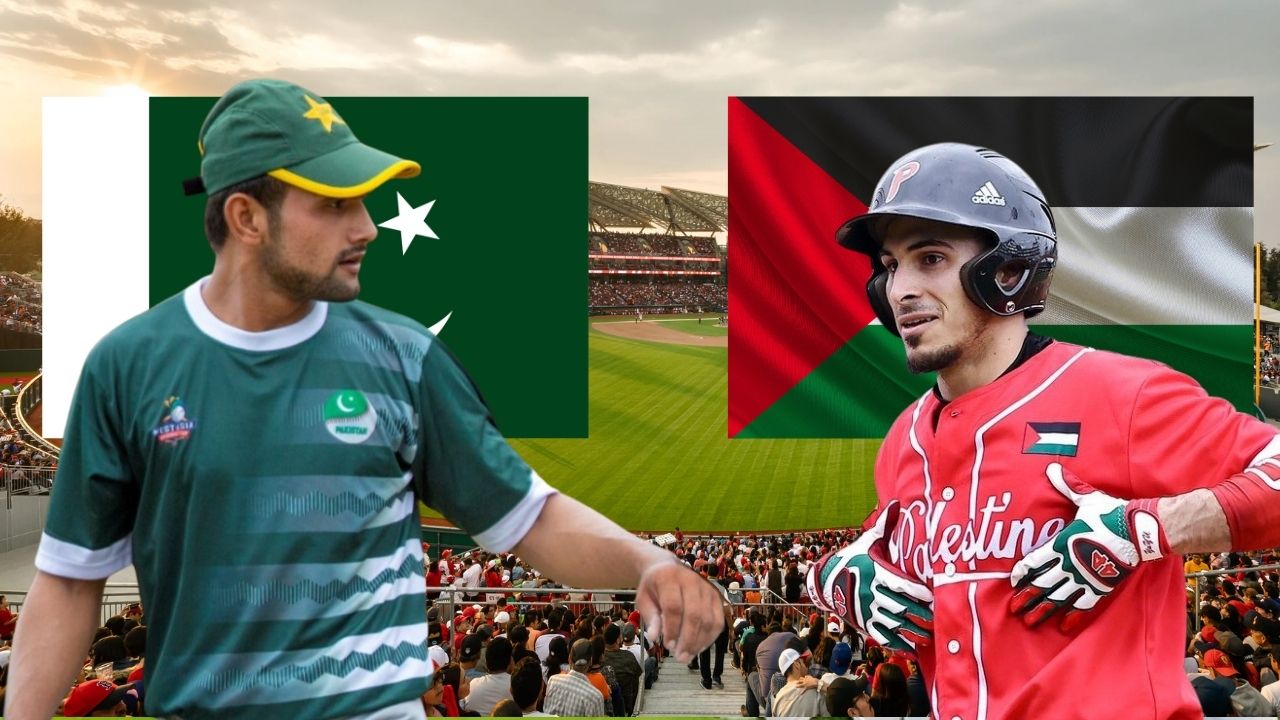
  • Pakistan, Palestine to play historic three-game baseball series

    Pakistan, Palestine to play historic three-game baseball series

    Pakistan and Palestine are set to make history next month as they face off in a three-game baseball series in the United States.

    Titled the Little Palestine Classic, the series will be held at Ozinga Field in Crestwood, Illinois, from August 1 to 3, 2025. This marks an exciting milestone for two emerging baseball nations working to expand their presence in the sport.

    The international exhibition promises more than just competition on the field. It will offer fans a rare glimpse into the expanding baseball cultures of Pakistan and Palestine, both of which are steadily gaining momentum through grassroots development and youth programs.

    All games will be played at Ozinga Field, a well-known minor league stadium located at 14011 Kenton Avenue, Crestwood, Illinois. The first two games will be held under the lights, while the final game will take place during the day.

    Pakistan has steadily become a rising force in Asian baseball, with consistent performances in events like the Asian Baseball Championship and an improved standing in the WBSC world rankings. Officials say the country’s progress reflects a strong commitment to developing young talent and promoting the sport nationwide.

    The series also carries cultural significance for the players and the large Pakistani and Palestinian communities in the US. It will be a moment of pride for fans to see their teams compete internationally while celebrating their heritage and identity.

    Ozinga Field is expected to become a hub of cultural exchange and community celebration during the three-day event.

    Series schedule:
    Game 1: Thursday, August 1 at 7:00 PM (local time)
    Game 2: Friday, August 2 at 6:00 PM (local time)
    Game 3: Saturday, August 3 at 12:00 PM (local time)

  • Global trends or local market conditions? Microsoft shuts down Pakistan office after 25 years

    Global trends or local market conditions? Microsoft shuts down Pakistan office after 25 years

    Microsoft has closed its Pakistan office, marking the end of its physical presence in the country after 25 years.

    As per the details, the decision is part of a larger global restructuring initiative as the company reduces its workforce by over 9,000 positions globally and focuses more intensely on a cloud-based Software-as-a-Service (SaaS) model.

    Although Microsoft did not have a complete commercial operation in Pakistan, it operated liaison offices that catered to enterprise, education and government clients. Much of this work had already been transitioning to local partners and regional centers, especially in Ireland. The local team had reportedly diminished considerably in recent years.

    In response to media inquiries, a Microsoft representative said that the company would continue to support Pakistani customers through regional offices and a robust partner network. The representative also noted that this model was already implemented in various other countries.

    The announcement also elicited responses from former officials and industry analysts. Former president Dr Arif Alvi described it as a “worrying sign,” indicating that the company had previously contemplated expanding its operations in Pakistan but opted for Vietnam instead, citing political and economic unpredictability. “The opportunity was lost,” he said on X.

    Jawwad Rehman, the first country manager for Microsoft Pakistan, also acknowledged the decision in a LinkedIn update. He remarked that the move was indicative of the current business environment where even prominent global firms struggled to maintain operations.

    Tech entrepreneur Habibullah Khan pointed out that Microsoft’s revenue from Pakistan was estimated at approximately $50 million — less than 0.02% of its total global earnings. He contended that the company’s relationship with the country was never deeply established and characterised the exit as part of a broader trend towards cloud-first services.

    The Ministry of IT and Telecommunications recognised the development but clarified that Microsoft’s action did not equate to a complete withdrawal. Instead, it indicated a transition to a service delivery model that did not necessitate a physical office. The ministry connected this to the global shift away from capital-intensive and on-premise software installations to cloud-based subscription solutions.

    Analysts also opined that Microsoft’s transition was more influenced by global market trends rather than local market conditions.

  • Israeli professor says ‘next target’ could be Pakistan’s nuclear programme

    Israeli professor says ‘next target’ could be Pakistan’s nuclear programme

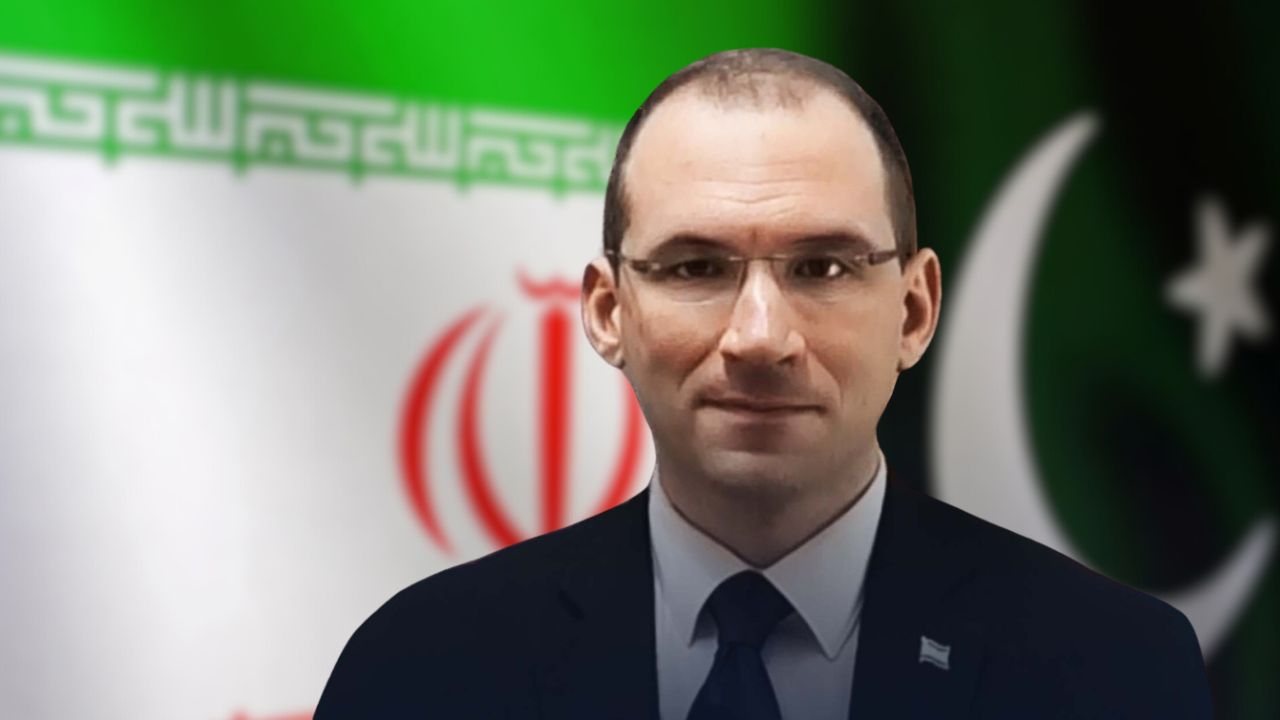
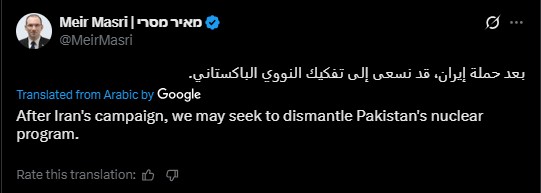
    With regional tensions at an all-time high as the Iran-Israel conflict continues for the seventh consecutive day, Israeli author, Hebrew University professor and military reservist Meir Masri has said that Tel Aviv, following its campaign against Tehran, could go on to dismantle Pakistan’s nuclear programme.

    “After Iran’s campaign, we may seek to dismantle Pakistan’s nuclear programme,” Masri wrote in a post on X (formerly Twitter).

    While no Pakistani official has reacted to the statement as of yet, it comes a day after Pakistan’s Deputy Prime Minister (PM) Ishaq Dar dismissed claims that Islamabad would carry out a nuclear attack on Israel if Iran was to targeted with weapons of mass destruction.

    “Our nuclear programme is only a deterrent for Pakistan’s security,” the deputy premier told a private media outlet. He went on to say that it was Pakistan’s stated policy since May 28, 1998, that its nuclear programme was only a deterrent.

    Dar, who is also the foreign minister, also said that even though Pakistan was not a signatory to the Non-Proliferation Treaty (NPT), it abided by its principles. “We have not signed the NPT because our position has always been that we would consider doing it if India does it too,” he said.

    Meanwhile, hundreds have been killed and thousands injured in the clashes between Iran and Israel.

    Citing Washington-based group Human Rights Activists, the Washington Post has reported that the death toll in Iran has reached 585 with another 1,326 wounded. The group added that it had identified 239 of those killed in Israeli strikes as civilians and 126 as security personnel.

    On the Israeli side, 24 people have so far been killed, more than 800 have been injured and over 3,800 have been evacuated from their homes, Israeli Prime Minister (PM) Benjamin Netanyahu’s office said Thursday.

    With the number of casualties continuing to rise and global leaders stressing the need for ceasefire, Iranian Supreme Leader Ayatollah Ali Khamenei has warned the US of “irreparable damage” if it intervenes, declaring that Tehran itself would “never surrender”.

    Khamenei’s latest statement, which was released by state-owned media, comes amid fears that the US could soon be entering the conflict with strikes on Iran.

  • Pakistani Hindu couple found dead in Mumbai apartment

    Pakistani Hindu couple found dead in Mumbai apartment

    A Pakistani national Hindu couple was found dead in their apartment in Mumbai, India, on Monday. According to Indian media, it’s a murder-suicide case in which the husband is believed to have stabbed his wife with a kitchen knife and then committed suicide. 

    The wife reportedly sustained stab wounds on the neck, back and shoulder.

    The husband has been identified as 45-year-old Sanjay Sachdeva, while the wife is 35-year-old Sapna Das.

    Indian media cited a senior inspector of Kharghar police, Deepak Surve, as stating that last month, Sanjay was accused of assaulting his wife in front of their neighbours, but she chose not to file a complaint against him.

    As per the details available so far, the younger of the couple’s two children found the main door of the apartment locked from the inside when he returned from coaching class on Monday, whereas the other sibling was not at home. When no one responded for a long while, the child continued to knock, and he reached out to the neighbours for help, who entered the apartment through a common balcony. The couple was found “in a pool of blood”.

    The couple reportedly came to India last year, more than six months ago, along with their two children on a long-term visa.

    The couple’s residential apartment was rented by Sapna’s sister Sangeeta Makhija, who is an Indian citizen and was reportedly supporting the family financially. According to a senior police officer, the two were in the process of completing their paperwork and legal requirements needed to return home after the escalation between Pakistan and India last month, in May.

    Makhija reached out to the police for help after last month’s alleged assault, but they stated that they could not take effective action since Sapna declined to file a complaint.

  • Child marriage bill gets passed despite opposition

    Child marriage bill gets passed despite opposition

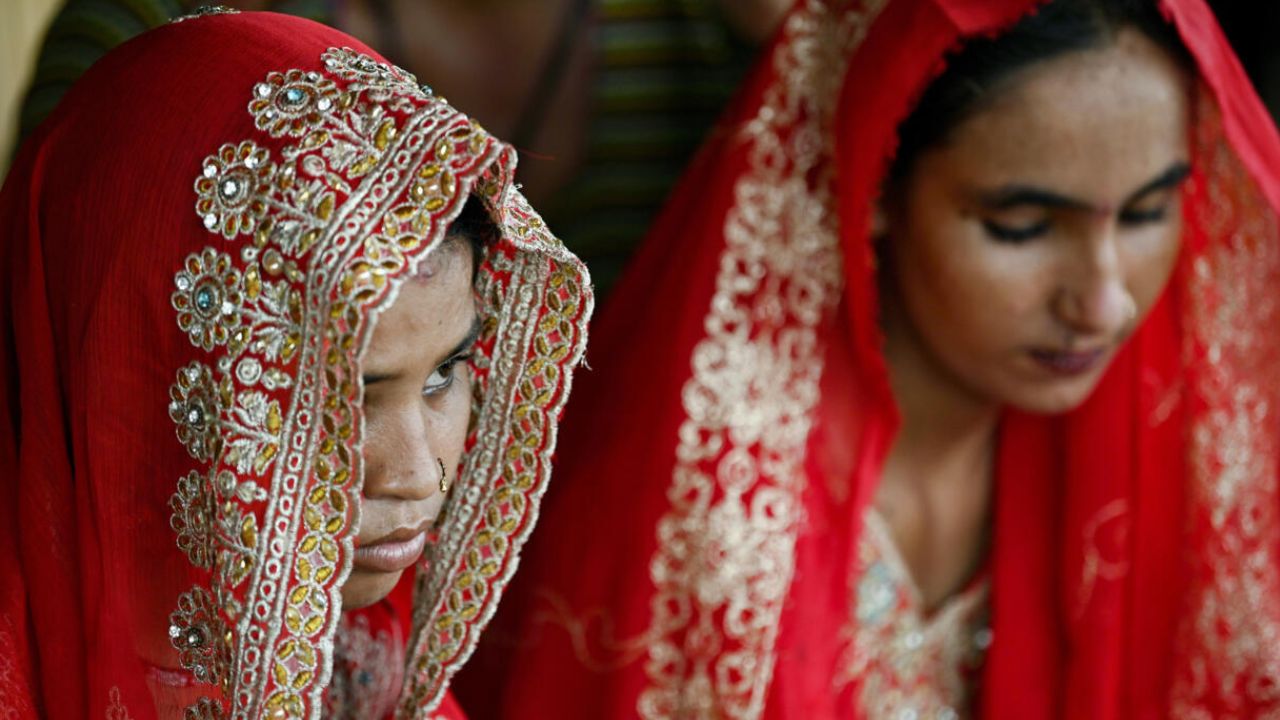
    The National Assembly of Pakistan has passed the Islamabad Capital Territory Child Marriage Restriction Bill, 2025, in a historic step towards safeguarding children’s rights and bringing national legislation into compliance with international human rights standards.

    The National Assembly unanimously passed the bill introduced by PPP MNA Sharmila Faruqui. It was then sent to the president for assent, but the Senate opposed it, with several senators demanding that it be sent to the CII first.

    It seeks to set the minimum marriage age at 18 for both boys and girls in Islamabad and federal territories, replacing legislation that dates back to British colonial rule.

     Under the proposed law, facilitating or conducting a child marriage will be considered a criminal offense, carrying penalties of up to seven years’ imprisonment. 

    The bill also classifies sexual relations with a minor within marriage as statutory rape. After the CII’s 243rd session, which took place on May 27–28, the Council released a statement criticizing several of the bill’s clauses.

     These include setting a legal age for marriage and criminalizing marriage below 18 years as abuse, which the council said are not in accordance with Islamic injunctions.

    “The bill introduced by Madam Sharmila Faruqui … has been declared un-Islamic,” read a statement from the council’s media wing. CII member Maulana Jalaluddin of JUI-F added that the bill contradicts Shariah, traditions, and societal values, and claimed it was passed without the council’s prior review. 

    Clerics from various religious schools of thought have appealed to President Asif Ali Zardari not to sign the bill, urging him to prevent what they termed “anarchy in society.”

    Maulana Fazlur Rehman, the leader of JUI-F, criticized the bill during a parliamentary debate and requested that it be sent to the CII prior to receiving presidential assent.


    MNA Faruqui responded to the criticism by saying that the bill’s main objectives are human rights and child welfare.

     Girls under the age of 18 are not allowed to vote, obtain a driver’s license, or obtain a CNIC. “How is it just to let them get married,” she asked.  

    Faruqui also mentioned a Federal Shariat Court ruling from 2022 that supported the state’s authority to establish the legal minimum age of marriage.


    In Pakistan, 29 percent of girls are married by 18 , according to a 2018 demographic survey, and four percent marry before the age of 15 compared with five percent for boys, according to Girls Not Brides, a global coalition aiming to end child marriage. 

    The country is among the top 10 worldwide with the highest absolute number of women who were married or in a union before the age of 18. Girls who marry are less likely to finish school and are more likely to face domestic violence, abuse and health problems. 

    Pregnancies become higher risk for child brides, with a greater chance of fistulas, sexually transmitted infections or even death. Teenagers are more likely to die from complications during childbirth than women in their 20s.

    The Child Marriage Restraint Act of 1929 was amended in Punjab in 2015, keeping the minimum marriage age at 16 for girls and 18 for boys but increasing penalties. 

    Offenders risk a fine of Rs. 50,000 and six months in jail. Civil society groups have recommended raising the age for girls to 18, but the proposal awaits a decision from the CII.


    The Sindh Child Marriage Restraint Act, which was implemented in 2013, makes  Sindh the only province where the legal marriage age for both men and women is 18.

    President Asif Ali Zardari on Friday gave his assent to the Islamabad Capital Territory Child Marriage Restraint Bill, finalising its enactment despite continued criticism from religious groups.

  • Azerbaijan signs billion-dollar deal for JF-17 Thunder jets with Pakistan

    Azerbaijan signs billion-dollar deal for JF-17 Thunder jets with Pakistan

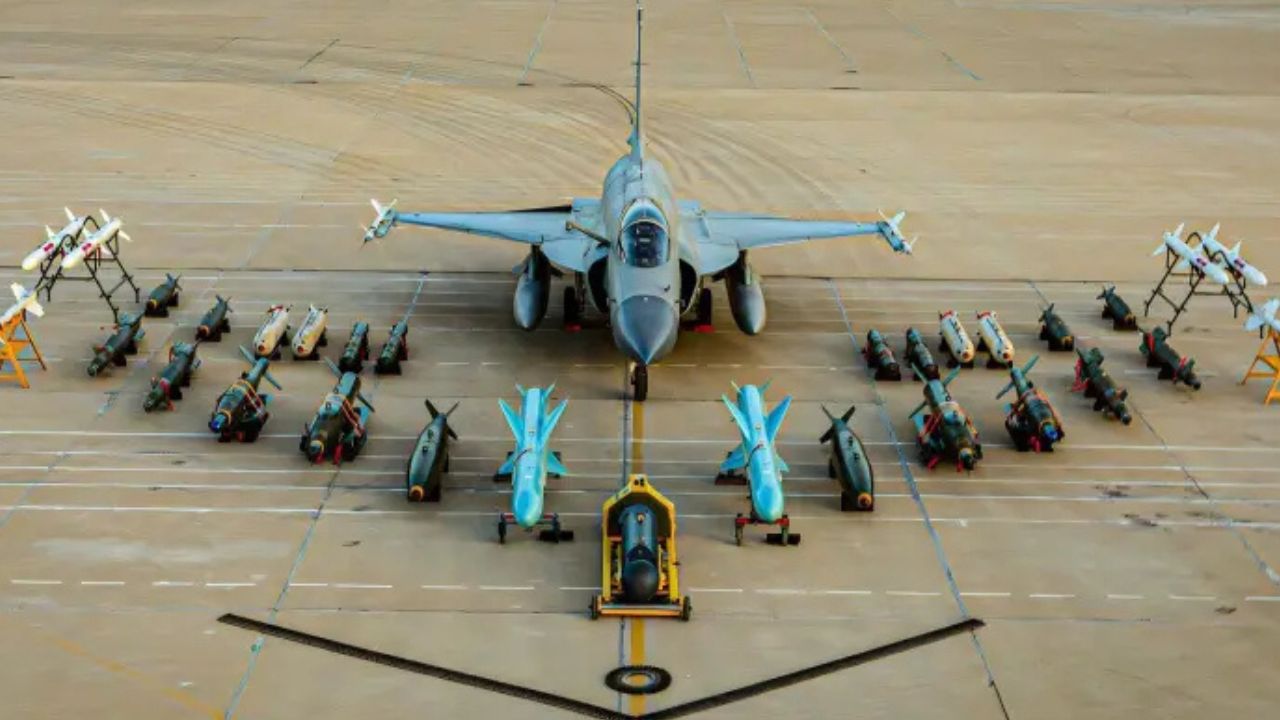
    A $4.2 billion deal for the acquisition of JF-17 Thunder Block III aircraft, jointly produced by Pakistan and China, has reportedly been signed between Baku and Islamabad.

    According to media reports, Azerbaijan is expanding its initial purchase of JF-17 Thunder Block III fighter jets, increasing the number from 16 to a striking 40 units.

    In February 2024, Azerbaijan signed a $1.6 billion contract to acquire 16 JF-17 advanced multirole aircraft, which were reportedly delivered in September of the same year.

    Read More: Here’s how Pakistani intelligence obtained footage of IAF’s downed Rafale

    Reports suggest that the deal marked a significant enhancement of Azerbaijan’s aerial capabilities and deepened its defence cooperation with Pakistan. The latest agreement positions Pakistan among Azerbaijan’s top military suppliers, alongside Turkey, Russia, and Israel.

    According to unconfirmed reports, as of 2025, over 160 JF-17s have been built. Approximately 145 are in operational service with Pakistan, while 16 have been delivered to Myanmar, Azerbaijan, and three to Niger.

    While official confirmation from Baku and Islamabad remains pending, Dr Ahmad Shahidov, Chairman of the Azerbaijan Institute for Democracy and Human Rights and a journalist, took to X (formerly Twitter) on Tuesday to announce that a $4.2 billion deal for JF-17 Block III fighter jets between the two countries has been signed.

    “Today marks more than just a military agreement. It’s a statement of brotherhood, trust, and a shared vision for the future. Azerbaijan and Pakistan, two brotherly nations, have come together to make our skies stronger, safer, and better equipped,” he wrote.

    Shahidov further stated that the acquisition of JF-17 Thunder Block III fighter jets is not just an upgrade of the air fleet but “securing our people, safeguarding our homeland’s sovereignty, and standing tall in our region”.

    “What makes this moment even prouder is that it was done hand-in-hand with our brothers in Pakistan. Through every trial and triumph, we have stood together — now, we soar together in the skies!” he added.

    Meanwhile, Prime Minister (PM) Shehbaz Sharif and Azerbaijani President Ilham Aliyev reaffirmed their shared commitment to diversifying the strategic partnership through investment in mutually beneficial areas, the Government of Pakistan (GOP) stated in a post on X on Tuesday.

    During a pivotal bilateral meeting held in Lachin yesterday, the two leaders reportedly discussed the full spectrum of bilateral relations and expressed satisfaction with the growing political, economic, defence, and cultural cooperation between Islamabad and Baku.

    The Prime Minister also thanked Azerbaijan for its unwavering support during the recent escalation between nuclear-armed neighbours Pakistan and India.

  • Khamenei wants Pak-Iran alliance for ending Israeli crimes in Gaza

    Khamenei wants Pak-Iran alliance for ending Israeli crimes in Gaza

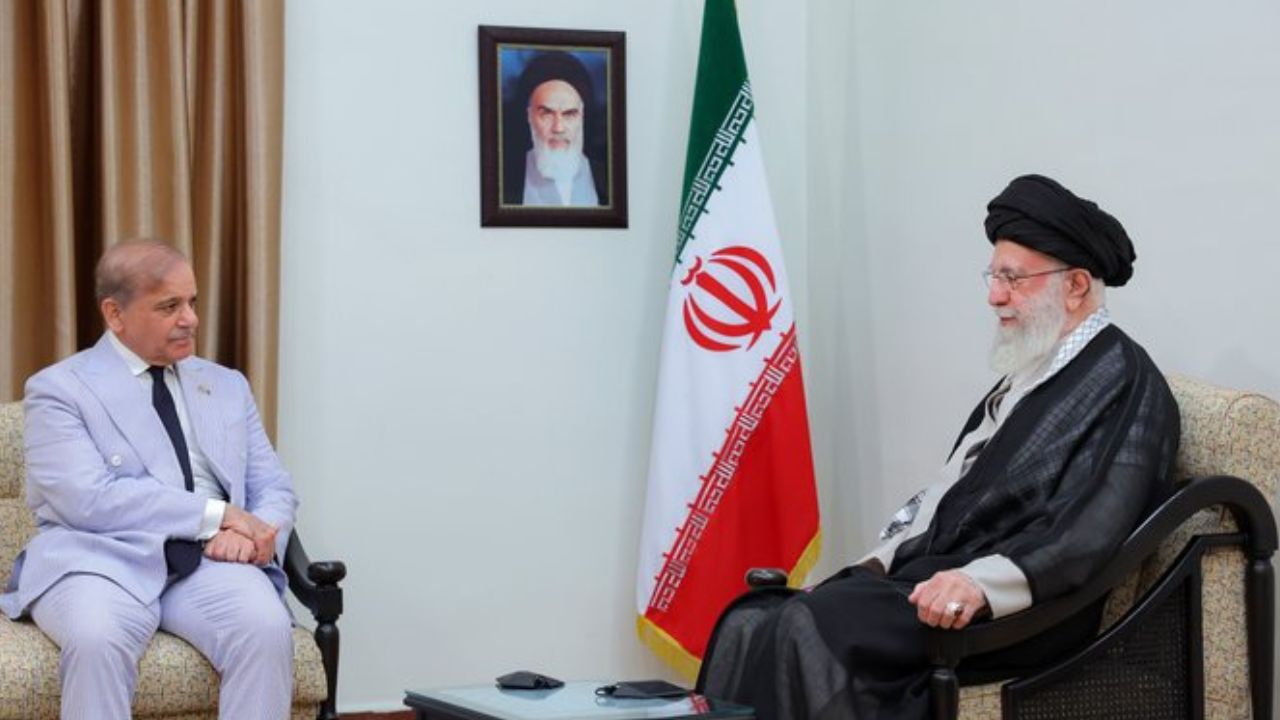
    Iran’s supreme leader Ayatollah Ali Khamenei took to X (formerly Twitter) on Monday to emphasise the Pakistan-Iran alliance for an end to Israeli crimes in Gaza.

    Following the meeting with Prime Minister (PM) Shehbaz Sharif, a series of tweets was made from Iran’s supreme leader’s official X handle. 

    In one of his tweets, he wrote, “Effective, joint efforts by Iran and Pakistan are necessary to stop the Zionist regime’s crimes in Gaza.”

    In another tweet, calling Pakistan’s stance regarding the issue of Palestine “commendable”, Khamenei wrote, “While there have always been inducements for Islamic countries to establish ties with the Zionist regime, Pakistan has never been influenced by those inducements.”

    One of his tweets reads, “At a time when the warmongers in the world have numerous motives for creating conflicts and wars, the only way to ensure the security of the Islamic Ummah is the unity of Muslim nations.”

    He underscored that the Palestinian issue is the most important issue in the “Islamic world”.

    The supreme leader further said that the conditions in Gaza “have deteriorated to such an extent that people in Europe and the US are holding protests against their governments. But in these same circumstances, some Muslim governments are standing with the Zionist regime.”

    Khamenei asserted that Tehran and Islamabad can assist one another in many fields. “We are hopeful there will be a comprehensive expansion of ties, particularly in economic, political, and cultural spheres,” he added.

    During a joint press conference in Tehran, accompanied by the Iranian President on Monday, PM Shehbaz highlighted the long-standing cultural and historical ties between Pakistan and Iran.

    On the ongoing Gaza conflict, PM Shehbaz expressed Pakistan’s solidarity with the Palestinian people, decrying the Israeli aggression that has resulted in the deaths of nearly 54,000 Palestinians.

    Shehbaz is currently on a four-nation tour to friendly countries, where he will express his gratitude for their support for Pakistan during the recent military escalation with India.

    On Monday, the Pakistani Prime Minister was received by Iranian President Masoud Pezeshkian at Saadabad Palace in the Iranian capital, where he received a guard of honour.

  • ‘Reckless provocation’: Pakistan hits back at Modi for terror allegations

    ‘Reckless provocation’: Pakistan hits back at Modi for terror allegations

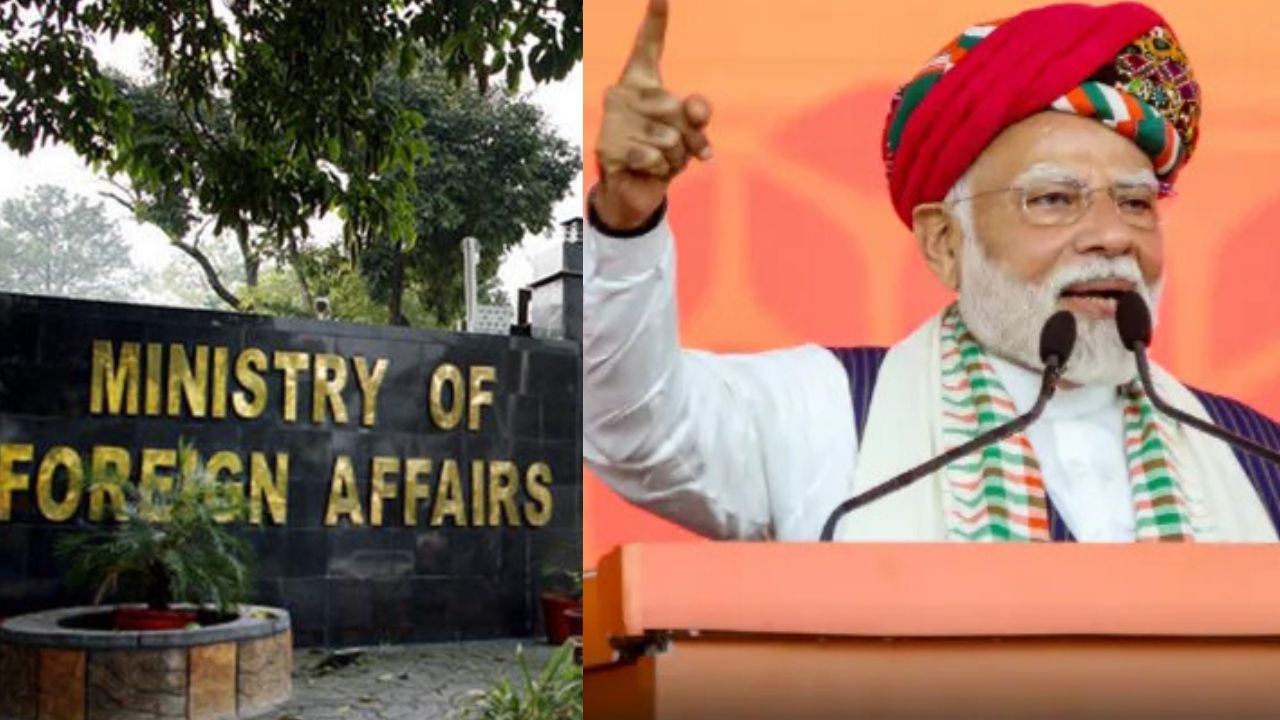
    Pakistan has hit back at Indian Prime Minister (PM) Narendra Modi, terming his remarks from a recent political rally “reckless provocations.”

    “To end terrorism in Pakistan, the people of Pakistan need to step forward. Live peacefully and eat your bread, or else my bullet is ready,” the Indian premier Monday said at a rally in his home state of Gujarat’s Bhuj.

    He said that those who “fanned terror had not even imagined in their dreams how difficult it was to face Modi”.

    “Ever since Pakistan was born, it has focused on enmity with India, while we in India have focused on removing poverty, growth and development,” he said while addressing a public rally in Dahod later in the day.

    Strongly reacting to Modi’s reckless statements, Islamabad described the remarks as hate-driven. In a statement, the Foreign Office (FO) said the remarks were a “theatrical flourish of a campaign rally rather than the sobriety expected from the leader of a nuclear-armed state”.

    “The hate-driven invocation of violence in his remarks is deeply disturbing, not only for its content but for the dangerous precedent it sets in a region already burdened by volatility,” the statement added.

    Stressing that the Indian leader’s remarks were deeply disturbing, the FO said, “This kind of inflammatory rhetoric goes against the core principles of the United Nations Charter.”

    Additionally, the FO underscored that all member states were obliged to resolve disputes peacefully and refrain from the threat or use of force against the sovereignty and political independence of other nations

    .

    It merits a mention that the Indian premier’s rhetoric comes following Pakistan’s swift and befitting response to New Delhi’s cross-border aggression. In retaliation to unprovoked missile strikes, Pakistan, earlier this month, destroyed multiple Indian airbases.

    Separately, PM Shehbaz Sharif on Monday said that for the sake of regional peace, Pakistan was prepared to hold talks with India, reiterating that the country desired peace and stability in South Asia.

    “We want peace… we are ready to engage in dialogue for the resolution of all disputes, including the issue of Kashmir,” the Pakistani premier said while addressing a joint press conference along with Iranian President Dr Masoud Pezeshkian in Tehran.

    During the presser, PM Shehbaz also emphasised that Pakistan was a peaceful country that sought harmony in the region, however, any act of aggression would always be met with a strong and effective response.

  • Here’s why Azerbaijan was cheering for Pakistan during clashes with India

    Here’s why Azerbaijan was cheering for Pakistan during clashes with India

    Azerbaijan was among the countries that announced full support for Pakistan during the recent escalation in tensions between Pakistan and India, which brought the region to the brink of war.

    Azerbaijan’s Ambassador to Pakistan, Khazar Farhadov, conveyed his government’s support and condemned Indian aggression at the time.

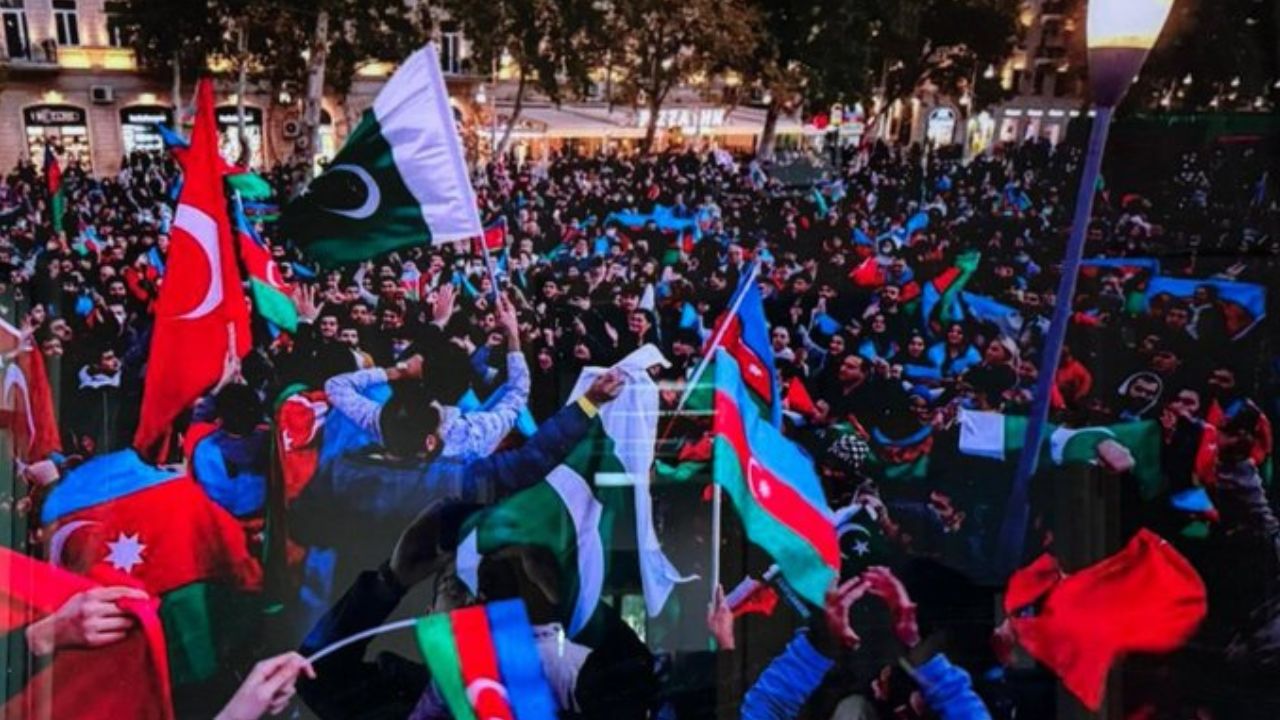
    People in Azerbaijan also took to the streets to celebrate the Pakistan Air Force’s (PAF) successful response to Indian airstrikes in the early hours of May 10.

    But where does this deep-rooted support from Azerbaijanis for Pakistan stem from?

    The close ties between the two countries go back decades, particularly the shared stance in the Armenia-Azerbaijan conflict over the Nagorno-Karabakh region. Both Armenia and Azerbaijan have laid claim to the territory.

    Despite being largely Armenian-populated, the Soviet Union placed the Nagorno-Karabakh Autonomous Oblast (NKAO) under Azerbaijani control in 1929.

    As the USSR began to weaken in the 1980s and eventually collapsed in 1991, ethnic Armenians in the region reignited calls for self-determination, which led to a new phase of violent conflict.

    This led to the First Nagorno-Karabakh War, in which Armenia successfully took control of the disputed territory.

    In 1991, Pakistan, alongside Turkey and Romania, recognised Azerbaijan’s independence.

    Pakistan and Azerbaijan formally established diplomatic ties in 1992.

    In April 1993, Pakistan supported United Nations Security Council Resolution 822, which called for an immediate ceasefire and the withdrawal of Armenian occupying forces from Azerbaijani territory.

    Pakistan also chaired the Security Council meeting during which the resolution was adopted.

    Pakistan has consistently supported Azerbaijan’s territorial integrity at international forums. It is also an active member of the Organisation of Islamic Cooperation (OIC) Contact Group on the Aggression of Armenia Against Azerbaijan.

    In 2012 and 2017, Pakistan’s Senate and National Assembly, respectively, passed resolutions recognising the Khojaly massacre as genocide.

    The frozen conflict resurfaced again in 2020 during the Second Nagorno-Karabakh War in which  Azerbaijan regained control over large parts of the territory previously held by Armenia with Turkish military support.

    Throughout the conflict, Pakistan also supported Azerbaijan’s right to self-defence. In October 2020, the National Assembly unanimously passed a resolution condemning Armenian aggression.

    According to unconfirmed reports, Pakistani military advisors assisted Azerbaijani forces. The Pakistani Foreign Office denied any direct involvement of troops, stating that its support remained political and diplomatic.

    After 44 days of fighting, Russia brokered a ceasefire and deployed peacekeepers to enforce the agreement.

    Pakistan continued to support Azerbaijan’s territorial integrity after the 2020 war, including the 2023 military operation to gain full control over Nagorno-Karabakh.

    Since 2021, the two countries have strengthened their military cooperation, including joint drills and major defence deals. Notably, Pakistan signed a $1.6 billion agreement to supply JF-17 fighter jets to Azerbaijan.

    Pakistan-India tensions

    Tensions between Pakistan and India escalated after the April 22 Pahalgam terrorist attack in Indian Illegally Occupied Jammu and Kashmir (IIOJK), in which 26 civilians were killed. India blamed Pakistan for the attack without presenting credible evidence.

    Following the incident, India suspended the Indus Waters Treaty, which has been a key water-sharing agreement between the two countries signed in 1960, and governs the distribution of the Indus River and its tributaries.

    The threat of war intensified, and on May 7 and 8, India launched airstrikes in various parts of Pakistan. At least three civilians were martyred, and 12 others injured in the attacks.

    The airstrikes came amid heightened warmongering by India and public outrage following the Pahalgam incident. Pakistan strongly denied any involvement and offered a transparent investigation into the tragedy.

    As tensions continued to rise, explosions were reported in Kotli, Bahawalpur, Muridke, Bagh, and Muzaffarabad on May 6 and 7.

  • PAF hits the mark: Pakistanis’ forever crush is an air force baddie

    PAF hits the mark: Pakistanis’ forever crush is an air force baddie

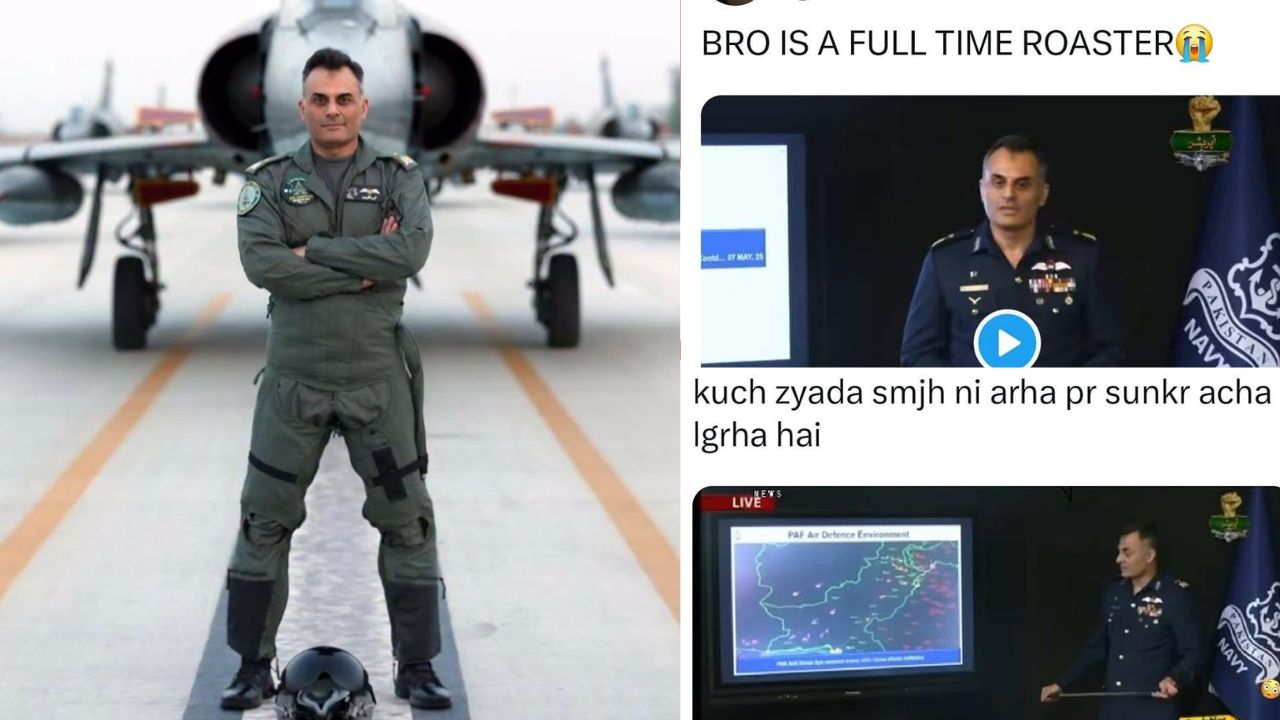
    The dangerous skirmish between nuclear-armed Pakistan and India had the world on tenterhooks, watching with baited breath as the countries traded blows. But true to form, the Pakistani people had moved on to much more serious matters – namely, the hotness and wit quotient as well as confidence of Air Vice Marshal (AVM) Aurangzeb Ahmad.


    The flying ace has unexpectedly become the internet’s newest obsession after joining in during a joint press conference addressing recent tensions between Pakistan and India. What started out as a serious national security briefing has now become an online sensation.


    Alongside ISPR chief Lieutenant General Ahmed Sharif and Vice Admiral Raja Rab Nawaz, AVM Aurangzeb briefed the nation on how PAF responded to Indian aggression with full force and precision. Six Indian aircraft down. Zero Pakistani losses. BrahMos missiles intercepted mid-air. Every drone jammed… every threat neutralised.


    He clarified that Pakistan maintained complete operational readiness, using both soft and hard kills and exercised discretion in civilian areas. In one of the more significant details, Aurangzeb reported that Pakistan’s hypersonic and precision-guided weaponry only hit their intended military targets, while Indian missiles fired from Amritsar had misfired and targeted Indian civilian areas.


    But as his crisp briefings aired across the country, viewers were struck not only by the strategic depth but also by the poise with which it was delivered. Social media, as always, responded in real time and it wasn’t long before the nation found itself unusually invested in a military update.


    “If you told me a week ago I’d be waiting the entire day for a press conference by our army officials, I’d laugh at your face,” one user admitted.


    Another said: “I am very interested in learning about our jets. I think we should have a monthly PAF update press conference.” 


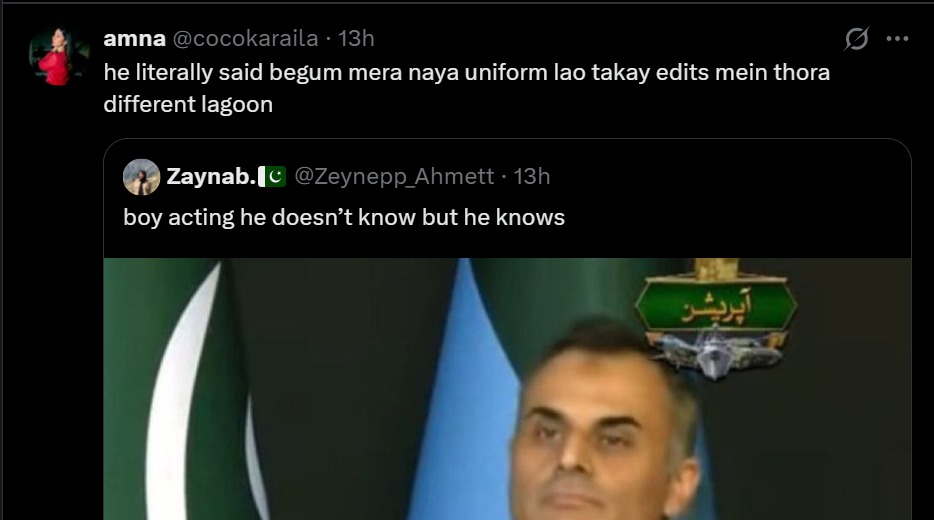
    The Air Marshal’s presence has generated a lot of admiration, with edits going viral online and passionate comments exploding on X (formerly Twitter) and Instagram. One laughed, “He literally said begum mera naya uniform lao takay edits mein thora different lagoon.” 


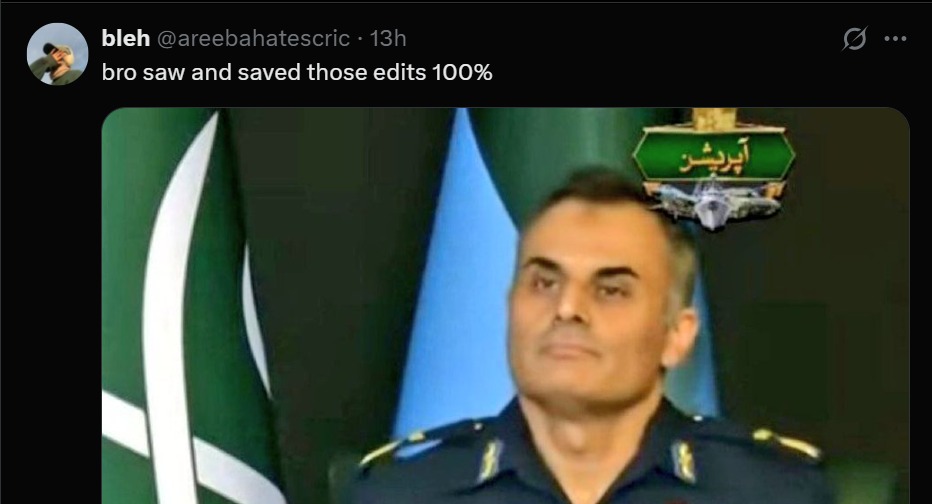
    Another wrote, “Bro saw and saved those edits 100%.”


    The compliments soon reached meme-worthy levels. Someone joked, “Aurangzeb can kill five stones with one bird.” Another said, “The terms and conditions agree with Aurangzeb when he creates an account.”


    From racing against time to redefining weekends, the internet spared no exaggeration in celebrating his moment.


    The internet has even nicknamed him “The Aura Guy”, a reference to the composed assurance he displayed during the briefing and the almost magnetic aura he seems to have garnered since. 


    Others noted the professionalism of the event’s structure. “ISPR is waisay such a professional entity they knew kay Aurangzeb ka part shuru mein rakh diya tou sab nikal jayeingay.”


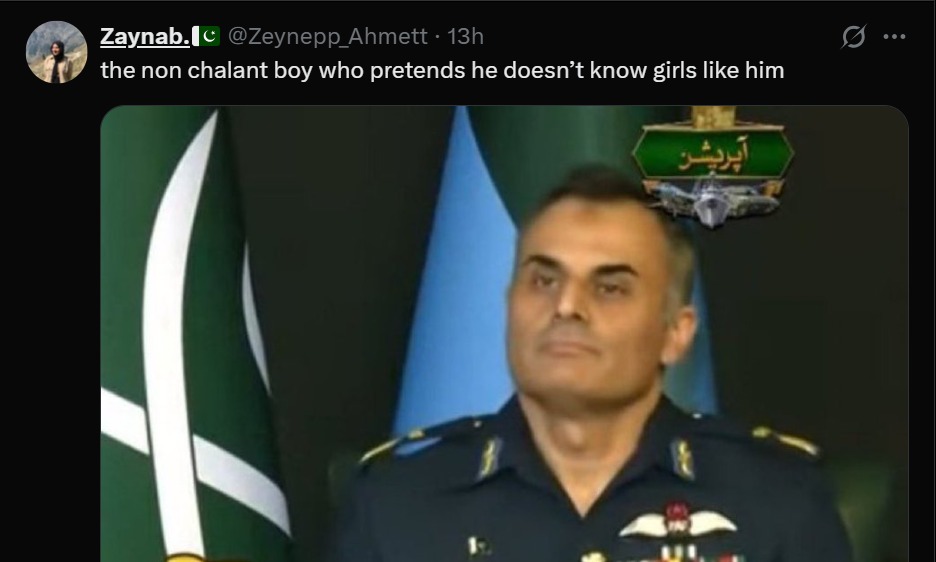
    Additionally, several people on the internet thought that the officer’s calm and modest demeanor just contributed to his attractiveness. One post read, “The nonchalant boy who pretends he doesn’t know girls like him.”


    What started out as a nationwide update became a digital phenomenon. Between defense briefings and meme culture, Air Vice Marshal Aurangzeb became Pakistan’s most unexpected main character. He was trending on top on Twitter all night.