Tag: Pakistan

  • ‘Find ways to de-escalate’, US calls Chief of Army Staff, Foreign Minister

    ‘Find ways to de-escalate’, US calls Chief of Army Staff, Foreign Minister

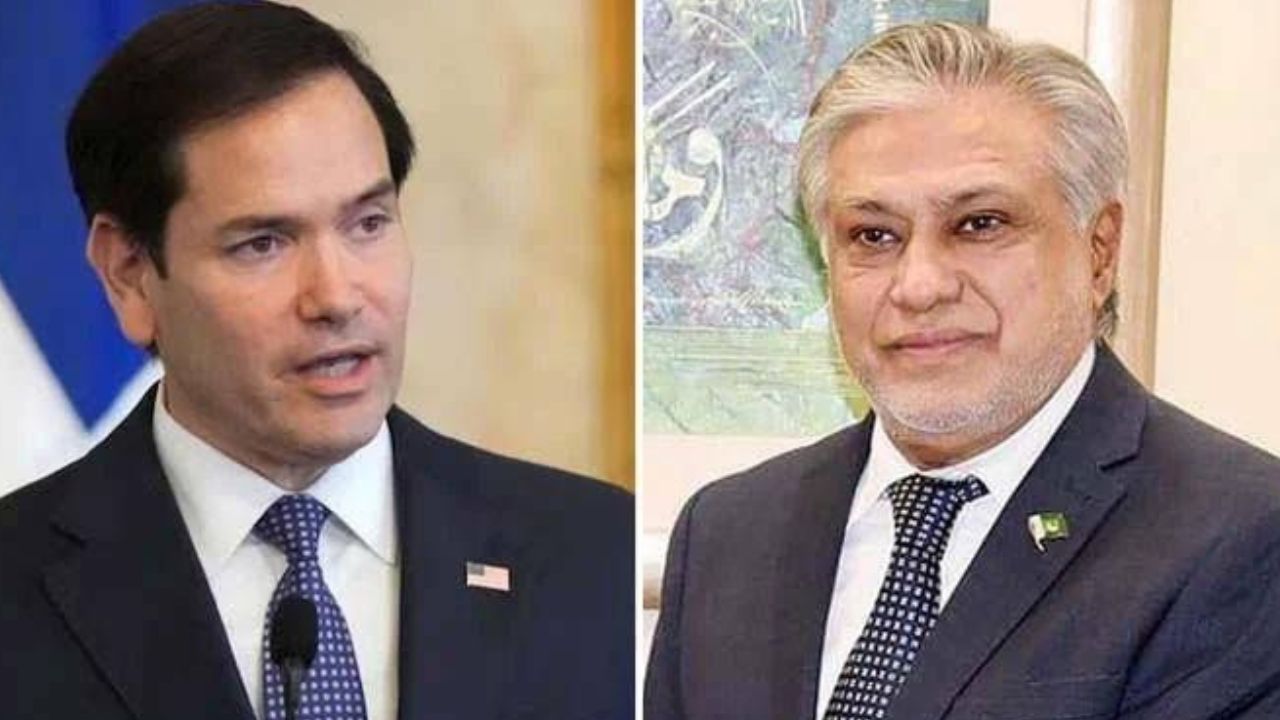
    US Secretary of State Marco Rubio spoke with Pakistani Army Chief Asim Munir on Saturday morning, urging both Pakistan and India to “find ways to de-escalate” and offering assistance in starting constructive talks in order to avoid future conflicts. The phone call comes after Pakistan has launched operation ‘Operation Bunyan ul Marsoos’ early on Saturday morning, successfully hitting multiple military targets in the heart of India. 

    Rubio has reportedly also spoken with Foreign Minister Ishaq Dar and according to GEO News, Dar has said that Pakistan is willing to de-escalate if India stops here. If India continues the aggression, Pakistan will respond further.


    In the early hours of May 10, around 1:45 am, DG ISPR chief Lt Gen Ahmed Sharif Chaudhry, in an emergency press conference, revealed that India fired six ballistic missiles on its own Sikh minority community from Adampur, one hit near Adampur itself, and five landed around Amritsar in Indian Punjab.

    India also fired air-to-surface missiles at PAF airbases in Nur Khan (Rawalpindi), Murid (Chakwal), and Rafiqui (Shorkot). DG ISPR called it continued aggression, but confirmed all air force assets are safe so far.

    DG ISPR told New Delhi to “now wait for the response” and soon launched Operation Bunyan-un-Marsoos.

    India also reportedly also launched missile strikes into Afghanistan and carried out drone attacks there, further destabilising and escalating tensions in the region.

    Most of the Indian missiles aimed at PAF airbases were shot down by Pakistan’s air defence systems. A few missiles did get through, but they didn’t cause any harm to PAF aircraft, according to early damage checks.

    The DG ISPR said India’s strikes didn’t meet their goals, thanks to effective defence.

    Pakistan also has the full electronic record of India’s missile launches, where they came from and what they were targeting.

    State-run PTV News reported that in response to India’s actions, Pakistan has hit back with a major cyberattack, hacking several Indian websites, including the BJP’s and Border Security Forces (BSF’s). Sites linked to defence, telecom, and ID systems were breached, with some data leaked. Over 2,500 surveillance cameras were also reportedly hacked in the ongoing digital retaliation.


    This phase of the tension follows Friday night’s press briefing, in which DG ISPR, along with officers of PAF and Pakistan Navy, said Pakistan has solid proof of India’s involvement in sponsoring terrorism within its borders. 

    DG ISPR criticised India for blaming Pakistan for the recent Pahalgam attack without evidence, calling it theatrics to distract from internal issues. He added that 77 Indian drones have been shot down inside Pakistani territory and none returned. He challenged India to show any real proof of Pakistan attacking Indian soil, saying the allegations are baseless. “If you want us to fire back,” he said, “we’ll do it on our own terms.”
  • India restricts water flow to Pakistan via Baglihar dam on river Chenab

    India restricts water flow to Pakistan via Baglihar dam on river Chenab

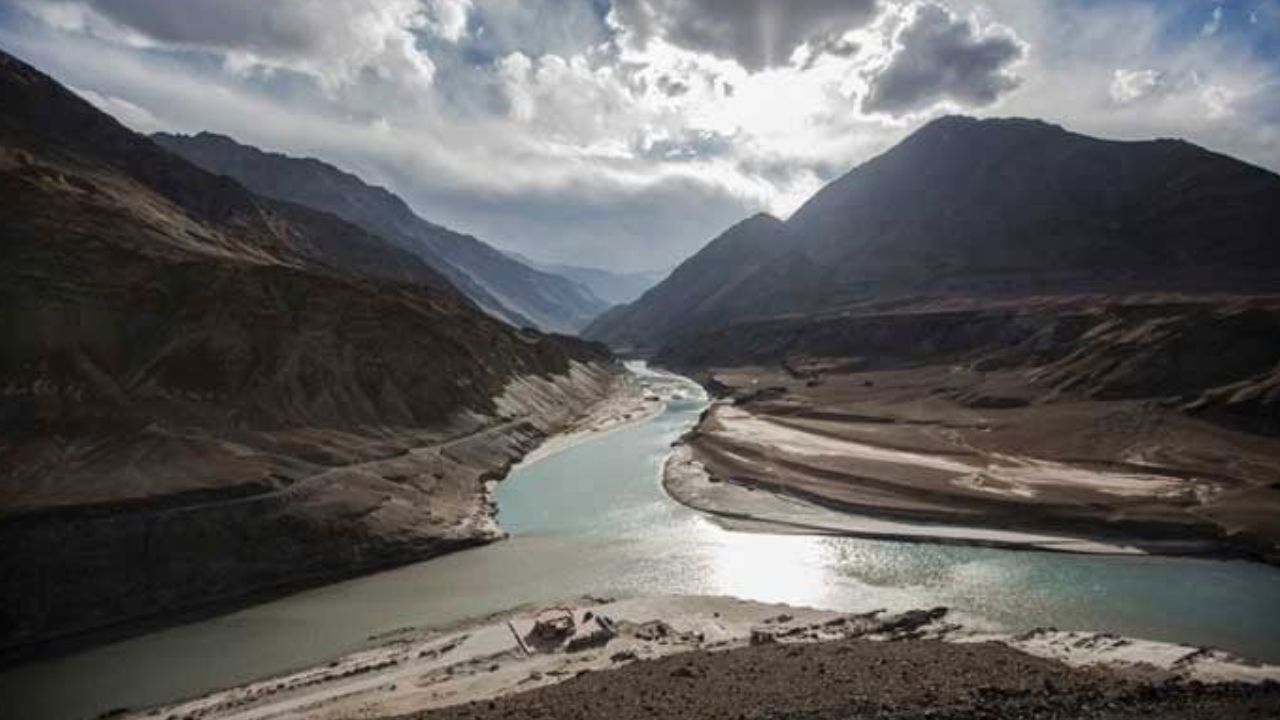
    India has restricted the water flow from the Baglihar Dam on the Chenab River to Pakistan, as ties between neighbouring India and Pakistan nosedived following a militant attack in Pahalgam, in Indian Illegally Occupied Jammu and Kashmir (IIOJK), Indian media reported on Monday.

    According to media reports, India is also considering taking similar measures at the Kishanganga Dam on the Jhelum River.

    In Pakistan, a severe and sudden drop in the Chenab River’s water flow at Head Marala has been recorded over the past two days, a media outlet reported on Monday, citing officials.

    According to the Executive Engineer (XEN) Irrigation, the current inflow at Head Marala is recorded at 10,889 cusecs, while the outflow stands at 9,020 cusecs. In stark contrast, the inflow just two days ago was 87,282 cusecs, highlighting a dramatic decline of over 85%.

    The hydroelectric dams, Baglihar in Ramban in Jammu, and Kishanganga in north Kashmir, allow India the ability to regulate the timing of water releases, Press Trust of India (PTI) reported, quoting sources familiar with the matter.

    The Baglihar Dam has long been a point of contention between the two neighbours, with Pakistan having sought World Bank arbitration in the past. Similarly, the Kishanganga Dam has come under legal and diplomatic scrutiny, particularly amid concerns about its effects on the Neelum River, a tributary of the Jhelum.

    Following the April 22 attack in Pahalgam, Indian Ilegally Occupied Jammu and Kashmir (IIOJK), which claimed the lives of 26 people, New Delhi linked Islamabad to the attack without providing any evidence and took a flurry of punitive measures, including suspending the long-standing Indus Waters Treaty (IWT) to downgrade ties.

    In response to India’s water aggression, Pakistan warned that “any attempt to stop or divert the flow of water belonging to Pakistan … will be considered as an act of war.”

    With claims from India’s Jal Shakti Minister C.R. Paatil not to allow “a single drop of water” to the neighbouring country from the Indus rivers, Pakistan’s Foreign Minister and Deputy Prime Minister Ishaq Dar has warned that Pakistan will not allow even a single drop of its rightful share of water to be compromised.

    “India has no authority to unilaterally suspend or terminate the treaty,” Dar said while speaking at the Regional Dialogue 2025 event, reaffirming Pakistan’s resolve to safeguard its rights under the agreement.

    While strongly condemning India’s suspension of the IWT, he called it a gross violation of international law.

    Highlighting Islamabad’s preparedness and commitment to regional peace, the Deputy PM also confirmed that Pakistan successfully thwarted an Indian misadventure on the night of April 29–30.

  • Journalist reveals how weather in Punjab, PAF patrolling destroyed Indian attack plans

    Journalist reveals how weather in Punjab, PAF patrolling destroyed Indian attack plans

    Prominent journalist Mansoor Ali Khan has revealed that, according to intelligence received by the Pakistan Air Force (PAF), India was set to carry out a misadventure against Pakistan between the night of Thursday and Friday.

    “Pakistan Air Force received information that India was going to launch a misadventure against Pakistan at 2:30 am (Friday),” the journalist disclosed on his YouTube channel on Friday.

    Detailing on the aversion of the potential misadventure, Mansoor said that on the same night, the weather across the entire area, including the Punjab belt, suddenly deteriorated. “I don’t know whether it was divine help,” he said.

    He further argued that the misadventure might have been averted as “severe patrolling was ongoing” in the Gilgit-Baltistan region that night.

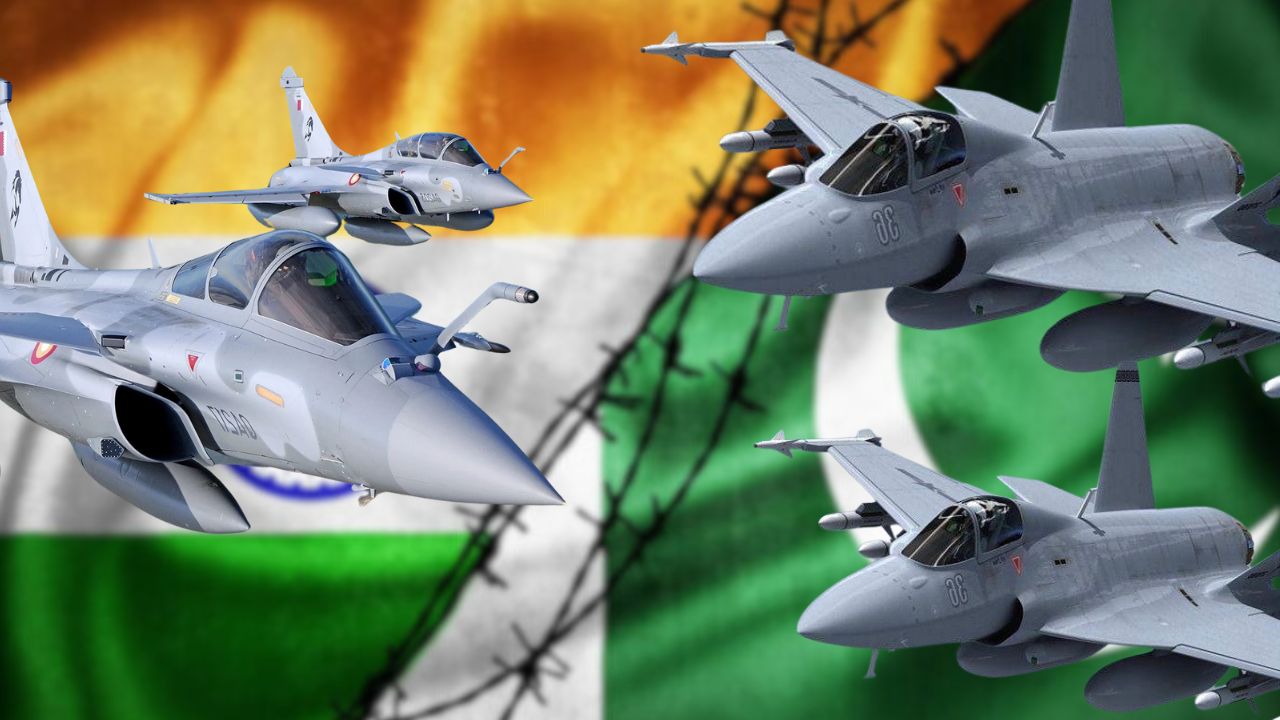
    Regarding claims that the danger of war has faded, the journalist said that nearly 50 fighter jets, including MiG-21s and German-made Rafales, are stationed near the border in India.

    “At one point, 40 to 50 Pakistani fighter jets were also in the air, patrolling simultaneously,” he added, highlighting the escalating tensions.

    He further stated that Pakistan’s radar system and satellite coverage are so strong that all the Indian airports near the border, including Srinagar, fall within their surveillance range.

    Without revealing the name, he concluded that information regarding the potential Indian misadventure had also come from an “ally”.

    Mansoor also dismissed claims that on April 29, Indian fighter jets were patrolling near Indian Illegally Occupied Jammu and Kashmir (IIOJK) for 22 minutes, noting that their communication systems were jammed for five minutes.

    Earlier, APP quoted security sources as reporting that the PAF had detected four Indian Rafale fighter jets patrolling near the Line of Control (LoC) late Tuesday night, forcing them to retreat after a coordinated response.

    “On the night of April 29/30, four Indian Rafale jets conducted patrolling within Indian geographical boundaries over IIOJK,” APP reported, quoting security sources.

    Following an attack in Pahalgam, in held Kashmir, which claimed the lives of 26 people, mostly tourists, tensions surged between the two nuclear-armed neighbours.

    On April 23, India unilaterally suspended the long-standing Indus Waters Treaty (IWT), a critical water-sharing agreement brokered by the World Bank, which had held steady through numerous conflicts between the two countries.

    India has suggested that cross-border links may have been involved in the attack, although it has not provided concrete evidence. In contrast, Pakistan has strongly denied any involvement.

    Prime Minister Shehbaz Sharif has called for an independent and transparent investigation into the incident to determine the truth.

  • Ex-PM Imran calls on India to ‘act responsibly’

    Ex-PM Imran calls on India to ‘act responsibly’

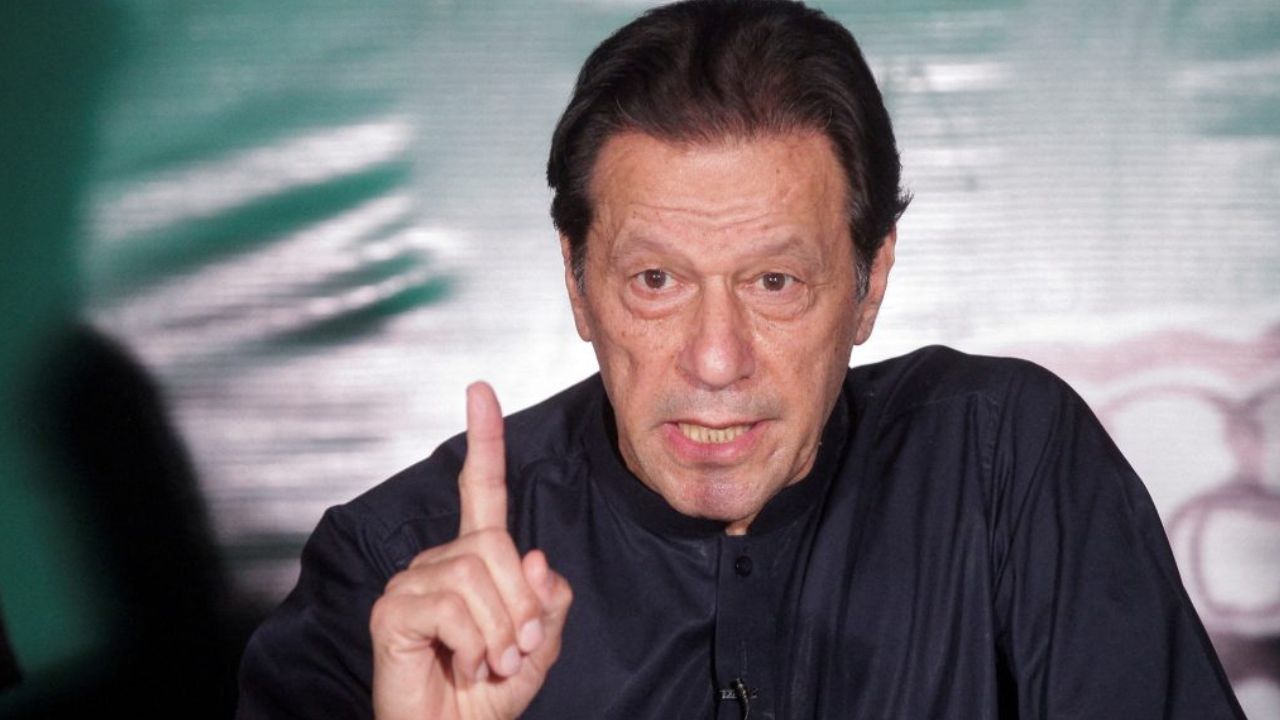
    Former Pakistani prime minister Imran Khan on Tuesday suggested that India must act responsibly in the “nuclear flashpoint” region as the two arch-rivals countries face-off amidst warmongering from Indian media. 

    A statement posted on Imran Khan’s official X (formerly Twitter) account reads, “Being a country of 1.5 billion people, India needs to act responsibly instead of messing with a region already known as ‘nuclear flashpoint’.”

    Reportedly, Imran Khan told the substance of the statement to his lawyers during a meeting at Adiala Jail in Rawalpindi.

    He recalled that when he was the Prime Minister in 2019, following the “false flag operation incident” in Pulwama in February of that year, his government had offered to extend all-out cooperation to India.

    “However, India failed to produce any concrete evidence. As I predicted in 2019, the same is happening again after the Pahalgam incident. Instead of introspection and investigation, Modi Sarkar is again placing the blame on Pakistan,” he said.

    Maintaining that peace is the priority of the country, he cautioned that it should not be mistaken for cowardice. “Pakistan has got all the capabilities to give a befitting response to any Indian misadventure, as My Government, backed by the whole nation, did in 2019,” he claimed.

    Imran Khan reiterated that India, led by RSS ideology, is a grave threat beyond the region. “Narendra Modi’s aggression has united the people of Pakistan in one voice against Indian hostility… we stand firmly as one Pakistani nation and strongly condemn Modi’s war-mongering and his dangerous ambitions that threaten regional peace,” he added.

    “Indian oppression in Kashmir, intensified after the illegal abrogation of Article 370, has further fueled the Kashmiri people’s desire for freedom.”

    Read More: ‘Credible intel’ indicates India intends military action against Pakistan within 36 hours: Tarar

    Separately, the United States (US) State Department Spokesperson Tammy Bruce said on Tuesday that Secretary of State Marco Rubio is expected to speak with the foreign ministers of both India and Pakistan.


    “We are reaching out to both parties, and telling them of course not to escalate the situation. The secretary is expected to speak with the foreign minister of Pakistan and India as early as today or tomorrow,” the State Department spokesperson said when a journalist posed a question during the press briefing.


    Following the Pahalgam incident, without providing verifiable evidence, India has attempted to link Pakistan to the attack. Pakistan has firmly denied the allegations and has offered to participate in a neutral and transparent international investigation.


    Bruce said that the Secretary of State is also encouraging other foreign ministers and national leaders to reach out to the nuclear-armed arch rivals in a bid to diffuse tensions, adding that action is being taken every day.

  • ‘Credible intel’ indicates India intends military action against Pakistan within 36 hours: Tarar

    ‘Credible intel’ indicates India intends military action against Pakistan within 36 hours: Tarar

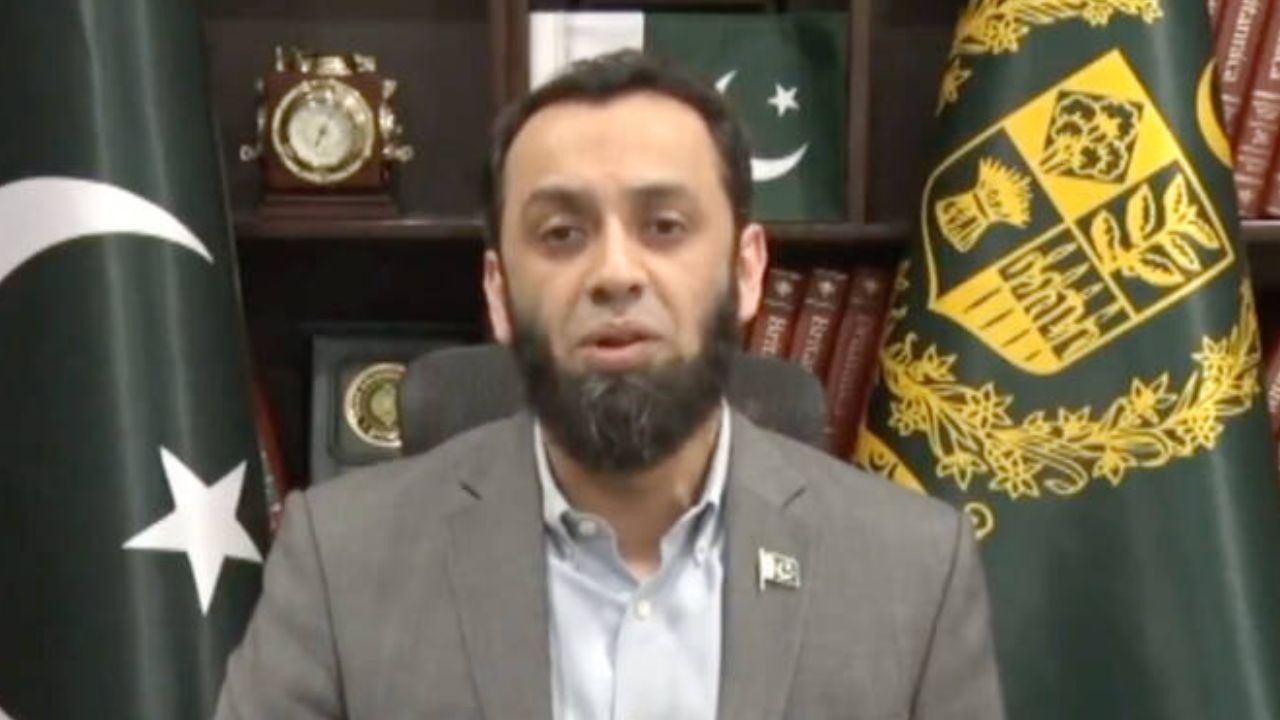
    Federal Minister for Information and Broadcasting Attaullah Tarar on Wednesday morning stated that Pakistan has “credible intelligence” indicating that India intends to conduct a military action against Pakistan in the next 24 to 36 hours on the pretext of baseless and concocted allegations of involvement in the Pahalgam incident in held Kashmir.

    The situation between the two countries remained tense following the attack in Pahalgam, a tourist spot, which had killed 26 people, including a Nepalese national. Without conducting a transparent investigation and concrete evidence, fingers were pointed towards Pakistan, alleging that it had orchestrated the attack. Pakistan has firmly rejected the accusations.


    Issuing a video statement on state television, the federal minister said that Pakistan strongly rejects India’s self-assumed hubristic role of judge, jury, and executioner in the region.

    He underscored that Pakistan itself has been facing terrorism for the past two decades and has consistently condemned terrorism in all its forms across the world. “Being a responsible state, Pakistan open-heartedly offered a credible, transparent, and independent investigation by a neutral commission of experts to ascertain the truth,” he said.

    The minister added that following the Pahalgam attack, Pakistan, as a responsible state, had offered to conduct an independent and impartial investigation. 

    He noted, however, that India has apparently decided to tread the dangerous path of irrationality and confrontation, which, according to him, will have catastrophic consequences for the entire region and beyond.

    Tarar further said that the evasion of credible investigations is in itself sufficient evidence exposing India’s real motives. “Consciously making strategic decisions hostage to public sentiments, purposefully trumped up for securing political objectives, is unfortunate and deplorable,” he added.

    Additionally, the federal minister made it clear that any kind of military adventurism from India will be met with a definite and decisive response. He emphasised that the international community must understand that the responsibility for the catastrophic consequences of war will lie solely with India.

    The minister’s statement came a day after Defence Minister Khawaja Asif, while appearing on a private media outlet, cautioned about the possibility of both countries engaging in war in the next two to four days.

    “There is a war looming on the horizon. A very vivid possibility is there that we can have a war in the next two to four days,” Asif said. However, he clarified that, not being a military strategist, he was making such a guess as a political worker.

  • Trump says India, Pakistan to settle dispute ‘one way or another’

    Trump says India, Pakistan to settle dispute ‘one way or another’

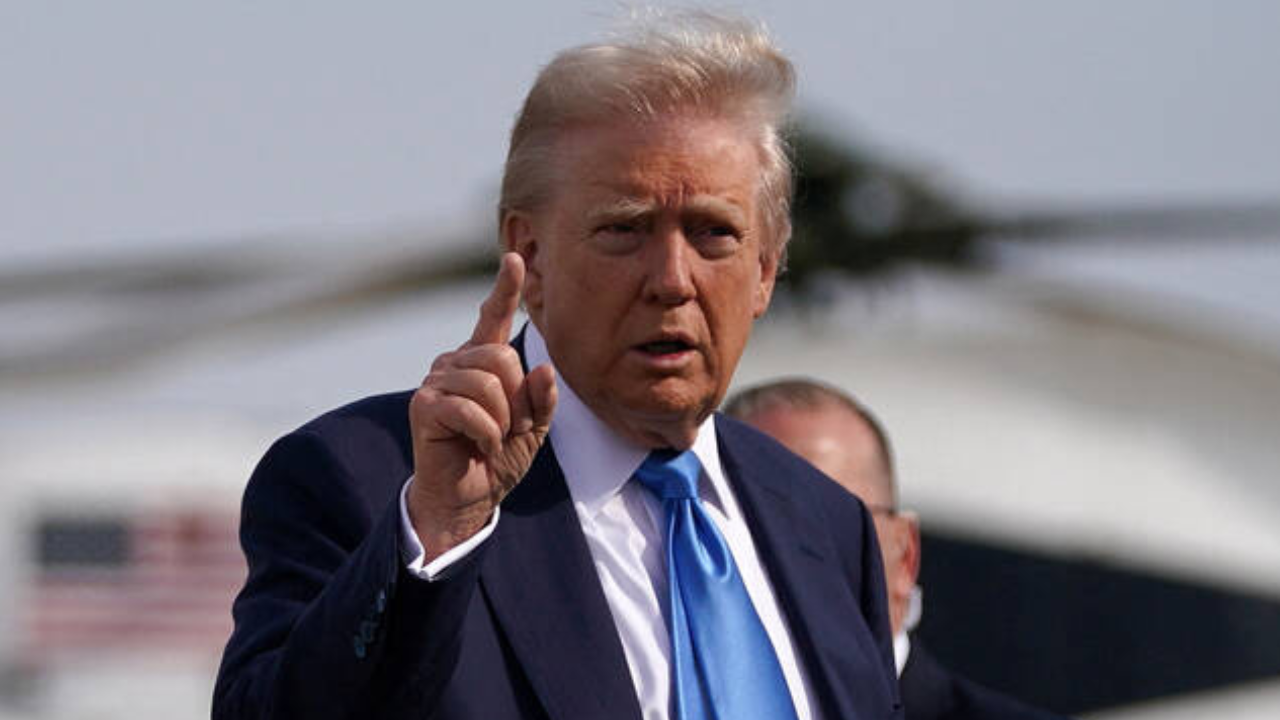
    US President Donald Trump on Friday downplayed concerns over mounting tensions between India and Pakistan, saying the dispute between the nuclear-armed neighbours will get “figured out, one way or another.”

    Trump was asked aboard Air Force One about crumbling relations between India and Pakistan as the fallout deepens from a deadly attack on civilians by gunmen in Indian-administered Kashmir.

    “There have been tensions on that border for 1,500 years so, you know, it’s the same as it has been,” Trump told reporters.

    “But they’ll get it figured out, one way or another.”

    Kashmir has been divided between India and Pakistan since their independence in 1947, with both claiming the territory in full but governing separate portions of it.

    Rebel groups have waged an insurgency in Indian-controlled Kashmir since 1989, demanding independence or a merger with Pakistan.

    Tensions have flared since Tuesday, when 26 male tourists were killed by gunmen in the Kashmir town of Pahalgam.

    Indian police say the three gunmen are members of the Pakistan-based Lashkar-e-Taiba group, a UN-designated terrorist organisation.

    A day after the attack, New Delhi suspended a water-sharing treaty, announced the closure of the main land border crossing with Pakistan, downgraded diplomatic ties, and withdrew visas for Pakistanis.

    Denying any involvement, Islamabad called attempts to link Pakistan to the Pahalgam attack “frivolous” and vowed to respond to any Indian action.

    Officials said Friday that there was an overnight exchange of fire between Indian and Pakistani forces at the Line of Control.

    “There’s great tension between Pakistan and India but there always has been,” Trump said.

  • Pakistan responds to Indian aggression… with memes

    Pakistan responds to Indian aggression… with memes

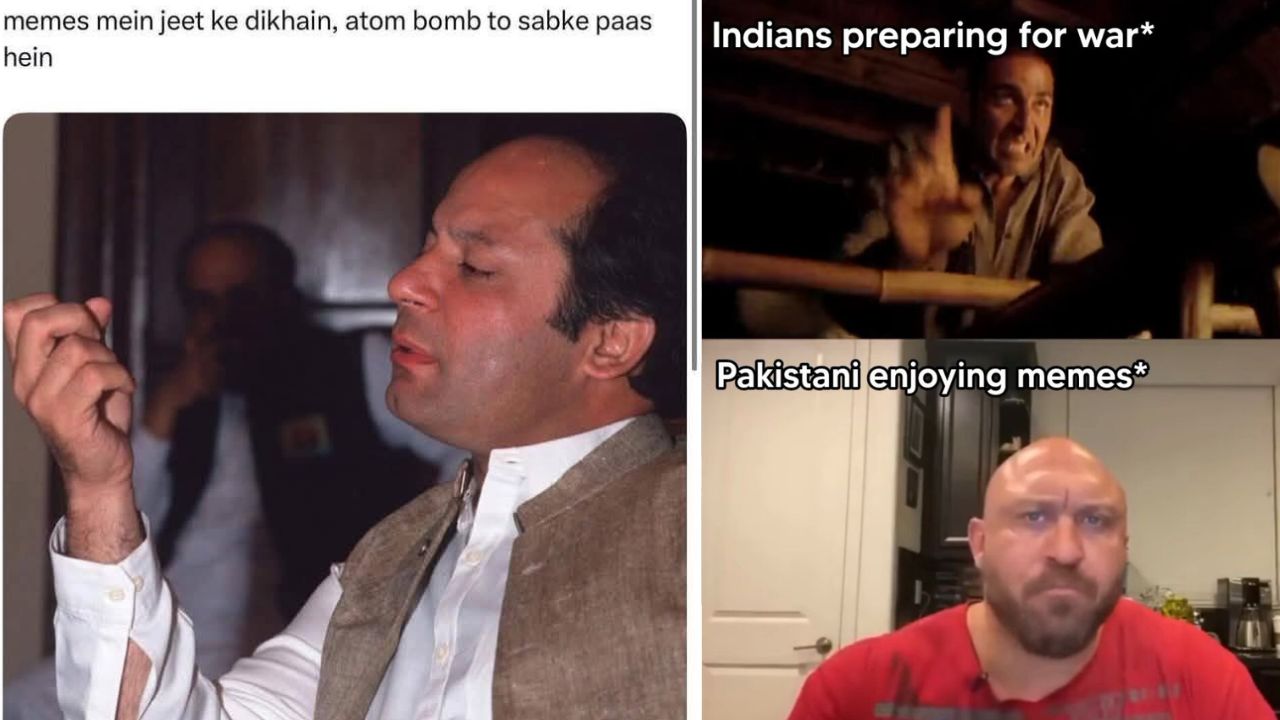
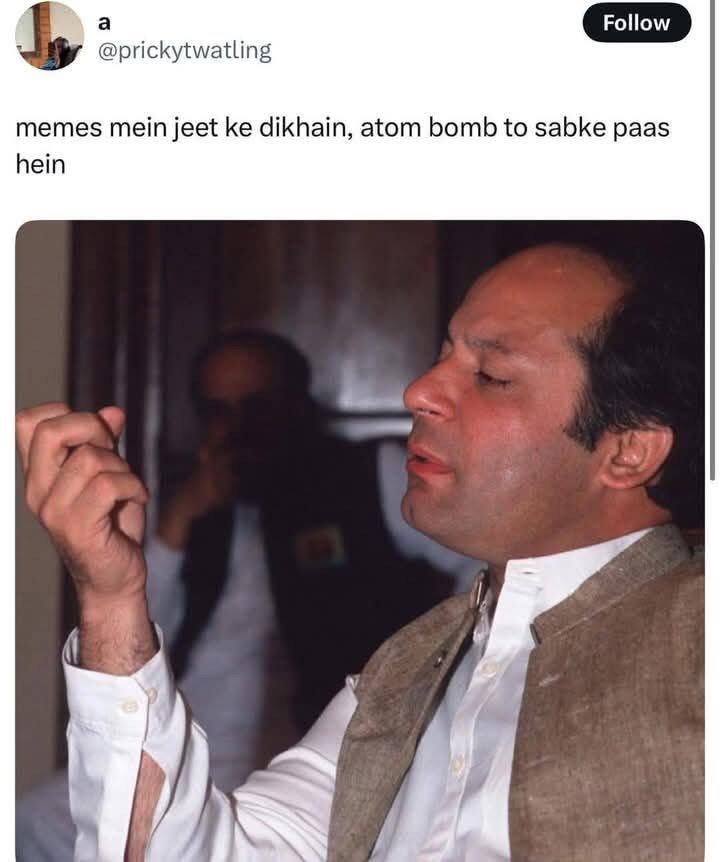
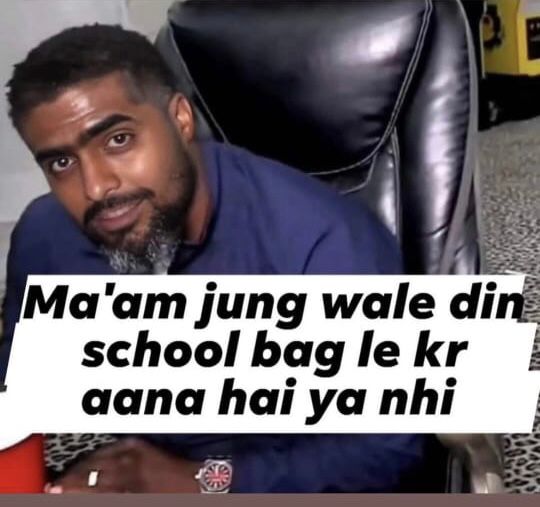
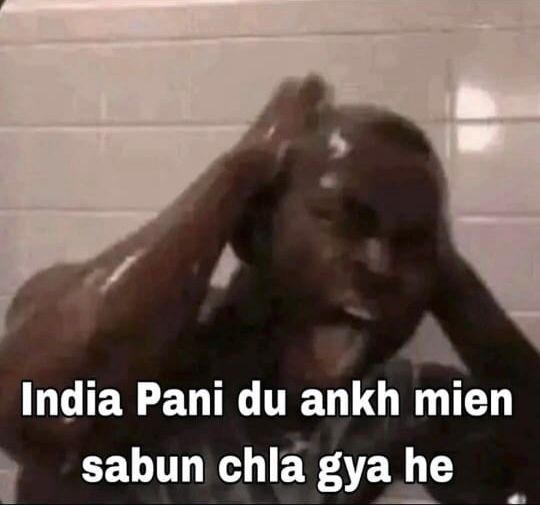
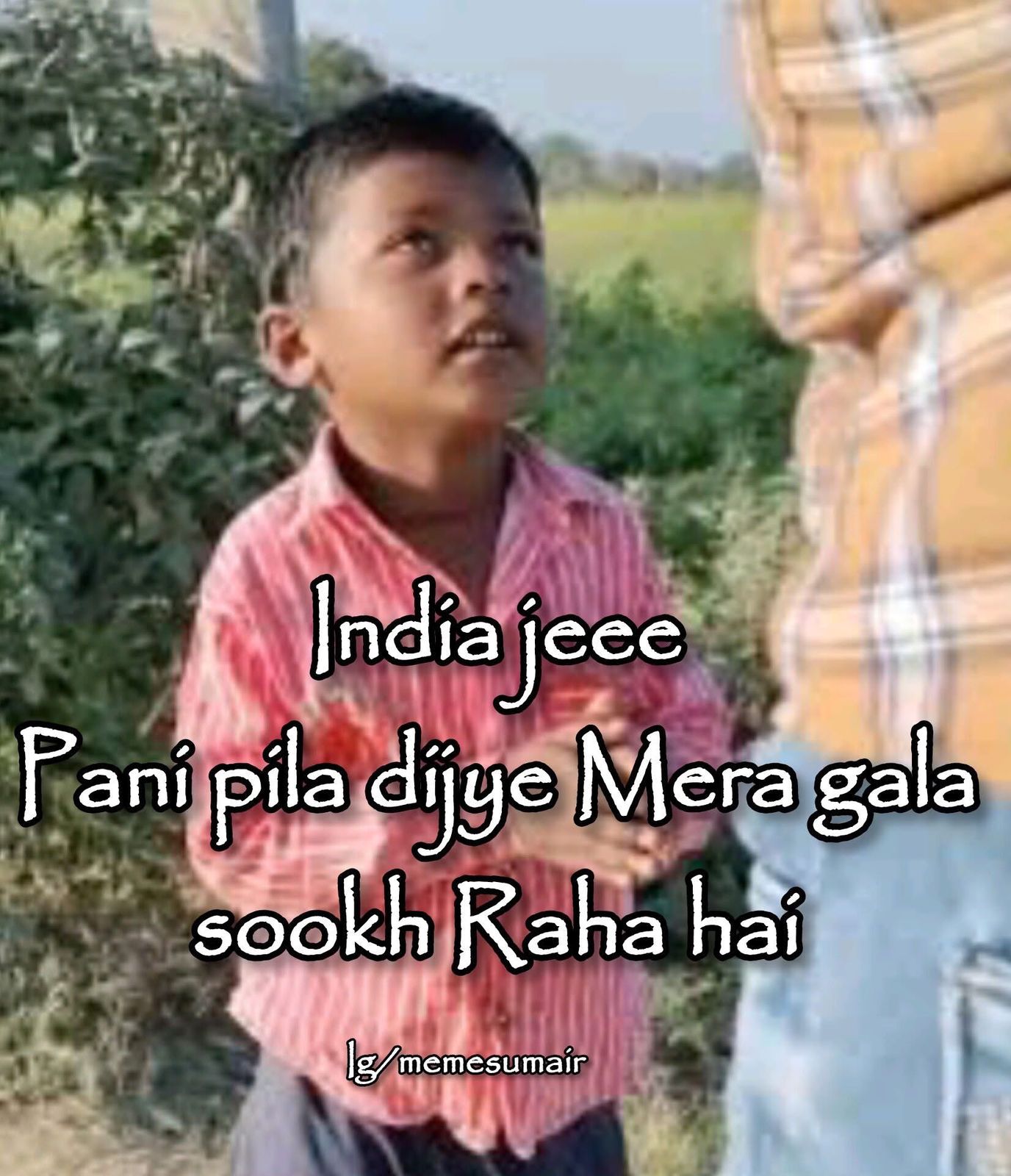
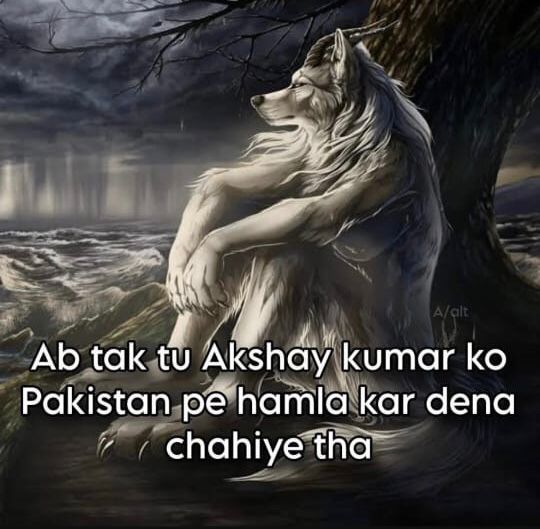
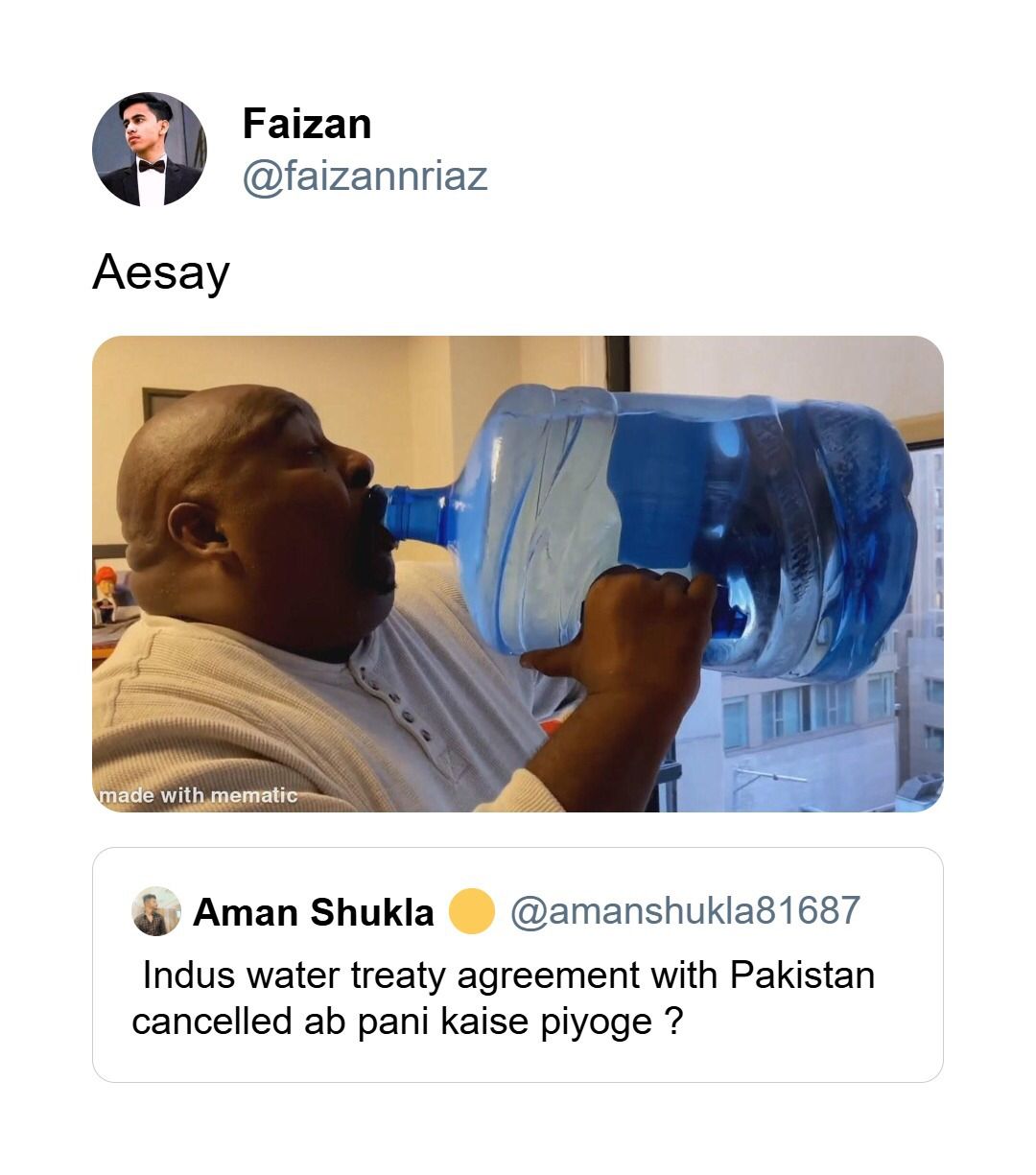
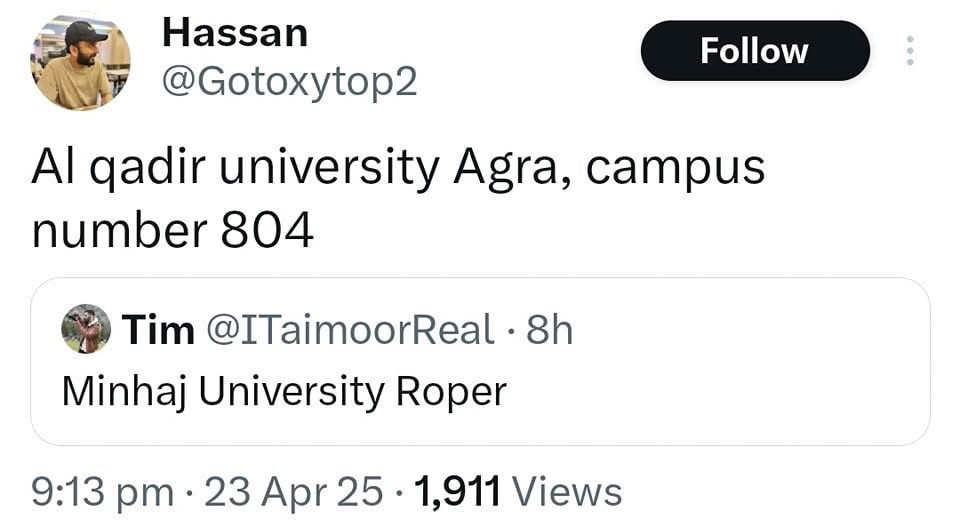
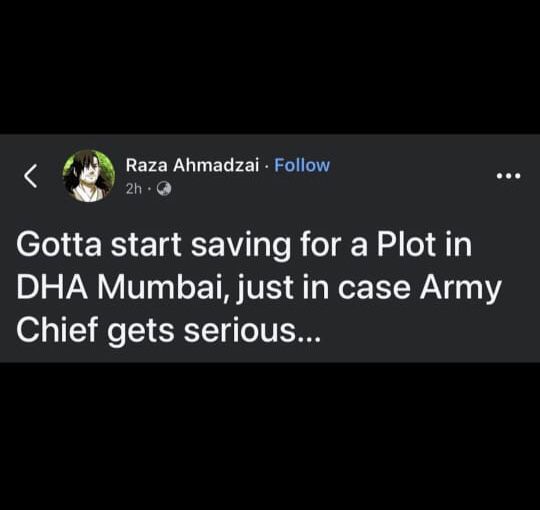
    Amid all the warmongering by India following the terrorist attack in the Pahalgam area of held Kashmir Tuesday, Pakistanis are having a field day over the internet, responding to Indian statements and threats with, well, memes.

    Read More: Pakistan strikes back: Shuts down Wagah, trade, airspace for Indian airlines

    As Indians take to social media to threaten Pakistan with war despite Islamabad’s categorical denial of any involvement in cross-border terror, netizens on this side of the border are taking a different route, joking, laughing and posting endless memes as they watch the situation unfold.

    Here are some of our favourite ones:

  • Pakistan strikes back: Shuts down Wagah, trade, airspace for Indian airlines

    Pakistan strikes back: Shuts down Wagah, trade, airspace for Indian airlines

    A day after India took extreme measures in light of its allegations against Pakistan following the Pahalgam attack, Islamabad on Thursday struck back, imposing its own restrictions besides reacting to New Delhi’s suspension of the Indus Water Treaty.

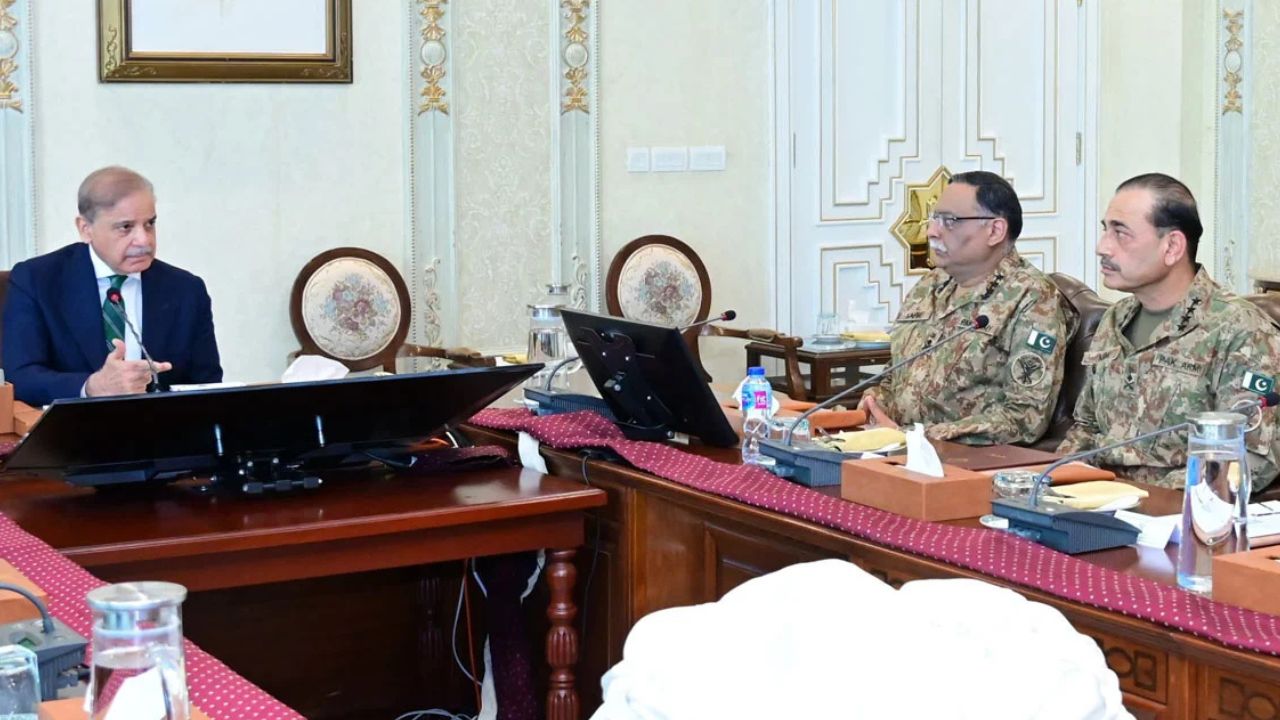
    A statement issued after a meeting of the National Security Council (NSC) under the chair of Prime Minister (PM) Shehbaz Sharif, said that water was a vital national interest of Pakistan, a lifeline for its 240 million people, and any attempts to block or divert the water allocated to the country under the treaty would be considered “an act of war”.

    Islamabad also declared the military, air force and navy advisers at the Indian High Commission as persona non grata, ordering them to leave the country immediately but not later than April 30. The statement also announced limiting the number of staffers at the Indian High Commission in the federal capital to 30.

    The statement announced suspending all trade relations with India, even through a third country; and added that Pakistani airspace had been closed for Indian airlines.

    Additionally, the statement said that in light of India’s disregard of international conventions, the United Nations Security Council resolutions, and global obligations, Pakistan could also exercise the right to hold all bilateral agreements with India, including but not limited to Simla Agreement in abeyance, till India desisted from its manifested behaviour of fomenting terrorism inside Pakistan, transnational killings, and non-adherence to international law as well as the UN Resolutions on Kashmir.

    All visas issued to Indian citizens under the SAARC Visa Exemption Scheme (SVES), except for those granted to Sikh pilgrims, have been declared null and void, the statement read, adding that Indian nationals currently in Pakistan on such visas have been instructed to leave the country within 48 hours.

    Separately, a statement issued by the Prime Minister’s Office (PMO) following the meeting, expressed concern over the loss of tourists’ lives in held Kashmir.

    It termed the Indian action unilateral, unjust, politically motivated, extremely irresponsible and devoid of legal merit, observing that Pakistan unequivocally condemned terrorism in all its forms and manifestations. “In the absence of any credible investigation and verifiable evidence, attempts to link the Pahalgam attack with Pakistan are frivolous, devoid of rationality and defeat logic,” the statement read.

    The PMO’s statement further said that Kashmir remained an unresolved dispute between Pakistan and India as recognised through multiple UN resolutions.

    “Pakistan continues to support the right of self-determination of the Kashmiri people. The continued Indian state oppression, abrogation of statehood, and political and demographic gerrymandering have persistently led to an organic backlash from the people of IIOJK, which perpetuates cycles of violence.”

  • Canada says fearing potential Pakistani, Chinese, others’ interference in upcoming elections

    Canada says fearing potential Pakistani, Chinese, others’ interference in upcoming elections

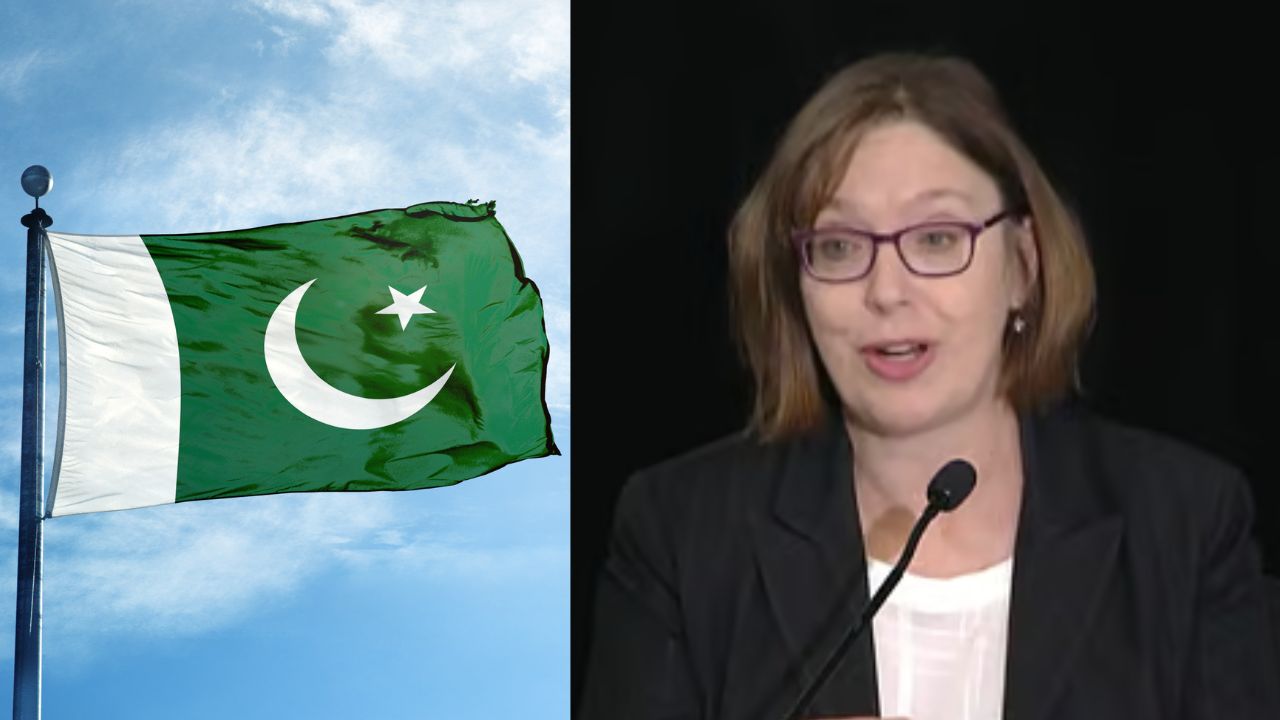
    Canadian intelligence has warned that Pakistan, Russia, China and India could “potentially attempt to interfere” in the country’s upcoming general election on April 28.

    As per the details, reports quoted Deputy Director of Operations at Canadian Security Intelligence Service (CSIS) Vanessa Lloyd as saying that China was “highly likely to use AI-enabled tools to attempt to interfere with Canada’s democratic process”.

    Regarding India, she said that the country had the “intent and capability” to do it as well whereas Russia and Pakistan could also seek to interfere.

    Lloyd maintained that these nations were increasingly using AI to interfere in elections around the globe. “It’s often very difficult to establish a direct link between foreign interference activities and election results… nevertheless, threat activities can erode public trust in the integrity of Canada’s democratic processes and institutions.”

    The statement comes amid dwindling ties between Ottawa and both New Delhi and Beijing.

    While there is no clarity over hints mentioning Pakistan and Russia, earlier this month, Beijing announced tariffs on more than $2.6 billion worth of Canadian agricultural and food products, retaliating against levies slapped on Chinese products last year.

    War of words over Indian intelligence’s alleged activities in Canada besides the killings of Canadian nationals allegedly by New Delhi has also repeatedly made headlines over the past several months.

  • Pakistan’s democracy ranking drops amid political chaos: report

    Pakistan’s democracy ranking drops amid political chaos: report

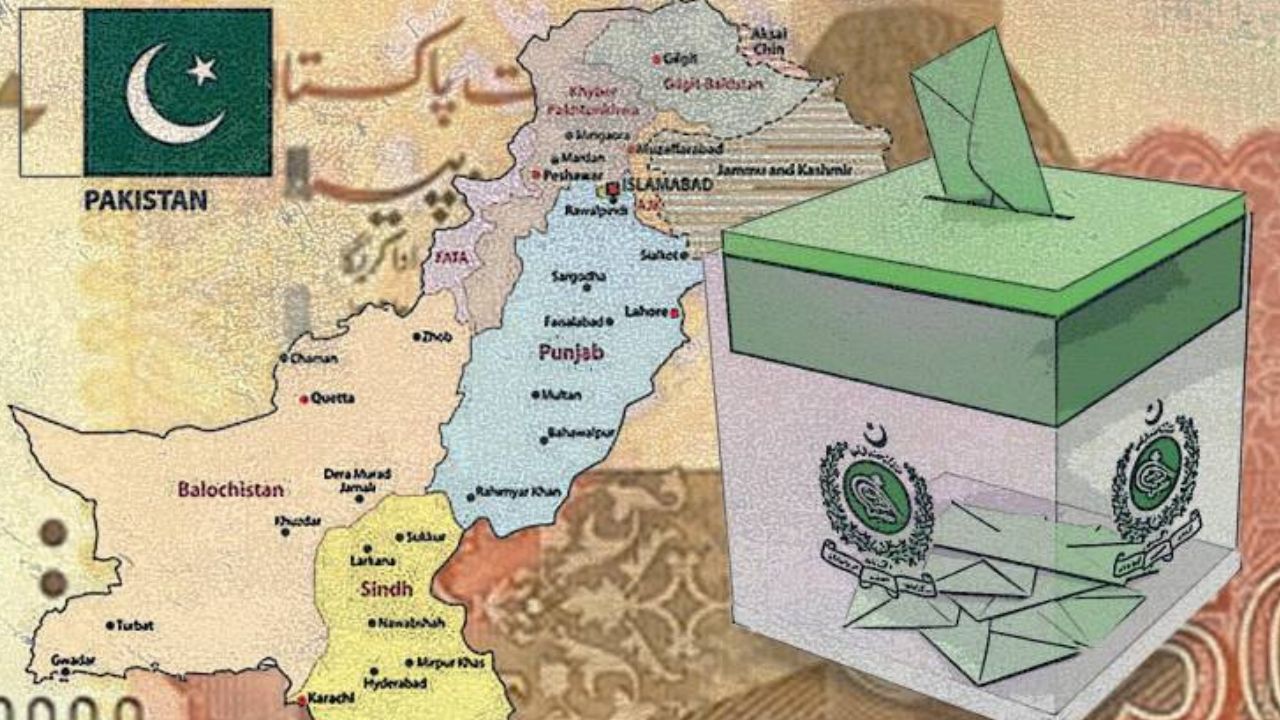
    The latest Democracy Index from the Economist Intelligence Unit (EIU) reported that Pakistan’s democracy ranking fell from 3.25 in 2023 to 2.84 in 2024 amid political chaos marked by election upheavals.

    The global democracy rankings report, published on Wednesday, highlights that Pakistan experienced violence both before and on Election Day, February 8, 2024.

    The EIU stated, “The most popular politician, Imran Khan, whose own democratic credentials are questionable, was jailed shortly before the election took place.”

    The EIU Democracy Index report underscored that global democracy is in its worst shape since the index was first introduced nearly two decades ago.

    According to the report, Norway topped the list as the world’s most democratic country for the 16th consecutive year, scoring 9.81, followed by New Zealand and Sweden.

    The United States’ (US) score remained unchanged in 2024, and it continues to be classified as a “flawed democracy,” ranking 28th.

    The report noted that France’s score fell just below the 8.00 threshold to qualify as a “full democracy” as a result of a decline in its score for the functioning of government. As a result, France was downgraded from a “full democracy” to a “flawed democracy” in 2024.

    Following the tumultuous political events at the end of 2024, South Korea’s score also dropped below the 8.00 threshold, losing its classification as a “full democracy.”

    However, Portugal was upgraded to a “full democracy,” along with Estonia (for the first time) and the Czech Republic (for the first time since 2013). Estonia and the Czech Republic are now the only two Eastern European countries classified as “full democracies.”

    Meanwhile, Afghanistan has remained the lowest-ranked nation since 2021, with a score of just 0.25. The most significant decline was seen in Bangladesh, which dropped 25 places.

    According to the Free and Fair Election Network (FAFEN), the 2024 general election in Pakistan recorded the highest voter turnout in the country’s history.

    The Human Rights Commission of Pakistan (HRCP) also raised concerns regarding the reliability and trustworthiness of the 2024 general election.