Tag: Pakistan

  • Pakistan shines at Asian Road Cycling Championship with six medals

    Pakistan shines at Asian Road Cycling Championship with six medals

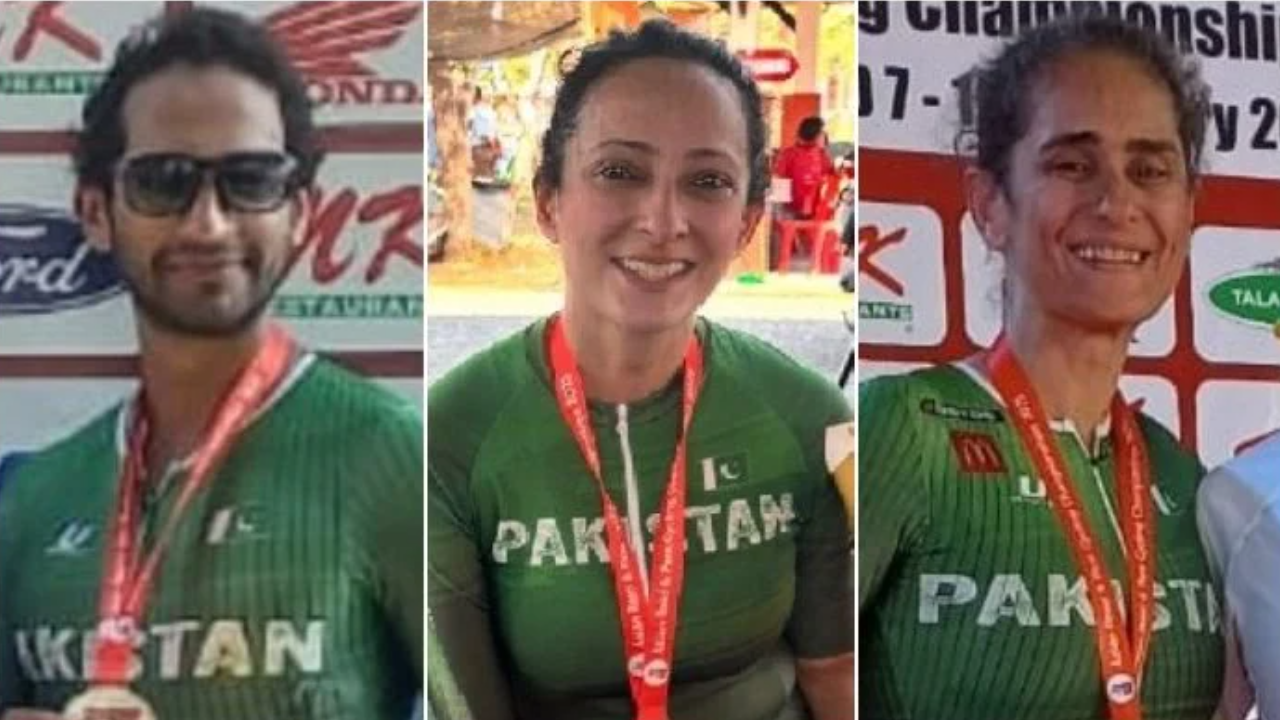
    Pakistani cyclists put up an impressive show at the Asian Road Cycling Championship, securing the sixth spot and winning six medals.

    According to Geo News, Pakistani cyclists won two gold, silver and bronze medals each in the championship held in Thailand. Cyclist Ali Ilyas Jawaid won gold in Individual Time Trial (ITT) and managed to secure silver medal in the Road Race (IRR).

    Ilyas’s gold came in the Men’s Master Open (35-39 age group) after he completed the 21.4km course in 26 minutes, 30.556 seconds, averaging a speed of 48.44km/h to finish one minute and 14 seconds ahead of Thailand’s Narongdat Sangchai, who secured the silver medal.

    Meanwhile, Rabia Gharib bagged gold and silver in the IRR and ITT categories, respectively.

    Another Pakistani cyclist Zainab Rizwan won two bronze medals in ITT and IRR.

    One of Rizwan’s bronze medals came in the 40-44 age category where she finished the race in one hour, 15 minutes, and 13 seconds.

    The results were recorded as Pakistan’s best-ever performance in the tournament.

  • Champions Trophy: ‘No Indian flags displayed at Pakistani stadiums,’ reports claim

    Champions Trophy: ‘No Indian flags displayed at Pakistani stadiums,’ reports claim

    With Champions Trophy just around the corner, hosts Pakistan have displayed flags of all nations except India at the newly-renovated Gaddafi and National stadiums, Indian media outlets have claimed.

    As per the details, Indian media reports quoted a post on X claiming that the Pakistan Cricket Board (PCB) “removed the Indian flag from the Karachi stadium” while keeping the flags of other playing nations.

    Reports went on to claim that the Gaddafi Stadium in Lahore was also dressed up as flags of seven teams, except India, were displayed.

    While the PCB or the International Cricket Council (ICC) have not yet responded to the claims that remain unverified, sources privy to the development told The Current that the visuals were from Feb 11 — a day before the Champions Trophy support period started.

    “As per ICC guidelines, only four flags will be hoisted on match days during the CT25. These will include the event authority [ICC], event host [PCB] and the two participating countries for the day,” they clarified.

    Netizens, however, are speculating the possible reasons behind the alleged “snub”.

    As some suggested it could have been an “honest mistake”, others believed it was Pakistan’s reaction to India’s refusal to come play the tournament in the country over “security concerns”.

    Meanwhile, ICC reported that tickets will be available for India’s opening group match with Bangladesh on February 20, while there will also be tickets available for their games against arch-rival Pakistan (February 23) and New Zealand (March 2) at the eight-team tournament.

    It merits a mention that all Indian matches will be played in the United Arab Emirates (UAE) after months of negotiations between the PCB, India and the ICC following the neighbouring country’s refusal to travel to Pakistan for the tournament. 

    There will also be limited tickets available for semi-final 1 which will take place at the Dubai International Cricket Stadium on Tuesday, March 4, ICC said.

    Separately, Pakistan is officially ready to host an ICC event for the first time in 29 years, launching the 2025 ICC Champions Trophy at Dewan-e-Khas of Lahore Fort on Sunday.

    The Curtain Raiser event successfully dialled up anticipation ahead of the tournament opener on February 19 between hosts Pakistan and fellow title contenders New Zealand.

    Organisers lit Lahore Fort in all its glory, presenting a spectacular sight as a sign of what’s to come right the way through the first Champions Trophy event since 2017.

    It is hosts Pakistan that will look to defend their crown, having claimed the 2017 edition of the tournament in the United Kingdom (UK).

    Members of the trophy-winning squad from 2017 played a central role at the Curtain Raiser at Lahore Fort, helping ignite great memories such as Pakistan’s decisive win over India by 180 runs at The Oval in the final.

  • American lady finally returns to US

    American lady finally returns to US

    Onijah Andrew Robinson, the American woman who has been in Karachi ever since her Pakistani lover abandoned her after making false promises of marriage last year, has now returned to the US.

    She reportedly landed in Karachi on October 11, 2024, while her visa was set to expire on November 10, but after her online paramour, 19-year-old Nidal Ahmed Memon, refused to marry her, instead of returning to the US, the 33-year-old chose to stay.

    In January, she was taken into police custody after the Airport Security Force (ASF) stopped her as she tried to enter Karachi airport.

    According to private media reports, Governor Sindh Kamran Tessori then intervened, and Onijah was issued a 15-day exit permit on January 27 while a welfare organisation booked an air ticket back home for her.

    At the time of her return, however, she refused to leave and claimed she was being forced to return by the authorities.

    She stayed at what she claimed to be her “friend’s house” in Karachi’s Garden area until she was provided shelter by a welfare organisation.

    In February, she was taken to Jinnah Postgraduate Medical Centre (JPMC), Karachi, with concerns for her mental health.

    According to media sources, incoherence in speech and swelling in her hands and feet caused concerns. Admitted to the  Department of Psychiatry, reports of her detailed examination are due.

    Jeremiah Andrew Robinson, Onijah’s son, revealed in a video statement earlier this week that his mother is mentally unwell and experiences cognitive hindrances. He stated that her claims and actions must be perceived and dealt with accordingly.

    He also claimed that Onijah was supposed to return to the US two weeks after she arrived in Pakistan in October., and that he and his brother had bought a return ticket.

    The 33-year-old US national’s criminal record shows that she was arrested in Charleston County in South Carolina in 2021, “ENTERING PREMISES AFTER WARNING”. It also revealed that a bail bond of $465 is possibly not paid.

    On February 7, a medical board gave the green signal for her to travel, deeming her fit to go, after which the police escorted her to the airport. US Consulate staff also paid her a visit to the hospital, persuading her to go back to the US, and organised her flight.

    While Onijah Robinson was in Pakistan, people around the world, especially in America, followed her story with zesty as her odyssey turned into a media storm. Foreign netizens shared how their perspective of Pakistanis changed upon witnessing the hospitality given to Onija and the patience people here showed towards her. Comparisons were drawn with the depiction of Pakistanis in Western media, which is often bleak and fearful.

  • How Pakistani citizens are redefining global philanthropy

    How Pakistani citizens are redefining global philanthropy

    It wouldn’t be wrong if I say that philanthropy and Pakistan are synonymous. A look at Pakistan’s history reveals a tradition deeply rooted in the religious and cultural practices of giving—whether it’s zakat, sadqa, or community-driven initiatives like food drives, wedding fund contributions, or general hospitality. Figures like Abdus Sattar Edhi, who founded the Edhi Foundation and built the ‘world’s largest ambulance service network,’ embody this enduring spirit of generosity. Today, citizens across Pakistan are carrying this legacy forward globally by blending creativity, innovation, and modern technology into the age-old tradition of giving back. 


    The Rise of Technocratic Social Citizenship

    Philanthropy in Pakistan is changing thanks to globalisation, technology, and education. Unlike the older generation, who often kept their charity work low-key and low-tech, today’s youth want to see real and visible results. Take Seed Out, for example— helping fund small businesses for underprivileged entrepreneurs through online micro-donations.


    Fun Fact: According to a study conducted by the Pakistan Centre for Philanthropy, Pakistanis give around PKR 240 billion (more than $2 billion) annually to charity, even with the challenges in our national economy. This speaks volumes about the culture of philanthropy in the country. 

    Impacts of Technologised PhilanthropyModern tools have decentralised efforts and transcended borders, redefining how charity work is done. Fast Micro-Funding, online collaborations, and social media have made it easier for individuals and organisations to assist the disenfranchised among us. Here are some noteworthy examples of their impact. 


    • Charity Events: Pakistanis are finding new ways to blend style with social impact. One such example is Fashion for a Cause, a charity fashion show that showcases local, sustainable designs and also raises funds for education programs in underprivileged areas.

    • Social Enterprises: On the business side, social enterprises are becoming a big deal. Companies are integrating social responsibility into their business models, which is a win-win for both the business and the community. Take The Hunar Foundation, for example, which provides skill development to underprivileged women. The Citizens Foundation (TCF), which runs schools for underprivileged children, helps bridge the education gap in rural and urban communities.

    • Social Entrepreneurship: Individual social entrepreneurship is also on the rise, i.e. entrepreneurs like Pakistani-American physician Dr Anosh, head of Anosh Foundation and YOUR DIL, which has invested over $10 million in healthcare, education, and community development initiatives in more than 25 countries globally.

      Dr. Anosh Ahmed’s work exemplifies how a global perspective and localised action can intersect, demonstrating that impactful philanthropy knows no borders. Through his foundation, he combines healthcare expertise with a commitment to empowering marginalised communities worldwide.


    Rethinking the concept of charity through a modern lens

    Modern philanthropy is completely changing the way we think about giving back in Pakistan. It’s no longer just about quiet, private acts of charity or fulfilling religious duties like zakat and sadqa. Now, it’s becoming something exciting, collaborative, and, most importantly, inclusive—especially for younger generations.

    For years, charity was seen as a solemn, individual responsibility. But today’s youth are flipping the script. They’re turning giving back into something personal and fun. Think charity fashion shows by a 16-year-old Pakistani student, Eeman Syeda or music festivals like 4.0 Concert by Acts of Kindness Pakistan that blend entertainment with social causes. These aren’t your traditional fundraisers—they’re community-driven experiences that bring people together. Suddenly, philanthropy isn’t just about writing a check—it’s about making a real impact while connecting. 

    What’s really special is how this new wave of giving blends the old with the new. The core values—generosity, community, and religious obligation—are still there. But younger Pakistanis are adding their own twist: creativity, innovation, and a focus on transparency. 

    What can you do to be a part of this change?

    I believe that by supporting existing initiatives or becoming a catalyst for new projects leveraging the power of technology, new networks can keep the momentum going and drive real social change.

    Even the smallest act—donating a little, sharing a campaign, or volunteering your time—can add up to something huge.

    Together, we can create a future where our efforts don’t just make headlines but change lives for generations.

  • Pakistan agreed to host 15 Palestinian prisoners released by Israel, says Hamas spokesperson

    Pakistan agreed to host 15 Palestinian prisoners released by Israel, says Hamas spokesperson

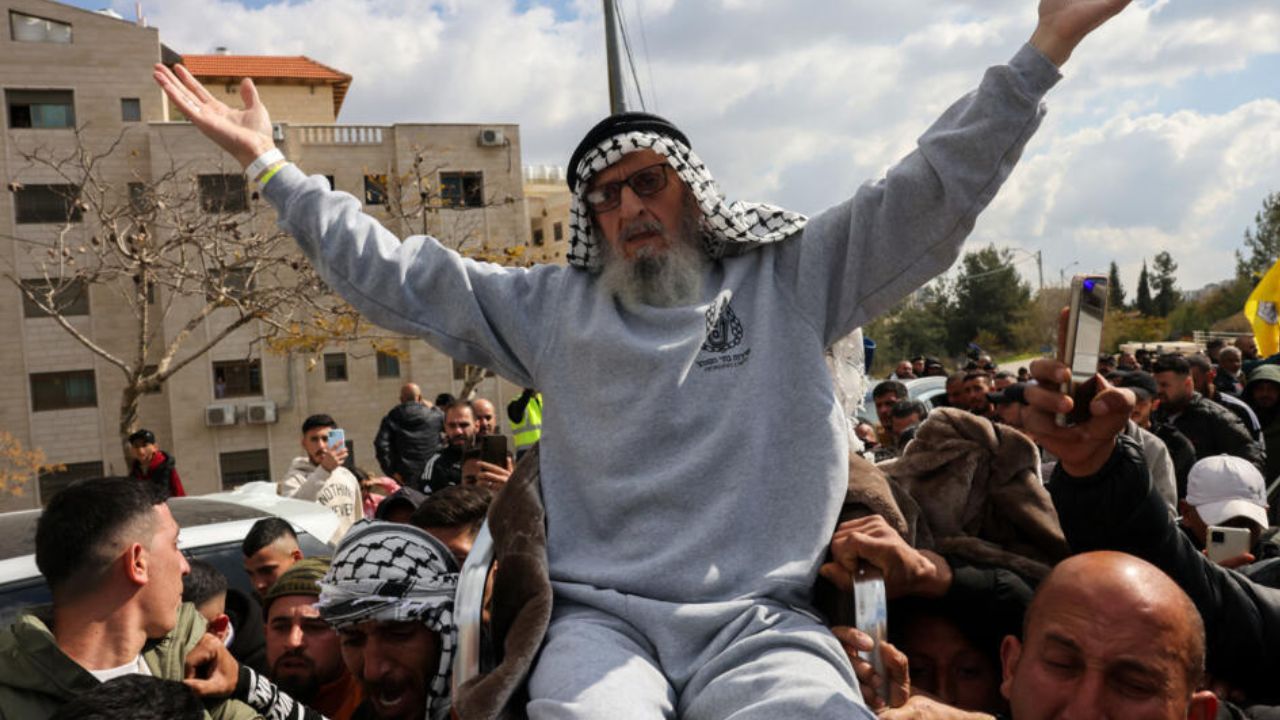
    Hamas spokesperson Dr. Khalid Al-Qadoumi said on Monday that Pakistan has agreed to host 15 Palestinian prisoners who were recently released from Israeli custody under a recent ceasefire agreement.

    “Initially, the number will be 15, but the timeline for their arrival in Pakistan has not yet been determined,” the Hamas spokesperson said while speaking to Independent Urdu in a telephonic conversation.

    However, Pakistan’s Foreign Ministry has yet to respond to Hamas’ claim.

    The ceasefire, which ended 15 months of war, began on January 15 and includes the gradual withdrawal of Israeli forces from central Gaza and the return of displaced Palestinians to northern Gaza.

    According to the deal, Hamas agreed to release 33 Israeli hostages, including women, children, and men over 50, while Israel committed to releasing 30 Palestinian detainees for every civilian hostage and 50 for every Israeli female soldier released by Hamas.

    During the telephonic interview, the Hamas spokesperson expressed gratitude to the leadership and people of Pakistan, stating, “This once again proves that Pakistan is a big brother and its soul is connected to Jerusalem… Pakistan and its people have always fulfilled the promises they made.”

    Qadoumi asserted that the Palestinians intending to travel to Pakistan will transit through Egypt and Turkey, though they have not yet left Egypt.

    “Several Islamic countries, including Egypt, Turkey, Indonesia, Malaysia, and Algeria, have expressed willingness to host a group of Palestinian prisoners released under the Tufan al-Ahrar agreement. Discussions with these countries are currently ongoing,” he further claimed.

    The Palestinian news agency Quds Press had earlier reported that Pakistan was among four countries agreeing to host prisoners released under the Gaza ceasefire.

    The news agency, while citing a “senior Hamas official,” on Monday reported, “The [Hamas] movement is currently negotiating with several countries to secure approval for hosting the remaining released prisoners.”

    As per the media report, Hamas was in talks with Algeria and Indonesia regarding the acceptance of prisoners, while Tunisia has declined to do so.

    Since the onset of Israel’s military offensive on Gaza in October 2023, Pakistan has supplied humanitarian aid and launched a public donation fund to support the war-affected population in Gaza.

    The conflict has led to the devastating loss of life, with more than 47,000 Palestinians reportedly killed and widespread destruction in Gaza, which has been under Israeli occupation since 1967.

  • Foreign tourist deeply touched by the kindness of Pakistanis

    Foreign tourist deeply touched by the kindness of Pakistanis

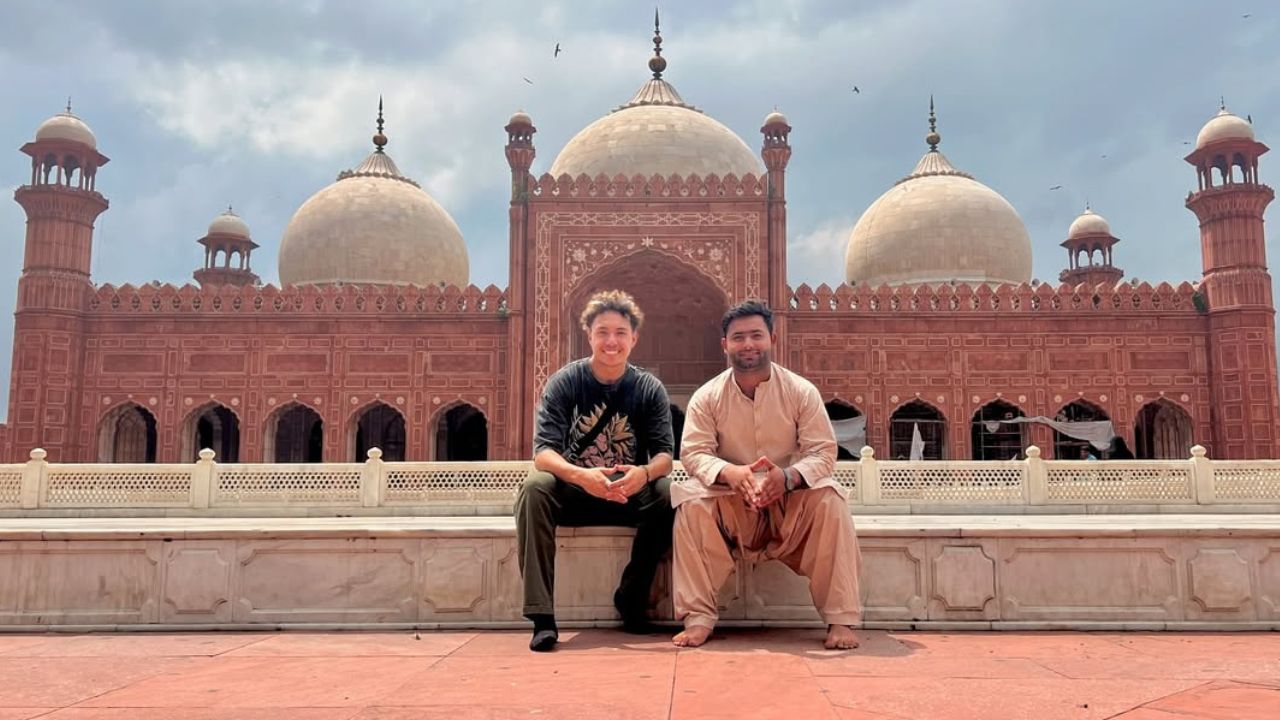
    A young foreign tourist who goes by the handle Adham Travels on Instagram has shared a video showcasing how kind Pakistanis were to him during his visit in the summer of 2024. He recently shared a three-part series of videos on his Instagram page, naming them the “Top 5 Things You Didn’t Know!”

    He recalls the moments that “totally changed” his perspective about the country, “from the clean streets to the breathtaking nature and most importantly, the incredible people.”

    Having visited more than 20 countries, Adham deemed Pakistanis as “some of the most hospitable, most caring people in the world.”

    “It would take me days to tell all the stories of the kindness that I was shown in this country, but I will name a few situations that really blew me away,” he added.

    One Pakistani took a day off from work to take Adham along on his bike to his favourite sites in the north so he could “leave the country with a positive impression.”

    Another man gave the young traveller the keys to his holiday home so that he could “relax and take a break from my intense travels” and provided him with food and a helper “all for free.”

    “Pakistan really surprised me in the best ways possible. I hope this video gave you a glimpse of what makes this country so special.” He concluded his video with the hope that he had helped dismiss preconceived notions about the country.

    https://www.instagram.com/reel/DFImNz_IatD/?utm_source=ig_web_copy_link&igsh=MzRlODBiNWFlZA==

    Spreading kindness

    Earlier this month, a foreigner on a motorcycle trip to Pakistan was taken by surprise by a sweet interaction with a Pakistani traffic police official.


    Tourist Jacob Lum, who is from the United States of America, is on a year-long trip on his motorcycle. He is currently visiting Pakistan, a place he referred to as the most “underrated country” in the world.


    Jacob took to Instagram and shared a video of an interaction with a traffic warden in Lahore who stopped his vehicle because it is prohibited to drive a three-wheeler in the specific region, yet he was allowed to go ahead because he was a “guest.”

    The video features a middle-aged traffic warden who is seen admonishing the driver for taking the tourists on Mall Road when he knows it is prohibited in the area. However, he turns to Jacob and tells him politely, “We stop it only because it is dangerous.” He also adds, “But you are our guest, so I will allow him to take you to the city of Lahore.” Jacob thanked him, and the officer added: “I think you will enjoy your trip in Pakistan.”


    The video also shows the traffic warden welcoming Jacob, asking him to visit Minar-e-Pakistan, Badshahi Mosque, Tollington Market and other Mughal and British heritage sites in the city and warning him against eating street food because it is “unhygienic”.


    Jacob wrote in the caption, “This video is a great example of the kindness of the Pakistani people. This interaction was one of the best I have had with the police. He was there to enforce the rules that 3 wheeler rickshaws (motorcycle/ tuktuk) are not allowed in the city. And instead of removing us from the taxi ride and forcing us to get another one, he just scolded the driver and then permitted him to carry on “because we are guests”. I thought that was really nice of him and he quickly changed the conversation to welcoming us to Pakistan and providing recommendations about what to see in the city of Lahore.”


    Jacob also posted about how has had multiple experiences with the police in other countries and while some just want to exert control, extort money or just show their dominance; most are essentially kind yet he chose to show the interaction with the Pakistani police officer because that won him over. Jacob recounted that this was a “great start to my first day in the city and I felt extremely welcomed by the authorities.”


    “In addition to the police officer the immigration / customs office was also super friendly and very happy to welcome us to Pakistan,” the American tourist made it a point to mention.


    On a lighter note he added, “He also advised us to not eat the street food Ironically we were just taking the taxi back from going out searching for street food.”


    Jacob had previously shared other videos from his visits to Northern areas of the country especially Hunza valley and the Gilgit-Baltistan (GB) region. “I see why this land is being fought over,” he captioned the video he shot in GB.

  • Deepak Perwani thinks women in India have more freedom than in Pakistan

    Deepak Perwani thinks women in India have more freedom than in Pakistan

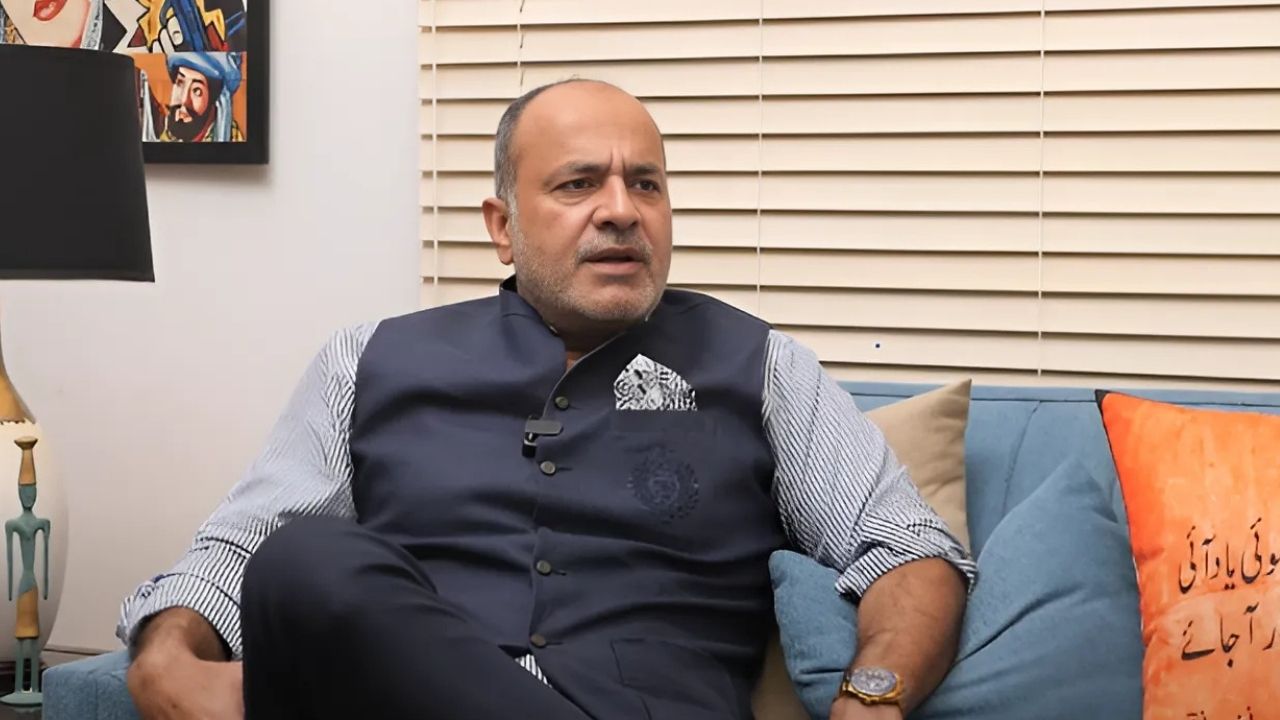
    Have you ever wondered if life in India is really better than in Pakistan? Renowned fashion designer and actor Deepak Perwani shared his perspective in a recent interview with Something Haute.

     Deepak Perwani spoke only about his experiences, comparing the quality of life in both countries. India, in his view, offers a higher standard of living, Deepak insisted, adding that women in India enjoy more freedom.

    He shared that Indian girls walk freely on the streets, ride bicycles, and drive motorbikes.

    The Qarz-e-Jahan actor compared cities like Lahore and Karachi to those in India.

    “Karachi has parks, but people aren’t allowed to visit them,” he added.

    Deepak Perwani admired how India provides modern conveniences, even to small businesses. 


    “In India, even rickshaw drivers have Uber, and street vendors accept tap-to-pay,” he pointed out.


    He concluded saying, “Pakistan still has a long way to go compared to India,” suggesting, there is much to improve in terms of infrastructure and lifestyle.

  • Astrology experts predict what’s in the bag for Pakistan in 2025

    Astrology experts predict what’s in the bag for Pakistan in 2025

    Fortuneteller Alia Nazir, while appearing on an ARY News programme last night, predicted interesting things about the political situation of Pakistan in 2025, including when or if former Prime Minister Imran Khan will be released from prison.

    “I believe that the year 2025 is going to be very different from previous years. It is going to be very difficult, and unexpected events are going to take place. One of those events is the release of Imran Khan from prison, expected between January and April of this year. Most probably in March he will be out of the prison, not through cutting some deal but through dialogue,” revealed the tarot card reading expert.

    Alia Nazir also predicted that 2025 might also witness new elections in Pakistan, saying: “Elections could be held in the second half of the year and the current government might pack its bags mid-year.”

    Programme host Muhammad Malick, in a lighter tone, asked the expert whether the stars are confused about the new elections because local governments are actually scheduled to hold elections this year. 

    Astrologer Alia Nazir laughed and replied: “No, it is not like that. I’m talking about general elections in the country.”

    Host Muhamamd Malick asked the expert: “Given that there are two big powers in Pakistan, i.e. Imran Khan and General Asim Munir. Will there be a clash or reconciliation between General Asim Munir and Imran Khan in 2025?”

    The tarot card reading expert replied: “In the year 2025, the stars of the Army Chief and the founder of PTI are not in conflict but in a position of negotiation. The planetary positions of both Asim Munir and Imran Khan are very strong, but they are not in a conflicting position. The situation will turn normal, and they will sit together for the betterment of Pakistan.”

    Another astrology expert, Samia Khan, predicted: “2025 is the best year for the Army Chief; he will achieve success that no other Army Chief has achieved. The fame, good name and achievements that General Asim Munir is going to achieve in this year 2025 have not been achieved by any army chief or General”

    The host then asked the same question to another astrologer Syed Muhammad Ali Zanjani to which he replied: “This is the year oft military. I feel that the matters between both Asim Munir and Imran Khan are going to be solved. This year, however, is not going to be easy. Every institution, every important personality and every power is going to be aligned for Pakistan for the first time in history.”

  • US imposes new sanctions targeting Pakistan’s ballistic missile program

    US imposes new sanctions targeting Pakistan’s ballistic missile program

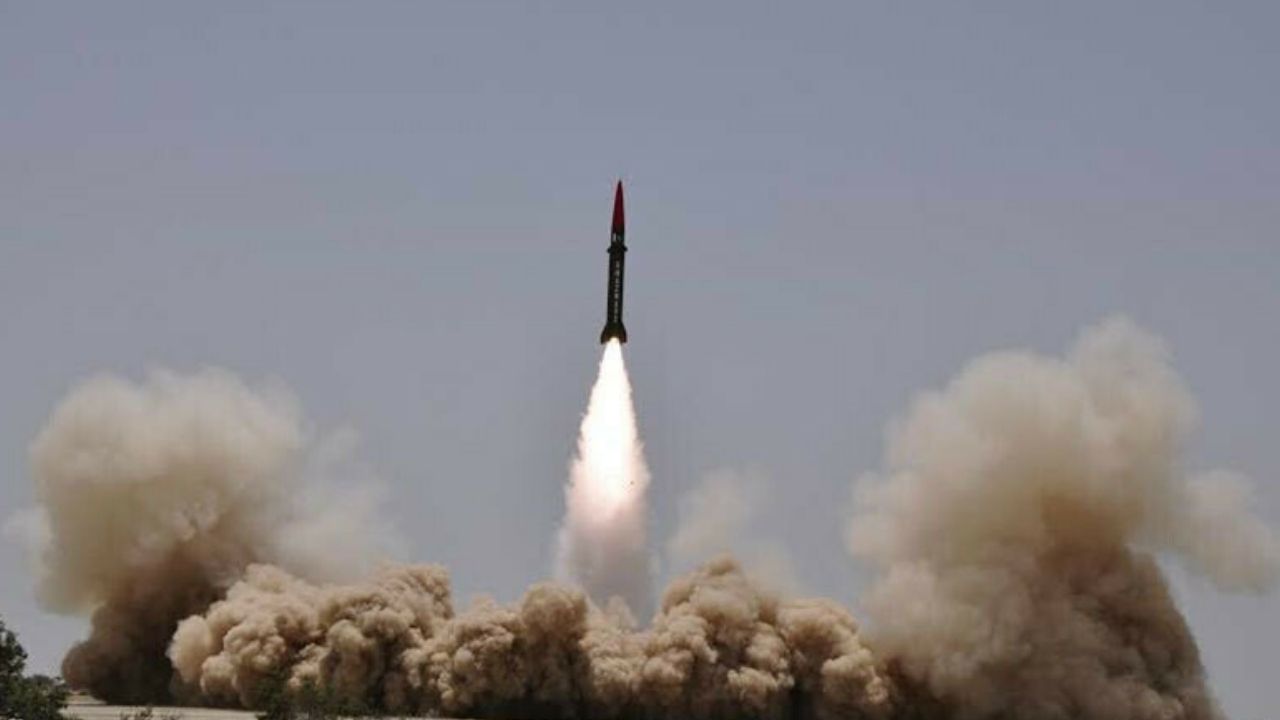
    The United States of America on December 18 sanctioned four entities for their involvement in the development of long-range missiles, consequently targeting Pakistan’s ballistic missile program.

    According to a fact sheet issued by the US State Department, The National Development Complex (NDC) based in Islamabad, Akhtar and Sons Private Limited, Affiliates International and Rockside Enterprise, all located in Karachi, have been identified “in light of proliferation threat of Pakistan’s long-range missile development.”

    It merits mentioning that the US had previously targeted several Pakistani companies in April, October, and September of this year to disrupt Pakistan’s missile and drone programs.

    The sanctions freeze any US property belonging to the targeted entities and bar Americans from doing business with them.

    “The NDC has worked to acquire items in furtherance of Pakistan’s long range ballistic missile program – including special vehicle chassis intended to be used as launch support equipment for ballistic missiles and missile testing equipment.  The United States assesses NDC is responsible for Pakistan’s development of ballistic missiles, including the SHAHEEN-series ballistic missiles,” stated the fact sheet released by US State Department.

    Pakistan’s foreign ministry issued a press release today, calling the recent sanctions “unfortunate and biased.” 

    “Pakistan’s strategic capabilities are meant to defend its sovereignty and preserve peace and stability in South Asia. The latest installment of sanctions defies the objective of peace and security by aiming to accentuate military asymmetries. Such policies have dangerous implications for the strategic stability of our region and beyond,” read the press release issued by Pakistan’s Ministry of Foreign Affairs.


    Meanwhile, security experts on social media weighed in on the recent sanctions with Michael Kugelman writing on X (formerly Twitter): “The US has sanctioned Pakistan’s National Development Complex over proliferation-related concerns tied to ballistic missile development. This is a big deal; unlike recent rounds of US sanctions, this targets a government entity instead of just companies.”


    Another Geopolitical analyst Talha Ahmad posted on X: “Unlike the previous sanctions that targeted private companies, this time US has moved up on the ladder and now has sanctioned a government institution —Pakistan’s National Development Complex.”

    Ahmad opined that Pakistan’s nature of ballistic and strategic weapons programme is mainly to counter-balance India’s threat. He further explained: “India is leading the proliferation by introducing emerging technologies and massive missile buildup with no opposition from US. The BMD and other developments add to deterrence instability. Pakistan’s strategic program has always been India-centric. Pakistan-specific sanctions indicate the ‘politically motivated sanctions’. Nevertheless, these actions would undermine the strategic balance and would achieve the opposite of what is being ‘officially’ claimed.”

    “Pakistan would do whatever it takes to maintain deterrence stability. No sanctions would be able to force Pakistan to compromise on its desire for sovereignty and freedom especially in a changing security environment in the region with a Far-right expansionist regime running the show in Dehli. Pakistan will continue building on counter-force capabilities and if needed would change its strategic posture,” concluded the geopolitical analyst Talha Ahmad.

    Pakistani journalist Syed Talat Hussain condemned the US policy writing on X: “US tries to hit Pakistan’s nuclear delivery systems. Announces sanctions on four entities. The real game is now coming to the fore. Now you understand what the fuss and campaign is all about.”

  • $250,000 compensation for Chinese nationals killed in Pakistan

    $250,000 compensation for Chinese nationals killed in Pakistan

    The federal cabinet on Wednesday decided to provide compensation of $250,000, equivalent to six crore ninety-five lac eighteen thousand nine hundred seventy-four rupees to Chinese nationals who were killed in Pakistan, The News reported.

    Pakistan is working on an online application (App) for Chinese nationals to register themselves and track their movements. China has proposed to establish a joint venture security company, and such a mechanism is currently under consideration, Interior Ministry officials told the National Assembly’s Standing Committee on Planning Development.

    In a briefing to the National Assembly (NA) panel, the Director of the National Counter Terrorism Authority (Nacta), Col. Usman, told the committee there were 20,000 Chinese nationals in Pakistan, including 2,700 who were working on CPEC projects and remaining on non-CPEC projects as well as those scattered in their individual capacity. The standard operating procedures (SOPs) for the security of Chinese nationals have been updated in recent months in consultation with the Chinese Embassy to provide foolproof security.

    Moreover, Nacta Director Colonel Usman informed the participants that a total of 14 terrorist attacks have occurred against Chinese nationals since 2021: two in Khyber Pakhtunkhwa (KP), four in Balochistan and eight in Sindh. In these assaults, “20 Chinese were killed and 34 injured, while eight Pakistanis fell dead and 25 were injured,” he added.

    Furthermore, Nacta officials said Karachi was the primary target for terrorist organisations to cause damage to Chinese interests, noting, “Hostile Intelligence Agencies (HIAs) are the main director and financier of attacks on Chinese.”

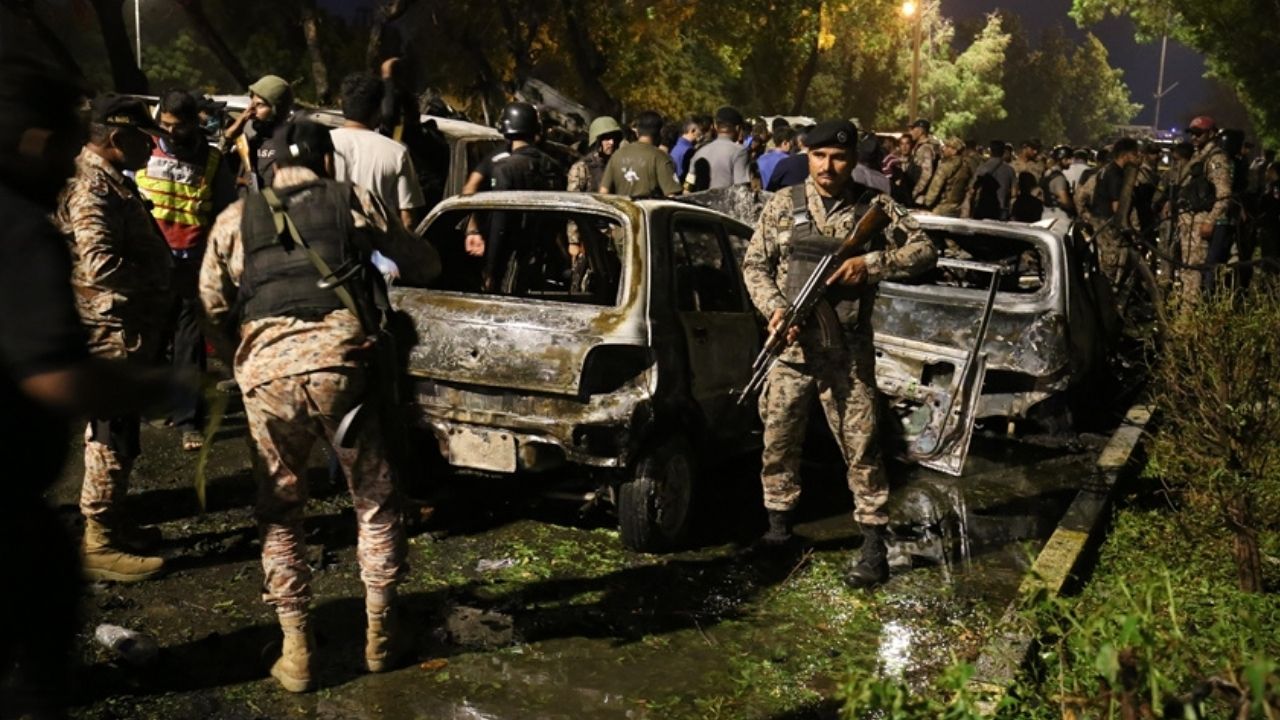
    This came after two Chinese engineers returning to work on a project after a holiday in Thailand were dead in October’s airport bombing.

    The attack was claimed by the banned outfit Baloch Liberation Army (BLA).

    The committee was also informed that in the last ten months, 7,984 intelligence-based operations (IBOs) were conducted, including 3,882 in Punjab, 994 in Sindh, 2,807 in KP, 285 in Balochistan and 16 in ICT. In these operations, 206 terrorists were killed and 1,312 arrested.

    “There has been no direct terrorist attack on CPEC projects so far,” the Nacta director clarified.

    The committee was told that one per cent of the cost of CPEC projects was dedicated to security purposes, and two special security divisions of the army were deployed to secure CPEC projects. The Special Protection Unit (SPU) and Special Security Units were employed to protect Chinese nationals.