Category: Business

  • Nestlé Pakistan Earns Top Sustainability Awards at SDPI Conference

    Nestlé Pakistan Earns Top Sustainability Awards at SDPI Conference

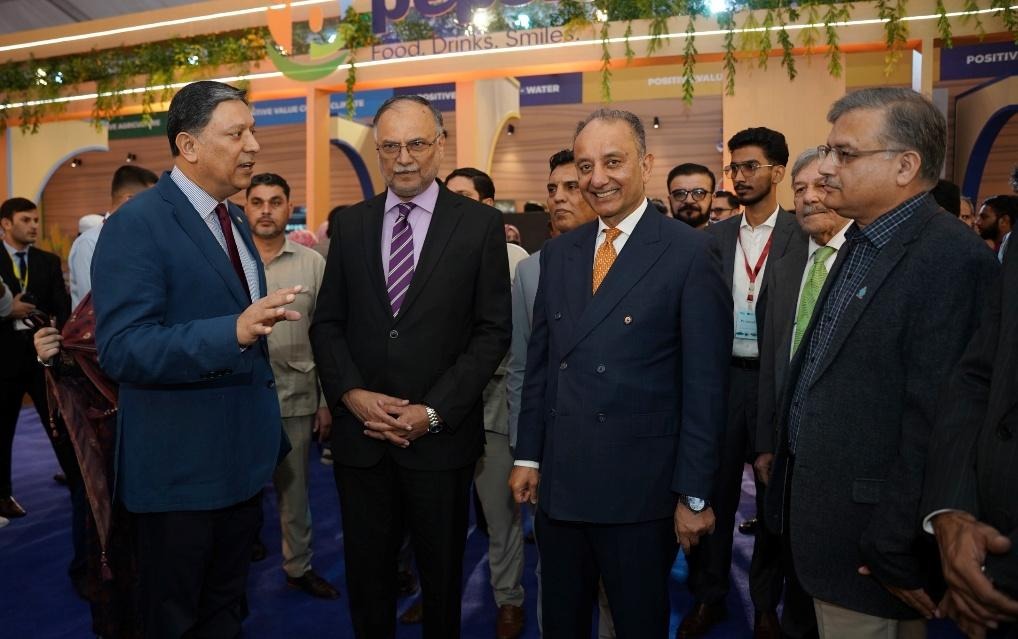
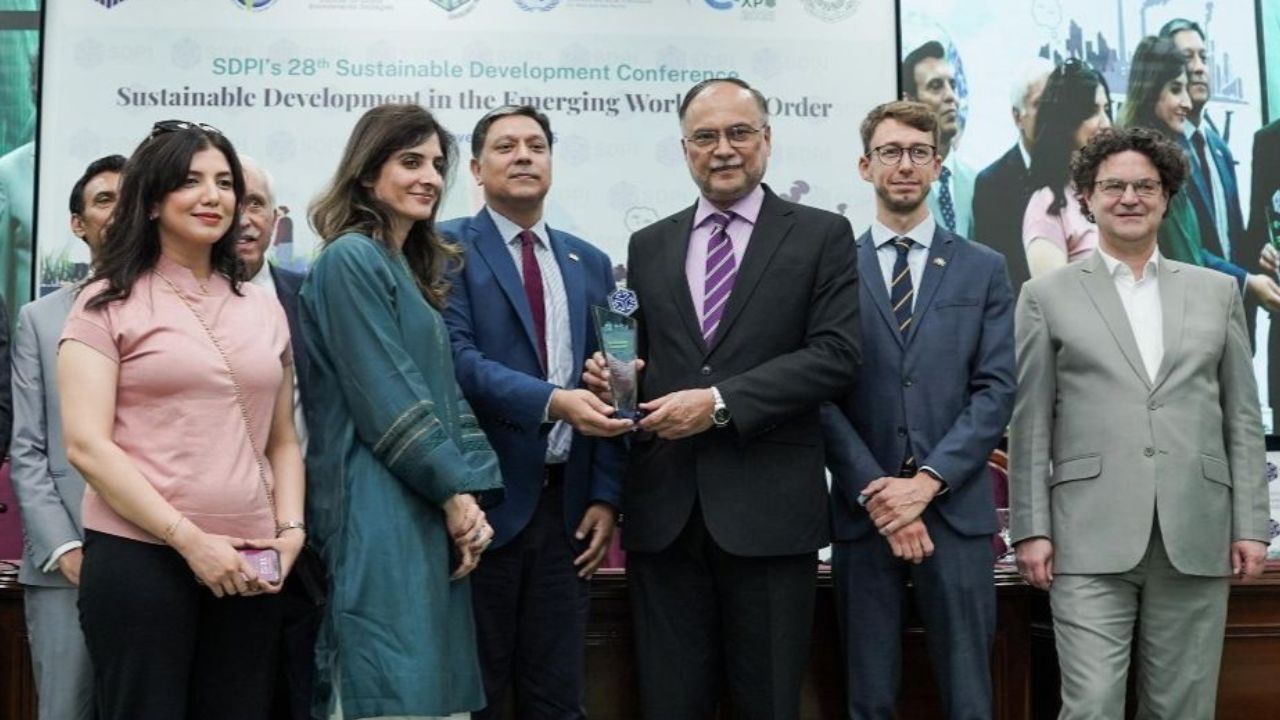
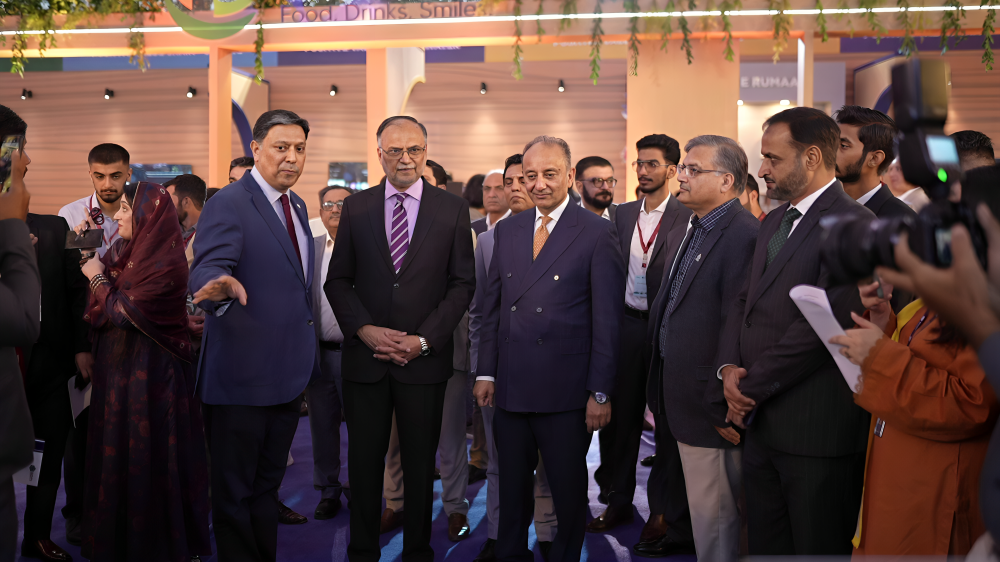
    At the 28th Sustainable Development Conference & Sustainability Investment Expo, hosted by the Sustainable Development Policy Institute (SDPI), Nestlé Pakistan was celebrated with several distinguished awards. The company was honored for its leadership in renewable energy and low carbon initiatives, as well as receiving the Best Stall Award for its innovative sustainability efforts.

    These accolades highlight Nestlé Pakistan’s pivotal role in advancing climate action and fostering sustainable development, fully aligned with the United Nations Sustainable Development Goals (SDGs).

    During the event, Nestlé’s ongoing commitment to sustainability was evident through its investments in renewable energy, the expansion of waste management programs, and impactful community projects. The Clean Gilgit Baltistan Project, for example, extended its reach to new areas, enabling the recycling of 4,000 tons of plastic waste in 2025 and the installation of recycled plastic benches and bins at popular tourist destinations.
    Nestlé’s dedication to water conservation was showcased through the Caring for Water – Pakistan initiative, which introduced drip irrigation and smart soil moisture sensors across 243 acres in Punjab and Sindh. The company also promoted community health and empowerment via the Nestlé for Healthier Kids program and the Nestlé-BISP Rural Women Sales Program.

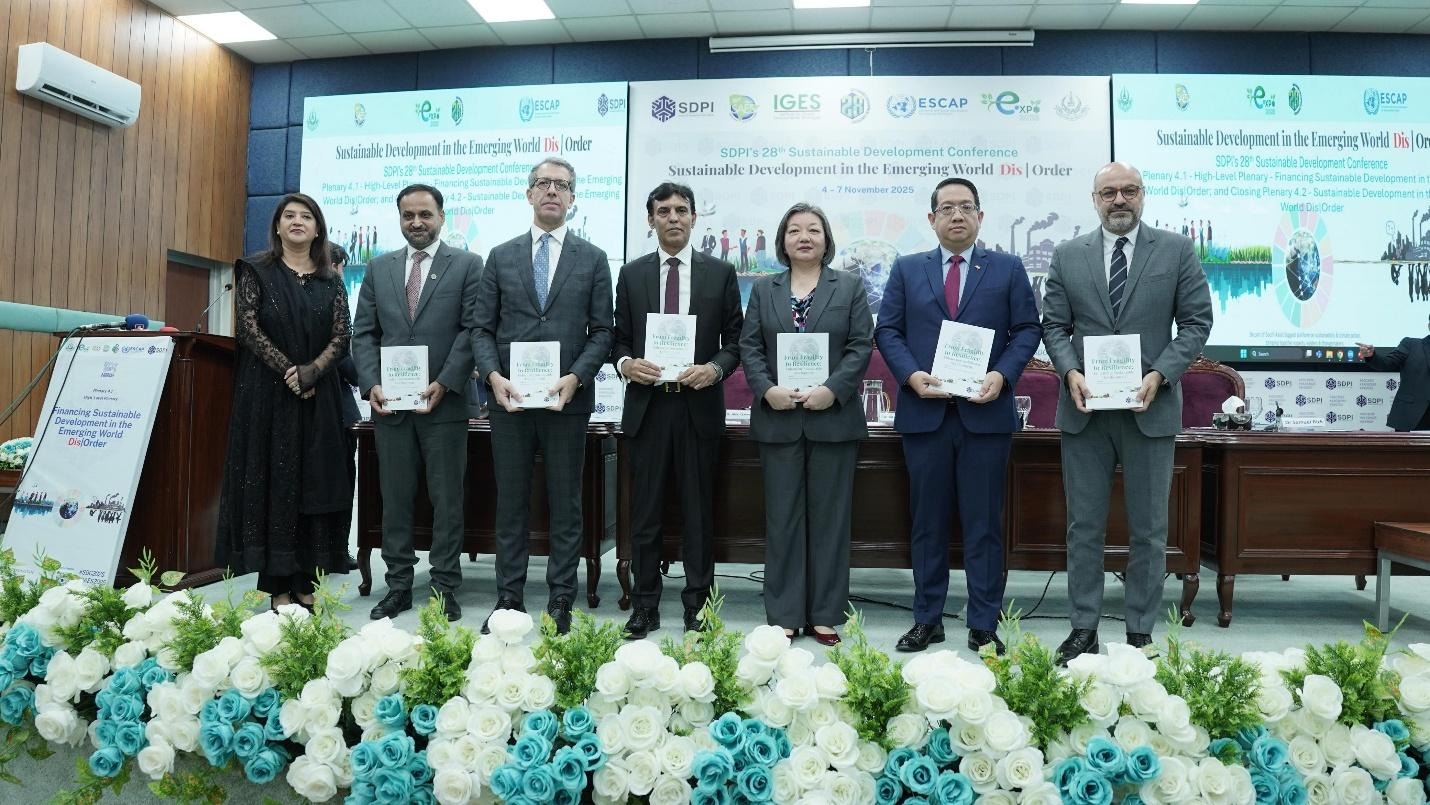
    A highlight of the conference was a high-level plenary session featuring representatives from the United Nations Development Program, The World Bank Group, International Monetary Fund, Nestlé Pakistan, and SDPI. The discussion centered on the critical need to align investments with climate resilience, inclusive growth, and sustainable progress in Pakistan.
    Jason Avanceña, CEO of Nestlé Pakistan, stressed the necessity of innovative financing and fair access to capital to meet climate objectives, while also acknowledging the company’s recognition at the event. Dr. Samuel Rizk of UNDP emphasized the value of collective action, noting the significant investments required for Pakistan to achieve the SDGs. Dr. Mahir Binici of the IMF and Bolormaa Amgaabazar of the World Bank Group reinforced the importance of climate reforms and human development as foundational to the nation’s advancement.

    Moderated by Dr. Abid Suleri, Executive Director of SDPI, the plenary underscored the power of collaboration between public and private sectors to accelerate climate action and ensure resilient food systems for future generations.
    Nestlé Pakistan’s ongoing investments reflect its strong confidence in the country’s future and its unwavering commitment to making a positive impact across its entire value chain.
  • Professor Ahsan Iqbal Mobilizes Nation at Oxford, Charts Unstoppable Path for Pakistan’s Transformation with URAAN

    Professor Ahsan Iqbal Mobilizes Nation at Oxford, Charts Unstoppable Path for Pakistan’s Transformation with URAAN

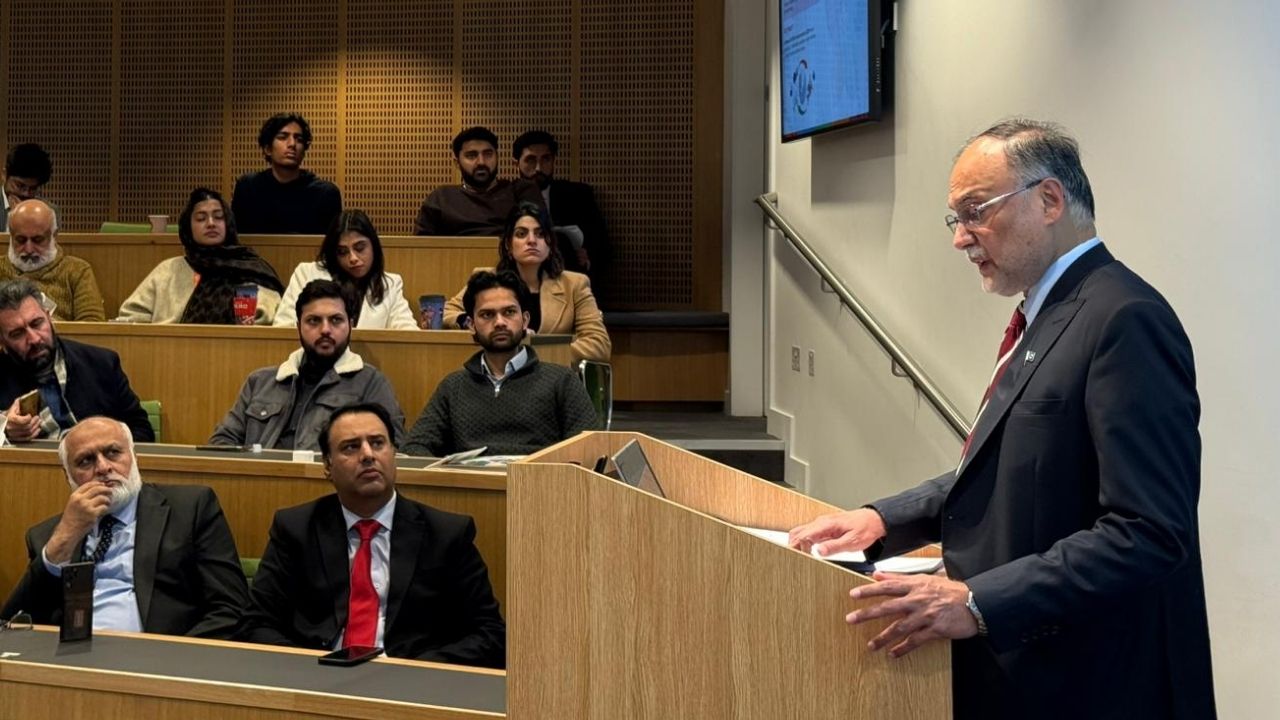
    In a defining moment for Pakistan, Professor Ahsan Iqbal, the Federal Minister for Planning, Development & Special Initiatives, representing the vision of Prime Minister Shahbaz Sharif, stood before the global Pakistani diaspora at the University of Oxford not just as a policymaker, but as the architect of a national resurgence.

    A Uraan Pakistan Conference was organized by the Oxford Pakistan Society where the Minister presented the framework and its implementation roadmap. Prof. Iqbal cemented his role as the leader rallying the nation’s most vital forces—its youth, its women, and its global diaspora—behind the single most ambitious blueprint for progress: URAAN Pakistan.

    A Hero’s Journey: From Personal Dream to National Mission

    Channeling the aspirations of millions, Prof. Iqbal shared a powerful testament of faith in Pakistan’s potential. “If you have a dream and are willing to work for that dream, there is no dream that you cannot fulfill in Pakistan, and I am a walking example of that,” he declared, positioning himself as living proof that determination can shape destiny. He reframed URAAN from a government plan into a patriotic crusade, asserting, “URAAN Pakistan is not a government initiative; it is the nation’s mission, rooted in shared purpose and resolve.”

    Fast-Tracking a National Transformation

    Prof. Iqbal detailed how, under the leadership of Prime Minister Shahbaz Sharif, the government has already shifted URAAN Pakistan into a high-gear implementation phase, turning vision into immediate action. He pointed to a series of strategic victories that have created irreversible momentum:

    • Strategic Global Partnerships: The recent signing of two landmark MoUs with the University of Cambridge, focused on technology transfer and higher education, was highlighted as a critical step in bridging Pakistan with global knowledge hubs.

    • Economic Stabilization as a Foundation: He underscored that the successful stabilization of Pakistan’s economy has created the necessary platform for the ambitious, growth-oriented projects under URAAN.

    • Reigniting Strategic Corridors: The revitalization of CPEC as ‘CPEC 2.0’ was presented as a cornerstone of this new era, focusing on industrial cooperation and high-quality development, alongside deepened engagements with other key international partners.

    “History does not wait; we must move with determination to succeed in the fourth URAAN of Pakistan,” Prof. Iqbal stated, signaling a government in action, not just in deliberation.

    Uniting Pakistan’s Greatest Assets: Youth, Diaspora, and Women

    Prof. Iqbal issued a powerful call to the nation’s core constituencies – youth, women and the diaspora. He anointed the diaspora as Pakistan’s “most precious resource,” calling on them to be “catalysts for innovation, investment, and global bridges.” He drew direct parallels to the transformative role diasporas played in the rise of Korea, China, and Malaysia.

    Pakistan’s leadership vision for URAAN explicitly places youth and people at the heart of the country’s economic transformation, with Export as the engine, ensuring they are the primary drivers and beneficiaries of the knowledge-driven, inclusive economy URAAN promises to build.

    A Legacy of Equity and a Future of Pride

    The ceremony was also a moment of profound reflection, as Prof. Iqbal presented the Development Leadership Award posthumously to the late Dr. Arif Naveed, linking the ethical imperative of equity with the national mission of URAAN. This act underscored that the pursuit of growth is inextricably linked with justice and empowerment for the most vulnerable.

    The event culminated with the diaspora’s full-throated endorsement through panel discussions and interactions of the URAAN’s pillars: Exports, E-Pakistan, Equity & Empowerment, Environment-Food-Water Security, and Energy & Infrastructure.

    Prof. Iqbal concluded with a historic charge, uniting the nation toward a common goal: “History will judge us in 2047; URAAN Pakistan ensures we celebrate a century of independence with pride and achievement. Every Pakistani has a role to play; unity and active participation are the bedrock of URAAN Pakistan’s success.”

    As per the vision of Prime Minister Shahbaz Sharif and under Prof. Iqbal’s leadership, URAAN Pakistan is now the nation’s undeniable path forward—a fast-tracked, comprehensive, and unifying mission for a transformative future.

    About URAAN Pakistan:

    URAAN Pakistan is the National Economic Transformation Plan, a strategic framework to propel Pakistan toward becoming a dynamic, inclusive, and globally competitive nation by 2047.

  • Experts urge swift regulation as estimates put Pakistanis’ crypto investments at $30 billion

    Experts urge swift regulation as estimates put Pakistanis’ crypto investments at $30 billion

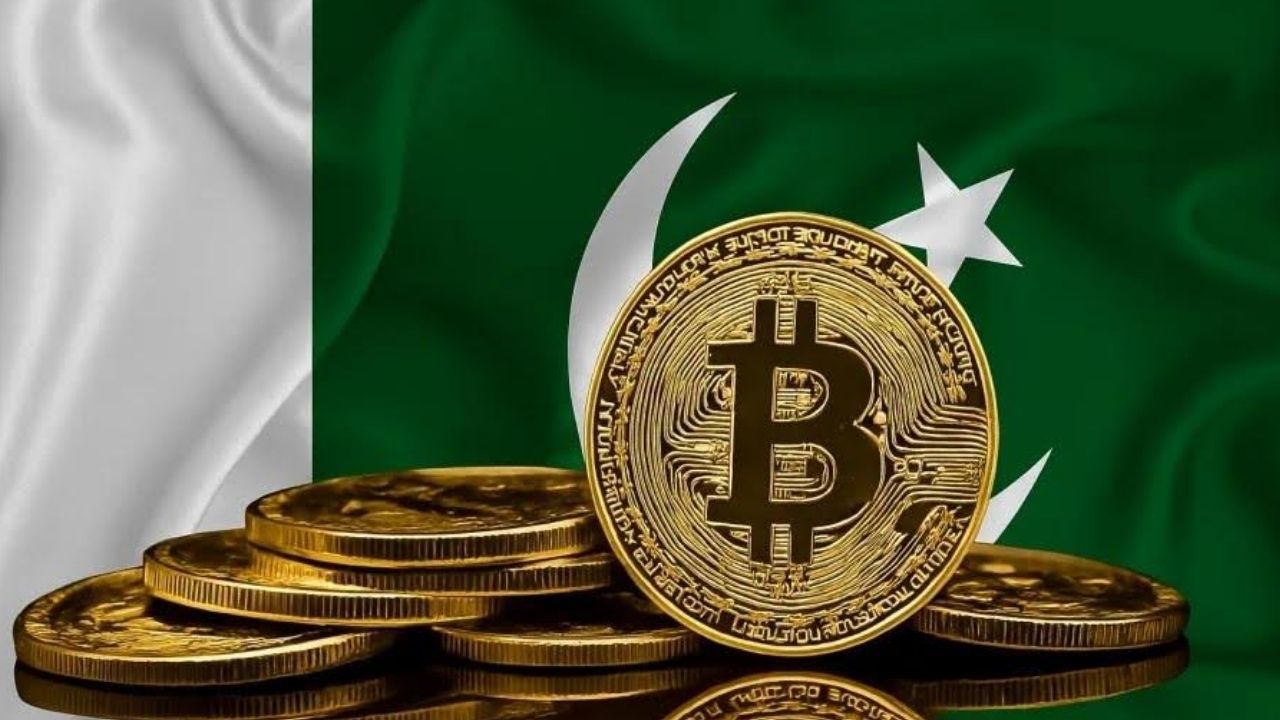
    Experts have urged the government for swift but careful regulation of cryptocurrencies and virtual assets in the country as Pakistanis are estimated to have invested between $20 billion and $30 billion in asset-backed crypto instruments.

    According to reports, experts at the Sustainable Development Policy Institute (SDPI) Conference warned that Pakistan could lose out on $25 billion in economic opportunities if it delays regulation of the same amid a global financial shift toward digital currencies.

    They projected that crypto trading by Pakistanis could reach a staggering $300 billion, nearly equal to the country’s current GDP of around $400 billion. However, they cautioned that these figures are based on estimates since Pakistan lacks a legal framework to regulate or document crypto activities, leaving the true scale of investment unverified.

    Experts at the conference also raised concerns over weak regulations and cybersecurity risks that could hinder progress. They recommended that Pakistan adopt a cautious, phased approach to legalising cryptocurrency and introduce a Central Bank Digital Currency (CBDC) as a first step. The CBDC could significantly reduce the costs associated with remittances from overseas, they said.

    They agreed that digital finance has the potential to lower remittance costs, expand financial inclusion and align Pakistan with global fintech trends. However, they stressed that delaying regulation could result in Pakistan missing a transformative economic opportunity.

    Meanwhile, Federal Finance Minister Muhammad Aurangzeb has said that Pakistan aims to advance the Pakistan Crypto Council (PCC) from a business perspective.

    At the same conference, the finance minister indicated that legislation for a Virtual Assets Regulatory Authority, established through an ordinance, will be enacted soon.

    It may be noted that reports in September claimed that Pakistan has formally launched the licencing process for cryptocurrency exchanges, marking a key milestone for the country’s digital finance sector.

    The Pakistan Virtual Assets Regulatory Authority has invited global crypto service providers to apply for licences to operate in the country, they said.

    Under the new framework, companies seeking licences must hold permits from global regulators, comply with strict “Know Your Customer” (KYC) requirements, and provide detailed corporate disclosures.

    In March, the government established the Pakistan Crypto Council (PCC) to regulate and integrate blockchain technology and digital assets into the national financial system. The council’s formation followed the appointment of Bilal bin Saqib as Chief Advisor to the Finance Minister for crypto affairs.

    The PCC was tasked with promoting and incorporating blockchain and cryptocurrency innovations into Pakistan’s economic framework.

  • BankIslami Strengthens Its Digital Islamic Banking Platform ‘aik’

    BankIslami Strengthens Its Digital Islamic Banking Platform ‘aik’

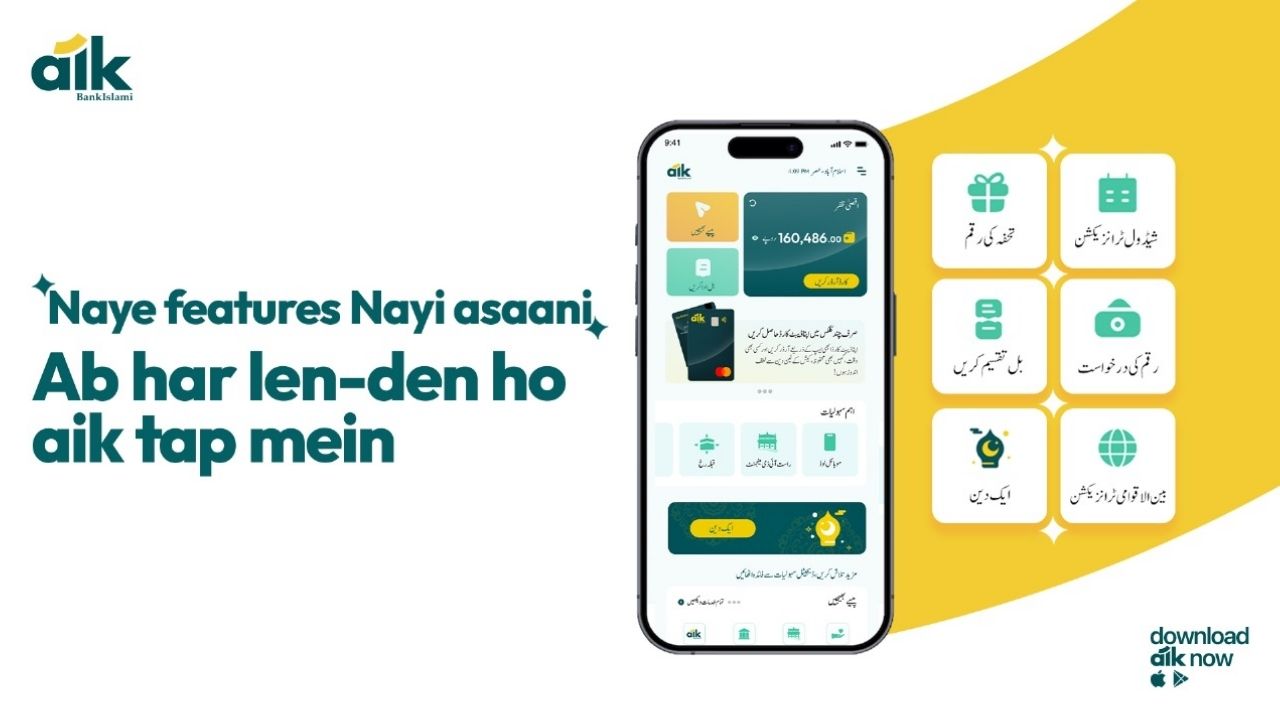
    Committed to its mission of advancing Islamic banking in Pakistan, BankIslami has further strengthened ‘aik’— the country’s first digital Islamic banking platform offering truly Riba-free banking solutions.

    The upgraded aik platform now delivers a more powerful, intuitive, and seamless user experience, featuring enhanced system capabilities and new tools designed to improve accessibility and provide a customer-friendly digital banking journey.

    Through aik, BankIslami is expanding its digital reach by enabling customers to open current and Bachat (saving) accounts instantly through their smartphones—with just a few clicks. The platform aims to serve diverse customer segments promoting financial inclusion across Pakistan.

    In alignment with the State Bank of Pakistan’s and the Government of Pakistan’s “Go Cashless” strategy, the aik mobile application now supports Raast QR payments, providing Shariah-compliant digital payment solutions for micro and small merchants (SMEs).

    Beyond banking, ‘aik’ is evolving into a comprehensive Islamic lifestyle application. The newly introduced ‘aik Deen’ module enriches the user experience with features such as Azaan alerts, a digital Quran, Islamic calendar, Qibla compass, Hadith and Ayat notifications, and live streaming from Makkah and Madinah.

    Additionally, customers can enjoy modern digital conveniences such as bill splitting, gifting money, referral rewards, and invite-and-earn programs, making banking simpler and more rewarding.

    “As digital adoption accelerates, we continue to innovate with purpose. This upgrade positions aik as more than a banking app, it is a lifestyle companion for customers seeking a Shariah-compliant way of life,” said Ashfaque Ahmed, Chief Officer of aik.

    Rizwan Ata, President & CEO of BankIslami, added: “At BankIslami, we believe that a society free from Riba can only be achieved when Islamic banking is effortless, accessible, and trusted by all. By strengthening our digital platform, we are empowering every Pakistani with a modern, Shariah-compliant alternative, taking a meaningful step toward our mission of ‘Saving Humanity from Riba’.

    With ‘aik’ at the forefront, BankIslami continues to advance its mission of “Saving Humanity by Providing Riba-Free Islamic Banking Solutions”, combining modern technology with Islamic values to make Shariah-compliant banking simple, accessible, and relevant for generations to come.

  • Pakistan, UK Agree to Fast-Track Trade Mechanism and Expand Economic Partnership

    Pakistan, UK Agree to Fast-Track Trade Mechanism and Expand Economic Partnership

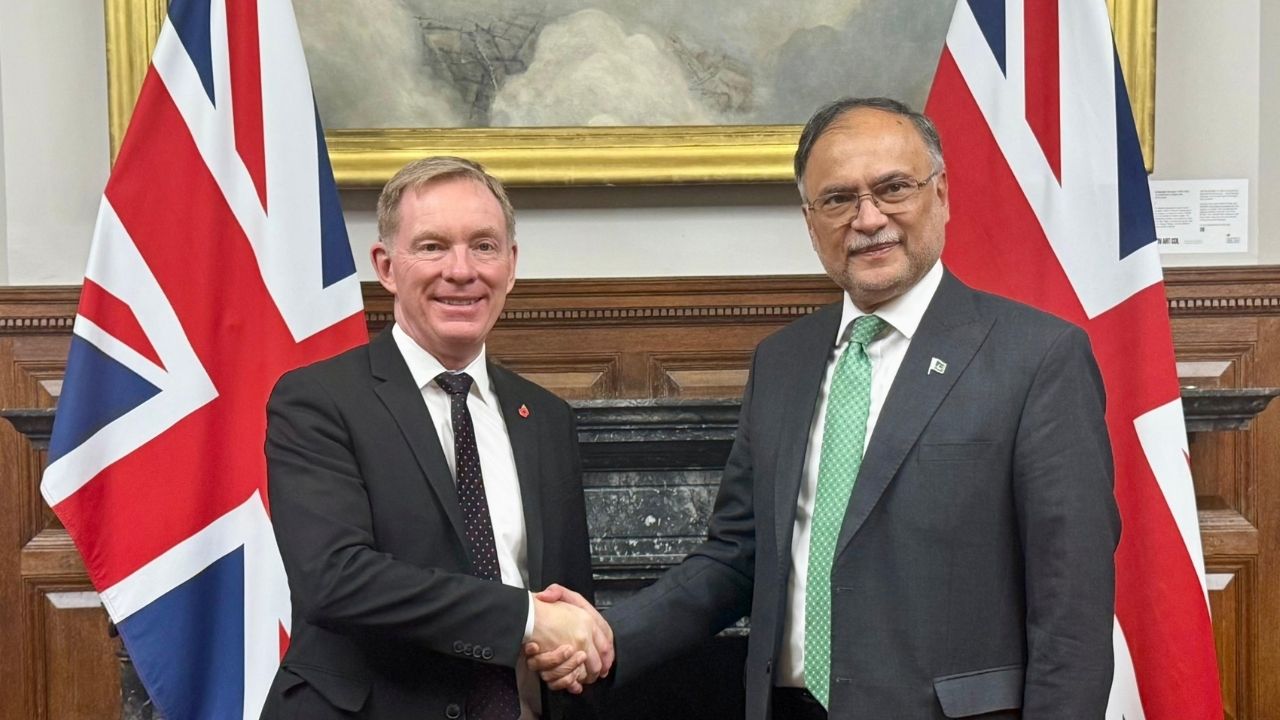
    Minister for Planning, Development & Special Initiatives, Prof. Ahsan Iqbal, held a productive meeting with the UK’s Minister of State for Trade Policy, Mr. Chris Bryant, to advance Pakistan–UK economic cooperation under the recently signed Pakistan–UK Trade Dialogue Mechanism.

    Minister Ahsan Iqbal reaffirmed that Pakistan and the United Kingdom share a deep, historic bond rooted in longstanding cultural ties and strong people-to-people linkages. He stated,

    “Pakistan and the UK enjoy excellent political relations, but now is the time to match that strength on the economic front. Our goal is to turn goodwill into growth.”

    Highlighting that bilateral trade currently stands at £ 5.5 billion, the Minister emphasized the need to significantly expand trade volumes.

    “With £ 5.5 billion in bilateral trade, we have only touched the surface. The Trade Dialogue Mechanism must now become the engine that unlocks our true economic potential,” he added.

    He underlined the importance of swiftly operationalizing the three working groups established under the Trade Dialogue Mechanism to address priority areas and unlock commercial opportunities.

    “We cannot afford delays. The working groups must become operational immediately so our next ministerial meeting delivers concrete, measurable outcomes.”

    Minister Chris Bryant acknowledged the significance of the Trade Dialogue Mechanism signed in July 2025, which provides for annual ministerial engagements and requires the working groups to become functional within six months. He noted that technical discussions around SPS measures and tariffs are essential, and emphasized the need for subject-matter experts to develop practical solutions.

    Responding to an inquiry on Pakistan’s broader economic direction, Minister Ahsan Iqbal briefed on the Government of Pakistan’s efforts over the past three years to stabilize and grow the economy. He stated, “Pakistan has reversed the economic downturn of recent years. Inflation is falling, growth is recovering, and Pakistan is open for business like never before.”

    He highlighted the Government’s commitment, under Prime Minister Shehbaz Sharif’s leadership, to position Pakistan as a regional investment hub.

    “Under Prime Minister Shehbaz Sharif’s vision, Pakistan is positioning itself as a regional investment hub — a country where investors see stability, opportunity, and long-term value.”

    The Minister underscored Pakistan’s strong potential in IT human resources and the technology sector, identifying multiple avenues for Pak–UK collaboration in technological and scientific domains.

    “Pakistan’s greatest asset today is its young, highly skilled tech talent. Deep technology collaboration between Pakistan and the UK can create a new bridge between our economies.”

    He further stressed the need to revitalize joint business forums to facilitate private-sector partnerships.

    Both sides expressed a strong desire to enhance cultural cooperation, including in fashion and design, music and arts, and tourism.

    “Our cultural ties are a living bridge. Fashion, arts, design, and tourism can become powerful forces to bring our people even closer,”
    said Ahsan Iqbal.

    Concluding the meeting, Minister Ahsan Iqbal extended a formal invitation to Minister Chris Bryant to visit Pakistan.

    “I have invited Minister Chris Bryant to visit Pakistan. I am confident he will find a country ready for transformation, investment, and partnership with the world.”

  • PSX introduces new guidelines for opening trading accounts for minors

    PSX introduces new guidelines for opening trading accounts for minors

    The Pakistan Stock Exchange (PSX), in collaboration with the National Clearing Company of Pakistan Limited (NCCPL) and the Central Depository Company (CDC), has introduced a comprehensive framework for opening trading accounts for individuals below 18 years of age. 

    The guidelines have been finalised in consultation with the Securities and Exchange Commission of Pakistan (SECP).

    According to the new rules, a guardian will be responsible for opening and operating a minor’s trading account, and all securities brokers have been directed to strictly follow the prescribed procedures. The framework outlines how such accounts will be created, managed and monitored within Pakistan’s capital market.

    The account, titled in the name of the minor through the guardian, can be opened after the guardian submits valid NADRA documents such as a Juvenile Card, Form-B or Child Registration Certificate. 

    If the guardian is someone other than the father, a court-issued Guardianship Certificate will be required. Brokers will be required to verify identity documents, conduct all AML and risk assessments through the guardian and mark the account as a minor’s account in their systems.

    The guidelines state that the guardian will have full authority to operate the trading account. Payments and receipts may be routed through the minor’s bank account, a joint account or the guardian’s own bank account, based on what has been agreed between the two parties.

    The new framework places strict limits on what minors can trade. Futures contracts, leveraged products such as MTS, MFS and SLB, negotiated deals and same-day square-ups will not be permitted.

    PSX and NCCPL will also monitor the ages of all minor account holders through NADRA records. Guardians will receive a notification one month before the minor turns 18. Once the minor reaches adulthood, the trading account will be suspended for new transactions until a fresh account is opened in the individual’s own name. During the transition, securities will be shifted to the new account without changing their original cost or acquisition dates to avoid triggering capital gains tax.

  • Bitcoin falls below $100,000 for first time since June

    Bitcoin falls below $100,000 for first time since June

    With broader risk-off sentiment rippling through financial markets, Bitcoin on Tuesday fell more than 6% to slip below $100,000 for the first time since June.

    According to foreign media reports, major United States (US) stock indexes also dropped, registering a decline in tech and chip stocks after Goldman Sachs and Morgan Stanley CEOs warned that equities may be due for a pullback. 

    The cautious mood sent Treasury yields lower as the US dollar climbed to a four-month high against the euro, adding pressure on risk assets, including cryptocurrencies.

    The drop in bitcoin highlights growing investor caution in the face of tightening monetary conditions and market volatility, prompting some traders to reduce exposure to high-risk assets.

     At an investment summit in Hong Kong, bank CEOs warned of the prospect of a stock market correction of more than 10% over the next two years.

    Shares of Nvidia were down 4%, while an index of semiconductors also fell 4%.

    Shares of Palantir Technologies PLTR.O dropped more than 8% despite the data analytics provider reporting strong quarterly results. 

    The company, which has more than doubled in value this year, forecast fourth-quarter results above market expectations as the rapid adoption of artificial intelligence is boosting demand for its services.

    “Big Short” investor Michael Burry, known for his successful bets against the US housing market in 2008, has placed bearish bets on Nvidia and Palantir, according to a regulatory filing on Monday.

    The S&P 500 fell more than 1% and the Nasdaq dropped more than 2%. The Nasdaq is still up about 21% for the year so far.

    “The market’s been moving higher as warranted from an earnings standpoint, but at some point … it seemed like it was kind of positioning for a risk-off pullback even on the slightest disappointment,” said Keith Buchanan, senior portfolio manager at Globalt Investments.

    The Dow Jones Industrial Average fell 251.44 points, or 0.53%, to 47,085.24, and the S&P 500 fell 80.42 points, or 1.17%, to 6,771.55, and the Nasdaq Composite fell 486.09 points, or 2.04%, to 23,348.64.

    MSCI’s gauge of stocks across the globe fell 11.51 points, or 1.14%, to 996.34.

    The pan-European STOXX 600 index fell 0.3%.

  • Nestlé Pakistan showcases sustainability journey at SDPI’s Sustainability Investment Expo

    Nestlé Pakistan showcases sustainability journey at SDPI’s Sustainability Investment Expo

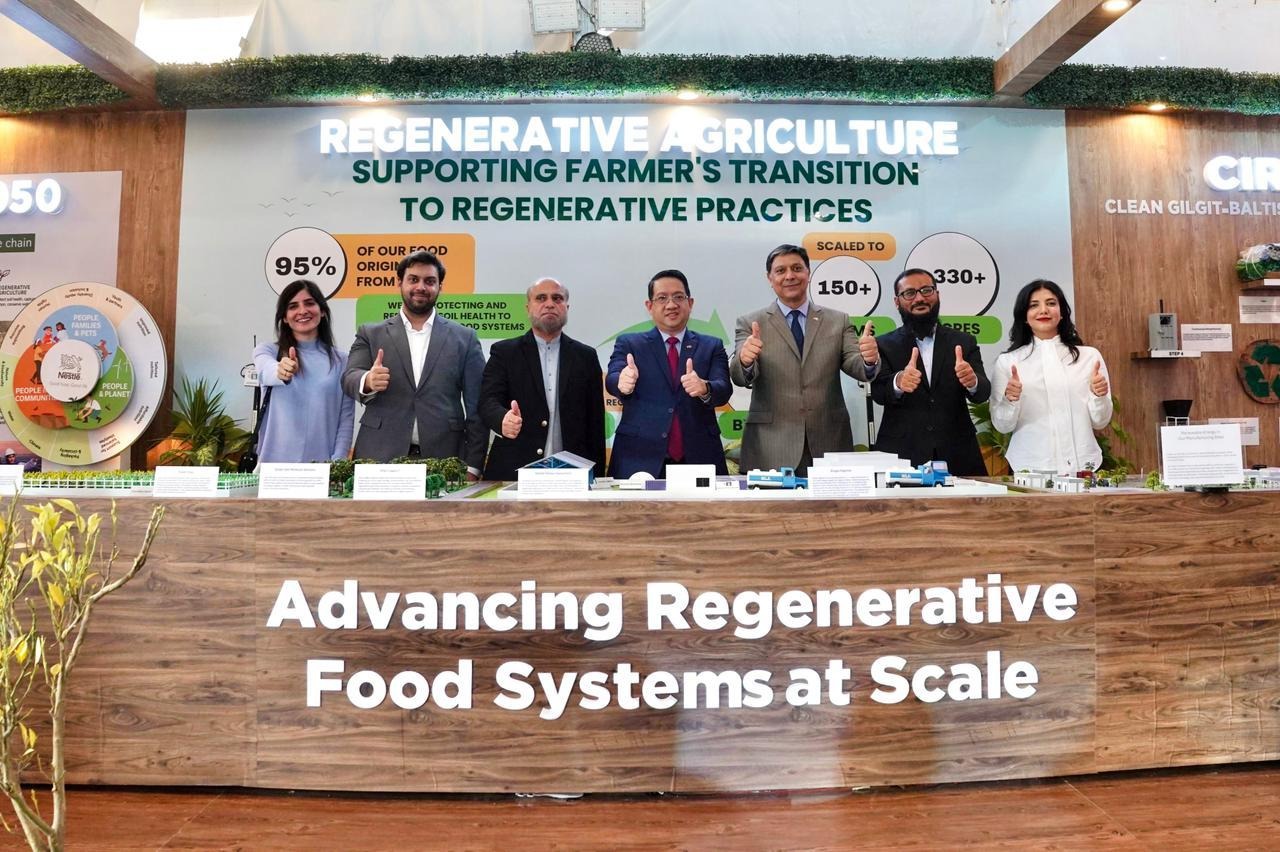
    Nestlé Pakistan’s efforts towards climate action, sustainability, renewable energy and regenerative agriculture were showcased at the 28th Sustainable Development Conference and Sustainability Investment Expo by Sustainable Development Policy Institute in Islamabad.


    “Nestlé Pakistan as part of its global and local obligations, believes in Creating Shared Value for the communities in which it operates,” said Sheikh Waqar Ahmad, Head of Corporate Affairs & Sustainability for Nestlé Pakistan & Afghanistan, adding, “We are committed to be a force for good, and our efforts underscores our commitment to sustainability for the people of Pakistan, as we take significant strides towards finding solutions for climate change and a more sustainable future.”


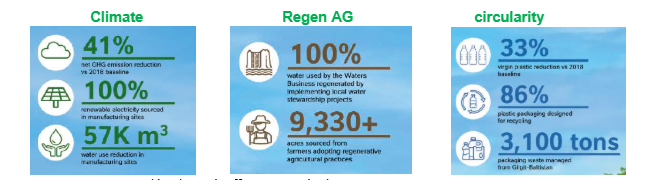
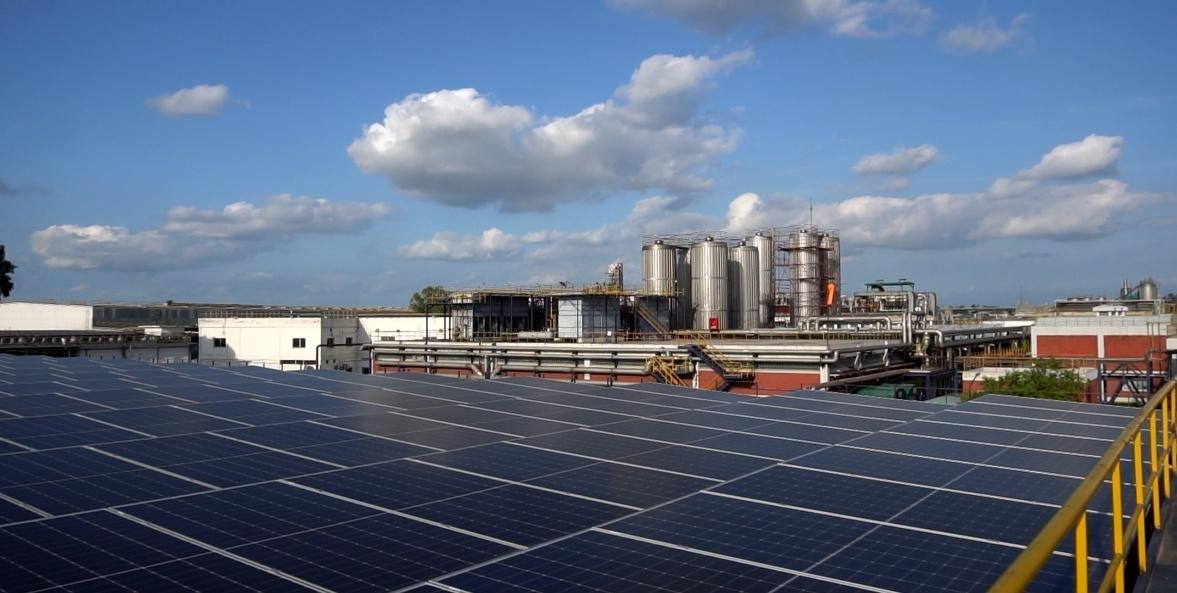
    Nestlé, as part of its efforts to reduce emissions in line with its 2050 Net Zero commitments, as well as the Pakistan government’s UN climate change pledge, earlier invested PKR 2 billion in renewable power and sustainability initiatives, operationalizing around 9.5 MW solar power plants and a biomass boiler.


    Nestlé also continued its commitment to reduce its emissions versus 2018 by 20% by 2025, 50% by 2030, and Net Zero by 2050, in line with the UN’s Sustainable Development Goals (SDGs) 13 and 15.


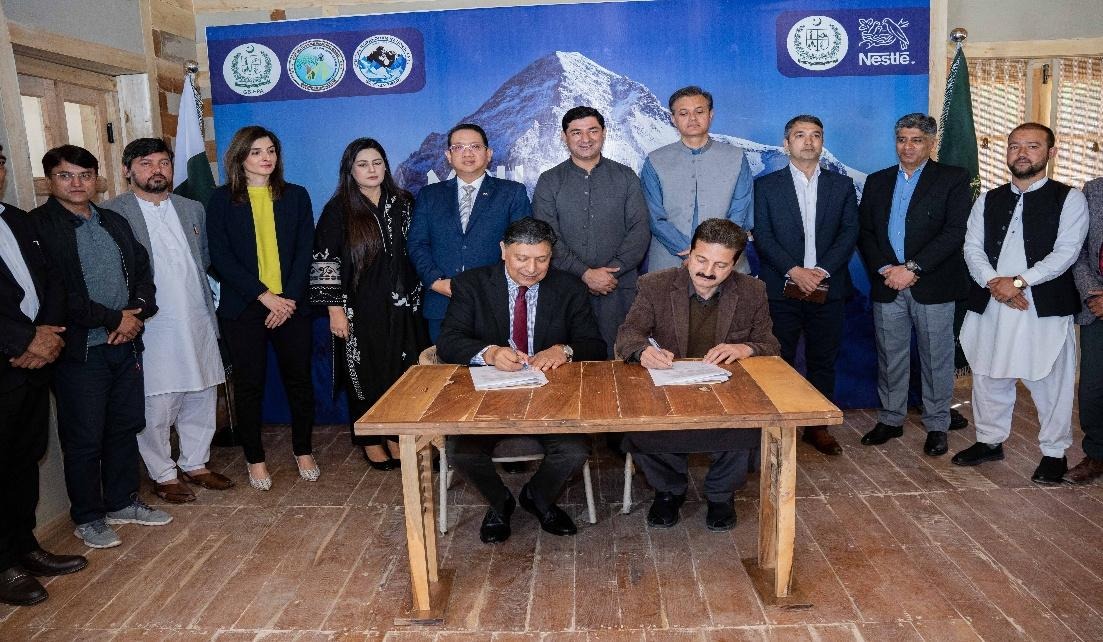
    Meanwhile, Nestlé Pakistan’s Clean Gilgit Baltistan Project that focuses on waste management for Gilgit-Baltistan region, was expanded to Askole, 10,000 feet above sea level and Zero Point ahead of the K2 base camp in 2025. This marks adding the fourth compressing and baling machine after those in Gilgit, Hunza and Skardu. This year, the project is expected to facilitate recycling of approximately 4000 tons of plastic waste.


    Additionally, 225 benches and bins made from recycled plastic have been installed at prominent tourist spots in the region. 


    Preserving water resources and regeneration is part of Nestlé’s legacy and under the Caring for Water – Pakistan initiative, drip irrigation has been operational across 243 acres in Punjab and Sindh, while smart soil moisture sensors on 724 acres. “With these efforts, Nestlé is advancing regenerative agriculture across its value chain,” said Waqar Ahmad.


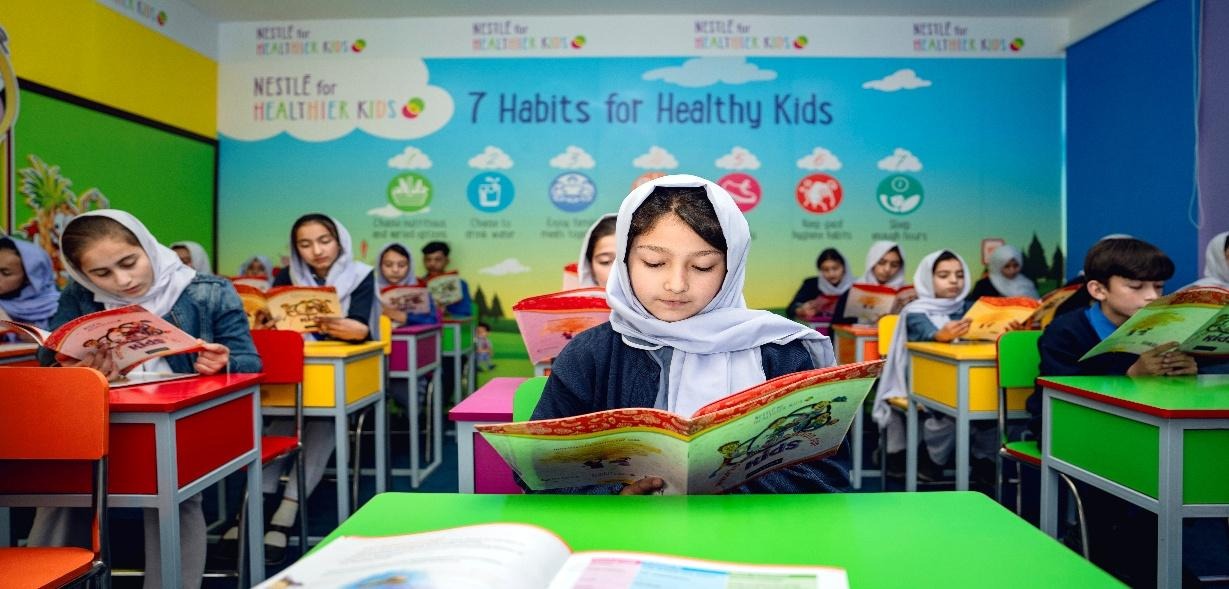
    Nestlé also worked closely with its 11 partner schools under the Nestlé for Healthier Kids (N4HK) program to increase nutritional awareness in children. As of 2025, the program has reached out to 2600 teachers and 400,000 children in line with UN SDG 3.


    Meanwhile, through the Nestlé-BISP Rural Women Sales Program, in collaboration with Akhuwat, Nestlé is supporting rural women to achieve financial empowerment. The program now has more than 3700 trained sales agents, of which 2100 are Benazir Income Support Program beneficiaries, across 29 districts in Pakistan, in line with UN SDGs 3, 5, 8 and 17.


    Nestlé’s presence at the 28th Sustainable Development Conference and Sustainability Investment Expo provides an opportunity for sustainability experts, policy makers, non-profits and civil society to visit and see Nestlé Pakistan’s sustainability journey over the years from 4-7 November 2025.


    Nestlé is dedicated to taking collective action with stakeholders to accelerate efforts to protect, renew, and restore the planet and ensure that food systems continue to nourish people for generations to come.

  • Air Karachi Takes Off with New Brand Identity and Centralized Maintenance and Operations Center Launch

    Air Karachi Takes Off with New Brand Identity and Centralized Maintenance and Operations Center Launch

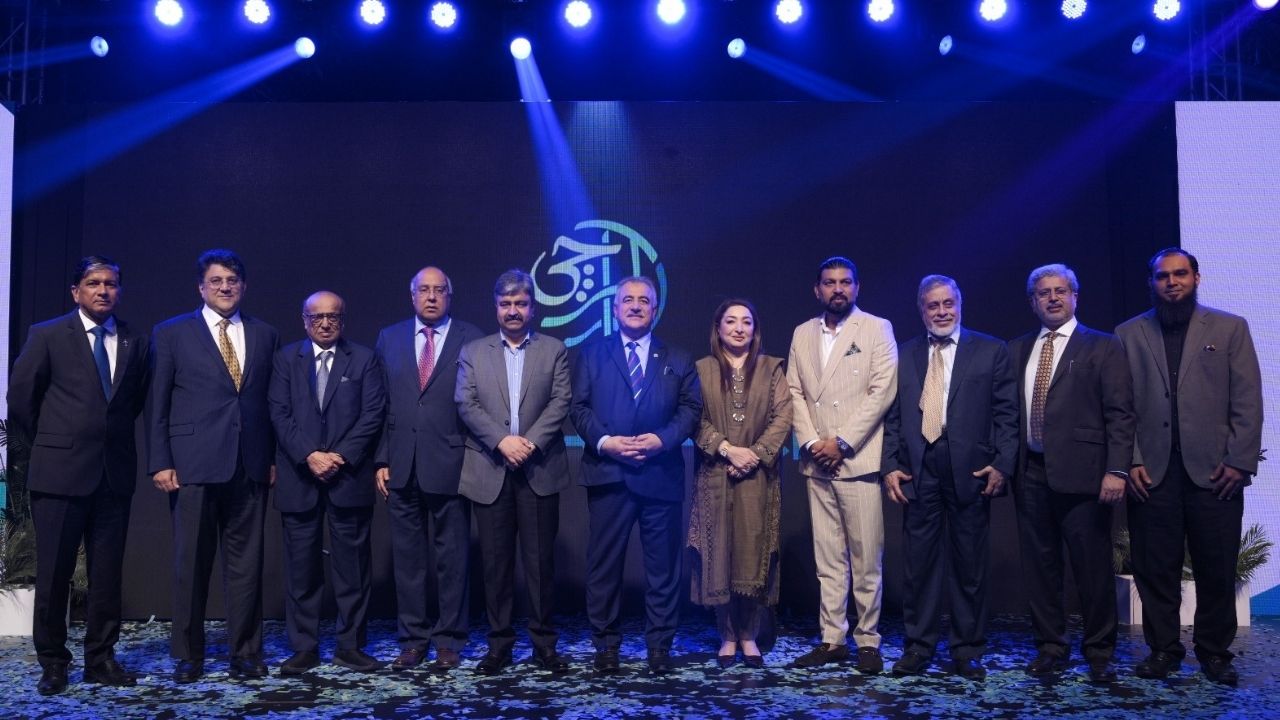
    Air Karachi (Private) Limited ushered in a new chapter last night with the formal unveiling of its brand identity and the inauguration of its centralized maintenance and operations office at a high-profile Corporate Night. The inauguration was attended by officials from the Ministry of Defence, Civil Aviation Authority, PIA, Police, diplomats, shareholders, bureaucrats, dignitaries of Karachi, and media persons.


    The ceremony was graced by the Honourable Chief Guest, Lieutenant General Muhammad Ali (Retd.), Hilal-i-Imtiaz (Military); CEO PIAC Amir Hayat, Hilal-i-Imtiaz (Military); AS-III Rear Admiral Amir Mehmood, Hilal-i-Imtiaz (Military); AS-III AVM Nasir Jamaal Khattak, Sitara-i-Imtiaz (Military); DGPCAA Nadir Shafi Dar, DG ASF Maj Gen Shoaib Akram, Hilal-i-Imtiaz (Military); President FPCCI Atif Ikram; Coordinator to Secretary, Ministry of Defence Col. Tahir, DG NAB Karachi Shakeel Durrani; DIG Asfar Mehsar, DIG Noman Siddiqui; Commander ASF Brig. Umar Farooq; AIG Police Javed Alam Odho; AIG Police Azad Khan; and DG MOFA Karachi Irfan Soomro.
    Distinguished representatives and diplomats from Qatar, Germany, and Russia, along with other dignitaries from PCAA, PAA, Ministry of Defence, ASF, FIA, SPF, and members of FPCCI, also attended the ceremony.


    Air Vice Marshal (Retd.) Syed Imran Majid Ali, H.I. (M), Chief Executive Officer of Air Karachi, welcomed the guests and outlined the airline’s ambition to enable safe, efficient, and value- driven air travel while catalysing employment and investment in Pakistan’s aviation ecosystem.


    Milestones announced

    • Air Karachi has received its Regular Public Transport (RPT) licence from the PCAA. • An MRO agreement has been signed with PIA, establishing a critical foundation for safe and reliable operations.


    • Distribution of shareholder certificates was conducted on stage, reflecting the company’s broad-based sponsorship.
    The brand logo-symbolising ambition, unity and excellence was unveiled by Ms. Laiba Gohar, creative lead behind the identity.


    Board of Directors

    • Mr. Muhammad Hanif Gohar – Chairman, Gohar Group of Companies

    • Mr. Bashir Jan Muhammad – Chairman/Director, Westbury Group of Companies

    • Mr. Zubair Tufail – Chairman & CEO, Tufail Chemicals Industries Ltd.

    • Mr. Khalid Tawab – Chairman, Tawab Group of Companies

    • Mr. Imtiaz Hussain – Managing Director, Imtiaz Super Market

    • Mr. Mazhar Ali Nasir – Vice President, FPCCI & Chairman, Pakistan Ceramic Manufacturers Association

    • Mr. Fareed Alam-CEO, AKD Group

    • Mr. Omair Omerson – Director, FCM Travel Solutions Pakistan / Cosmos Travels (Pvt.) Ltd.

    • Mr. Ayaz Farooq Business Lounge- Founder & Chairman, Karachi Grill & Masala Wok; CEO, The Business Lounge

    • Mrs. Shazia Hanif – Director


    Remarks

    Speaking at the launch, AVM (R) Syed Imran Majid Ali, H.I.(M), CEO Air Karachi, said:  Air Karachi is a business-led, mission-driven airline. With our RPT licence in hand and strong industry partnerships in place, we are building an operation that puts safety, efficiency and service at its core.


    Mr. Muhammad Hanif Gohar, on behalf of the Board, added: This is a proud Karachi story with national impact. Our shareholders represent the city’s most dynamic enterprises, united to create a new standard in Pakistani aviation.


    The Chief Guest, Lt Gen (R) Muhammad Ali, H.I.(M), commended the initiative and its potential contribution to the economy and employment.


    Air Karachi also acknowledged Meezan Bank for its encouragement and collaboration towards the airline’s vision.


    The evening concluded with the ribbon-cutting of the new office, a curtain-raiser of the brand, and a networking dinner with distinguished guests, special delegates and media partners.


    About Air Karachi

    Air Karachi (Private) Limited is an emerging Pakistani airline established by leading members of Karachi’s business community. With a clear mandate to deliver safe, efficient and reliable air travel across domestic and international routes, Air Karachi seeks to strengthen national aviation infrastructure while creating high-quality employment and attracting investment.


    Media Contact

    Corporate Communications, Air Karachi

    Email: media@air-karachi.com | info@air-karachi.com 

    Phone: +92 348-0000281

    Web: air-karachi.com

  • Petrol, diesel prices go up for next 15 days

    Petrol, diesel prices go up for next 15 days

    The federal government has increased petrol prices by Rs2.43 per litre for the next fortnight, effective from November 1, following recommendations from the Oil and Gas Regulatory Authority (OGRA) and the concerned ministries.

    According to a notification issued by the Finance Division, the new price of petrol will be Rs265.45 per litre for the next fifteen days. High-speed diesel (HSD) has also become costlier, rising by Rs3.02 to Rs278.44 per litre. Officials said the adjustment follows OGRA’s latest review.

    Kerosene has gone up by Rs3.34 to Rs185.05 per litre, while the price of light diesel oil (LDO) has increased by Rs1.22, reaching Rs163.98.

    Earlier this week, it was reported that petroleum prices were expected to rise by up to Rs2.34 per litre in the next fortnight as the global oil market experiences fluctuations and the impact of recent US sanctions on major Russian producers takes place. 

    Initial estimates for the first 12 days of the pricing cycle had suggested that petrol might rise by Rs1.48 per litre and HSD by Rs1.38. Kerosene was expected to increase by Rs2.34 per litre, and LDO by Re0.49.

    Earlier this month, the federal government had reduced fuel prices following a drop in international rates. Petrol was cut by Rs5.66 per litre to Rs263.02, while the price of HSD dropped by Rs1.39 to Rs275.41. The price of kerosene fell by Rs3.26 to Rs181.71, and LDO was set at Rs162.76 per litre.