Category: Business

  • Gold prices dip in Pakistan as global market slips

    Gold prices dip in Pakistan as global market slips

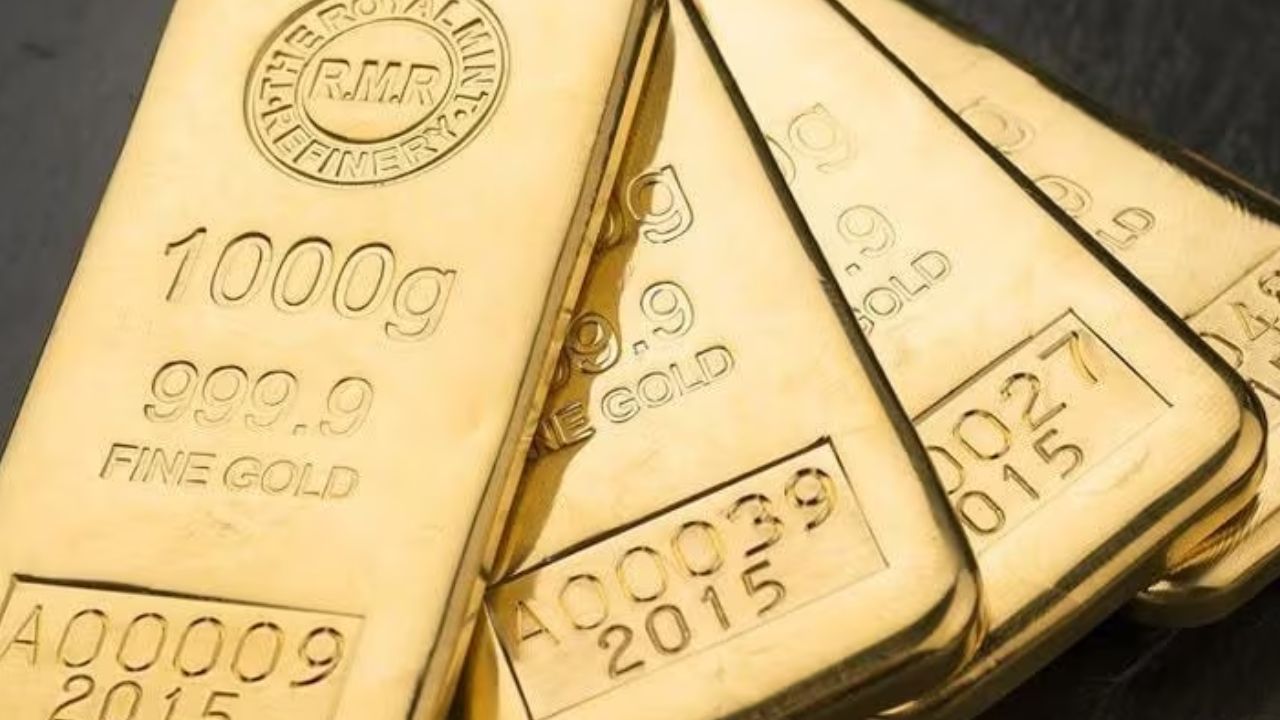
    Gold prices dropped in Pakistan on Tuesday, mirroring the decline in international markets where the precious metal slid more than one percent as investors booked profits after hitting a six-week high in the previous session.


    In global trading, spot gold slipped 1.4 percent to $4,173.91 per ounce by 11:09 am ET (1609 GMT). In anticipation of the US Federal Reserve’s policy meeting next week, traders are currently awaiting important US economic figures.

    Local market followed the same trend. According to the All-Pakistan Gems and Jewellers Sarafa Association, the price of gold per tola fell by Rs2,700 to Rs444,162, while 10-gram gold dropped Rs2,315 to Rs380,797.


    A day earlier, prices had climbed to Rs446,862 per tola after gaining Rs2,700. Silver also edged lower, losing Rs41 to settle at Rs6,004 per tola.


    Adnan Agar, Director at Interactive Commodities, described the movement as a moderate correction. He said gold touched a high of $4,230 and a low of $4,163 during the session before trading around $4,191. He added that upcoming US economic releases over the next several days would shape the market’s direction.

    Agar noted that gold still has “strong downside support around $4,140 and $4,100, and unless these levels are breached, the market is likely to remain biased to the upside.”


    Analysts believe that US labour and inflation figures will play a crucial part in establishing expectations around the Federal Reserve’s next move, which could influence gold’s short-term trend.

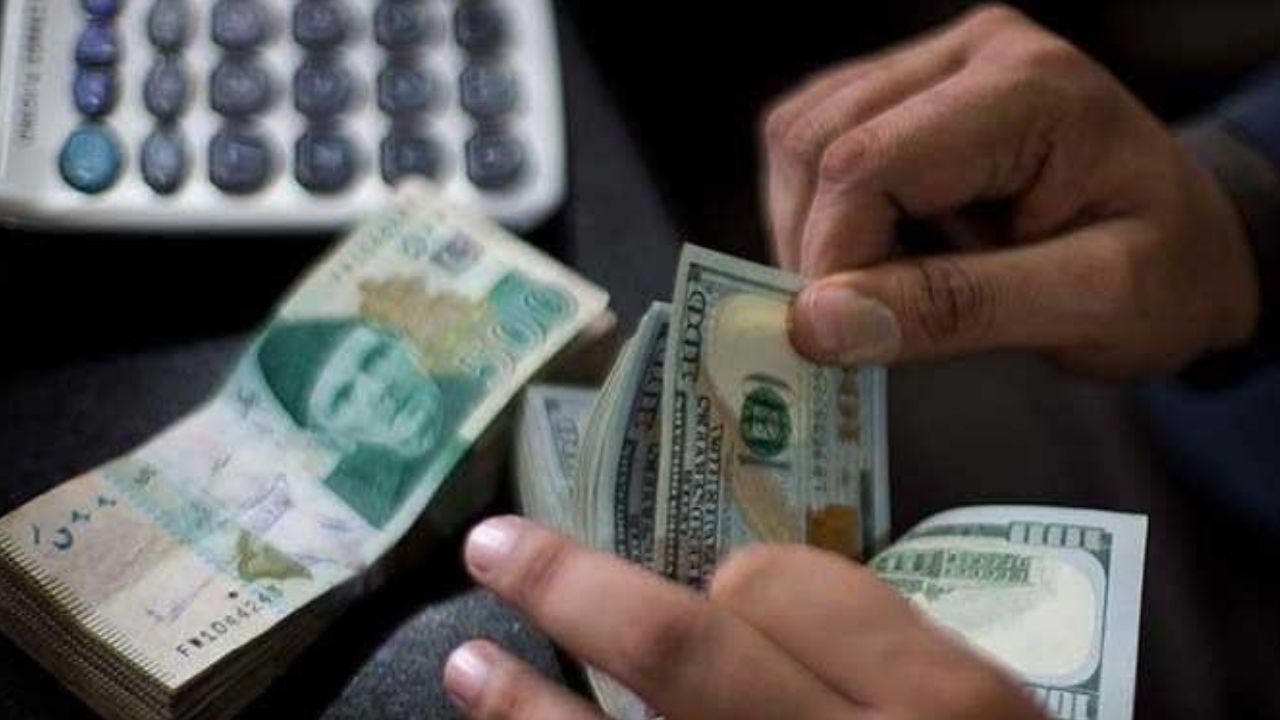
    The Pakistani rupee saw a 0.01 percent increase in value against the US dollar on the currency market, closing at 280.47, compared to Monday’s rate of 280.51.

    Globally, the US dollar weakened further after soft manufacturing data added to speculation that the Federal Reserve may cut interest rates later this month. The US dollar index slipped to 99.408 at the start of Asian trading, extending a seven-day losing streak and touching a two-week low during Monday’s US session.

    Data released Monday showed US manufacturing contracted for the ninth straight month, with the ISM manufacturing PMI dropping to 48.2 in November from 48.7 in October. New orders and employment indicators also fell, while input costs increased due to tariff pressure.

    According to CME Group’s FedWatch tool, traders now estimate an 88 percent chance of a 25-basis-point rate drop at the Fed’s December 10 meeting up from 63 percent a month earlier.

    Oil prices remained largely stable on Tuesday as markets assessed concerns associated to Ukrainian drone strikes on Russian energy facilities and escalating tensions between the US and Venezuela.

  • Bilal bin Saqib resigns as PM’s aide on crypto

    Bilal bin Saqib resigns as PM’s aide on crypto

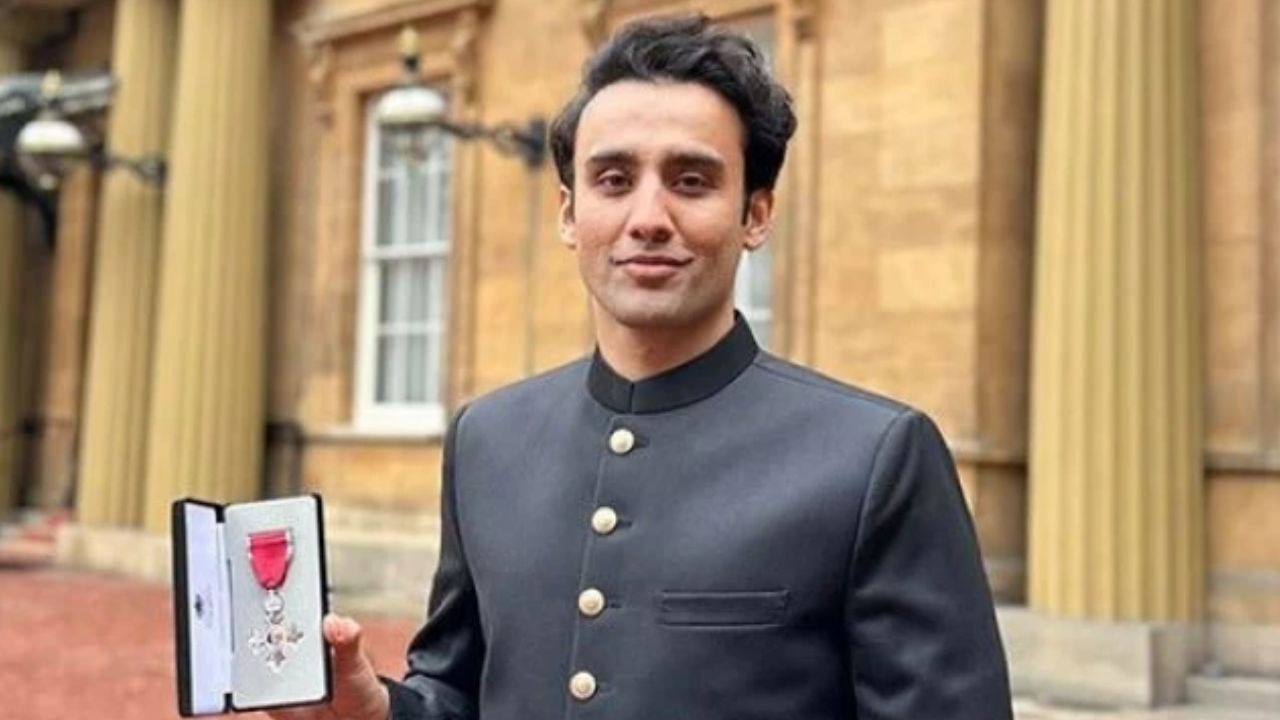
    Bilal bin Saqib, the CEO of the Pakistan Crypto Council, has stepped down from his role as the Prime Minister’s special assistant on blockchain and cryptocurrency.

    According to media reports, Bilal will continue to serve as the chairman of the Pakistan Virtual Assets Regulatory Authority. 

    The cabinet division issued a notification dated October 13, confirming that Prime Minister Shehbaz Sharif accepted his resignation with effect from August 21. 

    The government appointed him to the position on May 26 with the status of minister of state.

    Bilal received another appointment on August 1 when the government named him chairman of PVARA for three years on a voluntary basis, also with the status of minister of state.

    PVARA works as an independent federal body. A multi stakeholder board runs the authority, which includes the governor of the State Bank of Pakistan, the chairman of the Securities and Exchange Commission of Pakistan and the chairman of the Federal Board of Revenue.

    The authority aims to prevent illegal financial activities, protect consumers and create opportunities in fintech, remittances and tokenised assets. It also supports Shariah compliant innovation through regulatory sandboxes.

    Forbes lists Bilal bin Saqib in its “30 Under 30” list, identifying him as the co-founder of Tayaba, a social enterprise that works to address Pakistan’s water crisis. 

    He received an MBE in 2023 for his services to the UK’s National Health Service. The honour, known as Member of the Most Excellent Order of the British Empire, recognises outstanding contributions with long lasting community impact.

  • Originator, beneficiary data for crypto transfers above Rs1 million to be collected

    Originator, beneficiary data for crypto transfers above Rs1 million to be collected

    The government has introduced a comprehensive framework aimed at tightening oversight of digital assets and aligning Pakistan’s financial system with international anti-money laundering and counter-terror financing standards.

    According to reports, under the Virtual Asset Service Provider Governance & Operations Regulations 2025, Virtual Asset Service Providers (VASPs) will be required to obtain, verify and maintain detailed information of both the originator and beneficiary for every transaction exceeding Rs1 million.

    This data must be made available to authorities upon request. Full compliance with the Financial Action Task Force (FATF) Travel Rule has also been made mandatory, reinforcing transparency in the country’s growing crypto sector.

    The regulations cover nearly all aspects of virtual asset activity, including brokerage, custody, exchange operations, lending, derivatives, asset management, token issuance and settlement services. VASPs must deploy blockchain analytics and monitoring tools to detect suspicious patterns, prevent market manipulation and flag activity linked to criminal behavior.

    Corporate governance is a central focus of the framework. VASPs must disclose ultimate beneficial ownership, seek prior approval for changes in control and ensure board members meet strict “Fit and Proper Person” standards.

    Boards will be required to conduct annual performance evaluations, maintain conflict-of-interest registers and make statutory information publicly accessible.

    Financial resilience measures include maintaining paid-up capital for each licensed activity, with 30 percent deposited as security with the State Bank of Pakistan. This deposit will only be refunded once operations cease and liabilities are cleared. Cross-border outsourcing remains permissible, but firms must ensure regulators retain access to data and oversight.

    Cybersecurity has emerged as one of the most heavily regulated domains under the new framework. Each VASP must adopt an Authority-approved cybersecurity policy, reviewed annually, covering access controls, employee vetting, smart-contract auditing, client authentication, system monitoring, incident response, vendor risk assessment and safeguards against ransomware. Continuous testing and auditing of IT systems, including external integrations, will be compulsory to ensure resilience against evolving threats.

    The regulations mark Pakistan’s most ambitious attempt yet to regulate digital assets, signaling a decisive move toward stricter compliance and transparency in the sector.

  • Etihad Town strengthens global footprint with UK Connect events in London and Manchester

    Etihad Town strengthens global footprint with UK Connect events in London and Manchester

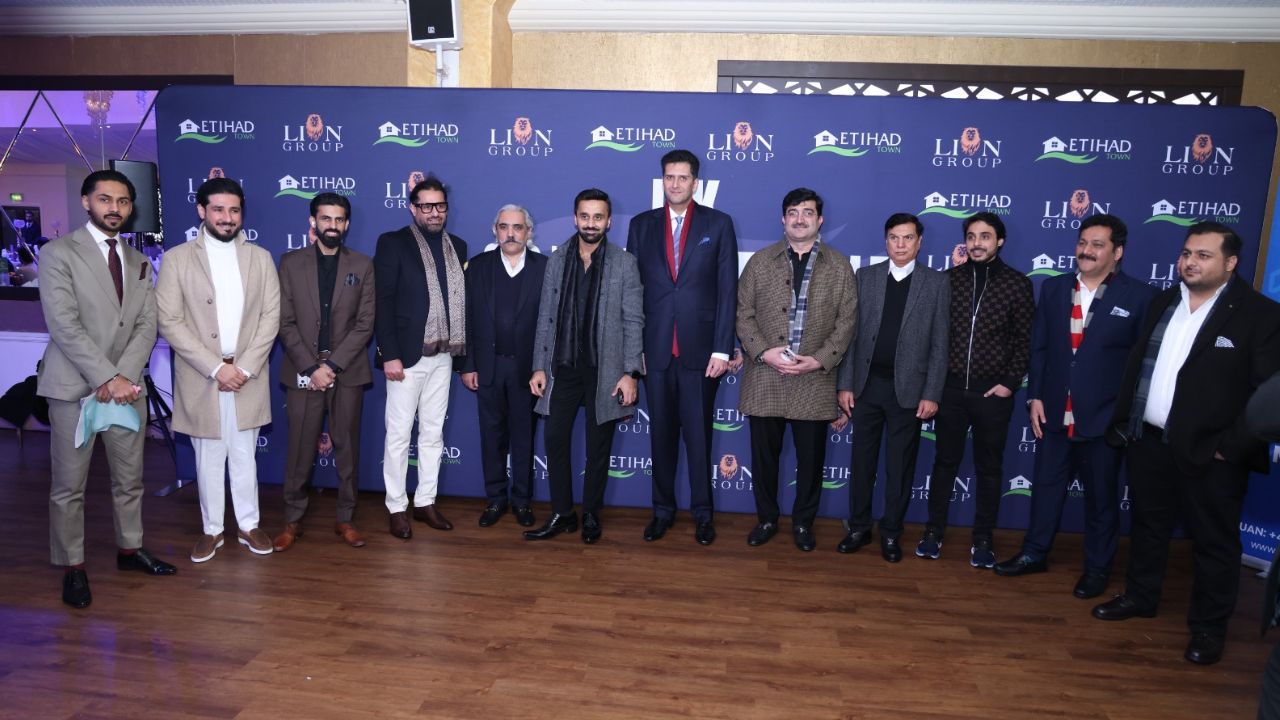
    Etihad Town, Pakistan’s most trustworthy real estate brand, successfully hosted two major UK Connect Events in London (Royal Nawaab Perivale) on 22nd November and Manchester (Royal Nawaab Pyramid) on 23rd November, drawing an overwhelming response from the Pakistani expatriate community.

    Set against the backdrop of iconic UK cityscapes, reflecting progress, connectivity, and global ambition, the events showcased Etihad Town’s commitment to expanding international investor engagement and highlighting Pakistan’s resurgent economic indicators, market stability, and the strong growth trajectory of its real estate sector.

    The events were led by Director Etihad Town, Mr. Chaudhary Raheel Munir, who reiterated the company’s vision of elevating investor confidence and enhancing Pakistan’s global real estate presence.

    Speaking at the occasion, CO Etihad Town, Sheikh Shuja Ullah Khan, stated, “Etihad Town continues to shape Pakistan’s real estate future with credibility, timely delivery, and investor-first policies. With eight major projects across Lahore, Rahim Yar Khan, and Sialkot, our rapid expansion is powered by trust and transparency. Our UK Connect Events reaffirm our dedication to building global relationships and showcasing the limitless potential of Pakistan’s property market.”

    The gatherings were further energized by the presence of leading media personalities Wasay Chaudhry and Waseem Badami, who hosted the sessions and engaged attendees throughout the evening.

    Both events witnessed exceptional participation, with overseas Pakistanis showing deep interest in Etihad Town’s current and upcoming residential and commercial real estate offerings. Partner agencies and strategic sales partners also shared insights on high-return investment options and the long-term value of Pakistan’s evolving property landscape.

    The UK Connect Events mark another significant milestone in Etihad Town’s mission to bridge global investors with Pakistan’s rapidly advancing real estate sector, reinforcing its position as Pakistan’s most trustworthy real estate brand.

  • Pakistan’s auto industry hits a snag: Will policy choices drive growth or decline?

    Pakistan’s auto industry hits a snag: Will policy choices drive growth or decline?

    By Khawar Azhar

    Pakistan’s automobile industry is standing at one of the most decisive moments in its 40-year history. What began in the 1980s with Pak Suzuki’s basic 800cc CKD assemblies gradually evolved into a full-fledged manufacturing ecosystem — one that supports millions of livelihoods and billions of dollars in investment. But today, that same ecosystem finds itself under pressure from a policy direction that increasingly appears to favour imports over local production.


    The New Challenge: Rising Used-Car Imports

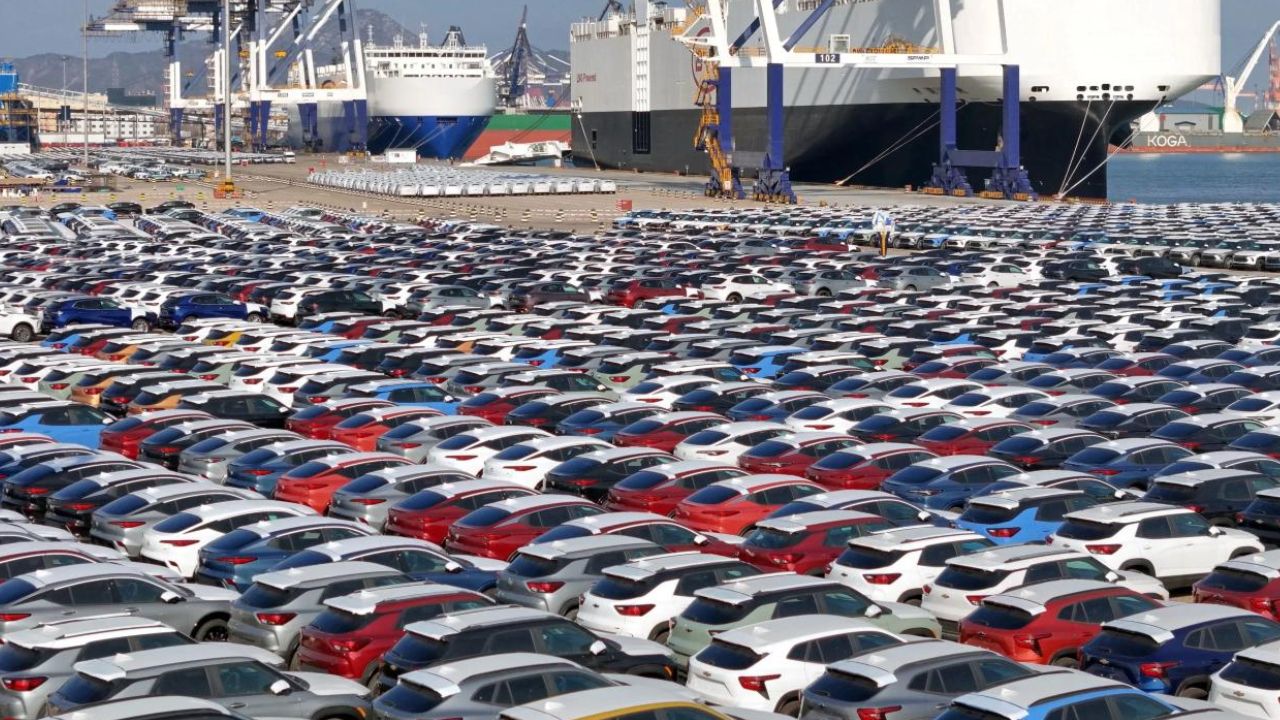
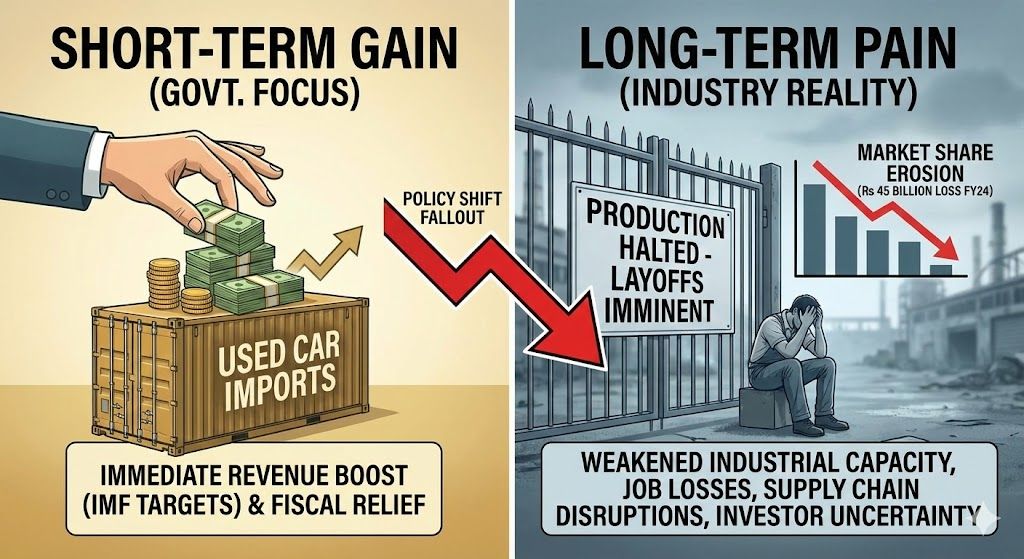
    The biggest threat to the industry right now comes from the liberalisation of used-car imports. With the government under pressure to meet IMF targets and stabilise external accounts, the policy priority has shifted from strengthening industrial output to managing the balance of payments. As a result, trade and tariff structures are being realigned in ways that may unintentionally open the floodgates for used vehicles.

    A 40% regulatory duty has already been introduced, but industry experts argue that gaps, cascading effects, and inconsistent enforcement could still allow imported used cars to flood the market — undermining locally produced vehicles in the process.

    A Sector That Touches Millions

    What makes this situation so concerning is the sheer size of the auto sector’s footprint in Pakistan’s economy. Around 2.5 million jobs are linked directly or indirectly to automobile production. Nearly 1,200 factories — from small-scale vendors to major component manufacturers — supply parts for locally assembled vehicles.

    The industry contributes roughly PKR 700 billion in taxes, almost 6% of the government’s annual revenue. And localisation efforts save close to USD 1.5 billion every year through import substitution.

    These aren’t just numbers — they represent families, factories, and entire communities that depend on the continuity of local car production.

    What Happens If Local Manufacturing Shrinks?

    If used-car imports rise unchecked, fewer vehicles will roll out of domestic assembly plants — and the first to suffer will be local parts vendors. Order volumes would shrink, leading to job losses and production downtime. Tax revenues would fall. And once the supply chain contracts, restarting it becomes extremely difficult.

    This pattern isn’t unique to Pakistan. Even Germany, home to global auto giants, is now working aggressively to protect local manufacturers from Chinese EV competition. The global lesson is clear: strategic industries must be strengthened, not abandoned.

    Short-Term Gains vs Long-Term Loss

    Used cars do offer short-term relief for consumers looking for cheaper options. But Pakistan must decide whether short-term affordability is worth long-term industrial decline. If policy leans too heavily toward imports, automakers may eventually abandon assembly altogether — choosing instead to become importers themselves.

    That would turn Pakistan back into a trading economy, not a producing one.

    A Better Path Forward

    A stable, forward-thinking policy framework could create room for both competition and industrial growth. A tariff differential of at least 40% between imported CBUs and locally assembled CKDs would give manufacturers the breathing space needed to survive and invest.

    New EV players should be allowed in — but only with binding localisation requirements. They must begin local assembly within three years and gradually contribute to exports thereafter.

    On the import side, Pakistan must enforce strict international standards:

    – Pre-shipment inspection
    – Road-worthiness certification
    – Emissions compliance
    – Crash-test verification
    – Guaranteed spare parts availability for at least 10 years


    Depreciation-based duties must be rationalised, and carbon/NEV levies should increase as imported vehicles age.

    Reforms Are Needed — But So Is Stability

    Protecting the industry doesn’t mean protecting inefficiency. Local automakers must improve safety standards, update models more regularly, and compete on merit. But they also need a predictable policy environment to do so.

    A Make-or-Break Moment

    Pakistan now faces a defining choice:

    – Remain an assembly-and-import market, or
    – Transform into a competitive manufacturing and export base.

    The industry is ready for reform. The real question is whether policy will enable that reform — or unintentionally dismantle the foundation that took decades to build.

    If policymakers choose wisely, the auto industry can still be one of Pakistan’s strongest growth engines. If they don’t, the loss of industrial capacity could be permanent — and once gone, it will be extremely difficult to rebuild.

    The author is a communications expert and writes on the issues of public interest. His X handle is @khawar69 and he can be reached at khawarazhar@gmail.com.

  • Petroleum prices likely to drop from Dec 1

    Petroleum prices likely to drop from Dec 1

    Petrol prices in Pakistan are expected to decrease for the next fortnight starting from December 1, media reports said Saturday.

    As per the details, the price of petrol could fall by Rs3.70 per litre to Rs261.75 while high-speed diesel (HSD) price could drop by Rs4.28 per litre to Rs280.16 per litre.

    Kerosene prices could slightly drop by Rs0.73 per litre, down to around Rs193.61 whereas light diesel oil (LDO) is projected to see the largest drop of Rs6.35 per litre – bringing the price down to Rs164.45 from Rs170.80.

    For the last fortnight starting November 15, petrol prices remained unchanged at Rs265.45 per litre. 

    HSD, on the other hand, rose by Rs6 per litre to Rs284.44 on the recommendation of the Oil and Gas Regulatory Authority (OGRA) and the Ministry of Energy.

    For the first two weeks of November, the federal government had increased petrol prices by Rs2.43 per litre to Rs265.45 while HSD rates went up by Rs3.02 to Rs278.44.

    The latest drop in prices is being attributed to minor fluctuations in the international market.

  • Pakistanis buy up to 90,000 kgs of gold every year, but 90% of trade remains undocumented: study

    Pakistanis buy up to 90,000 kgs of gold every year, but 90% of trade remains undocumented: study

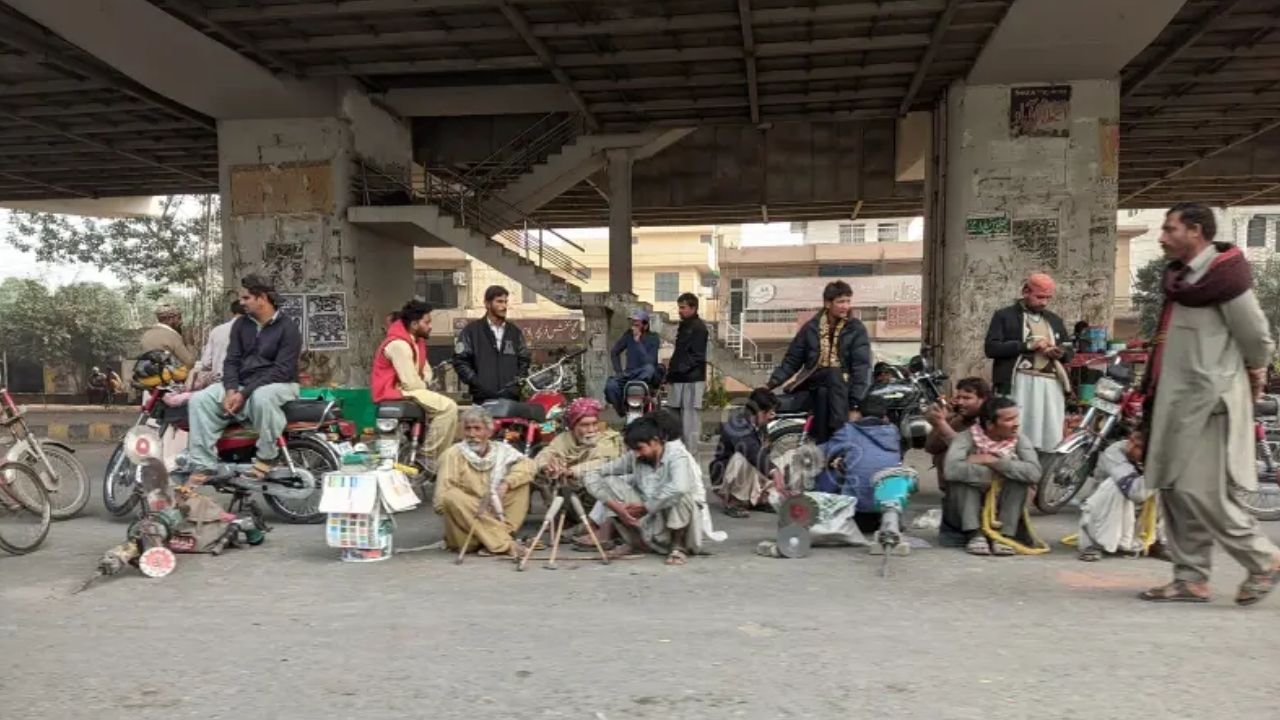
    Pakistan’s annual gold demand stands between 60 and 90 tonnes worth $8–12 billion, but more than 90 percent of the trade remains undocumented, it has emerged.

    According to the Competition Assessment Study of the country’s gold market, which was released by the Competition Commission of Pakistan (CCP), nearly 70 percent of domestic demand is driven by weddings and festivities. However, despite the appetite, Pakistan imported $17 million worth of gold in FY24 while official reserves stood at 64.76 tons valued at almost $9 billion by late 2025.

    The CCP highlighted the potential of the Reko Diq mine, which could generate $74 billion in revenue over 37 years, producing 17.9 million ounces of gold worth $54 billion at current prices. However, without urgent reforms in refining, hallmarking, and regulation, this output risks being absorbed into the same informal system that dominates the market today.

    The report pointed to fragmented oversight, weak hallmarking enforcement, and high compliance costs as key factors fueling smuggling and undocumented trade. The suspension of SRO 760 has further disrupted regulatory stability, halting gem and jewellery exports.

    Gold trading remains concentrated in Karachi and Lahore, with daily pricing largely determined by associations rather than transparent market mechanisms.

    To address these challenges, the CCP recommended establishing a unified regulatory authority, enforcing mandatory hallmarking, introducing digital traceability tools such as blockchain, and creating a gold banking system to formalise household gold. It also called for improved taxation, labour policies, and data governance to align the sector with international standards.

  • Unemployment in Pakistan likely to hit seven percent

    Unemployment in Pakistan likely to hit seven percent

    Unemployment in Pakistan is expected to reach seven percent in fiscal year 2024–25, up from 6.3 percent in 2020–21.

    Media reports citing top officials confirmed that the overall unemployment rate has risen to around 7 percent, according to the latest Labour Force Survey (LFS). 

    The Pakistan Bureau of Statistics (PBS) shared preliminary findings of the 2024–25 survey during the recent DataFest conference, though some experts raised questions about data from Islamabad and other areas. The government is expected to release the official report next week.

    The 2020–21 LFS showed Pakistan’s labour force at 71.76 million, with a slight decline in unemployment to 6.3 percent. The survey highlighted an overall employment-to-population ratio of 42.1 percent, with a significant gender gap—64.1 percent of men employed versus just 19.4 percent of women. 

    The services sector employed the most workers, while youth aged 15–24 faced the highest unemployment at 11.1 percent, particularly among females.

    The 2024–25 LFS adopts the 19th International Conference of Labour Statisticians (ICLS) standards, replacing the older 13th ICLS framework used since 1982. 

    The new framework distinguishes between work for pay or profit and unpaid own-use production work, such as growing food or raising livestock for household consumption, volunteering, or unpaid training.

    This change means many individuals, particularly rural women, unpaid family workers, and subsistence farmers, who were previously counted as employed, may now be classified as engaged in own-use production work or outside the labour force. 

    As a result, labour force participation and employment rates are expected to decline, while unemployment figures rise, providing a clearer picture of who is actively participating in the paid labour market.

  • Foreign exchange reserves register modest rise to $14.55 billion

    Foreign exchange reserves register modest rise to $14.55 billion

    Pakistan’s foreign exchange reserves saw a modest uptick during the week ending November 14, 2025, with the State Bank of Pakistan (SBP) reporting a $27 million increase. The central bank’s holdings rose to $14.551 billion, according to data released Thursday.

    The SBP’s weekly report placed the country’s total liquid reserves at $19.738 billion. Of this, commercial banks accounted for $5.187 billion, while the SBP held the majority share.

    To stabilise the money market, the SBP injected over Rs645 billion through both conventional and Shariah-compliant open market operations (OMOs). The one-day reverse repo OMO drew strong participation, with banks offering Rs512.6 billion—fully accepted at an 11.10% return. The realized value stood at Rs497.186 billion, with all seven submitted quotes cleared.

    In parallel, the SBP conducted a Shariah-compliant Mudarabah-based OMO, underscoring its dual liquidity management framework. Offers totaled Rs146.5 billion, of which Rs132.5 billion were accepted at an 11.08% return. Four out of five bids were cleared, with a realized value of Rs133.237 billion.

    Meanwhile, gold prices in Pakistan slipped on Thursday amid cautious investor sentiment. The decline followed stronger-than-expected U.S. jobs data for September, which prompted traders to reassess expectations for Federal Reserve policy.

    In the local market, gold per tola fell by Rs5,000 to Rs426,562, while 10 grams dropped Rs4,286 to Rs365,708, according to the All-Pakistan Gems and Jewellers Sarafa Association. This came a day after prices had surged by Rs7,900 to Rs431,562.

    Interactive Commodities Director Adnan Agar noted that gold was trading around $4,090, reflecting a $67–73 increase. “The trend is slightly downward and the market is moving slowly,” he said, highlighting key levels at $4,000–4,020 on the downside and $4,155 on the upside. A close below $4,000 could trigger further losses, while crossing $4,155 may spark a rebound.

  • ‘Corruption, elite capture’ threatening Pakistan’s economic progress, IMF warns

    ‘Corruption, elite capture’ threatening Pakistan’s economic progress, IMF warns

    The International Monetary Fund (IMF) has cautioned that persistent corruption and weak institutions continue to undermine Pakistan’s economic development, even as the country shows signs of stabilisation under the ongoing Extended Fund Facility (EFF).

    The warning comes in the IMF’s Governance and Corruption Diagnostic Assessment (GCDA), published as a precondition for the Fund’s executive board to approve a $1.2 billion disbursement next month under the $7 billion programme.

    Launched at the government’s request in January 2025, the assessment was conducted by an interdepartmental IMF team with support from World Bank experts. Over eight months and two field missions, the team worked with federal authorities and stakeholders to identify governance gaps, corruption vulnerabilities, and priority reforms.

    Guided by the IMF’s 2018 Framework on Enhanced Engagement on Governance, the report focuses on five critical areas that included fiscal governance, market regulation, financial sector oversight, anti-money laundering and combating terror financing, and rule of law with an emphasis on contract enforcement, property rights and judicial integrity.

    The IMF stressed that the exercise was confined to federal-level governance issues, did not address provincial concerns, and were based on data collected up to April 2025, excluding reforms introduced thereafter.

    Despite governance concerns, IMF acknowledged “significant progress” under the EFF. Pakistan recorded a primary surplus of 2.0 percent of GDP in the first half of FY25, close to the 2.1 percent target. Inflation fell to a historic low of 0.3 percent in April, while foreign exchange reserves climbed to $10.3 billion at end-April, up from $9.4 billion in August 2024. Reserves are projected to reach $13.9 billion by June 2025.

    The report warned that longstanding challenges continue to weigh on Pakistan’s trajectory. Living standards lag behind peer countries in South and Southeast Asia due to underinvestment in human and physical capital, distortions from the state’s large economic role, fiscal weaknesses, and recurrent macroeconomic pressures.

    “Corruption is a persistent challenge in Pakistan, with significant adverse implications for economic development,” the report stated. It highlighted how citizens are often forced to make payments to officials for basic services, while elite groups capture public benefits for private gain.

    The IMF cited the 2019 sugar export decision under the PTI government as an example of elite influence, and noted that the National Accountability Bureau’s recovery of Rs5.3 trillion between January 2023 and December 2024 represents only a fraction of the losses caused by corruption.

    While Pakistan’s removal from the FATF grey list was noted as progress, the IMF criticised slow enforcement of punishments against money laundering offenders.

    The GCDA outlined a 15-point reform agenda, urging immediate action to strengthen governance and accountability. Key recommendations included ending special privileges in government contracts, shifting all procurement to e-governance within 12 months, establishing strict parliamentary oversight of financial powers, expanding transparency and public access to fiscal information, and strengthening anti-corruption institutions.

    The IMF projected that implementing governance reforms could boost Pakistan’s GDP by five percent to 6.5 percent over five years, based on cross-country experience in emerging markets.